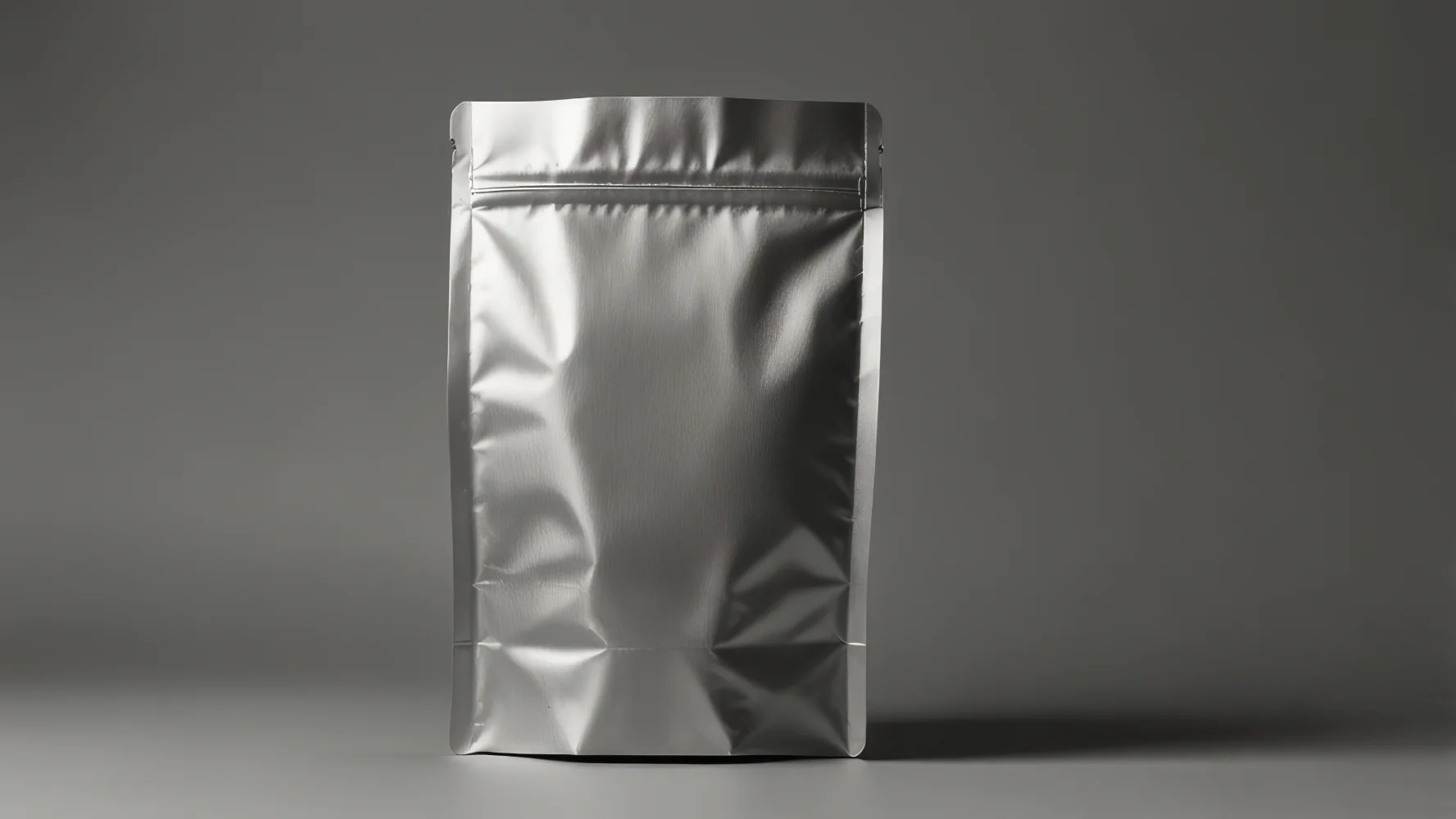
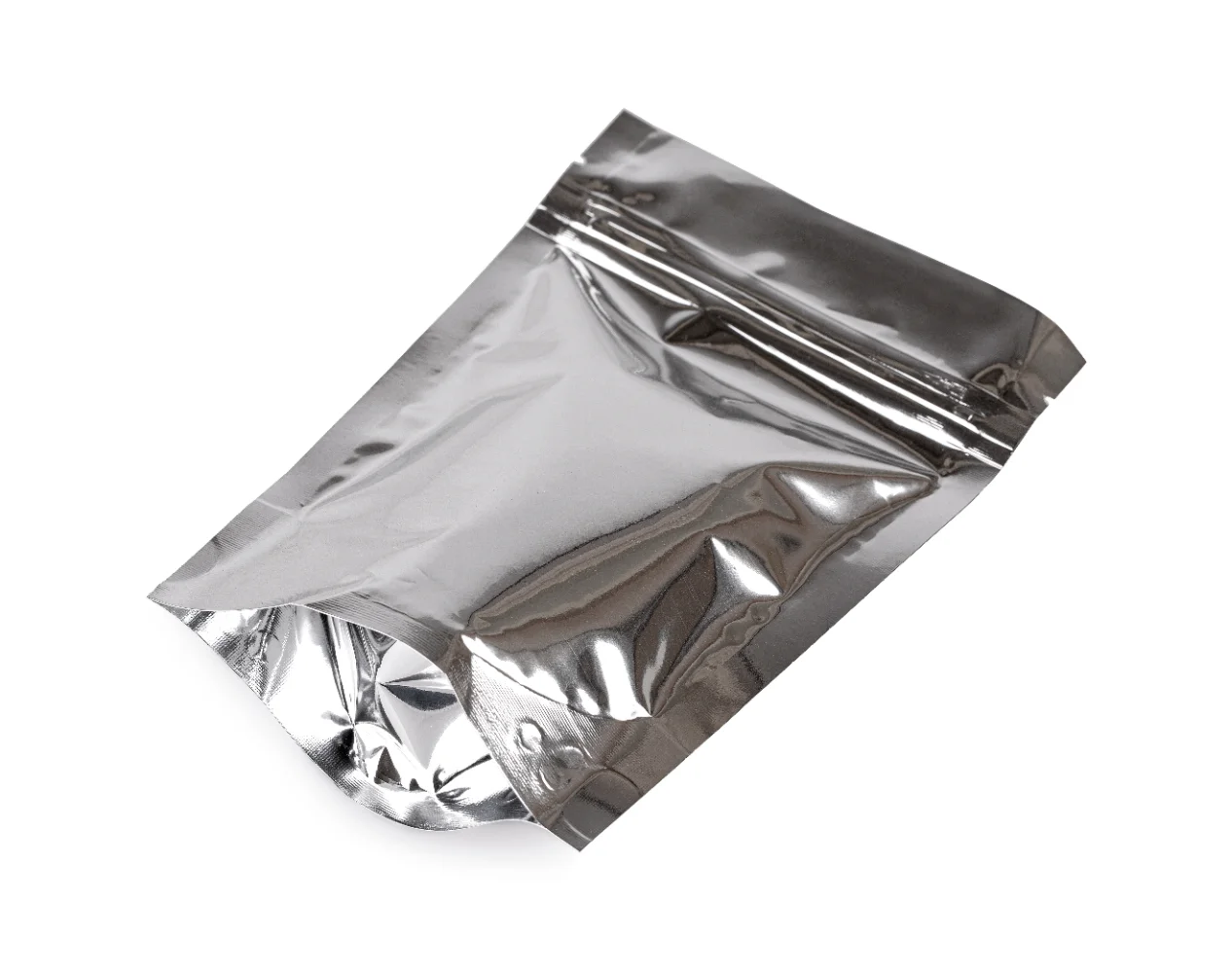
Many buyers ask for a thicker pouch first. That shortcut often hides the real packaging problem.
I do not judge a pouch by thickness first. I judge it by what the pouch must survive, what failure really matters, and whether extra thickness is solving the right problem.

When I review a pouch project, I do not begin with a thickness number. I begin with risk. I want to know whether the pouch is likely to fail in transport, at the seal area, under puncture, under weight, or in daily use. Sometimes a buyer asks for more thickness because the sample feels too soft. Sometimes the real worry is drop risk, poor standing shape, or rough shipping. Those are not the same problem. So I do not let thickness lead the whole discussion.
If you are still comparing pouch samples by hand feel alone, I would check the failure risk before you add thickness that may not solve anything.
Why Do Buyers So Often Use Thickness as the First Packaging Spec?
Thickness feels clear, measurable, and easy to compare. Real packaging risk is much less obvious.
I see buyers use thickness as a shortcut because it looks simple. I do not use it that way because pouch problems are rarely that simple.
Why this shortcut sounds safe but often misleads
I understand why buyers ask about thickness first. It feels like a clean number. It also feels like a quick answer to strength. But in real projects, that number is only a result. It comes from material choice, layer role, bag size, product weight, and route stress. When someone asks me to make the pouch thicker, I usually ask what they are really worried about. Are they afraid of breakage in shipping? Are they worried the bag will not stand well? Are they trying to improve hand feel because the sample feels too light? Those are very different problems. Some need more structure. Some need a different material mix. Some need better bag design, not more thickness. From a production standpoint, this matters because thickness can hide the true issue instead of solving it. I do not like a spec that sounds strong but points at the wrong problem.
| What the buyer says |
What I think they may mean |
| Make it thicker |
I am afraid of damage in transport |
| It feels too soft |
I want more stiffness or perceived quality |
| I want it stronger |
I have not defined the true failure mode yet |
Evidence / Engineering Check: I never treat thickness as the first answer until I know what the pouch is actually failing against.
What Do I Check First Before I Talk About Thickness?
I do not ask how thick first. I ask where the pouch is most likely to fail first.
I start with failure mode. I want to know whether the pouch fears compression, puncture, seal weakness, poor shape, or consumer handling damage.

Why failure mode changes the thickness answer
When I begin a pouch decision, I ask what must survive first. Is the product heavy? Does it have sharp edges? Will the pouch be stacked hard in transport? Is the bag large enough to slump or deform? Is the seal area the real weak point? These questions matter more than a thickness number. If the real problem is puncture, I may need a better structural layer, not just more total thickness. If the real problem is poor standing shape, I may need better stiffness balance. If the real problem is seal consistency, extra thickness by itself may do nothing helpful. In real manufacturing, this detail often determines whether a thicker pouch is solving the right problem or simply making the material harder to run. I only talk about microns after I know what the pouch is supposed to resist and where the first failure is likely to appear.
If you are asking for a thicker pouch because “it feels safer,” I would first test whether the real weak point is structure, seal, or transport pressure.
Why Does More Thickness Not Always Mean Better Protection?
More material can help. It does not automatically mean the pouch is solving the right job better.
I do not assume a thicker pouch is safer. I ask whether extra thickness improves the exact performance the project actually needs.
Why thickness can still miss the real task
This is where many buyers over-trust thickness. A thicker pouch may add body, but that does not mean it automatically improves puncture resistance, seal stability, barrier value, or standing shape in the way the buyer expects. If the material mix is wrong, extra thickness may only add weight and cost. If the sealing window is weak, a thicker film may still seal badly. If the real issue is pouch geometry, extra thickness may make the bag stiffer without making it better. From our daily packaging work, we see that thicker structures can also create new problems. They can feel too hard in the hand. They can open less comfortably. They can fold less cleanly. They can narrow the production window and make the bag harder to form or seal well. So I never treat thickness as a universal upgrade. I treat it as one tool. If it does not answer the real problem, then it is just extra material, not better engineering.
| Buyer expectation |
What I still verify |
| Thicker means stronger |
Stronger against what failure? |
| Thicker means better bag |
Better in transport, sealing, or use? |
| Thicker means safer choice |
Safer, or just more material? |
Evidence / Engineering Check: I only add thickness when it improves the specific performance that matters most in the real project.
How Do Material Structure, Product Weight, and Route Stress Change My Final Thickness Answer?
Thickness never stands alone in my decision. Structure, weight, size, and route keep changing what “enough” really means.
I finalize thickness only after I review layer roles, bag size, product weight, transport stress, and how the pouch must behave in production and in the user’s hands.
Why my final answer is never just a thickness number
I do not separate thickness from structure. Two pouches can have the same total thickness and still perform very differently because each layer is doing a different job. One structure may give more stiffness. Another may give more flex. Another may handle puncture or folding better. Then I add product weight and bag size into the same decision. A pouch carrying 50g and a pouch carrying 1kg do not live through the same stress. A local delivery route and a long export route do not create the same pressure either. I also look at daily use. A pouch can look fine as a sample and still feel wrong when it is filled, sealed, stacked, shipped, opened, and reclosed. In real manufacturing, this detail often determines whether extra thickness helps or becomes dead weight. My final thickness answer is never “as thick as possible.” It is the thickness that matches the real structure job and survives the real chain without creating new trouble.
| Variable |
Why it changes my thickness answer |
| Material structure |
Layer roles matter more than total number alone |
| Product weight and bag size |
Heavier and larger bags face more stress |
| Transport route |
Longer, rougher routes raise risk |
| Real use and production fit |
Over-thick structures can run or feel worse |
Evidence / Engineering Check: I raise thickness only when structure role, product load, route stress, and use conditions all justify the change together.
Conclusion
The right pouch thickness is not the thickest one. It is the one that matches the real product risk, real bag size, real route, and real use condition. Contact me if you want help locking the right structure.
Talk to JINYI About the Right Pouch Structure
About Us
JINYI — From Film to Finished—Done Right.
I work with a team at JINYI that focuses on Custom Flexible Packaging. We bring more than 15 years of production experience to food, snack, pet food, and consumer product packaging.
Our factory runs gravure printing lines and HP digital printing systems, so we support stable large-volume production and flexible smaller runs with better process control.
We believe good packaging is not only about appearance. It should work reliably in transport, on shelf, and in real consumer use with less guesswork and better structure fit.
FAQ
Is a thicker pouch always stronger?
No. I still check structure role, seal quality, and the real failure mode before I call it stronger.
What do you check before recommending thickness?
I check weight, puncture risk, bag size, route pressure, sealing, and consumer use first.
Can the same thickness perform differently in two pouches?
Yes. Material structure and layer role can change performance a lot even at the same total thickness.
Does product weight affect the right thickness?
Yes. Product load changes stress on the pouch during filling, transport, and handling.
Why can a thicker pouch still feel wrong?
Because extra thickness can reduce comfort, hurt sealing or forming, and still fail to solve the real packaging problem.