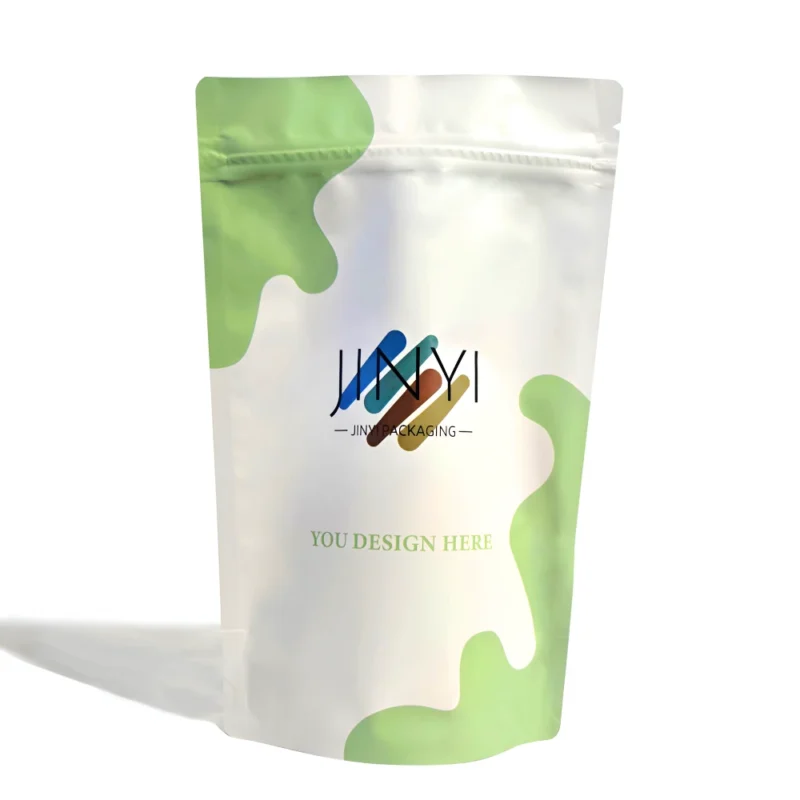
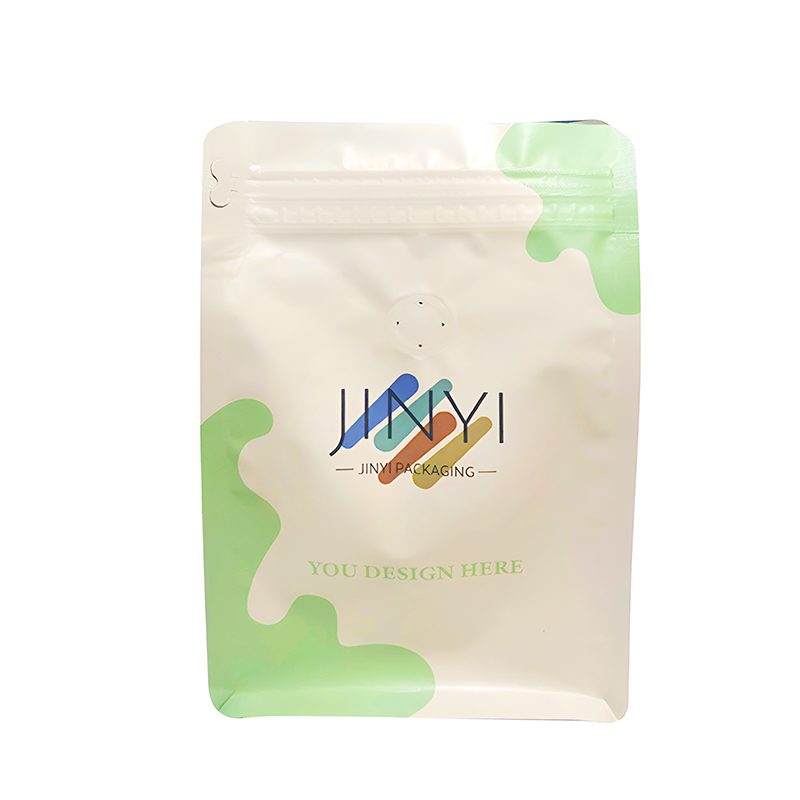
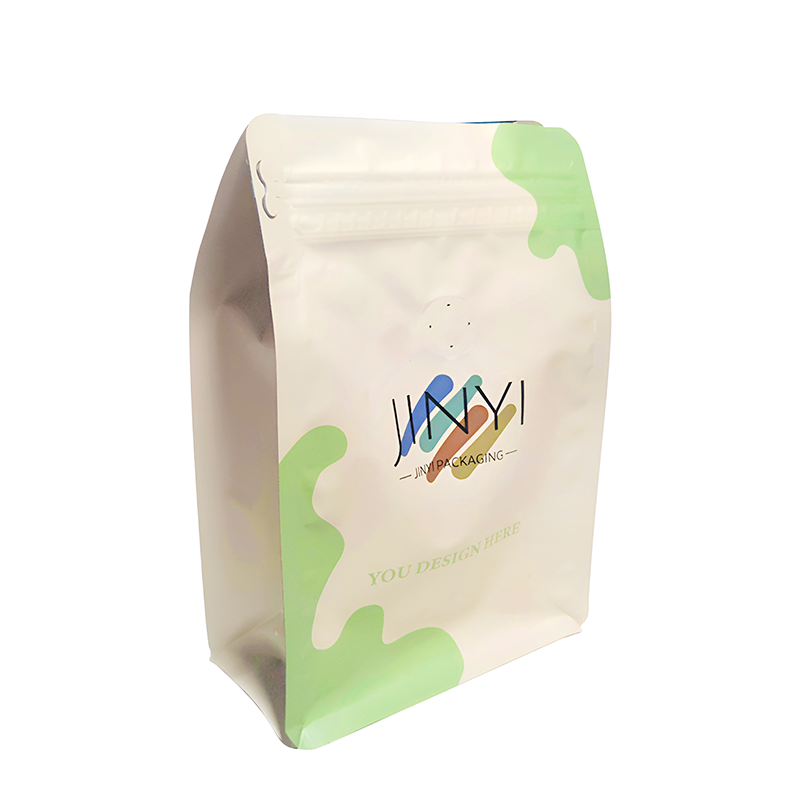
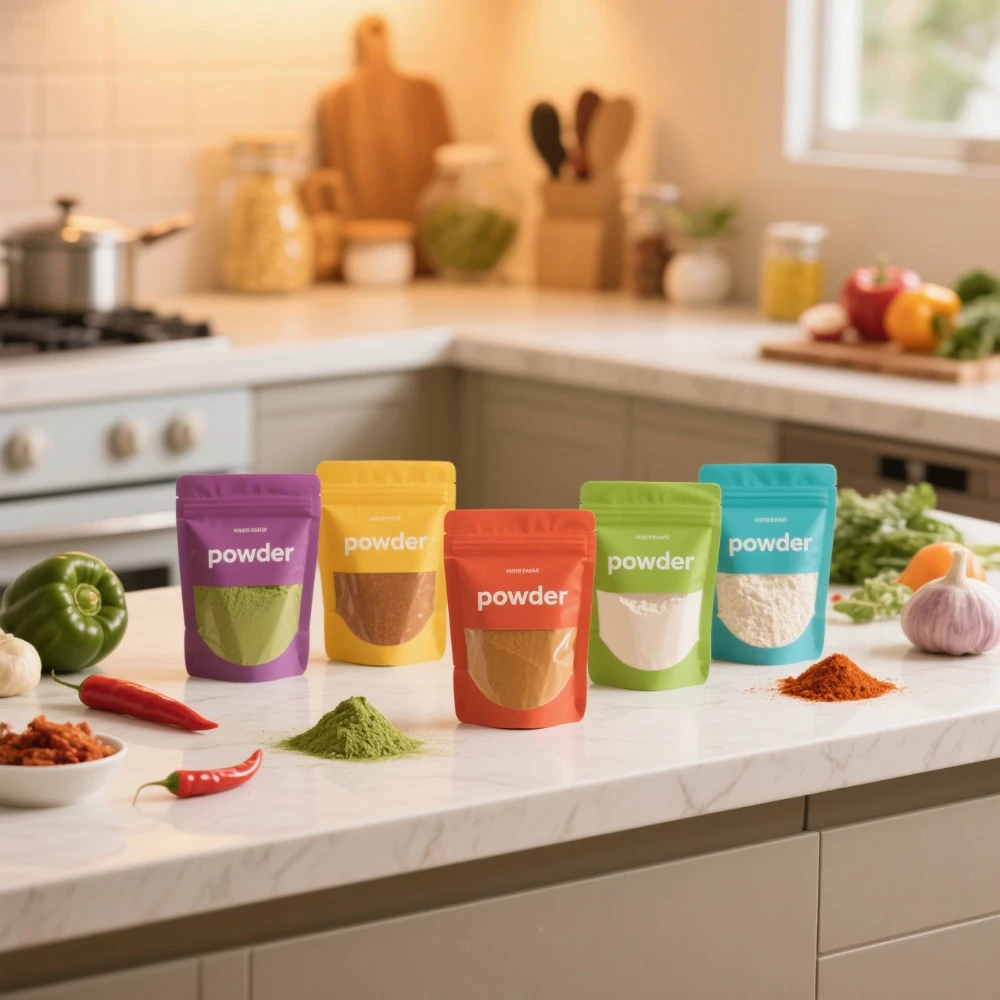
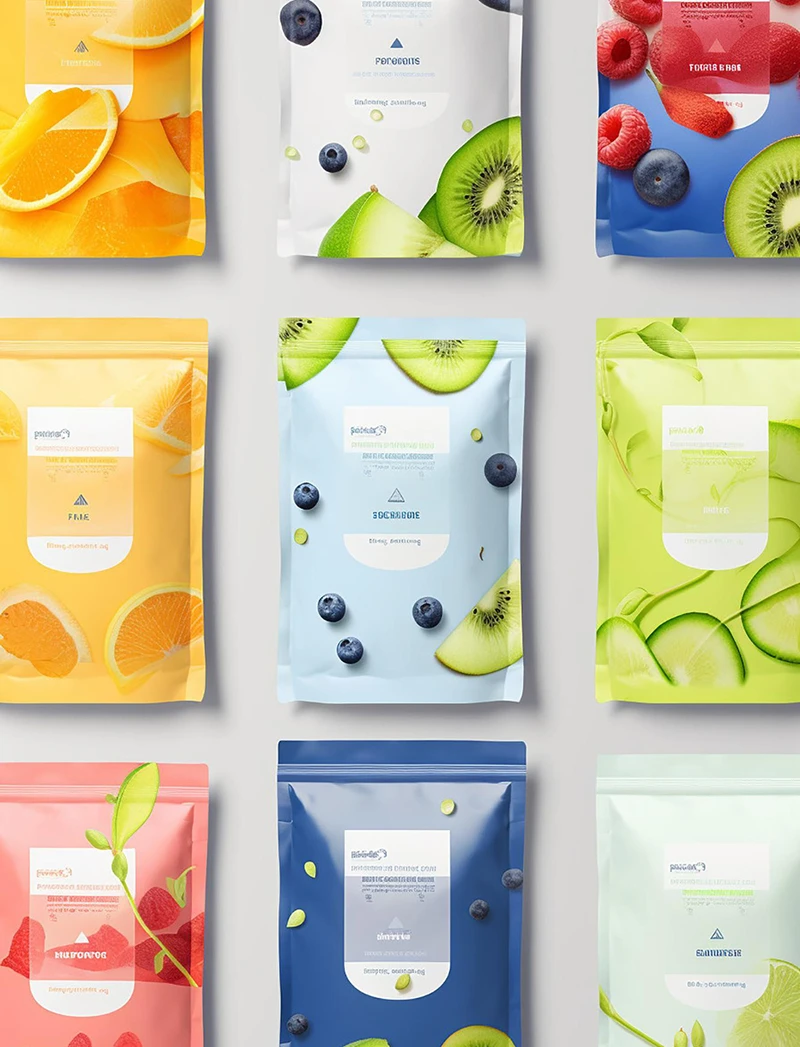
Many buyers choose by looks first. Then shelf life, filling, or label space starts causing trouble.
I choose custom stand up pouches by product type, shelf-life risk, fill behavior, feature value, production fit, channel stress, and label space—not by appearance first.
See stand up pouch options that are built for real food, snack, and supplement projects.

I do not treat pouch selection as a style choice. I treat it as a process of matching structure to product behavior, production reality, and sales path.
Why Should Buyers Start with Product Type Before Choosing a Stand Up Pouch?
One pouch style can serve many products, but the failure points are never the same.
I start with product type because snacks, foods, and supplements lose value in different ways, so the right pouch logic changes early.
My engineering view
I never begin with graphics or trend examples. I begin with what the product fears most during real selling. Snacks often care about crunch, breakage, grease oxidation, and shelf display. Food products may care more about moisture pickup, aroma hold, or light protection. Supplements often care about moisture control, oxygen exposure, measuring convenience, and dense compliance text. Once I define that risk, I can judge the pouch size, material, opening style, and print area more accurately. From our daily packaging work, we see that wrong choices usually start when teams group very different products under one packaging idea. A pouch is not selected because it is popular. It is selected because it protects the product’s weakest point.
| Product group |
First risk I check |
| Snacks |
Crunch, oil, breakage |
| Supplements |
Moisture, oxygen, label load |
Evidence: FDA Food Labeling Guide (2025); FDA Dietary Supplement Labeling Guide.
How Do Shelf Life and Barrier Needs Change the Right Pouch Structure?
Many buyers ask about thickness first. That question is too early and often too shallow.
I choose structure by shelf-life target and failure path first, because moisture, oxygen, and light do not threaten every product in the same way.
My engineering view
I do not use “high barrier” as a universal answer. I ask what kind of loss the brand is trying to prevent. A crispy snack may need strong moisture control. A fatty snack or protein powder may need better oxygen control. Some supplement products also need better light blocking. If I do not define that path first, thicker film can become wasted cost instead of useful protection. In real manufacturing, this detail often determines whether the project stays practical or becomes overbuilt. That is why I match structure to risk, not to a vague feeling of premium quality. The right pouch structure starts with barrier logic, not just pouch appearance.
| Main threat |
What I prioritize |
| Moisture |
WVTR control |
| Oxygen |
OTR and seal integrity |
Evidence: ASTM F1249-20; ASTM F88/F88M-23.
Why Do Fill Weight, Product Density, and Pouch Dimensions Need to Be Matched Together?
A pouch that holds the product can still look wrong and perform badly after filling.
I match weight, density, width, height, and bottom gusset together because the filled pouch is a 3D shape, not a flat drawing.
My engineering view
I have seen many projects blame material when the real issue was proportion. Light snacks can fill large volume fast. Dense powders may fill small volume with high weight. Granules move differently from fine powders. If the pouch is too narrow, too tall, or poorly balanced at the base, it can lean, swell, trap too much empty top area, or lose a clean shelf shape. From a production standpoint, this matters because bad proportion hurts both appearance and runnability. I choose dimensions by the filled form I want the customer to hold, not only by the gross volume a calculator suggests. That approach usually prevents the common problems of unstable standing, poor headspace balance, and weak front-panel presentation.
| Dimension factor |
Common problem if wrong |
| Width / height ratio |
Leaning or weak shelf look |
| Bottom gusset depth |
Poor standing balance |
Evidence: ASTM F88/F88M-23; practical form-fit evaluation before mass production.
How Should Buyers Choose Between Zipper, Tear Notch, Window, and Other Functional Features?
Extra features look attractive on samples, but some of them add cost without adding real value.
I choose features by use rhythm, storage need, and product sensitivity, because function should serve the real use case.
My engineering view
I do not ask “What can we add?” first. I ask “What will the consumer really use?” A zipper is useful when the product is opened many times. A tear notch may be enough for single-use portions. A window can help product visibility, but it may work against light protection or barrier balance. Some supplement packs need cleaner reclose behavior because the product stays in use for weeks. From our daily packaging work, we see that feature overload often makes the project more expensive and harder to produce without improving the real user experience. Features are not decoration. They influence seal path, bag-making difficulty, cost, and the way the pouch performs after opening.
| Feature |
When I prefer it |
| Zipper |
Repeated opening and storage |
| Window |
Visibility matters and barrier still fits |
Evidence: FDA food and supplement labeling guidance; feature choice should not interfere with required information display.
Why Does the Filling Process Matter So Much When Choosing a Custom Stand Up Pouch?
A good-looking pouch can still fail once it reaches the line and starts running.
I rank filling compatibility early because a pouch has to open, fill, and seal cleanly under real production conditions.
My engineering view
I always ask how the product is filled. Is it manual, semi-automatic, or fully automatic? Is it dusty powder, free-flow granules, sticky food pieces, or static-prone supplement mix? These details change the needed mouth width, body stiffness, seal area, and tolerance for contamination near the seal zone. In real manufacturing, this detail often determines yield and final appearance more than the artwork does. A pouch that looks perfect but opens poorly, fills slowly, or traps product in the seal area is not a good packaging solution. If you want fewer line problems, choose the pouch around the filling process, not after it.
| Filling reality |
What I adjust |
| Dusty powder |
Seal area and mouth design |
| High-speed line |
Stiffness, consistency, sealing window |
Evidence: ASTM F88/F88M-23 seal strength method; ASTM D3078-02(2021)e1.
How Do Shipping, Shelf Display, and Channel Requirements Affect the Final Choice?
A pouch that works in boutique retail may not survive e-commerce stress the same way.
I choose final structure by sales path because shelf logic and route stress are part of the package job, not separate issues.

My engineering view
I do not separate packaging from the route it must travel. Retail programs need a stronger focus on front presentation, standing consistency, and neat facings. E-commerce programs usually need more attention on compression, drop risk, abrasion, and post-shipping appearance. Some brands need both. That means the pouch cannot be designed around a single scene only. From a production standpoint, this matters because the best-looking pouch can still become the wrong pouch if the route is rough and the seal or shape is too delicate. I judge the pack by warehouse handling, carton loading, transport stress, shelf exposure, and consumer pickup as one chain. A custom pouch works best when the channel is part of the design brief from the start.
| Channel |
Main packaging focus |
| Retail shelf |
Front display and standing quality |
| E-commerce |
Route stress and seal survival |
Evidence: ASTM D3078-02(2021)e1; ASTM F88/F88M-23.
Why Should Artwork Space and Compliance Information Be Considered Early?
Many teams notice size problems only after design starts. That is usually too late.
I check artwork space early because food and supplement packs often need more mandatory text than the front design suggests.
My engineering view
I do not treat label space as a design-only issue. I treat it as a structure issue. Food packs may need ingredients, Nutrition Facts, allergens, usage notes, barcode, and business information. Supplement packs often add even more density with Supplement Facts and other required statements. If the pouch is chosen too small because the front looks attractive, the back panel may become crowded, hard to read, and difficult to organize. That problem is avoidable when size, format, and information load are reviewed together. A pouch should carry the product and the required message with equal discipline.
| Information load |
Why size matters |
| Food labels |
Ingredients, allergens, nutrition |
| Supplements |
Supplement Facts and dense instructions |
Evidence: FDA Food Labeling Guide (2025); FDA Dietary Supplement Labeling Guide, Chapter I and Chapter IV.
Is the Best Custom Stand Up Pouch the One with the Most Features—or the One That Fits the Product Best?
More structure and more features can look impressive, but that does not always make the pouch better.
I define the best pouch as the one that fits the real product, route, budget, and user behavior with the fewest unnecessary compromises.
My engineering view
I rarely trust the idea that the “most advanced” option is the best option. Good pouch selection is usually a process of ranking needs, not stacking extras. The right pouch is the one that protects the product, fits the line, survives the route, holds the required information, and stays usable for the customer. Food, snacks, and supplements all need solutions that are stable and repeatable in real operations. That is why I value fit over feature count. From our daily packaging work, we see that many project problems come from wrong priorities, not from missing one more function. The best custom stand up pouch is the one that fits the product reality so well that it feels obvious after the fact.
| Selection mindset |
Result |
| Feature stacking |
Higher cost, mixed value |
| Product fit |
Cleaner and safer solution |
Evidence: FDA labeling guidance; ASTM F88/F88M-23; ASTM F1249-20; ASTM D3078-02(2021)e1.
About Us
JINYI — From Film to Finished—Done Right. We believe good packaging is not only about appearance. It should work reliably in real shipping, shelf, and consumer-use conditions. I focus on custom flexible packaging with 15+ years of production experience. Our factory runs multiple gravure printing lines and HP digital printing systems, so I can support both stable large-volume production and flexible smaller custom runs. I care about matching structure, print, and process so each pouch performs with clearer lead times, steadier quality, and better real-world use.
FAQ
Should I choose pouch material by thickness alone?
No. I choose by shelf-life goal, product risk, and barrier need first. Thickness alone is not a reliable answer.
Do snacks and supplements need the same stand up pouch structure?
Not always. I usually separate them by moisture, oxygen, light sensitivity, and label-space demand.
When is a zipper worth adding?
I add a zipper when repeated opening and better storage really matter for the product and user behavior.
Why do some pouches look unstable after filling?
The common reasons are poor width-height balance, wrong bottom gusset depth, or mismatch between density and pouch size.
When should I think about label space?
I think about it at the start, especially for foods with full label content and supplements with dense Supplement Facts information.