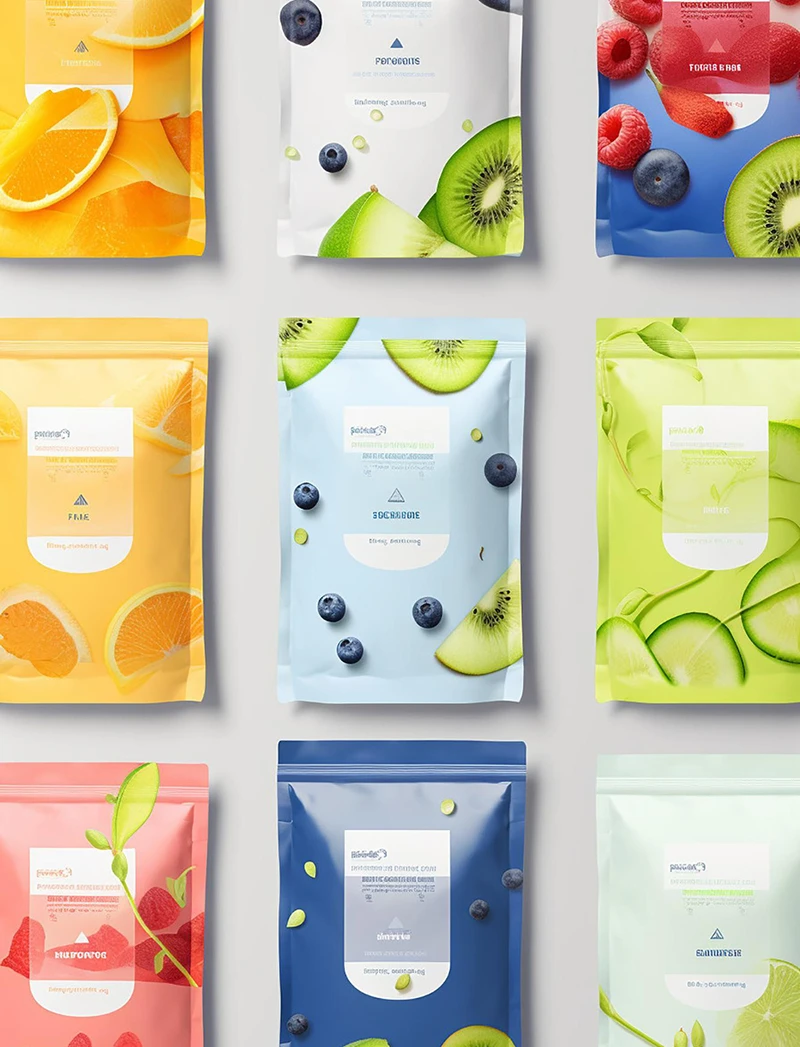
Many buyers start with looks or price. Then filling, shelf life, or user experience starts going wrong.
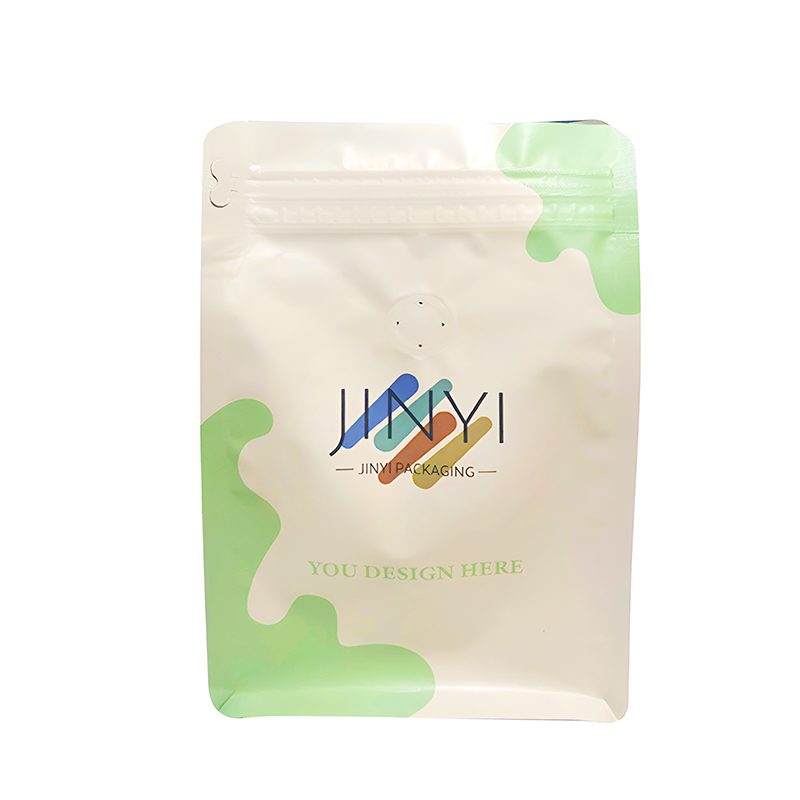
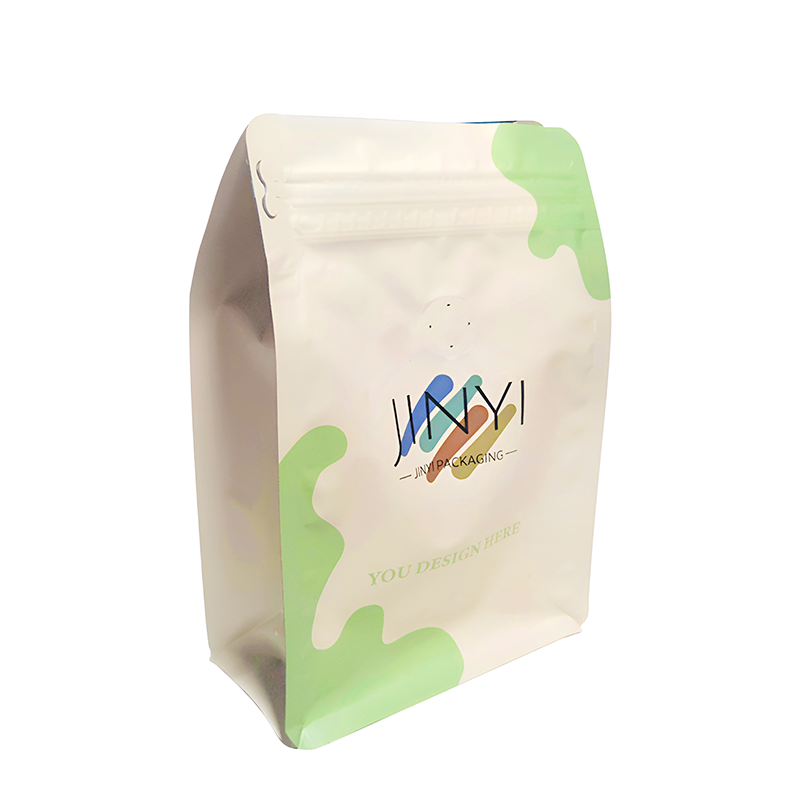
I choose the best custom pouch by treating size, material, and closure as one system built around product risk, fill behavior, sealing needs, and real consumer use.
Explore custom pouch options that are designed for real filling, protection, and daily use.

I do not choose these three points one by one. I match them together so the pouch can run in production, stand on shelf, and stay practical after opening.
Why Should Buyers Define the Product First Before Choosing Size, Material, and Closure?
A pouch decision gets blurry when the product itself is still vague.
I define the product first because powders, granules, snacks, coffee, and liquids all drive different needs for size, structure, and closure value.
My engineering view
I do not begin with a size chart or a material list. I begin with the product’s real behavior. I want to know how it fills, what it fears most, how often it is opened, and how it travels. From a production standpoint, this matters because the product sets the direction for all three choices. If I define the product badly, I usually overspec one area and underspec another.
| Product type |
What I check first |
| Powder |
Moisture, dust, reclose use |
| Snack |
Breakage, oil, filled shape |
Evidence: FDA Food Labeling Guide (2025); FDA Dietary Supplement Labeling Guide.
How Does Pouch Size Affect More Than Just Capacity?
A pouch can hold the product and still be the wrong size.
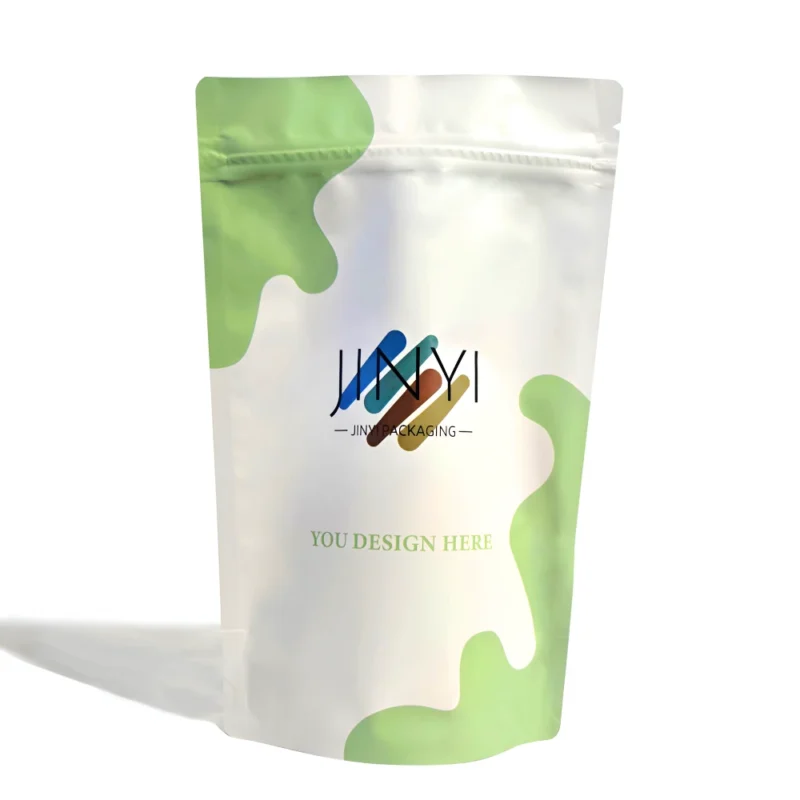
I judge size by filled proportion, headspace, shelf presence, and hand feel, not by volume alone.
My engineering view
I treat size as filled-form design. Too tall and narrow can weaken standing. Too short and wide can crowd the front panel. Too much top empty area can make the pouch look soft on shelf. In real manufacturing, this detail often determines display quality, carton efficiency, and even how clean the filling result looks. I am not choosing a container that merely fits the product. I am choosing a retail unit that still looks stable after filling.
| Size issue |
Common result |
| Too tall |
Weak standing shape |
| Too much headspace |
Loose shelf look |
Evidence: Filled-shape review before mass production.
Why Must Fill Weight, Product Density, and Dimensions Be Matched Together?
Wrong proportions often look like a material problem at first.
I match weight, density, width, height, and bottom support together because the pouch is judged after filling, not as a flat drawing.
My engineering view
A light, fluffy product and a dense, compact product do not shape the pouch the same way. Powders settle. Granules roll. Fragile snacks leave voids. From our daily packaging work, we see that wrong proportion causes leaning, bulging, poor grip, and unstable shelf display. I do not estimate by capacity alone. I look at the real 3D form the customer will see and hold. That is what protects both presentation and usability.
| Factor |
Why it matters |
| Density |
Changes filled shape fast |
| Bottom depth |
Controls standing balance |
Evidence: Filled pouch proportion review; seal and burst validation planning.
How Should Buyers Choose the Right Material Based on Product Risk?
Material choice becomes guesswork when risk is not defined first.
I choose material by the product’s first failure path, because moisture, oxygen, light, and aroma loss do not threaten every product equally.
My engineering view
I never ask which material looks more advanced. I ask what the product fears first. If the product fears moisture, I focus on water vapor control. If it fears oxidation, I focus on oxygen control. If it fears light or aroma loss, I build around that. From a production standpoint, this matters because overbuilding raises cost and underbuilding creates complaints. Material is a risk-matching tool, not a prestige label.
| Risk |
Material priority |
| Moisture pickup |
WVTR control |
| Oxidation |
OTR control |
Evidence: ASTM F1249-25; ASTM D3985-24.
Why Is Material Performance About More Than the Film Itself?
A strong laminate description can hide a weak finished pouch.
I judge finished performance through seals, folds, zipper areas, and transport damage risk, because the pouch works as a system.
My engineering view
I am not buying a film description. I am buying a pouch that must survive filling, sealing, shipping, and use. In real manufacturing, this detail often determines the true weak point. A good structure can still fail if the seal is inconsistent or the zipper zone becomes vulnerable. That is why I review material performance together with seal integrity and finished-bag behavior, not as a separate paper spec.
| Area |
Possible weakness |
| Seal zone |
Loss of integrity |
| Fold / zipper zone |
Stress concentration |
Evidence: ASTM F88/F88M-23; ASTM D3078-02(2021)e1.
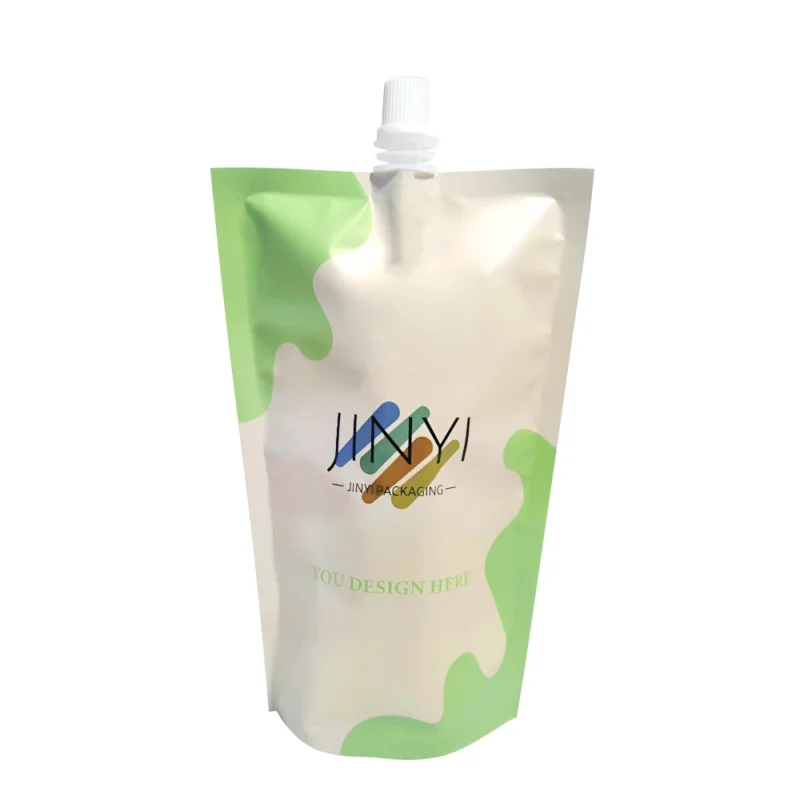
How Should Buyers Decide Between Zipper, Tear Notch, Spout, and Other Closure Options?
More closure features do not always create a better pouch.
I choose closure by consumer action, product state, and storage rhythm, because closure is part of use logic, not just pouch decoration.
My engineering view
If the product is used many times, a zipper often makes sense. If it is single-use, a tear notch may be enough. If it is liquid or semi-liquid, a spout can improve control. From our daily packaging work, we see that good closure choice reduces consumer effort and unnecessary cost at the same time. I do not ask what can be added. I ask what problem the closure should solve.
| Closure |
Best use case |
| Zipper |
Repeated opening |
| Spout |
Controlled pouring |
Evidence: User-path and closure fit review before tooling.
Does the Best Closure Improve Convenience, Protection, or Cost Efficiency?
Buyers often expect one closure to improve everything at once.
I separate closure value into convenience, protection support, and cost effect, because each option solves a different problem.
My engineering view
A zipper mainly helps repeated use. A tear notch mainly helps simple opening at low cost. A spout mainly helps controlled dispensing. In real manufacturing, this detail often determines whether the pouch stays practical or becomes overbuilt. I always ask what the closure is improving first. That keeps the project honest. A feature is only valuable when it improves a real action, not when it only makes the sample look richer.
| Closure goal |
Most direct option |
| Easy reopening |
Zipper |
| Low-cost opening |
Tear notch |
Evidence: Closure-function review in product development.
How Do Size, Material, and Closure Affect Each Other in One Real Pouch?
These are not three upgrades that work independently.
I treat size, material, and closure as linked variables, because changing one often changes sealing, display, stiffness, or cost in another area.
My engineering view
If I change the size, I may change mouth proportion and closure fit. If I change the material, I may change stiffness, seal window, and shelf shape. If I change the closure, I may change cost, usable print area, and consumer handling. From a production standpoint, this matters because the best pouch is usually the one with the fewest internal conflicts. I do not optimize them alone. I balance them together.
| Change |
What else moves |
| Size |
Closure fit, shelf shape |
| Material |
Seal behavior, stiffness |
Evidence: Sealability and finished-form review before approval.
How Should Buyers Balance Shelf Display, Filling Reality, and Consumer Use?
A pouch can look attractive in a mockup and still create trouble later.
I balance display, filling, and use together because the pouch must run well in the factory, stand well on shelf, and stay easy in the hand.

My engineering view
If I choose size only for shelf beauty, filling may suffer. If I choose material only for protection, the pouch may feel too stiff or dull. If I choose closure only for premium effect, cost and complexity may rise without real benefit. From our daily packaging work, we see that strong pouch design usually comes from a few practical choices that support each other. The best custom pouch is the one that can run, stand, and be used without fighting itself.
| Scene |
What I protect |
| Filling line |
Speed and consistency |
| Consumer use |
Ease and control |
Evidence: Production-fit review; display and use simulation.
What Should Buyers Prioritize First When They Cannot Optimize Everything at Once?
Most projects cannot maximize cost, speed, appearance, and protection all at once.
I rank the factor that most protects the product result first, then I build the other pouch choices around that priority.
My engineering view
If the product is sensitive, material logic rises first. If shelf display drives selling, size proportion rises first. If the product is reused many times, closure weight rises. In real manufacturing, this detail often determines whether the project stays disciplined. I do not try to make every parameter the strongest. I try to protect the most important outcome first, then keep the rest aligned with it.
| Main pressure |
My first priority |
| Sensitive product |
Material logic |
| Retail-driven sale |
Size and display shape |
Evidence: FDA labeling guidance; ASTM F88/F88M-23; ASTM F1249-25; ASTM D3985-24.
About Us
JINYI — From Film to Finished—Done Right. I believe good packaging is not only about appearance. It should work reliably in transport, on shelf, and in the customer’s hands. I focus on custom flexible packaging with 15+ years of production experience. Our factory runs multiple gravure printing lines and HP digital printing systems, so I can support both stable large-volume production and flexible custom work with clearer lead times and steadier quality.
FAQ
Should I choose pouch size by capacity only?
No. I also check filled shape, headspace, shelf balance, and hand feel.
Does thicker material always mean better protection?
No. I match material to the product’s real moisture, oxygen, light, or aroma risk.
When is a zipper worth adding?
I add a zipper when repeated opening and storage create clear value for the user.
Why can a pouch with good material still fail?
The weak point is often the seal zone, fold area, or closure area, not the film name itself.
What should I prioritize first if budget is tight?
I prioritize the factor that most directly protects the final product result, then I adjust the rest around it.