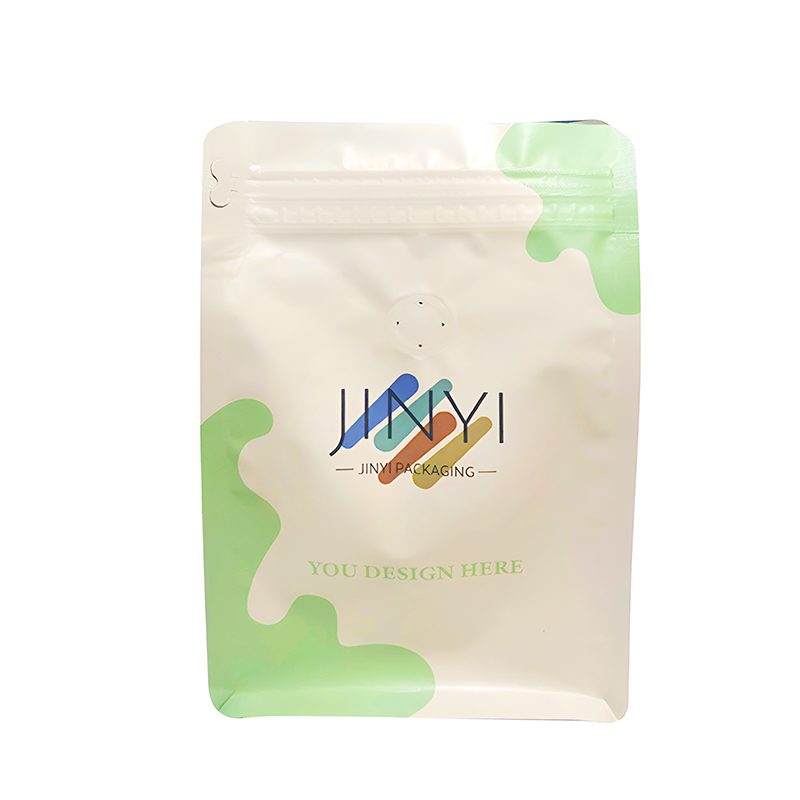
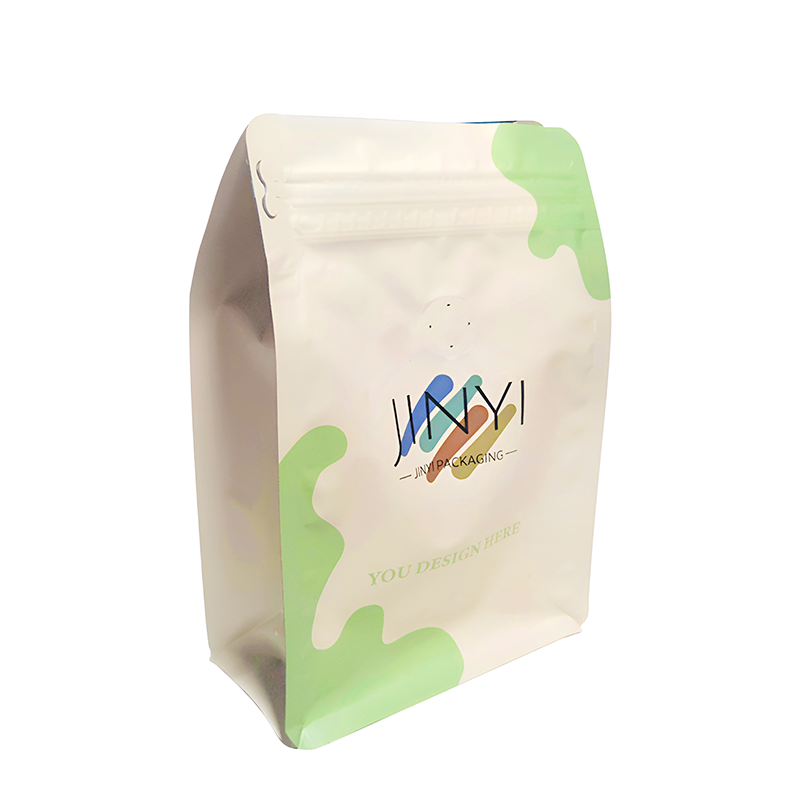
Many coffee bags look professional with a valve. Many of them still use the wrong valve logic.
I do not choose a coffee valve by habit or by coffee-bag appearance. I choose it by degassing behavior, product format, shelf-life target, pouch structure, and real circulation risk.

When I review a coffee pouch, I do not start with valve type or valve position. I start with one simple question: does this pouch have a real pressure problem to manage? If that answer is weak, I do not want to pretend the valve is helping just because the bag looks more like a coffee bag. That is usually where buyers get the order wrong.
If you are still adding a valve because it feels like standard coffee packaging, I would check the degassing logic first.
Why Do Buyers So Often Treat a Coffee Valve as a Standard Feature?
Many buyers see a valve and think “professional coffee bag.” I usually stop and ask what problem it is solving.
A coffee valve is not a style feature. It is a pressure-management decision.

Why I never start with “all coffee bags need a valve”
I understand why this happens. Premium coffee bags often have valves, so buyers start copying the visual formula. I do not trust that shortcut. A valve does one main job. It gives gas a controlled way out. If I do not have a real gas-management problem, then the valve may be more image than function. From a production standpoint, this matters because every added component should justify itself in structure, cost, and line behavior. If the buyer adds a valve only because competitors use one, the decision starts from appearance, not from engineering. In real manufacturing, this detail often determines whether the pouch spec stays clean or starts carrying dead features that do not solve the real product risk. I only move into valve selection after I confirm that the pouch actually needs a pressure-release path.
| What buyers often assume |
What I check instead |
| Coffee bag should have a valve |
Does the pouch need gas release at all? |
| Valve means more professional |
Does it solve a real circulation problem? |
| Competitors use it |
Is the coffee and route actually similar? |
What Do I Check First Before I Decide Whether the Pouch Needs a Valve?
I do not ask for valve type first. I ask whether this pouch truly needs pressure release logic.
I first check coffee format, degassing stage, shelf-life target, route length, and whether the bag must stay stable without swelling.
Why I decide “need or no need” before I decide the valve
When I start this decision, I usually ask five questions. Is this whole bean coffee or ground coffee? Is the coffee still in a clear degassing stage? How long will it stay in the market chain? Will it move quickly, or sit in storage and distribution longer? Does the brand need the pouch to stay stable in shape without pressure build-up? Those questions tell me whether I should even enter valve discussion. If I skip them, then valve selection becomes cosmetic. From our daily packaging work, we see that many buyers jump straight to the component because they want a faster answer. I do not. I want the right answer. If the pouch does not have a real pressure-management job, then the valve should not be carrying the whole idea of “good coffee packaging.” I decide whether the pouch needs a pressure-release path first. Only after that do I care which valve spec deserves a place on the bag.
| My first check |
Why it changes the valve answer |
| Beans or grounds |
They do not create the same gas logic |
| Freshness and degassing stage |
It decides pressure intensity |
| Shelf life and route |
It decides how long the bag must manage pressure |
If you are still unsure whether your coffee pouch needs a valve at all, I would solve that before choosing the valve spec.
Why Do Whole Bean Coffee and Roast Freshness Change the Valve Answer So Much?
Coffee is too broad as a label. Whole beans and roast freshness can change the valve answer very fast.
I do not choose a valve because the product is coffee. I choose it because the pouch has a real degassing problem to manage.
Why roast freshness changes the whole valve logic
This is where I see the biggest confusion. Whole bean coffee and ground coffee may use similar bags, but they do not always need the same valve logic. Fresh roasted whole beans usually make me think harder about degassing because the product is still releasing gas. Ground coffee does not automatically create the same question in the same way. In many ground coffee projects, I worry more about oxygen exposure and aroma loss than about a strong pressure build-up problem. Roast freshness changes the answer too. I care about how soon the coffee is packed after roasting, how active the gas release still is, and when the pouch will enter circulation. In real manufacturing, this detail often determines whether the valve is a working necessity or just a copied detail. I never separate roast freshness from valve choice. If the pouch has no meaningful degassing pressure to manage, I do not want the valve pretending to do engineering work it is not actually needed for.
| Coffee case |
What I worry about first |
| Fresh roasted whole beans |
Degassing pressure management |
| Ground coffee |
Freshness loss after oxygen exposure |
| Older or slower-packed beans |
Whether pressure need is still strong enough |
Why Do Pack Size, Route, and Production Fit Change My Final Valve Spec?
A valve is never a stand-alone part in my decision. The pouch system and the circulation chain keep changing the right answer.
I do not choose the valve alone. I choose it together with pouch size, headspace, structure behavior, route pressure, and factory fit.
Why the final answer must survive both market logic and factory reality
The same coffee can behave differently once I change pack size, headspace, and route. A smaller pouch and a larger pouch do not carry the same gas-management logic. Headspace changes how pressure behaves inside the bag. Route and shelf-life target change how long that pressure must stay under control. Then I add factory reality. I check whether valve position suits the pouch shape, whether the valve zone stays visually balanced, and whether the bag can still seal and run cleanly in production. From a production standpoint, this matters because a valve that looks right on paper can still cause instability if it does not match the pouch structure and process flow. In real manufacturing, this detail often determines whether the valve remains a useful part of the pouch system or becomes one more source of variation. I do not lock a coffee valve spec until it works in both product logic and factory reality.
| Variable |
Why it changes my valve choice |
| Pack size and headspace |
They change pressure behavior inside the pouch |
| Shelf life and route |
They extend the time the valve system must stay credible |
| Valve position and sealing fit |
They decide whether the spec survives production |
Talk to JINYI About the Right Coffee Pouch Valve Spec
Conclusion
The right coffee valve is not the most common one. It is the one that matches the real coffee product, real degassing behavior, real pouch structure, and real circulation condition. Contact me before you copy the wrong valve logic.
About Us
JINYI — From Film to Finished—Done Right.
I work with a team at JINYI that focuses on Custom Flexible Packaging. We believe good packaging is not only about appearance. It should behave like a stable solution in transport, on shelf, and in the consumer’s hands.
JINYI brings more than 15 years of production experience to coffee, food, snack, pet food, and consumer goods packaging. Our factory runs multiple gravure printing lines and HP digital printing systems, so we support both stable larger production and flexible smaller runs.
From material choice to finished pouch, I keep my attention on real performance: structure fit, print consistency, sealing stability, and how the package works through the full selling chain.
FAQ
Do all coffee pouches need a valve?
No. I only add a valve when the pouch has a real pressure-release job to manage.
Do whole bean and ground coffee need the same valve logic?
Not always. Whole beans often raise stronger degassing questions. Ground coffee often shifts more attention to freshness loss.
Does roast freshness affect valve choice?
Yes. I care about how fresh the roast is and how much gas release is still active when the coffee enters the pouch.
Why do pack size and headspace matter for a valve?
Because they change internal pressure behavior and can change how credible the valve system really is.
Why do you care about production fit in valve selection?
Because a valve that looks correct on paper can still create instability if it does not match the pouch structure and factory process.