Roast words look simple. Coffee buying is not. Many buyers trust one label term and expect it to explain the whole cup.
Roast level is a useful first clue, but it is not a complete cup prediction. Buyers should read roast level together with origin, processing, flavor information, caffeine limits, and brew use before deciding.
This topic matters because roast level is one of the first signals many coffee buyers notice. It feels practical. It sounds easy to understand. It also seems to promise a direct answer about taste, strength, and even caffeine. That is why it attracts so much attention. Yet roast language often carries more confidence than precision. Different roasters may use the same words for very different roast colors. Roast level can point buyers toward a likely flavor direction, but it cannot fully explain what the coffee will taste like in the cup, whether the buyer will enjoy it, or how much caffeine it will really deliver. A stronger buying method starts when roast becomes the first clue rather than the final conclusion.
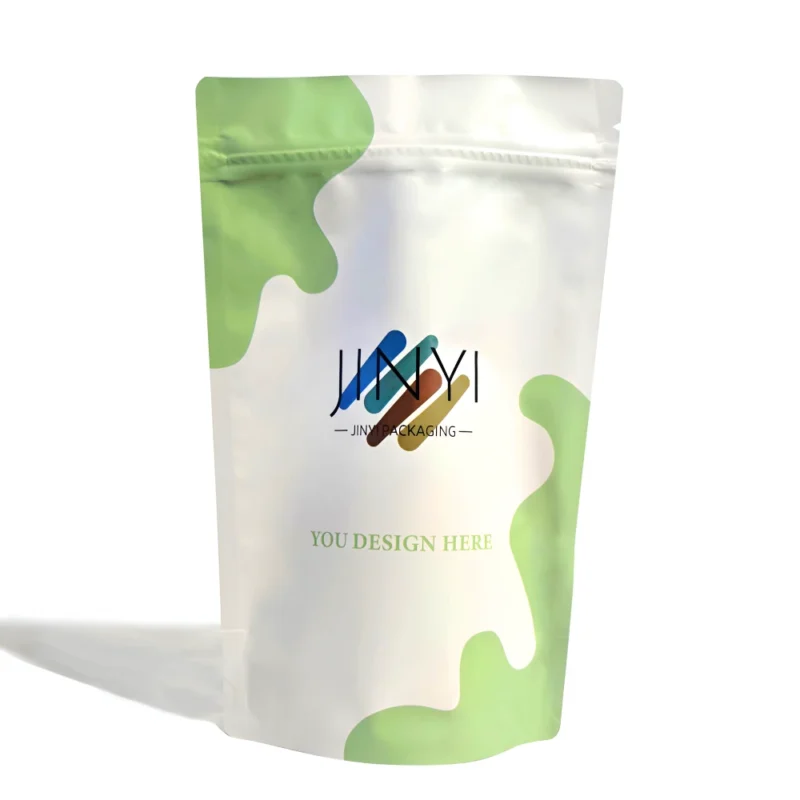
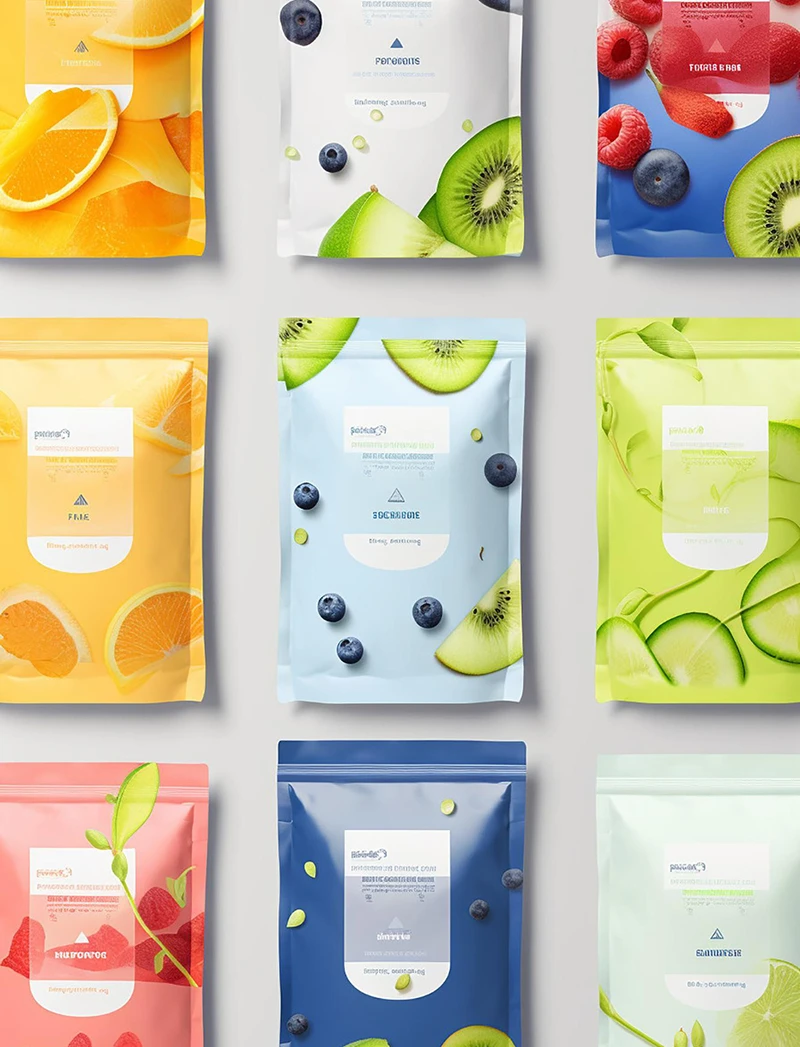
Use coffee packaging that makes roast style, flavor direction, and brew-fit easier for buyers to understand at a glance.
Do Light, Medium, and Dark Roast Mean Fixed Standards on Every Bag?
Roast words feel exact. Buyers often treat them like fixed grades. Real coffee shelves are far less tidy than that.
No. Roast level matters, but the words are not perfectly standardized across brands. A “light roast” from one roaster may be darker than a “medium roast” or even a “dark roast” from another.
Why roast language can be important and unstable at the same time
This is the first boundary buyers need to understand. Roast level is not a useless label. The Specialty Coffee Association has said clearly that roast information is one of the cues consumers care about when making coffee purchases. That is why it appears so often on packaging. Yet the same SCA discussion also points out a major weakness in current market practice: there are still few widely adopted standards for describing roast level clearly and consistently across the industry. In the SCA’s roast-color article, even coffee professionals described the same roasted beans in very different ways, and the article notes that a light roast from one company can be darker than a dark roast from another company.
That means buyers should not read light, medium, and dark as if they function like tightly regulated threshold claims. They are helpful style words, but they do not always travel well from one brand to the next. This is especially important for buyers who think they dislike light roast or prefer dark roast. In some cases, what they actually dislike or prefer may be a much narrower roast-color range than the language suggests. The practical lesson is simple: roast level is important, but buyers should not assume the words are perfectly standardized across bags.
| What Buyers See |
Why It Helps |
Why It Can Mislead |
| Light roast |
It suggests a lighter roast style direction |
The actual roast color may still vary widely across brands |
| Medium roast |
It signals a middle roast position in that brand’s lineup |
The “middle” may not match another brand’s idea of medium |
| Dark roast |
It suggests a deeper roast direction |
The label may still not tell buyers how dark it is in absolute terms |
Evidence (Source + Year):
Specialty Coffee Association, What Color is Your Coffee?, 2024.
SCA Roast Color Standards Project materials, 2025 direction summarized in SCA reporting.
What Can Roast Level Really Tell Buyers About Flavor Direction?
Roast language is not empty. Buyers are right to care about it. The problem starts when the clue is treated like the whole map.
Roast level can often tell buyers the direction of the cup. It can suggest whether the coffee may show more origin clarity, more balance, or more roast-driven character, but it cannot tell the full detail alone.
Why roast can guide the cup without fully predicting the cup
Roast level matters because roasting changes the coffee itself. A 2025 Food Chemistry paper found that roasting intensity significantly changes coffee color and chemical composition, and the researchers identified distinct chemical clusters associated with roasting intensity. Several non-volatile compounds were more abundant in light to medium roasts and degraded significantly in dark roasts. These changes matter because they shape what buyers later perceive as brightness, complexity, roastiness, bitterness direction, and overall style. SCA’s work on acids also supports this broader point by showing that roast level strongly affects chlorogenic acids and changes the acid profile during roasting.
That is why buyers often experience light roast as allowing more of the underlying coffee character to remain visible. Medium roast is often read as a middle zone because it can keep some origin expression while also moving toward a rounder and more integrated flavor. Dark roast often pushes the cup further toward roast-driven notes, with some light-to-medium compounds already significantly reduced. These are not perfect rules, but they are meaningful directions. Buyers are not wrong to use roast level as a style clue. They only go wrong when they expect the roast word to give a full sensory forecast without any help from origin, processing, or brew context.
The strongest way to say it is this: roast level can often tell buyers the likely direction of the roast. It cannot tell buyers every detail that the cup will finally deliver.
| Roast Level |
What It Often Suggests |
What Buyers Should Still Check |
| Light roast |
More visible raw-coffee differences and stronger acid-related clues |
Origin, process, and brew method still shape the final cup |
| Medium roast |
A likely middle ground between origin clarity and roast integration |
The actual sensory result still depends on the coffee and the roaster |
| Dark roast |
A more roast-driven direction and deeper roasting character |
It does not automatically mean stronger quality or universal preference |
Evidence (Source + Year):
Alcantara et al., Effect of Roasting on Chemical Composition of Coffee, Food Chemistry, 2025.
Yeager et al., Acids in Coffee: A Review of Sensory Measurements and Meta-Analysis of Chemical Composition, 2023.
What Can Roast Level Not Prove on Its Own?
Roast is powerful because it is easy to see and easy to say. Buyers can then expect it to explain more than it really can.
Roast level cannot replace origin, processing, brewing context, or clear label communication. It is a meaningful clue, but it cannot prove quality, preference, or full flavor on its own.
Why a roast word should not be mistaken for a full coffee description
This is the most important limit to keep in view. Roast level tells buyers something real, but it does not settle all the questions buyers usually care about. A dark roast does not prove that the cup will be better for espresso. A light roast does not prove that the origin will feel clearer to every drinker. A medium roast does not prove balance in every brewing method. The 2025 Food Chemistry article makes this boundary explicit by stating that final coffee quality depends on many factors, including production system, variety, geographical origin, and beverage preparation method, even though roasting remains a crucial stage. That is a much more complex picture than any one roast label can hold.
SCA’s roast-color discussion adds another important warning. When roast words are not used consistently across brands, buyers can end up misreading their own preferences. A buyer may think they prefer medium roast when what they really prefer is a narrower roast-color window that different roasters label differently. This is why roast level is best treated as one signal inside a larger label-reading system. Origin, process, flavor notes, brew guidance, and the roaster’s own communication style all help complete the picture.
So roast level should not be asked to prove everything. It cannot prove that a coffee is higher quality, that it will match one person’s palate, or that it will taste a certain way without the rest of the context.
| What Buyers May Assume |
Why the Assumption Is Weak |
What Should Replace It |
| “Light roast means I will like it more.” |
Preference still depends on origin, process, and brew style |
Read roast together with flavor notes and intended use |
| “Dark roast means stronger quality.” |
Roast direction is not the same as quality rank |
Judge quality through the full coffee story, not one roast word |
| “Roast label tells me everything I need.” |
Roast labels may differ a lot across brands |
Use roast as a clue inside a larger reading framework |
Evidence (Source + Year):
Alcantara et al., Effect of Roasting on Chemical Composition of Coffee, Food Chemistry, 2025.
Does Roast Level Tell Buyers Much About Caffeine?
This is one of the most repeated coffee shortcuts. Buyers want one roast word to explain caffeine. Research makes that shortcut look much weaker.
Not reliably. Roast level is a weak shortcut for caffeine because brewing conditions, extraction yield, density, and how the coffee is measured all change the result too much for one simple rule.
Why caffeine arguments change when the measurement changes
This is where coffee myths get very sticky. Some buyers believe light roast has more caffeine because roasting burns caffeine away. Others believe dark roast has more caffeine because it tastes stronger. Recent research shows why neither shortcut is reliable enough on its own. A 2024 study on filter coffee brews found that under identical brewing conditions, caffeine concentrations in brewed samples were generally lower for dark roasts than for light and medium roasts. Yet under identical extraction yields, dark roasts generally showed higher caffeine concentrations than lighter roasted coffees. The authors explain that competing mechanisms such as roasting-related changes in porosity and the volatilization or decomposition of soluble compounds influence the result.
Other research pushes in the same general direction: caution. A 2022 study reported that caffeine levels across light, medium, and dark roasted coffee were not significantly different. A 2025 study similarly found significant roast-level differences in several compounds, such as chlorogenic acids and trigonelline, but not in caffeine. Taken together, these findings make the buying lesson clear. Roast level is a weak shortcut for caffeine. Brewing conditions and how the coffee is measured matter too much for a simple roast-level rule to be reliable.
So buyers who truly care about caffeine should be more skeptical of roast myths and pay more attention to dose, brew method, species, and serving size rather than expecting light, medium, or dark alone to answer the question cleanly.
| Common Belief |
Why It Is Too Simple |
Better Buyer Conclusion |
| “Light roast always has more caffeine.” |
Some results support this under certain brew conditions, but not all comparisons do |
Roast level alone is not enough to predict caffeine reliably |
| “Dark roast always has more caffeine.” |
Taste strength and caffeine are not the same thing |
Dose and brew method usually matter more in practice |
| “Roast level settles the caffeine question.” |
Research findings depend strongly on measurement conditions |
Buyers should treat roast as a weak caffeine clue |
Evidence (Source + Year):
Lindsey et al., Caffeine Content in Filter Coffee Brews as a Function of Degree of Roast and Extraction Yield, 2024.
Alamri et al., A Study of Chemical Composition, Antioxidants, and Volatile Compounds in Roasted Coffee, 2022.
Rayo-Mendez et al., Coffee Roast Level, Timing, and Carbohydrate Source, 2025.
Make coffee packaging clearer with roast communication that guides flavor expectations without overpromising on strength or caffeine myths.
What Should Buyers Check After Roast Level Before They Decide?
Roast level is a good first stop. It becomes much more useful when the buyer keeps reading instead of stopping there.
After roast level, buyers should check origin, processing, flavor notes, and intended brew use. Roast becomes more useful when it is read as part of a larger label system.
How to turn roast level from a shortcut into a better buying framework
The most practical reading order is simple enough to use in real shopping. First, buyers should read roast level as a style clue. That gives a likely direction, not a full answer. Second, buyers should check origin and processing because those help explain what kind of coffee character sits underneath the roast. Third, buyers should read flavor notes and likely brew use. These often translate the coffee more directly into a cup expectation the buyer can understand. Fourth, buyers should avoid overreading caffeine from roast alone. Finally, buyers should treat roast level as one signal inside a larger label-reading system rather than as the whole system itself.
This broader approach is supported by SCA’s consumer-facing work. SCA has reported that consumers value roast level information, but it has also shown that communication around roast remains unstable. SCA has also discussed how consumers appreciate flavor information before purchase, and its research on label attention suggests that some cues help buyers more than others. This fits the practical lesson well. Roast level is one of the most useful first signals on a coffee label, but it is still only one signal. The best coffee choice usually happens when buyers let roast start the judgment and let the rest of the label finish it.
What roast level can tell buyers is the likely direction of the roast. What it cannot tell buyers alone is whether this coffee is the right cup for them. That answer needs more than one word.
| Step |
What Buyers Check |
Why It Improves the Decision |
| 1 |
Roast level |
It provides a fast style clue |
| 2 |
Origin and processing |
They help explain the coffee behind the roast |
| 3 |
Flavor notes and brew use |
They make cup expectations more practical |
| 4 |
Caffeine limits of roast labels |
They prevent buyers from trusting weak myths |
| 5 |
Whole label together |
It turns one clue into a better coffee choice |
Evidence (Source + Year):
Specialty Coffee Association, What Color is Your Coffee?, 2024.
Specialty Coffee Association, consumer-facing reporting on flavor information and label attention, 2023–2025.
About Us
Jinyi — From Film to Finished—Done Right.
https://jinyipackage.com/
Our Mission
We believe good packaging is not only surface design. It is a solution that performs reliably in real conditions. Jinyi aims to provide dependable and practical flexible packaging solutions that help brands reduce communication cost while gaining more stable quality, clearer lead times, and packaging structures that fit real products and real channels.
Who We Are
Jinyi specializes in Custom Flexible Packaging and brings more than 15 years of production experience to coffee, food, snack, pet food, and many other consumer product categories. The factory operates multiple gravure printing lines and HP digital printing systems, which support both stable large-volume production and flexible short-run customization.
As a flexible packaging manufacturer, we focus on how packaging performs in transport, shelf display, and consumer use. For coffee products, we focus on making roast communication, flavor-note hierarchy, date logic, and origin cues easier to read so buyers can understand the product faster and trust the pack more easily.
FAQ
Is light roast always more acidic?
Not always in a simple way. Light roast often preserves more acid-related compounds, but perceived acidity still depends on origin, processing, brew method, and overall flavor balance.
Does dark roast automatically mean stronger coffee?
It usually means a deeper roast direction and more roast-driven flavor, but it does not automatically mean better quality or more caffeine.
Can roast level alone tell buyers how much caffeine a coffee has?
No. Recent studies show roast level is a weak shortcut for caffeine because brew method, extraction yield, density, and measurement conditions matter too much.
Why can two “medium roasts” taste so different?
Because roast words are not perfectly standardized across brands, and origin, process, roast execution, and brewing choices all affect the final cup.
What should buyers check after roast level?
They should check origin, processing, flavor notes, and intended brew use, then let roast level work as one clue inside the full coffee story.