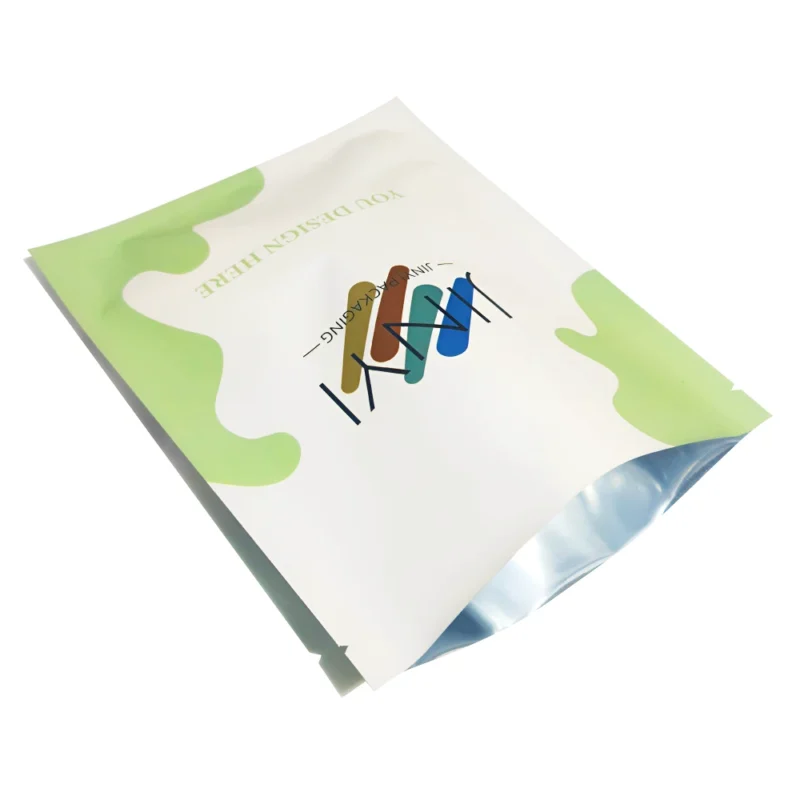
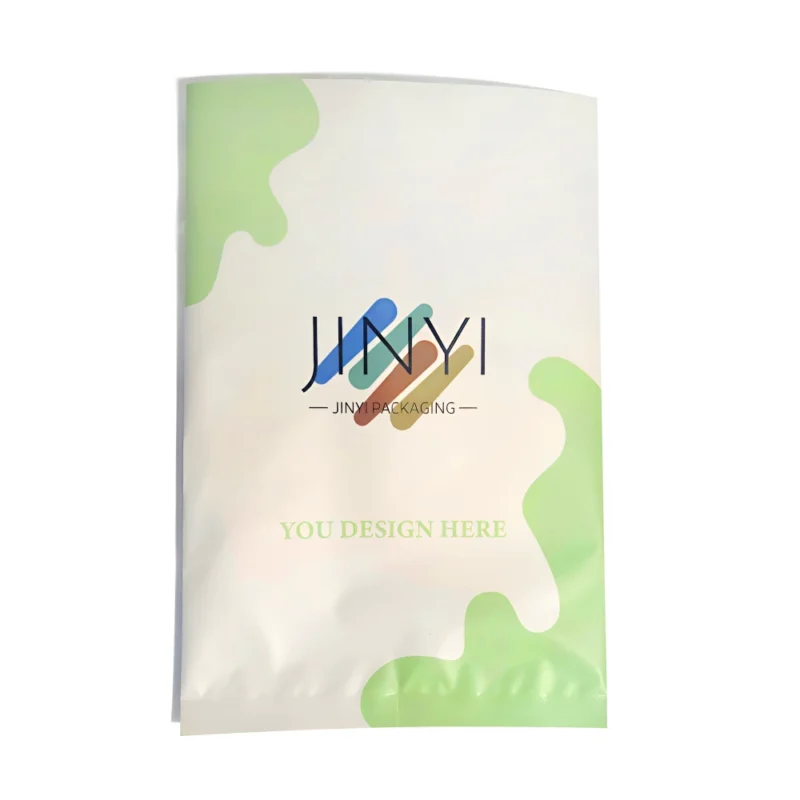
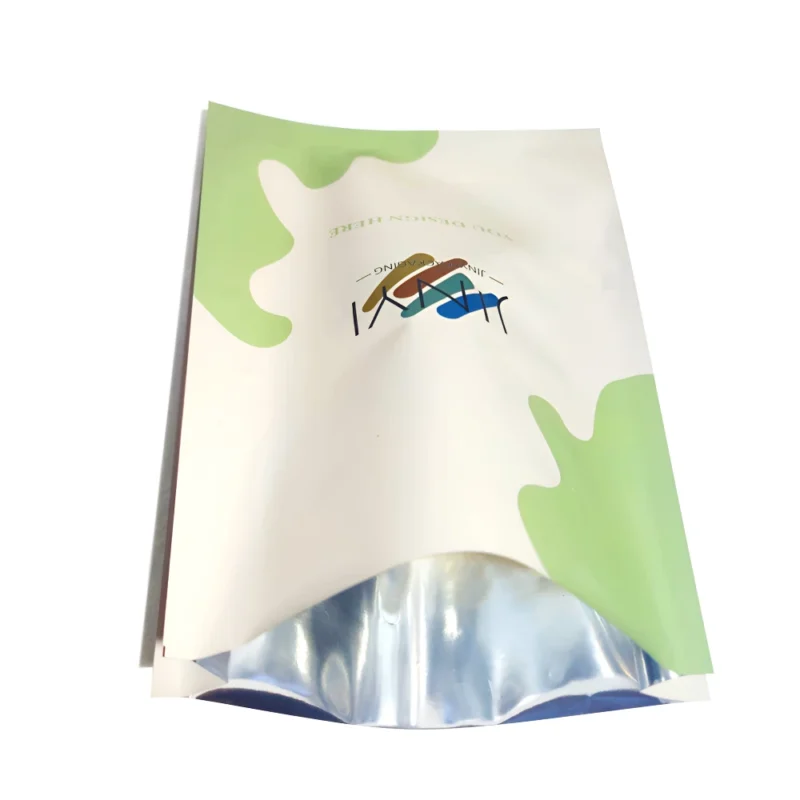
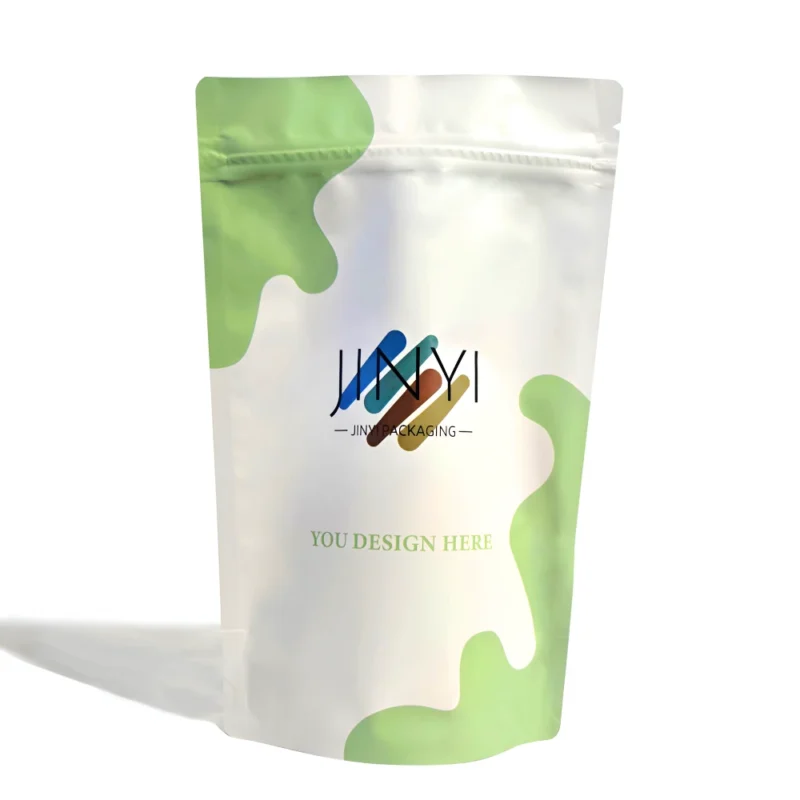
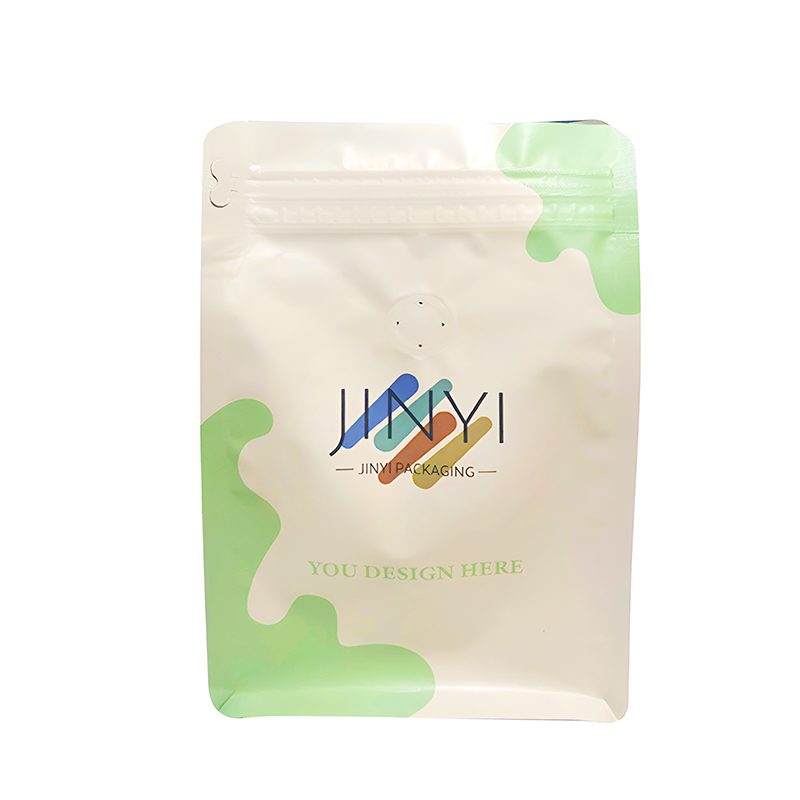
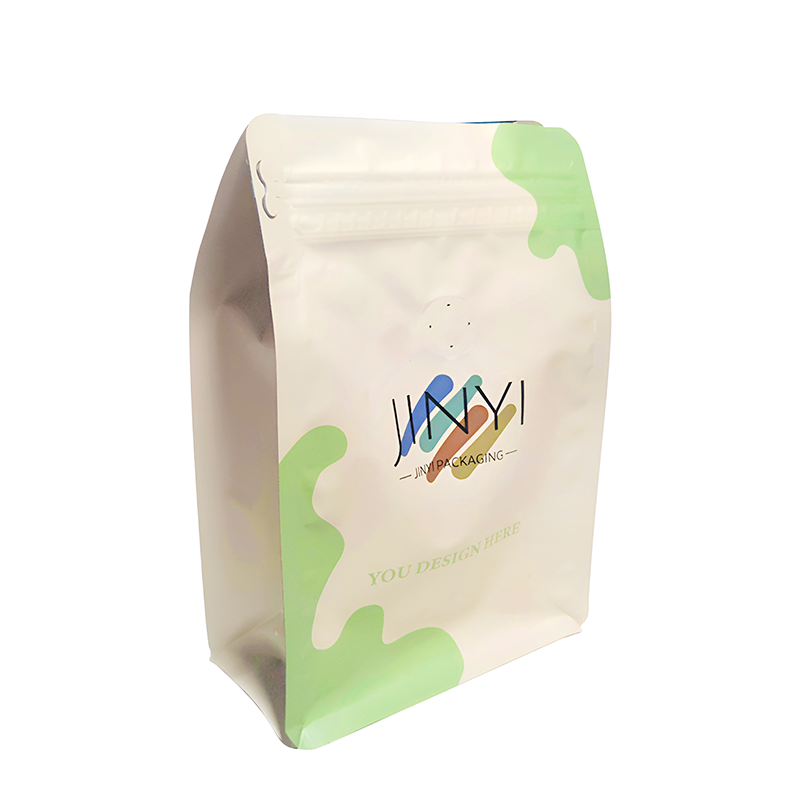
Premium-looking quad seal pouches can still lose aroma in week 4, trigger complaints, and force rework. That gap between “looks fine” and “fails later” is where micro-leaks hide.
I expose corner micro-leaks by treating them as a repeatable failure mode: I lock the seal system (seal window, hot tack, seal land width, cooling), then I run route-stress tests on the real system (pouch + product + case fit) to force slow leaks to show up before scale.
See our Quad Seal Pouch specs I use as a baseline

When a pouch looks premium, buyers expect stability. I do too. So I do not start with “thicker film.” I start with how a corner fails in real channels: compression, vibration, drops, and thermal cycling. Then I convert that risk into parameters and tests my production line can repeat.
Why are corner micro-leaks so hard to catch when everything looks fine until week 4?
Corner leaks are the worst because they rarely announce themselves early. The pouch passes day-1 checks, the shelf photo looks clean, and the seal “seems” closed.
Corner micro-leaks are slow. They often show up as week-4 odor loss, flavor drop, or “stale” complaints, not obvious holes. I treat them as oxygen ingress plus cumulative volatility drift, then I force them to appear with stress-first validation.
From a production standpoint, this matters because “looks sealed” is not the same as “sealed under load.”
What “week-4 failure” usually means in a quad seal corner
| Customer symptom |
Likely corner failure path |
What I measure or check |
| Flavor drops in week 3–4 |
Micro-channel in seal land + slow oxygen ingress |
Stress-first leak trend vs. baseline seal settings |
| Odor weakens, product “feels old” |
Corner interface micro-crack grows under cycling |
Thermal cycling then leakage check |
| No visible hole, but inconsistent freshness |
Seal window drift + hot tack shortfall at speed changes |
Seal window mapping, hot tack stability, line speed logs |
Why the corner is a micro-leak amplifier
The quad seal corner is where geometry and stress meet. A corner concentrates load during carton compression and stack pressure. It also concentrates process variation. In real manufacturing, this detail often determines whether a small micro-channel stays harmless or turns into a week-4 complaint. If my seal land is inconsistent at the corner, or my cooling is short, the corner becomes the first place that “looks fine” but fails later.
Which product types make corner micro-leaks more likely (powder, hard pieces, volatile, oily)?
Some products push a pouch into failure. They do it without “breaking” anything right away. They simply raise the probability that a corner weakness becomes visible.
I classify the product first because it defines the leak path: powders contaminate seals, hard pieces create internal abrasion, and volatile or oily products make small leaks noticeable fast. Then I select controls that my line can repeat.
Powders and fine granules: seal contamination becomes a corner micro-channel
Powder is not just “messy.” It is a process variable. It can migrate into the seal area during filling, then create a micro-channel in the seal land. The corner is sensitive because the fold geometry can hold contamination and reduce effective seal contact. From our daily packaging work, we see that teams often blame “film” when the real driver is powder behavior at the seal interface.
Hard pieces and blocks: vibration turns headspace into a corner abrasion engine
Hard pieces can knock, slide, and rub under vibration. If headspace is large, impact energy increases. That energy often focuses at folds and corners. Over time, micro-abrasion can thin inner layers at stress lines. That is why a corner can look perfect at pack-out but drift by week 4.
Volatile or oily products: small leaks become big complaints
With volatile profiles, micro-leaks are amplified. Even minor oxygen ingress or slow aroma loss can be noticeable. Oily products also raise compatibility and sealing sensitivity. I do not assume “thicker” solves this. I assume I need a stable seal system and a validation plan that mimics real storage time.
How does route stress “grow” a corner micro-leak through compression, vibration, and thermal cycling?
Route stress is not one event. It is repeated stress. That repetition turns small weaknesses into measurable drift.
I treat corner failures as a stress accumulation problem: compression concentrates load at corners, vibration creates micro-slip at folds, and thermal cycling opens and closes interfaces. I validate by combining stresses, then checking sealing performance after the abuse.
In real manufacturing, this detail often determines whether you get stable OEE or recurring stoppages from rework and complaints.
What each stress mode does to a quad seal corner
| Route stress mode |
What it does at corners |
What I do about it |
| Compression / stacking |
Pushes panel load into corner geometry, can distort seal land |
Confirm case fit, avoid corner pinch points, stress-first leak check |
| Vibration |
Creates micro-slip, abrasion at folds, and gradual interface fatigue |
Headspace control + vibration then seal integrity verification |
| Drops |
Short spikes can initiate micro-cracks at stress concentrators |
Drop sequence then thermal cycling for “crack growth” exposure |
| Thermal cycling |
Expansion/contraction repeats, can open micro-paths at seals |
Cycle first, then measure leakage trend vs. baseline |
Why I test “stress first, check later”
Many teams test seals in calm conditions and feel safe. I do not. Micro-leaks often appear only after the corner has been loaded, slipped, and cycled. So I apply route stress first. Then I test. That approach is simple, but it changes outcomes. It is also production-friendly because it tells me which control knobs actually hold under real logistics, not just in a clean lab moment.
Why does the seal system matter more than material names for corner micro-leaks (seal window, hot tack, seal land, cooling)?
I do not start with “PET/PE/foil.” I start with the seal system. If the seal system is unstable, the corner is where the instability becomes visible first.
I reduce corner micro-leaks by locking the seal system in a repeatable range: a wide seal window, sufficient hot tack for post-seal compression, stable seal land width at corners, and cooling that fully sets the interface before handling.
Seal window: the line must survive speed drift without leaving the safe zone
Seal window is my first gate. If my acceptable range is narrow, a small change in speed, pressure, or heat can push the corner out of spec. From a production standpoint, this matters because line speed variation is normal. If I do not design for repeatability, I invite micro-channels.
Hot tack: corner seals must hold while still hot
Hot tack is what protects the seal while it is still forming. If hot tack is low, stack pressure or carton compression right after sealing can create micro-damage that later grows into a leak path. In real manufacturing, this detail often determines whether complaints appear only after weeks in storage.
Seal land width and cooling: tiny interface details that decide week-4 stability
| Control point |
Corner micro-leak risk when weak |
How I control it in production |
| Seal land width |
Micro-channels more likely at corner transitions |
Set minimum land target, monitor consistency at corners |
| Cooling / compression time |
Interface not fully set, becomes vulnerable to early load |
Standardize cooling step, match to line output and handling |
| Corner geometry handling |
Stress concentration opens weak spots |
Verify corner seal integrity after stress, not just visually |
If you want my seal-system-first quad seal baseline, start here
How do I validate and deliver 2–3 quad seal specs (Baseline / Upgrade / Premium) without sacrificing OEE?
I avoid vague advice. I deliver a small set of specs that are testable and scalable. Each option has a known corner risk, a test plan to expose it, and production controls to hold it.
I shortlist specs by pairing route-stress validation with seal system controls, then I include case fit and headspace rules so the pouch performs as a system. That is how I protect shelf appearance and reduce week-4 surprises.
Validation rules I use before I call anything “ready”
| Validation focus |
What I simulate |
What I look for |
| Stress-first leak exposure |
Compression + vibration + selected drops |
Leak trend changes vs. baseline, corner-specific weakness |
| Thermal cycling sensitivity |
Cold/hot cycles aligned to channel reality |
Corner drift, seal interface stability after cycles |
| Case fit / pack-out |
Real carton, real pack pattern, real contact points |
Corner pinch points, scuff zones, deformation risk |
| Headspace control |
Real fill height and product movement |
Internal impact risk that targets corners |
Option 1: Baseline (stable, repeatable, and hard to mess up)
Most likely corner failure: micro-channels from seal window drift or weak cooling at speed changes.
How I test it: stress-first validation, then a leak trend check. I include a short thermal cycling step if the channel includes temperature swings.
How I hold it in production: I set a seal window that survives normal speed drift, I confirm hot tack is sufficient for early compression, and I standardize cooling/handling timing so corners are not loaded too soon.
Option 2: Upgrade (for higher load, higher volatility, or tighter shelf appearance demands)
Most likely corner failure: corner interface fatigue under vibration plus compression, especially with larger headspace or abrasive products.
How I test it: vibration and stacking simulation, then thermal cycling, then leakage check. I focus on corner-specific results, not average pouch results.
How I hold it in production: I tighten corner seal consistency by controlling seal land width at the corner transition and by keeping contamination out of the seal zone through fill discipline and process checks.
Option 3: Premium (for harsh channels and low tolerance for returns)
Most likely corner failure: small corner weaknesses that only appear after combined stresses and storage time, plus case-fit-driven corner pinch points.
How I test it: system validation with the real carton and pack-out pattern, plus a longer stress sequence. I treat case fit as a primary variable, not an afterthought.
How I hold it in production: I lock the seal system first, then I lock pack-out rules (spacing, orientation, contact points). This protects OEE because it reduces rework loops and surprise field failures.
Conclusion
Corner micro-leaks are not random. I prevent week-4 failures by locking the seal system, testing after route stress, and controlling case fit and headspace—then I scale with repeatable production checks.
Talk to JINYI about a quad seal spec that won’t fail at the corners
FAQ
1) Why do corner leaks show up later instead of at day-1 inspection?
Because many corner failures are micro-channels or micro-cracks that only open after repeated compression, vibration, and thermal cycling. The leakage is slow, so the impact is often felt around week 3–4.
2) Is “thicker film” the best fix for corner micro-leaks?
Not by itself. Thickness does not fix an unstable seal window, weak hot tack, inconsistent seal land width, or short cooling. I fix the seal system first, then validate under route stress.
3) What is the fastest way to expose corner micro-leaks before scaling?
I apply route stress first (compression + vibration + selected drops), then I check sealing performance. If the channel includes temperature swings, I add thermal cycling before final checks.
4) How does case fit cause corner failures?
Many failures start inside the carton. Tight pack-out can pinch corners under compression. Loose pack-out can increase movement and abrasion. I treat case fit as part of the pouch system.
5) What should I provide you to recommend Baseline / Upgrade / Premium options?
I ask for product form (powder, hard pieces, volatile/oily), target shelf appearance, channel route stress, fill height/headspace, and your carton dimensions or pack-out pattern. Then I map risk to seal system controls and tests.
About Me
Brand: Jinyi
Tagline: From Film to Finished—Done Right.
Website: https://jinyipackage.com/
Our Mission:
JINYI is a source manufacturer specializing in flexible packaging. I deliver packaging plans that are reliable, usable, and scalable. I help brands reduce communication costs, get predictable quality, clear lead times, and structures/print outcomes that match the real product and channel.
About me:
JINYI is a source manufacturer specializing in custom flexible packaging solutions, with over 15 years of production experience serving food, snack, pet food, and daily consumer brands.
We operate a standardized manufacturing facility equipped with multiple gravure printing lines as well as advanced HP digital printing systems, allowing us to support both stable large-volume orders and flexible short runs with consistent quality.
From material selection to finished pouches, I focus on process control, repeatability, and real-world performance. My goal is to help brands reduce communication costs, achieve predictable quality, and ensure packaging performs reliably on shelf, in transit, and at end use.
JINYI’s positioning is “one-stop factory from material to finished pouch.” I care about controllability and consistency, so I manage sampling, production, and QC with standardized workflows. For me, packaging is not only the pouch. It must also list smoothly, survive route stress, and work better at end use.