Many tea brands pick a format for convenience, then pay for it in stale reviews, higher returns, or trust issues. The format choice often becomes a hidden quality and cost problem.
No single tea format wins universally. The best choice depends on a three-way tradeoff: shelf-life protection (oxygen, moisture, odor/light, and seal integrity), total delivered cost (pack + labor + freight + waste/returns), and customer trust (claim defensibility and material transparency).
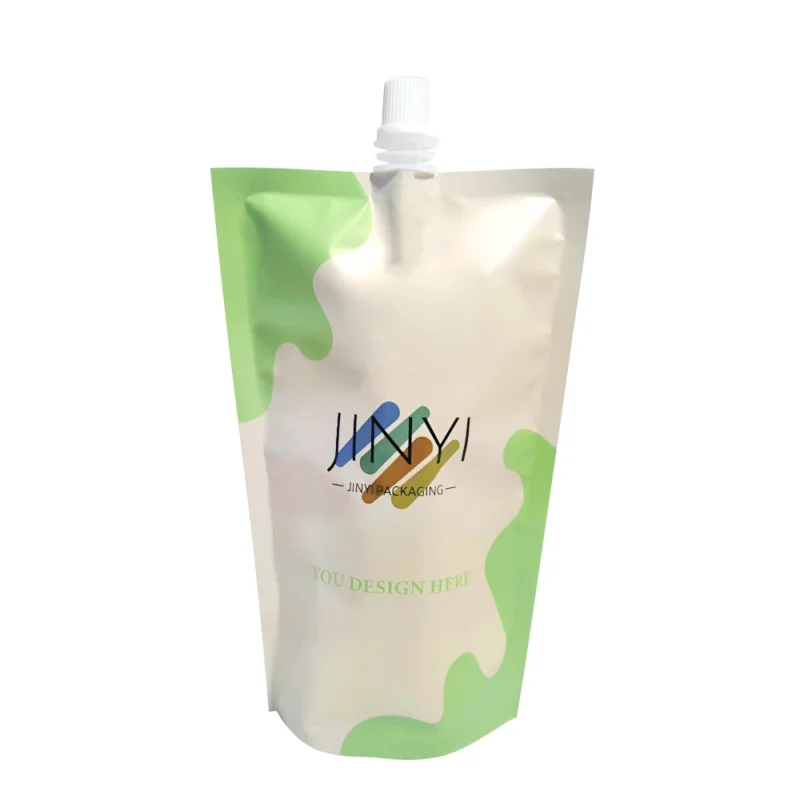
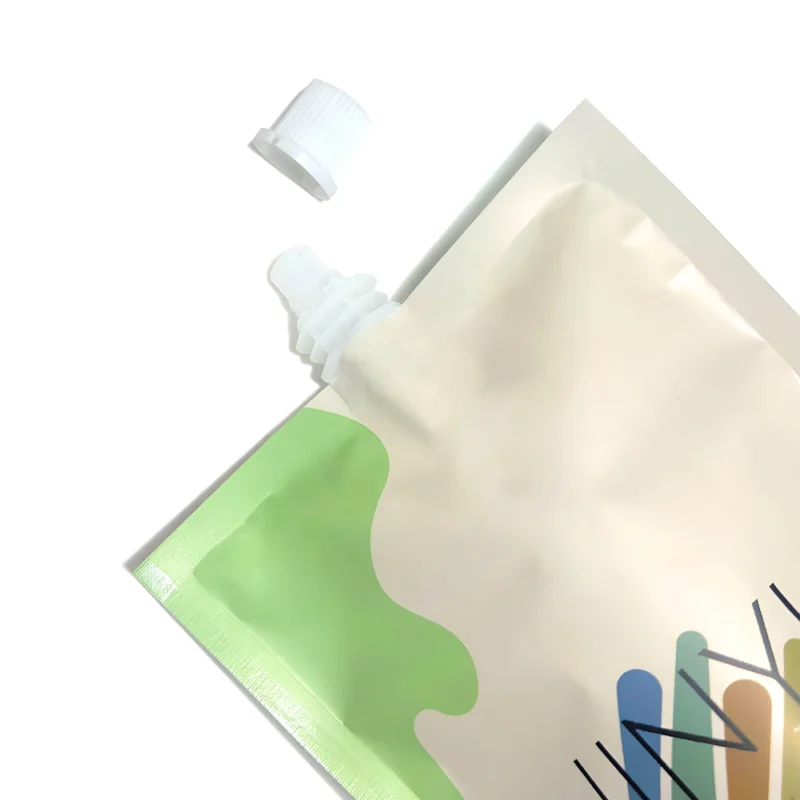
See pouch formats that improve reseal freshness and shipping stability

This article breaks the decision into measurable risks and practical business outcomes. It shows where each format tends to win, where it tends to fail, and what a brand should validate before scaling.
What actually degrades tea on shelf, and why does storage guidance matter?
Tea quality can drop even when the tea itself is excellent. Many complaints come from storage and packaging exposure, not from sourcing.
Tea degrades through oxygen-driven aroma drift, moisture pickup, odor and light exposure, and seal leakage. Storage rules matter because the best format still fails in a humid or odorous warehouse.
Shelf life is a system: tea chemistry plus warehouse reality
Tea aroma often fades when oxygen exposure increases and storage temperature rises. Research on packaged green tea has shown that packaging choices, temperature, and oxygen control interventions can influence freshness quality during storage. Moisture is also a major driver because tea is hygroscopic. When moisture rises, aroma perception can flatten and off-notes can appear. This is why the storage environment is not a footnote. ISO guidance for packaged tea requires clean, dry, odourless storage and segregation from harmful or odorous substances. That guidance directly affects which format performs reliably. Loose leaf in a large pack can suffer after-opening humidity exposure. Tea bags can vary based on whether an inner wrap is present and how well the carton protects against odor pickup. Sachets can reduce after-opening exposure, but they still rely on seal integrity. The most useful takeaway is simple: a format cannot be evaluated without a storage and handling assumption.
| Degradation driver |
What customers notice |
Format sensitivity |
Main control |
| Oxygen exposure |
Flat aroma, less “fresh” notes |
All formats |
Barrier + leak-free seals |
| Moisture pickup |
Dull aroma, “stale” perception |
Loose leaf and multi-serve packs |
WVTR intent + reseal performance |
| Odor pickup |
Off-smell from surroundings |
Thin cartons and weak liners |
Odor barrier + clean, segregated storage |
| Seal leakage |
Fast decline and lot inconsistency |
Pouches and sachets |
Seal window control + leak screening |
Evidence (Source + Year): Fan et al. on packaging, temperature, and oxygen control effects on green tea freshness quality (2024); ISO 20716 on packing and storage requirements for packaged tea (2022).
How do loose leaf, tea bags, and sachets compare on shelf life in real use?
Formats “look” similar until consumers open them and store them. Then the after-opening weeks become the real test.
Loose leaf can win on authenticity but often loses on after-opening moisture exposure. Tea bags win on convenience but depend on inner wrap and carton protection. Sachets often win on consistency because they reduce repeated opening exposure.
After-opening exposure often decides the winner more than film barrier
Loose leaf packaging can protect tea well when the reclose is strong and when a secondary barrier liner is used. The risk rises when a large pack is opened repeatedly in a humid kitchen. Tea bags reduce dosing mistakes and can protect aroma better when each bag is individually wrapped. When bags are not wrapped, the carton and any inner pouch become the main barrier, and odor pickup can become a problem in mixed warehouses. Sachets and pyramid sachets reduce after-opening exposure because each unit is sealed until use. That design often stabilizes the customer experience. The tradeoff is that sachets are more sensitive to seal quality because the seal is the product’s “freshness gate.” A small seal defect can ruin a single-serve unit. For brands, the key is not to ask “which format is premium,” but to ask “which format matches the user’s opening frequency, local humidity, and the channel’s handling stress.”
| Format |
Typical shelf-life strength |
Typical shelf-life weakness |
Best-fit scenarios |
| Loose leaf |
Flexible pack sizes and premium cues |
After-opening moisture and odor pickup |
Specialty retail, lower humidity, strong reseal |
| Tea bags |
Consistent dosing and easy use |
Protection varies by inner wrap and carton |
Mass retail, daily use, stable warehousing |
| Sachets |
Strong consistency and lower exposure |
Seal defects affect single units |
DTC, premium samplers, humid markets |
Evidence (Source + Year): ISO 20716 storage guidance for packaged tea (2022); Fan et al. on packaging effects during storage (2024).
Which format really wins on total delivered cost per brewed cup?
Many teams compare packaging cost per unit and stop there. That approach often selects the cheapest pack and creates the highest delivered cost.
Total delivered cost should include packaging BOM, line speed, QC burden, shipping cube, and the cost of quality failures. Sachets can look expensive per gram but can reduce waste and complaints.
Delivered cost changes when waste and complaints are counted
Delivered cost is not only the packaging material bill. It includes converting complexity, filling speed, rework, and scrap. It also includes freight, because cartons and rigid formats can increase shipping cube and dimensional weight. The largest hidden cost is quality loss that triggers refunds or reduces repeat purchase. Loose leaf in a large multi-serve pack can create more “stale after opening” reviews if users store it poorly. That quality loss often turns into wasted tea and lost trust. Tea bags can run fast and can reduce dosing waste, but the cost can increase if inner wraps are added for protection. Sachets add packaging cost per gram and can slow packing lines if the process is not optimized. Sachets can still win in DTC or premium segments because they reduce after-opening exposure, improve consistency, and can support sampler kits that convert customers. The correct approach is to compare formats using a simple cost-per-cup model that includes waste and returns.
| Cost driver |
Loose leaf |
Tea bags |
Sachets |
| Packaging BOM |
Low to medium |
Medium (higher with wraps) |
High per gram |
| Line speed |
Often fast |
Fast at scale |
Variable, depends on equipment |
| Freight cube |
Good with pouches, worse with tins |
Good with cartons |
Good, but more units |
| Quality waste risk |
Higher after opening |
Medium, depends on wrap |
Lower after opening, higher if seals fail |
Evidence (Source + Year): Fortune Business Insights tea bags market outlook showing continued format growth (2026); ISO 20716 storage requirements that drive practical waste risks (2022).

If you sell DTC, compare formats using a delivered-cost-per-cup model, not unit packaging cost
Which format wins on customer trust, and why do material questions matter now?
Trust can collapse when customers feel a format hides quality or hides materials. Trust also drops when claims look vague or hard to verify.
Loose leaf often wins authenticity cues. Tea bags win convenience but face higher material scrutiny. Sachets can feel premium and consistent, but they must be transparent and defensible on claims.
Trust is moving toward transparency and proof-ready claims
Loose leaf can signal authenticity because customers can see the leaf form and judge it. That visibility can raise trust in specialty segments. Tea bags remove that visibility, so customers rely more on claims and material assurance. Recent scientific attention has focused on particle release from certain tea bag materials under brewing conditions. A 2025 study evaluated particle release from different tea bag types, and a 2025 review discussed microplastics and nanoplastics in tea-related contexts. These publications do not automatically mean a product is unsafe, but they influence consumer perception and media narratives. That perception can affect trust unless brands clearly disclose materials and avoid vague wording. Sachets can support trust when they deliver consistent taste cup-to-cup and when the packaging story matches reality. The safest trust strategy is a “proof-ready” approach: clear origin and quality statements, clear packaging material descriptions, and avoidance of claims that cannot be supported.
| Trust lever |
Loose leaf |
Tea bags |
Sachets |
| Visibility of product |
High |
Low |
Low |
| Material scrutiny risk |
Lower |
Higher |
Medium |
| Consistency perception |
Variable by user dosing |
High |
Very high |
| Best trust control |
Clear storage guidance + reseal |
Material transparency file |
Claim discipline + seal integrity proof |
Evidence (Source + Year): Yaroslavov et al. on particles released from tea bags under brewing conditions (2025); Fard et al. review on microplastics and nanoplastics in tea (2025).
Conclusion
No format wins everywhere. Brands should choose by channel and humidity, then validate seals, storage reality, and trust messaging. Contact us to match a pouch format to your tea risk profile.
Get a tea format decision checklist
About Us
Brand: Jinyi
Slogan: From Film to Finished—Done Right.
Website: https://jinyipackage.com/
Our Mission:
JINYI is a source manufacturer specializing in custom flexible packaging solutions. We want to deliver reliable packaging that reduces communication cost, improves repeatability, and performs in real use.
About JINYI:
JINYI is a source manufacturer specializing in custom flexible packaging solutions, with over 15 years of production experience serving food, snack, pet food, and daily consumer brands.
We operate a standardized manufacturing facility equipped with multiple gravure printing lines as well as advanced HP digital printing systems, allowing us to support both stable large-volume orders and flexible short runs with consistent quality.
From material selection to finished pouches, we focus on process control, repeatability, and real-world performance. Our goal is to help brands reduce communication costs, achieve predictable quality, and ensure packaging performs reliably on shelf, in transit, and at end use.
FAQ?
Which tea format has the best shelf life?
Sachets often provide the most consistent shelf life because they reduce after-opening exposure. Loose leaf and tea bags can also perform well when seals, liners, and storage conditions are controlled.
Why do some loose leaf teas go stale faster after opening?
Loose leaf packs often have more after-opening exposure to humidity and odors. A weak reseal and humid storage can accelerate aroma loss even if the tea is high quality.
Are tea bags losing consumer trust?
Some consumers question tea bag materials due to microplastics narratives. Brands can protect trust with clear material disclosure and proof-ready claims.
When do sachets make financial sense?
Sachets often make sense in DTC, premium, and sampler kits when reduced waste, better consistency, and fewer complaints offset higher packaging cost per gram.
What is the simplest way to choose a format for a new tea line?
A brand should define its channel, humidity exposure, and trust needs first. Then it should validate seals and storage performance before scaling production.