Tea can arrive “fine” and still taste wrong. Many brands blame the product, but the real damage often happens between packing and the customer.
Tea quality breaks in transit because moisture, oxygen, and light often stack together. Packaging failure is usually a system failure, not a single barrier number. A workable strategy controls ingress, blocks light when needed, protects seals, and validates performance under real time × temperature × RH.
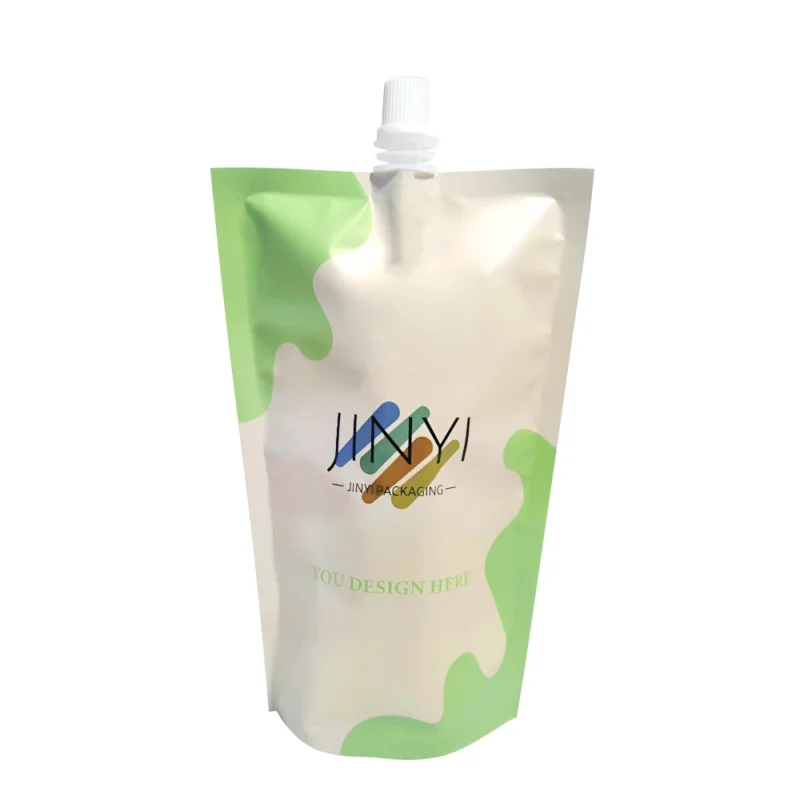
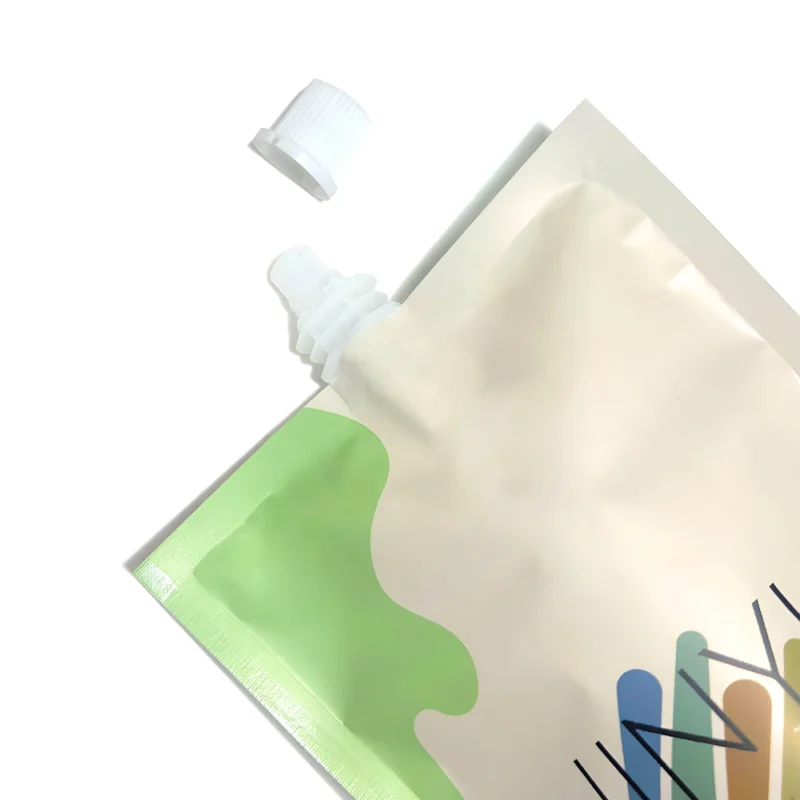
Explore stand-up pouch structures built for humidity swings and shipping stability

Transit risk is not only “shipping damage.” It is quality drift driven by humidity swings, oxygen ingress, light exposure, and package integrity loss. This article translates those drivers into packaging controls and a minimal validation ladder.
What does “tea quality breaks in transit” mean in measurable terms?
Many teams treat “stale” as a vague complaint. That makes root-cause work slow and expensive.
Transit breakage becomes measurable when teams track sensory signals, moisture and oxygen exposure trends, and appearance changes for light-sensitive teas. This turns packaging decisions into testable outcomes.
Define the failure as sensory + exposure + indicators
Tea quality failure in transit usually shows up as “flat aroma,” “stale odor,” or “less green/floral notes.” These complaints can be linked to measurable indicators. Teams can track moisture content trends because tea is hygroscopic and responds quickly to humidity swings. Teams can also track exposure risk, such as whether the pack design increases after-opening vulnerability during fulfillment and last-mile handling. For light-sensitive green teas, appearance is not only cosmetic. Light exposure can drive chlorophyll and color drift, which often tracks with perceived freshness decline. A practical definition of “transit stress” should include RH swings and temperature swings in sea freight and mixed warehousing, long dwell time, and compression or vibration loads that can cause pinholes, seal creep, or zipper interface drift. A definition like this helps teams separate product issues from packaging and handling issues. It also supports better supplier conversations because the target becomes “control exposure and preserve indicators,” not “use a higher barrier film.”
| Failure signal |
What it suggests |
What to measure |
Packaging relevance |
| Flat aroma |
Oxygen exposure or loss of volatiles |
Headspace risk, storage temperature pattern |
OTR intent + integrity controls |
| Stale odor |
Moisture pickup or odor contamination |
Moisture trend, warehouse odor proximity |
WVTR intent + odor barrier + storage discipline |
| Color drift (green tea) |
Light-driven degradation |
Opacity exposure, display time |
Window policy + light blocking |
Evidence (Source + Year): ISO 20716 on packing and storage requirements for packaged tea (2022); Ošťádalová et al. on daylight and packaging impacts on green tea chlorophyll/color indicators (2014).
Why does moisture swing often become the first transit “breaker” for tea?
Many tea failures start with humidity, not oxygen. Humidity swings can happen quietly in sea freight, cross-docks, and last-mile storage.
Moisture risk is high because tea absorbs water from air. Packaging must control WVTR under relevant conditions and reduce after-opening exposure, especially in humid markets and long routes.
Tea hygroscopicity turns RH swings into fast quality drift
Tea absorbs moisture from the environment, and this makes humidity swing a primary transit risk. When RH changes across stages of transport, tea can pick up moisture even if the film looks “good” on paper. Moisture pickup changes aroma release behavior and can increase off-note risk. Maritime transport adds risk because dwell times are long and RH and temperature can fluctuate. Research on black tea transport has emphasized the importance of equilibrium moisture content and the role of moisture behavior in safe maritime transport, which supports treating humidity as a design input rather than a post-complaint explanation. The packaging translation is direct. The WVTR intent should match the route and climate, and the pack should reduce after-opening exposure in real consumer use. Secondary barriers can also matter. Inner wraps, liners, and odor barriers can reduce humidity buffering problems and odor pickup in mixed storage environments. As a flexible packaging manufacturer, we focus on matching moisture control to the route profile and the user’s opening frequency, because the same pouch can succeed in a dry market and fail in a humid market with repeated opening.
| Moisture risk scenario |
Common route conditions |
What fails |
Packaging control |
| Sea freight + long dwell |
RH swings + warm holds |
Moisture pickup, odor pickup |
WVTR intent + odor barrier + liner strategy |
| Humid domestic last-mile |
Kitchen storage humidity |
After-opening staling |
Reseal performance + usage guidance |
| Mixed warehousing |
Odorous neighbors |
Off-smell contamination |
Odor barrier + segregated storage rules |
Evidence (Source + Year): Dmowski on equilibrium moisture content importance in maritime transport of black tea (2018); Ocieczek et al. on humidity impacts and tea stability differences under storage conditions (2023).
When does oxygen become the dominant driver, and what can packaging realistically control?
Oxygen risk is often invisible until customers say the aroma is gone. By that time, the product has already drifted.
Oxygen becomes dominant when storage temperature is elevated or when seals leak. Packaging can control oxygen ingress through OTR intent, headspace management, and finished-pack integrity validation.

Oxygen control works only when integrity is proven at package level
Oxygen drives aroma drift and oxidation reactions that can dull perceived freshness, especially when storage temperature rises. This is why oxygen control is more urgent on routes with warm dwell time. Evidence from Longjing tea storage research has shown that oxygen management tools, including oxygen scavengers, can help preserve aroma quality under elevated storage temperature conditions. This supports a practical idea: oxygen is a controllable variable, but only when the package is tight. A low OTR film does not protect product if the seal system leaks or if zipper interfaces drift under compression and vibration. Packaging can control oxygen ingress with a combination of OTR intent under relevant conditions, headspace management decisions, and integrity controls that screen for micro-leaks. Teams should also match oxygen controls to tea type. Green teas and matcha often show faster freshness perception changes, while some black teas tolerate oxygen differently. The packaging plan should remain simple: define oxygen risk by route temperature profile, then decide whether the control is “barrier plus seals” or “barrier plus seals plus oxygen management,” and prove it in storage validation.
| Oxygen risk factor |
What it causes |
Packaging control |
Validation focus |
| Warm storage |
Faster aroma drift |
Lower OTR intent + optional scavenger |
Time × temperature storage study |
| Seal micro-leaks |
Rapid inconsistency by lot |
Seal window control + leak screening |
Finished-pack integrity checks |
| High opening frequency |
After-opening decline |
Reseal design + user guidance |
Open/close + ambient exposure simulation |
Evidence (Source + Year): Wang et al. on oxygen scavenger impact on Longjing tea aroma quality at elevated storage temperature (2024); Fan et al. on packaging and oxygen control factors influencing green tea freshness quality (2024).
If your route includes warm dwell time, pair OTR intent with seal integrity and a storage validation plan
How does light quietly damage tea quality, and when is opacity non-negotiable?
Light damage is easy to miss because the package can stay sealed and still lose quality. Window designs and bright displays can amplify the risk.
Light becomes a dominant driver for light-sensitive teas, especially green tea. Packaging can control it through opacity requirements, window policy, and display-route assumptions.
Light control is a format decision, not a decoration decision
Light exposure can degrade quality indicators and accelerate perceived freshness loss, especially for green teas. Research on green tea has linked daylight exposure and packaging choices with chlorophyll and color changes, which can correlate with consumer perception of freshness. This matters in two common situations. The first situation is retail display with bright lighting and long shelf dwell time. The second situation is packaging designs that use clear windows to show product. Windows can support trust, but they also increase light exposure risk. Packaging can control this with a simple window policy. Brands can define whether windows are allowed for a given tea type, set a maximum window area, and restrict window placement away from direct display light. Opacity can be specified as a requirement for light-sensitive lines, and teams can compare opaque structures against window structures in a controlled light stress test. Light control should also be tied to route reality. If a product is sold through channels with frequent sun exposure or bright retail, opacity becomes a quality control, not a marketing choice.
| Light exposure scenario |
Typical cause |
Risk level |
Packaging control |
| Bright retail display |
High lighting + long dwell |
High for green tea |
Opaque pack requirement |
| Window pouch |
Clear panel for visibility |
Medium to high |
Window limits + placement rules |
| DTC shipping + storage |
Sun exposure at doorstep |
Medium |
Secondary carton + opacity strategy |
Evidence (Source + Year): Ošťádalová et al. on daylight and packaging impacts on chlorophyll/color indicators in green tea (2014); ISO 20716 storage guidance supporting odorless, controlled conditions (2022).
Conclusion
Tea transit failures stack moisture, oxygen, and light with integrity loss. Brands should specify a control stack and validate it under real time × temperature × RH. Contact us for a pouch spec plan.
Get a tea transit validation checklist
About Us
Brand: Jinyi
Slogan: From Film to Finished—Done Right.
Website: https://jinyipackage.com/
Our Mission:
JINYI is a source manufacturer specializing in custom flexible packaging solutions. We aim to deliver reliable, practical packaging that reduces communication costs, improves repeatability, and performs on shelf, in transit, and at end use.
About JINYI:
JINYI is a source manufacturer specializing in custom flexible packaging solutions, with over 15 years of production experience serving food, snack, pet food, and daily consumer brands.
We operate a standardized manufacturing facility equipped with multiple gravure printing lines as well as advanced HP digital printing systems, allowing us to support both stable large-volume orders and flexible short runs with consistent quality.
From material selection to finished pouches, we focus on process control, repeatability, and real-world performance. Our goal is to help brands reduce communication costs, achieve predictable quality, and ensure packaging performs reliably on shelf, in transit, and at end use.
FAQ?
What is the most common tea quality failure in transit?
Moisture pickup is one of the most common triggers because tea is hygroscopic and RH swings are common in long routes and mixed warehousing.
Can a low OTR film guarantee aroma protection?
A low OTR film helps, but it does not guarantee performance. Seal micro-leaks and warm dwell time can dominate the outcome unless integrity and storage validation are included.
When should a brand require an opaque pack?
Opacity is most important for light-sensitive teas such as many green teas, especially in bright retail display or window-pack designs.
What should a minimal transit validation plan include?
A minimal plan includes WVTR/OTR intent under realistic conditions, finished-pack leak screening, time × temperature × RH storage validation, and a light stress test for window or display routes.
What can packaging not fix?
Packaging cannot reverse poor upstream drying or poor storage discipline. ISO-style clean, dry, odorless storage practices remain necessary even with strong packaging.