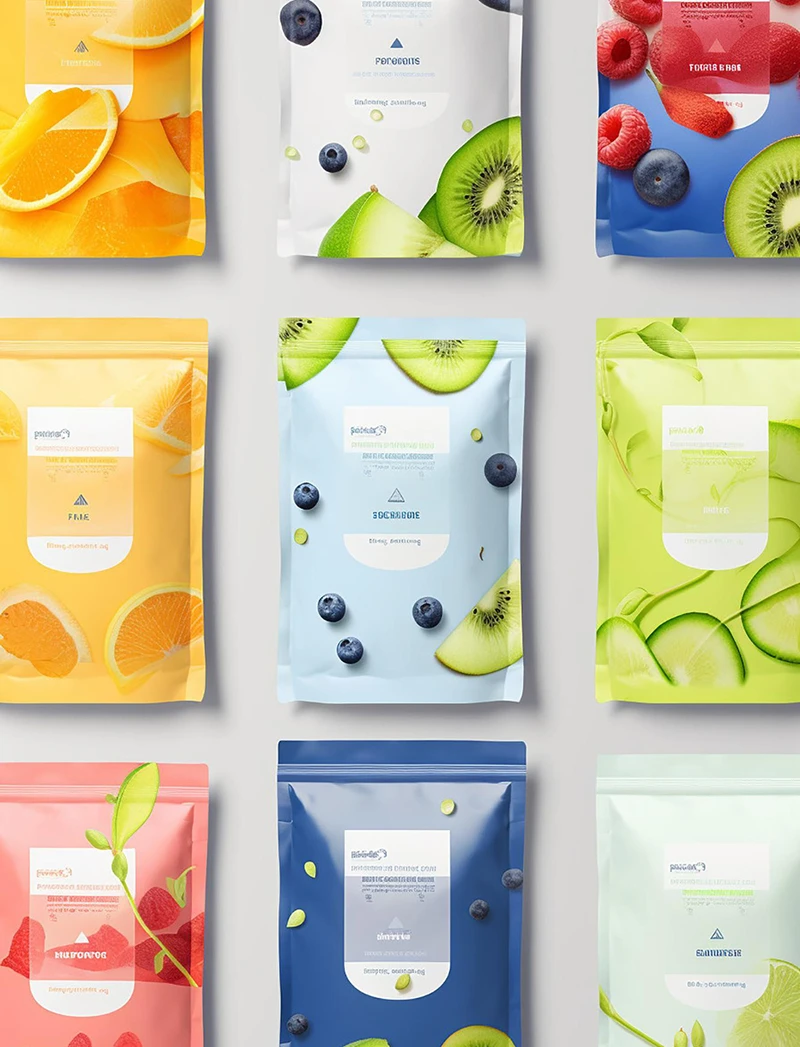
Snack brands are changing packaging faster than they can validate it. The risk is simple: new packs can look compliant and modern, then fail on crunch, flavor, or trust.
In 2026, North America snack packaging is being reshaped by three forces: channel-driven convenience (reseal and portioning), compliance and sustainability pressure (EPR and audited recyclability stories), and measurable shelf-life specs (OTR/WVTR, seal integrity, and flavor stability).
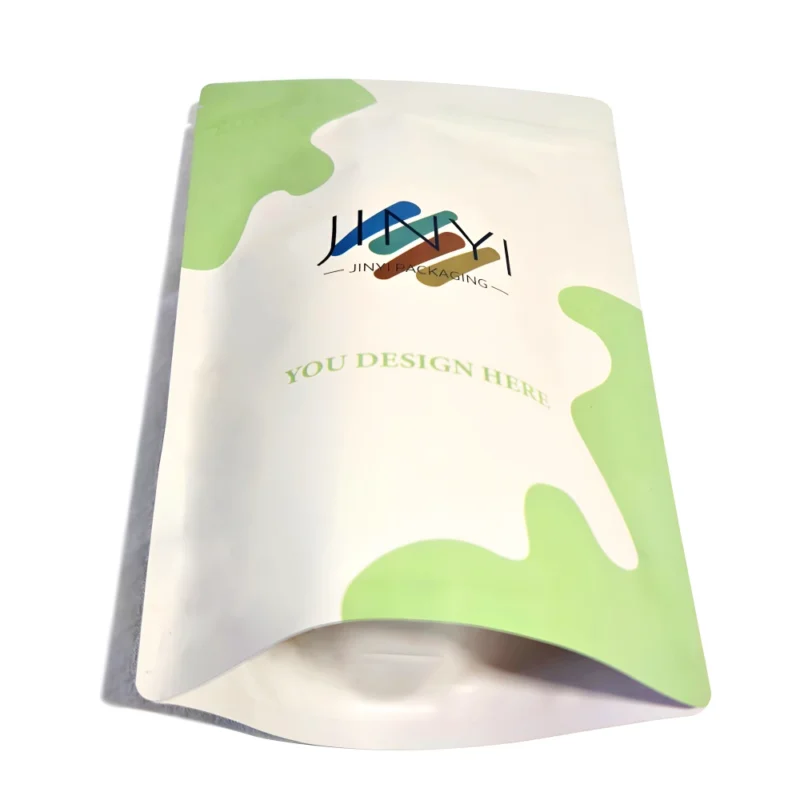
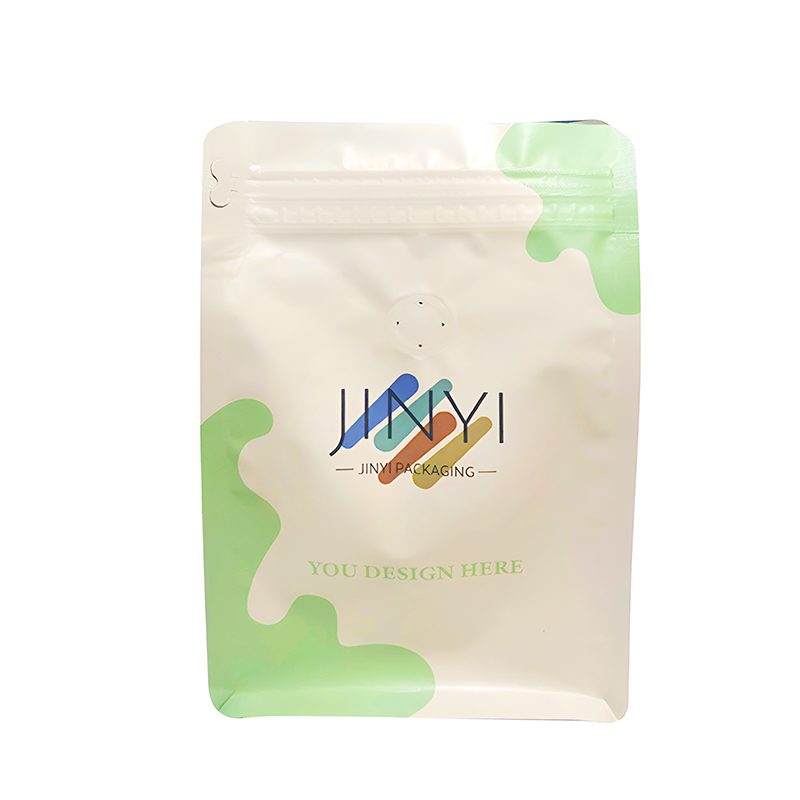
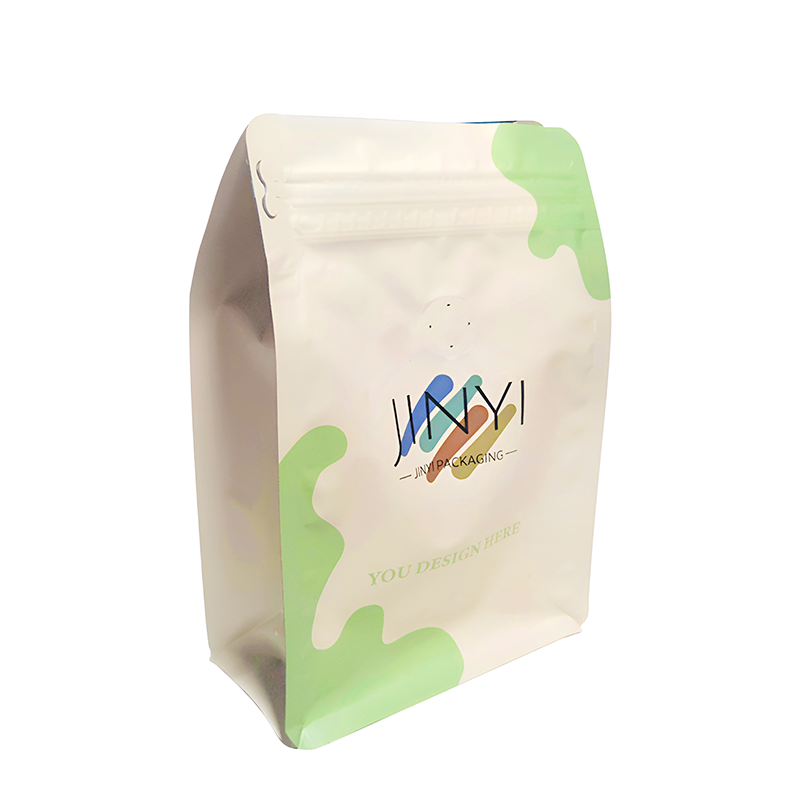
See snack packaging structures built for reseal convenience and shelf-life stability

This report-style article explains what is changing, why it is changing now, and how to translate trends into packaging specs that protect crunch and flavor while staying defensible on claims.
Which snack packaging formats are changing fastest in 2026, and why?
Many snack packs now have to work in more places than a shelf. They must survive e-commerce handling, support “eat some now” behavior, and still present well in retail.
Formats are shifting toward lighter, resealable, and more recyclable flexible packaging. Portionable packs and smaller sizes are also rising as brands match changing consumption patterns.
Reseal and portioning are becoming default format features
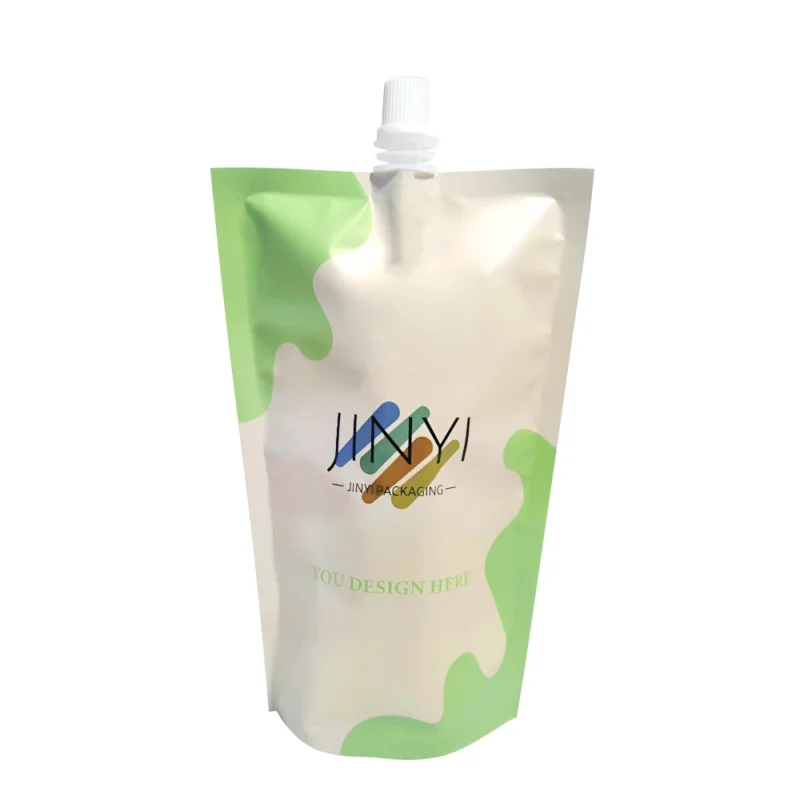
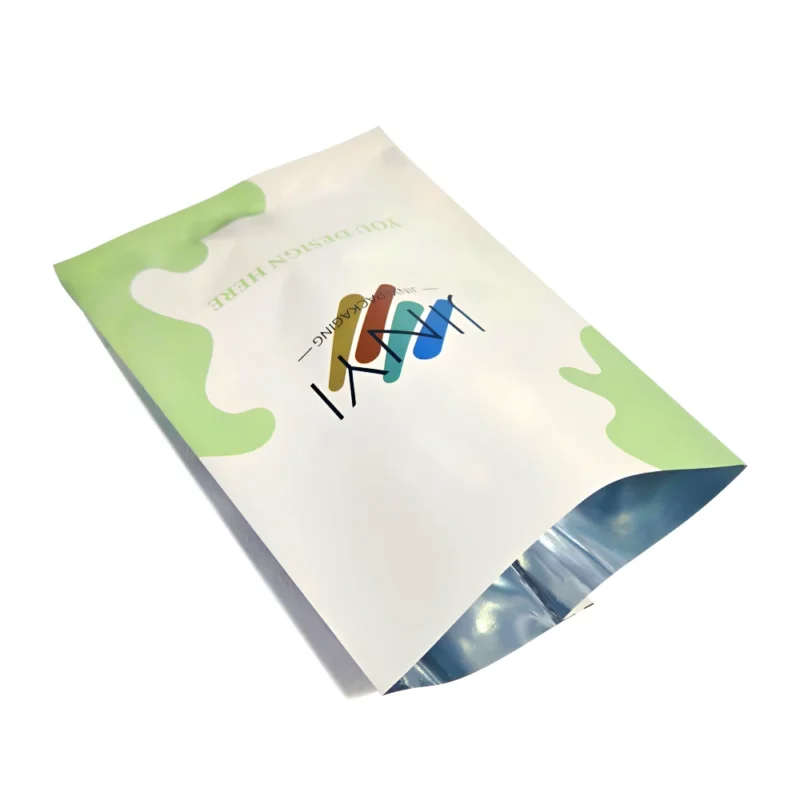
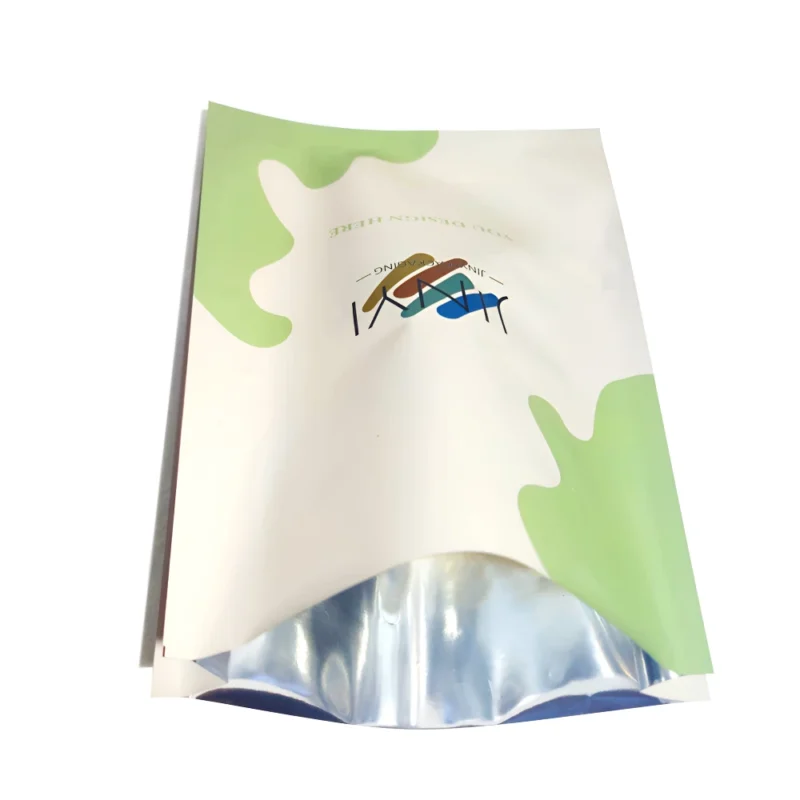
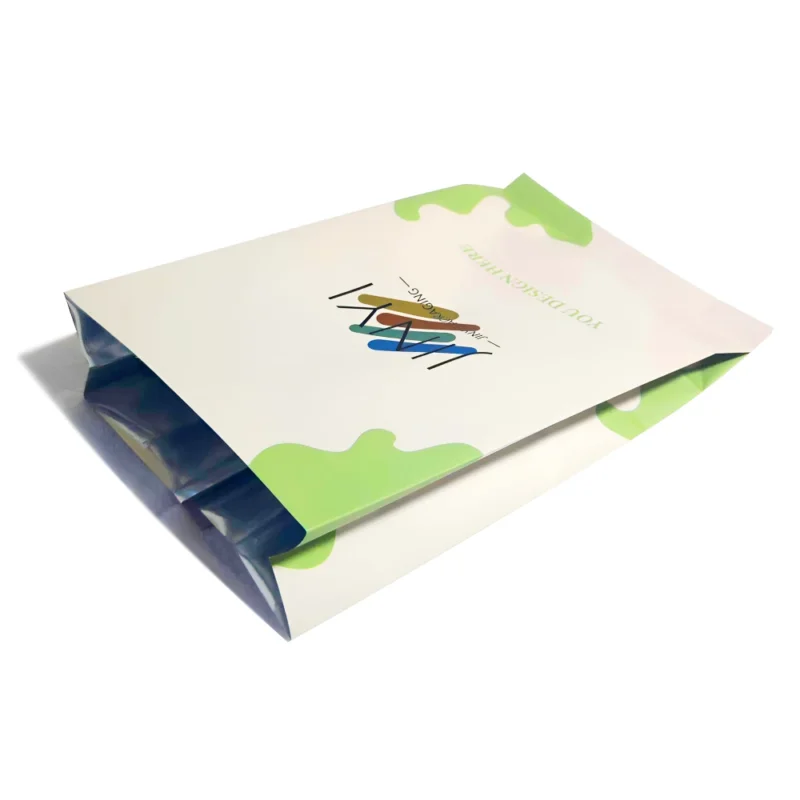
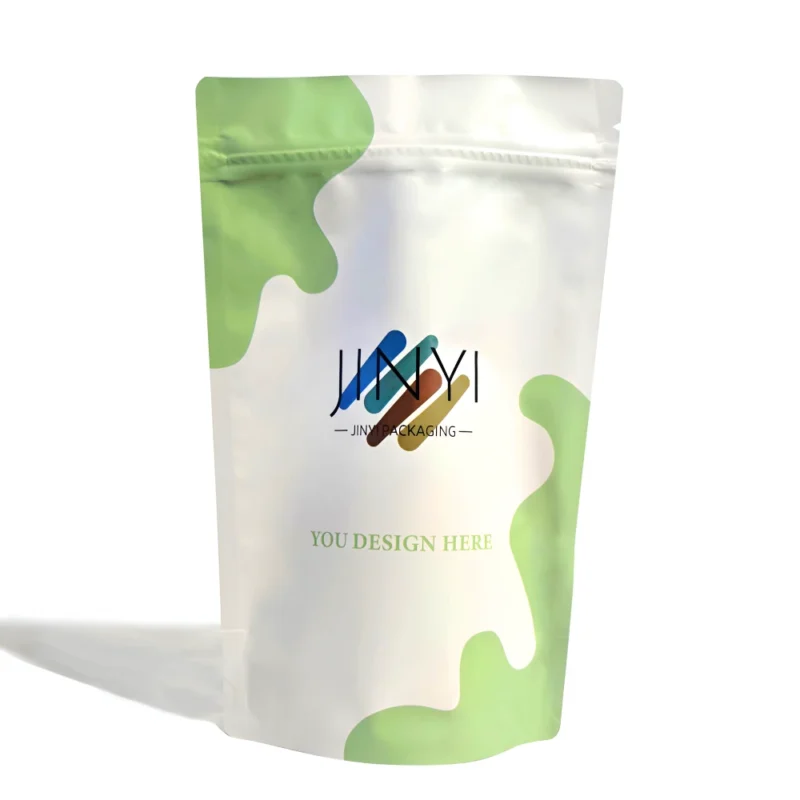
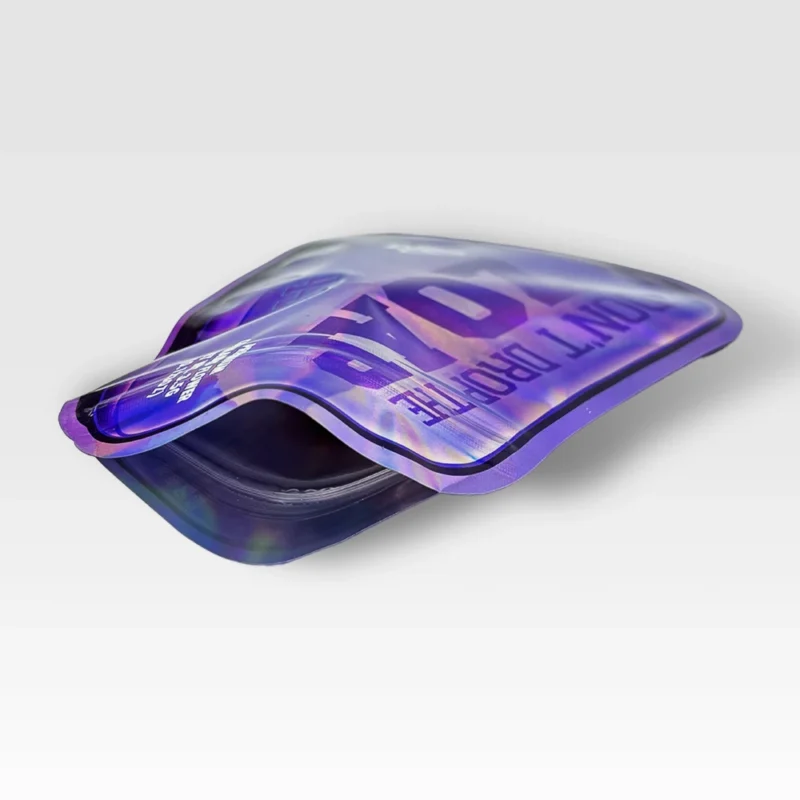
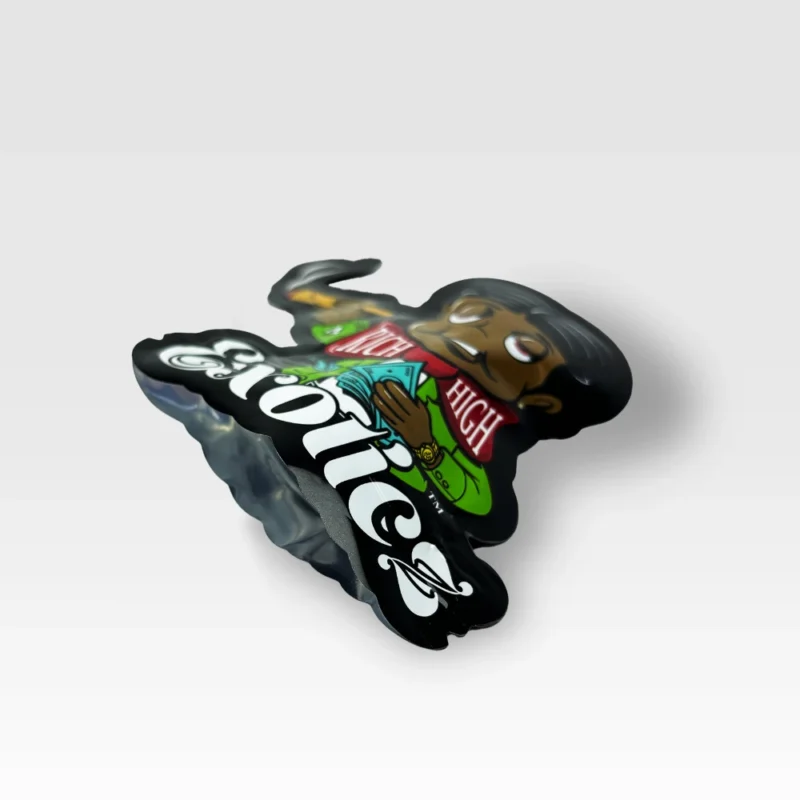
In North America, flexible packaging continues to take more snack share because it lowers shipping weight, offers large branding panels, and supports reseal features that match real use. Recent 2026 trend reporting highlights lighter packs, resealable designs, and recyclable directions as defining moves for snack packaging, and it also notes faster flavor cycles that push brands toward more flexible print and smaller runs. Portionable packs are also increasing because many consumers snack in smaller “moments” rather than finishing a full bag at once. This shifts attention from only “unopened shelf life” to “after-opening freshness,” which makes reseal performance and seal-zone robustness more important. As a flexible packaging manufacturer, we focus on pouch geometry, zipper selection, and seal-window control because those details decide whether a reseal feature actually slows staling or only looks convenient.
| Format direction |
What is driving it |
Common failure risk |
Packaging control |
| Resealable flexible packs |
On-the-go + after-opening use |
Zipper leaks and seal creep |
Seal window + zipper interface design |
| Portionable / smaller packs |
More frequent small snacking |
Seal defects at small sizes |
Process control + integrity screening |
| Lightweighting |
Cost + sustainability pressure |
Puncture and barrier tradeoffs |
Performance-based specs, not only gauge |
Evidence (Source + Year): Bakery&Snacks, “Snack packaging trends that will define 2026” (2026); Packaging Digest, “Top trends for snack packs” (2025).
Which claims are growing in 2026, and which are becoming higher-risk?
Claims can lift trial, but they can also trigger skepticism when wording shifts faster than consumer understanding. A claim that sounds simple can become a compliance and trust risk.
Clean label language is still rising, GLP-1-related positioning is appearing without a uniform standard, and “no artificial colors” is becoming more complex due to new U.S. policy guidance.
Claim risk is increasing because definitions and expectations are moving
In 2026, many snack brands still lean on clean label narratives, but the pressure is no longer only “say it.” The pressure is “say it clearly and consistently.” Research commentary on “demonized ingredients” highlights that ill-defined clean label terms can confuse shoppers and create trust gaps, which pushes brands toward clearer ingredient communication and more proof-ready wording. At the same time, health-driven packaging language is adding new terms. Coverage in early 2026 described the rise of “GLP-1 Friendly” labels, and it also noted that the term is not regulated by FDA, which increases the need for careful wording and supporting nutrition facts rather than implied medical benefits. Finally, “no artificial colors” has changed meaning in U.S. guidance. FDA communications in February 2026 explain that products can claim “no artificial colors” when petroleum-based colors are absent, even if colors from natural sources are present. This can widen the gap between what consumers assume and what labels legally allow, which makes claim governance a packaging priority.
| Claim cluster |
Why it is growing |
Main risk |
Best control |
| Clean label / “no artificial” |
Trust and ingredient scrutiny |
Vague terms and inconsistent use |
Internal claim library + proof file |
| GLP-1 “friendly” positioning |
New diet behaviors |
Non-standard term, misinterpretation |
Stick to measurable nutrition statements |
| Color-related claims |
Dye reformulation pressure |
Meaning shifts vs consumer intuition |
Use policy-aligned wording + legal review |
Evidence (Source + Year): Innova Market Insights, “Demonized ingredients in the US” (2025); FDA, “No Artificial Colors” claims update (2026); AP, “GLP-1 Friendly labels” coverage (2026).
What shelf-life specs are becoming “table stakes” for North America snacks in 2026?
Snacks fail on shelf in predictable ways. Crunch softens when moisture enters. Oil-based flavors drift when oxygen enters. Many failures start at seals, not in the film.
Specs are moving from “material name + thickness” to measurable performance: OTR/WVTR with stated conditions, seal integrity validation, and product-specific shelf-life checks for crunch and rancidity risk.

Measurable specs are replacing vague “high barrier” language
In 2026, many North American snack RFQs are becoming more performance-driven because lightweighting and recyclability trials can reduce safety margin. The most common technical shift is that teams want barrier values they can compare and validate. Oxygen ingress is linked to oxidation and rancidity drift for higher-fat snacks, while water vapor ingress drives loss of crispness for moisture-sensitive snacks. At the same time, seal leakage can erase barrier benefits, so package-level integrity checks are rising in importance. Practical spec packages often include OTR and WVTR targets under stated conditions, plus finished-pack seal checks and a validation plan that matches the distribution channel. Testing reference frameworks commonly used in packaging include oxygen permeability testing aligned with ASTM D3985 and ASTM F1927 and WVTR testing aligned with ASTM F1249. These references do not replace product validation, but they make supplier conversations measurable. The most useful procurement move is to require a short “spec + validation matrix” for every structure change, especially when moving toward more recyclable designs.
| Snack failure mode |
Primary driver |
Spec to define |
Minimum validation |
| Loss of crunch |
Moisture ingress |
WVTR intent (with conditions) |
Storage test + after-opening simulation |
| Rancid / flavor drift |
Oxygen ingress |
OTR intent (with conditions) |
Oxidation/sensory checkpoints over time |
| Leaking / fast staling |
Seal defects |
Seal integrity requirement |
Finished-pack leak screening + seal strength |
Evidence (Source + Year): Smithers, oxygen and water vapour permeability testing standards overview (accessed 2026); Intertek, WVTR ASTM F1249 overview (accessed 2026).
If you are lightweighting or switching materials, lock OTR/WVTR conditions and seal integrity before scale-up
Conclusion
In 2026, North America snack packs are shifting toward reseal and portioning, tighter claim discipline, and measurable shelf-life specs. Contact us to build a spec + validation plan for your snack format.
Get a snack packaging spec checklist
About Us
Brand: Jinyi
Slogan: From Film to Finished—Done Right.
Website: https://jinyipackage.com/
Our Mission:
JINYI is a source manufacturer specializing in custom flexible packaging solutions. I hope to deliver reliable, practical packaging so brands spend less time clarifying details and get more predictable quality, timelines, structures, and print results.
About JINYI:
JINYI is a source manufacturer specializing in custom flexible packaging solutions, with over 15 years of production experience serving food, snack, pet food, and daily consumer brands.
We operate a standardized manufacturing facility equipped with multiple gravure printing lines as well as advanced HP digital printing systems, allowing us to support both stable large-volume orders and flexible short runs with consistent quality.
From material selection to finished pouches, we focus on process control, repeatability, and real-world performance. Our goal is to help brands reduce communication costs, achieve predictable quality, and ensure packaging performs reliably on shelf, in transit, and at end use.
FAQ?
What is the biggest snack packaging format shift in North America in 2026?
The biggest shift is faster adoption of lightweight, resealable flexible packaging and more portionable formats that match on-the-go and after-opening use.
Why are clean label claims becoming riskier?
Many clean label terms are not precise. Shoppers interpret them differently, and brands must keep wording consistent and proof-ready across SKUs.
What does “no artificial colors” mean in 2026?
FDA updates in February 2026 allow “no artificial colors” when petroleum-based colors are absent, even if colors from natural sources are used. Brands should align wording to guidance and consumer expectation.
Which shelf-life specs should snack brands define first?
Most teams start with WVTR for crunch protection, OTR for oxidation control, and finished-pack seal integrity checks because seal defects can override film barrier values.
How does EPR pressure affect packaging choices?
EPR programs push better packaging data and stronger recyclability narratives. That increases trials of redesigned structures, which makes performance-based specs and validation more important.