Pet treats win on shelf and still fail at home. The most common cause is not formulation. The most common cause is packaging that does not match real use and real channels.
The best pet treats packaging balances three constraints at once: freshness protection (moisture, oxygen, odor, and seal integrity), convenience (reseal, portioning, easy-open, and e-commerce survivability), and delivered cost (pack BOM, line speed, cube efficiency, and returns).
Explore treat packaging formats built for freshness, reseal use, and repeatable production

Pet treats are also a labeling and intended-use problem. Treats are usually not intended to be “complete and balanced.” Label discipline and intended-use clarity often decide trust as much as barrier numbers.
What does “freshness” mean for pet treats, and how does it fail?
Many brands define freshness as “best before.” Buyers define freshness as texture, smell, and whether the pet still wants it.
Treat freshness fails through three dominant paths: moisture pickup that softens crunchy textures, oxygen-driven rancidity for higher-fat treats, and odor transfer or odor pickup during storage and last mile. Seal integrity can override all film specs.
Failure modes differ by treat structure, not by marketing category
Treats are not one product type. Crunchy biscuits, freeze-dried cubes, jerky strips, soft chews, and dental chews behave differently on shelf. Crunchy and freeze-dried formats tend to fail fast when moisture enters because structure collapses and texture changes. Jerky and higher-fat treats often fail through aroma drift and rancid notes when oxygen enters and reactions accelerate over time. Odor is a third failure path that is easy to ignore. Treats can pick up odors in warehouses and transport, and they can also transfer odor into surrounding items in a pantry. These paths often stack together because “freshness” is usually decided by system integrity. A low WVTR film does not help if the zipper leaks after five openings. A low OTR film does not help if there is a micro-leak at a fin seal or at a corner fold. This is why the packaging target should be written as a failure-mode target, not a vague “high barrier” label.
| Treat type |
Most common freshness failure |
Primary packaging control |
Typical weak link |
| Crunchy biscuits |
Softening and staling |
WVTR intent + reseal performance |
After-opening leakage |
| Freeze-dried |
Moisture uptake and texture collapse |
WVTR intent + seal integrity |
Pinholes and corner leaks |
| Jerky / high-fat treats |
Rancidity and aroma drift |
OTR intent + seal integrity |
Micro-leaks override OTR |
| Soft chews |
Texture drift and odor issues |
Integrity + odor management |
Weak sealing window |
Evidence (Source + Year): ASTM F1249 Standard Test Method for WVTR through flexible barrier materials (ASTM, current edition page updated 2025); FDA “Complete and Balanced Pet Food” note that treats/snacks are typically not intended as a sole diet (FDA, 2020).
Which formats protect freshness while still feeling convenient?
Convenience is not a bonus feature in treats. Convenience is the use pattern. Most treat packs are opened many times and stored in kitchens with variable humidity.
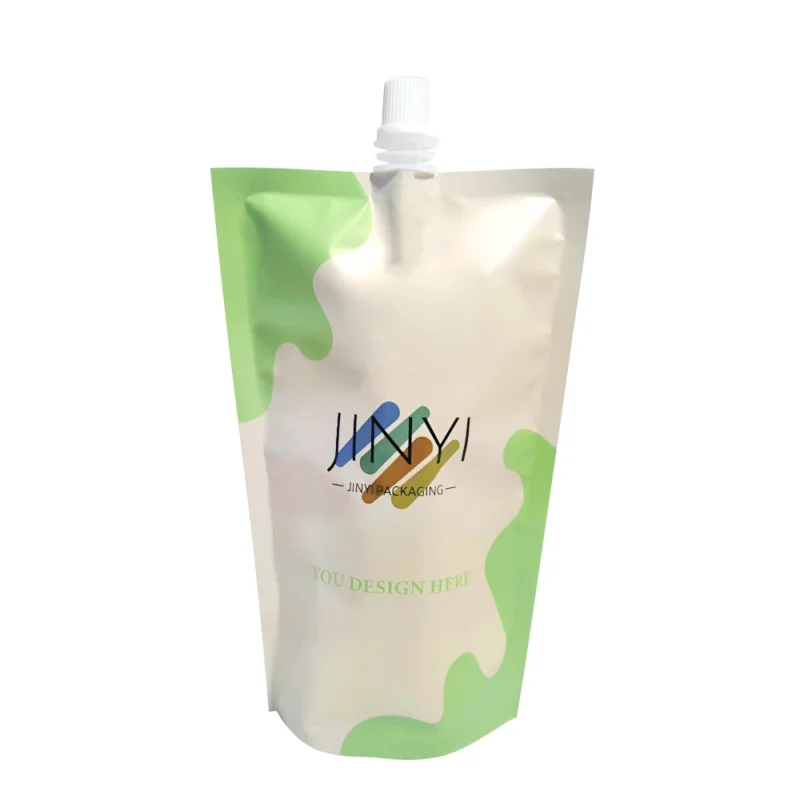
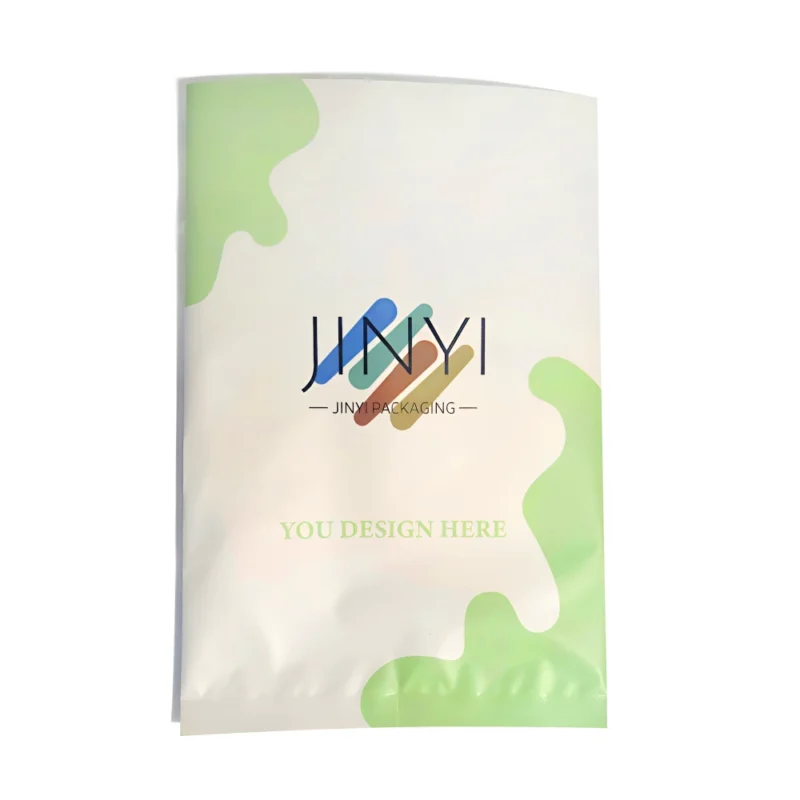
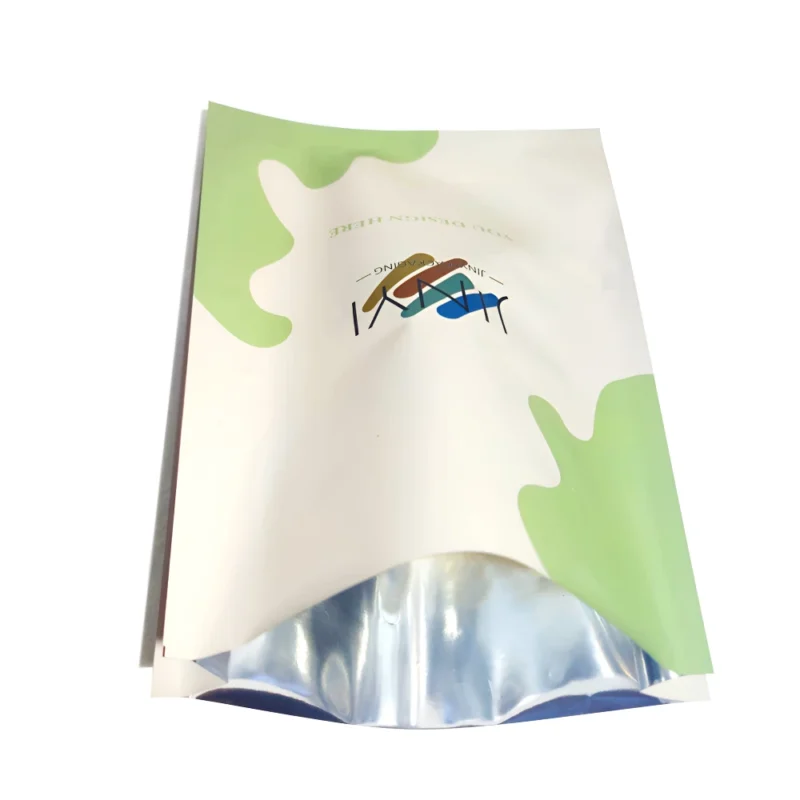
Resealable pouches dominate pantry packs because they reduce friction. Portion formats (sachets, stick packs, small pouches) reduce after-opening exposure. The best format depends on use frequency, treat sensitivity, and channel stress.
Reseal is valuable only when the zipper zone is designed and verified
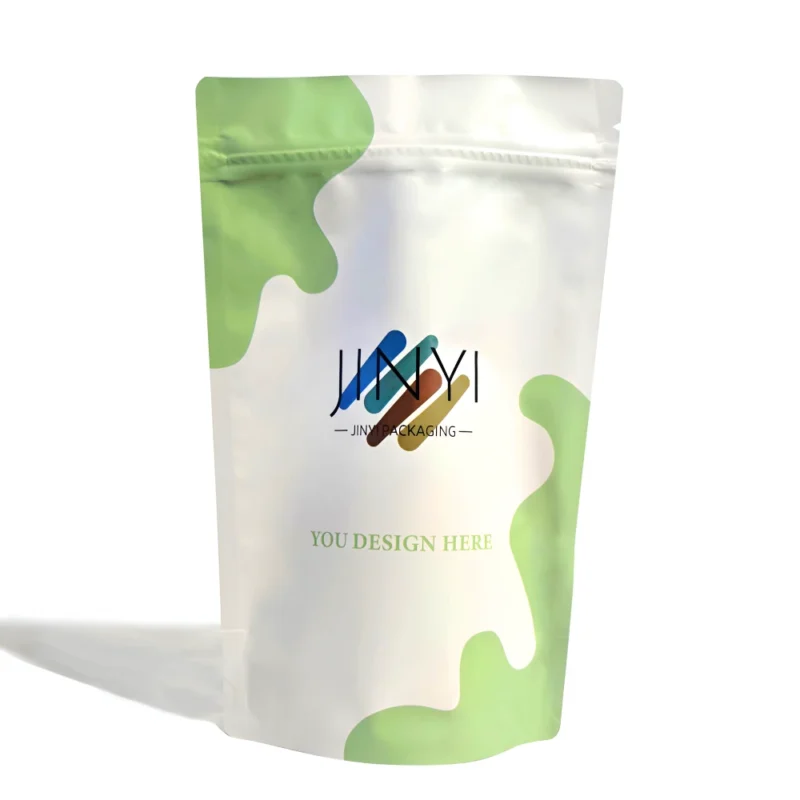
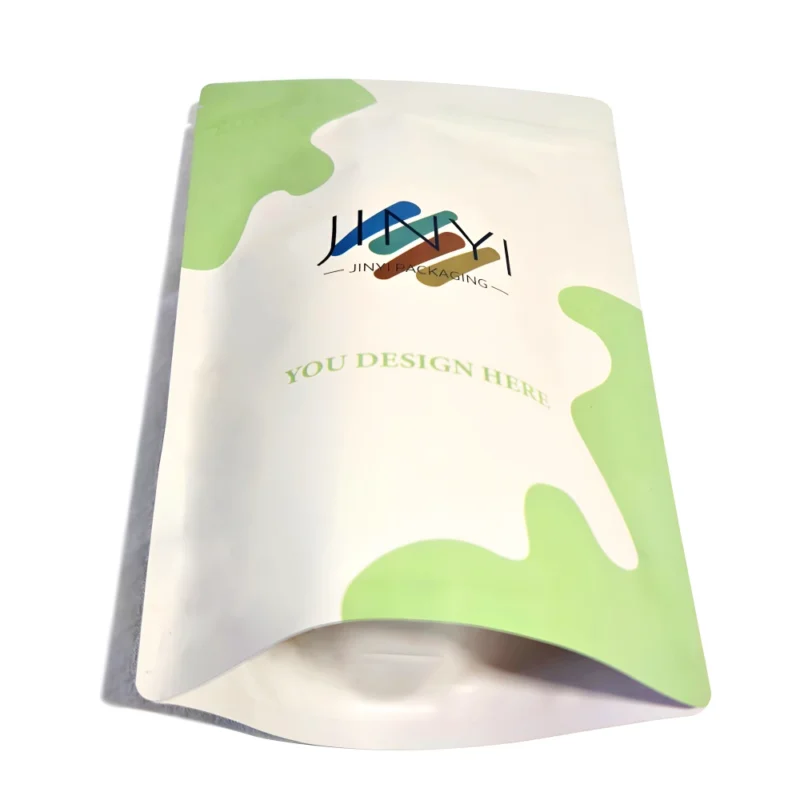
Resealable pouches often win for pantry packs because they are easy to open, easy to close, and easy to store. They also help brands communicate freshness cues and use directions. The weakness is that reseal convenience can create a false sense of security. After-opening exposure is real, and zipper leakage can dominate the true barrier outcome. This is why the zipper zone should be treated as an engineered component. It needs a stable sealing window, good alignment, and a leak screening plan that checks the finished pouch, not only the film. Portion packs solve after-opening exposure in a different way. Sachets and stick packs reduce the time a product stays open, which can protect sensitive treats, support training use, and improve consistency. The cost tradeoff is real because unit pack cost increases and line speed can change. A realistic playbook uses two or three “format tiers” instead of one format for every treat. It maps pantry packs to reseal pouches, travel packs to small pouches, and training packs to portion units when product sensitivity or customer experience demands it.
| Format |
Best use case |
Freshness advantage |
Cost tradeoff |
| Resealable stand-up pouch |
Pantry multipack |
Reduces exposure when reseal works |
Zipper adds BOM and QC needs |
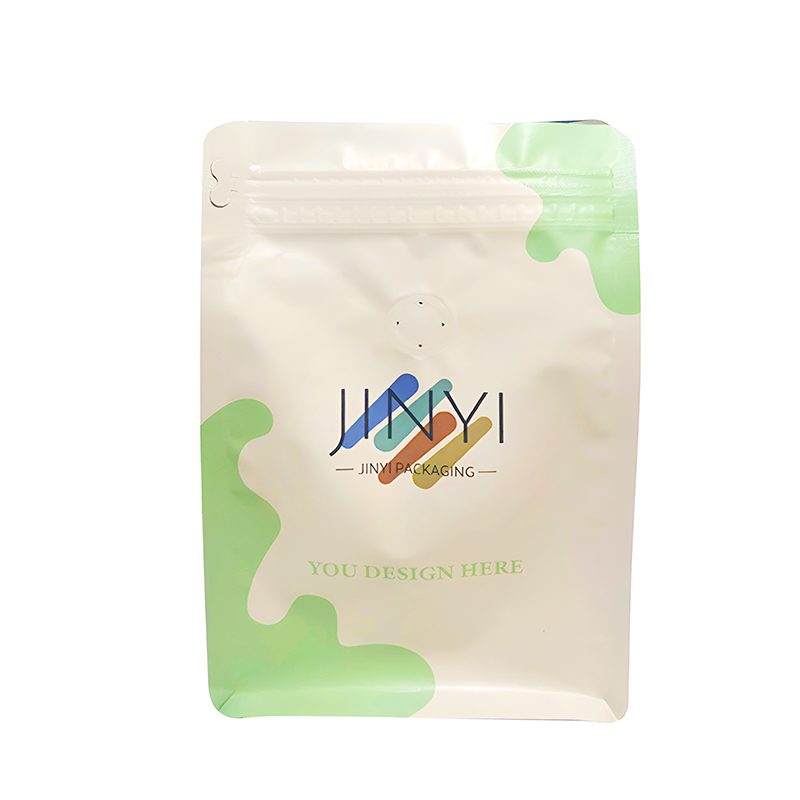
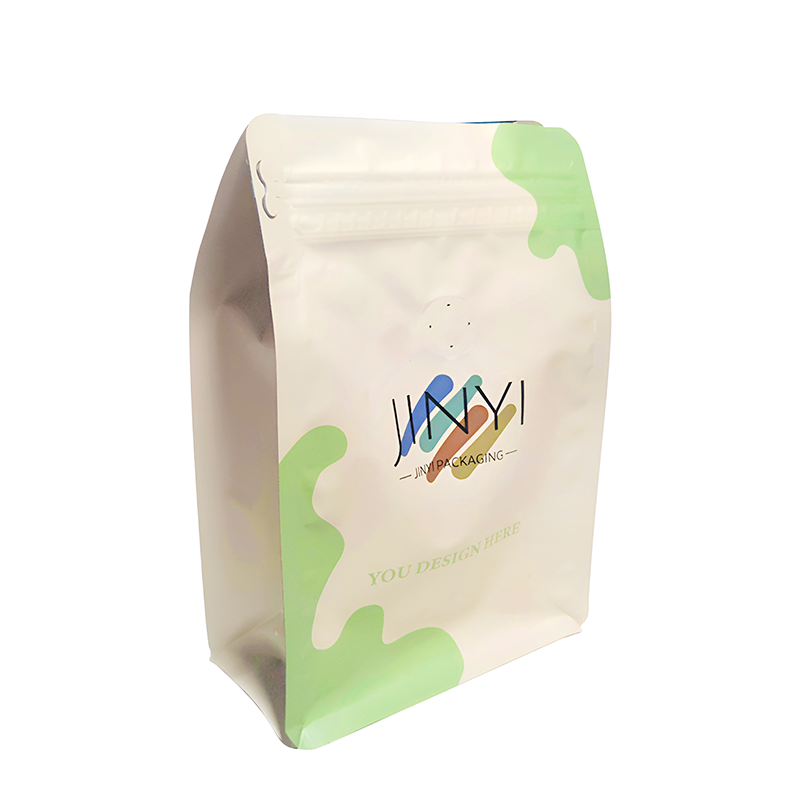
| Quad-seal / flat-bottom pouch |
Premium shelf presence |
Stable geometry and stronger structure |
Higher converting complexity |
| Sachets / stick packs |
Training and travel |
Minimizes after-opening time |
Higher cost per gram |
| Tubs / jars |
Hard treats, some chews |
Rigid sealing and stacking stability |
Higher freight cube and weight |
Evidence (Source + Year): ISTA Procedure 3A description for parcel delivery shipments (ISTA, accessed 2026); AAFCO “Treats and Chews” noting treats are not usually intended to be complete and balanced (AAFCO, accessed 2026).
Which shelf-life specs actually matter, and how should brands write RFQs?
Many RFQs still request “material name + thickness.” That language is easy to quote and hard to defend when complaints happen.
The most useful RFQ language is outcome-based: WVTR intent for texture, OTR intent for fat oxidation risk, and finished-pack integrity requirements. These must include test conditions and a validation plan.
Specs should be written as intent plus verification, not only material identity
Treat packaging is often selected under time pressure. This leads to oversimplified specs like “metallized film” or “high barrier.” These terms do not guarantee shelf performance across brands because they do not define conditions, seal quality, or finished pack behavior. A better approach is a spec package. It includes WVTR intent for moisture-sensitive treats and OTR intent for oxidation-sensitive treats. It also includes seal integrity and leak screening requirements because micro-leaks can erase barrier advantages. WVTR measurement is commonly referenced with ASTM F1249 for flexible barrier materials. That reference does not guarantee your shelf life, but it makes supplier data comparable and reduces ambiguity. The RFQ should also clarify whether values are film-only or finished-pack values, because conversion and sealing can change outcomes. As a flexible packaging manufacturer, we focus on turning the brand’s failure modes into procurement language. This approach reduces overbuilding because brands stop buying “maximum barrier” and start buying the minimum spec package that prevents real failures.
| RFQ spec block |
Why it matters |
How to define it |
What to verify |
| WVTR intent |
Crunch protection |
State target and test conditions |
ASTM F1249-based report + shelf test plan |
| OTR intent |
Rancidity control |
State target and conditions |
OTR report + sensory checkpoints |
| Finished-pack integrity |
Seals override barrier |
Leak screening + seal strength intent |
Production sampling plan |
| After-opening expectation |
Real consumer use |
Define open-close cycles or days |
Reseal simulation test |
Evidence (Source + Year): ASTM F1249 scope statement for WVTR through flexible barrier materials (ASTM, current edition page updated 2025); AAFCO “Labeling & Labeling Requirements” note that feeding directions are optional for treats when they are not complete and balanced and labeled as snacks/treats (AAFCO, accessed 2026).
Use an RFQ spec package (WVTR/OTR intent + seal integrity) instead of “film name + thickness”
How does e-commerce change the winner format for treats?
Many treat packs are designed for shelves, not for doorsteps. Parcel handling adds stress that can create leaks, scuffs, and broken seals.
DTC and marketplaces reward formats that survive route stress with fewer complaints. This pushes brands toward stronger integrity, better case packs, and route simulation plans that match the shipment type.
Parcel routes punish weak seals and weak pack-out systems
E-commerce adds stress that retail does not. Packages can experience repeated drops, vibration, and compression across warehouse handling and last mile delivery. This is why “freshness specs” alone are not enough. Integrity is a shipping outcome. ISTA Procedure 3A is a common general simulation test for individual packaged-products shipped through a parcel delivery system. It provides a structured way to test whether a packaging system can survive the hazards of parcel delivery. For pet treats, the most frequent e-commerce complaints tied to packaging are leakers, stale product, crushed product, and zipper failure. These complaints often trace back to two root causes. The first cause is seal weakness or seal contamination at production. The second cause is a poor case pack that allows movement and abrasion, which creates pinholes and edge failures. The most practical solution is to validate at three levels: the single pack, the case pack, and the worst-case pack-out configuration. That validation should happen before a major structure change is rolled out across a portfolio.
| Channel |
Main added risk |
Most common packaging failure |
Validation focus |
| DTC / marketplaces |
Parcel handling |
Seal creep, pinholes, zipper drift |
ISTA 3A-style route simulation + case-pack checks |
| Retail |
Shelf handling and shopper opening |
Reseal misuse, display scuffs |
Reseal simulation + shelf abrasion review |
| Wholesale clubs |
Bulk handling and heavier packs |
Corner leaks under compression |
Compression conditioning + seal re-test |
Evidence (Source + Year): ISTA Procedure 3A overview for parcel delivery system shipments (ISTA, accessed 2026); Sealed Air overview describing ISTA 3-series as simulation tests of transport environment forces and sequences (Sealed Air, accessed 2026).
Which label signals increase trial for treats, and what triggers skepticism?
Treats are purchased with emotion, but they are justified with logic. Buyers want rewards, but they still want safety and honesty.
The highest-trust treat packs use intended-use clarity and simple, verifiable statements. The highest-risk packs use diet-like promises, implied therapeutic outcomes, and dense badge stacking that reduces readability.
Treat trust is anchored by intended use, not by “complete diet” logic
Treats occupy a special trust position. Many buyers understand treats are supplemental, but they still want to avoid misleading claims. FDA explains that when a nutritional adequacy statement includes “complete and balanced,” it indicates the product is intended to be fed as a pet’s sole diet, and it also notes that treats, snacks, and supplements are typically not intended to be a pet’s sole diet. AAFCO explains that treat products are not usually intended to be a source of complete and balanced nutrition and that the intended purpose of treat products is recognized in model regulations. This makes intended-use clarity a trust anchor. The pack should make it easy to understand what the treat is for: training reward, dental chew, topper, or functional chew. It should also avoid language that implies disease treatment. Skepticism increases when the pack looks like a main diet but behaves like a treat. Skepticism also increases when the front panel is full of badges while directions and identifiers are hard to find. The most scalable solution is a claims library specific to treats, with a short list of approved claim patterns and a prohibited list for implied therapeutic outcomes.
| Signal type |
What it looks like |
Buyer reaction |
Risk level |
| Intended-use clarity |
“Training treat” / “Dental chew” |
Higher trial confidence |
Low |
| Verifiable simplicity |
Specific ingredient logic |
Feels honest and checkable |
Low |
| Diet-like promises |
Implied “complete diet” tone |
Skepticism and confusion |
High |
| Claim stacking |
Too many front badges |
Feels like marketing hype |
Medium to high |
Evidence (Source + Year): FDA, “Complete and Balanced Pet Food” (2020); AAFCO, “Treats and Chews” (accessed 2026).
How can brands balance freshness, convenience, and cost without overbuilding?
Many brands overbuild packaging because they fear complaints. Many brands underbuild because they fear cost. Both approaches fail.
A balanced playbook uses a decision matrix by treat type and channel, then validates with a minimum ladder. It controls cost by targeting the dominant failure mode and removing features that do not reduce returns.
A practical decision matrix keeps specs focused and costs predictable
A balanced playbook starts with treat sensitivity and channel stress. Moisture-sensitive treats need WVTR intent and reseal validation. Oxidation-sensitive treats need OTR intent and integrity controls. DTC routes need route simulation and case-pack discipline. Retail needs reseal usability and shelf communication. The playbook then assigns a format tier. Pantry multipacks use resealable pouches with a controlled zipper zone. Travel and training use smaller packs or portion formats when after-opening exposure drives complaints. Hard chews can use jars or tubs when rigidity helps, but brands should watch freight cube and weight. Cost control should be written as delivered cost, not only pack BOM. Delivered cost includes scrap, line speed, shipping cube, and returns. The fastest way to improve delivered cost is often to reduce rework and returns through integrity controls, not to chase the lowest film cost. As a flexible packaging manufacturer, we focus on repeatable process windows and fit-for-route structures because those factors reduce both complaints and production surprises.
| Decision input |
Choose |
Primary spec stack |
Cost guardrail |
| Crunchy + pantry + retail |
Reseal pouch |
WVTR intent + reseal simulation |
Avoid unnecessary rigid overpack |
| High-fat + long shelf |
Higher barrier pouch |
OTR intent + seal integrity |
Do not upgrade features without return reduction |
| DTC parcel heavy |
Stronger geometry + case pack |
Integrity + ISTA 3A-style validation |
Optimize case fill and movement control |
| Training / on-the-go |
Small packs or sachets |
Integrity + portion control |
Use only when it reduces waste or complaints |
Evidence (Source + Year): ISTA Procedure 3A description for parcel distribution simulation (ISTA, accessed 2026); ASTM F1249 WVTR method scope statement for flexible barrier materials (ASTM, current edition page updated 2025).
Conclusion
Pet treats packaging performs best when brands target the dominant failure mode by treat type, match formats to channel stress, and use a spec package with validation. Contact us to build a treat packaging format and RFQ spec set that reduces returns without overbuilding cost.
Get the pet treats packaging spec + validation checklist
About Us
Brand name: Jinyi
Slogan: From Film to Finished—Done Right.
Website: https://jinyipackage.com/
Our Mission:
JINYI is a source manufacturer specializing in custom flexible packaging solutions. We aim to deliver reliable, practical packaging so brands reduce communication cost and get predictable quality, timelines, structures, and print results.
About JINYI:
JINYI is a source manufacturer specializing in custom flexible packaging solutions, with over 15 years of production experience serving food, snack, pet food, and daily consumer brands.
We operate a standardized manufacturing facility equipped with multiple gravure printing lines as well as advanced HP digital printing systems, allowing us to support both stable large-volume orders and flexible short runs with consistent quality.
From material selection to finished pouches, we focus on process control, repeatability, and real-world performance. Our goal is to help brands reduce communication costs, achieve predictable quality, and ensure packaging performs reliably on shelf, in transit, and at end use.
FAQ?
What is the most common freshness failure for crunchy treats?
Crunchy treats often fail through moisture pickup. WVTR intent and reseal performance usually matter more than thicker film alone.
When do portion packs make sense for treats?
Portion packs help when after-opening exposure drives staling complaints or when a training use case values single-serve convenience. They usually raise unit pack cost.
Which spec should be written first in an RFQ?
Most brands start with WVTR intent for moisture-sensitive treats, OTR intent for high-fat treats, and finished-pack seal integrity requirements because leaks can override both.
Why does e-commerce change the “best” format?
Parcel routes add vibration, drops, and compression. Formats that work in retail can fail in DTC unless seals and case packs are validated with route simulation.
Why is “intended use” so important on treat labels?
Treats are typically not intended to be fed as a sole diet. Clear intended-use language reduces confusion and helps buyers trust the product without over-claiming.