Damaged cups, bent underwires, and surprise return costs eat margin. Brands then overbuild boxes and still see complaints. The fix starts with measurement, not opinion.
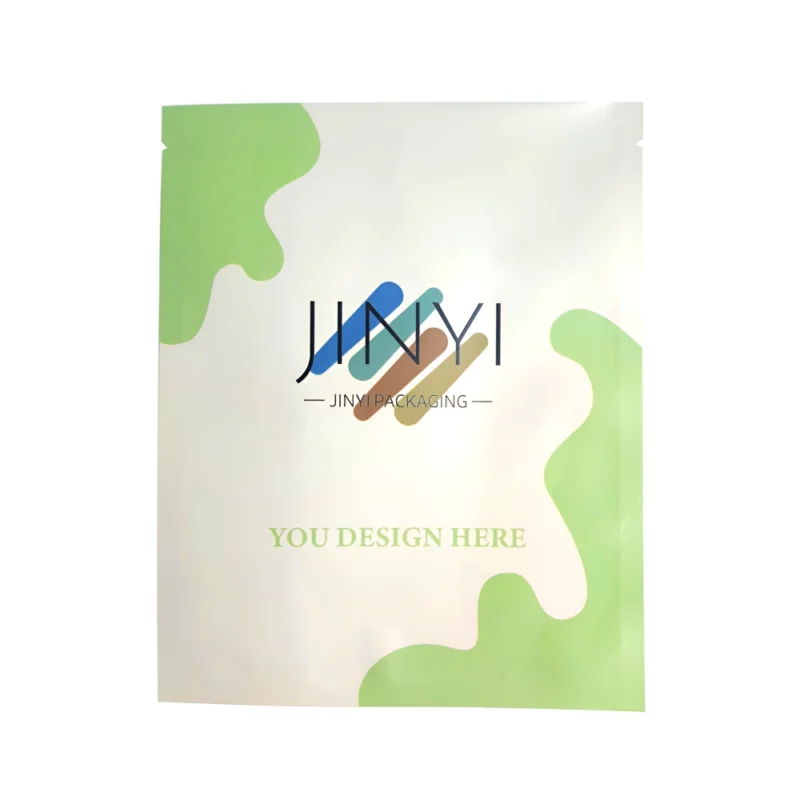
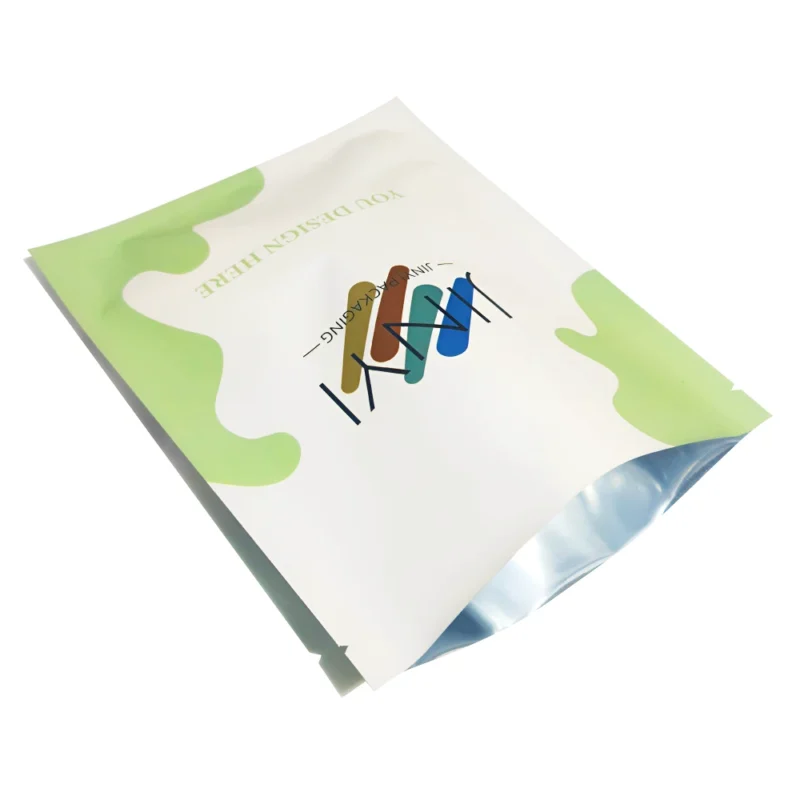
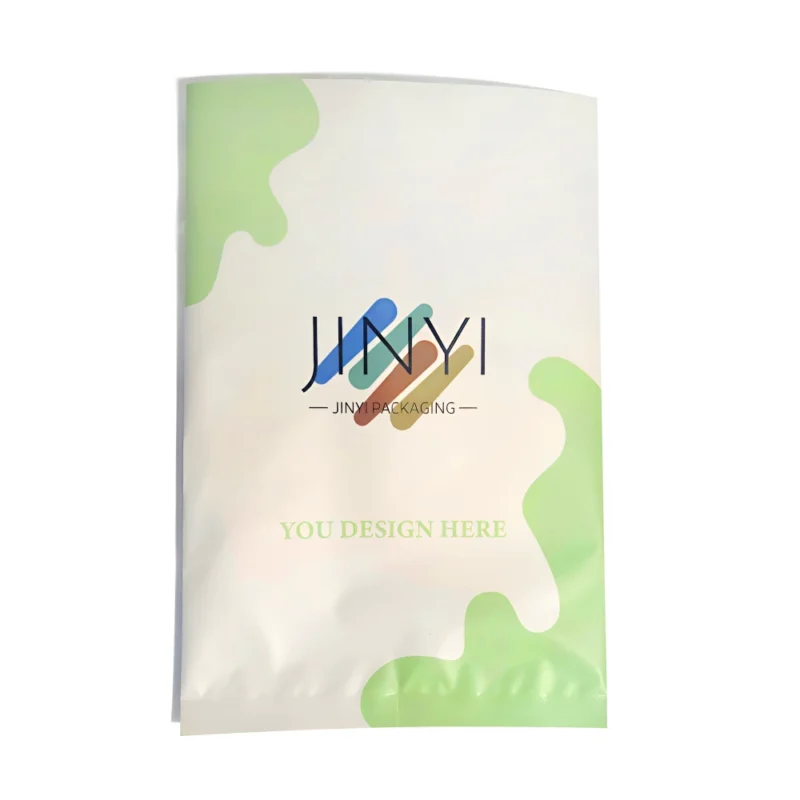
Poly mailers usually lower shipping cost when dimensional weight dominates, but boxes reduce shape damage when cups, wires, or hardware create pressure points. A small proof-pack matrix shows which option wins for your batch and route.
See apparel packaging structures that protect shape without inflating DIM weight.

Brands should treat this decision as two curves: shipping cost (often driven by billed weight) versus damage-and-returns cost (often driven by shape control and pressure points). The right answer changes by SKU mix, route stress, and pack-out rules.
What does “damage” mean for bras and swim sets, and how should it be measured?
“Damage” looks minor until it triggers a return. A small crease, a snag, or a cup that no longer holds shape can make the item feel “not as expected.”
Damage should be defined as measurable defects tied to a pass/fail threshold, such as a crease score, snag rate, or “retail-ready” acceptance after shipping simulation.
Minimum damage endpoint set (retail-ready focused)
Bras and swim sets fail in different ways, so the inspection sheet must separate “shape defects” from “surface defects.” Shape defects include cup collapse, underwire pressure marks, and permanent fold lines that do not recover. Surface defects include snags, scuffs, print transfer, and hardware scratches. A practical system is a 1–5 visual score with standardized photos, then a single rule such as “crease score ≥ 3 = not retail-ready.” This makes the comparison between poly mailer and box falsifiable. The same endpoint set also prevents a common mistake: blaming material choice when the real cause is a short-circuit variable such as loose headspace, exposed hooks, or metal adjusters acting as pressure points.
| Category |
Common defect |
How to measure |
Suggested pass/fail |
| Shape |
Cup collapse / permanent fold line |
Photo score (1–5) + recovery check after 24h |
≥ 3 = fail (not retail-ready) |
| Shape |
Underwire / hardware pressure mark |
Touch + visual map of pressure points |
Any visible mark on front panel = fail |
| Surface |
Snags / scuffs / print transfer |
Defect rate per 100 units |
Set a % limit by channel |
| Retail |
Presentation loss (hangable / foldable) |
“Shelf-ready” acceptance checklist |
Any rework needed = recorded as cost |
Evidence (Source + Year): National Retail Federation, 2025 Retail Returns Landscape (2025).
When does dimensional weight make boxes more expensive than poly mailers?
Brands often compare packaging cost per unit and miss the bigger driver: billed weight. A light product in a bulky box can cost more to ship than a heavier product in a tight mailer.
Boxes become more expensive when their outer dimensions push billed weight above actual weight, while mailers stay closer to the product’s true geometry.

Cost model: billed weight is usually “max(actual, DIM)”
A box can be the right protection tool and still be the wrong cost tool if it inflates the billed weight. Many carriers price shipments based on dimensional weight or actual weight, whichever is greater. That means the air inside a box can become a billable cost driver. Poly mailers typically reduce this risk because they collapse around the item and reduce unused volume. The correct comparison is not “mailer price vs box price.” The correct comparison is batch cost per 100 orders: packaging material + pack-out labor seconds + shipping charge driven by billed weight + expected rework/return cost. This is why a “small box” often beats a “retail box” in DTC, and why a box-in-mailer hybrid can win: the inner box protects shape while the outer mailer keeps the external geometry tight.
| Scenario |
What drives billed cost |
What usually wins |
Risk to watch |
| DTC single-unit, long-zone shipping |
DIM weight sensitivity |
Poly mailer or box-in-mailer |
Pressure points inside |
| Retail replenishment, case-packed |
Damage and shelf presentation |
Box (optimized size) |
Void fill and cube efficiency |
| Premium gift set |
Presentation + protection |
Box (then protect in master carton) |
Surface scuff during handling |
Evidence (Source + Year): FedEx, “What is dimensional weight?” (n.d., accessed 2026). National Retail Federation, 2025 Retail Returns Landscape (2025).
Where do poly mailers fail first: compression creases, hardware pressure points, or scuff risk?
Mailers feel “safe” because they are soft, but softness does not remove compression load. It often concentrates load onto the hardest object inside the pack.
Poly mailers usually fail first at pressure points and fold lines. They can perform well when pack-out prevents hard components from acting like internal punches.
If your returns are driven by creases or hardware marks, focus on internal protection rules first.
Short-circuit variables: internal geometry beats “material name”
Poly mailers do not provide shape control by default. Their performance depends on internal geometry and “short-circuit variables” that bypass any good material spec. The highest-risk zones are hooks, adjusters, underwires, molded cups, and thick seams that create localized stiffness. Under compression and vibration, those hard features become internal punch points and produce visible marks on the front panel. The fix is not automatically “switch to a box.” The first fix is to control fold lines, separate hard zones from display zones, and remove headspace that allows shifting. As a flexible packaging manufacturer, we focus on simple, repeatable rules: isolate hardware in a small inner sleeve, add a thin stiffness insert only where it blocks a crease line, and keep the pack tight so nothing can build momentum inside the bag. This preserves the mailer’s cost advantage while cutting damage risk.
| Failure mode |
Why it happens in mailers |
Fast fix |
Confirm with |
| Underwire / hook pressure mark |
Hard part becomes an internal punch |
Hardware isolation sleeve + placement rule |
Compression + vibration spot check |
| Cup crease / fold line |
Uncontrolled fold path under load |
Insert only on crease line + tight pack |
Crease score after 24h recovery |
| Scuff / snag |
Surface rub against seams, tags, cartons |
Inner protective bag or tissue wrap |
Defect rate per 100 units |
Evidence (Source + Year): ISTA, Procedure 3A Overview (overview PDF). National Retail Federation, 2025 Retail Returns Landscape (2025).
What is the minimum proof pack to compare cost and damage per 100 orders without guessing?
Teams argue about mailers and boxes because they test one variable at a time. That approach hides the real driver and wastes weeks.
A 2×2×2 minimum proof pack can show the winner fast by measuring billed weight, pack-out time, and retail-ready damage after controlled route stress.
2×2×2 matrix: packaging × internal structure × route stress
The simplest data-rich plan is a 2×2×2 design. Factor one is outer pack: poly mailer versus box. Factor two is internal structure: basic (no isolation or insert) versus reinforced (hardware isolation + crease control insert + tight pack). Factor three is route stress: light (short route, low handling) versus heavy (parcel-like hazards with compression, vibration, and drops). For each cell, the team should measure four numbers that decide the business outcome: billed weight (actual vs dimensional), pack-out time in seconds, damage score with a retail-ready threshold, and the rework/return proxy cost per 100 units. This turns the decision into a repeatable selection tool. It also supports a hybrid result, which is common in apparel: a minimal inner box to protect cup geometry, then an outer mailer to keep external volume tight and reduce DIM weight exposure.
| Cell |
Outer pack |
Internal structure |
Route stress |
Must measure |
| 1 |
Mailer |
Basic |
Light |
Billed weight, pack-out seconds, damage score, rework |
| 2 |
Mailer |
Reinforced |
Heavy |
Billed weight, pack-out seconds, damage score, rework |
| 3 |
Box |
Basic |
Light |
Billed weight, pack-out seconds, damage score, rework |
| 4 |
Box |
Reinforced |
Heavy |
Billed weight, pack-out seconds, damage score, rework |
Evidence (Source + Year): ISTA, Procedure 3A Overview (overview PDF). FedEx, “What is dimensional weight?” (n.d., accessed 2026).

Conclusion
Poly mailers win when billed weight dominates and pack-out controls pressure points. Boxes win when shape protection prevents returns. Measure both per 100 orders and choose by data.
Talk to us about an apparel proof pack that cuts DIM cost without raising returns
About Us
Brand: Jinyi
Slogan: From Film to Finished—Done Right.
Website: https://jinyipackage.com/
Our mission: JINYI is a source manufacturer for flexible packaging. The team aims to deliver reliable, practical packaging that reduces communication cost, improves quality consistency, and keeps lead times clear for global brands.
About us: JINYI is a source manufacturer specializing in custom flexible packaging solutions, with over 15 years of production experience serving food, snack, pet food, and daily consumer brands. We operate a standardized facility with multiple gravure printing lines and advanced HP digital printing systems. The team supports stable large-volume orders and flexible short runs with consistent quality. From material selection to finished pouches, the process focuses on control, repeatability, and real-world performance.
FAQ
- Are poly mailers always cheaper than boxes for bras? Poly mailers often reduce billed weight, but boxes can be cheaper when returns or rework dominate total cost.
- What causes the most common bra damage in shipping? Underwire and hardware pressure points, plus uncontrolled fold lines on molded cups, cause many “retail-not-ready” defects.
- Can a mailer protect molded cups without a box? A mailer can work if internal structure controls crease paths and isolates hard components, and if headspace is minimized.
- When is a box-in-mailer hybrid the best option? The hybrid often wins when the product needs shape control but the brand also needs a tight external cube to reduce DIM exposure.
- What is the fastest way to decide for a new SKU? Run a 2×2×2 proof pack and compare billed weight, pack-out time, and retail-ready damage per 100 orders.