Parents and athletes blame “bad powder” when it clumps. Brands blame “bad mixing” when reviews spike. Both can be true, and that confusion is what drives refunds.
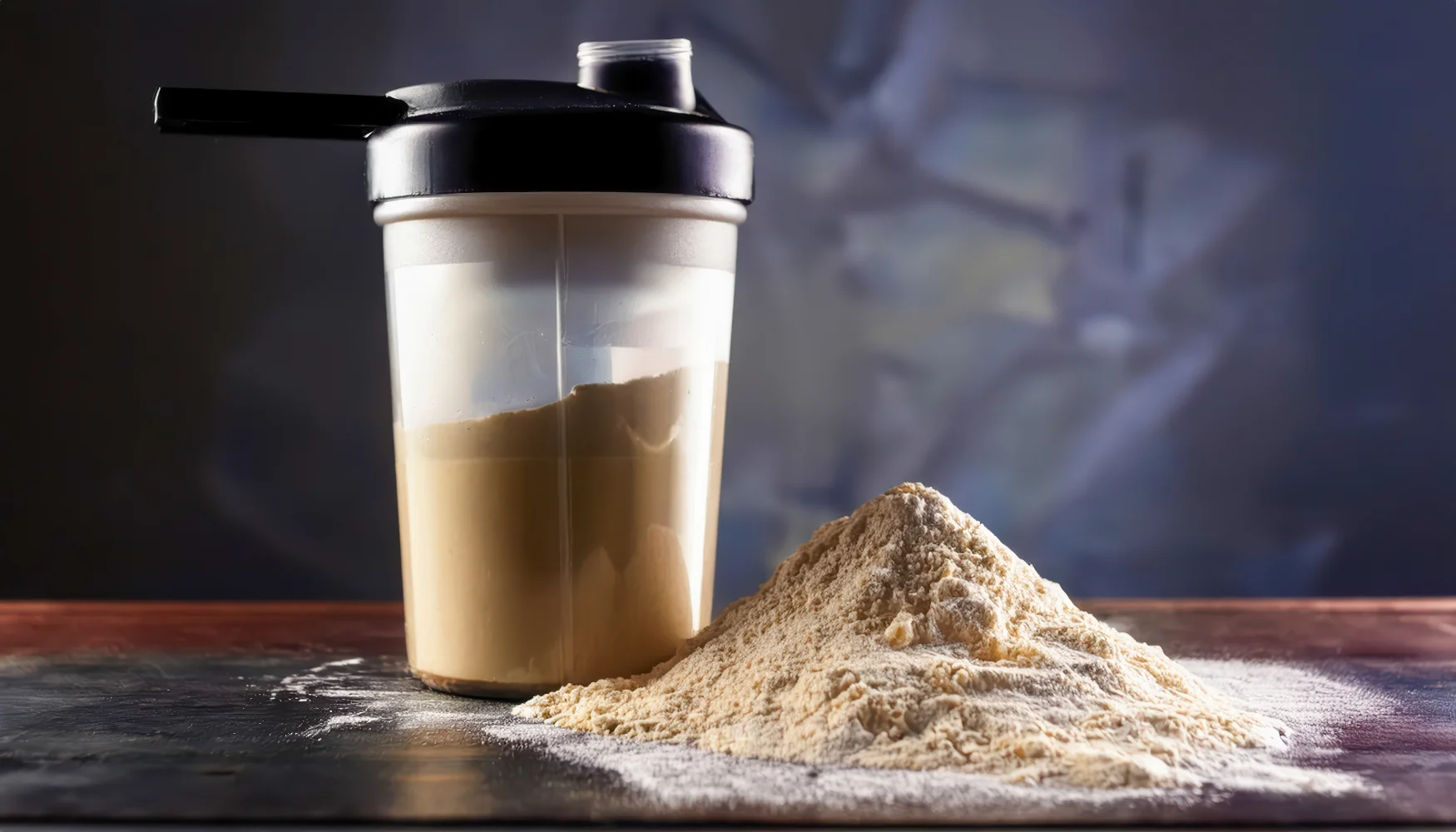
Clumping is not one problem. Most complaints fall into three mechanisms: instant wetting failure (floating balls), storage caking from moisture (hard chunks), or normal agglomerates that are designed to dissolve faster. The fastest way to reduce “didn’t dissolve” reviews is to label the mechanism, lock the mixing variables, and show checkable moisture-control proof.

Brands can stop arguing about “fault” by using simple, repeatable checks. When the cause is real moisture exposure, packaging and seal integrity must carry the fix. When the cause is mixing order and concentration, instructions and boundaries prevent the complaint before it happens.
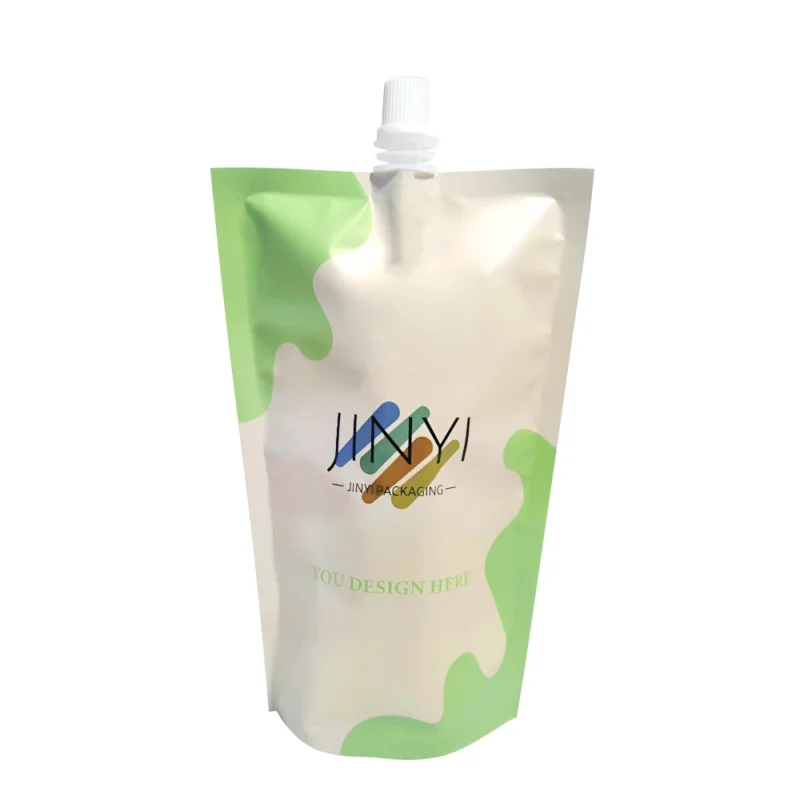
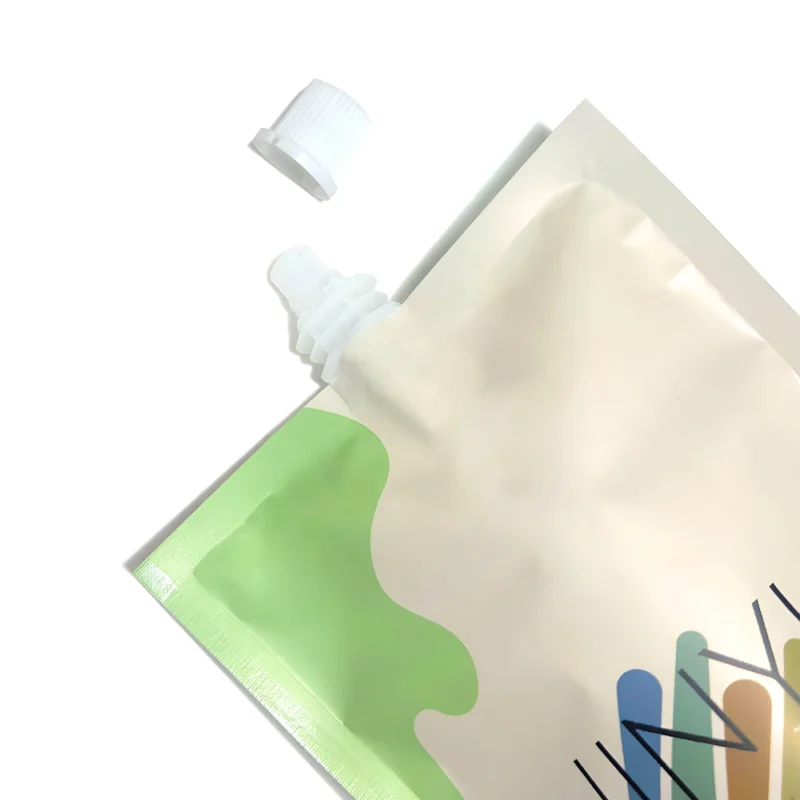
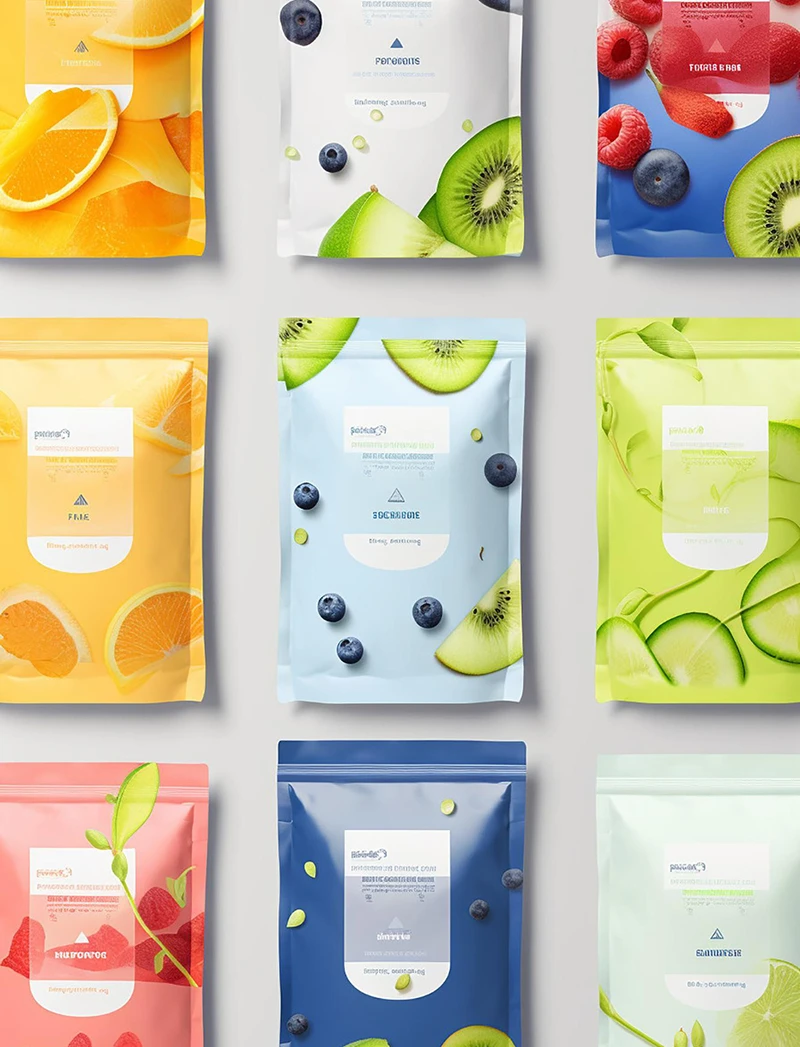
Explore food-grade powder pouch options that reduce moisture pickup and reclose failures.
What do people call “clumping,” and which type is it really?
Many customers use one word for three different failures. That makes the review feel unfair, and it makes fixes miss the target.
Most clumps can be identified in under 30 seconds by how they look, how they feel, and whether they crush back into dry powder.
Three clumping mechanisms you can diagnose fast
| What you see |
Likely mechanism |
Quick check |
What it usually means |
| Floating balls, wet outside, dry inside |
Wetting failure |
Pinch it: it breaks into dry powder |
Mixing order, local concentration, surface wetting limits |
| Hard chunks, “rock” pieces in the pouch |
Moisture caking / bridging |
Tap it: it does not crumble easily |
Moisture exposure + time, weak moisture barrier or reclose leaks |
| Large “crumb” granules that crush easily |
Normal agglomerates |
Crush test: it becomes fine powder |
Intentional granulation to improve wetting and reduce dust |
Wetting failure is a mixing event. It happens when powder meets water too fast at too high a local concentration. The outside forms a wet shell that traps dry core. Storage caking is different. It is a time-and-moisture problem. Powders can become sticky as moisture increases and can form bridges that harden into chunks. That is why moisture control language matters in “clumping” discussions. Water activity (aw) is a standard way to describe how much “available water” exists in a food system, and it is commonly used in stability and safety frameworks. In practice, if a pouch picks up moisture through film transmission or through a poor reclose, caking risk rises and becomes hard to “mix away.”
Evidence (Source + Year)
- Foster, Bronlund & Paterson, “Glass transition related cohesion of amorphous food powders,” Journal of Food Engineering (2006).
- U.S. eCFR, 21 CFR Part 113 (Low-Acid Canned Foods): water activity definition and threshold language (2025 edition as published online).
Electrolytes vs collagen vs matcha: why do they clump for different reasons?
Customers expect one “dissolves instantly” behavior across all powders. That expectation is the start of many bad reviews.
Electrolytes, collagen, and matcha fail for different reasons, so the correct fix changes by category. A single claim cannot cover all three.
Category risk profiles (complaint → cause → what to verify)
| Category |
Common complaint words |
Most likely cause |
What to verify first |
| Electrolytes |
“Hard chunks,” “clumped after opening,” “salty pockets” |
Moisture pickup + caking; high hygroscopic ingredients |
Open-time + humidity exposure, reclose leak, pouch moisture barrier |
| Collagen |
“Balls in cold water,” “floats,” “needs forever to mix” |
Wetting failure; mixing order and concentration |
Mixing steps (water-first vs powder-first), temperature range, dwell time |
| Matcha |
“Floating,” “green lumps,” “settles fast” |
Very fine particles + dispersion method; user tool mismatch |
Pre-wet step, whisk/shaker method, liquid type (milk/ice/carbonation) |
Electrolytes often attract “real defect” complaints because many formulas are moisture-sensitive in normal kitchens and gyms. If a pouch is opened repeatedly, the reclose must protect against humid air entry. Collagen complaints often read like defects, but many are user mistakes: dumping powder into a small volume of cold water creates a high-concentration zone that forms wet shells. Matcha is a special case because dispersion is a technique, not just “stirring.” Buyers often need a pre-wet step or a whisk-style action to break surface tension and distribute fines evenly. This is why the best “clumping” content is not a promise. It is a boundary: what liquids work, what steps are required, and what changes when humidity is high.

Evidence (Source + Year)
- Foster, Bronlund & Paterson, “Glass transition related cohesion of amorphous food powders,” Journal of Food Engineering (2006).
- U.S. eCFR, 21 CFR Part 113: water activity framework language commonly referenced in food stability/safety contexts (2025 online edition).
How can brands test “real defect vs user mistake” and write proof cues that reduce bad reviews?
Brands lose trust when they argue with customers. Brands win trust when they show a simple test and a simple rule.
A minimal validation plan can separate moisture-driven defects from mixing-driven mistakes, and it can be described clearly on-pack without overpromising.
A minimal “report-style” validation plan (repeatable and buyer-friendly)
| Test block |
How to run it |
What it diagnoses |
What to fix if it fails |
| Two mixing methods |
Method A: water-first, sprinkle powder while stirring. Method B: powder-first, pour water at once. |
Wetting failure sensitivity |
Change instructions, add concentration guidance, recommend dwell + shake tool |
| Concentration ladder |
Test 1x, 1.5x, 2x serving in the same cup size |
“Too much powder” failure zone |
Define max grams per mL, portion-pack guidance |
| Humidity exposure |
Compare fresh pouch vs opened pouch after 7/14/30 days in typical room humidity |
Moisture caking risk |
Upgrade moisture barrier, improve zipper integrity, add storage guidance |
| Reclose integrity check |
Open/close cycles, then check for odor change and chunk formation trend |
Seal drift and user reclose realism |
Change zipper spec, add “press-to-seal” design, widen seal margins |
When the “hard chunk” problem is real, the most common root causes are moisture transmission and reclose leakage. Moisture barrier is measurable, and WVTR testing is a standard language in packaging engineering. That lets a brand replace “stays fresh” with “designed to reduce moisture pickup” and back it with test method names. In packaging sections, the safest approach is to define boundaries: “Store sealed, avoid steam zones, reseal fully, and use within X days after opening.” As a flexible packaging manufacturer, we focus on moisture barrier choices, zipper selection, and seal repeatability so powders do not cross the humidity threshold that triggers caking. When the problem is mixing-driven, the fix is not a new film. The fix is a better instruction that prevents local high concentration and gives the powder time to wet through before aggressive shaking.
Evidence (Source + Year)
- BSI, ASTM F1249-13: Water Vapor Transmission Rate (WVTR) test method listing and publication details (2013).
- ASTM D6128-16: Jenike shear cell framework commonly used to describe bulk solid flow and caking tendency (2016).
See pouch structures and reclose options that help powders stay free-flowing after opening.
Conclusion
Clumps are either a mixing event, a moisture event, or a designed agglomerate. When you label the mechanism and show proof cues, you cut “didn’t dissolve” reviews. Contact us to spec a pouch for your powder’s real risk.
Get a Powder Pouch Spec Recommendation
About Us
Brand: Jinyi
Slogan: From Film to Finished—Done Right.
Website: https://jinyipackage.com/
Our Mission:
JINYI is a source manufacturer specializing in custom flexible packaging solutions. We aim to deliver reliable, practical, and scalable packaging so brands reduce communication cost, achieve predictable quality, and ship with confidence.
About Us:
JINYI is a source manufacturer specializing in custom flexible packaging solutions, with over 15 years of production experience serving food, snack, pet food, and daily consumer brands.
We operate a standardized manufacturing facility equipped with multiple gravure printing lines as well as advanced HP digital printing systems, allowing us to support both stable large-volume orders and flexible short runs with consistent quality.
From material selection to finished pouches, we focus on process control, repeatability, and real-world performance. Our goal is to help brands reduce communication costs, achieve predictable quality, and ensure packaging performs reliably on shelf, in transit, and at end use.
FAQ
- Why do powders form floating balls in cold water?
Floating balls usually indicate wetting failure caused by high local concentration and poor wet-through, not a storage defect.
- How can I tell moisture caking from normal agglomerates?
Moisture caking forms hard chunks that do not crush easily. Agglomerates crush into fine powder and are often designed to dissolve faster.
- What is the most common packaging reason powders clump after opening?
The most common packaging driver is humid air entry through weak reclose performance or high WVTR film selection for the route and usage pattern.
- Do electrolytes need different packaging than collagen or matcha?
Electrolytes are often more moisture-sensitive in real use, so reclose and barrier control usually matter more than for collagen and matcha.
- What should a brand say instead of “no clumps”?
A brand should give mixing steps, concentration limits, and storage rules, and should state moisture-control design in bounded, checkable terms.
This content is for packaging education. We do not sell any regulated products.