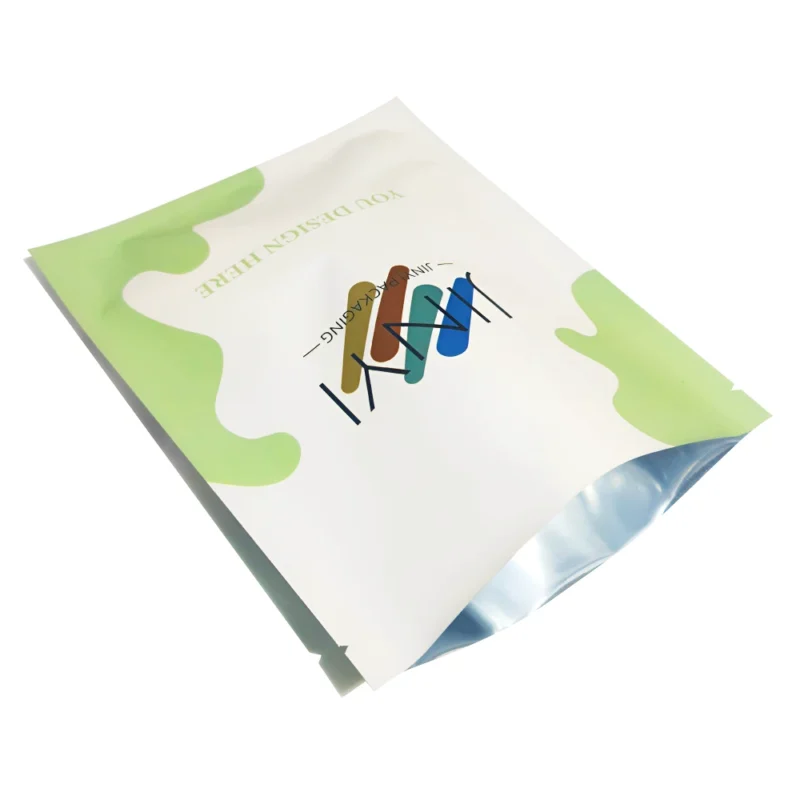
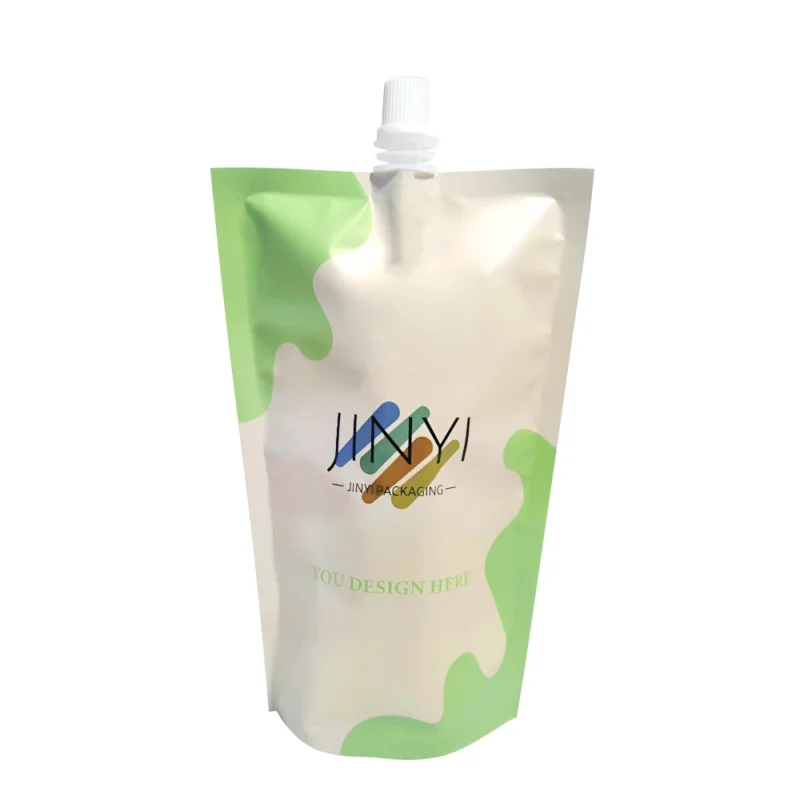
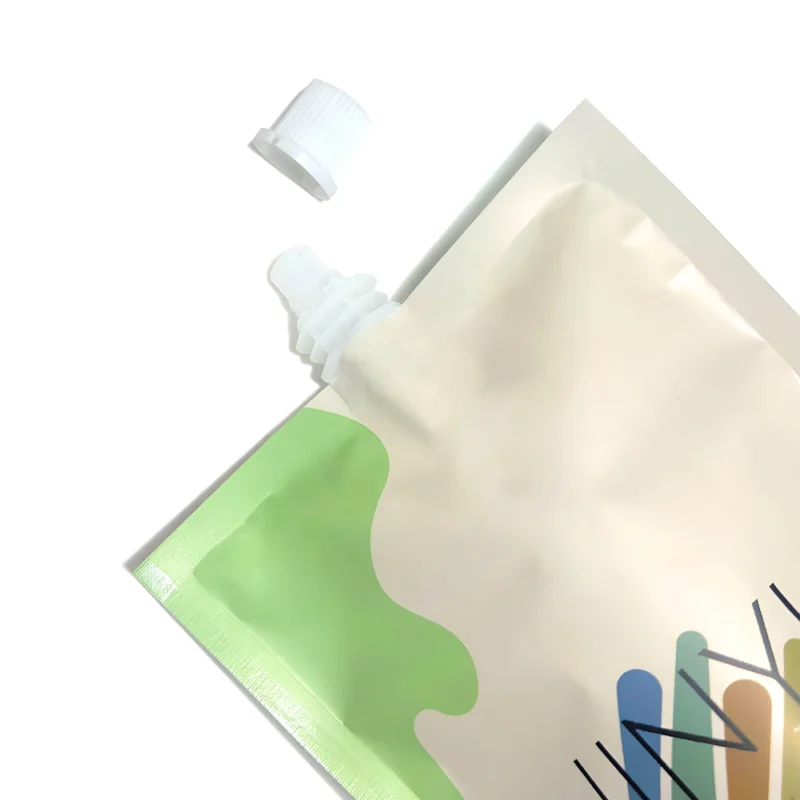
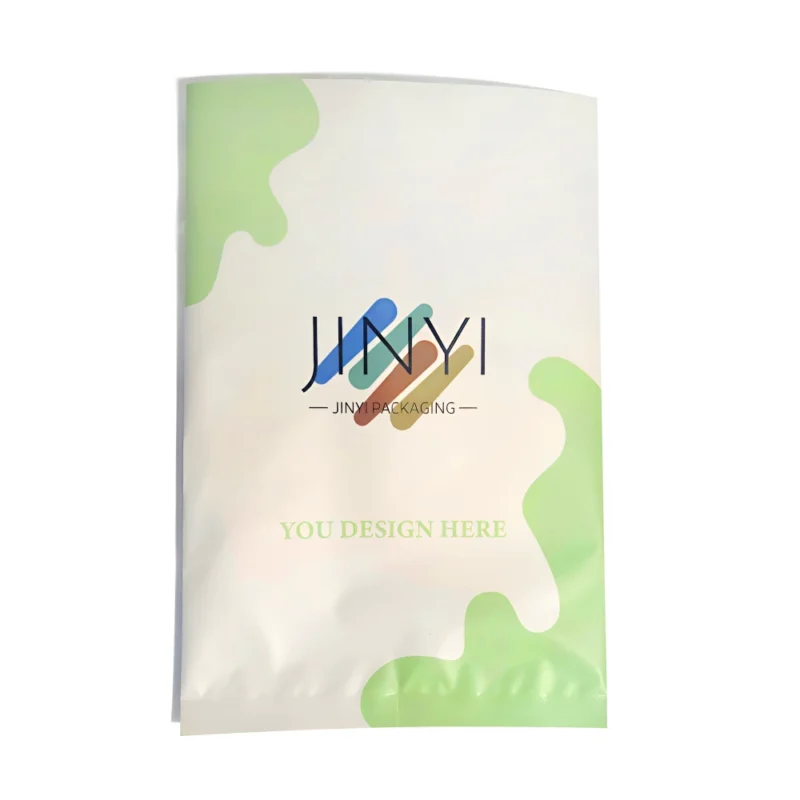
If your protein powder pouch looks fine today but customers complain later, the problem is usually moisture + micro-leaks + seal contamination—not “bad powder.”
The most reliable way to prevent clumping, leaks, and stale taste is to treat packaging as a system: powder behavior → seal integrity → moisture/oxygen targets → fit/headspace → route tests.
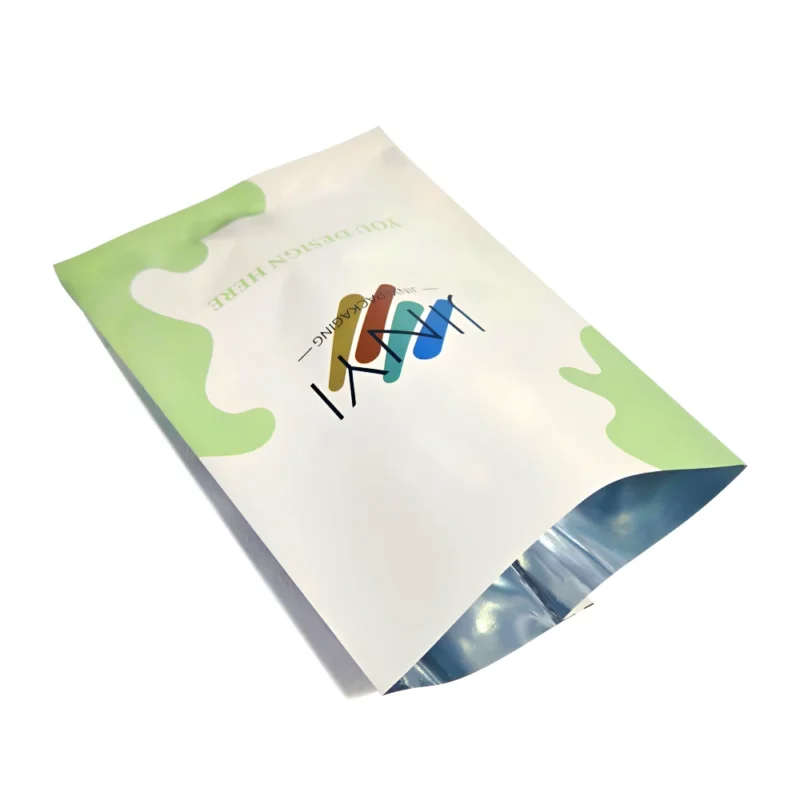
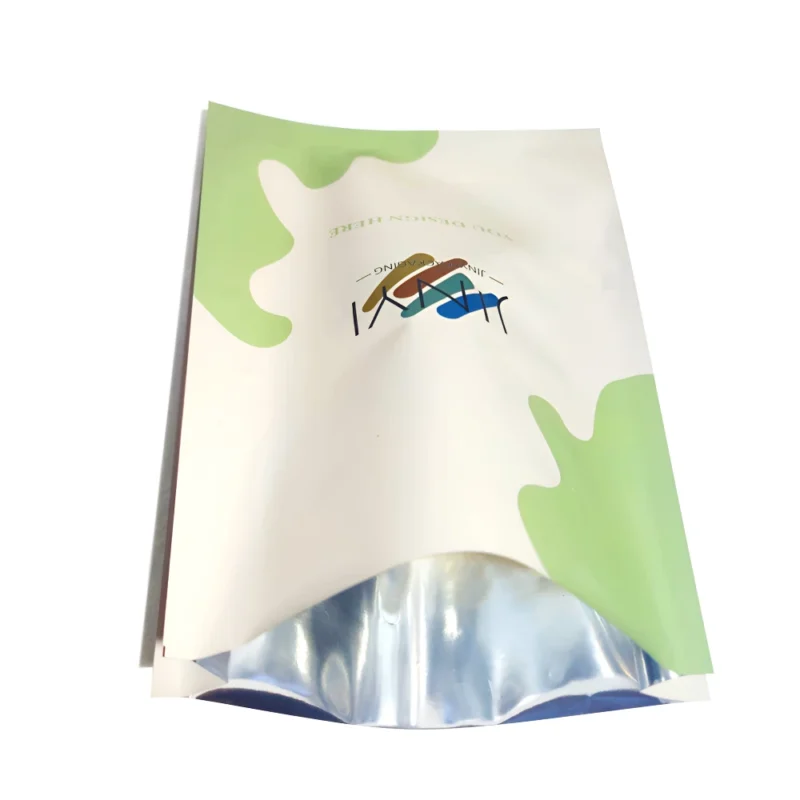
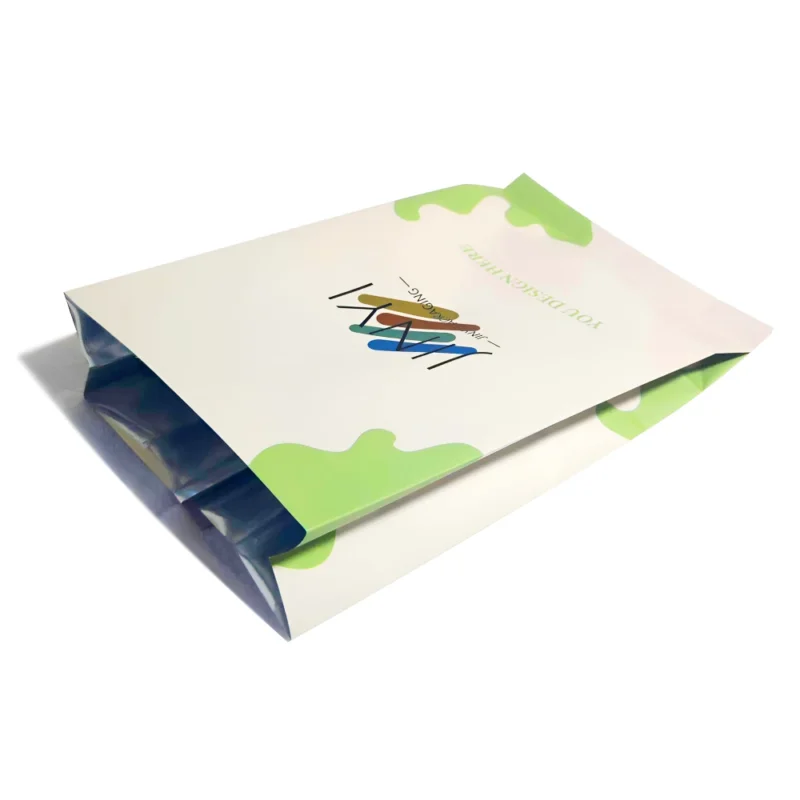
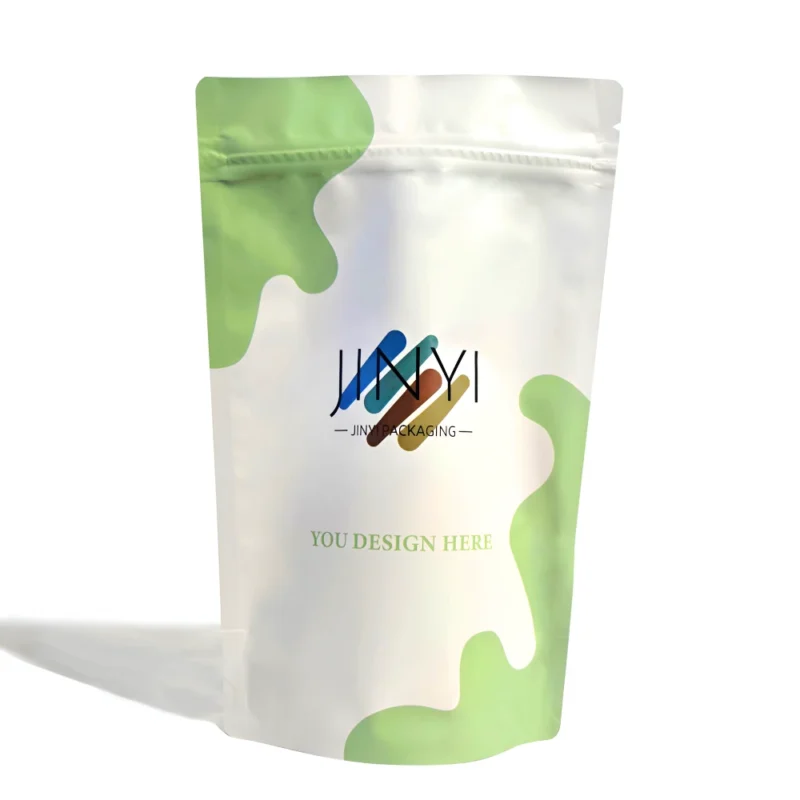
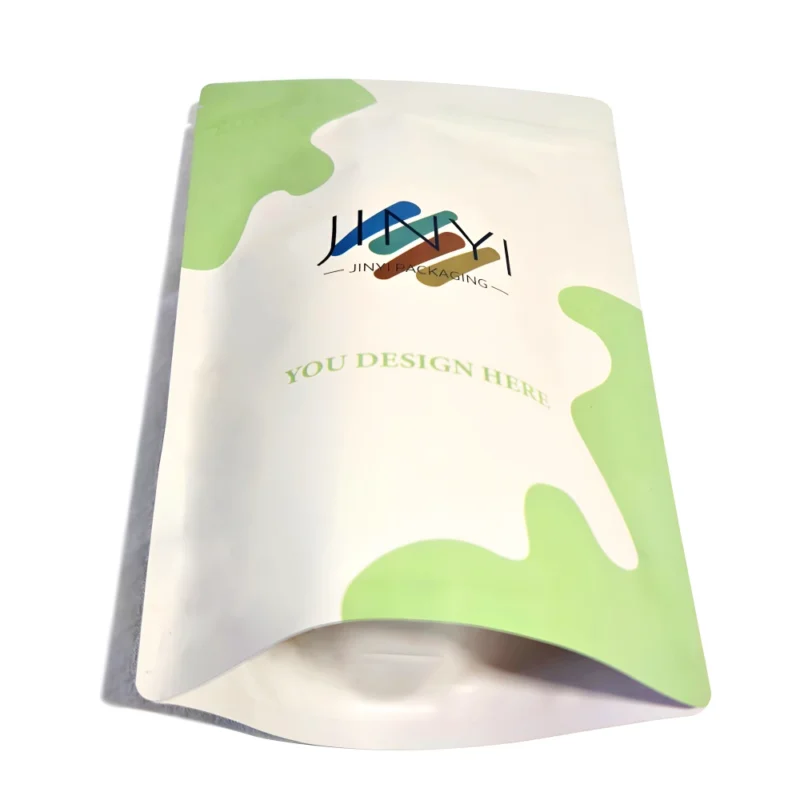
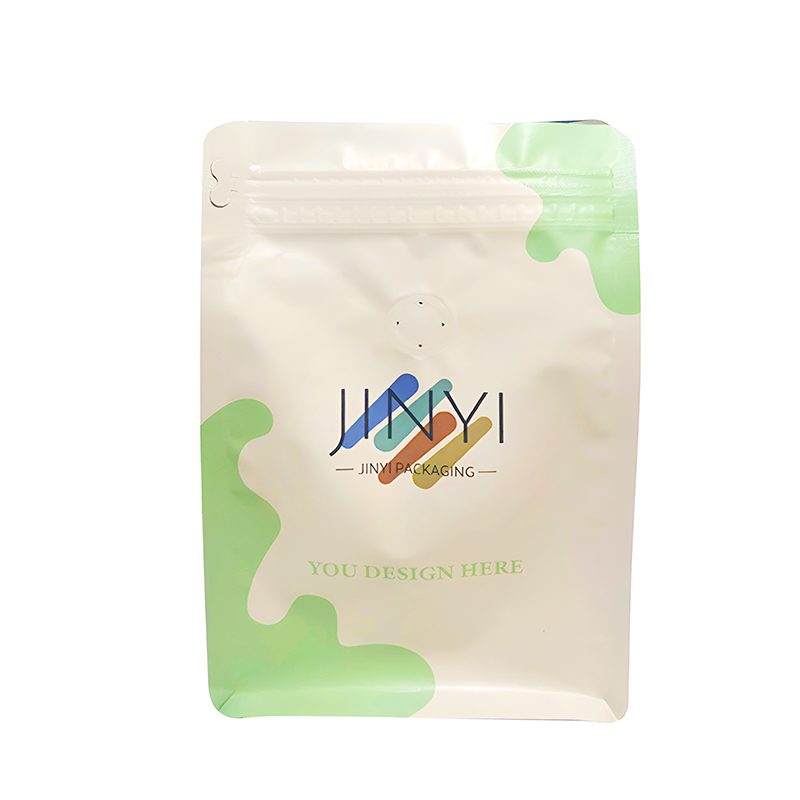
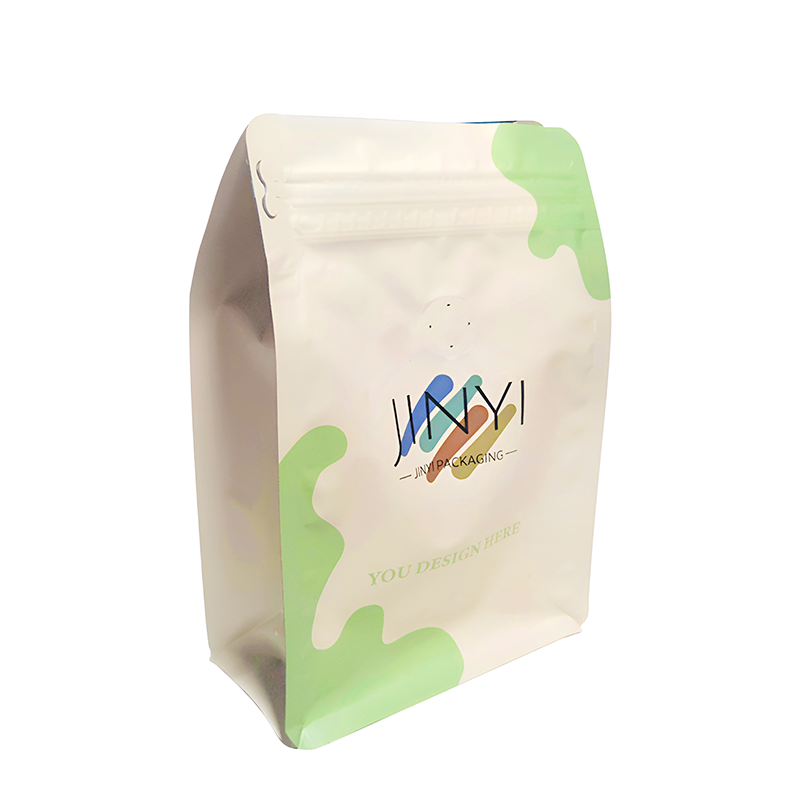
See my stand-up pouch options for protein powders & supplements

I never start by asking “What material do you want?” I start by asking “What failure do you fear most—clumping, leaks, or taste drop?” Once I know that, I can lock the seal system, set the barrier targets, and prove it with tests that match real shipping.
Why do protein powder pouches fail quietly before customers complain?
Your pouch can pass a quick visual check and still be losing the fight in slow motion—especially in humid warehouses or long delivery routes.
Most complaints show up late because clumping and stale taste are cumulative. A tiny leak or weak seal can “feed” moisture and oxygen day after day until week 3–6, when the customer finally notices.
What “quiet failure” looks like
| Customer complaint |
What usually caused it |
What I check first |
| Clumps / caking |
Moisture ingress + headspace + temperature swings |
WVTR target + seal integrity + fit/headspace |
| “Stale” taste / off odor |
Micro-leaks + oxygen ingress + odor pick-up |
Seal system + odor management + OTR target |
| Powder leaks in box |
Seal contamination + weak hot tack + abrasion at stress points |
Seal window + contamination tolerance + scuff points |
From a production standpoint, this matters because a pouch that “usually works” is still a return machine. In real manufacturing, the difference between stable and unstable is often one small detail: seal land width, cooling time, powder dust control, or headspace. I treat those as first-class specs, not afterthoughts.
What changes when powders are hygroscopic, fine, or slightly oily?
Protein powders and supplements are not all the same. Some absorb moisture fast. Some produce ultra-fine dust that floats into the seal area. Some have oils or flavors that migrate.
If you ignore powder behavior, you will misdiagnose the problem as “film not thick enough” and waste money without fixing anything.
Powder behavior → packaging risk map
| Powder trait |
What it triggers |
My packaging response |
| High hygroscopic (absorbs moisture) |
Clumping, caking, hard lumps |
Stronger WVTR target + tighter seal system + humidity cycling test |
| Very fine dust (“fines”) |
Seal contamination, invisible leakers |
Wider seal land + better hot tack + dust control on filling |
| Oil/flavor content |
Seal weakening, odor drift, scuffing |
Sealant compatibility + odor management + surface scuff control |
From our daily packaging work, we see that “clumping” is rarely just one thing. It is usually moisture + time + air volume. So I ask three questions early: where is the product stored, how is it shipped, and how many times will the consumer reclose the pouch? Those answers decide whether we need a higher moisture barrier, a more forgiving seal system, or a different fit strategy.
Why “stale taste” is usually micro-leaks + oxygen + odor pick-up?
Many buyers think “stale taste” equals “not enough barrier.” Sometimes that’s true. But in supplements, the more common root cause is micro-leaks at seals or features.
A pouch can have a strong barrier structure on paper and still lose taste because oxygen finds a tiny pathway at the seal edge, zipper end, or crease stress point.
Stale taste has two pathways
| Pathway |
What happens |
How I block it |
| Oxygen ingress |
Oxidation, flavor fade, “cardboard” notes |
Seal integrity first + OTR target second |
| Odor pick-up |
Packaging absorbs surrounding smells |
Odor management layer choices + storage reality checks |
In real manufacturing, this detail often determines whether a brand gets repeat orders: you cannot “buy” freshness if the seal system is leaking. That is why I set priorities in a fixed order: seal stability first, then barrier targets, then appearance. If we do it in reverse, we usually get a premium-looking pouch that still tastes wrong in month two.
Why I lock the seal system before I argue about materials?
Powder packaging lives or dies at the seal. If the seal window is too narrow or hot tack is weak, your line will produce “looks sealed” bags that fail later.
With powders, contamination is the main enemy. If dust gets into the seal area, you get weak seals and slow leaks that are hard to detect early.
Seal system checklist that actually moves the needle
| Seal factor |
Why it matters for powders |
What I specify |
| Seal window |
Stable sealing across normal process variation |
Enough margin to handle line drift |
| Hot tack |
Seals must survive handling before full cooling |
Higher hot tack when speed is high |
| Seal land width |
More area to “push through” minor dust |
Wider seal land for fine powders |
| Cooling & pressure |
Prevents peel-back and weak edges |
Defined cooling/pressure range |
If you want, I can propose a seal-first pouch structure for your powder
From a production standpoint, I treat powder dust like a process variable, not a surprise. I prefer solutions that tolerate realistic contamination levels, because “perfect cleanliness” is not a plan. If the line runs fast, the seal needs enough forgiveness to stay stable through normal day-to-day variation.

Which barrier targets matter most: WVTR, OTR, and odor control?
For protein powders, moisture protection (WVTR) is often the first priority because moisture is what turns powder into clumps. Oxygen control (OTR) matters for taste stability and oxidation-sensitive ingredients.
Foil can be excellent, but it is not automatically the best choice. If your main failure mode is seal contamination, foil will not save you. If your main issue is humidity, then WVTR targets matter more than fancy material names.
How I choose structure by goal (not by buzzwords)
| Goal |
What I prioritize |
Common options |
| Stop clumping |
WVTR + seal stability |
High moisture barrier laminates, stable sealants |
| Stop stale taste |
Seal integrity + OTR + odor management |
EVOH-based structures, AlOx/SiOx options, foil when justified |
| Stop leaks |
Hot tack + contamination tolerance + fit/headspace |
Sealant-focused structures + process controls |
In real manufacturing, “foil vs non-foil” is only a win if it matches the risk. If your customers complain about clumping, I would rather deliver a moisture-focused system that seals reliably than sell you a premium barrier structure that still leaks at the zipper ends.
How fit/headspace, zippers, and shipping pressure create leaks and returns?
Headspace is the silent amplifier. Too much air means more powder movement, more dust, and more chance that dust reaches the seal area. It also increases burst risk under compression.
Features are also double-edged. Zippers, tear notches, and inserts improve user experience, but they create new failure paths if you do not validate them under route stress.
What I validate before scaling production
| Risk |
What I test |
What “pass” means |
| Leak under compression |
Compression + side-lay/tilt leak checks |
No powder leakage, seals hold |
| Humidity clumping |
Humidity cycling + clump scoring |
Powder stays pourable and acceptable |
| Zipper real use |
Open/close cycles + dusty reseal checks |
Zipper still reseals reliably |
| Transit abrasion |
Vibration + scuff evaluation |
Arrives clean enough for premium look |
My shortlist is always 2–3 options: a baseline that is stable, an upgrade that reduces your main risk, and a premium option that improves experience without opening new leak paths. From our daily packaging work, we see that brands win when they stop “buying material names” and start proving performance with simple, repeatable tests that match how customers actually receive the product.
Conclusion
For protein powder pouches, I prevent clumping and stale taste by locking seals first, setting WVTR/OTR targets second, and validating under real route stress—not assumptions.
Get a pouch recommendation for your powder (2–3 options)
FAQ
1) Is foil always the best for protein powder freshness?
No. Foil can be great, but if your root cause is seal contamination or poor hot tack, foil will not fix micro-leaks. I fix the seal system first, then choose the barrier.
2) What is the #1 cause of powder leaks in stand-up pouches?
Seal contamination from dust and fines. It creates “looks sealed” bags that fail later, especially after compression and vibration.
3) How do I reduce clumping without overbuilding the pouch?
Start with WVTR targets, control headspace, and prove performance with humidity cycling. Many brands overspend on “barrier names” instead of moisture reality.
4) Are zippers safe for supplements and powders?
They can be, but they must be validated with dusty reseal checks and compression/vibration tests. Powders are the easiest product to create “false reseals.”
5) What tests best predict customer complaints?
A combined route set: compression + vibration, leak checks in side/tilt positions, and humidity cycling with a simple clump score. These catch quiet failures early.