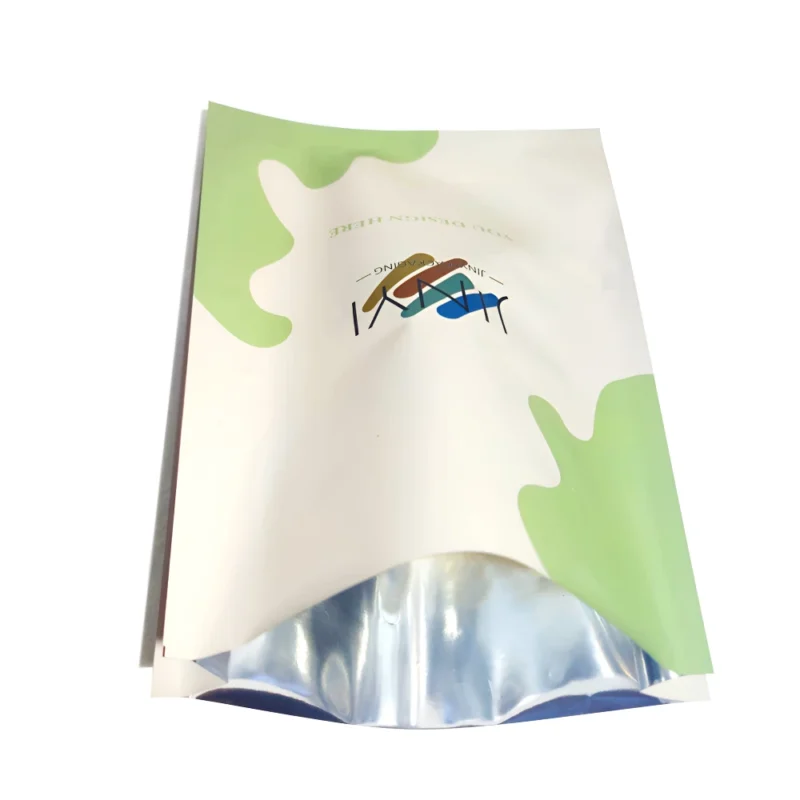
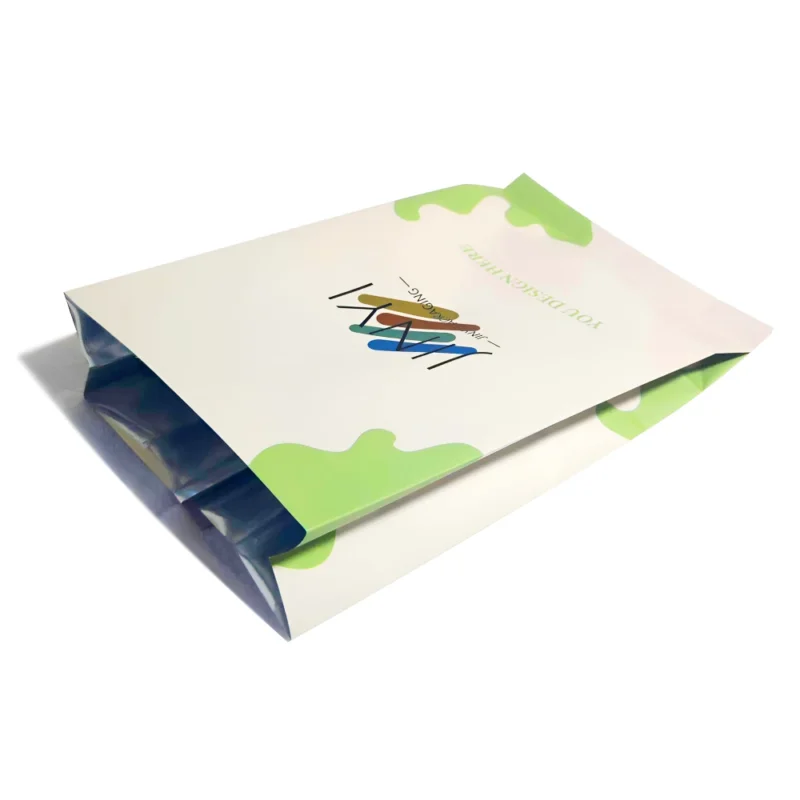
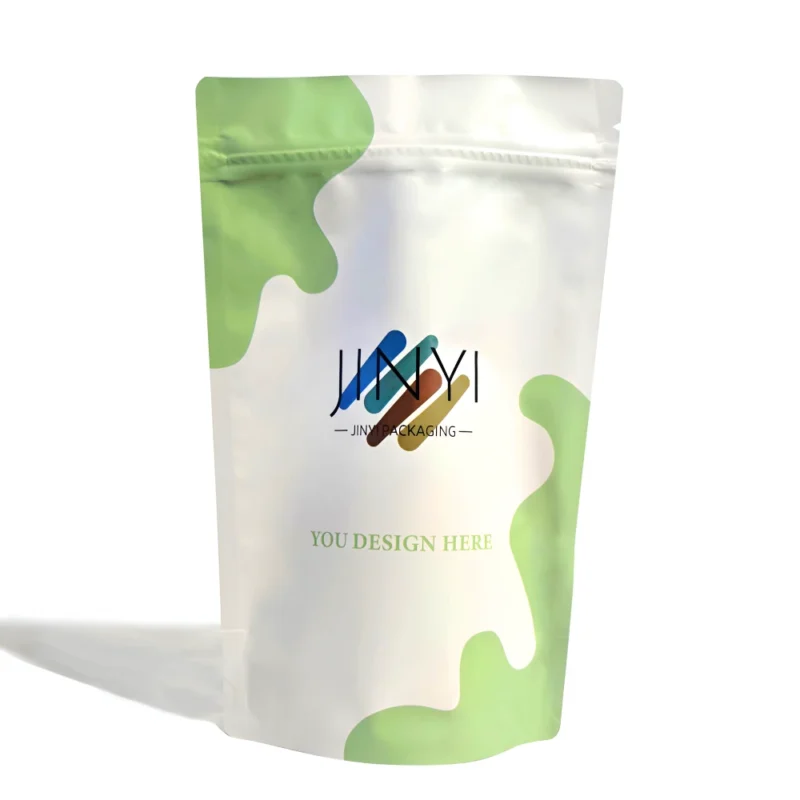
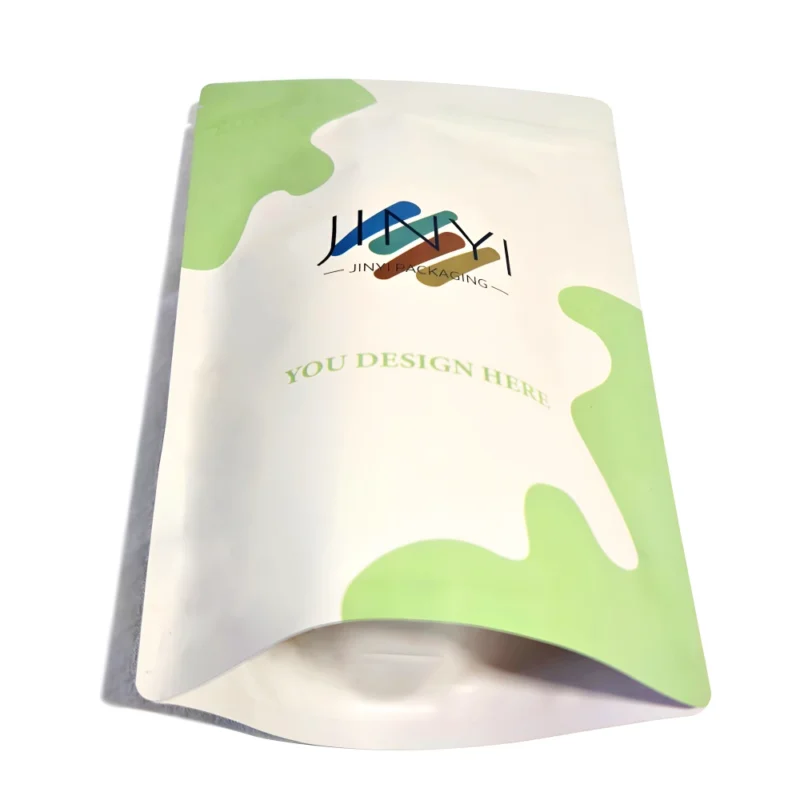
If your swim sets look premium at packing but arrive creased, scuffed, or messy, customers blame the brand—not the route. Most “retail-ready” failures are preventable with the right structure.
Mailer-to-shelf works when brands measure three outcomes together: (1) shelf-ready condition after transit, (2) open-to-shelf speed and information clarity, and (3) real cost per batch driven by dimensional weight and returns. The “best” pack is the lowest-cost design that stays retail-ready.
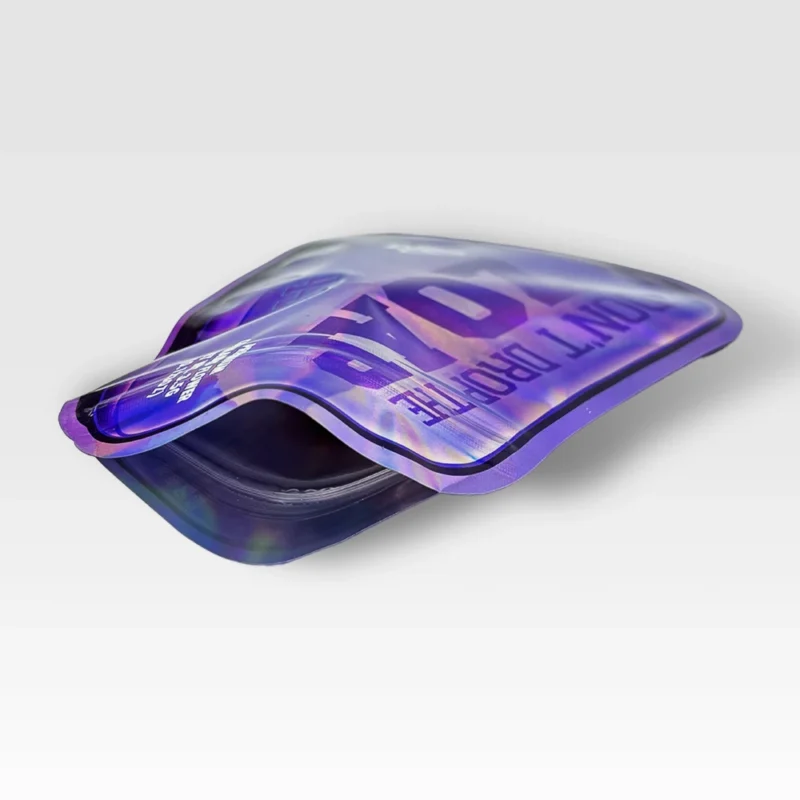
Build a mailer-to-shelf swim set pack that stays retail-ready after shipping—without paying box-level DIM.

Retail-ready is not a “nice box.” Retail-ready is a repeatable system: geometry control, contact control, and a simple merchandising flow. The fastest way to win is to remove the shortcuts that create creases, color transfer, and chaos at opening.
What does “retail-ready” mean for swim sets, and how should brands measure it?
Many brands argue about materials, but stores and customers judge outcomes. If a set cannot go from mailer to shelf fast, it is not retail-ready. If a set arrives with a crease line, hardware pressure mark, or light-color staining, it is also not retail-ready.
Retail-ready swim sets should be measured with three simple scorecards: protection, merchandising speed, and total cost per 100 orders. When brands measure only “unboxing beauty,” they often miss the defects that trigger returns and rework.
Protection (Pass/Fail): no cup creases, no hardware pressure points, no scuffing, no visible contamination, and no dark-to-light color transfer on liners or tags. Merchandising (Seconds): “open-to-shelf time,” meaning how long staff need to open, identify size/SKU, tidy the set, and hang or place it. Cost (Batch): billed weight, pack-out seconds, and expected returns cost.
Retail-ready scorecard (minimum set)
| Outcome |
Metric |
Pass rule (example) |
| Protection |
Crease / pressure mark score (1–5) |
≤ 2/5 and shelf-acceptable |
| Protection |
Color transfer rating (liner/tag) |
No visible staining in key zones |
| Merchandising |
Open-to-shelf time |
≤ 30–45 seconds per unit |
| Merchandising |
Size/SKU readability |
1-glance ID, no re-fold needed |
| Cost |
Total cost per 100 orders |
Material + labor + freight + expected returns |
Evidence (Source + Year): National Retail Federation & Happy Returns report release on retail returns scale (2024). Swimwear market growth coverage citing Fortune Business Insights (2024).
When does dimensional weight erase savings, and how does right-sizing fix it?
Mailers feel “cheap to ship,” but savings disappear when geometry is not controlled. Dimensional weight punishes thickness peaks, empty void, and oversized formats. A mailer-to-shelf pack must behave like a compact product, not like a loose bundle.
Right-sizing solves two problems at once: it reduces billed weight and it reduces damage. When the pack is too large, the set slides. Sliding creates micro-friction and pressure points. Sliding also raises thickness peaks at folds, which increases both creasing risk and billed dimensions.
Brands should treat geometry as a designed component. The design target is a stable stack height, stable width, and stable length, plus a fold map that keeps hardware away from cup edges and light liners. When geometry is stable, a mailer can ship close to actual weight. When geometry is unstable, even a “soft” pack can bill like a box.
Geometry rules that reduce DIM and defects
| Risk driver |
What causes it |
Design control |
| Thickness peak |
Bulky fold + hardware stacked |
Flatten hardware zone + fixed fold line |
| Void and movement |
Oversize pack, no restraint |
Right-size + simple restraining insert |
| Cup edge crush |
External compression + internal point load |
Keep cup edges off the “load path” |
If your DIM jumps when you add “retail-ready,” we can redesign the geometry so the pack still ships lean.

Evidence (Source + Year): FedEx dimensional weight pricing guidance describing billed weight logic (2023).
Where do mailer-to-shelf packs fail first: hardware pressure points, friction, or moisture?
Most mailer-to-shelf failures come from “shortcut variables,” not from the outer material name. The first visible defect is often a local defect: a pressure mark from hardware, a scuff line from micro-friction, or a stain caused by moisture plus contact.
Hardware pressure points fail first when adjusters, hooks, rings, or badges sit directly against cups or light liners. The route adds vibration and compression. Vibration turns hardware into a moving abrasive. Compression turns hardware into a punch. A minimal solution is to isolate hardware into a controlled pocket and keep it off the fold apex.
Friction fails first when the product is free to move inside the pack. Movement creates repeated micro-rubs. Those rubs show up as dulling, whitening, and “not new” appearance. The fix is not a thicker outer layer. The fix is movement control: less void, one restraint, and a smoother contact layer where it matters.
Moisture fails first when sets are packed before they are fully dry, or when humidity becomes trapped. Moisture can activate dye migration and increase transfer risk during transit pressure. Packaging can lower the trigger rate by separating dark and light zones and by avoiding a sealed “wet trap” on day one, but packaging cannot replace weak colorfastness specs.
Shortcut failures and fast fixes
| First defect seen |
Likely trigger |
Fast packaging fix |
| Local dent / pressure mark |
Hardware on fold apex |
Hardware isolation pocket + fold map |
| Scuff / whitening |
Void movement + vibration |
Right-size + one restraint + smooth inner layer |
| Dark-to-light stain |
Moisture + contact pressure |
Layer separation + moisture discipline at packing |
Evidence (Source + Year): ISTA 3A described as a single-parcel distribution simulation including vibration and drop elements (ISTA 3A overview, 2023).
What is the minimum proof pack to optimize protection, merchandising, and shipping cost together?
Brands often redesign packaging by taste. That creates cost creep. A minimum proof pack forces the decision to be data-based. The best structure is the simplest one that passes retail-ready thresholds under the route profile you actually ship.
A practical minimum proof pack is a 2×2×2 matrix. It keeps costs controlled but gives high information density. It also separates “slow variables” (geometry and restraint) from “shortcut variables” (hardware contact and moisture/contact paths).
Matrix: (1) Outer format: mailer-to-shelf vs small rigid reference pack. (2) Internal control: no insert vs minimal insert. (3) Stress: light handling vs heavy route simulation. Each cell should be measured with the same scorecards: damage scores, open-to-shelf time, billed weight, pack-out seconds, and total cost per 100 orders with expected returns sensitivity.
As a flexible packaging manufacturer, we focus on the packaging-controlled variables first: geometry, restraint, contact separation, and seal integrity. When those variables pass, brands can keep the “retail-ready” look without paying box-level freight or building a slow packing process.
Minimum proof pack checklist
| What to measure |
How to record |
Why it matters |
| Crease / pressure mark score |
Standard photos + 1–5 scoring |
Defines shelf-ready condition |
| Color transfer check |
Tag/liner stain rating |
Prevents “arrived stained” returns |
| Open-to-shelf time |
Stopwatch per unit |
Controls store labor and speed |
| Billed weight and dimensions |
Carrier calc + measured size |
Finds when DIM erases savings |
| Pack-out seconds |
Time study |
Prevents “retail-ready” from slowing ops |
Evidence (Source + Year): Smithers reporting on e-commerce packaging market growth and structure trends (report coverage, 2024). National Retail Federation returns research showing returns are a major cost driver (2024).
Conclusion
Retail-ready swim set packaging wins when geometry and contact paths are controlled first. The lowest-cost design is the one that stays shelf-ready after route stress—then merchandises fast without DIM surprises.
Get a retail-ready swim set pack spec and test plan
About Us
Brand: Jinyi
Slogan: From Film to Finished—Done Right.
Website: https://jinyipackage.com/
Our Mission:
JINYI is a source manufacturer specializing in custom flexible packaging solutions. We aim to deliver practical, reliable packaging that reduces communication cost, improves quality consistency, and performs predictably on shelf, in transit, and at end use.
About Us:
JINYI is a source manufacturer specializing in custom flexible packaging solutions, with over 15 years of production experience serving food, snack, pet food, and daily consumer brands.
We operate a standardized manufacturing facility equipped with multiple gravure printing lines as well as advanced HP digital printing systems, allowing us to support both stable large-volume orders and flexible short runs with consistent quality.
From material selection to finished pouches, we focus on process control, repeatability, and real-world performance. Our goal is to help brands reduce communication costs, achieve predictable quality, and ensure packaging performs reliably on shelf, in transit, and at end use.
FAQ
- Can a mailer-to-shelf pack look premium without using a rigid box? Yes, if the pack controls geometry and prevents movement, it can look gift-ready while staying freight-efficient.
- What usually causes “not retail-ready” after shipping? The most common causes are hardware pressure points, void movement friction, and moisture/contact-triggered staining.
- How do brands reduce DIM without increasing damage? Brands should right-size around a stable fold map and add one minimal restraint instead of adding thickness or oversized formats.
- Do inserts always improve retail readiness? No. Minimal inserts that control hardware zones often outperform complex trays when labor and cost are included.
- What is the fastest way to choose between two pack designs? A 2×2×2 minimum proof pack with damage scoring, billed weight, and open-to-shelf timing usually resolves the decision quickly.