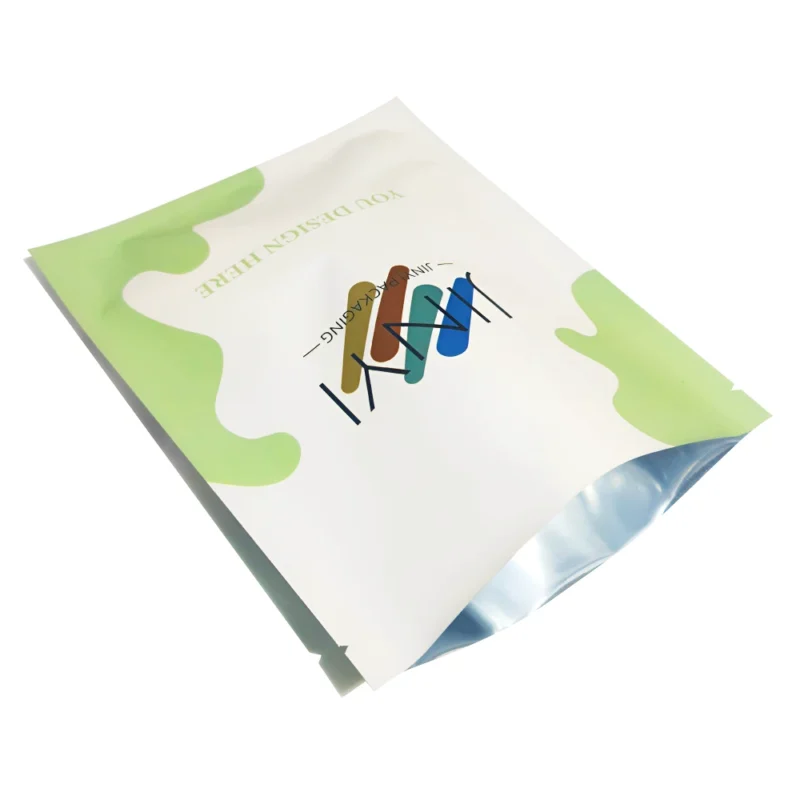
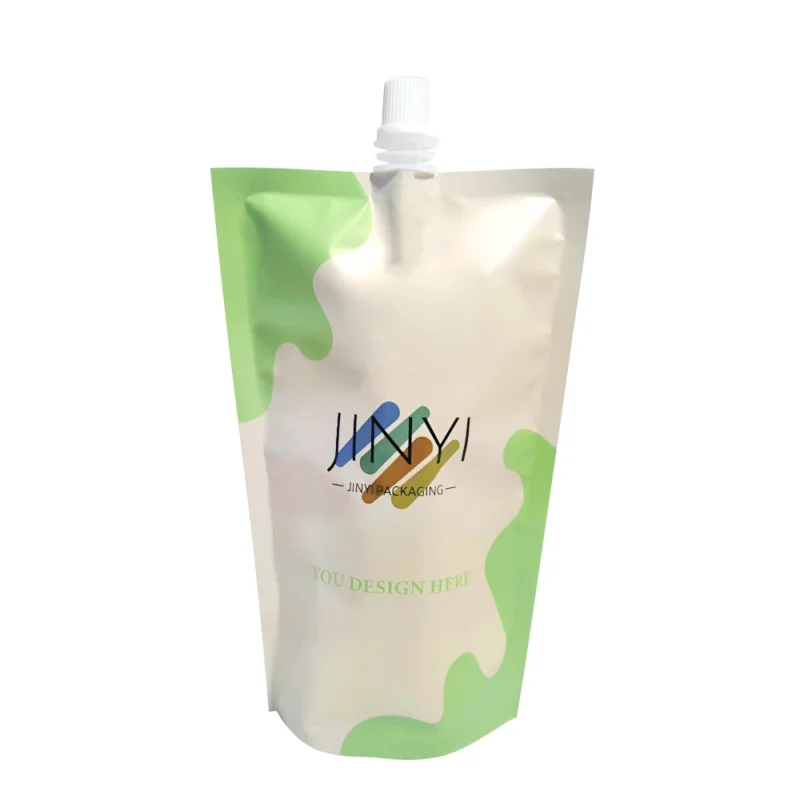
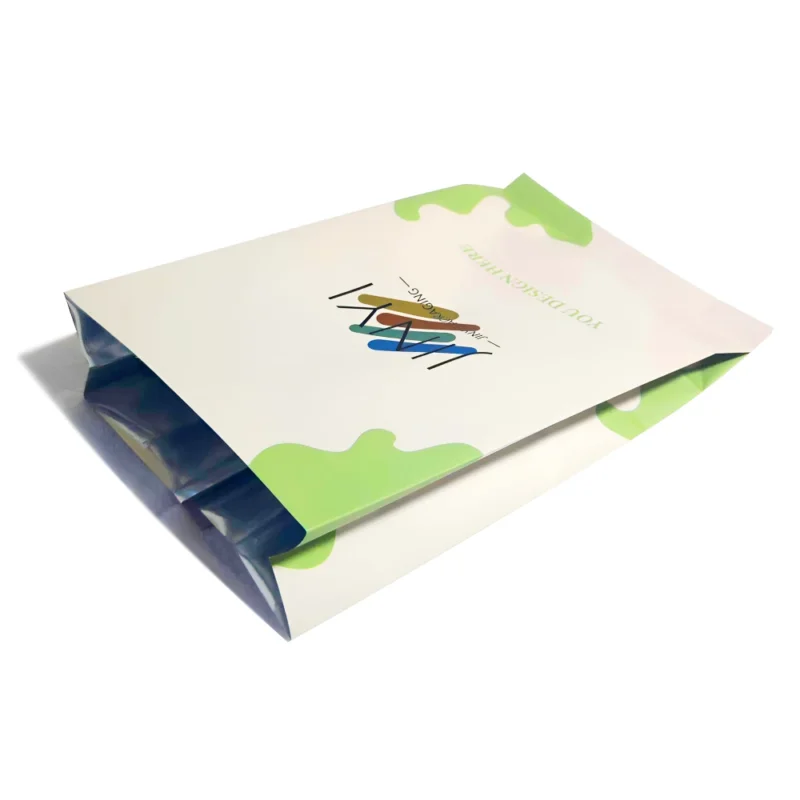
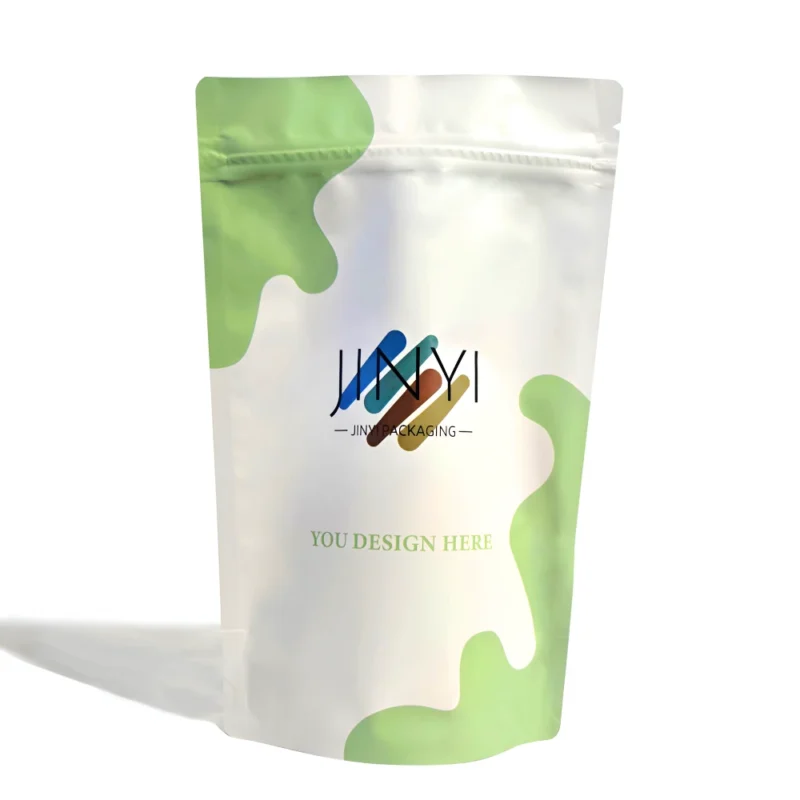
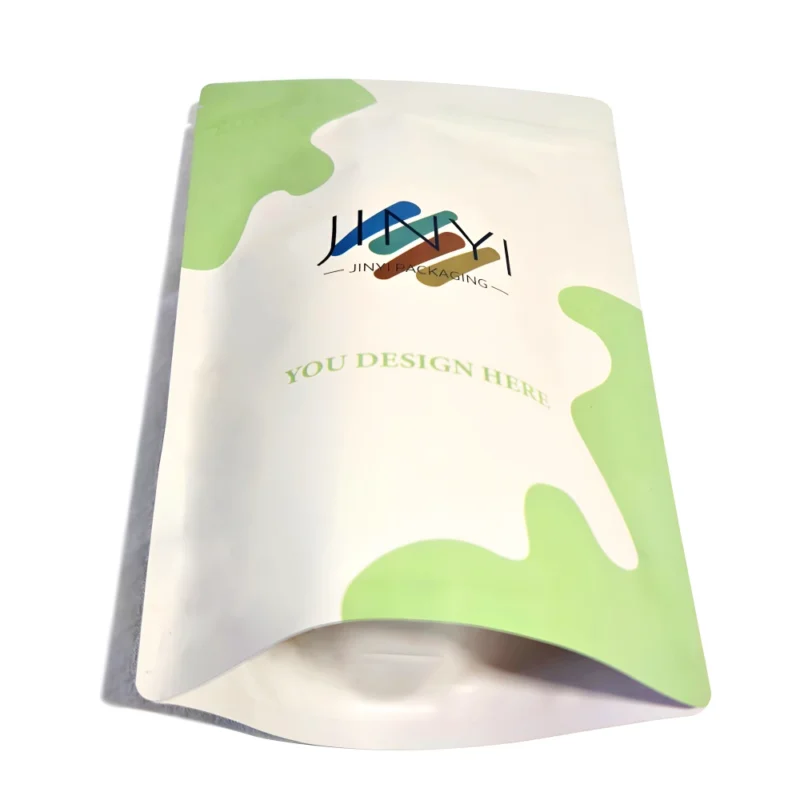
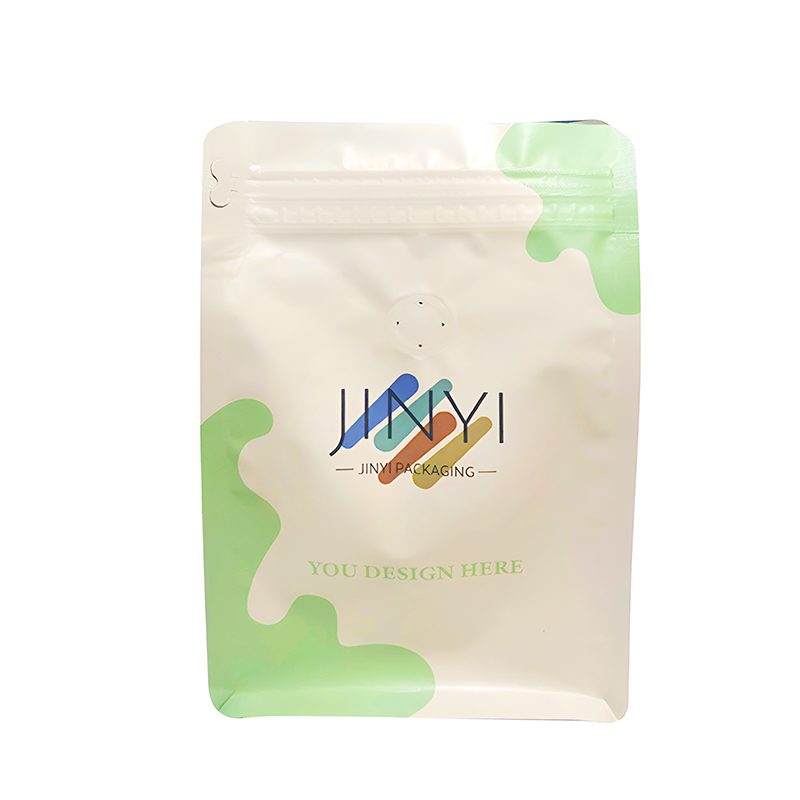
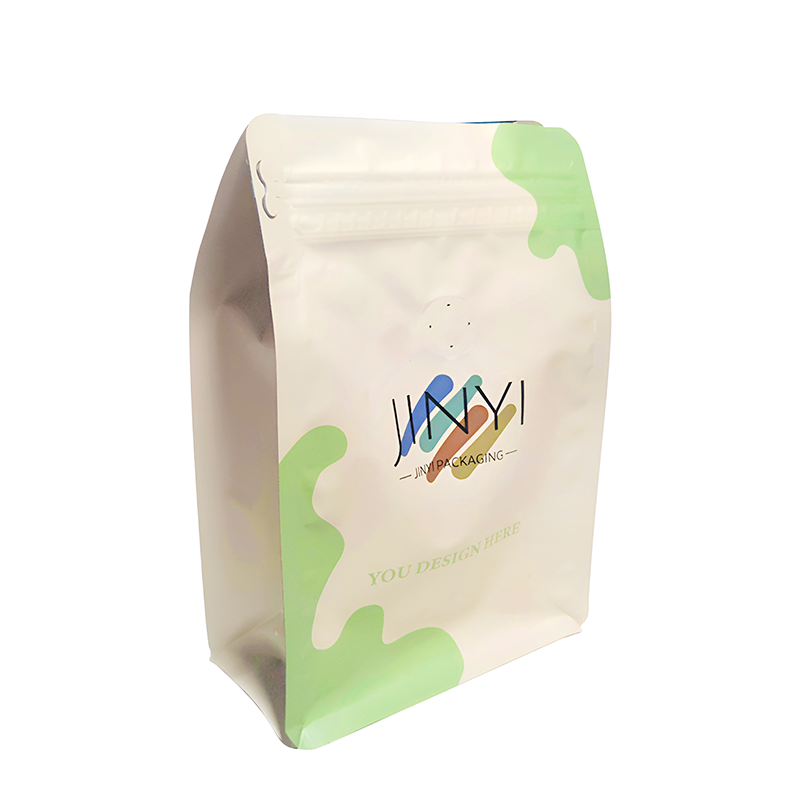
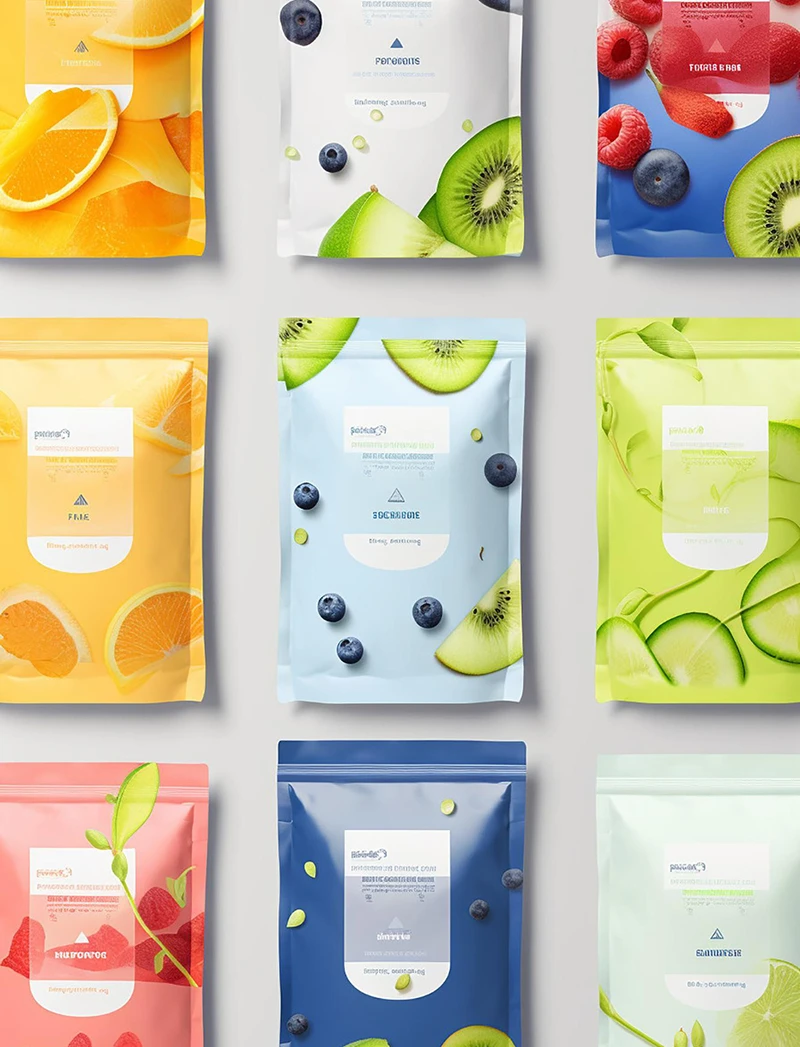
Many buyers choose a food pouch by product type alone. Then the pack looks right in one scene and feels wrong in the one that actually matters.
I choose a food packaging spec by the main selling scene first. Retail shelf asks the pouch to sell. Foodservice asks the pouch to work fast and clean every day.

That is why I do not start with “nuts pouch” or “powder pouch.” I start with where the pouch sits, who opens it, how often it gets handled, and what job it must do before I lock the structure.
Why Do Buyers Often Choose by Product Type, While I Choose by Selling Scene?
The product label feels like the obvious starting point. In real packaging work, it only tells me part of the story.
I choose by selling scene because the scene tells me what the pouch must actually do, who touches it first, and where value can be lost first.
What I ask before I talk about structure
When a buyer says, “This is a snack pouch” or “This is a powder pouch,” I still do not have enough information to make a good decision. I want to know whether the pack stands on a shelf, sits behind a counter, or gets opened and closed several times a day. I want to know whether the first user is a shopper or a staff member. I also want to know whether the pouch needs to create first impression or daily operating convenience. From a production standpoint, this matters because the same material can feel right in sampling and still be the wrong answer once the real selling scene changes the job. Product type tells me the basic product behavior. Selling scene tells me what the pack is expected to do in the market.
| What Buyers Ask |
What I Ask First |
| What food is inside? |
Where does the pouch have to perform? |
| Which pouch is common? |
Which job comes first: selling or serving? |
What Really Changes Between Retail Shelf and Foodservice Use?
Retail shelf and foodservice use sound like simple labels. For me, they are two very different packaging jobs.
Retail shelf changes what the pouch must look like. Foodservice changes how the pouch must work in daily handling. That is why my spec priorities move fast.
How I translate scene into spec priority
On retail shelf, I pay attention to stand-up performance, front-facing look, shelf impact, and whether the pack still looks clean after repeated touching. In foodservice, I care more about opening speed, easy pouring, repeated opening and closing, and how the pouch behaves after first use. In real manufacturing, this detail often determines whether I move first on bottom structure, body stiffness, surface finish, zipper logic, or pack size. I am not trying to sound more technical. I am trying to match the structure to the real scene honestly. A pouch that looks premium on a shelf can still be frustrating in a busy kitchen. A pouch that works beautifully in daily service can still look weak in front of a shopper. The job changes first. Then the spec changes.
| Scene |
First Task |
First Spec Priority |
| Retail Shelf |
Sell and protect |
Shape, face, finish |
| Foodservice Use |
Serve and repeat |
Opening, pouring, reclose |
Why Does Retail Shelf Push Me to Care More About Shape, Face, and Shelf Value?
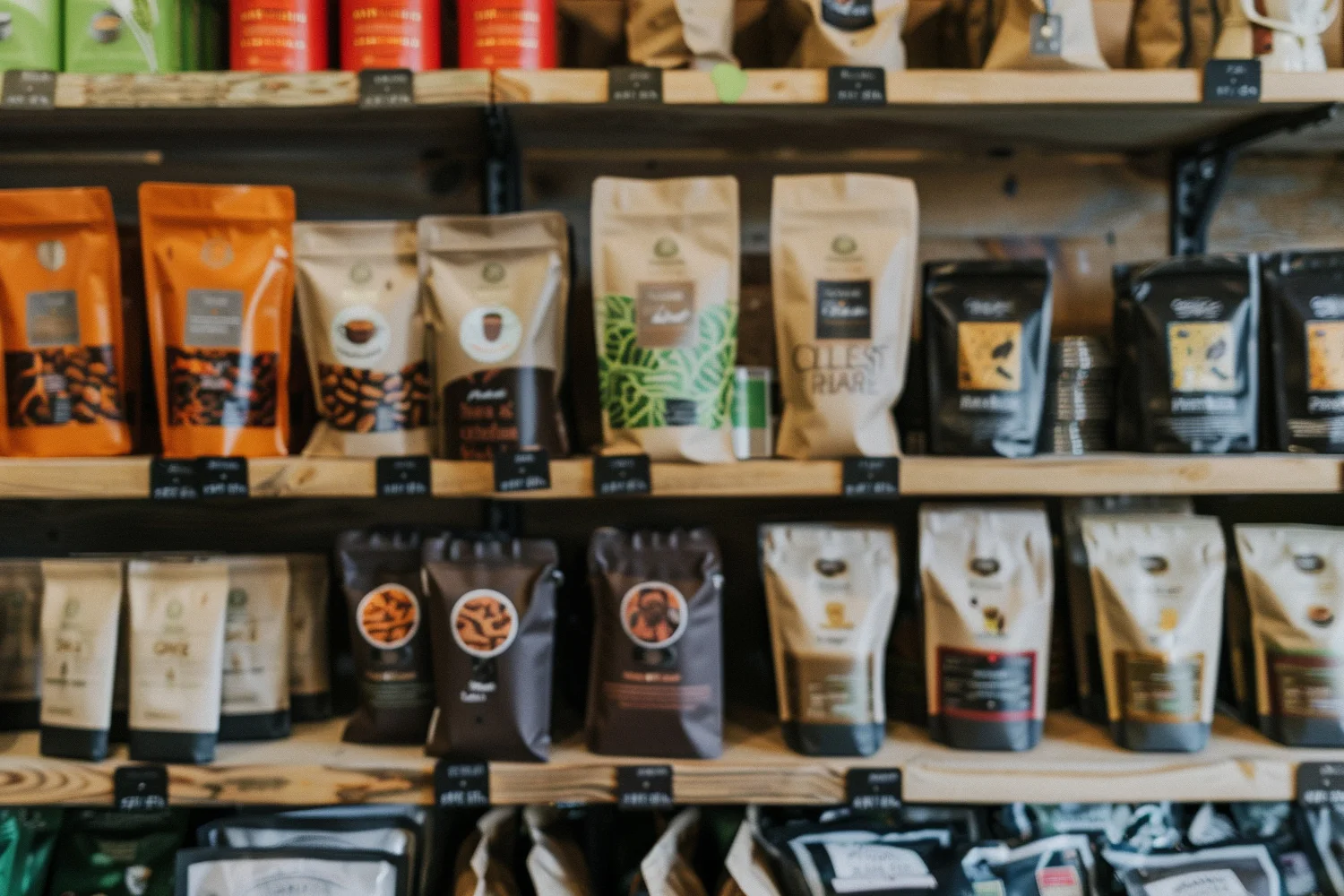
A retail pouch is not only holding food. It is also standing in a line of competitors and asking to be chosen.
On retail shelf, I care more about shape, front-face control, and shelf value because a pouch that looks weak can lose the sale before the product gets a chance.

Where shelf value changes my structure choice
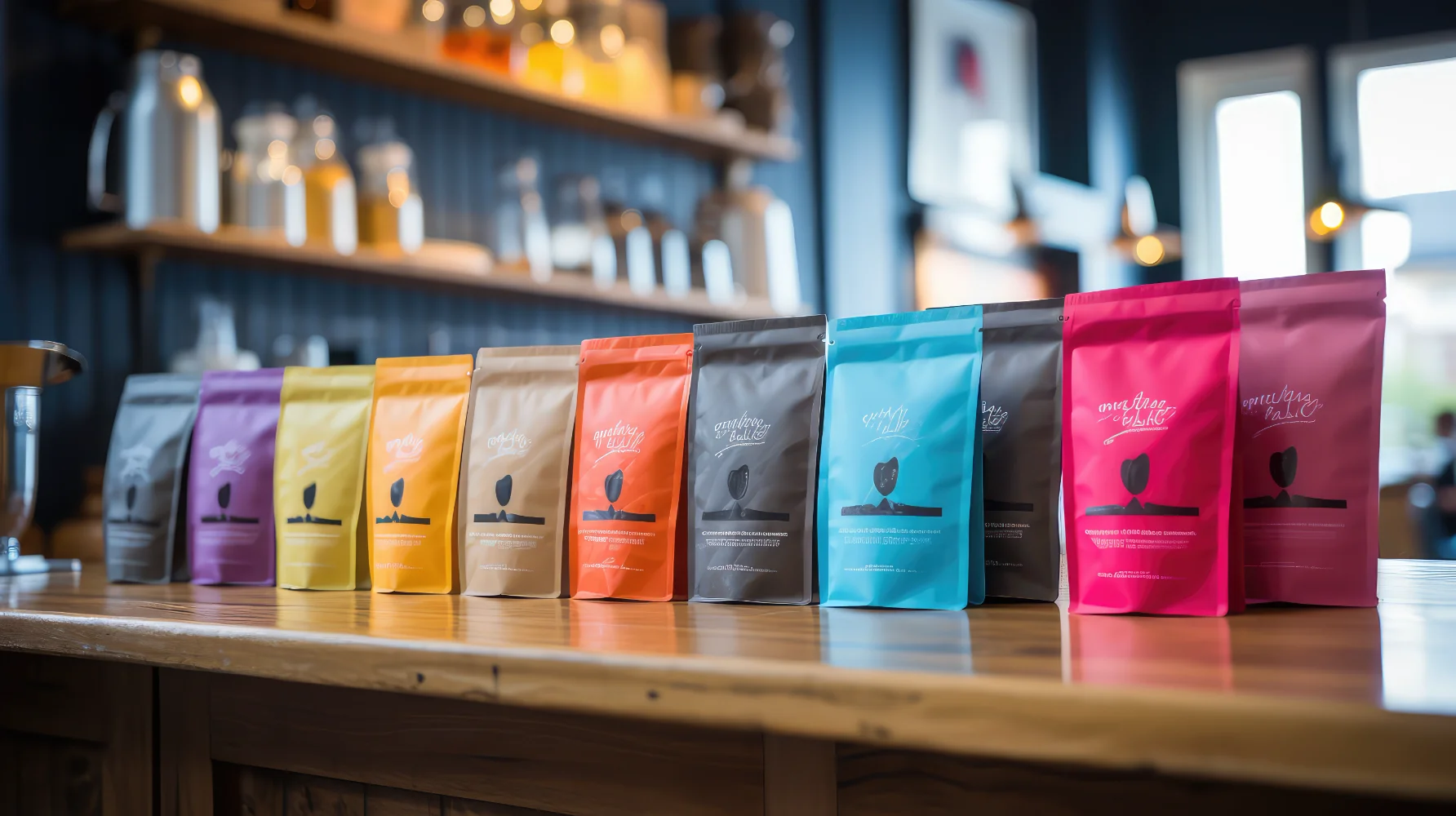
I usually look at whether the pouch stands cleanly, whether the front panel stays flat enough, whether the surface gets tired too fast, and whether the pack feels cheap once people pick it up. From our daily packaging work, we see that buyers often focus on “Can it hold the product?” and miss “Can it hold value on shelf?” That second question changes more than people expect. It can move me toward a stronger bottom structure, better body stiffness, a different matte or gloss choice, or a cleaner front panel balance between print and window. I do not need the pouch to be flashy. I need it to stay composed while it is compared, touched, and judged. On retail shelf, packaging is protecting the product and carrying shelf value at the same time.
| Shelf Problem |
What I Adjust |
| Pack slouches or leans |
Bottom structure and body stiffness |
| Surface looks weak after handling |
Finish and face balance |
Why Is Foodservice Use Usually More About Handling Rhythm Than Buyers Expect?
A foodservice pouch does not have to win a shelf contest. It has to stay easy and clean in repeated daily use.
For foodservice, daily handling efficiency often matters more than looking premium on day one, because small friction repeats every shift and quickly becomes waste or delay.
Why convenience becomes part of performance
In foodservice, I want to know how often the pouch gets opened, whether it needs clean pouring, whether it needs repeated use, and whether staff stores it on a counter or back shelf. In real manufacturing, this detail often determines whether zipper logic, tear notch position, pouch size, mouth opening, or bag proportions should move first. Buyers often underestimate awkward opening, poor reclose, messy use after first opening, and pack size that does not match actual daily consumption. Those issues sound small on paper. They are not small during real service. From a production standpoint, this matters because a pouch that is hard to handle can still protect the product while creating slower workflow, extra waste, and a worse user experience for staff. I do not treat that as secondary. I treat it as part of the spec.
| Foodservice Problem |
What I Adjust |
| Opening feels slow or awkward |
Tear notch, zipper, mouth opening |
| Pack size does not match daily use |
Pouch size and bag proportion |
Which Spec Elements Do I Usually Change First, and When Can One Spec Cover Both Scenes?
Most buyers do not want two packaging systems. I understand that. I do not split specs unless one shared answer starts doing both jobs badly.
I usually move format, stiffness, finish, opening logic, pack size, and reclose performance first. One shared spec works only when the real scene needs are still close enough.
How I decide whether one answer is still honest
If retail shelf and foodservice use still have similar pack size expectations, similar opening logic, and similar appearance demands, I may keep one structure and only fine-tune details. But if one scene needs stronger shelf presentation while the other needs faster daily handling, a forced universal answer usually becomes weak in both directions. It is either not strong enough on shelf or not smooth enough in use. From our daily packaging work, we see that buyers often ask for a universal pouch because it feels easier to manage. I do not reject that idea by default. I only reject it when the real scene requirements move too far apart. Then the better decision is not more complexity for its own sake. It is a more honest structure choice that matches what the pouch is actually expected to do.
| Spec Element |
Retail Priority |
Foodservice Priority |
| Format and stiffness |
Shelf shape and face |
Handling comfort |
| Opening and reclose |
Lower priority |
High priority |
Conclusion
The right food packaging spec is not the most universal one. It is the one that matches the real selling scene honestly and works where value is actually created.
About Us
JINYI Packaging
From Film to Finished—Done Right.
At JINYI, we focus on custom flexible packaging with 15+ years of production experience. We run gravure lines and HP digital printing, so we can support stable large-volume orders and flexible short runs.
We believe good packaging is not just about appearance. It is a working solution that needs to stay reliable in transport, on shelf, and in real consumer use. Visit jinyipackage.com.
Mark
Head of Production Management · JINYI Packaging
Mark leads production scheduling and order coordination at JINYI. With a Business Administration background and hands-on manufacturing exposure, he focuses on keeping quality, lead time, and execution stable across custom packaging orders.
Production planning
On-time delivery
Cross-team coordination
FAQ
Can one food pouch work for both retail shelf and foodservice?
Yes, sometimes. I keep one shared spec only when appearance needs, pack size logic, and opening behavior are still close enough.
What usually changes first for retail shelf packaging?
I usually look first at bottom structure, body stiffness, finish, and front-face presentation.
Why is foodservice packaging often a handling issue?
Because opening speed, clean pouring, and repeated use create daily friction that buyers often underestimate.
What is the first mistake buyers make?
They choose by product type alone and skip the real selling scene. That usually hides the most important packaging job.