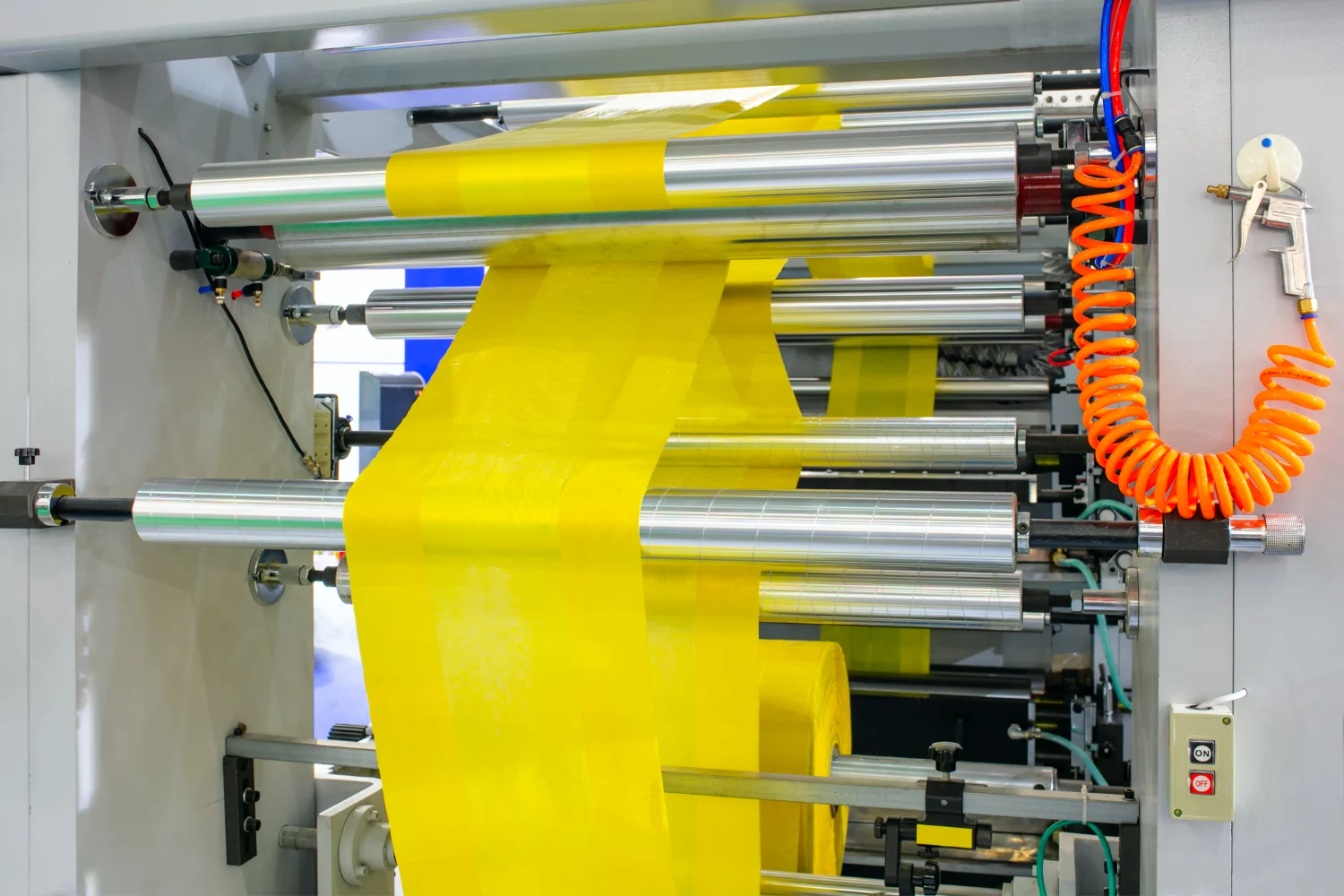
High-speed lines make small packaging issues expensive fast—leakers, stop-start downtime, and scrap piles that never show up in “unit price.”
Rollstock wins when you need stable output, better OEE, and lower total cost at scale—if you validate seal behavior, hot tack, and setup control first. I choose rollstock vs pre-made by line reality, SKU switching, and failure risk—not by what looks more “premium.”
Explore flexible packaging films built for stable sealing and high-speed runs.

I do not treat this decision like “film vs bag.” I treat it like a production system choice. A pre-made pouch can be the safer start when you run many SKUs or your setup is still maturing. A rollstock system can unlock speed and cost control when your line, operators, and validation are ready. I always start with the same order: product behavior → line type and target speed → changeovers → route and complaint risk → then I pick the format.
Why Is “Rollstock vs Pre-Made” A Production Decision, Not A Packaging Preference?
Many teams pick rollstock because they want a lower unit cost. Then the line becomes unstable and scrap eats the “saved cents.”
This choice is about what you can run consistently at your target speed. If the line cannot hold seal integrity through temperature drift, contamination, and tension changes, rollstock becomes a scrap machine. If the line is stable, rollstock becomes a scale advantage.
I look at what failure will hurt you most. In U.S. and EU channels, leakers and messy packages become refunds fast. In production, stop-start downtime is the hidden killer. A format that looks cheaper on paper can cost more after you count changeovers, startup waste, and the labor needed to keep the line alive.
What I confirm before I recommend the format
| What I check |
Why it matters |
Rollstock risk |
Pre-made pouch risk |
| Target speed + run time |
Stability beats peak BPM |
More sensitive to drift at speed |
Lower speed ceiling on many lines |
| SKU switching frequency |
Changeovers create scrap |
Setup time + registration waste |
Inventory complexity and SKU storage |
| Product contamination risk |
Dust/oil kills seals |
Seal-zone contamination at jaws |
Top seals still fail if filling is messy |
| Complaint cost sensitivity |
Refunds erase savings |
Hot tack failures become leakers later |
Corner damage or weak seals still possible |
What Are Rollstock And Pre-Made Pouches, Really?
Many people compare these like they are just different buying methods. They are different production paths.
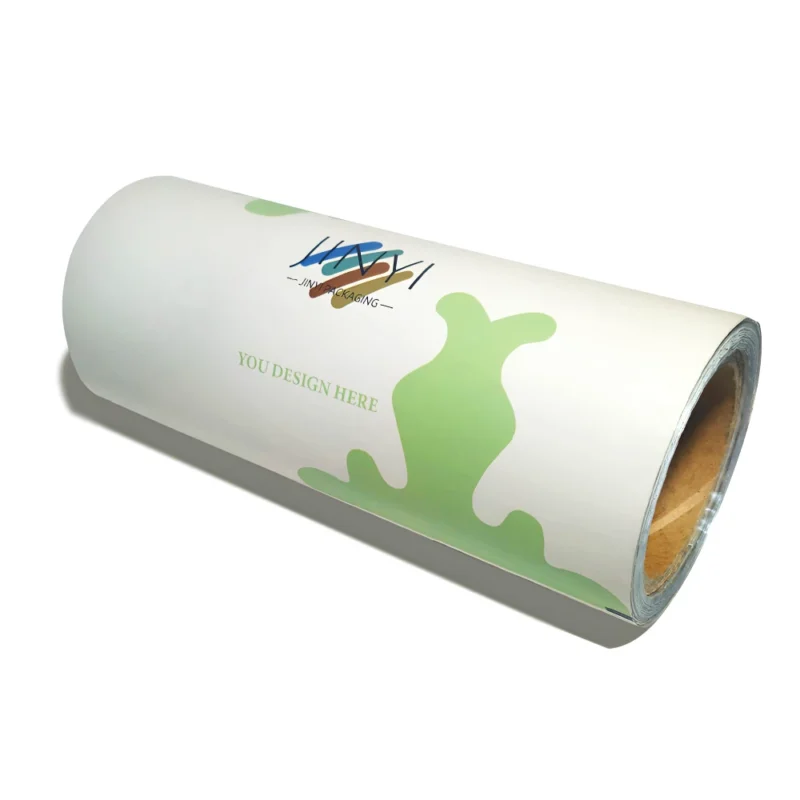
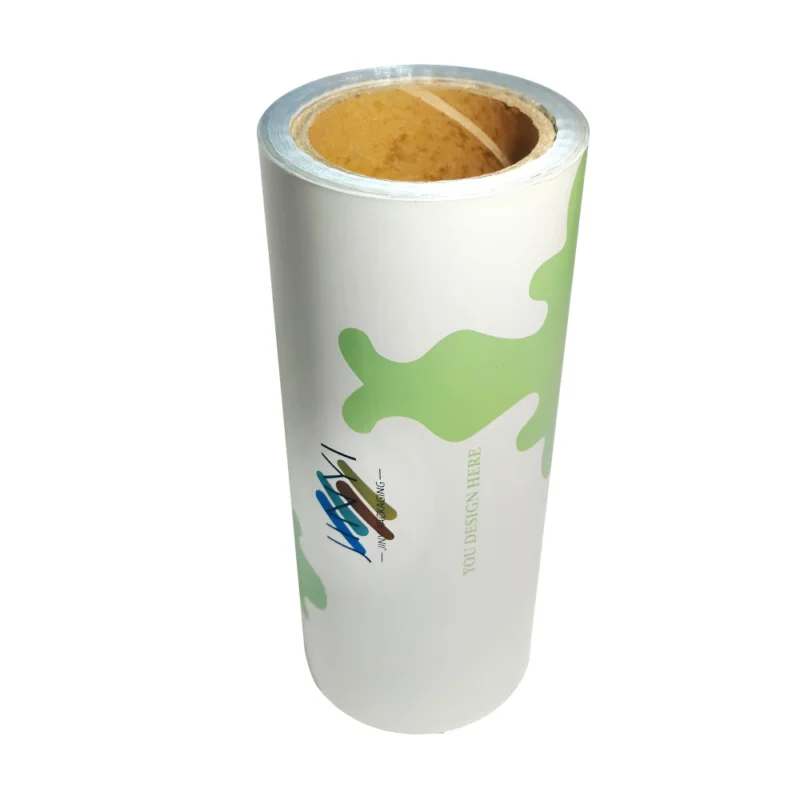
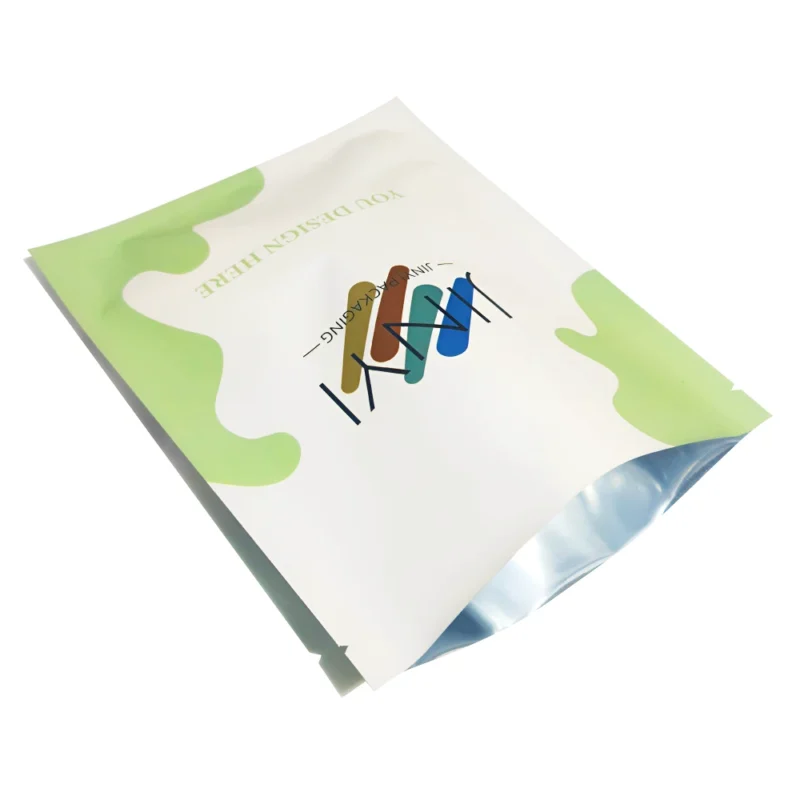
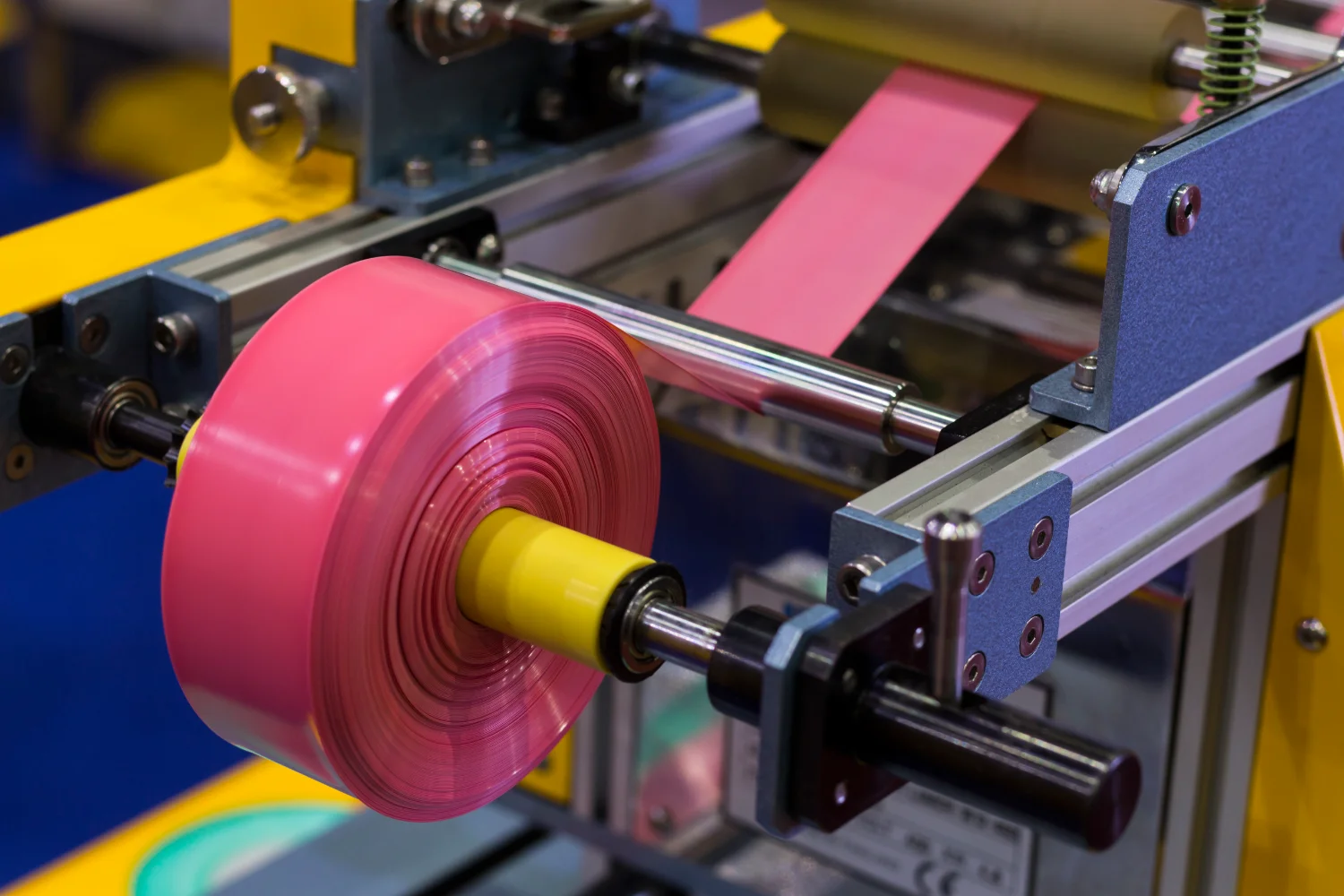
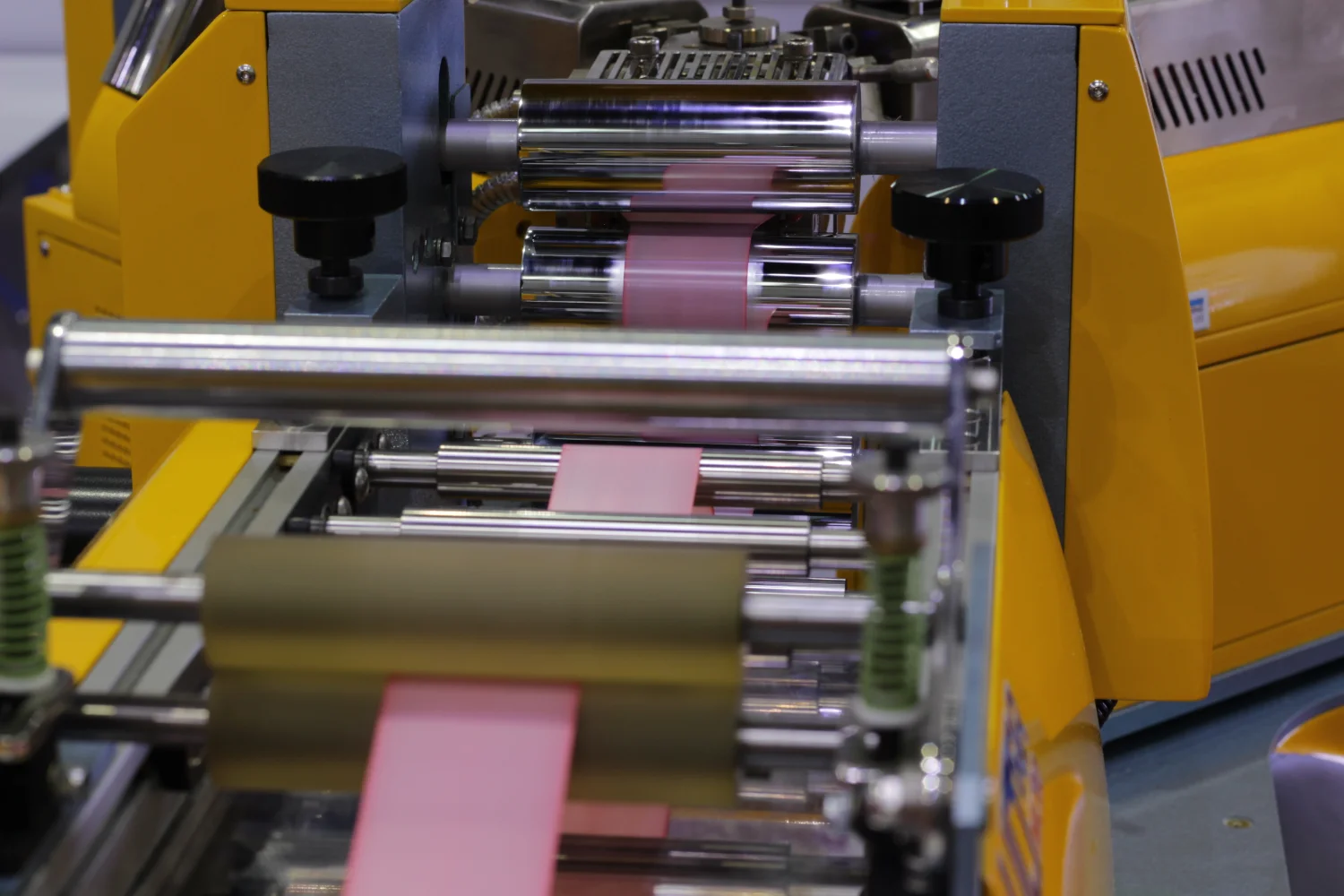
Rollstock is film on a roll that your machine forms, fills, and seals into packs. Pre-made pouches are already converted bags that your line fills and seals at the top. I never mix “film structure” with “format.” Both can use the same laminate, but the line behavior is different.
Rollstock creates the pouch shape on the line, so web handling, tracking, registration, and jaw alignment become quality drivers. Pre-made pouches move more of that converting complexity upstream, which can reduce on-line variables. However, pre-made still needs clean filling and a stable seal window, or you will still see leakers and complaints.
Common misunderstandings I correct fast
| Myth |
Why it is wrong |
What I do instead |
| “Rollstock is always cheaper.” |
Scrap and downtime can erase the savings. |
I compare total cost per 10,000 units. |
| “Pre-made pouches are always safer.” |
Messy filling and weak hot tack still leak. |
I lock seal window + contamination controls first. |
| “Thicker film solves it.” |
Most failures start at seals and process drift. |
I validate hot tack, seal land, and line settings. |
When Does Rollstock Win On High-Speed Output, Waste, And Scaling?
Rollstock looks great on a spreadsheet. It only stays great when the line is controlled.
Rollstock wins when you run long campaigns, consistent SKUs, and you want high output with controlled cost. If your operation can hold tracking, sealing, and registration, rollstock usually delivers better throughput and lower total cost at scale.
I like rollstock when I see a clear plan to stabilize OEE. Long runs reduce changeover waste. Stable operators reduce mistakes. A controlled seal window reduces leakers. The value is not only “faster.” The value is that you can scale with less cost inflation as volume grows. However, rollstock punishes sloppy filling, static, and temperature drift. If powder dust or oil residue reaches the seal jaws, the line can keep running and still create invisible leakers that show up later.
Where rollstock creates real advantages
| Advantage area |
Why it matters |
What must be true |
| Throughput |
Higher sustained output when stable |
Tracking + jaw alignment stay consistent |
| Unit economics |
Lower cost per pack at scale |
Scrap stays low and predictable |
| Inventory |
Less pouch storage, easier replenishment |
Film specs stay consistent across lots |
| Scaling |
Better for long, repeatable runs |
Validation checklist is enforced |
When Do Pre-Made Pouches Win For Flexibility And Lower Setup Risk?
Not every brand needs maximum speed. Many brands need predictable execution.
Pre-made pouches win when you have many SKUs, frequent design changes, or shorter runs. They also help when your forming and registration controls are not mature, because converting happens off-line.
I often recommend pre-made pouches for early-stage scaling. If you change designs often, you can switch faster without re-tuning web handling. If you run multiple pouch sizes in a week, pre-made can reduce setup complexity. That said, pre-made pouches do not protect you from contamination. If your filling splashes oil or throws powder into the seal zone, the top seal will still fail. The “low risk” benefit comes from fewer forming variables, not from magic sealing.
Where pre-made pouches reduce operational risk
| Use case |
Why pre-made helps |
Trade-off |
| Many SKUs |
Faster switching by bag size/design |
More inventory and SKU management |
| Early-stage scale |
Less web handling complexity on your line |
Higher packaging cost can remain |
| Frequent artwork updates |
Easier to change without re-tuning registration |
Lead time depends on pouch converting |
Why Isn’t Speed Only “Bags Per Minute”?
People chase peak speed. Then they lose the week to stop-start downtime.
I care about OEE, not headline BPM. A line that runs slightly slower but runs clean for hours usually beats a line that runs fast for 10 minutes and stops for 30.
OEE is where rollstock and pre-made show their true differences. Changeovers, splices, jaw cleaning, registration checks, and operator resets are what eat capacity. Rollstock can be amazing when you run long, stable campaigns with disciplined splicing and checkpoints. Pre-made can be amazing when you switch SKUs often and you need less re-tuning. The wrong choice shows up as micro-stops, alarms, and “mystery scrap” that never gets assigned to a root cause.
How I think about speed on real lines
| Speed driver |
What hurts OEE |
What I lock first |
| Changeovers |
Setup drift and re-learning |
Standard work + checkpoints |
| Splices |
Tracking shifts and seal disruption |
Splice quality and tension control |
| Seal stability |
Jaw contamination and temperature drift |
Seal window + cleaning schedule |
Where Does Waste Actually Come From On Rollstock And Pouches?
Waste is rarely one big event. It is usually many small events.
The real loss comes from trim waste, startup waste, mis-registration, and leakers that pass visual checks. That is why I measure scrap per 10,000 units, not just film price.
Rollstock waste often shows up as edge trim, startup tuning, registration drift, and web breaks. Pre-made waste often shows up as misfeeds, damaged bags, and top seal failures after messy filling. I also watch “leakers later,” because those are the most expensive. A pack that leaks after shipping becomes a refund and a bad review. That cost is not in your scrap report, but it is still real.
Waste map I use during troubleshooting
| Waste source |
How it looks |
Most common root cause |
| Startup tuning |
Good seals after 10–20 minutes |
Seal window not centered, settings drift |
| Registration drift |
Print off-position, cut misalign |
Tension variation, sensor/eye mark issues |
| Invisible leakers |
Looks sealed, fails later |
Hot tack too low or seal contamination |
Why Do Most Complaints Start At Heat Seals, Not Film Thickness?
When packs fail, people blame the film. I check the seal system first.
Seals fail when the seal window is unstable, the seal zone is contaminated, or hot tack is too weak at speed. Thickness cannot fix a bad seal system.
On fast lines, the pack is handled before it fully cools. If hot tack is weak, seals can open under drop, vibration, and the impact of product settling. If powder dust or oil mist reaches the seal area, you can get a seal that looks fine but leaks under pressure. This is why I always prefer a controlled seal window and contamination protection over “just add microns.” If you want fewer complaints, you need fewer leak paths, and that starts with sealing behavior.
Seal system checklist I use before scaling
| Seal risk |
What it causes |
How I verify |
| Weak hot tack |
Leakers after drop/handling |
Hot tack test + early handling simulation |
| Contamination |
Micro-leaks and odor ingress |
Seal contamination tolerance checks |
| Window drift |
Burn-through or weak seals |
DOE: temp/pressure/dwell mapping |
How Do Film Structures Change By Format And Performance Target?
The same product can need different film behavior depending on the line and handling.
I define barrier and line behavior together: OTR/WVTR targets, COF for tracking, hot tack for speed, and puncture resistance for handling. Then I choose the laminate, not the other way around.
Rollstock often needs tighter control on COF and stiffness so the web tracks smoothly and does not wrinkle. It also needs reliable heat-seal behavior across speed and ambient changes. Pre-made pouches can tolerate different handling, but they still need sealant layers that match your sealing jaws and your filling reality. For aroma-sensitive products like coffee, barrier matters, but micro-leaks can still defeat a high-barrier film. For powders, contamination tolerance can matter more than an extra barrier layer. I prefer structure choices that the line can run consistently, because “perfect specs” mean nothing if OEE collapses.
How I connect targets to structure
| Target |
What it protects |
What I prioritize in film |
| Barrier (OTR/WVTR) |
Aroma, freshness, moisture control |
Barrier layer choice + seal integrity |
| COF control |
Tracking and stable feeding |
Consistent COF range for your machine |
| Hot tack |
High-speed seal survival |
Sealant layer tuned to dwell and temp |
| Puncture resistance |
Handling and shipping abuse |
Outer layer toughness and laminate bonding |
Which Products And Channels Fit Rollstock Better In Real Routes?
Format decisions fail when teams ignore the channel.
I match format to product behavior and route stress. Powders, snacks, and many dry foods often scale well on rollstock. Liquids and oily products can still run, but they demand tighter contamination control and validation.
For e-commerce, I test compression, drop, and vibration. A line can run perfectly and still create packs that fail after shipping if seals are weak early or if the package shape scuffs easily. Pre-made pouches can reduce some forming variables, but they do not remove route stress. If your channel is harsh and your product is messy, you either improve filling and seal-zone protection, or you accept higher complaint rates. This is also where I connect packaging to customer experience. A pack that arrives clean and readable earns trust. A pack that arrives oily or leaking becomes a refund.
See rollstock film options designed for stable tracking, seal consistency, and production scaling.
How Do I Compare Total Cost Per 10,000 Units Without Getting Tricked?
Unit price is easy. Total cost is what keeps you profitable.
I compare cost per 10,000 units because it forces reality into the math. Scrap, downtime, labor intervention, chargebacks, and refunds belong in the same spreadsheet as film price.
I also track “waste patterns.” A single big incident is visible, but the repeated small defects are what drain profit. If your line makes one leaker per 300 packs, you might not notice until customers do. If your operator has to wipe jaws every 20 minutes, your OEE is already compromised. This is why rollstock can be a big win for mature systems, and a big loss for unstable systems. Pre-made can look expensive on the invoice, but it can be cheaper in total cost if it avoids downtime and scrap during frequent SKU switching.
My simple cost model per 10,000 units
| Cost bucket |
What I include |
Why it changes the decision |
| Material + conversion |
Film/pouch cost, trim, startup waste |
Rollstock can win if scrap stays low |
| Downtime |
Stops, changeovers, cleaning, rework |
Pre-made can win in high-switch environments |
| Quality and complaints |
Leakers, returns, chargebacks, review impact |
Weak seals erase savings fast |
What Do I Require Before Running Full Speed?
Teams love to “try it on the line.” I prefer to prove it before scaling.
Before full speed, I require leak checks, compression + vibration simulation, and seal validation under real line drift. A pack that survives the route is the pack that protects your brand.
I run validation like the channel will treat the product. For dry foods and powders, I add contamination tolerance checks and humidity swings. For coffee and aroma-sensitive products, I add odor hold and seal integrity checks because micro-leaks can defeat barrier layers. If the format is rollstock, I also verify tracking stability, registration control, and splice behavior. If the format is pre-made, I verify feeding stability and top seal repeatability after messy filling. I do not approve “it worked once.” I approve “it works under drift.”
My minimum validation checklist
| Test |
What it catches |
Pass focus |
| Leak check (squeeze / dunk / pressure) |
Micro-leaks and weak seals |
No leaks across samples |
| Compression + vibration |
Early seal openings and scuff damage |
Seals intact, acceptable appearance |
| Thermal or humidity cycling |
Drift failures over time |
No new leak paths appear |
How Do I Shortlist 2–3 Options Fast Without Guessing?
Brands move faster when options are structured and risks are written down.
I shortlist using three inputs: target speed and run length, SKU switching frequency, and the one failure that cannot happen. Then I deliver baseline, upgrade, and premium options with specs and tests.
My baseline option focuses on stability and seal control. My upgrade option improves barrier or line efficiency once the seal system is proven. My premium option only exists if you can monetize it through shelf life, appearance, or channel fit. I also write down where failure will most likely happen, and how we will validate it. That is how teams scale without guessing, and how they avoid chasing “cheap” decisions that later become expensive.
Baseline / upgrade / premium logic I use
| Tier |
Best for |
What I optimize |
What I validate |
| Baseline |
Early scale or high SKU switching |
Seal stability and low setup risk |
Leak + contamination tolerance |
| Upgrade |
Stable runs with growing volume |
OEE and scrap reduction |
Splice + drift stability checks |
| Premium |
Aroma/moisture sensitive products |
Barrier targets and route durability |
Compression + odor hold + cycling |
Conclusion
Rollstock wins when your line can run stable at speed with controlled scrap. Pre-made pouches win when flexibility and low setup risk matter. I choose by OEE, seals, and real-route validation, not by unit price.
FAQ
Is rollstock always cheaper than pre-made pouches?
No. Rollstock can be cheaper at scale, but scrap, downtime, and leakers can erase the savings. I compare total cost per 10,000 units.
What is the biggest hidden risk when switching to rollstock?
The biggest risk is unstable seals at speed due to hot tack weakness, contamination, or process drift. It can look fine and still fail later.
How do I know if my line is ready for rollstock?
I look for stable tracking, repeatable seal windows, controlled splicing, and low unplanned stops during longer runs.
Can pre-made pouches still leak a lot?
Yes. If filling contaminates the seal zone or the sealing window is not stable, pre-made pouches can still produce micro-leakers.
What tests should I run before scaling either format?
I require leak checks, compression and vibration simulation, and thermal or humidity cycling to confirm seals stay intact under drift.
About Me
Brand: Jinyi
Slogan: From Film to Finished—Done Right.
Website: https://jinyipackage.com/
Our mission: JINYI is a flexible packaging factory. I deliver reliable, usable, and scalable packaging systems, so brands get stable quality, clear lead times, and structures that perform in real channels.
I position JINYI as a one-stop factory from film to finished pouches. I focus on control and consistency. I use standardized sampling, production, and QC so repeat orders stay stable. Packaging is not only a bag. It must list well, ship well, and work well for customers.
Audience Profile
Sourcing Manager / Procurement Lead is the supply chain owner inside a brand or trading company. This person manages supplier selection, quoting, sampling, compliance documents, and stable mass delivery. This person balances cost pressure, performance requirements, and complaint risk across e-commerce and retail channels.
This buyer values certainty. This buyer wants measurable specs, stable color and print, consistent samples-to-production behavior, clear lead-time milestones, and fast root-cause correction when issues happen. This buyer prefers testable methods, clear acceptance criteria, and operator-proof QC steps over vague promises.
When I work with this buyer, I ask about product form, target shelf life, channel and route stress, filling conditions, and the one failure that cannot happen. Then I deliver 2–3 options with structure specs, barrier targets, seal guidance, risk points, and a channel-matched test checklist.
Get rollstock film options for faster lines & lower scrap