Owners buy “sensitive stomach” foods to avoid mess and stress, but one bad switch can ruin trust fast. Reviews can spike overnight and feel impossible to interpret.
Owners look first for verifiable, low-risk signals like “complete and balanced,” the correct life stage, and clear feeding guidance. “Caused diarrhea” review spikes usually reflect short-term GI imbalance from fast transitions, overfeeding, and mixed variables—not a single simple defect.
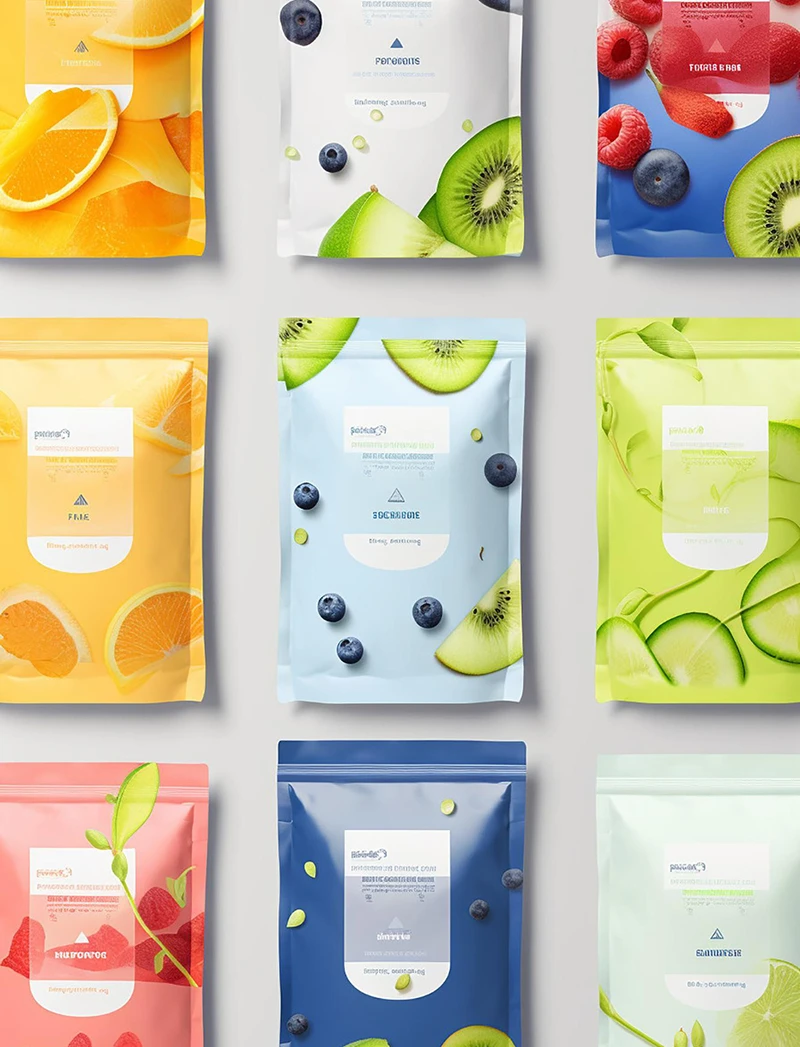
See pet food packaging built to keep feeding instructions clear and readable on shelf

Sensitive-stomach shopping is not only about ingredients. It is about controlling uncertainty. Owners want fewer surprises, fewer variables, and a plan if the trial goes wrong.
What do owners check first when they see “sensitive stomach” on a bag?
Many labels promise comfort, but owners still fear one thing: “Will this make my pet worse?” That fear shapes what they check first.
Owners often start with a simple filter: the nutritional adequacy statement and life-stage fit. These signals are standardized and easier to verify than marketing language.
A consistent first step is the nutritional adequacy statement because it tells owners whether the product is intended to be fed as the sole diet. AAFCO explains that the statement follows a standard format and typically indicates whether a food is formulated to meet AAFCO nutrient profiles or is substantiated by AAFCO feeding tests, and it specifies the life stage. FDA consumer guidance also notes that if the statement includes “complete and balanced,” the product is intended to be fed as a pet’s sole diet, while treats, snacks, and supplements are typically not intended as the sole diet. This matters for sensitive stomach trials because “intermittent or supplemental feeding only” products can increase variables and make cause-and-effect harder to track. After that baseline, owners look for low-risk operational cues: clear feeding directions, clear transition guidance, and a support claim that stays within realistic boundaries. Owners also use reviews, but reviews rarely include full context like treats, table scraps, stress, or dose changes, so label verifiability becomes the anchor.
First-look “risk filter” signals and what they actually control
| What Owners Look For |
Why It Matters |
What Is Verifiable |
Common Mistake |
| Nutritional adequacy statement |
Defines whether it can be the sole diet |
Standard wording + life stage |
Assuming “sensitive stomach” equals balanced |
| Life stage fit |
Reduces mismatch risk |
Growth vs maintenance vs all life stages |
Feeding puppy food to adults “for digestion” |
| Feeding directions + transition notes |
Controls dose shock |
Clear grams/cups per weight |
Switching 100% on day one |
Evidence (Source + Year):
– FDA: “Complete and Balanced” Pet Food (2020) :contentReference[oaicite:0]{index=0}
– AAFCO: “Reading Labels” (page content accessed 2026; standard formats described) :contentReference[oaicite:1]{index=1}
Why do “caused diarrhea” reviews spike after a food change?
Owners read “caused diarrhea” and assume one direct cause. That assumption spreads fast and can turn normal transition effects into a brand crisis.
Review spikes often reflect timing and behavior patterns: many people switch quickly, feed too much, and add treats. These variables cluster around launches, promotions, and sudden diet changes.

A major driver is transition shock. A controlled study in healthy puppies compared an abrupt change to a gradual transition and found that gradual transition reduced the incidence of diarrhea during the trial period, alongside measurable changes in fecal microbiota and metabolites. This supports a practical point: diarrhea after a switch is often a short-term GI adjustment event, not proof of a “bad” product. Clinical guidance also matches this logic. Cornell’s veterinary guidance states that if a dog develops diarrhea after switching foods, the switch may have been too fast, and it recommends returning to the original diet until stools firm, then restarting the transition more gradually and spreading it over a week or two. Another frequent trigger is dose error. Owners may increase volume because a pet “likes it,” or they change diet and add richer treats at the same time, which overloads the GI system and hides the true trigger. Review spikes happen when many buyers make these same mistakes at the same time, such as during a big promo or right after a formula change when owners switch immediately instead of tapering.
Common spike triggers and the “review timing” pattern
| Trigger |
What It Looks Like |
Why Reviews Spike |
Fast Fix |
| Fast transition |
100% new food on day one |
Many buyers do it at once |
Restart with slower ratios |
| Overfeeding |
Extra scoops “because appetite” |
Loose stool appears quickly |
Measure and hold steady |
| Mixed variables |
New food + new treats + scraps |
Cause becomes unclear |
Pause extras during trial |
Evidence (Source + Year):
– Liao et al.: Abrupt vs gradual dietary transition and diarrhea in puppies (2023) :contentReference[oaicite:2]{index=2}
– Cornell University College of Veterinary Medicine: diarrhea after switching too quickly; restart transition more gradually (accessed 2026) :contentReference[oaicite:3]{index=3}
Which “sensitive stomach” claims reduce regret, and which ones backfire?
Owners want certainty, but labels sometimes sell comfort with vague promises. When outcomes differ, the same wording becomes the reason for anger.
Claims reduce regret when they set boundaries and give owners a repeatable trial method. Claims backfire when they imply universal success, instant relief, or medical outcomes.
Low-regret claims share two traits: they are bounded and they are operational. “Complete and balanced” plus the correct life stage sets a stable baseline. Clear feeding directions and clear transition language give owners a way to execute the trial without dose shock. Support positioning that stays within normal label boundaries, such as “digestive support,” sets expectations without implying a cure. On the other side, claims backfire when they are absolute (“stops diarrhea fast”), universal (“works for all sensitive pets”), or medically suggestive. These phrases create a promise that real-world variability will break. Market reporting also shows that digestive health is a key driver owners look for, which increases the temptation for brands to overclaim. For example, Pet Food Processing cites FMCG Gurus research indicating many dog and cat owners look for digestive health claims on pet products. That attention makes claim discipline even more important because high-interest claims attract high-expectation buyers, and high expectations amplify review volatility.
Reduce returns by keeping feeding directions and transition steps visible and durable on the package
Claim map: “bounded and verifiable” vs “high backlash risk”
| Claim Style |
Why It Helps or Hurts |
Verifiability |
Backlash Risk |
| Complete & balanced + life stage |
Sets a safe baseline for trial |
High |
Low |
| Clear transition guidance |
Reduces transition shock |
High |
Low |
| “Stops diarrhea fast” |
Implies certainty and treatment |
Low |
High |
Evidence (Source + Year):
– FDA: “Complete and Balanced” Pet Food (2020) :contentReference[oaicite:4]{index=4}
– Pet Food Processing citing FMCG Gurus on digestive health claim interest (2023) :contentReference[oaicite:5]{index=5}
What is a low-risk trial protocol that prevents “caused diarrhea” complaints?
Owners often want one perfect product. In reality, they need a controlled trial that limits variables and creates clean feedback.
A low-risk protocol uses slow transition ratios, fixed portions, and zero extra variables. It also defines what to do on day one of loose stool.
A practical trial protocol starts with measurement. Owners should pick a fixed portion size based on the feeding guide and keep it stable during the transition. Next, owners should run a gradual transition instead of a hard switch. Cornell’s guidance suggests spreading the transition over a week or two if diarrhea occurs after a switch, and veterinary guidance on consumer sites commonly recommends a 5–7 day transition for many dogs. Owners should also freeze variables: no new treats, no table scraps, and no sudden fat add-ons during the first 10–14 days. If loose stool appears, the protocol should define a repeatable response: step back to the prior ratio that produced firm stools, hold steady, and then advance more slowly. This approach matches controlled research in puppies showing gradual transition reduced diarrhea incidence compared with abrupt change. As a flexible packaging manufacturer, we focus on keeping these steps legible and consistent across print runs, because a clear transition panel on-pack can reduce misuse at scale and lower review volatility.
Transition plan and “what to do if stool loosens”
| Day Range |
Old Food |
New Food |
If Stool Loosens |
| Days 1–2 |
75% |
25% |
Hold ratio 1–2 more days |
| Days 3–4 |
50% |
50% |
Step back to prior ratio |
| Days 5–7+ |
25% to 0% |
75% to 100% |
Slow the ramp over 1–2 weeks |
Evidence (Source + Year):
– Cornell University College of Veterinary Medicine: restart transition more gradually and spread over a week or two (accessed 2026) :contentReference[oaicite:6]{index=6}
– Liao et al.: gradual transition reduced diarrhea incidence in puppies vs abrupt change (2023) :contentReference[oaicite:7]{index=7}
Conclusion
Owners reduce risk by checking “complete and balanced,” life stage, and clear transition steps. Review spikes often follow fast switches and mixed variables. Contact us to improve on-pack clarity and reduce misuse.
Get a pet food packaging solution quote
About Us
Brand: Jinyi
Slogan: From Film to Finished—Done Right.
Website: https://jinyipackage.com/
Our Mission:
JINYI is a source manufacturer specializing in custom flexible packaging solutions. We aim to deliver reliable, practical packaging that reduces communication cost, improves quality stability, and supports predictable lead times for brands.
About JINYI:
JINYI is a source manufacturer specializing in custom flexible packaging solutions, with over 15 years of production experience serving food, snack, pet food, and daily consumer brands.
We operate a standardized manufacturing facility equipped with multiple gravure printing lines as well as advanced HP digital printing systems, allowing us to support both stable large-volume orders and flexible short runs with consistent quality.
From material selection to finished pouches, we focus on process control, repeatability, and real-world performance. Our goal is to help brands reduce communication costs, achieve predictable quality, and ensure packaging performs reliably on shelf, in transit, and at end use.
FAQ
What does “complete and balanced” mean for sensitive stomach pets?
It indicates the food is intended to be fed as the sole diet and meets nutritional adequacy criteria for a stated life stage.
How long should a food transition take to reduce diarrhea risk?
Many dogs do better with a gradual transition over about a week, and some may need longer if stools loosen during the switch.
Why do reviews say “caused diarrhea” even when the food is popular?
Sensitive stomach outcomes vary by pet, and diarrhea often follows fast transitions, overfeeding, or adding treats and scraps during the trial.
Should owners change treats during a sensitive stomach food trial?
Owners should avoid adding new treats during the first 10–14 days so that stool changes can be attributed to fewer variables.
What should an owner do on the first day of loose stool after switching foods?
Owners can step back to the last ratio that produced firm stools, hold steady, and restart the transition more slowly.