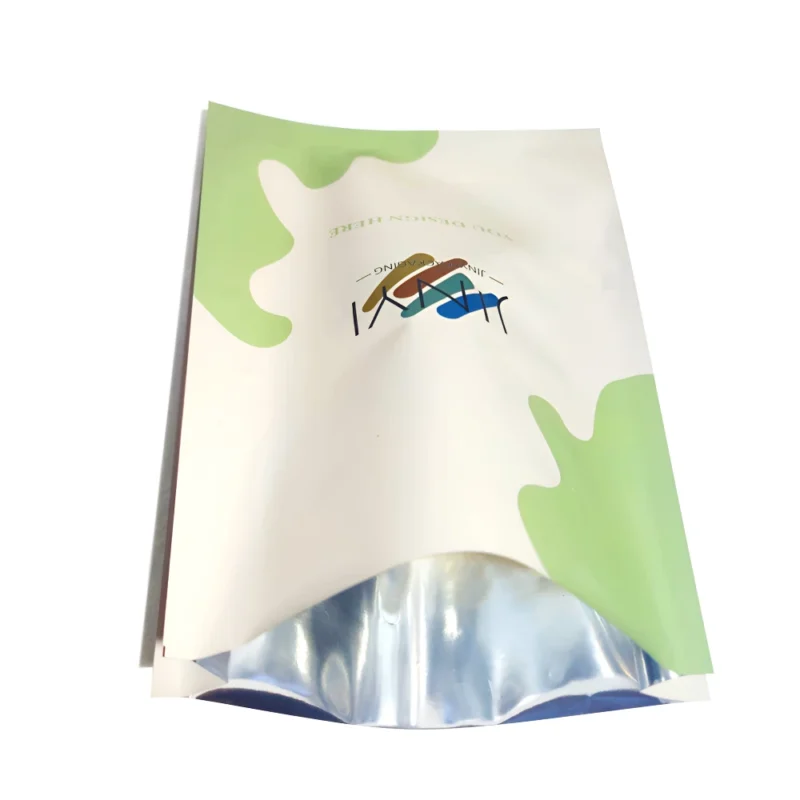
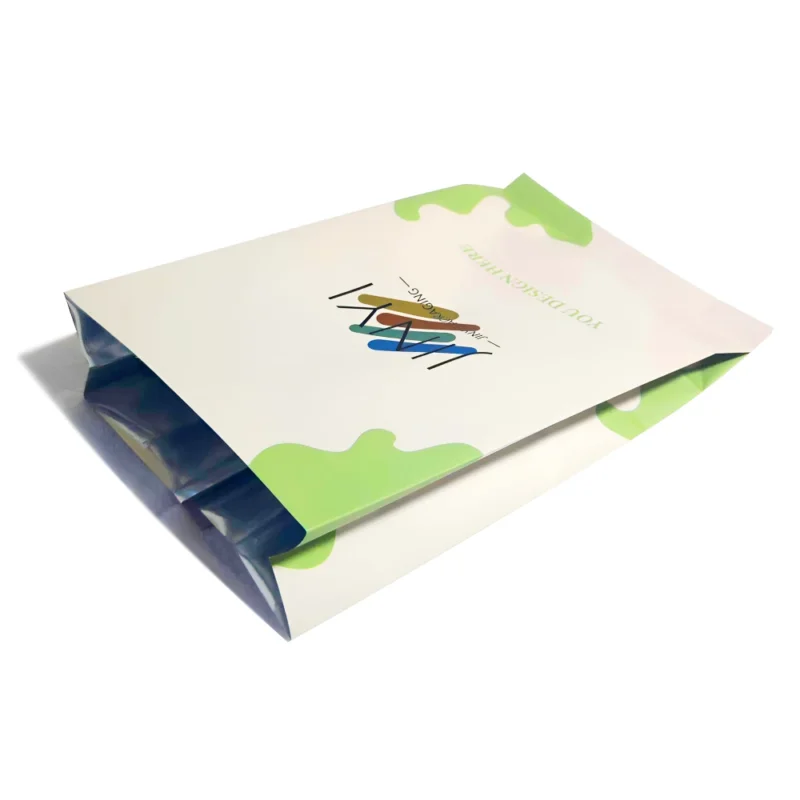
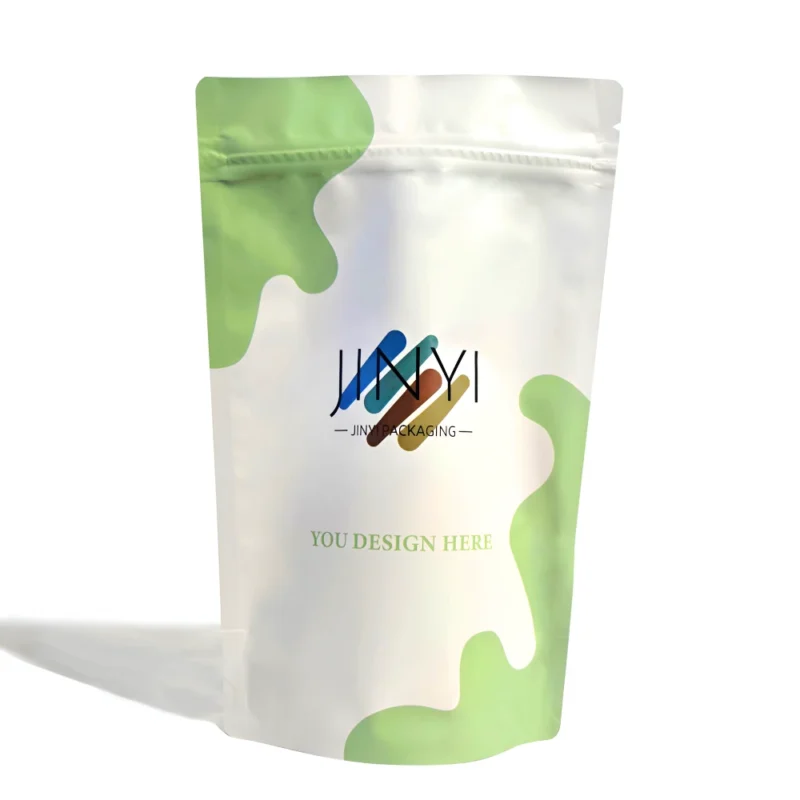
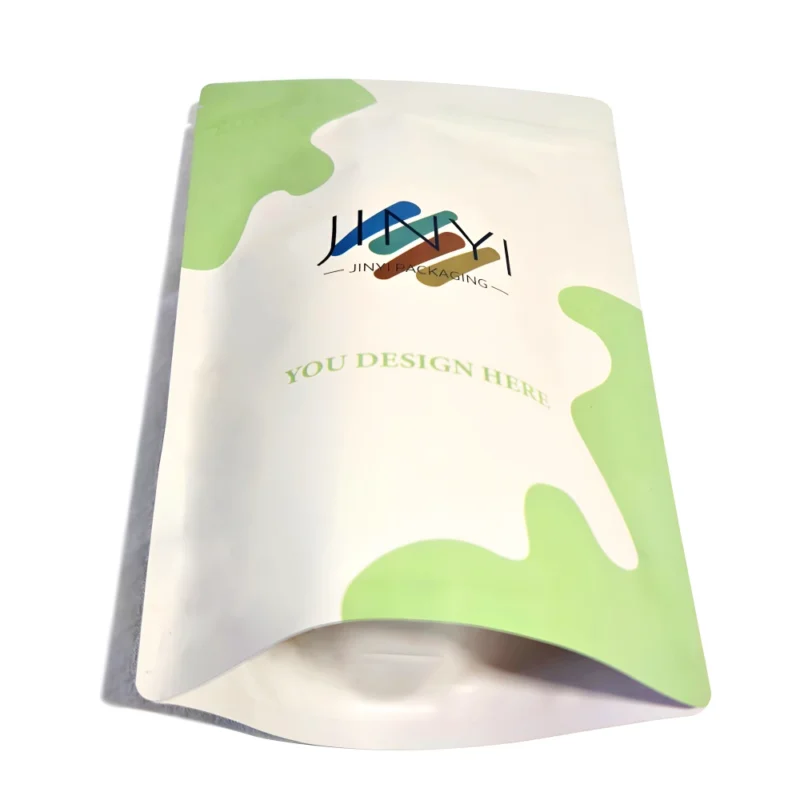
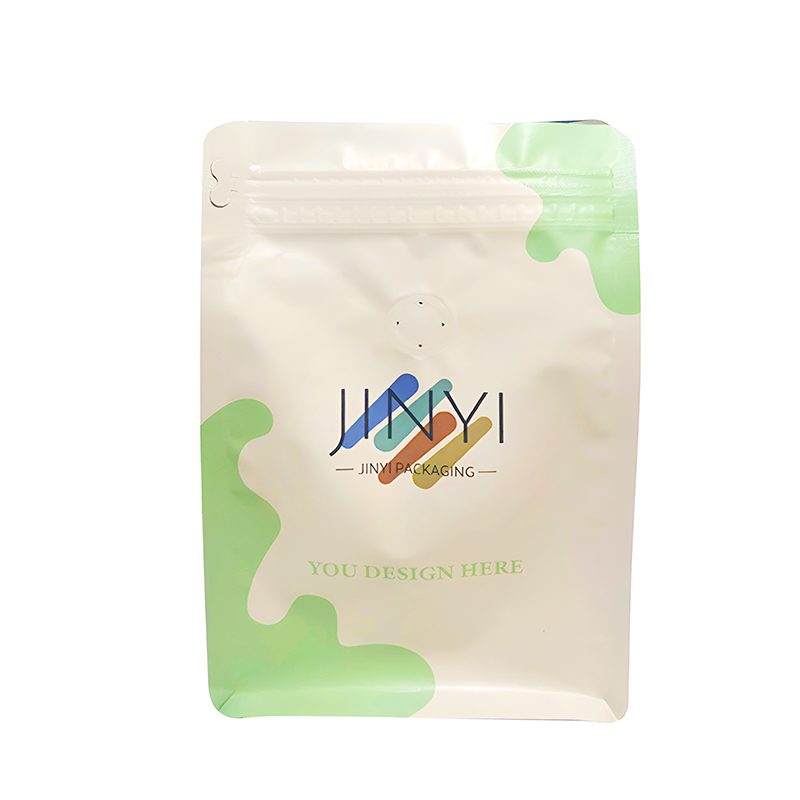
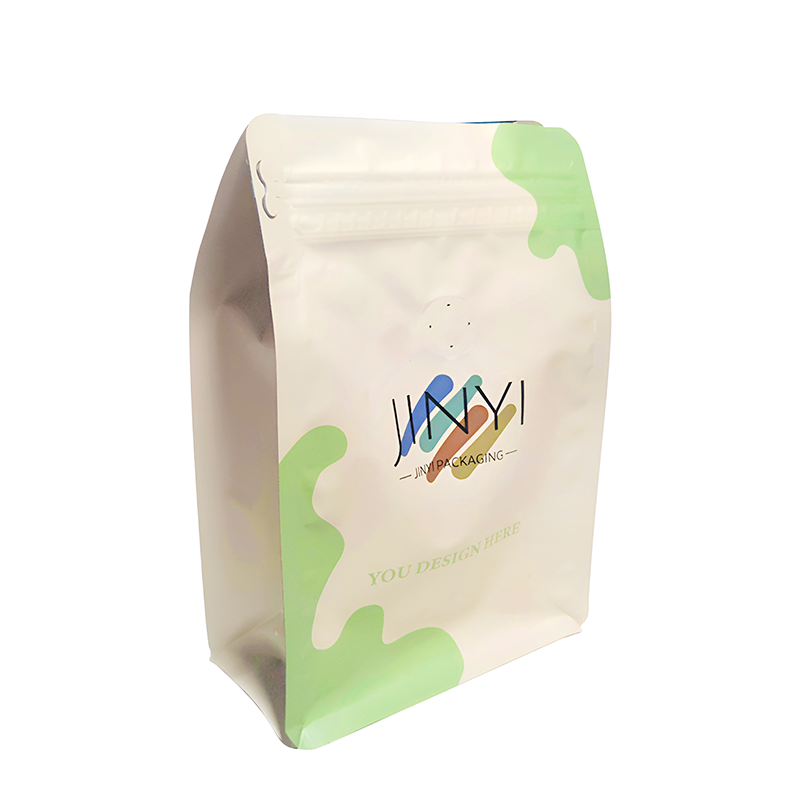
Stand-up pouches look “right” until your channel punishes them with corner stress, scuffs, and returns.
Side gusset bags beat stand-up pouches when you need dense packing, consistent brick-like shape, and a more controllable seal system for coffee, tea, and dry foods. I choose them by route stress, shelf method, and aroma/moisture targets—not by what looks trendy.
Explore side gusset bags built for stable seals and shelf-ready stacks.

I see brands treat side gusset bags like a “retro” choice. I do not. I treat them as a system choice. In U.S. and EU channels, the bag is judged after shipping, handling, and scanning. If the bag arrives scuffed, wrinkled, or leaking, the rating drops fast. That is why I follow one order every time: product form → channel and route → shelf or merchandising method → then I choose the bag structure and barrier.
Why Are Side Gusset Bags a “System Choice,” Not a Retro Style?
Many brands pick a pouch because it looks modern. Then they pay for it in week four.
Side gusset bags work when the channel rewards packing efficiency, shape control, and predictable handling. They can stack cleaner, ship denser, and present like a “brick” when you build the right film + seal system. If your product sells through display boxes, shelf stacks, or bundled formats, the side gusset format can be a more stable baseline.
I always start by asking what failure the channel will amplify. E-commerce amplifies compression and corner stress. Warehousing amplifies long stack pressure and humidity swings. Retail amplifies readability and barcode scanning. A bag that looks fine on day one can fail later because folds whiten, seals creep, or micro-leaks grow under repeated handling. When I frame the decision this way, side gusset bags stop being a style preference and become a risk-control tool.
What I map before I approve a side gusset format
| Decision input |
What can go wrong |
What side gusset bags often improve |
What I still must prove |
| Channel (e-comm / retail / wholesale) |
Compression scuffs, corner stress, scan failures |
Denser cartons, stable “brick” geometry |
Crease durability + seal integrity under load |
| Product type (coffee / tea / dry foods) |
Aroma loss, moisture ingress, contamination |
Better stacking and controlled panel layout |
Barrier targets + leak-path control |
| Merchandising method |
Messy shelf, leaning packs, poor brand impact |
Clean shelf stacks, display-box compatibility |
Front-panel readability + consistent dimensions |
What Are Side Gusset Bags, Really—and What Are They Not?
Many teams think a side gusset bag is “just a different pouch.” It is not.
A side gusset bag is a format designed to expand sideways and present a stable front panel while keeping a brick-like shape. It is not a stand-up pouch with a bottom gusset that must stand by itself. The side gusset format can feel simpler on shelf stacks and display systems, but it still carries fold zones and seam behavior that must be engineered.
A stand-up pouch earns its value when shelf presence and repeat use matter. It stands, it shows a big front panel, and it pairs well with zippers. A side gusset bag earns its value when you want controlled geometry and efficient packing. It can sit better inside cartons, stack cleaner in displays, and hold a consistent silhouette across a product line. The mistake is assuming either one is “more premium.” Premium is what survives your channel and protects your product.
Fast comparison: side gusset vs stand-up
| Factor |
Side gusset bag |
Stand-up pouch |
| Best shelf logic |
Stacking, display boxes, brick packs |
Upright shelf presence |
| Shipping density |
Often higher (less “air”) |
Often lower (bulkier geometry) |
| Main risk zones |
Side folds, top seal, corner radii |
Bottom corners, gusset folds, zipper ends |
| When it wins |
Predictable shape + controlled handling |
Repeat use + shelf-first impact |
When Do Side Gusset Bags Beat Stand-Up Pouches for Coffee, Tea, and Dry Foods?
Stand-up is a great format, but it is not the default answer for every channel.
Side gusset bags win when the product needs a stable “brick” shape, dense packing, and controlled presentation across coffee, tea, and dry foods. They also win when you want a consistent series look, especially in retail systems that stack or use display boxes.
For coffee, I often see side gusset bags used for a clean, traditional “brick” presentation that can still feel premium when printing and film stiffness are right. For tea, the format can protect aroma when barrier and seals are engineered, while keeping the pack tidy for shelf stacks and gift sets. For dry foods, dense packing and fewer awkward standing issues can reduce carton waste and handling damage. The key is that the format must match the merchandising system. If you sell on a shelf that rewards upright stance and easy reseal, stand-up can still win. If you sell in stacked displays, bundles, or multi-pack systems, side gusset often wins on control.
Where side gusset bags are strongest
| Category |
What the product fears |
Why side gusset can win |
What I must lock first |
| Coffee |
Aroma loss + oxygen ingress |
Stable shape, strong panel layout, display compatibility |
Barrier target + valve/seal system |
| Tea |
Volatile aroma loss + moisture spikes |
Clean stacking, controlled front readability |
Moisture barrier + seal contamination control |
| Dry foods |
Moisture ingress + handling damage |
Dense packing, less shelf chaos in stacks |
Seal window + crease durability |
How Do Shelf Stacks, Peg Hooks, and Display Boxes Change the “Right” Answer?
A pouch that sells on a shelf is usually part of a shelf system.
Side gusset bags shine when you sell through shelf stacks, brick packs, and display boxes. They can also work on peg hooks, but hang-hole reinforcement and scan zones must be planned early.
Many brands assume “not standing” means “not selling.” That is not true. In coffee and tea, shelf stacks and display boxes are common merchandising tools, especially for series lines and giftable SKUs. Side gusset bags can look clean when they are stacked because the format supports a consistent silhouette. However, if the retail plan relies on peg hooks, I treat the hang hole like a stress concentrator. I reinforce it, I control tolerances, and I keep critical text away from fold lines and abrasion zones. Shelf success is not only about the shape. It is about how the pack looks after customers touch it, move it, and scan it.
Merchandising mapping I use
| Merchandising method |
Why side gusset fits |
Main risk |
Design control |
| Shelf stack / brick display |
Clean stacks and consistent silhouette |
Crease whitening and scuffs |
Film stiffness + scuff protection |
| Display boxes |
Easy restock and neat presentation |
Barcode placement issues |
Safe scan zone away from folds |
| Peg hooks |
Works if engineered for hanging |
Hang-hole tearing and fold stress |
Reinforcement + hole tolerances |
If your retail plan needs clean stacks and reliable scanning, start with a side gusset structure built for consistent dimensions.
Why Can a Bag Look Fine and Still Fail in Week 4?
Shipping and storage do not create one big failure. They create many small ones.
Compression, corner stress, and repeated handling can turn small fold weaknesses into micro-leaks and visible damage over time. That is why I do not trust day-one appearance checks.
In warehouses, bags sit under load. In transit, cartons vibrate and shift. On shelf, customers squeeze and put packs back. Those cycles matter more than a single lab test. Side gusset bags have fold zones that can whiten, scuff, or create stress lines if the film stiffness, COF, and converting conditions are not tuned. A pack that looks clean at packing can arrive with creases and rub marks that feel “cheap” to buyers. Worse, micro-leaks can start at stressed seams and slowly let oxygen in. That is why I treat route simulation as part of design. I want the pack to be readable, clean, and sealed after the route—not only before it.
Route stress checklist I run
| Stress |
What it causes |
What I watch for |
Common fix |
| Compression |
Corner stress + seam creep |
Seal edge distortion, fold cracks |
Seal land width + stiffness tuning |
| Vibration |
Scuffing and abrasion |
Ink rub, whitening, haze |
Surface protection + COF control |
| Humidity swings |
Barrier stress and odor loss |
Seal creep and aroma fade |
Barrier upgrade + leak-path control |
How Do Barrier Targets Differ for Coffee, Tea, and Dry Foods?
“High barrier” is not a plan. A target is a plan.
Coffee is aroma-led, tea is volatile-led, and dry foods are moisture-led. I define the main loss mechanism first, then I choose the laminate structure that can hold it in your real route.
Coffee aroma loss is often driven by oxygen ingress and volatile escape, and light can accelerate staling for some products. Tea can be even more sensitive to volatile aroma loss and humidity spikes, especially for premium leaves and scented blends. Dry foods often fail from moisture uptake and texture changes, and sometimes from odor pickup in storage. This is why “Mylar” is not a barrier guarantee. PET is a component, not a promise. I decide the structure by what must be protected, how long it must last, and how harsh the route is. If the seals leak, the best barrier film is wasted. That is why I treat barrier and seals as one system.
Barrier focus by product type
| Product |
Main risk |
Primary barrier focus |
Common mistake |
| Coffee |
Aroma fade + oxidation |
OTR + odor hold + light management |
Chasing film names while seals leak |
| Tea |
Volatile loss + humidity spikes |
Moisture barrier + odor hold |
Ignoring storage humidity and repeated opens |
| Dry foods |
Moisture uptake + staling |
WVTR + seal integrity |
Underestimating micro-leaks |
Why Do Most Complaints Start at Seams, Not Film Thickness?
When a pack fails, many teams ask for “thicker film.” I ask for the leak path.
Seams fail because the seal window is unstable, the seal zone is contaminated, or stress concentrates at folds and corners. Film thickness rarely fixes a weak seal system.
Side gusset bags have clear risk zones: side folds, top seals, and corner transitions. If the seal land is too narrow, contamination becomes a bigger problem. If the sealing window is tight, operators chase parameters and create variability. If the corner radii are sharp, stress cracks start. I treat seam design as engineering. I define the seal width, choose a sealant layer with a stable window, and set converting controls that keep seam geometry consistent. Then I validate the pack under compression and vibration. This is where most “mystery leaks” are found. When you fix seams first, the whole system becomes more predictable.
Leak path mapping I use
| Leak path |
How it shows up |
Root cause |
First fix |
| Top seal edge |
Slow leaks, odor fade |
Contamination or unstable seal window |
Wider seal land + clean seal zone |
| Side fold zone |
Whitening, pinholes |
Stress concentration + poor fold durability |
Radius control + stiffness tuning |
| Corner transitions |
Cracks after compression |
Sharp geometry + repeated load |
Corner design + compression tests |
Do Valves, Zippers, and Tin Ties Help—or Create New Failure Paths?
Features can save a product experience. They can also destroy it.
Valves, zippers, and tin ties help only when they match the use pattern and the seal system is designed around them. Otherwise, they create the fastest leak paths.
For coffee, a valve can be essential when degassing is real. But a valve is not “just an add-on.” It is a component with its own leakage risk and process controls. For tea and dry foods, a zipper can improve repeat use, but it creates a top-area leak path when dust or fragments contaminate the seal zone. A tin tie can help with simple closure behavior, but it does not replace a real barrier system. I approve features only after I define the use pattern, the channel stress, and the validation plan. If the channel includes compression and vibration, I test reseal cycles and seal integrity after abuse, not only on day one.
Feature decision rules I use
| Feature |
Best for |
Main risk |
Must-pass test |
| Valve |
Fresh coffee with real degassing |
Valve leak path and placement stress |
Compression + leak check + shelf simulation |
| Zipper |
Repeat-use tea and dry foods |
Contamination and zipper-end leaks |
Reseal cycles after vibration + humidity |
| Tin tie |
Simple “close and store” behavior |
False confidence without barrier |
Odor hold + moisture test in storage |
What Film and Converting Details Decide “Premium Feel” in Real Channels?
Premium is not a finish. Premium is what stays clean after handling.
COF, stiffness, crease behavior, and scuff resistance decide whether a side gusset bag looks premium on shelf and after shipping. If these basics are wrong, special effects cannot save it.
A side gusset bag will form creases by design because it relies on folds. If the film is too brittle, creases whiten and look damaged. If the COF is not controlled, bags stick or slip on packing lines and scuff in cartons. If the print protection is weak, the pack arrives rubbed and dull. I tune these details early because U.S. and EU buyers judge “quality” fast. I also plan artwork around fold zones. I keep small text, barcodes, and critical claims away from high-wear areas. When converting and film choices match the format, the bag can look clean and premium without relying on expensive finishes.
Finish-killers I prevent early
| Problem |
What buyers see |
Why it happens |
What I change |
| Crease whitening |
“Damaged” look |
Brittle film + tight folds |
Stiffness balance + fold-safe design |
| Print scuff |
Dull, rubbed graphics |
Abrasion in cartons |
Surface protection + carton packing rules |
| COF instability |
Line issues and scratches |
Wrong friction level |
COF control for packing and handling |
Why Isn’t Cost Only the Unit Price?
Unit price is visible. Total cost is what hurts you.
I compare total cost per 10,000 bags, including waste rate, freight density, and complaint risk. In coffee, tea, and dry foods, returns erase “saved cents” quickly.
Side gusset bags can reduce freight cost because they pack denser. They can also reduce merchandising costs if they stack well and stay readable. However, if the film creases badly, or if seals leak under compression, complaint costs rise. Stand-up pouches can earn back their cost when shelf presence and repeat use drive sales, but they can also carry hidden costs in bulky cartons and corner failures. That is why I always run the same math: conversion complexity + packing speed + carton density + scrap risk + complaint risk. When the decision is framed this way, the “cheaper” bag often changes.
My cost model: what I include
| Cost bucket |
Why it matters |
What I measure |
| Waste rate |
Scrap grows fast at scale |
Scrap per 10,000 bags |
| Freight density |
Dim weight can erase savings |
Units per carton + carton utilization |
| Complaints |
Returns and reviews kill margin |
Leak rate after route simulation |
Which Real-World Tests Predict Returns Before You Scale?
Lab numbers help, but route reality decides refunds.
Compression, vibration, odor hold, and leak checks predict returns better than spec sheets. I set pass/fail criteria based on the channel, not on ideal conditions.
For coffee and tea, odor hold and leak-path control are critical. A micro-leak can slowly pull in oxygen and push out aroma. For dry foods, moisture ingress is often the silent driver of staling. I run compression and vibration because those stresses amplify fold and seam weakness. I also run simple leak checks that catch micro-leaks early, such as squeeze tests and controlled dunk checks when appropriate. I prefer fast tests that correlate with complaints. The goal is not to “look good in the lab.” The goal is to prevent returns after shipping and shelf handling.
Minimum test set I require
| Test |
What it finds |
Best for |
Pass/fail focus |
| Compression + hold |
Seam creep and corner stress |
E-comm and wholesale |
No leaks, no cracks, acceptable appearance |
| Vibration |
Scuffs and fold wear |
All channels |
Print stays readable and clean |
| Odor hold / aroma check |
Volatile loss patterns |
Coffee and tea |
No noticeable fade within target time |
| Leak check |
Micro-leaks at seams |
All products |
Leak rate stays below limit |
How Do I Shortlist 2–3 Options Fast (Baseline / Upgrade / Premium)?
Brands move faster when options come with risks and proofs.
I shortlist using three inputs: channel stress, product loss mechanism, and merchandising method. Then I deliver 2–3 options with a validation checklist so decisions can be made without guessing.
My baseline option prioritizes stable seals and predictable handling. My upgrade option improves barrier targets or crease/scuff durability for tougher routes. My premium option only exists when the channel can monetize shelf impact or user experience. I write the failure risks clearly because that is what protects a brand. If a bag cannot stay clean, sealed, and readable through shipping and handling, no special effect will save it. That is why my decision order never changes: consistency and compliance → seal integrity → barrier proof → route stability → shelf impact and features.
My baseline / upgrade / premium map
| Tier |
Best for |
What I optimize |
What I validate |
| Baseline |
Wholesale, stacks, display boxes |
Seal stability + carton density |
Compression + leak checks + basic scuff |
| Upgrade |
Mixed channels and longer storage |
Barrier targets + crease control |
Vibration + humidity swings + odor hold |
| Premium |
Shelf-first and repeat-use needs |
Experience features + premium finish durability |
Handling simulation + scan reliability |
Conclusion
Side gusset bags win when you need dense packing, stable shelf stacks, and predictable seals. Stand-up pouches win when upright shelf presence and repeat use pay you back. I choose by route reality, not trends.
FAQ
Are side gusset bags better than stand-up pouches for coffee?
Side gusset bags can win when you sell through shelf stacks or wholesale cartons, and when you need dense packing and a stable shape. I still validate aroma hold and leak paths, especially around valves and seams.
Do side gusset bags support valves and zippers?
Yes, but features create new failure paths. I approve them only after compression and vibration tests, and I check reseal behavior if a zipper is used.
What is the biggest failure risk for side gusset bags?
The biggest risks are seam leaks and fold-zone stress. I lock the seal window, seal land width, and crease durability before I upgrade film thickness.
Can side gusset bags work for tea and dry foods?
Yes. Tea often needs odor hold and moisture control, while dry foods often need moisture protection and stable seals. I set barrier targets based on the product’s main loss mechanism.
How do I choose quickly if I sell in multiple channels?
I start with the harshest route stress and the strictest shelf requirements. Then I shortlist a baseline, upgrade, and premium option with a clear test plan.
About Me
Brand: Jinyi
Slogan: From Film to Finished—Done Right.
Website: https://jinyipackage.com/
Our mission: JINYI is a flexible packaging factory. I deliver reliable, usable, and scalable packaging systems, so brands get stable quality, clear lead times, and structures that perform in real channels.
I position JINYI as a one-stop factory from film to finished pouches. I focus on control and consistency. I use standardized sampling, production, and QC so repeat orders stay stable. Packaging is not only a bag. It must list well, ship well, and work well for customers.
Audience Profile
A sourcing manager is a supply-chain owner inside a brand or trading company. This person owns supplier selection, pricing, sampling, compliance documents, and stable mass delivery. This person balances internal cost pressure, product performance needs, and channel complaint risks such as leaks, wrinkles, scuffs, and barcode failures.
This buyer cares about certainty. This buyer wants clear specs, consistent color, stable lead times, and fast root-cause actions when issues happen. This buyer prefers testable methods, clear acceptance criteria, and an operator-proof QC process instead of vague promises.
When I work with a sourcing manager, I ask about product form, target shelf life, channel and route stress, filling conditions, and the one failure that cannot happen. Then I deliver 2–3 options with clear structure specs, barrier targets, seal-width guidance, feature risk points, and a test checklist that matches the channel.
Shop Side Gusset Bags Built for Coffee, Tea & Dry Foods