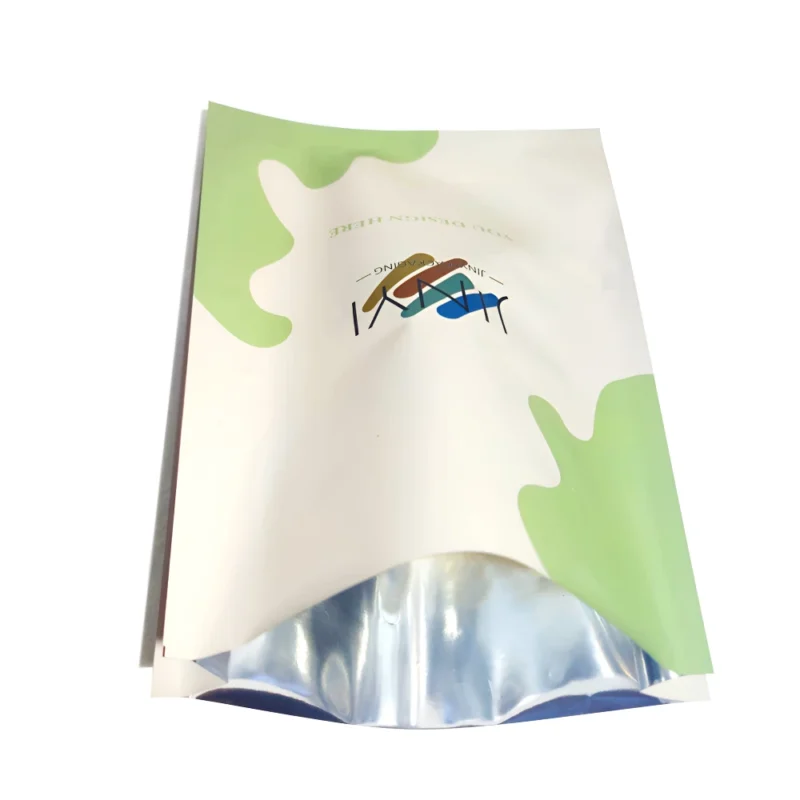
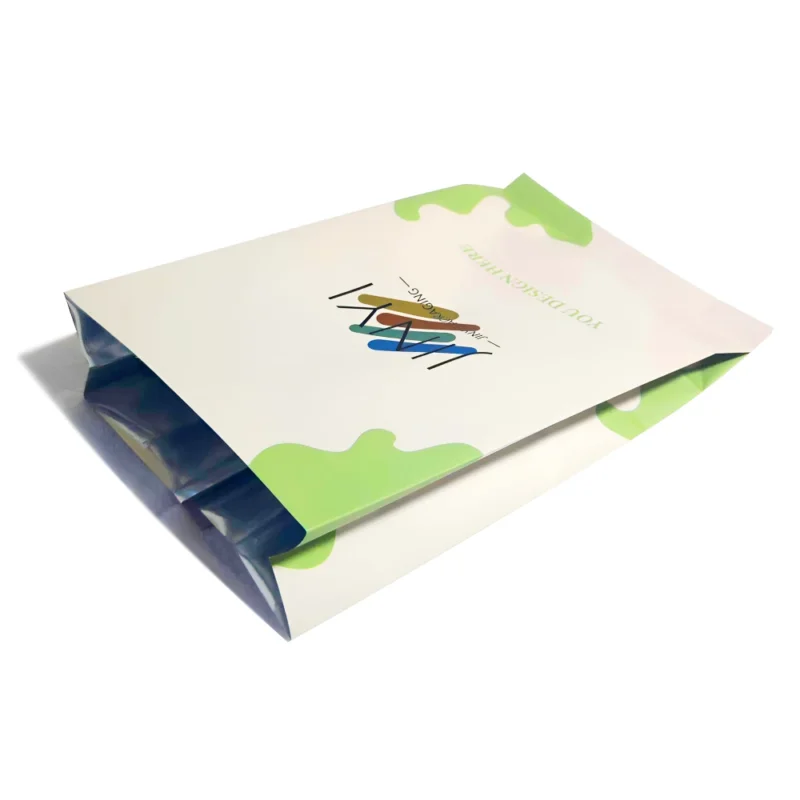
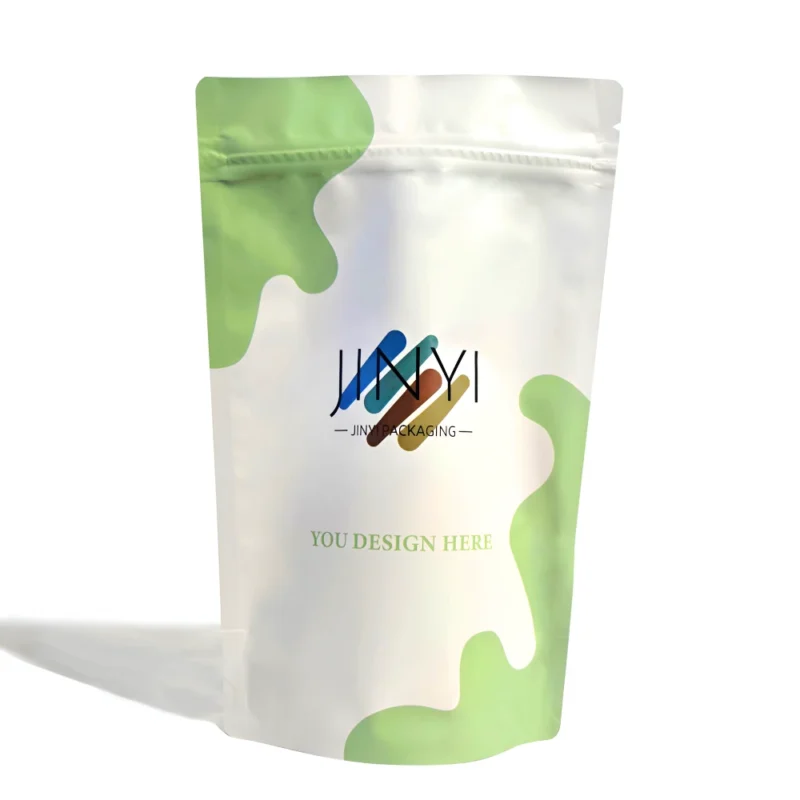
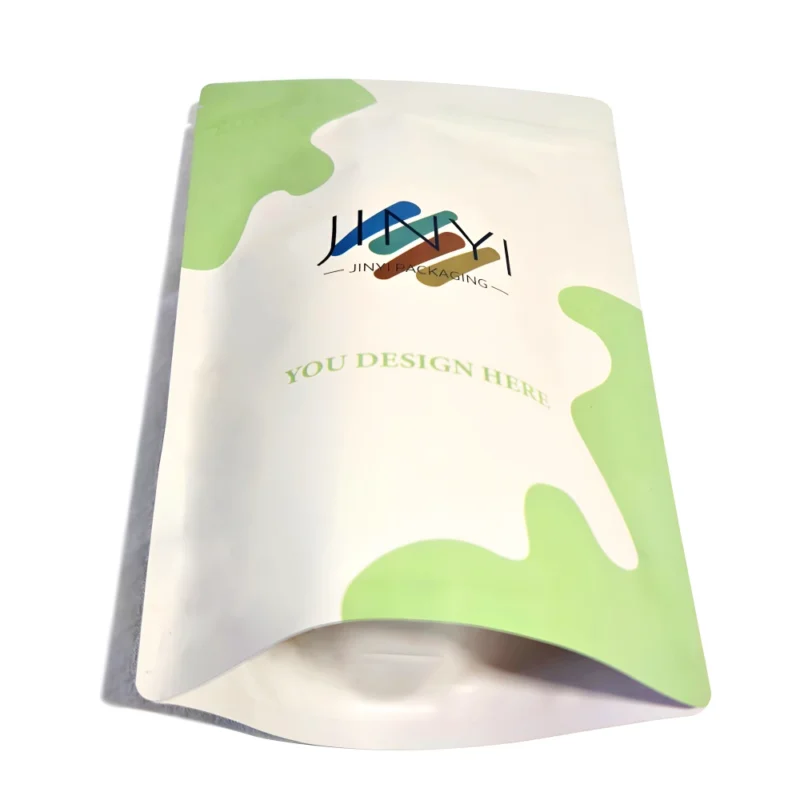
Aroma complaints can kill repeat orders. Buyers blame “weak seasoning,” even when the recipe did not change. Most failures start with oxygen, moisture, and post-open exposure that packaging did not control.
Aroma usually fades early through four combined paths: volatiles escaping, oxygen-driven oxidation, aroma absorption into packaging (“scalping”), and repeated opening cycles. Barrier specs help only when they match the dominant path and the seal/reseal system stays tight.

As a flexible packaging manufacturer, we focus on measurable risk controls. This guide turns “lost aroma” into checkable specs, realistic boundaries, and proof cues buyers can trust.
See food packaging structures built for aroma + moisture risk
What do buyers mean by “aroma fades,” and what does it actually measure?
A buyer does not mean “it smells less” in a scientific way. A buyer means a repeatable drop in perceived intensity, plus more “flat” taste after storage or after opening. That is a measurable system outcome.
The most useful definition is practical: aroma fade happens when the package no longer delivers the expected smell on first open and the flavor tastes muted under normal home use within the intended shelf life.
Complaint language to mechanism mapping
Brands often chase the wrong fix because the complaint is emotional, not technical. A stronger film can still fail if the aroma was absorbed by the inner layer, or if the zipper leaks after three kitchen openings. The fastest way to diagnose is to translate review phrases into mechanisms and checks. “Smells weak” can be volatile loss or scalping. “Tastes flat” can be oxidation. “Clumps” often signals moisture pickup and also reduces aroma release during use. A “cardboard/plastic” note can come from odor contamination or interaction with packaging materials. A report-like approach uses the same table for every SKU and forces a consistent root-cause method instead of guesswork.
| Buyer phrase |
Most likely mechanism |
What to check first |
Fastest fix direction |
| “Aroma is weak” |
Volatile loss or scalping |
Storage time/temperature, structure type, inner layer |
Upgrade structure and reduce absorption risk |
| “Tastes flat / stale” |
Oxidation (oxygen exposure) |
System oxygen ingress: film + seals + pinholes + reseal |
Lower OTR plus better seal integrity |
| “Clumps / not free-flowing” |
Moisture pickup and caking |
WVTR, reseal leakage, open/close frequency |
Lower WVTR plus stronger reseal discipline |
| “Smells like cardboard/plastic” |
Odor contamination or material interaction |
Storage near odor sources, material selection, migration risk |
Improve storage controls and material choices |
Evidence (Source + Year):
Reineccius, Flavor Chemistry and Technology (CRC Press, 2005).
ASTM D3985-24, Oxygen Gas Transmission Rate (ASTM International, 2024).
Why can aroma fade even when OTR looks good: volatile loss and “scalping”?
Many teams treat OTR as the full story. That is a mistake for spices. A package can block oxygen well and still lose aroma because aroma compounds leave the pack or get absorbed into the film.
Aroma can fade without oxidation when volatiles permeate out over time or when the inner layer absorbs key compounds. This is why “high barrier” claims often disappoint if the risk path is not identified.
Two non-OTR paths that quietly erase aroma
Spices and seasonings contain volatile compounds that are small, mobile, and sensitive to temperature. If the structure is thin or the storage time is long, some volatiles can diffuse out. In parallel, some polymers can absorb aroma compounds, especially when essential oils are present. Buyers experience this as “it used to smell stronger,” even when oxygen exposure is low. This is also why a material that feels “clean” at day one can still underperform at week eight. A practical report should separate oxidation loss from non-oxidation loss by storing samples under low-oxygen conditions and comparing aroma intensity changes. If aroma still drops, the primary driver is volatile permeation or scalping, not oxygen.
| Risk path |
What buyers notice |
What OTR/WVTR miss |
What to do |
| Volatile permeation out |
Smell fades over time |
Volatiles are not oxygen or water vapor |
Use higher barrier structures and reduce headspace time/heat |
| Scalping (absorption into film) |
Flat aroma even before “stale” notes |
OTR can look excellent |
Select inner layers with lower absorption risk for aroma oils |
Evidence (Source + Year):
Reineccius, Flavor Chemistry and Technology (CRC Press, 2005).
Yuan et al., “Kinetics of aroma scalping…” Food and Bioproducts Processing (2019).
What specs really protect spices: OTR/WVTR plus system leak paths and reseal reality?
Aroma protection is a system. Film numbers do not matter if seals leak or the zipper lets humid kitchen air in every day. Buyers trust performance when specs connect to real leak paths.
The safest approach is to treat OTR and WVTR as the entry specs, then add “system checks” for seals, pinholes, and reseal behavior under real use frequency.

Spec ladder: what to measure, and what it actually controls
OTR is mainly about oxidation risk. WVTR is mainly about moisture pickup and clumping. Both matter, but neither covers volatile permeation or aroma scalping. A report-like spec section should state test method language and conditions, because buyers compare suppliers on test comparability. After film specs, the real-world failures come from system leak paths: seal micro-leaks, pinholes, and weak reseal behavior. Reseal reality matters more for household jars, pouches, and shakers than many teams expect, because repeated opening cycles create daily oxygen and moisture exchange. A credible page does not promise “airtight forever.” It states “designed to slow oxygen and moisture pickup when stored sealed, cool, and dry,” and it includes a best-after-opening window.
| What you specify |
What it controls best |
What still can fail |
Buyer-proof cue |
| OTR (method stated) |
Oxidation-driven aroma loss |
Leaks, volatile loss, scalping |
OTR stated with test method + conditions |
| WVTR (method stated) |
Clumping and texture drift |
Reseal leakage, headspace cycling |
WVTR stated with method + “best after opening” guidance |
| Seal/reseal integrity plan |
System oxygen/moisture ingress |
User storage mistakes |
Clear storage boundary + normal vs abnormal cues |
Evidence (Source + Year):
ASTM D3985-24, Oxygen Gas Transmission Rate (ASTM International, 2024).
ASTM F1249-20, Water Vapor Transmission Rate (ASTM International, 2020).
Compare pouch structures by oxygen + moisture risk (not marketing words)
Which package structures match each spice risk profile without overpackaging?
Not every spice needs the same barrier. The right structure depends on what dominates: oxidation, moisture-driven clumping, or volatile loss and absorption. Overbuilding adds cost without stopping the real complaint.
A practical selection uses a risk profile first, then chooses the lowest structure tier that keeps performance inside a target range under the expected route and kitchen behavior.
Risk-matched structure logic buyers can copy
Powder seasonings often fail by moisture pickup after opening, because kitchens are humid and opening cycles are frequent. Those SKUs need strong WVTR control and a reseal that stays aligned. Oil-rich spices and chili blends often fail by oxidation, especially after heat exposure during shipping or storage. Those SKUs need stronger oxygen control, but only if seals and pinholes are controlled too. For aroma-sensitive blends with high essential oil content, volatile loss and scalping can dominate, so structure choice and inner-layer behavior matter even when OTR is low. A low-cost win is portioning: smaller packs reduce exposure cycles and keep headspace exchange low. This can outperform an expensive film upgrade for foodservice and high-frequency household use.
| Spice/seasoning profile |
Dominant risk |
What to prioritize |
Expectation to set |
| Fine powders (garlic/onion blends) |
Moisture pickup + clumping |
WVTR + strong reseal |
“Store sealed; best within X weeks after opening” |
| Oil-rich blends (chili, nut-based seasonings) |
Oxidation |
Lower OTR + seal integrity |
“Avoid heat; reseal tight” |
| Essential-oil heavy (herb mixes) |
Volatile loss + scalping |
Higher barrier tier + inner-layer fit |
“Aroma may fade faster in warm storage” |
| High-use foodservice |
Post-open exposure cycles |
Portion packs or frequent reseal |
“Use quickly after opening” |
Evidence (Source + Year):
ASTM F1249-20, Water Vapor Transmission Rate (ASTM International, 2020).
Flexible Packaging Association, 2024 State of the U.S. Flexible Packaging Industry Survey (2024).
Which proof cues build trust on-pack, and which “fresh aroma” claims backfire?
Buyers trust what they can verify. They do not trust absolute promises. Aroma is sensitive to heat, humidity, and opening behavior, so “always aromatic” claims are easy to disprove.
The strongest trust signals are bounded claims with method language, storage limits, and a clear normal-vs-abnormal checklist that reduces arguments and refunds.
Claim writing framework: replace vibe words with checkable boundaries
A credible spice page avoids “premium aroma” language and uses proof cues. A strong cue is method-aligned spec language for oxygen and moisture protection, plus clear storage boundaries. Another strong cue is a simple diagnostic: mild clumping that breaks apart can be normal in humid kitchens, while hard blocks, musty odor, or visible moisture indicate abnormal exposure. Brands also reduce skepticism when they explain trade-offs: stronger barrier reduces aroma loss, but only when resealed tightly and stored away from heat. A report-style checklist helps customer service and reduces review conflict because it turns “bad quality” into “what happened in storage.”
| Better proof cue |
Why it builds trust |
Backfire claim to avoid |
Safer wording |
| OTR/WVTR stated with test method |
It is comparable and checkable |
“High barrier” (no method) |
“Barrier specs available by request (method-stated)” |
| Best-after-opening window |
It matches real kitchen use |
“Stays fresh forever” |
“Best within X weeks after opening when resealed” |
| Normal vs abnormal checklist |
It reduces disputes and refunds |
“No clumping guaranteed” |
“Light clumping may occur in humidity; store cool and dry” |
Evidence (Source + Year):
ASTM D3985-24, Oxygen Gas Transmission Rate (ASTM International, 2024).
Reineccius, Flavor Chemistry and Technology (CRC Press, 2005).
Conclusion
Aroma protection works when brands match specs to the real loss path, then control seals and reseal use. If you want a risk-matched structure recommendation, contact JINYI.
Get a spice packaging structure recommendation
About Us
Brand: Jinyi
Slogan: From Film to Finished—Done Right.
Website: https://jinyipackage.com/
Our Mission:
JINYI is a source manufacturer specializing in custom flexible packaging solutions. We aim to deliver reliable, practical packaging systems that reduce communication cost, stabilize quality, and keep lead times clear for brand owners.
About Us:
JINYI is a source manufacturer specializing in custom flexible packaging solutions, with over 15 years of production experience serving food, snack, pet food, and daily consumer brands.
We operate a standardized manufacturing facility equipped with multiple gravure printing lines as well as advanced HP digital printing systems, allowing us to support both stable large-volume orders and flexible short runs with consistent quality.
From material selection to finished pouches, we focus on process control, repeatability, and real-world performance. Our goal is to help brands reduce communication costs, achieve predictable quality, and ensure packaging performs reliably on shelf, in transit, and at end use.
FAQ
1) Is low OTR enough to keep spices aromatic?
No. Low OTR helps oxidation, but aroma can still fade from volatile loss and scalping, especially over time and heat exposure.
2) Why do spices clump and also “smell less”?
Moisture pickup can cause caking and also reduce aroma release during use, so buyers perceive weaker aroma even if the formula is unchanged.
3) What matters more after opening: film barrier or reseal quality?
Reseal quality often dominates because repeated opening cycles drive daily oxygen and moisture exchange in real kitchens.
4) Which claim is safer: “high barrier” or “best within X weeks after opening”?
“Best within X weeks after opening” is safer because it sets a boundary that matches real use and reduces skepticism.
5) How can a brand diagnose “lost aroma” without lab instruments?
A simple approach compares storage temperature, opening frequency, and humidity across samples, then checks whether the failure aligns with oxidation, moisture pickup, or volatile loss behaviors.