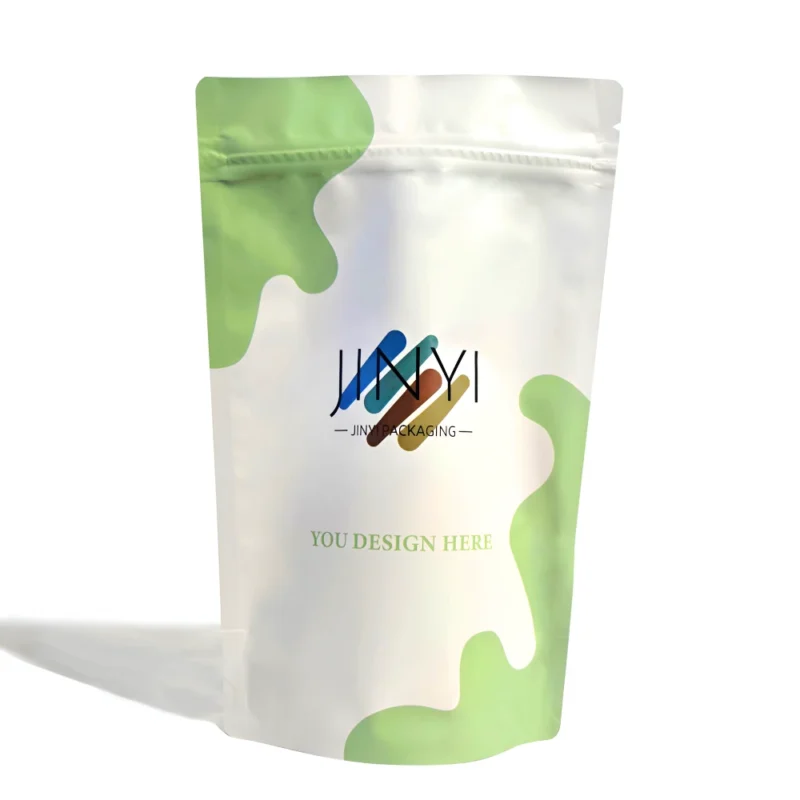
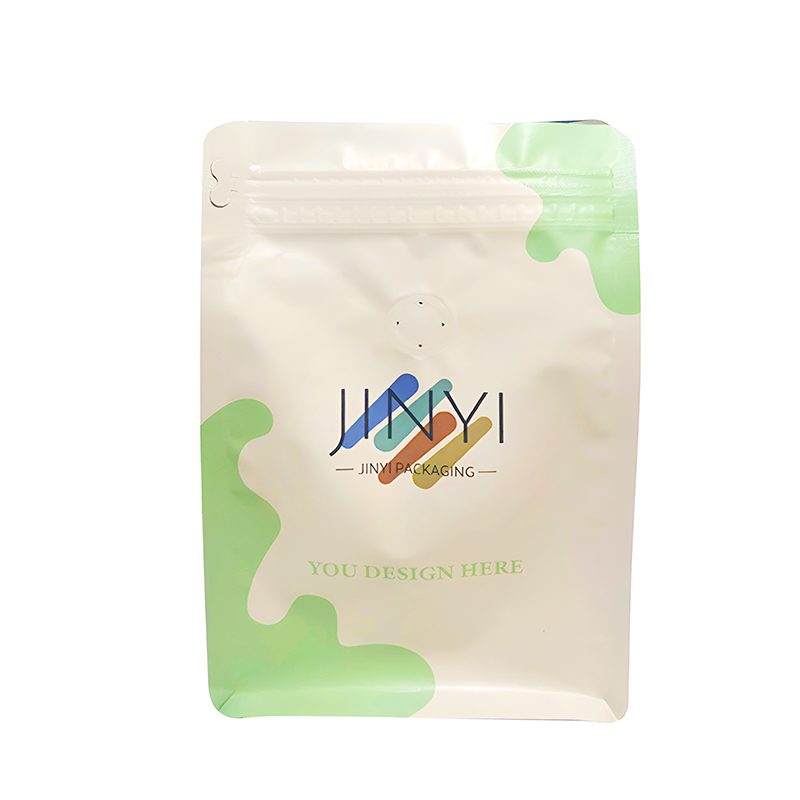
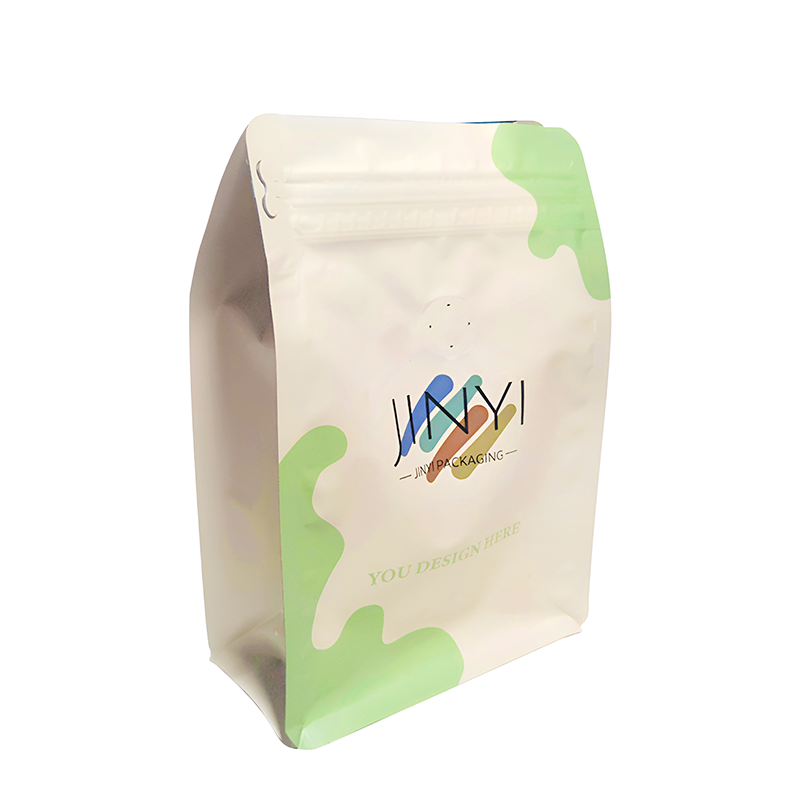
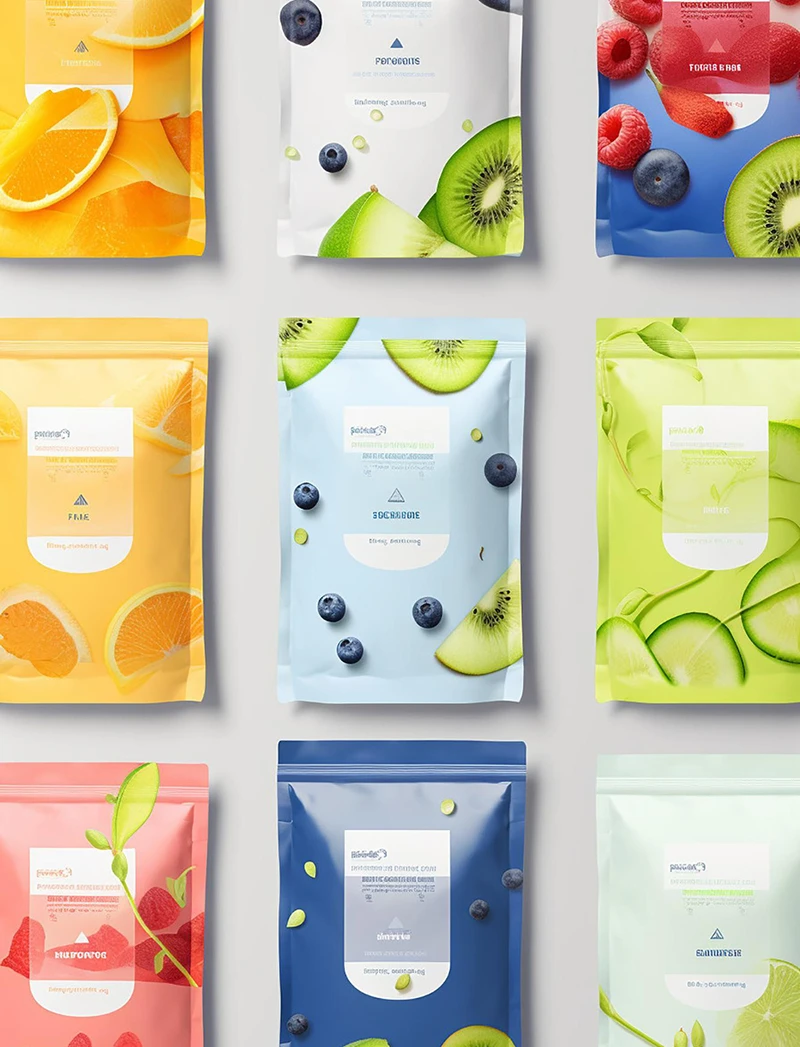
Many buyers chase more features. Then protection, cost, or display starts fighting back.
I judge stand up pouch packaging by one rule: barrier, zipper, and shelf display must work together, because stronger in one area can create trade-offs in another.
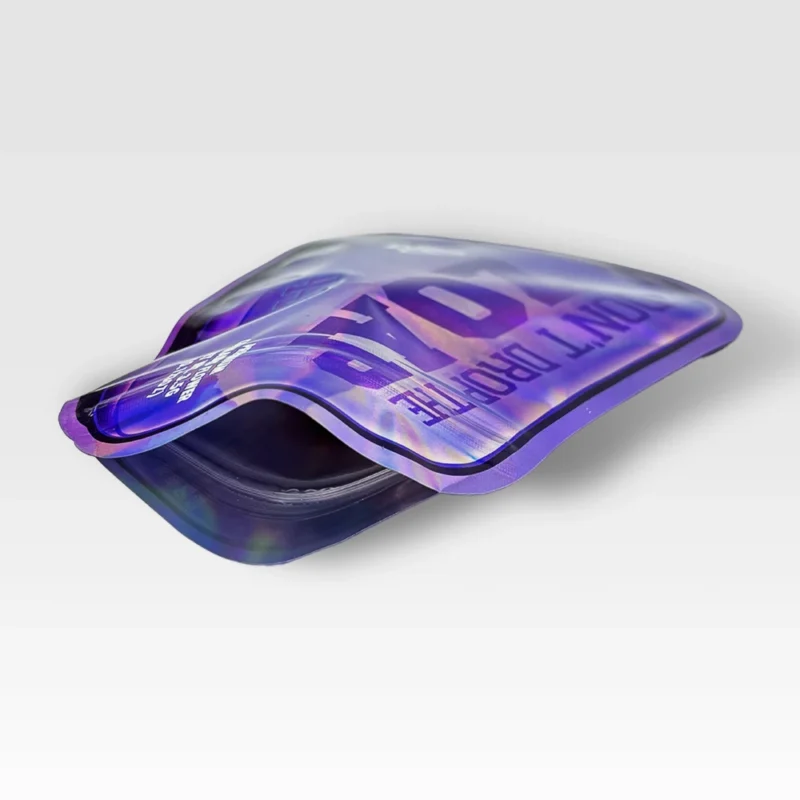
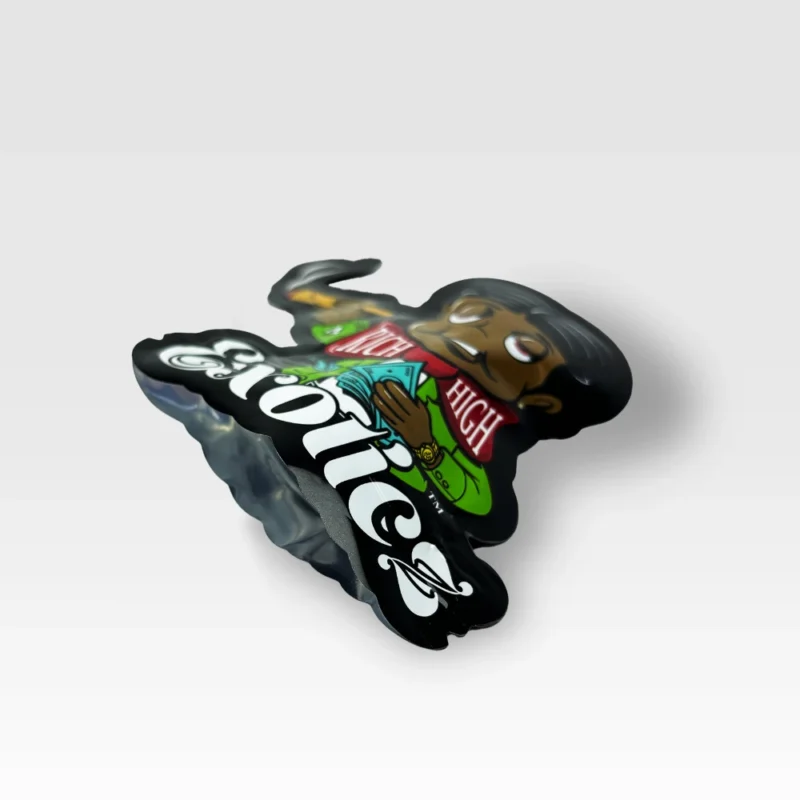
Explore stand up pouch options built for real barrier needs, reclose use, and retail display.

I do not treat these as separate features. I treat them as one packaging balance that starts with product risk and ends with real shelf performance.
What Does “Barrier” Really Mean in Stand Up Pouch Packaging?
Many buyers hear “high barrier” and assume higher is always safer.
I define barrier by the product’s first real failure path, because moisture, oxygen, light, and aroma loss do not threaten every product in the same way.
My engineering view
I do not start with “Do we need high barrier?” I start with “What damages this product first?” A crispy snack may fear moisture. A fatty snack or coffee may fear oxygen. Some powders and supplements may fear both, and some products also fear light. From a production standpoint, this matters because wrong barrier logic often leads to the wrong structure, the wrong cost, and the wrong expectation. I treat barrier as targeted protection, not as a premium word. When I define the real loss path first, the rest of the pouch decision becomes much cleaner.
| Main threat |
What I focus on |
| Moisture |
WVTR control |
| Oxygen |
OTR and seal path |
Evidence: ASTM F1249-20; FDA Food Labeling Guide (2025).
Why Is Material Structure Only Part of Barrier Performance?
A strong laminate can still become a weak pouch.
I never judge barrier by laminate name alone, because the finished pouch can fail first at seals, folds, zipper zones, or transport damage points.
My engineering view
Many buyers stop at the film structure. I do not. I want to know whether the converted pouch still holds protection after sealing, folding, loading, and shipping. In real manufacturing, this detail often determines the true weak point. A pouch with strong material data can still lose protection if the seal is inconsistent, the zipper area becomes vulnerable, or abrasion creates local damage. From our daily packaging work, we see that barrier is a system result. The material matters, but the finished package matters more. That is why I care as much about seal integrity and finished-bag behavior as I care about the laminate itself.
| Component |
Hidden risk |
| Laminate |
Looks strong on paper |
| Finished pouch |
May fail at seals |
Evidence: ASTM F88/F88M-23; ASTM D3078-02(2021)e1.
How Should Buyers Judge Whether a Zipper Is Actually Worth Adding?
A zipper can make a pouch feel premium, but feeling premium is not the same as being useful.
I add a zipper only when repeated opening and storage are real parts of the product’s use cycle, not just because the sample looks more complete.
My engineering view
I ask one question first: will the product be opened more than once in a meaningful way? If the answer is yes, a zipper often earns its cost. If the product is single-use, very small, or highly price-sensitive, the zipper may add more complexity than value. From a production standpoint, this matters because the zipper changes bag mouth structure, production steps, cost, and the way the consumer interacts with the pack. I treat the zipper as a functional part of the system, not as decoration. It should solve a use problem, not just improve the look of the sample.
| Use pattern |
My zipper view |
| Multi-use product |
Usually worth it |
| Single-use product |
Often unnecessary |
Evidence: FDA labeling and use-pattern considerations; finished-pouch design review.
Does a Zipper Improve Convenience, Shelf Life, or Both?
Many buyers expect the zipper to do more protection work than it really can.
I separate convenience from initial package protection, because the zipper mainly helps repeated use after opening and does not replace the original seal system.
My engineering view
I always break this into two questions. First, how does the pouch protect the product before first opening? Second, how does it behave after the consumer starts using it? The zipper helps with daily reopening, cleaner handling, and short-term storage between uses. But it is not the same as the first hermetic seal. In real manufacturing, this detail often determines whether expectations stay realistic. If buyers expect the zipper to replace the need for good seals and proper barrier structure, the project will be judged by the wrong standard. I use the zipper to improve use convenience. I use the seal system and structure to protect the product from the start.
| Function stage |
Main job |
| Before opening |
Seal and barrier protect |
| After opening |
Zipper improves reuse |
Evidence: ASTM F88/F88M-23 seal strength method; ASTM D3078-02(2021)e1.
Why Does Shelf Display Depend on More Than Just Good Artwork?
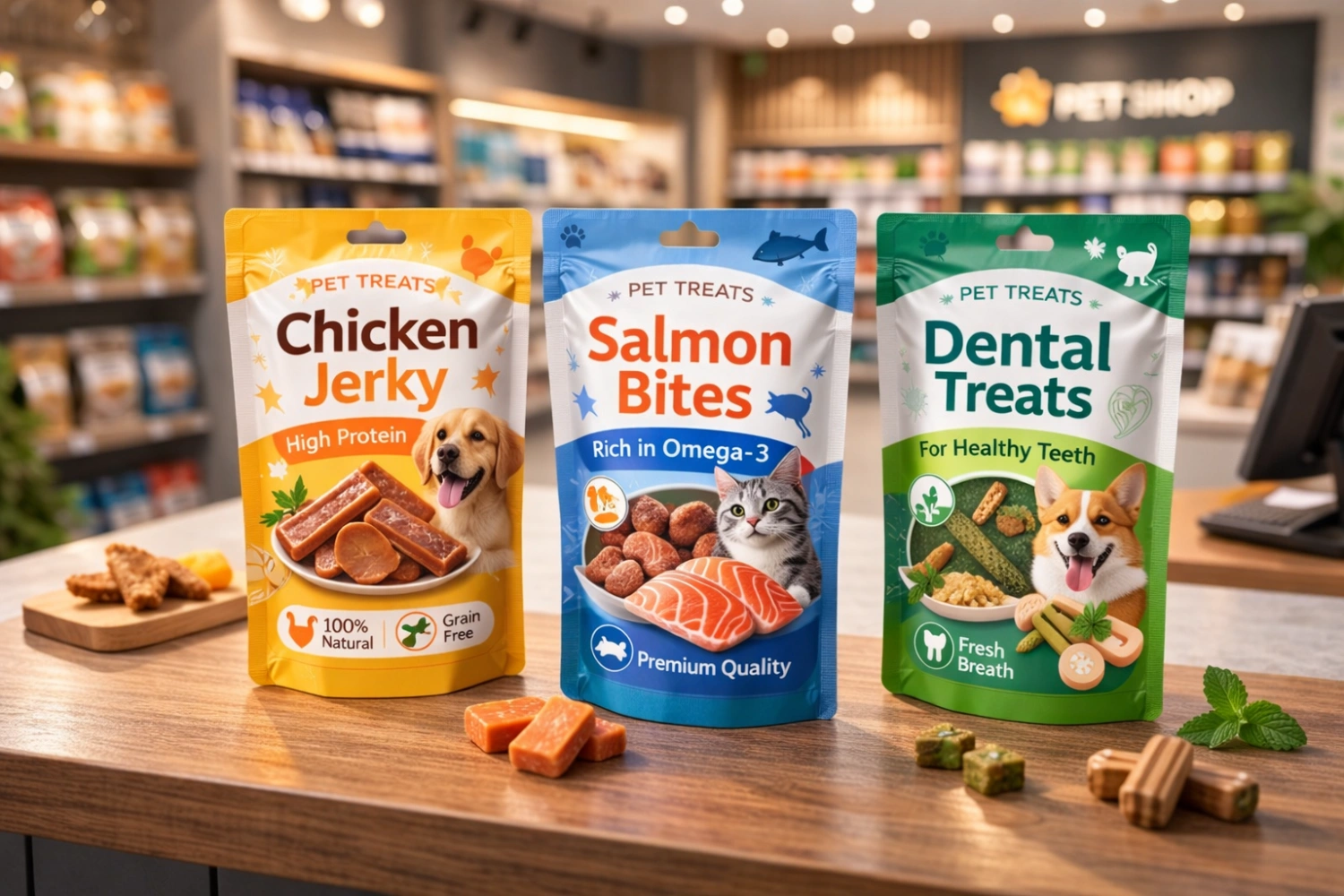
Great graphics cannot save a pouch that stands badly or deforms after filling.
I judge shelf display by the filled pouch, because structure, stiffness, and shape control decide whether the artwork can still present well in real retail conditions.

My engineering view
Many teams treat shelf display as a design issue only. I do not. I look at whether the pouch can hold a stable front face after filling. If the bag leans, balloons, wrinkles, or leaves too much weak top area, the artwork loses strength fast. From our daily packaging work, we see that shelf display is the result of filled shape control. Material stiffness, dimensions, headspace balance, and bottom support all matter. A pouch does not perform on shelf as a flat file. It performs as a filled retail object. That is why I judge graphics only after I judge structure.
| Display factor |
What goes wrong |
| Weak standing shape |
Artwork loses impact |
| Poor headspace control |
Shelf look becomes messy |
Evidence: Form-fill-display evaluation; finished pouch stability review.
How Do Pouch Dimensions and Bottom Gusset Shape Affect Shelf Presence?
A pouch can hold enough volume and still look wrong on shelf.
I judge shelf presence through width, height, bottom gusset depth, center of gravity, and upper empty area together, because capacity alone does not create a strong retail shape.
My engineering view
I do not select dimensions by fill volume alone. I want to know how the pouch will look after filling and after it stands on shelf for real. If the pouch is too tall and narrow, the display can feel weak. If the bottom gusset is mismatched, the pouch may not stand flat enough. If top empty space is excessive, the front panel can feel loose and less premium. From a production standpoint, this matters because dimensions are part of the display system, not just storage math. A good bottom gusset does more than help the pouch stand. It helps the whole front face present like a complete retail unit.
| Dimension choice |
Shelf effect |
| Balanced width-height |
Stronger front presence |
| Right gusset depth |
Better standing stability |
Evidence: Filled-shape review; ASTM F2054/F2054M-13(2024) for pressure-related package behavior.
How Do Barrier, Zipper, and Shelf Display Influence Each Other in One Real Pouch?
These are not three isolated upgrades that can be stacked without cost.
I treat barrier, zipper, and shelf display as a linked system, because improving one area can change stiffness, transparency, structure, cost, or use behavior in another.
My engineering view
This is the part buyers miss most often. If I raise barrier, I may affect material feel, transparency, or cost. If I add a zipper, I change the mouth structure and the production path. If I push for stronger shelf display, I may need different dimensions, less window area, or a different proportion. In real manufacturing, this detail often determines whether the pouch becomes balanced or overbuilt. I do not optimize each item separately. I rank them together and look for the best overall result. A mature pouch design is not the one with every feature turned up. It is the one with fewer internal conflicts.
| Choice |
Possible trade-off |
| Higher barrier |
Feel, look, cost shift |
| Add zipper |
Structure and cost change |
Evidence: ASTM F1249-20; ASTM F88/F88M-23; ASTM D3078-02(2021)e1.
What Should Buyers Prioritize First When They Cannot Optimize Everything at Once?
Most real projects are constrained by budget, timing, MOQ, and channel pressure.
I prioritize the factor that most directly protects the product result first, then I build the zipper and display choices around that priority.
My engineering view
I do not ask for the strongest package in every direction. I ask what failure hurts the project most if we get it wrong. If the product is highly sensitive, barrier rises first. If the product is used over time, zipper value rises. If retail impact drives sales, shelf display moves up. From our daily packaging work, we see that buyers rarely fail because one feature was missing. They fail because priorities were never ranked clearly. Good stand up pouch packaging is not about adding everything. It is about protecting the most important outcome first, then making the rest of the pouch support that decision.
| Project pressure |
What I prioritize |
| Sensitive product |
Barrier first |
| Retail-driven sale |
Display weight rises |
Evidence: FDA labeling guidance; ASTM seal, WVTR, leak, and burst methods.
About Us
JINYI — From Film to Finished—Done Right. I build custom flexible packaging as a real working solution, not just a visual surface. With 15+ years of production experience, multiple gravure lines, and HP digital printing systems, I support both stable large-volume runs and flexible custom projects. I care about how packaging performs in transport, on shelf, and in the customer’s hands, because structure, print, and real use have to match.
FAQ
Does higher barrier always mean a better pouch?
No. I match barrier to the product’s real failure path. Overbuilding can add cost without improving the result.
Should every stand up pouch have a zipper?
No. I add a zipper when repeated opening and storage are real parts of the use cycle.
Can a zipper replace a strong original seal?
No. I treat the zipper as a reuse feature, while the original seal protects the product before first opening.
Why can a pouch with great artwork still look weak on shelf?
The usual causes are poor filled shape, wrong dimensions, weak standing balance, or too much uncontrolled top space.
What should I prioritize first if budget is tight?
I prioritize the factor that most directly protects the product result, then I build the rest of the pouch around it.