Shelf life fails in different ways, but many teams pick one “preservative lever” and expect it to solve everything. That shortcut often creates spoilage, returns, and confusing shelf-life claims.
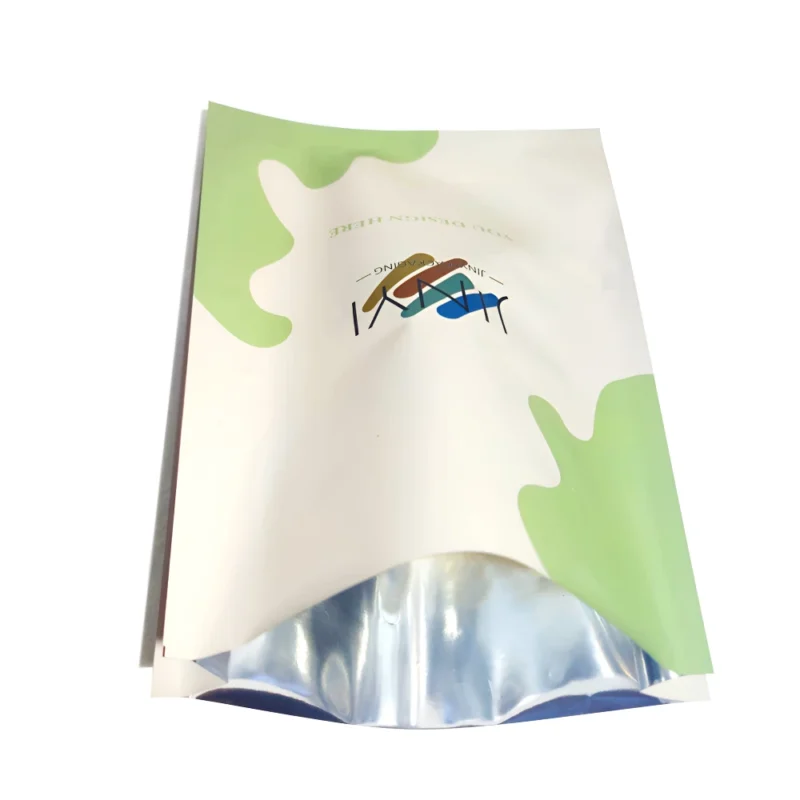
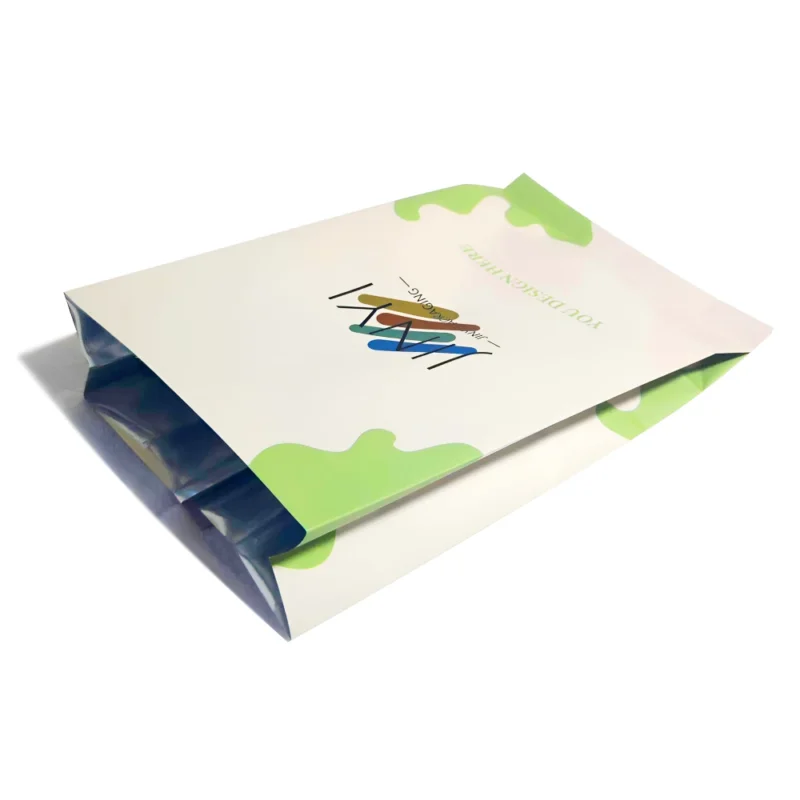
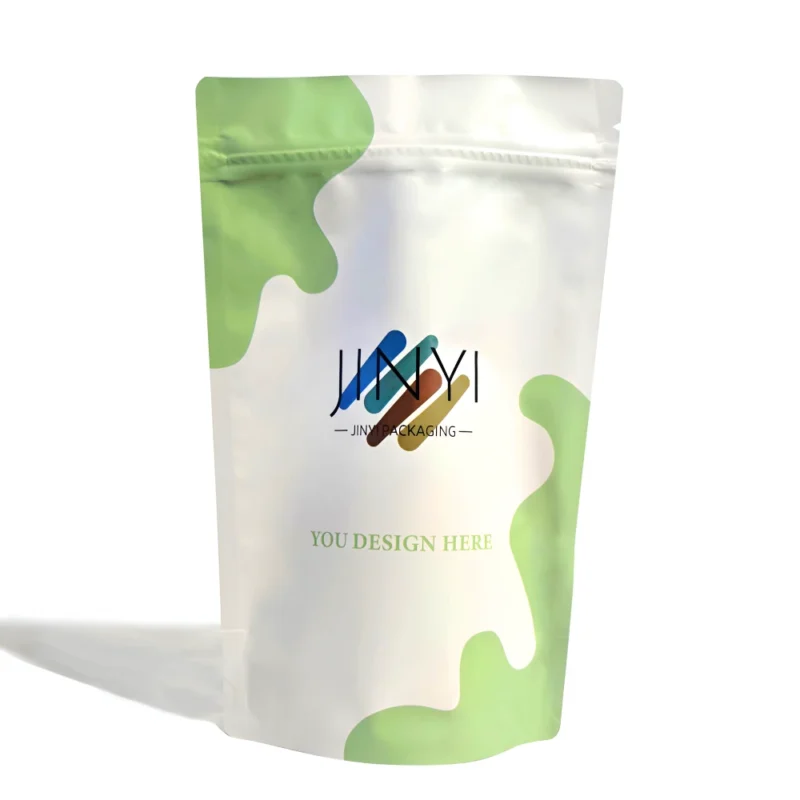
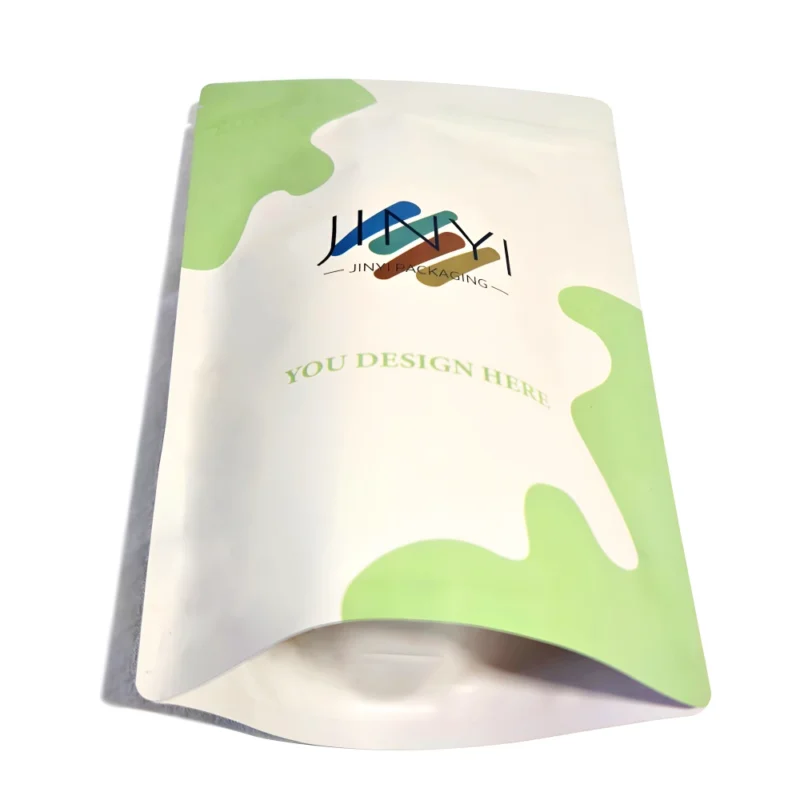
No single ingredient controls shelf life most in all foods. Sugar and salt mainly reduce water activity (aw), acid mainly lowers pH, and each stops being the main control when the dominant failure mode shifts to oxygen, moisture migration, or process limits. Explore packaging options that protect barrier, seals, and shelf stability for real distribution.

This article defines shelf life by two endpoints: microbial stability and sensory/quality stability. The “winner” changes depending on which endpoint is failing first.
What does “controls shelf life” mean: safety, spoilage, or quality drift?
Many shelf-life debates fail because people use one word for three problems. That creates wrong comparisons and wrong formulation targets.
In this article, “control” means the primary lever that blocks the dominant failure mode, first for microbes, then for quality drift. The same product can switch drivers over time.
Two endpoints, three failure engines, and one practical ranking
Shelf life has two big endpoints. The first endpoint is microbial stability, which covers safety and spoilage. The second endpoint is quality stability, which covers texture, flavor, and color drift. Sugar and salt mostly operate by reducing aw, which restricts microbial growth by limiting available water. Acid mostly operates by lowering pH, which inhibits many organisms, but it does not automatically stop every spoilage route. Quality drift can ignore both aw and pH if oxygen, light, or moisture migration drives oxidation, staling, or aroma loss. A practical ranking therefore starts with the dominant engine: if microbial growth is the first failure, aw and pH dominate; if quality drift is the first failure, packaging properties such as OTR, MVTR, and seal integrity become the control points. This definition prevents the common mistake of calling sugar “best” or acid “best” without stating what is being controlled.
| Shelf-life endpoint |
Typical failure engine |
What measurement matters most |
| Microbial stability |
Yeast/mold/bacteria growth |
aw, pH, process validation |
| Quality stability |
Oxidation, staling, softening |
Oxygen/moisture control, light, seals |
| Mixed systems |
Localized spoilage + drift |
Equilibrium pH + aw + packaging integrity |
Evidence (Source + Year):
U.S. FDA, Acidified Foods regulation (21 CFR Part 114) and the low-acid boundary concept (pH 4.6).
Leistner, “Basic Aspects of Food Preservation by Hurdle Technology” (2000).
When does sugar extend shelf life best, and when does sugar stop working?
Sugar often “works” in the lab but fails in real products with moist pockets, fillings, or poor moisture control. Those are the setups where people overtrust sweetness as a preservative.
Sugar helps most when it lowers aw enough to block microbial growth in high-solids foods. Sugar stops working when aw stays high, when sugar-tolerant yeasts/molds dominate, or when oxidation and moisture migration become the real failure.
aw control is strong in high-solids systems, but weak in uneven or moist structures
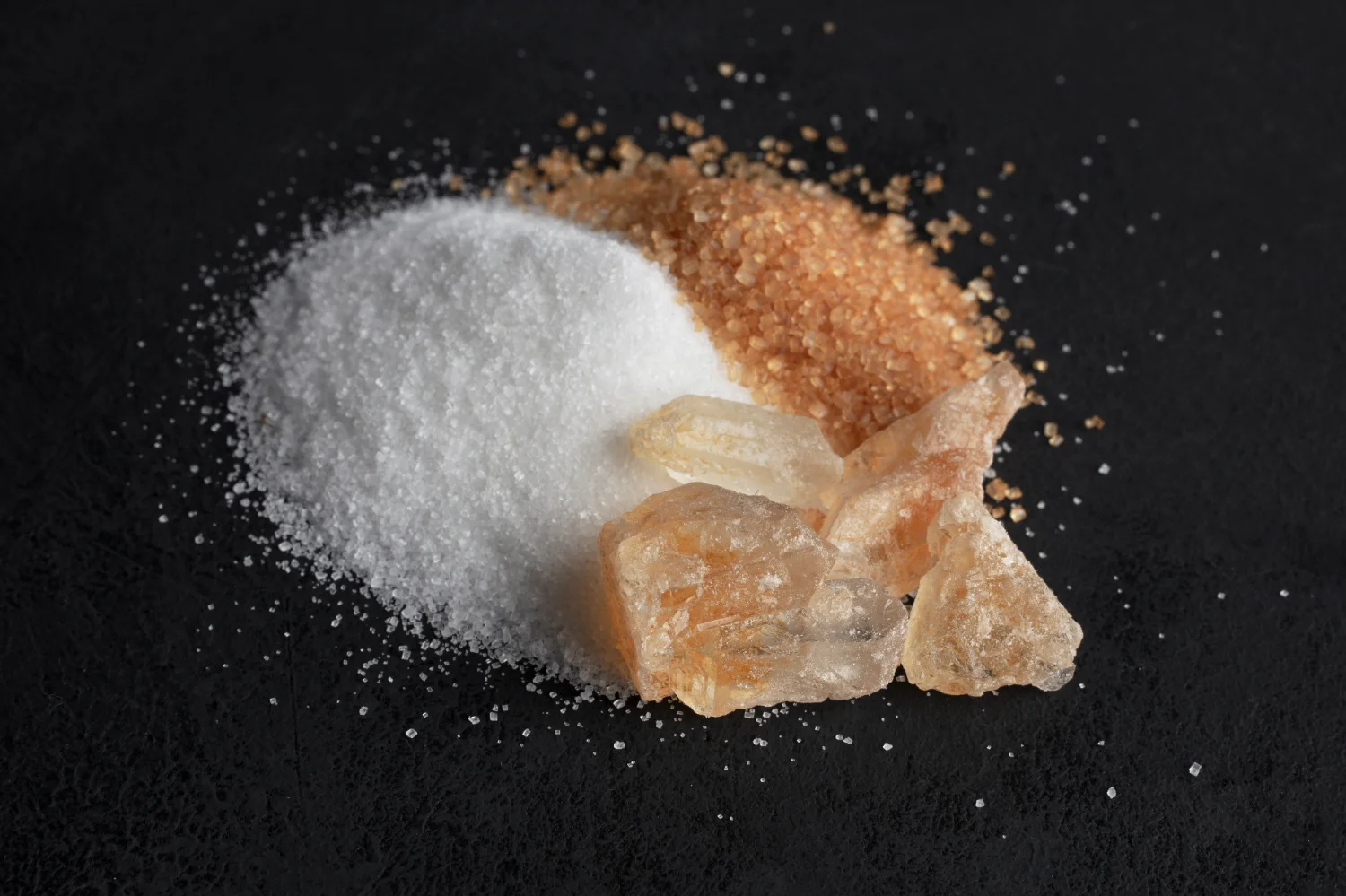
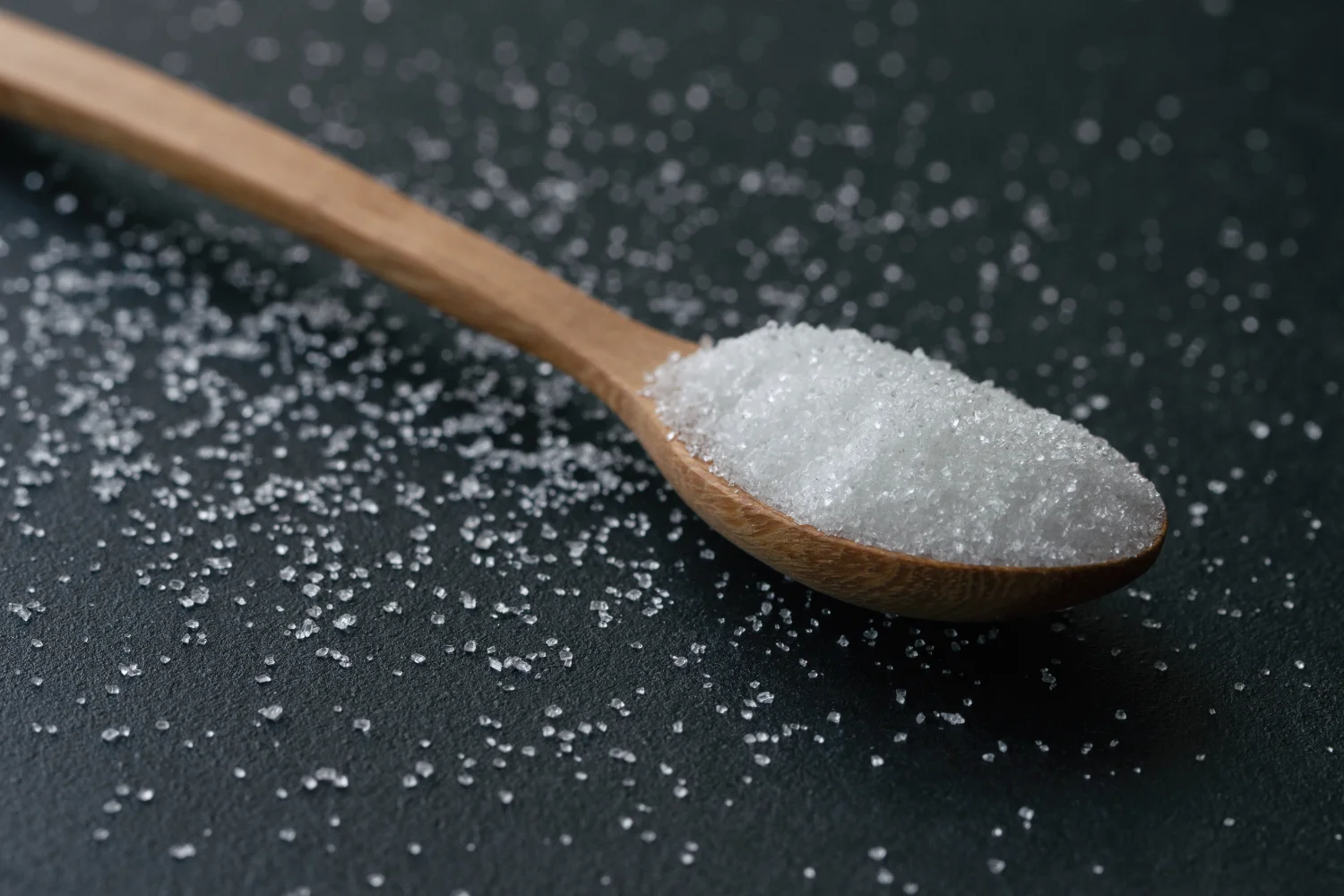
Sugar extends shelf life mainly by lowering water activity. That effect is strongest when sugar concentration is high and evenly distributed, such as in syrups, jams, and certain candies. Sugar stops being the main control when a product contains moist components that do not reach the same aw, such as soft centers, fruit inclusions, or layered bakery items. Those areas can support spoilage even when the overall formula looks “sweet enough.” Sugar also does not solve oxygen-driven quality drift. A high-sugar product can still develop off-flavors if fats oxidize or if aroma compounds escape through packaging. Sugar can also create quality penalties like crystallization, stickiness, and accelerated browning in some systems. A correct decision is therefore to treat sugar as an aw lever, not as a universal shelf-life lever. The team should verify aw in the wettest part of the product, not only in the bulk matrix.
| Product type |
Typical aw risk |
Common spoilage |
Practical limit |
| Jams/syrups |
Low if solids are high |
Osmotolerant yeasts |
Needs clean fill + seal integrity |
| Moist bakery/fillings |
Local high-aw pockets |
Mold growth |
Needs packaging moisture control |
| Sweet + fatty snacks |
Oxygen-driven drift |
Rancidity |
Needs low OTR packaging |
Evidence (Source + Year):
Jay, Loessner & Golden, “Modern Food Microbiology” (7th ed., 2005) on aw and spoilage behavior.
Leistner, “Basic Aspects of Food Preservation by Hurdle Technology” (2000).
When does salt preserve best, and why does salt alone rarely finish the job?
Salt can look like a strong preservative, but many salted foods still spoilage because salt does not distribute evenly or because oxygen and handling dominate failure.
Salt preserves best when it reduces aw and creates microbial stress in cured systems. Salt stops working when diffusion is uneven, when moisture remains high, or when oxidation and surface contamination become the main drivers.
Salt preservation depends on diffusion time, geometry, and companion hurdles
Salt lowers aw and adds osmotic stress that suppresses many microbes, so it is a powerful lever in cured foods. Salt does not automatically “finish the job” because distribution is rarely perfect. Surface salting is not the same as full diffusion, and short curing cycles can leave interior zones with higher aw. Salt also does not protect fats from oxygen-driven rancidity, and it does not prevent recontamination after processing if packaging and handling are weak. Many cured products therefore depend on companion hurdles such as drying, smoking, thermal steps, preservatives, and oxygen control. Salt can also carry sensory costs, because flavor limits can cap how far a formula can push aw reduction. A correct decision is to treat salt as one hurdle inside a system, then validate the wettest zone and the post-pack environment, not only the initial salt percentage.
| Salt strategy |
What it controls |
What it does not control |
Companion hurdle needed |
| Dry cure |
aw reduction over time |
Oxidation |
Low OTR packaging |
| Brine |
Surface microbial stress |
Uneven interior aw |
Time + temperature control |
| Salted snacks |
Some aw buffering |
Moisture pickup |
Low MVTR packaging |
Evidence (Source + Year):
ICMSF, “Microorganisms in Foods 6: Microbial Ecology of Food Commodities” (2nd ed., 2005).
Leistner, “Basic Aspects of Food Preservation by Hurdle Technology” (2000).
When does acid control shelf life best, and when does low pH stop being enough?
Many teams treat pH as a kill switch, then get mold growth or inconsistent stability in chunky or layered foods. That is usually a distribution and aw problem.
Acid controls best when equilibrium pH is verified and the product is formulated and processed to keep microbes out. Acid stops working when acid does not distribute, when aw remains high, or when oxygen enables yeast/mold growth despite low pH.
pH 4.6 is a boundary concept, but equilibrium pH is the real operational control
Acid preservation works by lowering pH, which can strongly inhibit many pathogens and spoilage organisms. In shelf-stable practice, pH 4.6 is widely used as a boundary concept tied to controlling the risk of toxin formation in low-acid versus acidified foods. Acid still “stops working” as the main control when real products do not reach a stable, uniform equilibrium pH. Chunky sauces, infused oils, and layered foods can hold micro-environments that are less acidic than the bulk. Acid can also be buffered by ingredients, which shifts the amount of acid needed to reach a target pH. Low pH also does not automatically stop molds and yeasts if aw is high and oxygen is available. A correct decision is to verify equilibrium pH in the coldest and thickest zones, confirm process and hygienic controls, and then use packaging to reduce oxygen ingress and contamination risk.
| Acidification style |
Main benefit |
Main risk |
Verification step |
| Vinegar/citric addition |
Fast pH shift |
Uneven distribution |
Equilibrium pH mapping |
| Fermentation |
Complex flavor + acid |
Process variability |
pH + aw + sanitation checks |
| Acidified chunky foods |
Shelf stability target |
Micro pockets |
Test thickest particles |
Evidence (Source + Year):
U.S. FDA, Acidified Foods regulation (21 CFR Part 114) and the low-acid boundary concept (pH 4.6).
IFT, “Food Processing and Preservation” references on equilibrium pH and buffering (2015).
When do sugar, salt, and acid stop being the main control, and why does packaging take over?
Some products still fail even when pH and aw look correct. Those failures usually come from oxygen ingress, moisture migration, or seal leaks during real distribution.
Packaging becomes the main shelf-life control when oxidation, aroma loss, moisture pickup, or contamination drives failure faster than microbial growth in the formula.

Barrier and seals decide whether a “stable formula” stays stable on shelf
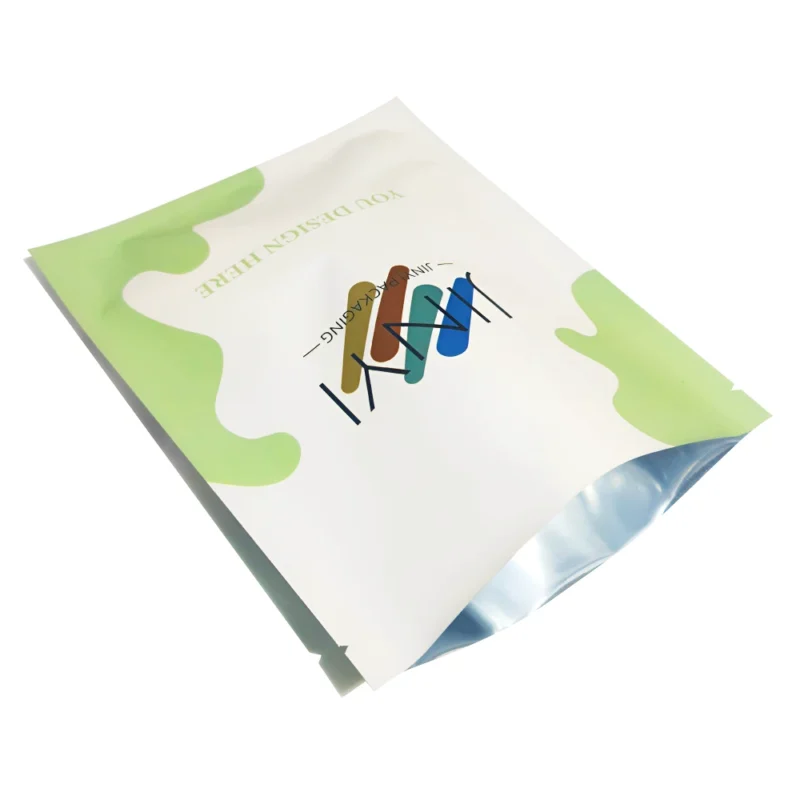
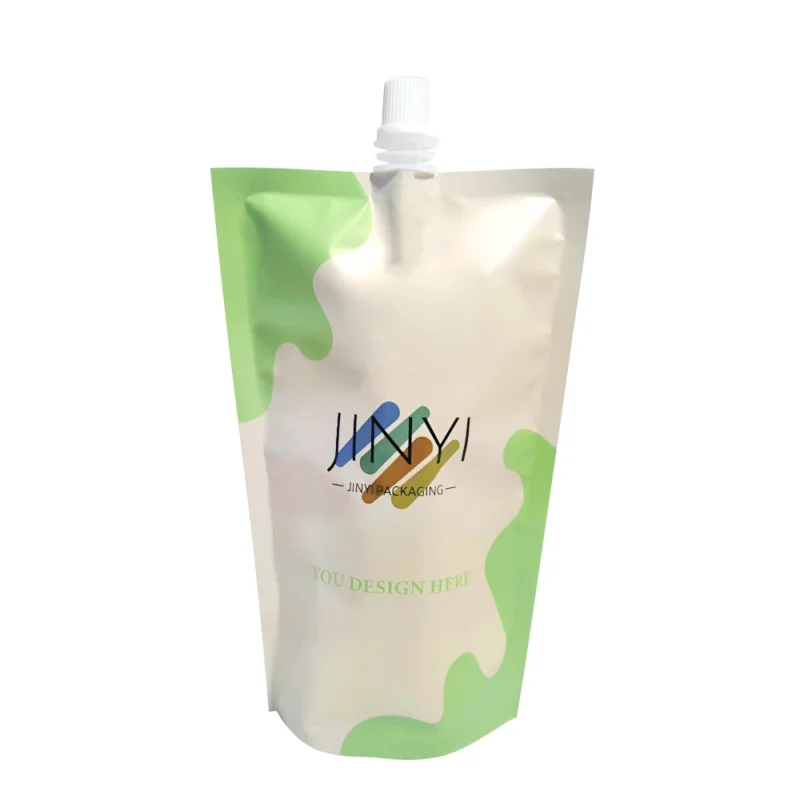
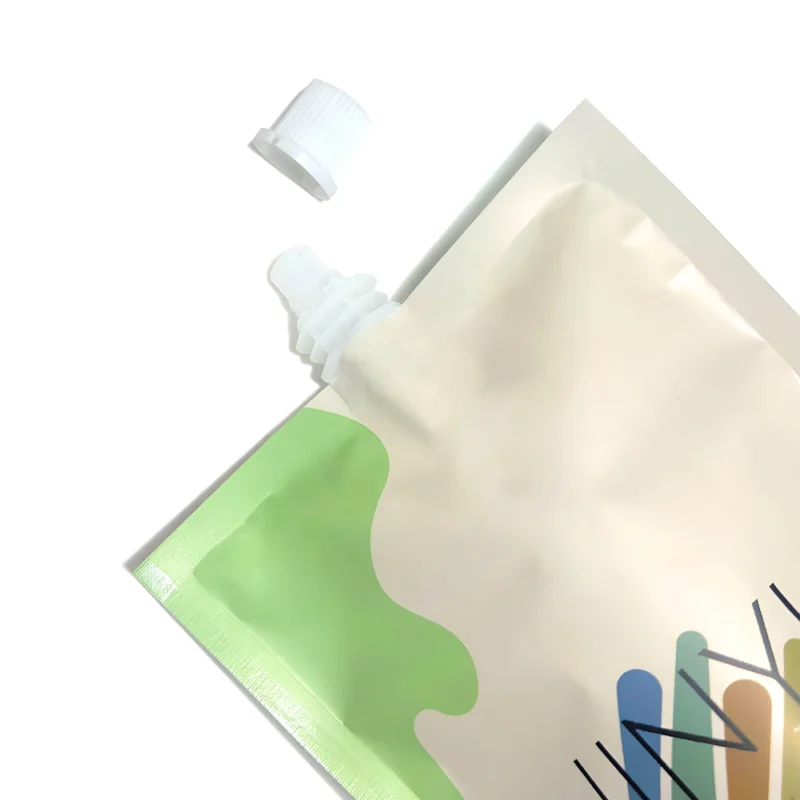
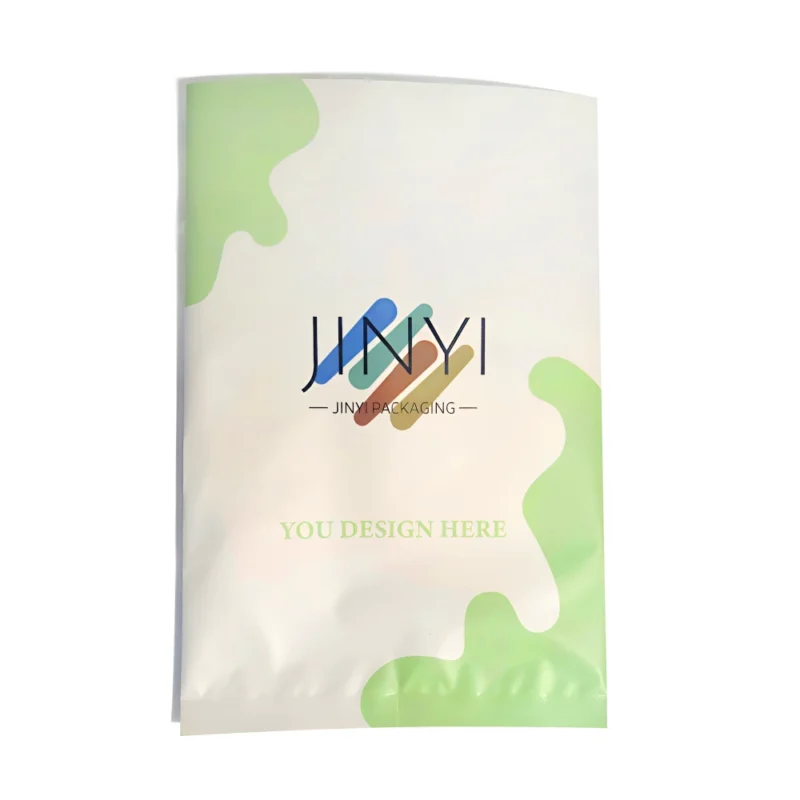
Packaging becomes the shelf-life boss when the dominant failure mode is external. Moisture ingress can raise aw over time, turning a “safe” product into a mold-prone product. Oxygen ingress can drive rancidity in fatty foods, dull flavors, and create stale notes even when microbes are controlled. Seal leaks can allow contamination and can collapse any benefit from sugar, salt, or acid. Light can accelerate oxidation and color loss in sensitive products. These failure engines are common in crackers, chips, nuts, dried fruits, and many ready-to-eat snacks where microbial growth is not the first limit. As a flexible packaging manufacturer, we focus on barrier selection, seal-window control, and scuff-resistant print so the product stays stable from warehouse to retail handling. See food packaging structures designed to reduce moisture pickup, oxygen exposure, and seal-related returns.
| Failure mode |
Packaging property needed |
Common example |
| Rancidity / aroma loss |
Low OTR + good seal integrity |
Nuts, high-fat snacks |
| Moisture pickup / staling |
Low MVTR + tight closures |
Crackers, chips |
| Contamination / leaks |
Seal strength + clean seal window |
Powders, granola |
Evidence (Source + Year):
Robertson, “Food Packaging: Principles and Practice” (3rd ed., 2013) on barrier functions and shelf life.
Leistner, “Basic Aspects of Food Preservation by Hurdle Technology” (2000).
Which lever should be pulled first for common food types, and what should packaging prioritize?
Many reformulations fail because teams pull the wrong first lever. A correct first lever matches the dominant failure engine for the product type.
High-moisture foods often need pH/process strategy first, sweet shelf-stable foods often need aw strategy first, and fatty snacks often need oxygen control first. Packaging priorities follow the same map.
A decision map that ties formulation to real-world distribution
A useful decision map starts with product moisture and fat content. High-moisture sauces and ready meals often face microbial risk first, so acidification and validated processing become primary controls, with packaging focused on seal integrity and contamination protection. High-solids sweet products often face yeast and mold as the main threats, so aw control via sugar and solids becomes primary, with packaging focused on moisture control and seal integrity to prevent aw rebound. Savory cured snacks often sit in the middle, so salt plus drying and oxygen control become a system, with packaging focused on oxygen barrier and stable seals. High-fat products often fail by oxidation before microbes, so oxygen control through packaging is the first lever even if aw is low. This approach keeps teams from overinvesting in one ingredient and underinvesting in packaging or process, which is where many shelf-life failures actually originate.
| Food type |
Primary lever |
Secondary lever |
Packaging priority |
| High-moisture sauces |
Acid + process |
Sanitation |
Seal integrity |
| Sweet shelf-stable |
Sugar (aw) |
Clean fill |
Low MVTR |
| Cured snacks |
Salt + drying |
Oxygen control |
Low OTR |
| High-fat snacks |
Oxygen control |
Antioxidant strategy |
Low OTR + light barrier |
Evidence (Source + Year):
Leistner, “Basic Aspects of Food Preservation by Hurdle Technology” (2000).
Robertson, “Food Packaging: Principles and Practice” (3rd ed., 2013).
How can teams validate which lever is working without guessing?
Many shelf-life projects rely on taste checks and hope. That approach misses localized failure zones and packaging-driven drift.
A simple plan measures equilibrium pH, aw in the wettest zone, and package integrity under realistic storage, then compares two packaging options to identify the true driver.
A minimal validation plan that matches real failure modes
A workable validation plan uses three measurements and one comparison. The team should measure equilibrium pH if acid is used, and the team should measure aw in the wettest part of the product if sugar or salt is used. The team should also test package integrity because many failures are seal-related. The team can then run a short shelf test at intended and abuse temperatures, and compare at least two packaging options with different oxygen or moisture barrier levels. The team should define pass/fail endpoints that match the product claim, such as mold onset, rancid note threshold, texture change, or leakage. The team should also record where failure starts, because surface mold, internal fermentation, and oxidative rancidity point to different root causes. This plan keeps decisions evidence-based and prevents teams from blaming formulation when the real issue is moisture pickup or oxygen ingress.
| Metric |
Tool |
Pass/fail logic |
Common mistake |
| Equilibrium pH |
Calibrated pH meter |
Meets target across zones |
Testing only the liquid phase |
| Water activity (aw) |
aw meter |
Wettest zone stays below target |
Testing only bulk average |
| Package integrity |
Leak check + seal inspection |
No leaks after handling |
Ignoring distribution handling stress |
Evidence (Source + Year):
AOAC International, Official Methods for food analysis and instrument validation practices (2019).
Robertson, “Food Packaging: Principles and Practice” (3rd ed., 2013).

Conclusion
Sugar and salt control microbes mainly through aw, acid controls many microbes through pH, and all three stop being primary when oxygen, moisture migration, or seals drive failure. Contact us to match packaging to your true shelf-life engine.
Get Food Packaging Recommendations
About Us
Brand: Jinyi
Slogan: From Film to Finished—Done Right.
Website: https://jinyipackage.com/
Our Mission:
JINYI is a source manufacturer specializing in custom flexible packaging. We deliver practical, production-ready packaging systems so brands get predictable quality, clear lead times, and reliable shelf and transit performance.
About Us:
JINYI has over 15 years of production experience in flexible packaging for food, snack, pet food, and daily consumer brands. We run multiple gravure printing lines and HP digital printing systems to support both stable large-volume orders and flexible short runs with consistent quality.
FAQ
1) Which controls microbial shelf life more, sugar or salt?
Sugar and salt both mainly work by lowering aw, so the stronger one is the one that lowers aw more in the wettest zone of the product.
2) Does pH alone make a product shelf-stable?
Low pH can strongly inhibit microbes, but shelf stability also depends on equilibrium pH, aw, processing, and oxygen exposure that can support mold or quality drift.
3) Why do sweet products still mold?
Osmotolerant yeasts or molds can grow if aw is not low enough, especially in moist pockets or after moisture pickup through packaging.
4) When does packaging matter more than formulation?
Packaging becomes dominant when oxygen, moisture migration, or seal leaks drive rancidity, staling, aroma loss, or contamination faster than microbes grow in the formula.
5) What is the fastest way to test which lever is working?
Measure equilibrium pH, aw in the wettest zone, and package integrity, then compare two packaging barriers under realistic storage to see which failure mode appears first.