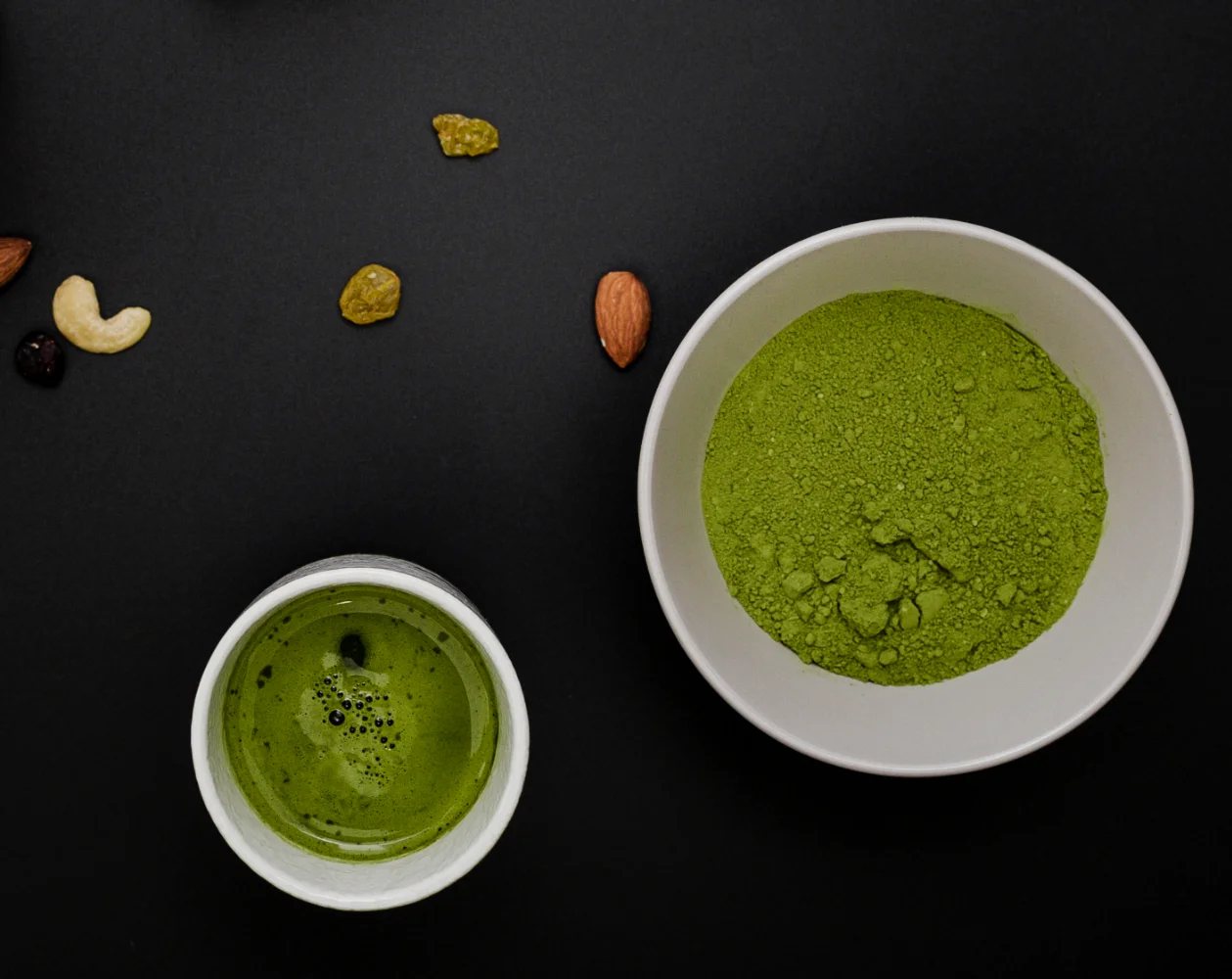
Matcha packs look clean and premium fast. Many buyers then miss the real difference. The product may be tea powder, or it may be a sweetened drink base.
Buyers should first check product identity. The most useful first step is to decide whether the pack is mainly pure matcha powder or mainly a sweetened or flavored mix, then read ingredients, added sugars, serving size, and intended use.
This distinction matters because the buying mistake often happens before any quality judgment even begins. A buyer may think the decision is between ceremonial and culinary grade, premium and basic, or Japanese and non-Japanese. Yet the more basic split often matters more. Is the product a plain tea powder meant to be whisked or blended by the user, or is it a beverage-style mix that already includes sugar, creamer, flavor, or milk solids? Those product types can both be legitimate, but they do not do the same job. A better label-reading method starts with identity first and quality second.
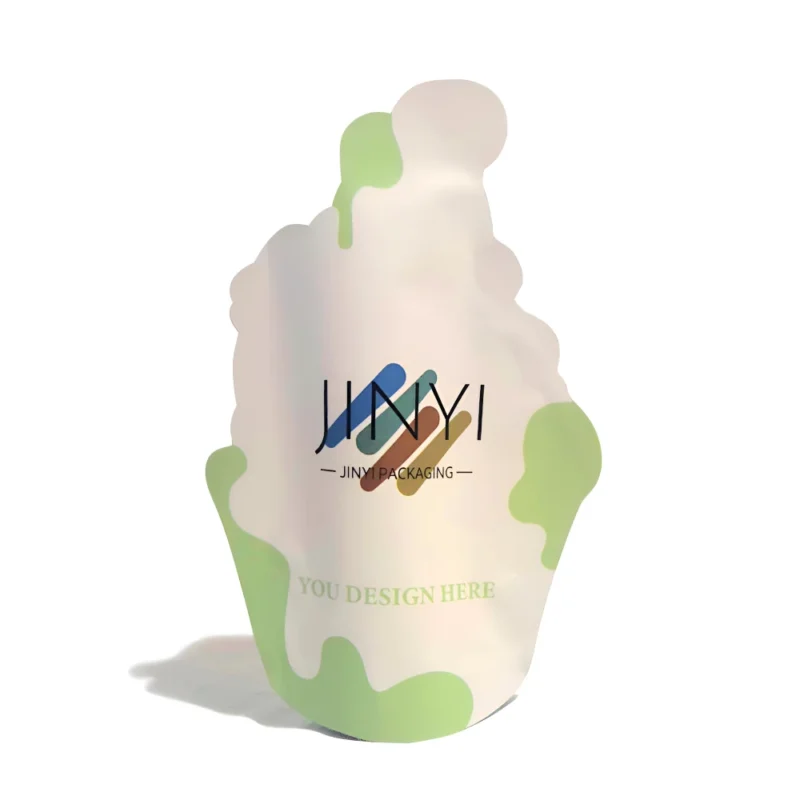
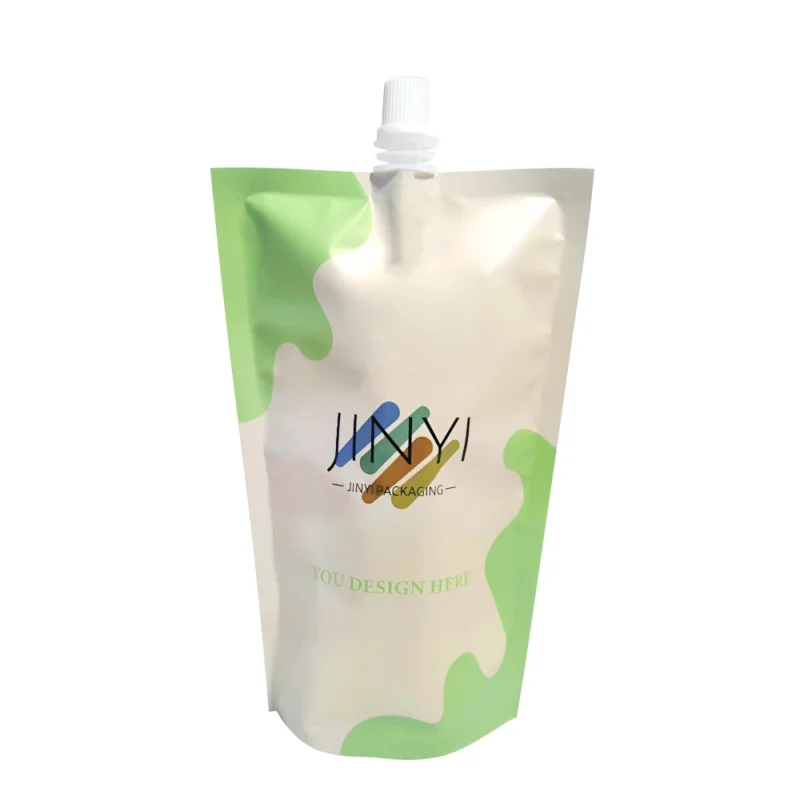
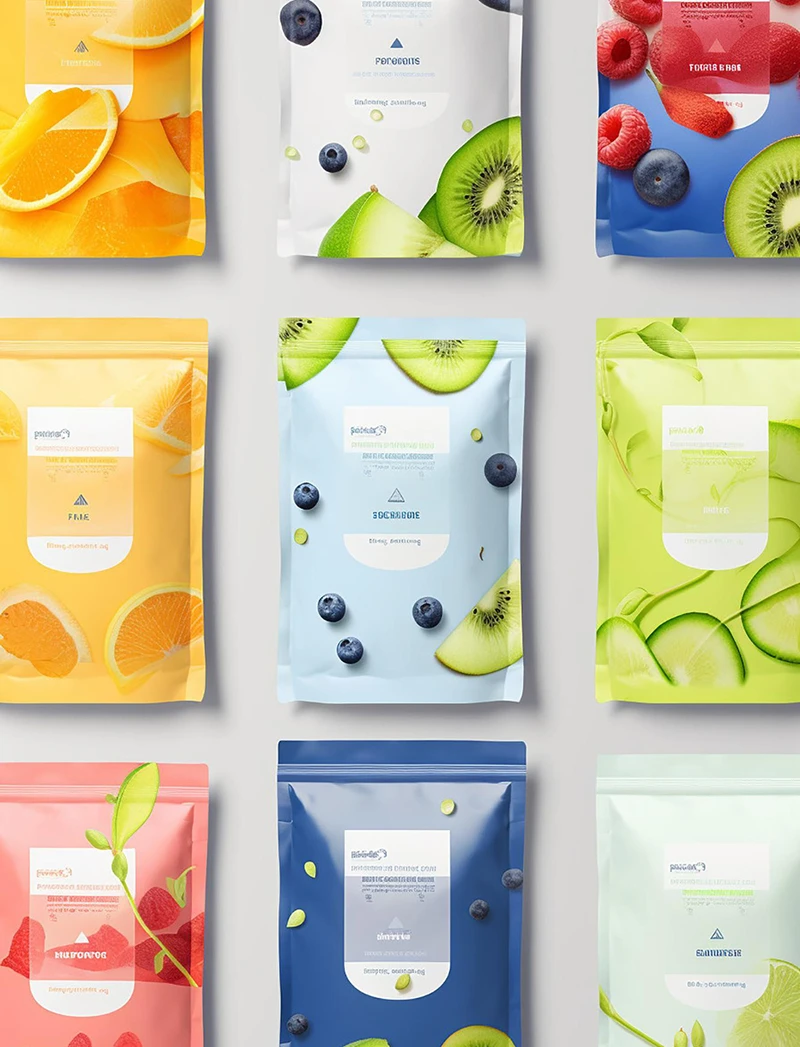
Use stand-up pouches that help buyers distinguish pure matcha from sweetened mixes faster and with less label confusion.
Is This Product Pure Matcha Powder or a Sweetened Matcha Mix?
Many packs use calm colors and premium words. Buyers then assume the product is simple tea powder. That assumption often fails at the ingredient list.
The first label question is product identity, not premium mood. Buyers should first decide whether the product is mainly matcha powder or mainly a sweetened or flavored mix.
Why product identity should come before quality judgment
This first split matters because pure matcha powder and sweetened matcha mix serve different roles. A pure powder is closer to an ingredient. It gives the buyer more control over sweetness, milk, texture, and concentration. A sweetened mix is closer to a ready-positioned beverage base. It may be designed for convenience, café-style taste, or a softer entry point for people who do not want matcha in its plain form. Neither type has to be dismissed. But a buyer should not confuse them.
The strongest first clue usually sits in the ingredient statement. If the product begins with matcha green tea powder or green tea powder and the ingredient list stays short, the pack is behaving more like a pure tea powder. If the first ingredients include sugar, creamer, milk solids, syrup solids, or flavor systems, the product is behaving more like a sweetened mix. This distinction is more important than many front-of-pack expressions because it answers the simplest question: what is this product mainly made of?
That is why better buying starts with identity. Before judging quality, buyers should first judge product identity. Many poor buying experiences happen because the buyer thought they were selecting among tea powders when they were actually comparing a tea powder with a sweetened beverage formula.
| First Buying Question |
If the Answer Looks Like Pure Matcha |
If the Answer Looks Like a Mix |
| What is the product mainly made of? |
Matcha appears first and the list stays simple |
Sugar, creamer, milk powder, or flavors appear high in the list |
| What job is the pack trying to do? |
Ingredient-style powder for flexible use |
Convenience drink or café-style preparation base |
| What should the buyer check next? |
Use case, origin, grade wording, color, and texture fit |
Added sugars, serving size, flavoring, and real drinking pattern |
Evidence (Source + Year):
FDA, Types of Food Ingredients, 2023.
21 CFR 101.4(a), ingredient listing by descending order of predominance by weight.
What Should Buyers Check First on the Ingredient List?
The ingredient list looks small and easy to ignore. It often gives the clearest answer on the whole pack.
Buyers should first check the first few ingredients. Those ingredients usually tell more than the front mood of the package because they show what is present in the greatest amount.
Why the first few ingredients often settle the product story
FDA requires ingredients on food labels to be listed in descending order by weight. That one rule gives buyers a powerful shortcut. If matcha is first, the product is signaling that tea powder sits at the center of the formula. If sugar comes first, the product is signaling something very different. If milk solids, non-dairy creamer, or natural flavors appear before matcha or immediately after it, the formula is moving closer to beverage mix logic than pure powder logic.
This matters because many matcha products are visually designed to feel cleaner than they really are. A label may say premium, authentic, café style, or ceremonial-inspired. Those phrases may guide mood, but they do not override ingredient order. The first ingredients usually matter more than the front mood of the pack. That is the more disciplined buying rule. A buyer can still choose a mix, but that choice should happen with full understanding of what the product actually is.
In practice, buyers should look for three things right away: whether matcha is first, whether sugar or sweeteners appear high in the list, and whether the ingredient list stays short or turns into a more built-out beverage system. Those three checks often reveal more than any soft premium word on the front panel.
| Ingredient Pattern |
What It Usually Suggests |
How Buyers Should Read It |
| Matcha first, very short list |
Pure or near-pure matcha logic |
Judge next by use case, color, texture, and grade or origin cues |
| Sugar first or near first |
Sweetened drink or dessert-style mix |
Do not read it as pure tea powder |
| Creamer, milk solids, or flavors appear early |
Convenience or café-style beverage base |
Judge it by sweetness, serving size, and use pattern |
Evidence (Source + Year):
FDA, Types of Food Ingredients, 2023.
FDA, Food Labeling Guide, ingredient order by predominance by weight.
How Much Can Added Sugars Tell Buyers About the Product?
Added Sugars look like a simple score. Buyers may then treat the number as a moral verdict. The label can do useful work without doing all the work.
Added Sugars can tell buyers whether a product behaves more like plain tea powder or more like a sweetened drink mix, but the number does not settle every quality or preference question by itself.
Why the Added Sugars line is powerful, but not complete
FDA now requires Added Sugars to appear on the Nutrition Facts label, and FDA explains a practical reading shortcut that is easy to use in shopping: 5% Daily Value or less is low, and 20% Daily Value or more is high. FDA also explains that added sugars include sugars added during processing, plus ingredients such as syrups, honey, and some concentrated juices used for sweetening. For matcha buyers, this is very helpful because it separates the green tea image from the actual sweetness structure of the product.
A buyer who sees meaningful Added Sugars should read the pack more as a drink mix or sweetened preparation base than as a plain tea powder. That does not mean the product is automatically poor. A sweetened mix may be completely reasonable for café-style use, quick preparation, or beginner-friendly taste. The better conclusion is narrower. Added Sugars mainly tell buyers how sweetened the formula is and how much the product has moved away from plain tea powder logic.
This is also where “no added sugar” and similar claims need caution. FDA rules set specific conditions for using those sugar-content claims. So buyers should not rely on soft sweetness language alone. They should still check the full panel and the ingredient list. Added Sugars are useful because they help define the product type and sweetness structure. They do not, by themselves, decide whether the product fits the buyer’s taste or purpose.
| Added Sugars Reading |
What It Can Tell Buyers |
What It Cannot Tell Buyers Alone |
| Low Added Sugars |
The product is not heavily sweetened per serving |
That it is automatically pure matcha or best for every use |
| High Added Sugars |
The product is behaving more like a sweetened mix |
That the product must be poor or irrational for every buyer |
| No Added Sugar wording |
There may be a regulated sugar-content claim in play |
That the rest of the product needs no further checking |
Evidence (Source + Year):
21 CFR 101.60, sugar-content claim conditions.
Why Does Serving Size Matter More Than Buyers Expect?
Per-serving numbers look neat and controlled. Real drinking habits are not. That gap can change the label meaning fast.
Serving size matters because Nutrition Facts are shown per serving, but real use may be much larger. Buyers should connect the label to how much they will actually prepare and drink.
Why real intake often changes the reading of a sweetened mix
FDA explains that serving sizes on the Nutrition Facts label are based on the amount people typically consume, not on how much they should consume. FDA also reminds buyers to check both servings per container and serving size. This matters a great deal for matcha mixes because a buyer may read Added Sugars or calories as if the product will always be used in exactly one serving. In practice, a buyer may use more powder for a stronger latte, fill a larger cup, prepare multiple drinks, or combine the mix with milk and extra sweetener.
That means a label that looks moderate on paper can behave differently in real life. A buyer may look at a sweetened mix and think the Added Sugars are not especially high, but then use one and a half or two servings in a single large drink. The effect is not only about sugar. It also changes calorie reading and the overall position of the product in a daily routine. This is one reason why plain matcha powder and sweetened mix are best read as different kinds of products. The pure powder leaves sweetness and portion design more open. The mix bakes more of those choices into the formula.
A label is per serving, but a buying decision should reflect real use. That is the more mature reading rule, especially for products that are frequently made into larger café-style drinks rather than small, controlled servings.
| Label View |
Real-Use Question |
Why the Buyer Should Ask It |
| Added Sugars per serving |
How many servings will really go into one drink? |
Actual intake may be much higher than the buyer first assumes |
| Serving size in grams |
Is this similar to how the buyer usually prepares matcha? |
Preparation style changes label meaning |
| Servings per container |
Will the buyer treat the container as many drinks or only a few? |
Value and nutrition reading both depend on real use pattern |
Evidence (Source + Year):
FDA, Serving Size on the Nutrition Facts Label, 2024.
FDA, How to Understand and Use the Nutrition Facts Label, 2024.
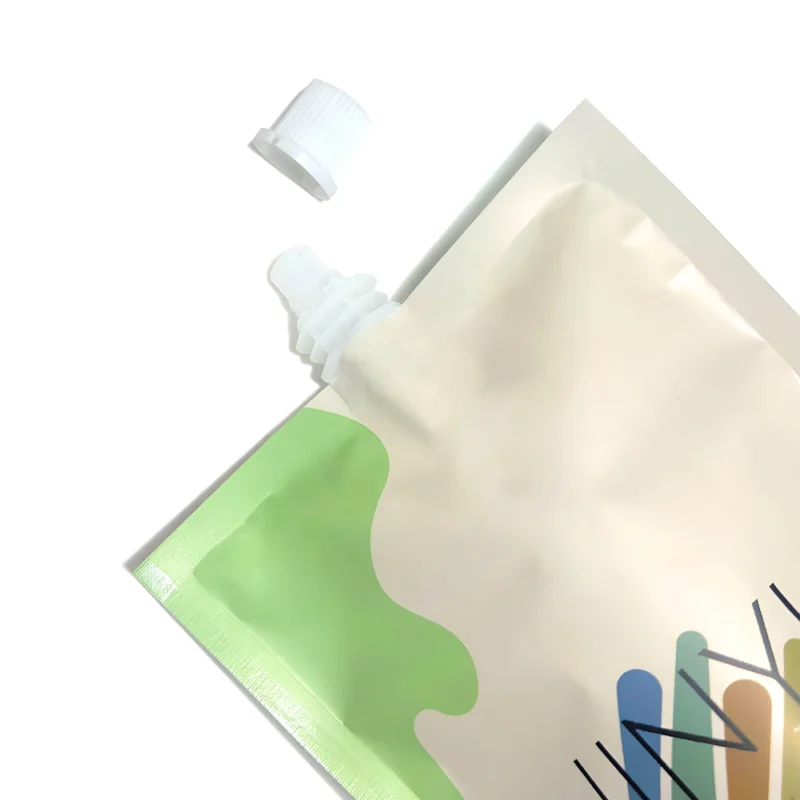
Design stand-up pouches that make serving logic, scoop guidance, and mix-versus-pure positioning easier for buyers to read and trust.
What Does a Better Label-Reading Framework Look Like for Matcha Buyers?
Buyers often want one quick clue. Matcha labels reward a sequence instead. The right order prevents most confusion before it starts.
A better framework starts with product type, then checks ingredients, Added Sugars, serving size, and intended use. Only after that should buyers let premium wording influence the decision.
How buyers can turn a premium-looking pack into a clear decision
The most practical buying order is simple. Step one is to identify whether the product is mainly matcha or mainly a mix. Step two is to read the first few ingredients and confirm that first impression. Step three is to check Added Sugars and use the low-versus-high Daily Value shortcut as a quick orientation tool. Step four is to look at serving size and servings per container, then compare the label to how the product will actually be prepared. Step five is to judge whether the product fits straight drinking, latte use, smoothie use, dessert use, or quick convenience use.
This sequence works because it puts hard label signals before soft language. Product identity comes first. Ingredient order comes next. Added sugars and serving size sharpen the picture. Intended use then decides whether the product actually fits the buyer’s real goal. Only after these checks should front-of-pack language such as premium, café style, stone-ground, ceremonial, or authentic meaningfully enter the decision. That does not make front language worthless. It simply gives it the right place.
What buyers should check first is not the premium word, but the product type. Once pure powder and sweetened mix are separated clearly, most of the rest becomes much easier to judge.
| Step |
What Buyers Check |
Why It Helps |
| 1 |
Product type |
It prevents pure powder and drink mix from being confused |
| 2 |
First ingredients |
It shows what the product mainly is |
| 3 |
Added Sugars |
It reveals how far the product moves toward sweetened mix logic |
| 4 |
Serving size and real use |
It connects the label to actual drinking behavior |
| 5 |
Front language and use fit |
It lets soft premium wording be judged in the right place |
Evidence (Source + Year):
FDA, Types of Food Ingredients, 2023.
FDA, Daily Value on the Nutrition and Supplement Facts Labels, 2024.
About Us
Jinyi — From Film to Finished—Done Right.
https://jinyipackage.com/
Our Mission
We believe good packaging is not only surface design. It should work as a reliable solution in real conditions. Jinyi aims to provide reliable, practical, and production-ready flexible packaging solutions so brands can reduce communication cost and gain more stable quality, clearer lead times, and packaging structures that truly match product and channel needs.
Who We Are
Jinyi focuses on Custom Flexible Packaging and brings more than 15 years of production experience to tea, food, snack, pet food, and other consumer product projects. The factory runs multiple gravure printing lines and HP digital printing systems, which support both stable large-volume production and flexible short-run customization.
As a flexible packaging manufacturer, we focus on how packaging performs in transport, shelf display, and consumer use. For matcha powders and beverage bases, we focus on clearer ingredient hierarchy, easier serving communication, better barrier presentation, and pouch structures that help buyers understand what the product really is before they purchase it.
FAQ
Is pure matcha powder always better than a sweetened mix?
Not always. Pure powder gives more control and is a different kind of product, but a sweetened mix may still be reasonable for convenience, latte use, or beginner-friendly taste.
What should buyers check first on a matcha label?
They should first decide whether the product is mainly pure matcha powder or mainly a sweetened or flavored mix.
Why is the ingredient list so important?
Because ingredients are listed in descending order by weight, so the first few ingredients usually show what the product mainly is.
Does Added Sugars mean a matcha product is low quality?
No. It mainly tells buyers how sweetened the formula is and whether the product behaves more like a beverage mix than a plain tea powder.
Why should buyers care about serving size?
Because label values are per serving, while real drink size and real powder use may be much larger than one serving.