Many tea packs look right on shelf. Many of them are wrong in daily use.
I do not choose tea packaging format by what looks common. I choose it by how the tea is used, how it is stored, how it is sold, and what the product needs the pack to do in real life.

When I review a tea project, I do not start by asking which format looks more standard. I start by asking how the tea will actually be used. Is it a single-cup product or a repeat-use product? Is it leaf tea, broken tea, granules, or powder? Is the product sold for quick convenience, daily family use, or a more premium ritual? Those questions usually decide the format much faster than habit does.
If you are still choosing tea packaging by what competitors use, I would fix the format logic before you sample the wrong structure.
Why Do Buyers So Often Start with the Format Instead of the Real Product Condition?
Format is visible. Real use conditions are not. That is why many first decisions start in the wrong place.
I do not start with tea bag, sachet, or pouch. I start with product form, brewing logic, storage pressure, and use frequency.
Why this shortcut creates the wrong answer
I understand why buyers do this. It feels faster. Herbal tea often gets pushed toward tea bag. Powdered functional tea often gets pushed toward sachet. Loose tea often gets pushed toward stand-up pouch. Sometimes that works. But I do not trust that shortcut on its own. I want to know how the tea is brewed, how much is used each time, whether the pack stays open after first use, and whether the product is sold for speed or for experience. A format is not an isolated answer. It is the result of several real conditions working together. From a production standpoint, this matters because the wrong format can create problems that do not show up in the first visual review. A product may look normal in one format but feel inconvenient, unstable, or wasteful in real use. That is why I do not let category habit make the first decision for me.
| What buyers often see |
What I check first |
| Common market format |
Real use pattern |
| Category label |
Tea form and brewing method |
| Shelf appearance |
Storage and repeat-use pressure |
Evidence / Engineering Check: I do not lock the format until I understand how the tea will be brewed, stored, and repeated in daily use.
What Do I Check First Before I Choose Tea Bag, Sachet, or Stand-Up Pouch?
Many format decisions look simple. They stop being simple once real brewing and storage behavior enters the discussion.
I first check tea form, one-time or repeat use, storage need after opening, and whether the product is built for convenience or for a longer daily cycle.

Why I judge use method before format
When I start a tea packaging project, I usually ask a small group of questions first. Is the product loose leaf, broken leaf, granule, or powder? Does the consumer use one serving each time, or keep coming back to the same pack? Does the product need to stay protected after opening? Is the product meant for quick use on the go, or for home use over days or weeks? These questions change the answer immediately. If the logic is clearly one cup, one dose, then I naturally move toward tea bag or sachet. If the product is loose tea and the user will open and close the pack many times, then I take stand-up pouch more seriously. In real manufacturing, this detail often determines whether the format feels clean and logical or forced and awkward. I do not choose the format first and then try to defend it. I let the use pattern build the format answer for me.
If you are unsure whether your tea belongs in a single-dose pack or a repeat-use pouch, that is usually the first decision I solve.
When Do I Prefer Tea Bag, and When Does Sachet Work Better?
Both are small formats. They do not solve the same job.
I prefer tea bag when the product is built for infusion. I prefer sachet when the product is built for measured pour-in use, fast dissolve, or direct single-dose delivery.
Why I do not treat them as the same small pack
Many buyers group tea bag and sachet together because both are small and convenient. I do not. Tea bag is more suitable when the product works through steeping and when the consumer expects a simple single-cup tea routine. It suits clear dose control and low-effort daily use. Sachet works better when the product is powder, granule, or a concentrated functional tea that should be poured out quickly and used as one measured serving. In that case, the product logic is closer to direct delivery than to slow infusion. From our daily packaging work, we see that problems start when a buyer tries to make a product look like traditional tea even though the real use logic is closer to an instant mix. That usually creates a weaker consumer experience, not a stronger one. I do not choose tea bag because it feels more classic. I choose it only when the product genuinely behaves like a tea bag product.
| Format |
I prefer it when |
Main logic |
| Tea bag |
The tea is meant for steeping |
Single-cup infusion |
| Sachet |
The tea is powder, granule, or instant-use |
Single-dose delivery |
Evidence / Engineering Check: I separate infusion logic from pour-in logic before I choose between tea bag and sachet.
When Does a Stand-Up Pouch Make More Sense, and What Can Still Change My Final Choice?
A bigger pouch is not automatically a better tea format. It only works when the use cycle really asks for it.
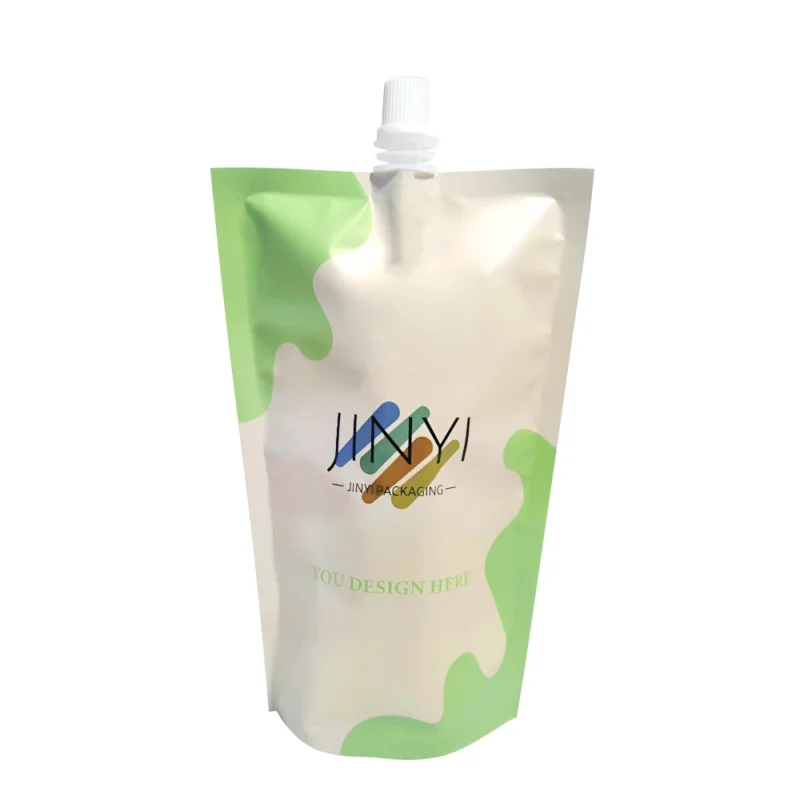
I take stand-up pouch seriously when the tea is loose, repeat-use, home-based, or storage-sensitive. I still recheck shelf life, closure logic, sealing, and production fit before I lock it.
Why repeat-use formats need a wider check
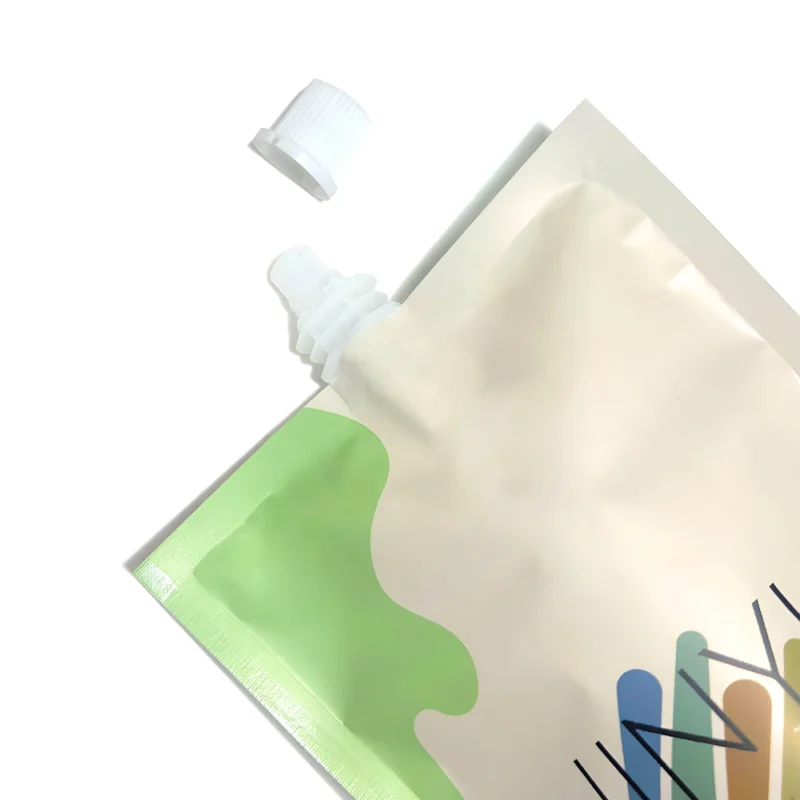
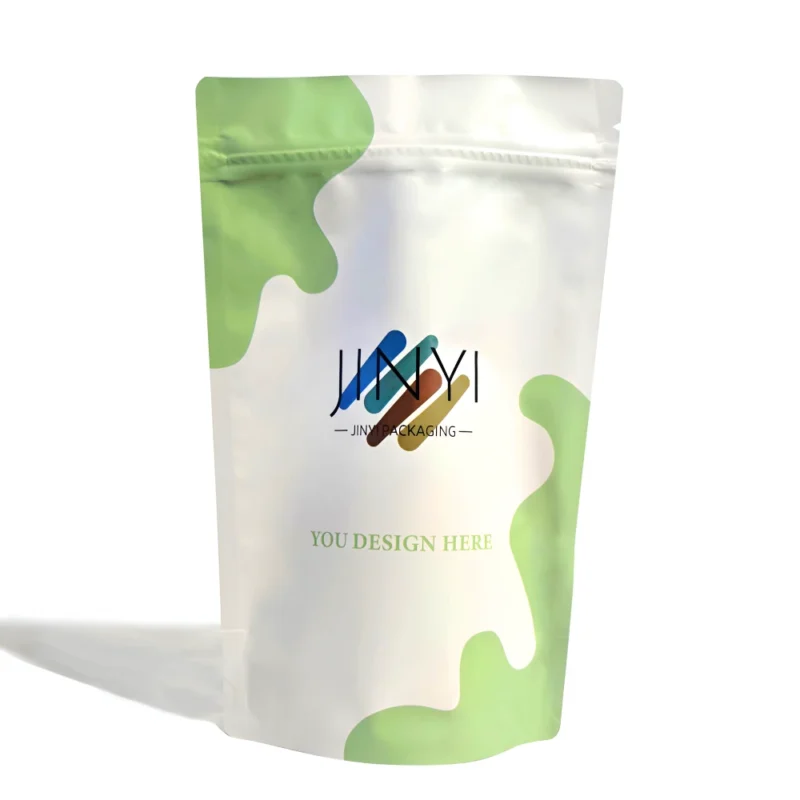
I usually move toward stand-up pouch when the tea is sold as loose product, when the user will open and close the pack many times, and when home storage matters more than single-dose convenience. But I do not stop the decision there. Once the product becomes a repeat-use format, more variables enter the discussion. I need to think about aroma retention, moisture exposure after opening, zipper logic, opening comfort, and whether the top area stays clean enough for reliable reclose use. I also care about filling and sealing stability. Some formats look good in samples but become inefficient in real production or less reliable in repeated daily use. From a production standpoint, this matters because a format is only good when it works for the consumer and stays stable on the line. I do not lock a stand-up pouch just because it looks more premium. I lock it when the product truly needs a repeat-use package that supports storage, routine use, and production consistency at the same time.
| Condition |
Why it matters to me |
| Repeat opening |
Changes storage duty after first use |
| Shelf life and storage pressure |
Can raise the need for better closure and protection |
| Filling and sealing fit |
Turns format theory into real production success |
Evidence / Engineering Check: I do not finalize a repeat-use tea pouch until storage logic, closure logic, and factory fit all support the same answer.
Conclusion
The right tea packaging format is not the most popular one. It is the one that matches the real tea product, real use habit, real storage need, and real production condition. Contact me if you want help locking the right format.
Talk to JINYI About the Right Tea Packaging Format
About Us
JINYI — From Film to Finished—Done Right.
At JINYI, I work with a team that focuses on Custom Flexible Packaging. We bring more than 15 years of production experience to food, tea, snack, pet food, and other consumer product packaging.
Our factory runs gravure printing lines and HP digital printing systems. That lets us support both stable large-volume production and flexible smaller runs with more controlled structure and print results.
We believe packaging is not only about appearance. It should stay reliable in transport, on shelf, and in real consumer use with less guesswork and better structure fit.
FAQ
Is tea bag always the safest tea format?
No. I only prefer tea bag when the product is truly built for infusion and single-cup convenience.
When does sachet work better than tea bag?
I usually prefer sachet when the product is powder, granule, or instant-use and needs direct single-dose delivery.
When is stand-up pouch the better tea choice?
It usually makes more sense for loose tea, repeat-use products, and home storage formats.
Do you choose tea format by what competitors use?
No. I use competitor formats only as reference. I still decide by product form, use logic, and storage conditions.
Why does production fit matter in a format decision?
Because a format that looks good in samples can still create filling, sealing, or repeat-use problems in real production.