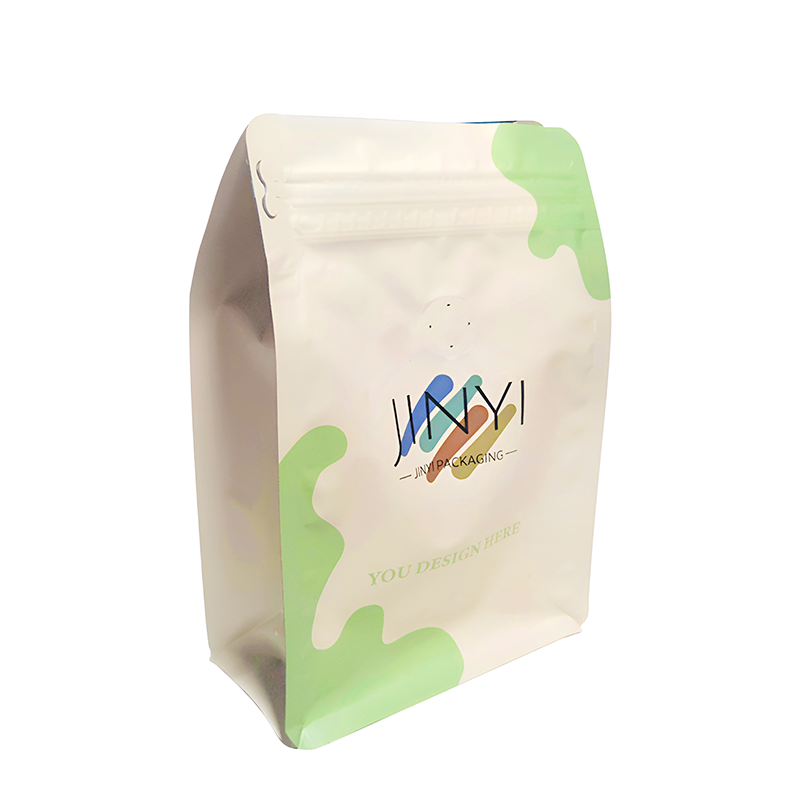
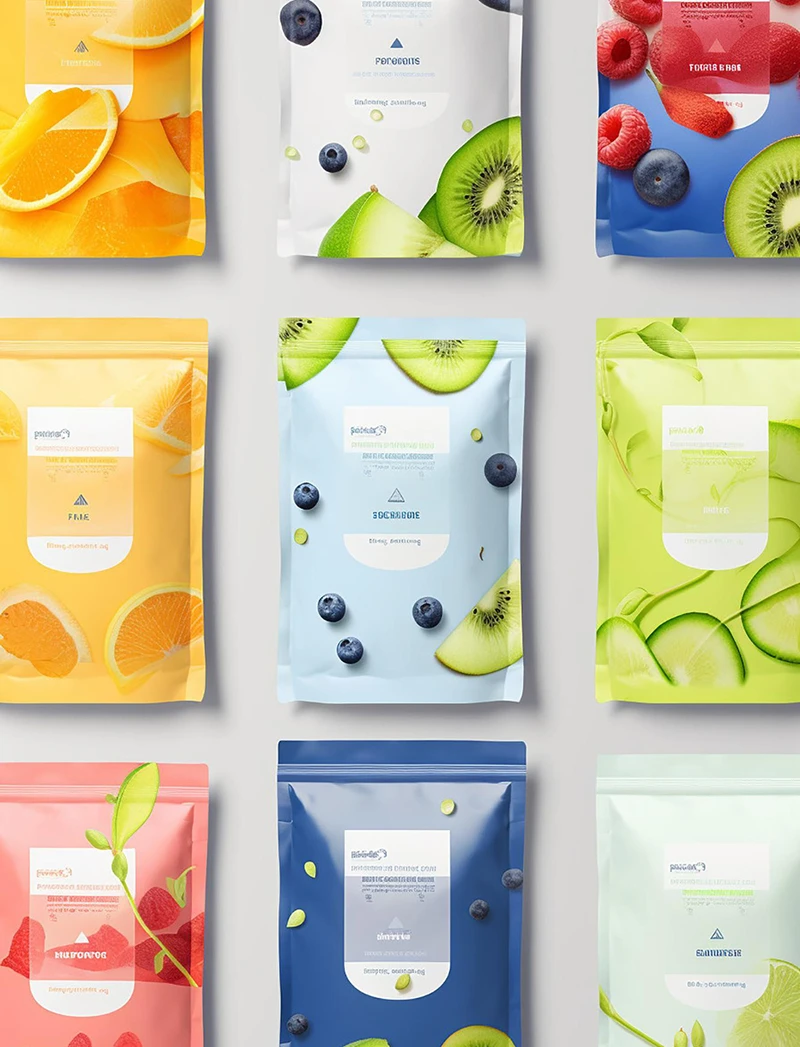
Tea can taste “flat” long before its date code. Many brands change packaging for looks or sustainability, then discover aroma loss, moisture pickup, or shipping damage.
Tea packaging is changing because three constraints now collide: channel fit (retail, DTC, e-commerce), defensible claims (origin and sustainability), and freshness performance that can be specified and tested (oxygen, moisture, light, and seal integrity).
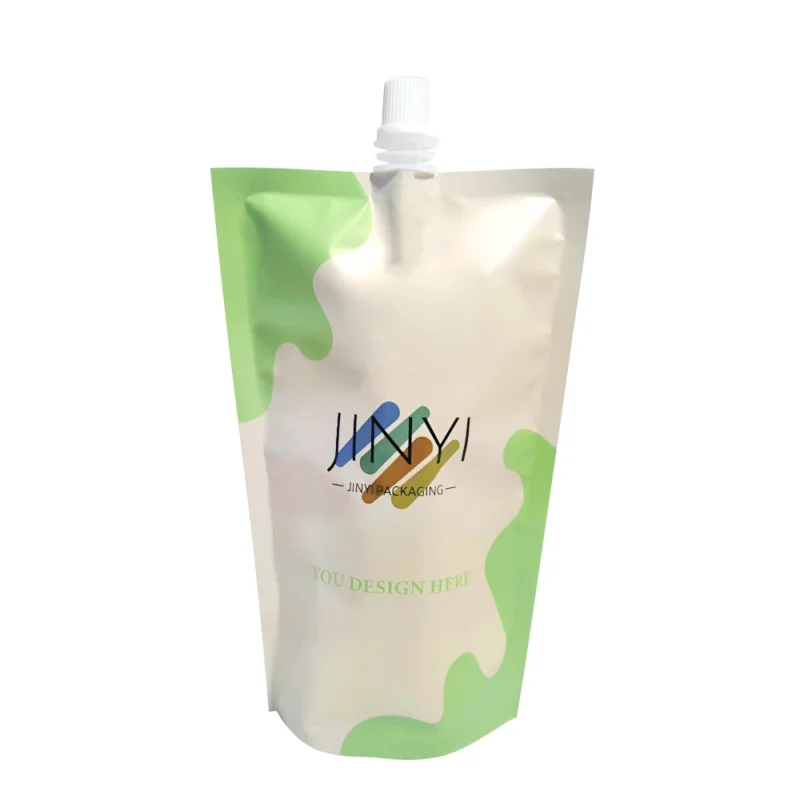
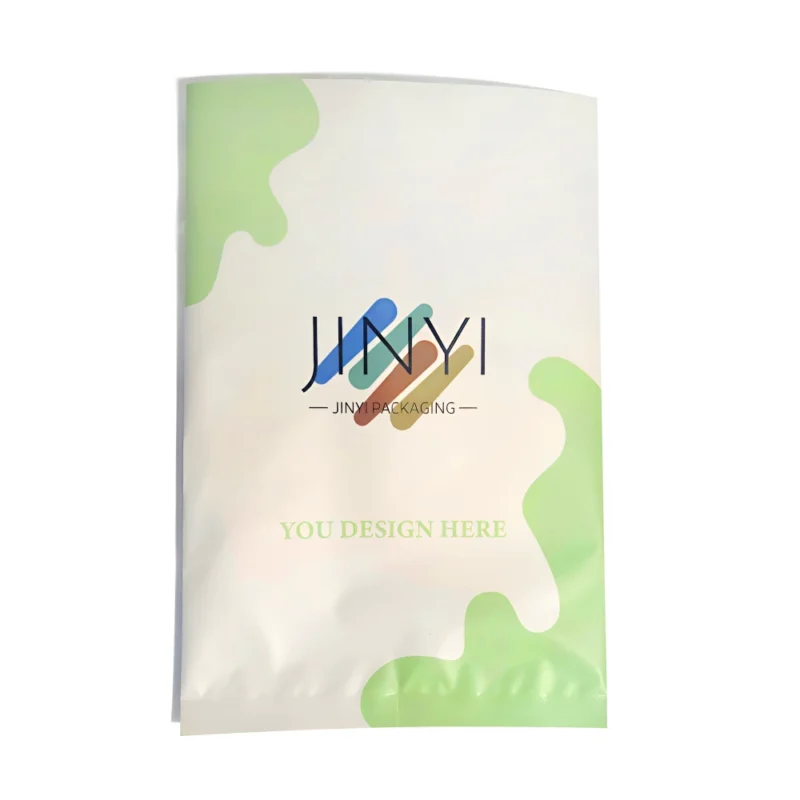
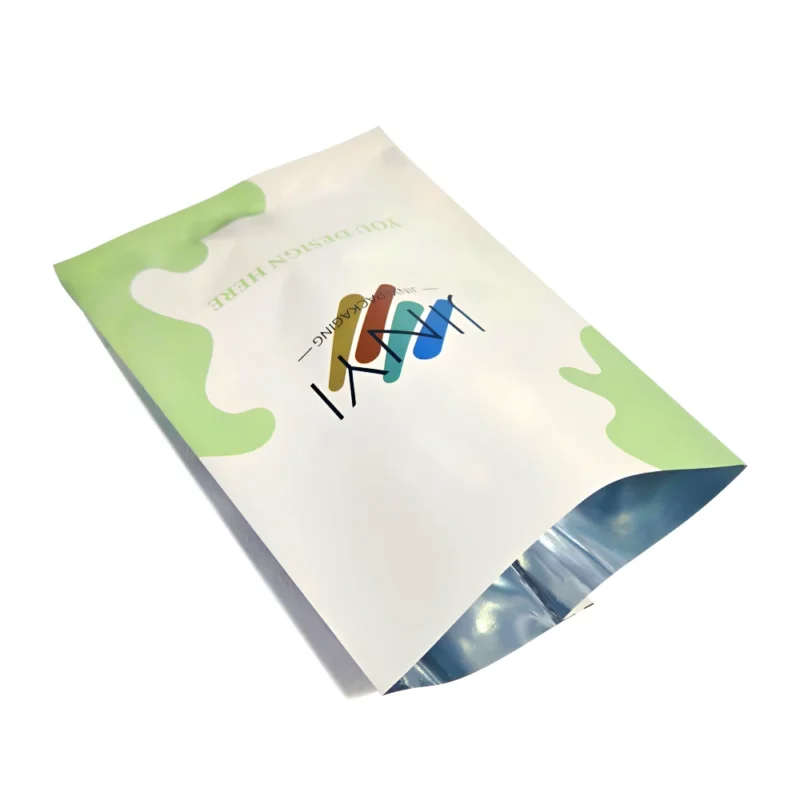
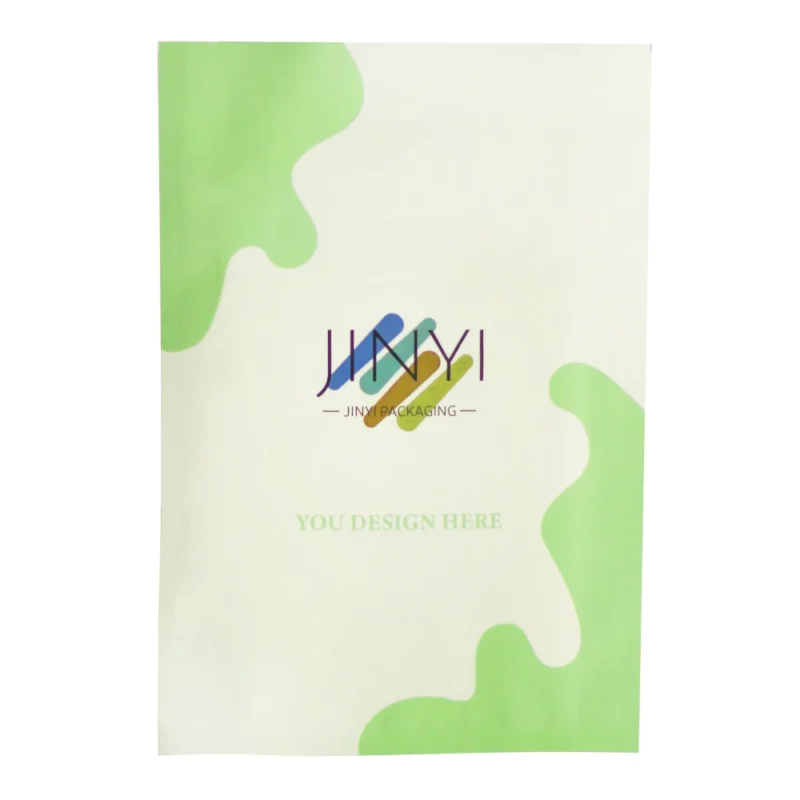
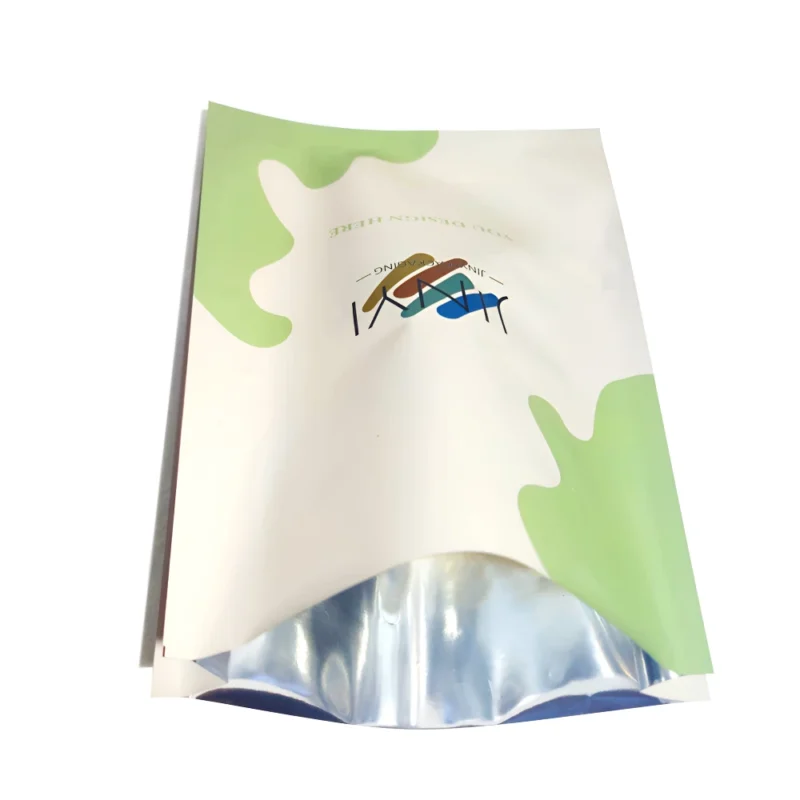
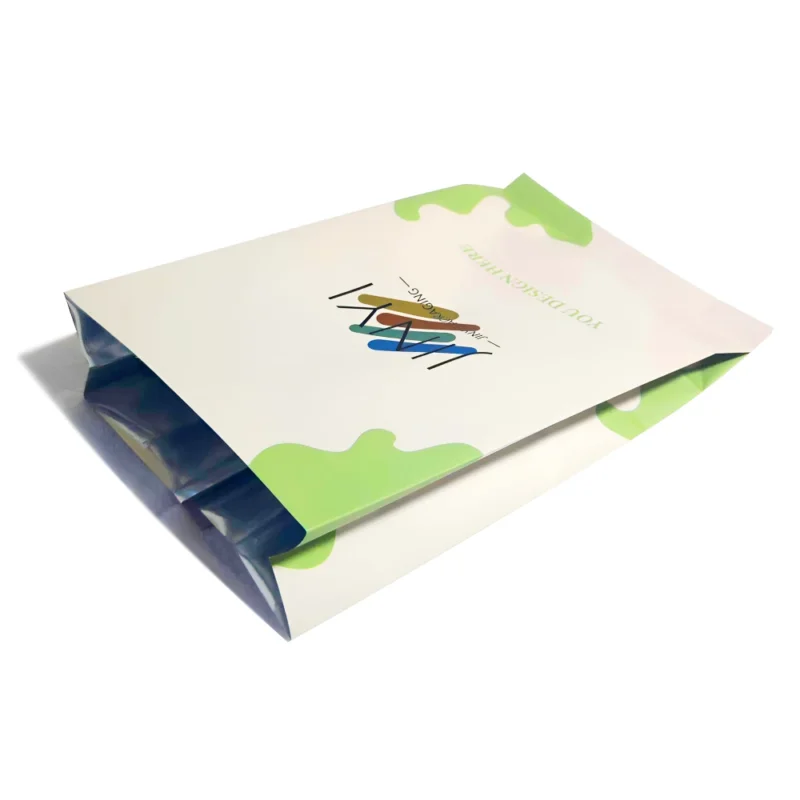
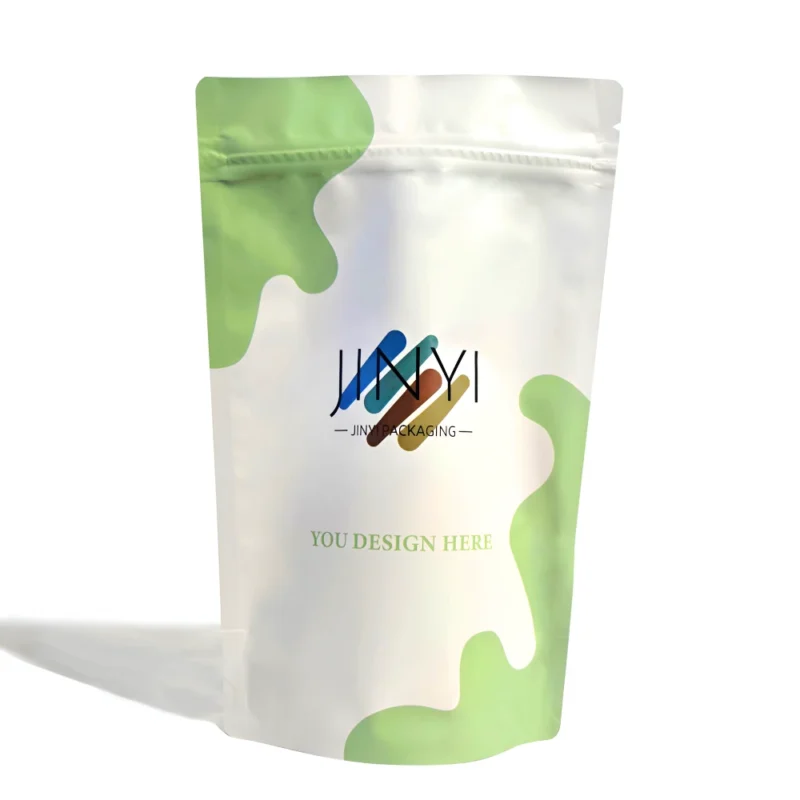
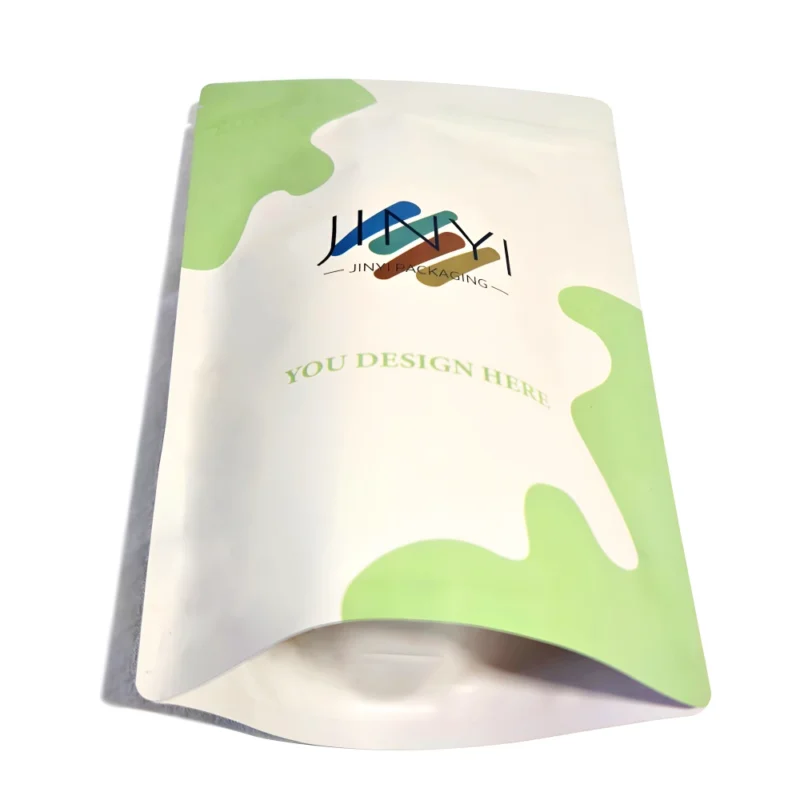
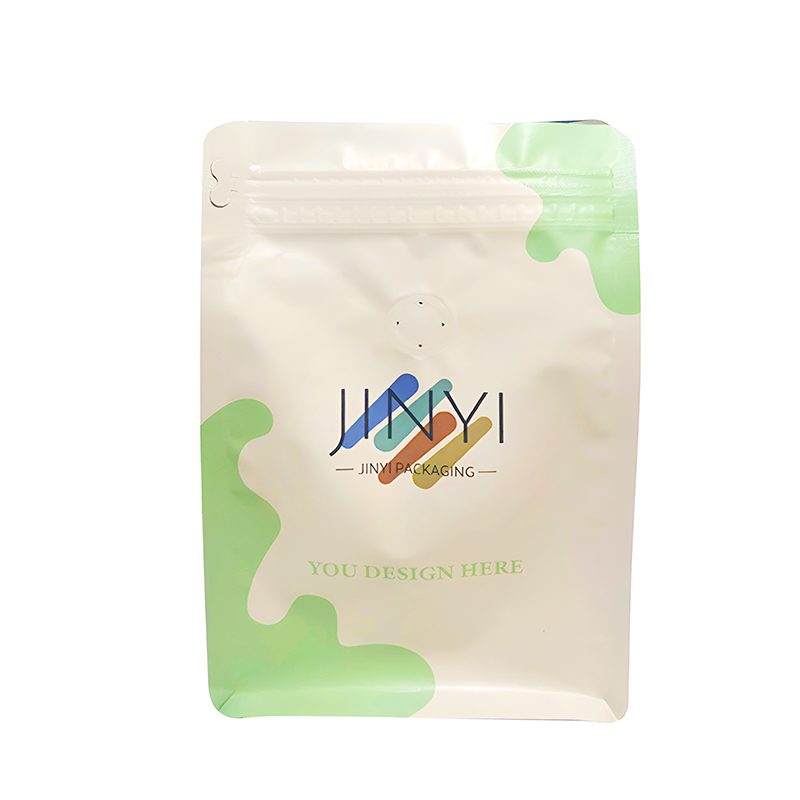
Explore stand-up pouch formats that protect tea aroma and reduce moisture pickup

This report explains what is shifting in tea packaging formats, which claims are driving redesigns, and how freshness standards are moving from “material names” to measurable barrier, seal, and storage validation.
Which formats are gaining share, and why are channels reshaping the mix?
Many tea packs look premium on shelf, then fail in DTC. Small leaks, weak reseal performance, and poor light control can degrade aroma and trigger repeat complaints.
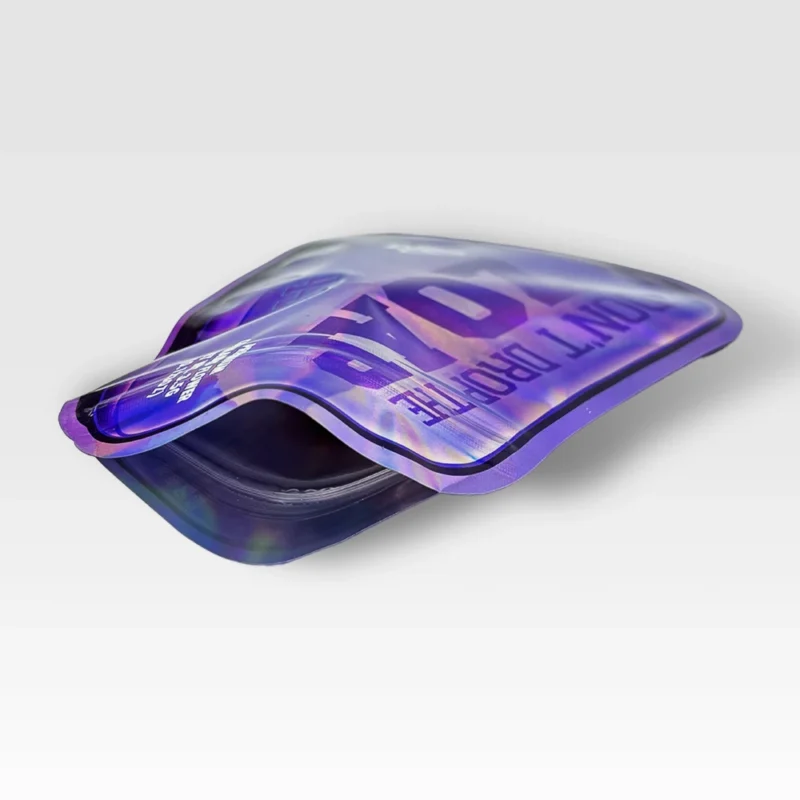
Flexible packaging is gaining because it is lightweight, resealable, and scalable for DTC. Premium and gifting still keep tins and rigid formats, but pouches are taking more everyday share.
Format shifts are driven by reseal reality and logistics
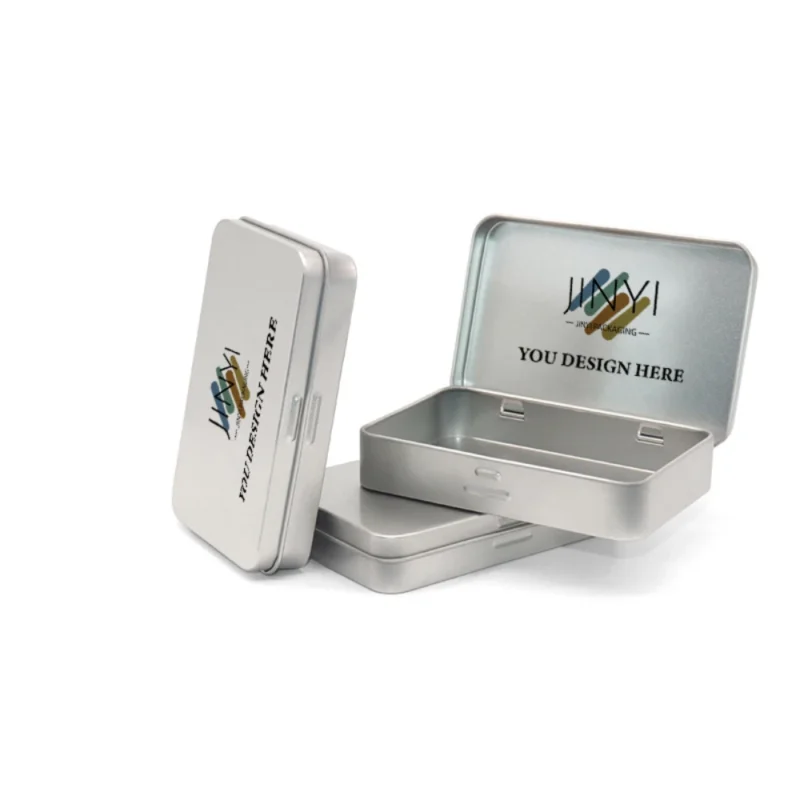
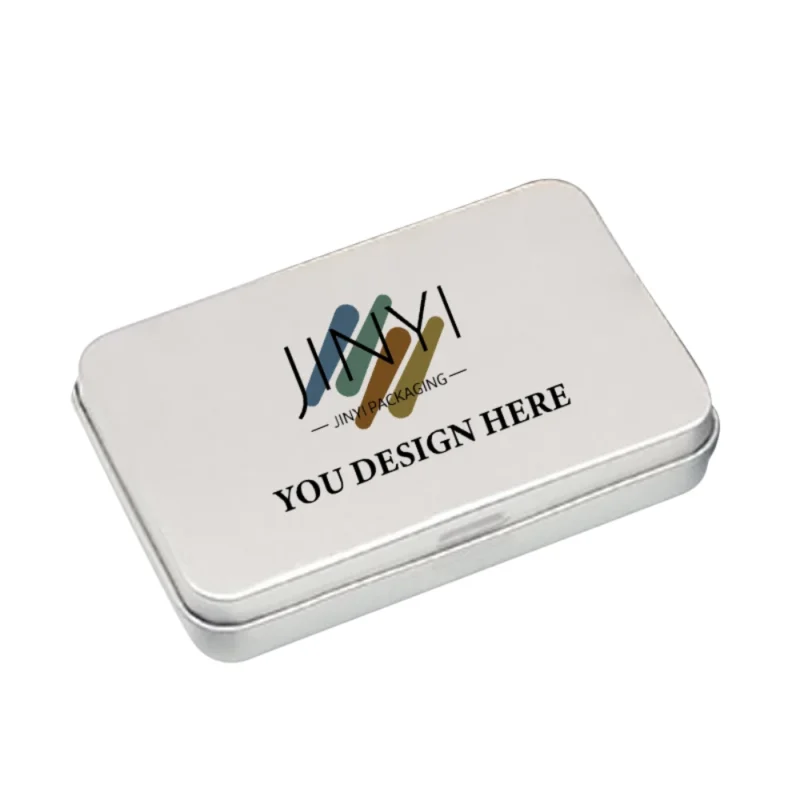
Flexible packaging growth in tea is linked to practical channel needs. DTC and e-commerce reward lower shipping cost and better cube efficiency, so brands often shift from rigid tins to laminated pouches with reclose features. At the same time, “after-opening freshness” is becoming a bigger quality driver than unopened shelf life for many buyers. That pushes pouches with reliable zippers and tighter headspace control. Premium and gifting still use tins and canisters because they communicate value and offer better crush protection, but those formats add shipping weight and can be less efficient in fulfillment. Smaller packs and sampler kits also increase format diversity, because they need fast changeovers and consistent print results across SKUs. As a flexible packaging manufacturer, we focus on matching format geometry and reseal design to the buyer’s opening frequency, storage habits, and shipping route, because these factors decide whether freshness protection is real or only assumed.
| Format |
Where it wins |
Main freshness risk |
Main control point |
| Laminated resealable pouch |
DTC, everyday retail |
Micro-leaks, weak reseal after opening |
Seal integrity + zipper performance |
| Tin / canister |
Premium, gifting |
Light and humidity exposure after repeated opening |
Inner liner + tight-fit closure |
| Tea bags (carton + inner wrap) |
Mass retail, convenience |
Moisture pickup and odor contamination |
Inner wrap barrier + carton protection |
| Single-serve sachet / pyramid bag |
Trial, travel, portion control |
Seal defects at small sizes |
Seal window control + QC sampling |
Evidence (Source + Year): World Tea News citing ResearchAndMarkets tea packaging report (2025); Global Market Insights tea packaging market overview (2024/2025).
Which claims are growing, and which are becoming risky without proof?
Tea brands add more claims to stand out. Then labels become crowded, and “eco” wording becomes a liability if it cannot be verified or if it confuses disposal behavior.
Origin and quality storytelling is expanding, while sustainability claims are moving from marketing language to audited language. Claim discipline is now a packaging decision, not only a copy decision.
Claim growth increases label density and redesign cycles
Claims such as origin, harvest story, premium cues, and “purity” language often require more explanation to be credible. This increases label density and pushes brands toward clearer hierarchy, larger panels, or more structured layouts. Sustainability claims are also changing packaging design because they add symbols, disposal instructions, and materials language. The risk rises when claims are vague or when they do not match local infrastructure. “Recyclable” statements can be interpreted differently across regions, and “compostable” language can mislead if it is not aligned with recognized standards and real collection pathways. As a result, more brands are building internal rules: which claims are allowed, what proof files are required, and how claim wording is controlled across SKUs. This is why packaging teams should treat claims like specifications with change control, not like optional marketing layers.
| Claim type |
Why it is growing |
Common risk |
Best control |
| Origin / story |
Premiumization and differentiation |
Inconsistent wording across SKUs |
Central claim library + label QA |
| Organic / natural |
Trust signal for buyers |
Overbroad language vs certification scope |
Proof files and restricted phrasing |
| Plastic-free |
Buyer preference and scrutiny |
Material ambiguity and performance tradeoffs |
Material disclosure + performance validation |
| Recyclable / compostable |
Policy and retailer pressure |
Greenwashing perception, infrastructure mismatch |
Standards-aligned wording + region rules |
Evidence (Source + Year): ISO 18601:2013 Packaging and the environment (confirmed current in 2024); European Commission PPWR timeline page (2025).
What “freshness standards” are becoming default, and how are they measured?
Tea freshness is not a feeling. It is a controlled outcome that depends on oxygen exposure, moisture ingress, light protection, and seal integrity over time.
Brands are moving toward measurable specs and validation plans: barrier intent, seal integrity checks, and storage testing, because aroma loss and moisture pickup are repeat failure modes.

Specs are shifting from “materials” to “outcomes”
Tea aroma is sensitive to oxygen because many aroma compounds shift during storage, and oxidation changes perceived freshness. Moisture is equally critical because tea is hygroscopic, and humidity pickup can dull aroma and create off-notes. Light exposure can also accelerate quality loss for some teas, especially when packs use windows or clear materials. This is why “freshness standards” are moving toward outcome-based language. Instead of only naming materials, procurement teams increasingly reference barrier intent (oxygen and moisture control), seal integrity (because micro-leaks erase barrier benefits), and storage validation (time and temperature conditions that reflect real distribution). Scientific studies on packaged green tea have also evaluated oxygen control interventions, including oxygen scavengers, to protect aroma quality during storage. These results support a simple conclusion: oxygen management is measurable, and packaging decisions can be tested instead of guessed.
| Freshness driver |
What fails |
Packaging control |
Typical verification |
| Oxygen exposure |
Aroma drift and “flat” taste |
Barrier structure + low-leak seals |
OTR intent + storage study plan |
| Moisture ingress |
Stale aroma, texture changes |
WVTR intent + reseal performance |
WVTR intent + open/close simulation |
| Light exposure |
Quality loss for light-sensitive teas |
Opaque layers or controlled windows |
Light exposure assessment in validation |
| Seal integrity |
Micro-leaks and rapid deterioration |
Seal window control and QC |
Seal strength + leak screening |
Evidence (Source + Year): Wang et al., oxygen scavenger impact on packaged Longjing tea aroma quality (2024); Labthink guidance referencing WVTR testing standards such as ASTM F1249 for barrier measurement context (accessed 2026).
If your tea line is moving to resealable pouches, lock seal integrity and barrier intent before scaling
Why is sustainability policy accelerating tea packaging redesign right now?
Many brands want “greener” packs, but policy timelines are now real. Teams must redesign while still protecting aroma and preventing moisture pickup.
EU PPWR timelines and ISO-style frameworks are tightening claim discipline and pushing designed-for-recycling trials. The redesign only works when freshness performance remains provable.
Policy forces documentation, not only new materials
Packaging policy pressure is changing how brands select materials and how they describe end-of-life outcomes. The EU Packaging and Packaging Waste Regulation has concrete dates, and it pushes recyclability goals and compliance obligations that affect global suppliers. This influences tea packaging decisions because tea brands often sell across borders and rely on shared packaging platforms. At the same time, ISO 18601 provides a structured way to discuss packaging and environmental requirements across a family of standards, which helps reduce vague claims. The practical impact is that teams must build documentation workflows: material declarations, component breakdowns, and controlled claim language. Many brands also test designed-for-recycling structures. These projects can succeed, but only when performance is validated. If barrier or seals are weakened, freshness complaints can rise, and the environmental benefit can be offset by product waste and reverse logistics.
| Driver |
What changes |
Packaging implication |
What to prepare |
| EU PPWR timeline |
Recyclability direction and compliance dates |
Earlier redesign and supplier alignment |
Roadmap + documentation package |
| Claim scrutiny |
Less tolerance for vague “eco” language |
More controlled claim wording |
Proof files + region rules |
| Designed-for-recycling trials |
Material structure changes |
Barrier and seal tradeoffs |
Validation plan and change control |
Evidence (Source + Year): European Commission PPWR timeline: entered into force 11 Feb 2025, general application 12 Aug 2026 (2025); Baker McKenzie summary of Regulation (EU) 2025/40 (updated 2025).
Conclusion
Tea packaging winners combine channel fit, defensible claims, and measurable freshness performance. Contact us to translate your tea format into a clear barrier, seal, and validation spec.
Get a stand-up pouch recommendation for tea
About Us
Brand: Jinyi
Slogan: From Film to Finished—Done Right.
Website: https://jinyipackage.com/
Our Mission:
JINYI is a source manufacturer specializing in custom flexible packaging solutions. We aim to deliver reliable, practical packaging that reduces communication costs and performs on shelf, in transit, and at end use.
About JINYI:
JINYI is a source manufacturer specializing in custom flexible packaging solutions, with over 15 years of production experience serving food, snack, pet food, and daily consumer brands.
We operate a standardized manufacturing facility equipped with multiple gravure printing lines as well as advanced HP digital printing systems, allowing us to support both stable large-volume orders and flexible short runs with consistent quality.
From material selection to finished pouches, we focus on process control, repeatability, and real-world performance. Our goal is to help brands reduce communication costs, achieve predictable quality, and ensure packaging performs reliably on shelf, in transit, and at end use.
FAQ?
What is the biggest format shift in tea packaging right now?
The biggest shift is growth in resealable flexible packaging for DTC and everyday retail, while tins remain strong in premium and gifting where presentation and rigidity matter.
Why do sustainability claims create packaging risk?
Sustainability language often requires proof and region-specific wording. If claim wording does not match infrastructure or standards, it can trigger compliance and trust issues.
Which freshness drivers should tea brands control first?
Oxygen and moisture control usually matter most, and seal integrity decides whether barrier intent is real. Light control becomes critical when packs use windows or clear materials.
How should a brand define tea “freshness standards” for packaging quotes?
A brand should define barrier intent, seal integrity checks, and a storage validation plan that reflects real distribution and after-opening use, instead of only naming materials.
How does EU PPWR affect tea packaging outside Europe?
It can influence global packaging platforms through supplier alignment, documentation needs, and claim discipline, especially for brands selling across regions.