Processing names sell fast, but complaints also arrive fast. Buyers expect “washed” to be clean and “natural” to be fruity. Reality is more fragile.
Washed processing often improves clarity and defect control, while natural processing often increases fruit-driven intensity but raises fermentation and drying risk. Consistency depends on control windows, not on the label alone.
Reduce staling and flavor drift with a coffee pouch built for real transit stress

These two processes do not only change “taste style.” They change where fermentation happens, how drying behaves, and how defects show up. A brand can use simple, verifiable cues to explain this without overselling or sounding technical.
Washed vs Natural: What do buyers assume before they even taste?
Most buyers treat processing as a quality shortcut. That shortcut can help sales. It can also create unfair blame when a cup tastes “off.”
Buyers often assume washed means clean, bright, and reliable, while natural means fruity, sweet, and wild. These are tendencies, not guarantees, because variety, origin, and roast can override the process.
Why the shortcut becomes a risk
Processing labels are simple, but coffee chemistry is not simple. The same “washed” label can hide big differences in fermentation time, water quality, and drying stability. The same “natural” label can include careful, clean drying or it can include uncontrolled microbial growth. When buyers do not have a shared language, they rely on stereotypes. This is why a standardized sensory vocabulary matters. The World Coffee Research Sensory Lexicon was designed to help measure and name coffee attributes with sensory science methods. When a brand uses common descriptors instead of invented metaphors, buyers can evaluate claims more fairly. Clear language also reduces returns because it sets expectations around style, not around “better or worse.”
| Buyer assumption |
Helpful truth |
What to say instead |
| Washed = always clean |
Clean cup needs stable fermentation and drying |
“Clarity-focused profile when process control is stable” |
| Natural = always fruity |
Fruit notes depend on microbe + drying control |
“Fruit-forward profile with higher variability risk” |
Evidence (Source + Year):
World Coffee Research, Sensory Lexicon resource (2016).
SCA, “The Fermentation Effect” (published Sep 2, 2019; page updated on SCA site) (2019).
How does wet vs dry processing change fermentation pathways and flavor risk?
People talk about fermentation like it is one step. It is not. Where fermentation happens changes what can go wrong.
Wet processing tends to move fermentation into the processing water, while dry processing tends to keep fermentation in the outer layers during drying. This changes “microbial signatures” and the risk of unwanted metabolites.
Why natural has a narrower control window
SCA reporting on coffee research describes a key difference: during wet processing, fermentation activity is linked strongly to processing water, while during dry processing, fermentation activity occurs in the drying outer layers of the cherry. Some metabolites can remain on the bean surface and persist as a microbial signature. This is why naturals can deliver powerful fruit and ferment-derived aromas. It is also why naturals can fail hard when control is weak. Temperature, humidity, drying rate, and turning frequency can push the process from “pleasant fermentation” into “defect.” Washed coffees also have risks, but the system is often easier to standardize when water and timing are controlled. The point is not that one method is better. The point is that the risk drivers are different, so the brand’s quality checks must be different.
| Risk driver |
Washed sensitivity |
Natural sensitivity |
| Fermentation environment |
Water quality + timing |
Cherry layer microbes + drying conditions |
| Humidity control |
Important |
Critical |
| Off-flavor risk |
Moderate if controlled |
Higher when drying is slow or uneven |
Evidence (Source + Year):
SCA, “The Fermentation Effect” (2019).
Silva et al., “Coffee fermentation as a tool for quality improvement” (International Journal of Food Science & Technology) (2024).
Which defects are most linked to process control failures, and how do they show up in-cup?
Defects do not show up as a label problem. They show up as a cup problem. Buyers call it “funky,” “moldy,” or “chemical.”
Many defects link back to moisture, microbial control, and uneven drying. Naturals are often more exposed because the fruit dries around the seed, but washed coffees can also carry defects when fermentation and drying are unstable.
Defect language should be grounded in sensory reality
SCA’s work on green grading explains that “defects” are not only visual. They are negative because they are assumed to contribute to negative flavors in the cup. That matters for marketing because brands sometimes romanticize “fermentation” without separating clean fermentation from defect. A practical approach is to define boundaries. Over-fermented can read as harsh alcohol, vinegar-like notes, or solvent-like sharpness, depending on context. Moldy defects can read as damp, musty, or stale basement notes. Phenolic defects can read as medicinal, plastic, or smoky chemical impressions. Buyers do not need technical compounds. They need clear boundaries that say, “This coffee is fruit-forward, but it is not meant to taste like spoilage.” This reduces confusion and protects repeat purchase.
| Common complaint |
Likely defect category |
Typical process link |
| “Musty / moldy” |
Moisture / mold-related |
Slow drying, high humidity, storage moisture |
| “Vinegar / harsh boozy” |
Over-fermentation |
Uncontrolled fermentation time/temperature |
| “Medicinal / plastic” |
Phenolic-like defect |
Process contamination or severe fermentation drift |
Evidence (Source + Year):
SCA, “Grounding Green Grading in Sensory Science” (2025).
SCA, “Shifting Identities” (Coffee Science Foundation project on sensory thresholds for defects) (2025).
What does “consistency” mean for coffee, and how can brands measure it across lots?
Consistency is not “tastes identical forever.” Consistency is “stays inside a planned range.” Buyers can forgive seasonal nuance. They do not forgive surprise defects.
Brands can measure consistency with repeatable sensory attributes, defect thresholds, and recorded process parameters. This makes process choice a controlled decision.
A simple validation plan for lot-to-lot stability
Consistency should be defined in three layers. First, sensory consistency: choose 6–10 attributes from a shared lexicon and score intensity across three lots. Second, defect consistency: set a zero-tolerance list for specific defects and a maximum allowed rate for borderline notes. Third, supply consistency: define which origins or regions can substitute without breaking the profile. This is where washed profiles often feel easier to keep stable, because clarity targets can be held with careful sourcing and roast control. Naturals can be consistent too, but they need tighter guardrails because small drying differences can shift fermentation notes. A brand that writes this plan once can reuse it across seasons. This also helps customer service because the brand can explain “style shift” versus “defect” with confidence.
| Consistency layer |
What to record |
Pass/fail example |
| Sensory attributes |
Lexicon terms + intensity scores |
Core attributes stay within a set range |
| Defect thresholds |
Defect list + occurrence rate |
No moldy/phenolic; low “over-fermented” |
| Process notes |
Fermentation + drying targets |
Outliers trigger review before release |
Evidence (Source + Year):
World Coffee Research, Sensory Lexicon resource (2016).
SCA, Green Coffee Classification / defect discussion context in 25 Issue 24 coverage (2025).
What proof cues build trust: sensory language, traceability fields, and realistic claims?
“Washed” and “natural” are not proof cues. They are labels. Proof cues are the fields and language that buyers can check and remember.
Trust rises when brands use shared sensory terms, show simple traceability fields, and avoid hype like “fermented = premium.” Packaging must then protect freshness so the cup matches the promise.
Packaging can protect the promise, or break it
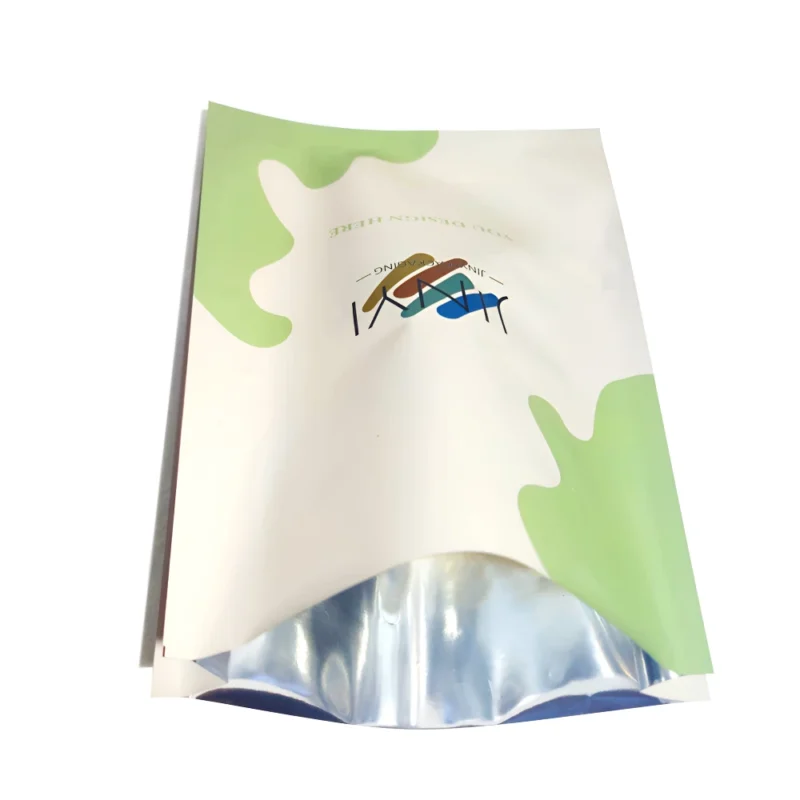
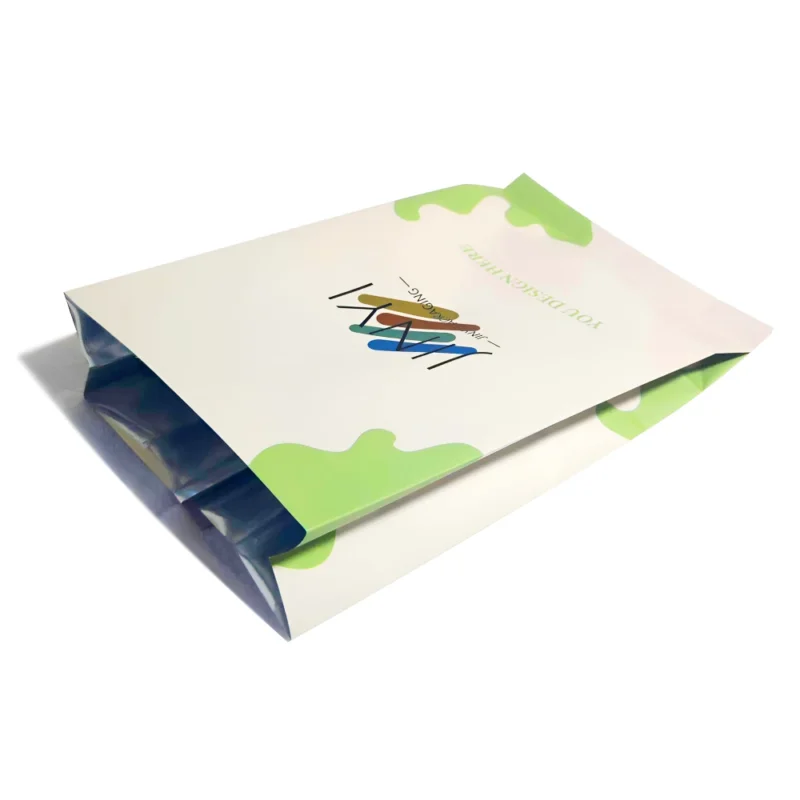
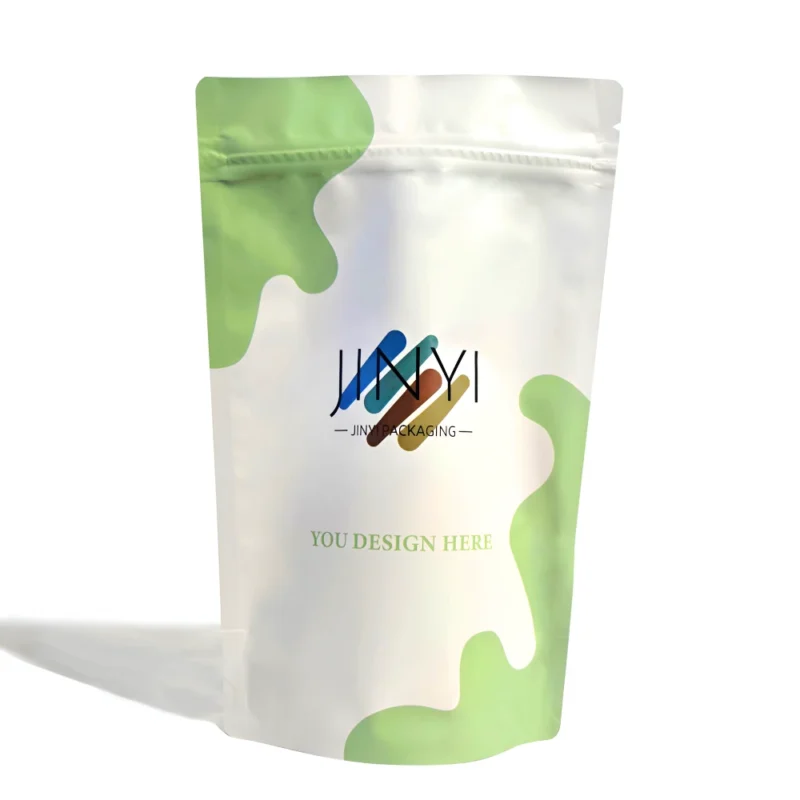
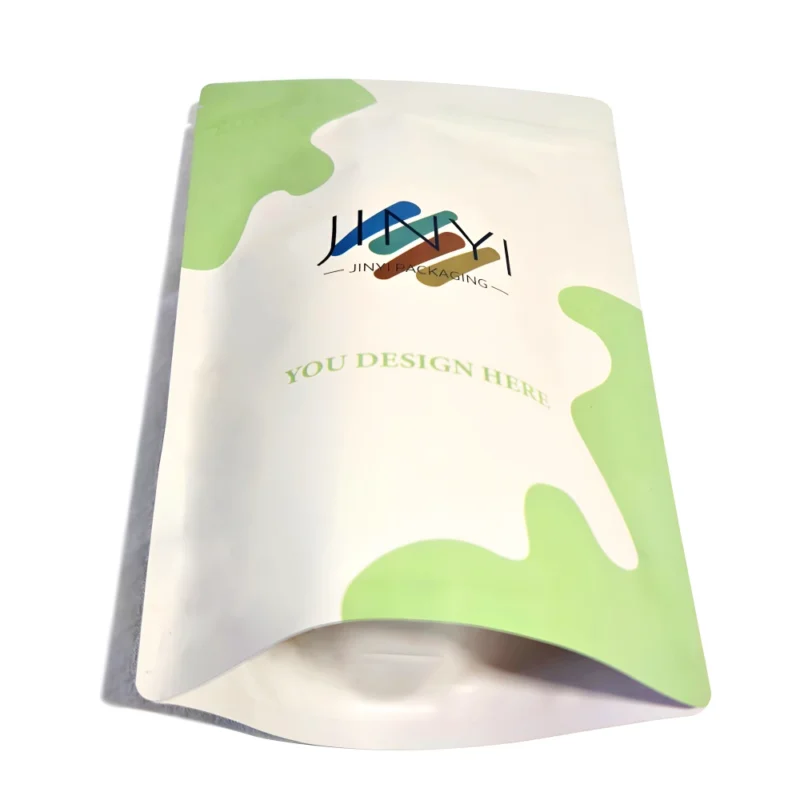
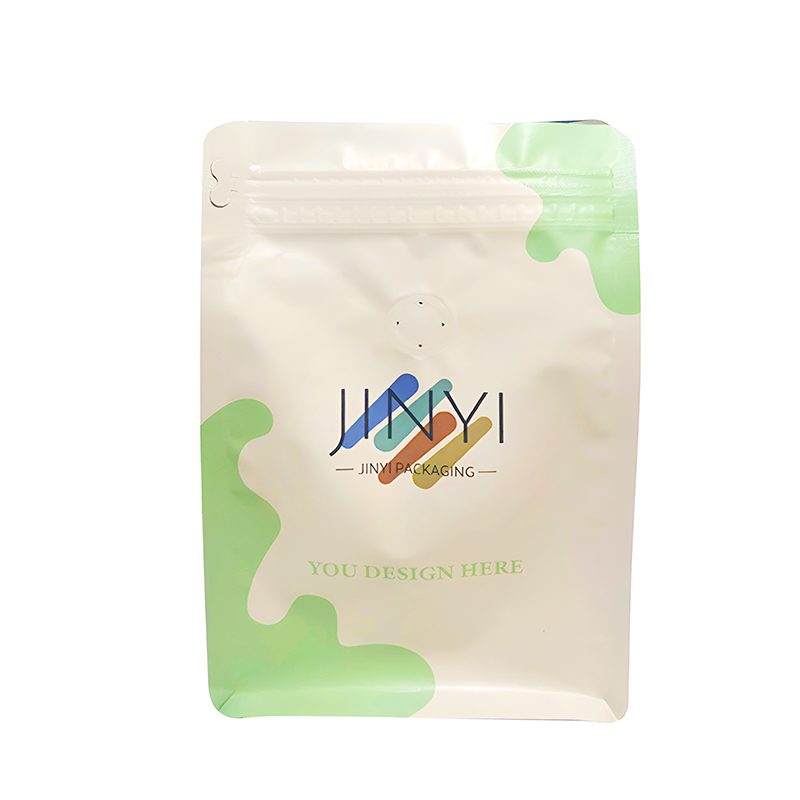
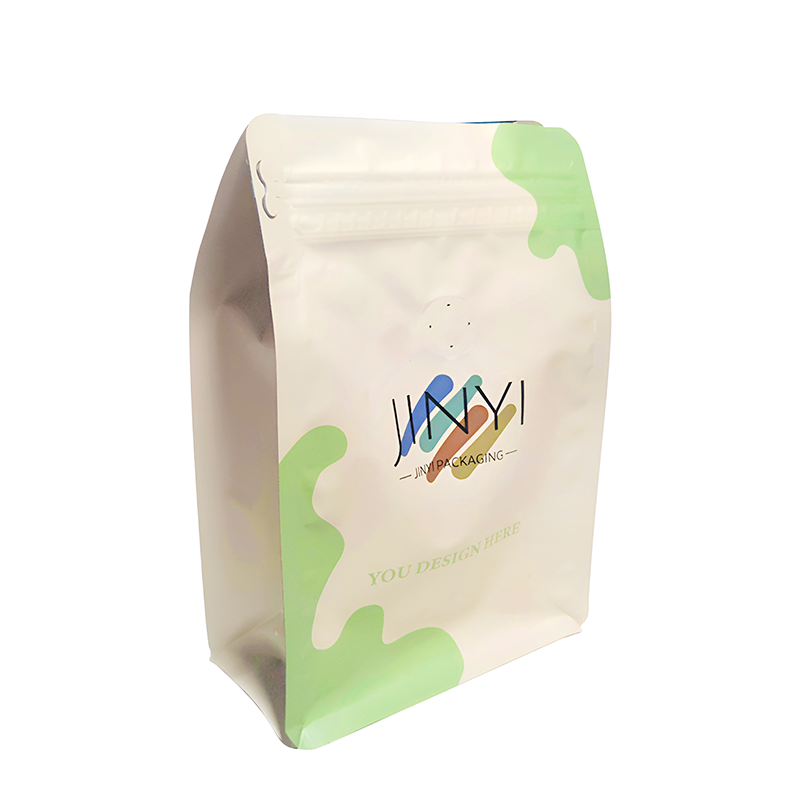
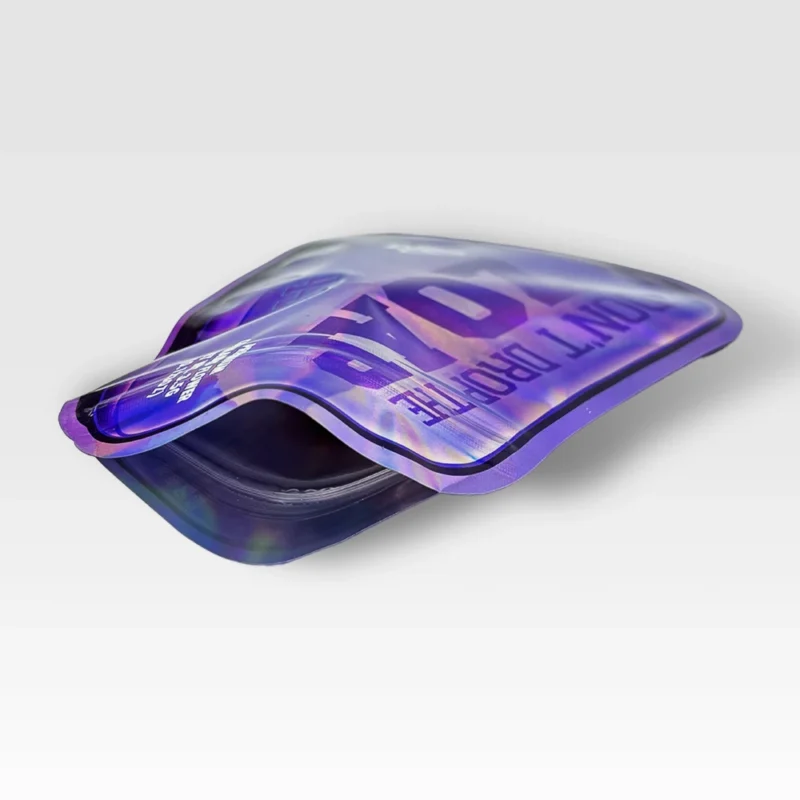
A buyer’s final judgment happens at opening, not at checkout. Oxygen, moisture, and time can flatten fruit notes and expose dull, stale impressions that feel like defects. That can make a clean washed taste “thin” and make a natural taste “muddy.” As a flexible packaging manufacturer, we focus on barrier design, seal integrity, and scuff resistance so coffees arrive closer to their intended profile. Brands can also add low-friction cues that reduce confusion: process name, processing location level (region), roast date, and a short flavor range statement. This approach does not overclaim. It sets a fair expectation and reduces “this is not what I expected” complaints.
| Proof cue |
Minimum version |
Why it helps |
| Sensory language |
Lexicon-aligned notes |
Reduces “story only” skepticism |
| Traceability |
Origin region + process |
Explains style and sets context |
| Freshness |
Roast date |
Protects expectations over time |
Evidence (Source + Year):
World Coffee Research, Sensory Lexicon resource (2016).
Várady et al., review on processing/fermentation effects and volatiles in coffee (2024).

Conclusion
Washed and natural processes change where fermentation happens, which changes defect risk and consistency. Use standardized sensory language and simple fields, then protect freshness. Contact us to match your process story to a reliable pouch.
Get a coffee packaging spec that protects clarity, fruit notes, and repeat purchase
About Me
Brand: Jinyi
Slogan: From Film to Finished—Done Right.
Website: https://jinyipackage.com/
Our Mission:
JINYI is a source manufacturer specializing in custom flexible packaging solutions. We aim to deliver packaging that is reliable, usable, and ready for real production and real shipping. Our goal is to help brands reduce communication costs, achieve predictable quality, and ensure packaging performs reliably on shelf, in transit, and at end use.
About Us:
JINYI is a source manufacturer specializing in custom flexible packaging solutions, with over 15 years of production experience serving food, snack, pet food, and daily consumer brands.
We operate a standardized manufacturing facility equipped with multiple gravure printing lines as well as advanced HP digital printing systems, allowing us to support both stable large-volume orders and flexible short runs with consistent quality.
From material selection to finished pouches, we focus on process control, repeatability, and real-world performance. Our goal is to help brands reduce communication costs, achieve predictable quality, and ensure packaging performs reliably on shelf, in transit, and at end use.
FAQ
- Is washed coffee always “better” than natural?
Washed and natural are different risk systems. Washed often supports clarity, while natural often supports fruit intensity, but control quality decides outcomes.
- Why do some naturals taste “funky” or “moldy”?
Slow or uneven drying and uncontrolled microbial activity can push fermentation into defect territory.
- Can naturals be consistent across lots?
Yes, but they usually need tighter guardrails on drying, defect thresholds, and lot validation.
- How should brands describe processing without overhyping it?
Use shared sensory terms, state process and origin fields, and describe a flavor range rather than promising a fixed taste.
- How does packaging affect washed vs natural flavor stability?
Poor oxygen or moisture control can flatten clarity and fruit notes and make staling feel like a defect, even when the green coffee was strong.