What Are the Biggest Food Stand-Up Pouch Packaging Mistakes, and How Do I Avoid Leaks and Poor Shelf Life?
Your pouch can look premium, then fail in transit. When that happens, you do not only lose product. You lose trust, reviews, and future orders.
Food stand-up pouch packaging mistakes usually come from mismatch: the wrong pouch format for the product weight, the wrong barrier for the food’s risks, and weak or contaminated seals. In the U.S. and EU, these issues quickly become refunds, bad reviews, and retail penalties.
I do not judge a pouch by how it looks on a render. I judge it by how it behaves under real pressure, real handling, and real shelf time. I start from product, channel, and shelf-life target, then I lock the structure, barrier goals, and sealing rules early.
I see this pattern again and again: the bag is not “bad.” The bag is simply not matched to what the food and the channel will do to it. That is where most U.S. and EU failures begin.
Why Do “Small Packaging Mistakes” Become Expensive Problems in the U.S. & EU?
In the U.S. and Europe, returns are fast and reviews are public. A small leak becomes a refund, a one-star review, and a “never again” reaction. Retailers and marketplaces also track complaints. If a pouch arrives oily, dusty, sticky, or stale, the customer experience feels unsafe, even if the food is still fine. Food buyers have low tolerance for leakage, contamination, broken seals, and moisture damage. They do not care if the pouch “passed sampling.” They care that it failed in their kitchen.
I also see that the same pouch can behave very differently once it scales. A pouch that looks stable in a short local delivery can fail when it faces multi-stage shipping, case stacking, and warehouse temperature swings. That is why I treat pouch design as risk control. I want freshness protection, shipping resistance, shelf presence, compliance readiness, and usability to all hold together. If one part is weak, the brand pays repeatedly.
Why a minor defect becomes a major cost
| What happens in the market |
What the customer sees |
What I control early |
| Longer logistics and more handling |
Leaks, burst corners, weak seals |
Seal strength and shipping validation |
| Strict review culture |
“Unsafe” feeling from stains or odor |
Zero-tolerance approach to leakage |
| Retail competition |
Pouch collapses or looks cheap |
Stable structure and clear shelf presence |
Is It a Mistake to Treat “Stand-Up Pouch” as One Standard Format?
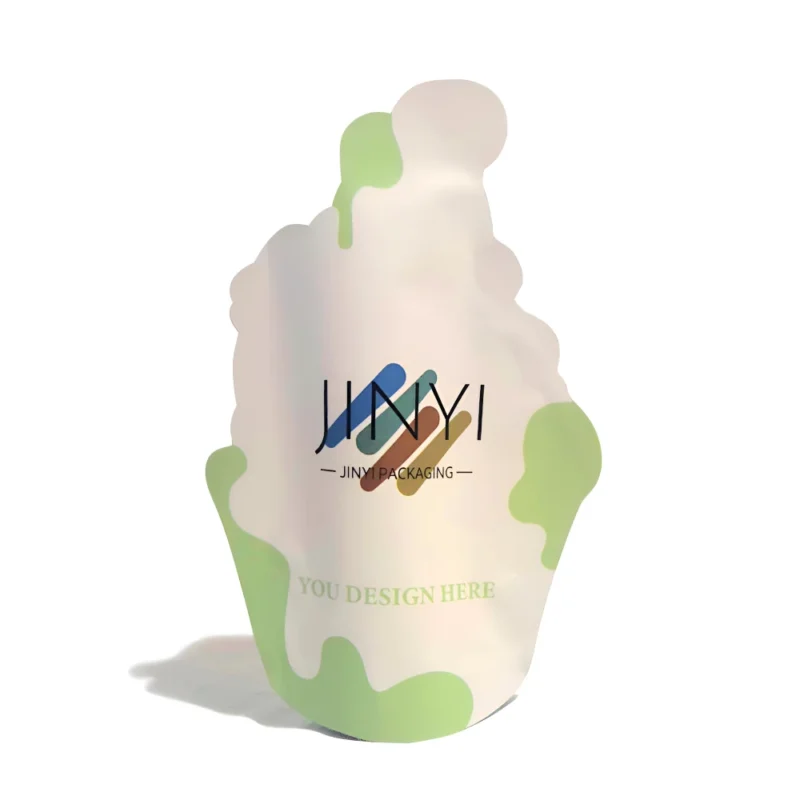
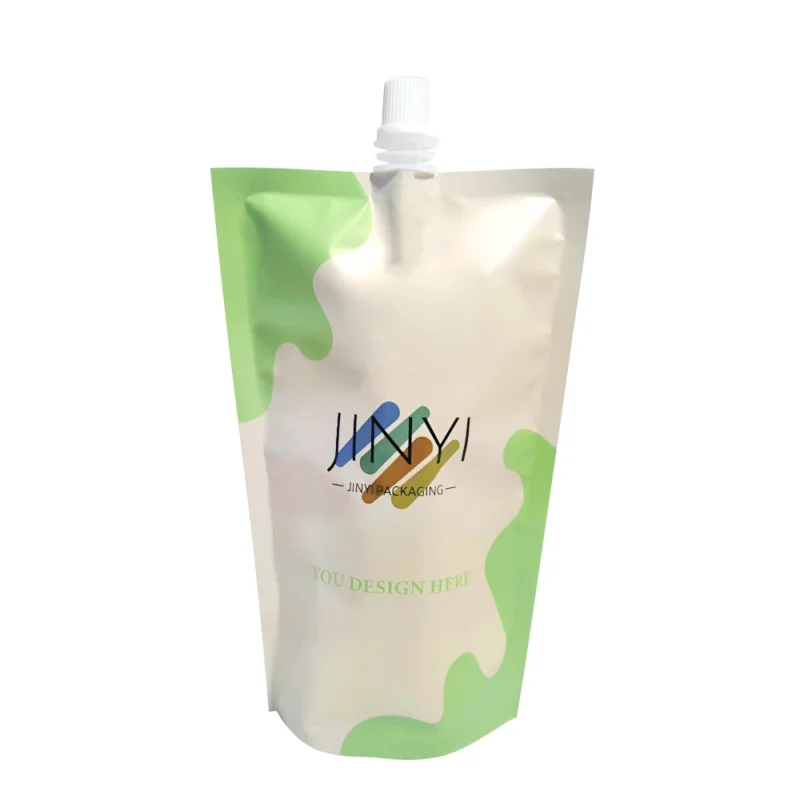
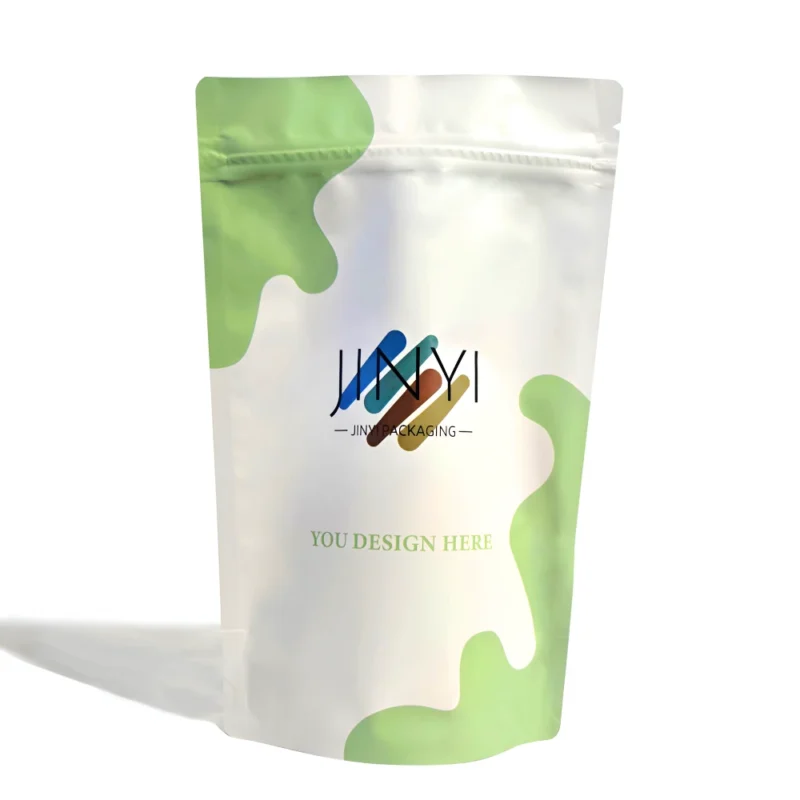
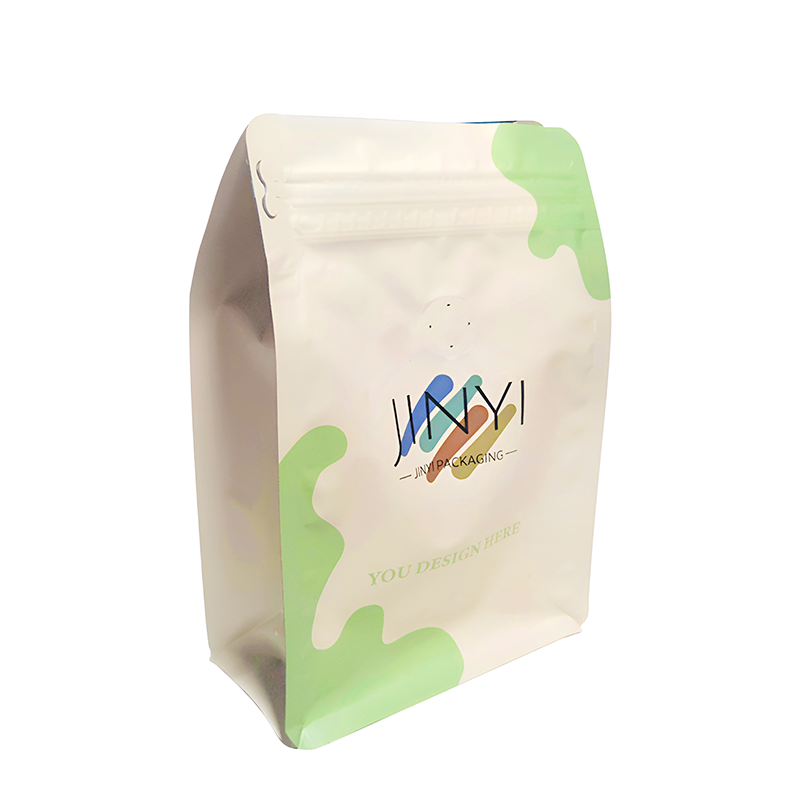
Yes. A stand-up pouch is a family of structures, not one product. Doypack, K-seal, and flat-bottom formats behave differently. Bottom seal shape, gusset depth, and side panel geometry decide how well the pouch stands, how it stacks, and where stress concentrates. When brands treat “stand-up pouch” as a single option, they often end up with a pouch that looks fine empty but collapses after filling.
I see this mistake when the pouch stands poorly on shelf, leans forward, or “slumps” after customers pick it up. The usual cause is wrong gusset sizing for the fill weight, or a base that does not match product density. I correct it by matching structure to product weight, fill volume, shelf depth, and display style. A pouch format is not a visual preference. It is a mechanical decision that affects failure risk.
How I match format to stability
| Need |
Common mistake |
What I do instead |
| Heavy fill and strong shelf stand |
Undersized gusset, narrow base |
I increase base stability and balance |
| High-speed filling |
Format that twists on the line |
I choose a structure that feeds consistently |
| Retail presentation |
Bag collapses after handling |
I tune stiffness and center of gravity |
Is Choosing the Wrong Barrier the Fastest Way to Lose Shelf Life?
Yes, and the biggest error is choosing barrier by film names. Many brands say “PET/PE” or “kraft” and assume performance is fixed. In reality, barrier varies widely even under the same name. In U.S. and EU markets, I often see oxidation and aroma loss in nuts, baked snacks, freeze-dried foods, and spices. I also see moisture pickup in powders and crunchy textures. The pouch can stay intact while product quality quietly drops. Then customers complain about staleness, soft texture, or “old” smell.
I avoid this by writing a product risk list. I ask what fails first: oxygen, moisture, light, or aroma. Oil-heavy foods are usually oxygen-sensitive. Powder and crispy foods are usually moisture-sensitive. Some foods need both controls. Then I define measurable targets like OTR and WVTR goals based on the shelf-life target and channel reality. I also confirm validation methods early. I trust clear targets more than assumptions.
Barrier planning should start from risk
| Food risk |
Typical symptom |
What I define early |
| Oxygen sensitivity (oily foods) |
Rancid taste, aroma loss |
Clear OTR goal and validation plan |
| Moisture sensitivity (crispy/powder) |
Soggy texture, clumping |
Clear WVTR goal and storage assumptions |
| Light sensitivity |
Color and flavor degradation |
Opacity requirement and shelf exposure check |
Do Weak Heat Seals and Seal Contamination Cause Most Leaks?
Yes. Most leakage and bad reviews start from sealing, not from “material quality.” A pouch can use strong films and still fail if the seal window is unstable or the seal area is contaminated. Food contamination is common. Powder can sit in the seal zone. Oil can creep into it. Then the seal looks closed, but it is not strong. During shipping, vibration and compression open micro-channels, and the pouch leaks. Customers do not diagnose sealing parameters. They just see a mess.
I prevent this by controlling the seal system. I define a stable sealing window for the structure. I design the seal area so product is less likely to contaminate it. I also review the filling method because the line often creates the contamination. If the product is dusty, I protect seal zones. If the product is oily, I consider how oil migration affects the seal layer. This approach matters in U.S. and EU channels because leaks create immediate penalties.
Seal reliability is my first pass/fail gate
| Leak symptom |
Typical cause |
My correction |
| Top seal leaks |
Powder/oil contamination |
I improve seal zone design and filling control |
| Seal opens under pressure |
Weak sealing window |
I lock temperature/pressure/time ranges |
| Micro-channels |
Inconsistent production conditions |
I standardize parameters and QC checks |
Why Do Pouches Fail in Real Shipping Even When Lab Tests Pass?
Because the real world is not a single test. U.S. and EU logistics include multiple handoffs, case stacking, parcel compression, drops, and temperature swings. A pouch can pass a controlled drop test and still fail after repeated compression and rubbing. A pouch can seal well in a stable plant environment and behave differently after cold transport or hot warehouse storage. When brands say “it passed the test,” I ask which test and which conditions. One clean pass does not represent a full distribution cycle.
I solve this by testing for the channel. I create a realistic test pack that matches fill weight, case configuration, and distribution behavior. I check drop, compression, abrasion, and temperature-humidity cycling when needed. I inspect seals after the test, because many failures start as micro-damage. This method protects brands from the most painful surprise: the pouch launches well, then complaints rise after scale.
Channel testing should mirror real distribution
| Real condition |
What fails first |
What I validate |
| Compression in parcels/cases |
Seal stress, corner fatigue |
Compression tolerance and seal integrity |
| Repeated handling |
Edge rub, scuffing, pinholes |
Abrasion behavior and weak points |
| Temperature swings |
Stiffness and sealing changes |
Stability across expected storage range |
Can Convenience Features Create New Leak and Barrier Risks?
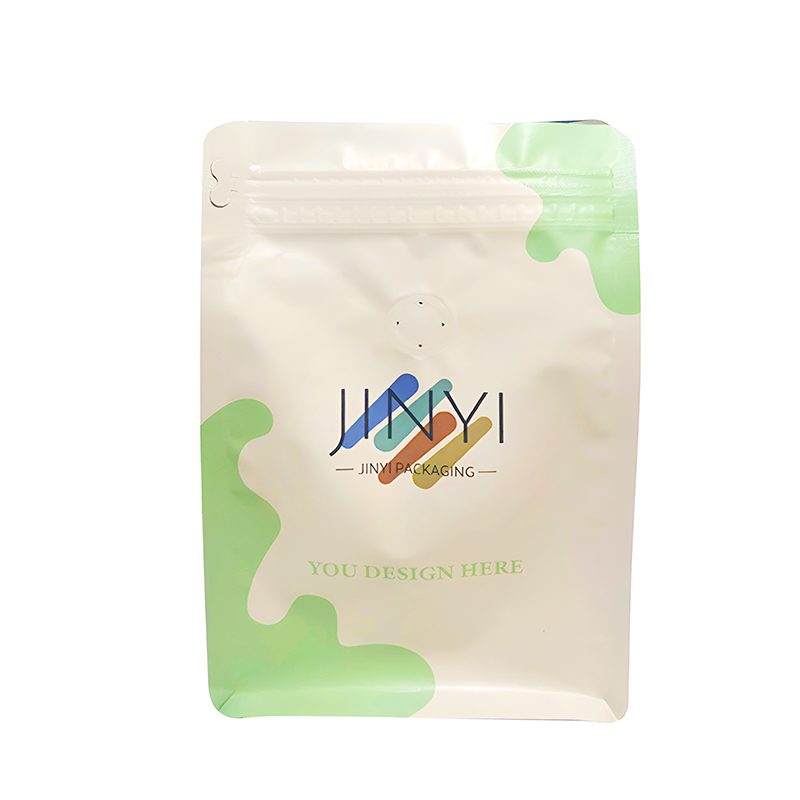
Yes. Features like zippers, windows, tear notches, spouts, and laser scoring can improve usability, but they also add risk. Every feature changes stiffness, sealing behavior, and barrier pathways. A zipper can reduce the effective sealing zone if it sits too close to the top seal. A window can reduce barrier and create a weak panel. A tear notch can start a tear too easily if the geometry is not balanced. Laser scoring can be helpful, but it must be tuned for opening force so it does not tear accidentally in shipping.
I add features only when they serve a real use case. If the food needs frequent resealing, a zipper makes sense, but I still protect the primary seal and barrier plan. If a brand wants a window, I confirm whether the product can tolerate light and whether the window compromises shelf life. If the line speed is high, I confirm compatibility with the filling and sealing equipment. In U.S. and EU channels, a failing feature creates worse reviews than no feature.
Features are benefits only when they stay stable
| Feature |
Common mistake |
Better approach |
| Zipper |
Placed too close to top seal |
I keep a strong sealing area above the zipper |
| Window |
Used on light-sensitive foods |
I use it only after product tolerance is confirmed |
| Tear notch / laser |
Accidental tearing in shipping |
I tune opening force for real handling |
Why Does Shelf Presence and Handling Design Still Matter for “Quality”?
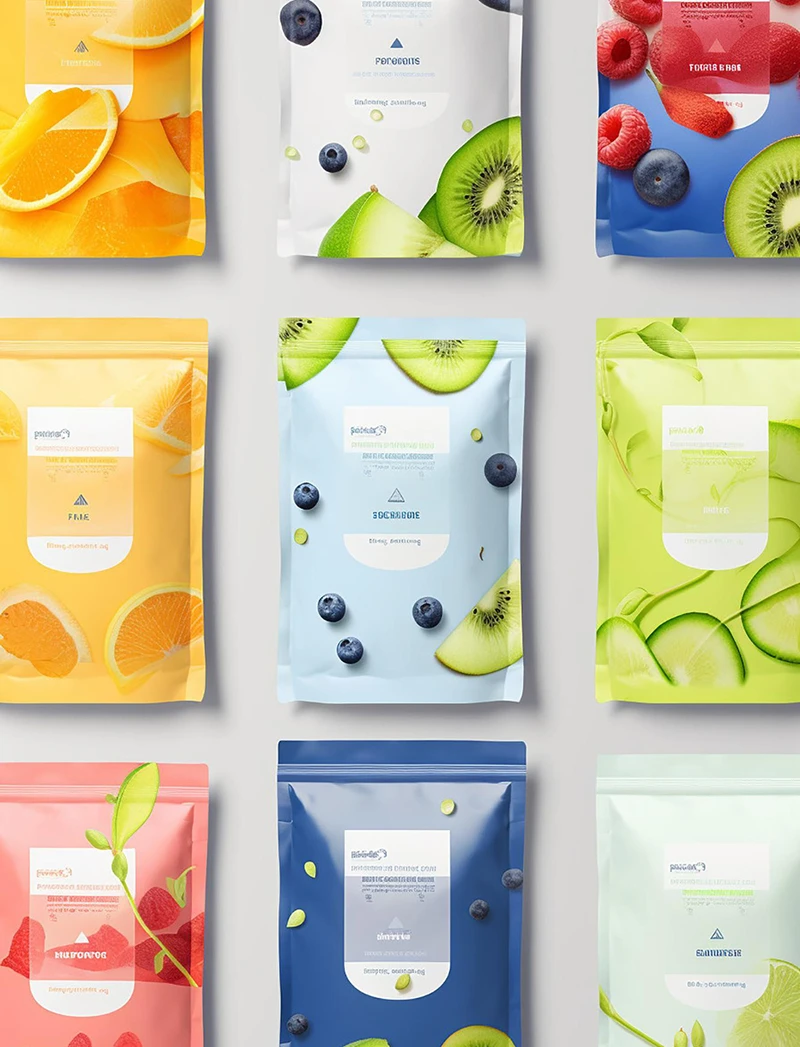
A pouch can be technically functional and still fail commercially if it stands poorly, feels awkward, or looks unreadable. If the pouch collapses, tilts, or looks messy on shelf, customers assume the food is lower quality. If the front panel is overloaded, customers cannot understand the product fast enough. In U.S. and EU shopping behavior, that first impression matters. The bag has to communicate brand, product type, and primary benefit fast. If it cannot, the product loses conversions.
I solve this by designing structure and artwork together. I want a stable base, a clean top profile, and a comfortable grip. I also want a front panel that communicates in three seconds. I check readability under retail lighting and in e-commerce photos. If glare or low contrast hides the message, I adjust finish choices and layout. I treat these choices as packaging performance, not only marketing preference.
Three-second hierarchy is a real requirement
| What must be clear |
Common mistake |
My correction |
| Brand + product type |
Too many claims and icons |
I reduce to one main message |
| Key benefit |
Low contrast or small text |
I increase contrast and spacing |
| Premium signal |
Weak structure and unstable stand |
I improve base stability and stiffness |
Is Compliance and Label Reality in the U.S. & EU Easy to Underestimate?
Yes. Many brands treat compliance as a document step after design, but food packaging is not forgiving. Food-contact expectations, ink migration concerns, odor, and claim wording can create rework. I also see practical label constraints. Barcodes need flat zones and scannable placement. Required information needs space. If those needs are not planned early, brands end up squeezing text, placing barcodes on curves, or covering key design areas with stickers. That creates a messy look and an inconsistent brand line.
I reduce this risk by planning compliance documents, material statements, and label zones during sampling. I want the back panel and side panels to support required information without destroying the front design. I also want barcode zones that avoid seams, gussets, and heavy curves. This planning is especially important for U.S. and EU brands that sell across both retail and e-commerce, because the pack must work everywhere with minimal changes.
Label planning should happen before final artwork
| Item |
Common issue |
What I do early |
| Material and compliance documents |
Delays and rework |
I align material choices with document needs |
| Barcode placement |
Scan failures |
I reserve a flat, protected barcode zone |
| Required information density |
Unreadable panels |
I reserve layout space before design is locked |
What Is My Practical Prevention Checklist for Stand-Up Pouches?
My prevention checklist is simple: product, channel, and shelf-life target. I write down what fails first, and I design the pouch to control those risks. I confirm the format can stand and handle the weight. I define barrier targets based on the product’s risk list. I lock seal reliability with a stable sealing window and contamination control. I add features only when they do not create new weak points. Then I validate with channel-based testing that reflects U.S. and EU reality.
In mass production, I focus on standardization and batch consistency. I want the key parameters to repeat: seal behavior, film performance, and feature placement. I do not aim for the most complex pouch. I aim for the most predictable pouch. That is also why I say most failures are mismatch, not “bad quality.” When the inputs are clear and controlled, the pouch stays stable and the brand stays safe.
My workflow from selection to scale
| Stage |
What I confirm |
Why it matters |
| Before sampling |
Product risk list + channel + shelf-life goal |
Stops mismatch early |
| Sampling |
Seal, barrier direction, handling, shipping behavior |
Finds real failure points |
| Production |
Standard parameters + batch consistency |
Prevents repeat complaints at scale |
Conclusion
Most U.S. and EU pouch complaints come from mismatch, not bad bags. I avoid them by locking barrier targets, seal reliability, and channel testing before scaling production.
FAQ
1) What is the most common reason food stand-up pouches leak?
I usually see seal issues first, especially seal contamination from powder or oil and an unstable sealing window.
2) How do I know if my pouch barrier is enough for my shelf-life target?
I start from your product risk list, then I define measurable oxygen and moisture barrier goals and validate with storage and distribution assumptions.
3) Should I use a zipper for food stand-up pouches in the U.S. and EU?
I use a zipper only when the use case needs resealing and when the zipper does not reduce seal reliability or line stability.
4) Why does my pouch pass a simple test but fail after shipping?
Real shipping includes repeated compression, rubbing, drops, and temperature swings. I test for the channel, not only for one controlled scenario.
5) What should I confirm before mass production for U.S./EU markets?
I confirm structure stability, barrier targets, seal reliability, feature compatibility, and realistic shipping performance, then I standardize key production parameters for consistency.