Light roast sounds premium. Single origin sounds even better. Many buyers stop there, then treat two useful clues as if they were the whole quality verdict.
Roast level and origin can help consumers read coffee style and context, but neither one proves total quality alone. Better judgment also needs processing, transparency, consistency, and personal fit.

This is why roast and origin deserve a slower reading. Roast level often changes what consumers notice first in the cup. Origin often changes what consumers expect before the cup is even brewed. Both are meaningful. Neither is complete. A coffee can be light roasted and still be poorly executed. A coffee can come from a famous origin and still fail to deliver a clean, balanced, or satisfying cup. A blend can be highly intentional and consistent. A dark roast can still be skillfully developed. Once consumers understand that roast and origin are clues rather than conclusions, coffee quality becomes easier to read with less hype and more precision.
For coffee brands, clearer roast, origin, and processing communication often builds more trust than relying on prestige words alone.
What Does Roast Level Really Tell Consumers About Coffee Quality?
Many buyers treat roast level like a grade. They see light roast and assume quality rises. They see dark roast and assume quality falls. That shortcut misses what roast usually explains best.
Roast level is mainly a flavor-direction clue. It can tell consumers a lot about sensory style, but it does not work as a finished quality verdict by itself.
Why roast level explains style faster than it explains quality
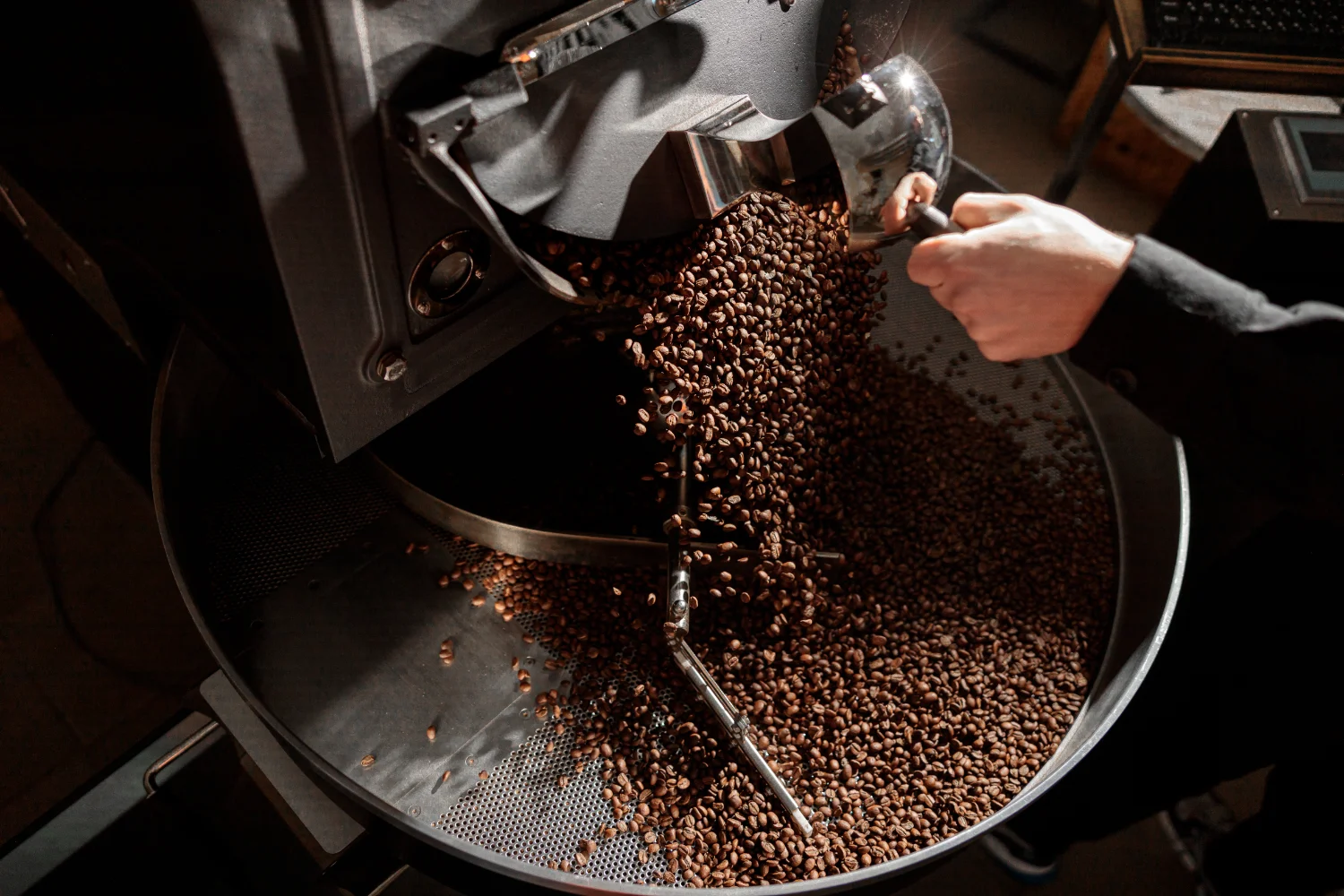
Roast level matters because it strongly shapes what consumers notice in the cup. Recent sensory research showed that roast level was one of the biggest drivers of difference across multiple coffee flavor attributes. In that work, darker roast samples were more strongly linked with bitter, burnt, smoky, and roasted notes, while lighter roast samples were more strongly linked with sour, citrusy, berry-like, and fruity notes. That is extremely useful for buyers because it means roast level can often help predict the direction of the coffee experience before the bag is opened.
However, this is where many people make the leap from “style” to “status.” A light roast does not automatically prove higher quality. It may reveal more acidity and fruit expression, but that does not mean every consumer will judge the cup as better. In the same way, a darker roast should not be treated as automatically lower quality or automatically burnt. Roast level first tells consumers how the coffee may present itself. It does not settle whether the roasting was well executed, whether the coffee is clean, whether defects are controlled, or whether the final cup suits the buyer’s purpose. Roast is one layer of information. It is not the whole quality sentence.
| Roast Level Cue |
What It Can Tell Consumers |
What It Cannot Prove Alone |
| Light roast |
Higher chance of acidity, fruit, and origin-forward expression |
That the coffee is automatically higher quality or more enjoyable for everyone |
| Medium roast |
A more balanced middle point between origin expression and roast development |
That it is the universal best choice |
| Dark roast |
More roasted, bitter, smoky, or fuller sensory cues |
That the coffee is automatically lower quality or defective |
Evidence (Source + Year): Scientific Reports roast-level sensory study (2024); Coffee Flavor: A Review (2020).
What Does Origin Really Tell Buyers, and What Does It Not?
Origin names carry power. They suggest place, climate, altitude, and story. But consumers often ask origin to do too much work on its own.
Origin is a meaningful background clue. It can help explain possible flavor direction and production context, but it does not explain the full quality story without processing, variety, and roasting context.
Why origin matters, but still needs processing and execution around it
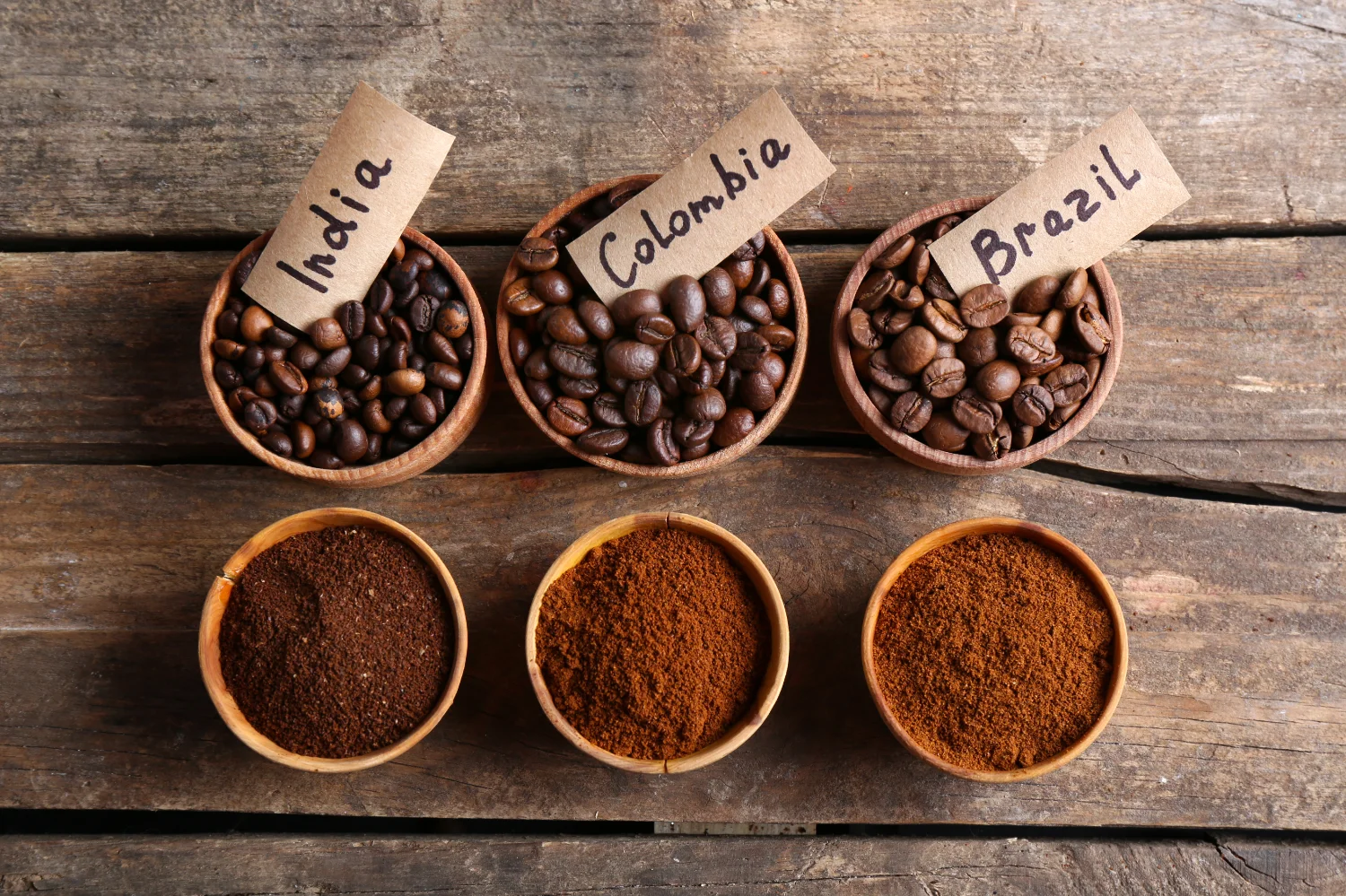
Origin matters because coffee is agricultural. Place affects growing conditions, and growing conditions affect what kind of raw material reaches the roaster. Research on Brazilian specialty coffee beans showed that geographical origin influenced chemical profile and sensory quality. At the same time, that same research also found that post-harvest processing influenced chemical composition and sensory score. This is exactly the nuance consumers need. Origin is important, but it is not a complete answer.
A bag that says Ethiopia, Colombia, Guatemala, or Brazil can tell buyers something about background and possible cup direction. It may also signal altitude range, climate patterns, and broad expectations shaped by the market. But origin alone does not tell consumers whether the coffee was washed, natural, honey processed, or handled in another way. It does not tell them how carefully the coffee was sorted, how clean the lot is, how the roaster approached development, or how well the coffee performs in the cup. That is why origin should be read as context, not verdict. It can narrow expectations, but it cannot close the case. Consumers get a stronger reading when origin is paired with processing, variety, altitude, and a clear roast intent.
| Origin Signal |
What It Can Tell Buyers |
What It Does Not Settle |
| Country or region named |
Production context and possible flavor expectations |
Final cup quality without processing and roasting context |
| Single origin |
Source specificity and a narrower background cue |
Automatic superiority over a well-built blend |
| Famous origin name |
Recognition and stronger buyer expectation |
That the coffee is clean, balanced, and worth the price by default |
Evidence (Source + Year): Food Research International origin and post-harvest processing study (2024); SCA specialty coffee definition and standards pages.
Does Distinctive Mean Better, or Just More Specific?
Specialty coffee often wins attention because it feels more distinctive. But distinctive can be read too quickly as better, and that is where consumers often lose accuracy.
Distinctive usually means more specific, more recognizable, or more characterful. It may support higher value, but it does not automatically mean more universally superior quality.
Why specialty coffee language should not be read as a shortcut to universal superiority
The modern specialty coffee market has trained consumers to notice distinction. That is not a bad thing. The Specialty Coffee Association defines specialty coffee as a coffee or coffee experience recognized for its distinctive attributes, resulting in significantly higher value within the marketplace. That definition is useful because it shows two things at once. First, distinction matters. Second, the market value of distinction is real. Consumers are not imagining the difference. The 2025 specialty coffee data also shows the category continuing to grow, with consumers seeking quality, connection, and meaning in every cup.
However, this does not mean every distinctive coffee is better for every buyer. A coffee can be highly specific, unusual, or origin-forward and still be less satisfying to a person who wants comfort, consistency, or lower acidity. The difference between “this coffee stands out” and “this coffee is better” is one of the most important distinctions in consumer judgment. Distinctive attributes can support value. They can support higher prices. They can support stronger storytelling. But they should not be mistaken for a final, universal quality verdict. Specialty buyers should learn to ask one more question: is this coffee promising distinction, or is it promising a more complete quality fit for how I actually drink coffee?
| Distinctive Signal |
Why It Can Add Value |
Why It Still Needs Caution |
| Unusual flavor profile |
It creates recognition and market difference |
Not every distinctive profile fits every palate |
| Detailed origin story |
It increases context and perceived transparency |
Story does not replace clean execution |
| Specialty positioning |
It signals greater attention to differentiation |
Differentiation is not the same as universal superiority |
Evidence (Source + Year): SCA, What is Specialty Coffee?; SCA/NCA Specialty Coffee Report (2025).
For coffee packaging, origin, roast, and processing details work best when they help buyers understand whether the coffee promises distinction, consistency, or both.
Do Consumer Preferences Change How Roast and Origin Should Be Read?
Consumers often trust their own liking as if it were a full quality test. That is natural, but liking and quality do not overlap as neatly as people assume.
Preferences matter because coffee is sensory, but preference-based liking should not be treated as the whole quality verdict. It is one part of judgment, not the only part.

Why liking a roast style is not the same as proving a quality hierarchy
This is where many coffee debates become less useful than they appear. A consumer may genuinely prefer dark roast because roasted, bitter, smoky, and chocolate-like cues feel more familiar and more satisfying. Another may prefer light roast because acidity, fruit, and floral notes feel more expressive and more interesting. Neither preference automatically proves that one roast style is objectively higher quality than the other. A review of coffee flavor research points out that consumer emotional responses can differ across sensory attributes. In some cases, bitter roast and burnt aroma cues in darker coffees were associated with pleasant reactions for certain consumers, while acidity and citrus notes in brewed coffee could be associated with a feeling of imbalance for others.
This matters because roast and origin are often sold through preference training. Consumers learn what they are supposed to admire. They also learn what signals are treated as sophisticated. But quality should still be read with more than one lens. Preference is real. It shapes buying, loyalty, and repeat satisfaction. Yet quality signals can also include transparency, consistency, defect control, processing disclosure, and roast execution. That is why preference should not be pushed out, but it should be right-sized. Buyers should ask not only “Do I like this?” but also “Am I reading my liking as a style match, or as evidence that this coffee is universally better?”
| Preference-Based Signal |
What It Tells Buyers |
What It Does Not Prove Alone |
| “I like light roast more” |
The buyer prefers higher acidity or more fruit-forward style |
That light roast is always higher quality |
| “I prefer darker coffees” |
The buyer prefers roast-forward comfort or fuller bitterness |
That dark roast is automatically lower grade or poorly made |
| “This origin tastes best to me” |
The buyer has a meaningful style match |
That one origin solves quality by itself |
Evidence (Source + Year): Coffee Flavor: A Review (2020); Scientific Reports roast sensory study (2024).
As a flexible packaging manufacturer, we focus on how sensory and source cues become readable on pack. For coffee products, packaging should help buyers see roast intent, origin information, processing details, and usage context without forcing them to rely on prestige alone. Good coffee packaging should support freshness, reading clarity, and decision confidence. It should help a buyer understand whether a coffee is trying to deliver balance, distinction, or a more consistent daily profile.
What Should Consumers Check First Before Using Roast or Origin as a Quality Signal?
Many buyers want one fast shortcut. Roast and origin feel like easy answers. But quality becomes clearer only when those clues are read inside a larger, more complete framework.
Consumers should use roast as a style clue, origin as a context clue, then check processing, transparency, consistency, and personal fit before treating any coffee as higher quality.
A five-step framework for reading roast and origin with less hype
The first step is to treat roast level as a style clue rather than a final grade. Roast helps buyers anticipate whether the coffee may lean more fruit-forward, acidity-forward, roast-forward, or bitterness-forward. The second step is to treat origin as background information rather than a finished answer. Origin can help buyers understand where the coffee comes from and what broad flavor tendencies may be present, but it should not be expected to carry the whole quality story alone.
The third step is to check whether the roaster discloses processing, variety, altitude, or other meaningful production details. These signals often make origin more useful because they show what kind of coffee reality sits behind the place name. The fourth step is to ask whether the coffee is promising distinction, consistency, or both. A single origin coffee may emphasize specificity. A blend may emphasize balance and repeatability. Neither promise is automatically better in every setting. The fifth step is to match the coffee to personal taste and use case. A brew for espresso milk drinks, daily drip consumption, or giftable specialty retail may call for different types of quality than a coffee selected for cupping or exploration. The best consumer judgment comes when roast and origin are treated as strong clues inside a fuller reading, not as the whole answer themselves.
| Step |
Question |
Why It Improves Coffee Judgment |
| 1 |
What style clue does the roast level give? |
It frames sensory direction without overstating quality |
| 2 |
What background clue does the origin give? |
It uses origin as context instead of verdict |
| 3 |
Are processing, variety, or altitude disclosed? |
It strengthens the meaning behind roast and origin |
| 4 |
Is the coffee promising distinction, consistency, or both? |
It clarifies what kind of value the coffee is trying to deliver |
| 5 |
Does this cup fit my taste and purpose? |
It keeps prestige from replacing actual suitability |
Evidence (Source + Year): SCA specialty coffee definition and standards pages; SCA/NCA Specialty Coffee Report (2025); Food Research International origin and processing study (2024).
Conclusion
Roast level and origin help buyers read coffee style and context, but quality becomes clearer only when consumers also consider processing, transparency, consistency, and personal fit.
Talk to Jinyi About Clearer Coffee Packaging That Explains Roast, Origin, and Real Product Logic
About Us
Jinyi
From Film to Finished—Done Right.
Website: https://jinyipackage.com/
Our Mission
We believe packaging is not decoration. It is a solution that must work in real conditions. That includes transport, shelf display, product protection, and the consumer’s reading experience at the moment of choice.
Who We Are
JINYI focuses on Custom Flexible Packaging for coffee, food, snacks, pet food, and other consumer products. With 15+ years of production experience, multiple gravure printing lines, and HP digital printing systems, JINYI supports both stable large-volume production and flexible small-batch customization. Through standardized production processes and stable process control, the team works to keep quality, color, and structure consistent so packaging performs reliably in transport, display, and actual use.
FAQ
Does light roast usually mean better coffee?
No. Light roast usually gives a stronger clue about flavor direction, such as more acidity or fruit expression. It does not automatically prove higher quality.
Does dark roast mean the coffee is lower quality?
No. Dark roast can be well executed and enjoyable. It more often signals a roast-forward sensory style, not an automatic quality failure.
Is single origin always better than a blend?
No. Single origin often gives clearer source specificity, while blends can offer balance and consistency. Both can be high quality for different purposes.
What is the biggest mistake consumers make with origin?
They often treat the origin name as a complete answer. Origin is helpful, but processing, variety, altitude, and roasting still shape the final cup.
What should buyers check besides roast and origin?
They should check processing, transparency, consistency, and whether the coffee fits their own taste and use case. Those details make roast and origin more meaningful.