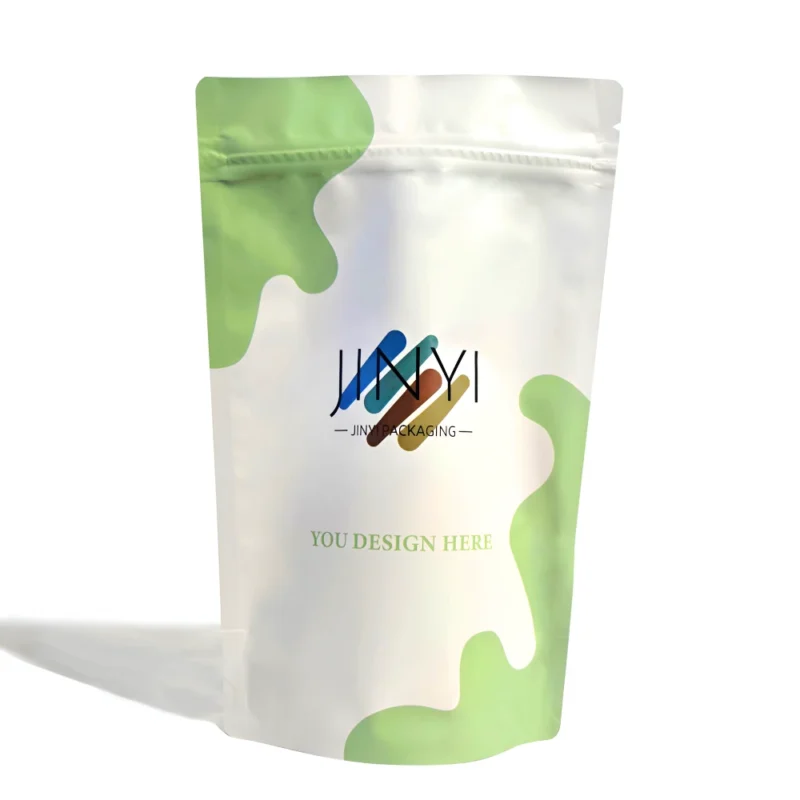
Fresh coffee can taste incredible, then turn flat fast. Many brands blame the roast. In reality, the bag often fails first — and for roasted coffee, coffee bags with valve are often the difference between “fresh on arrival” and “stale on day one”.
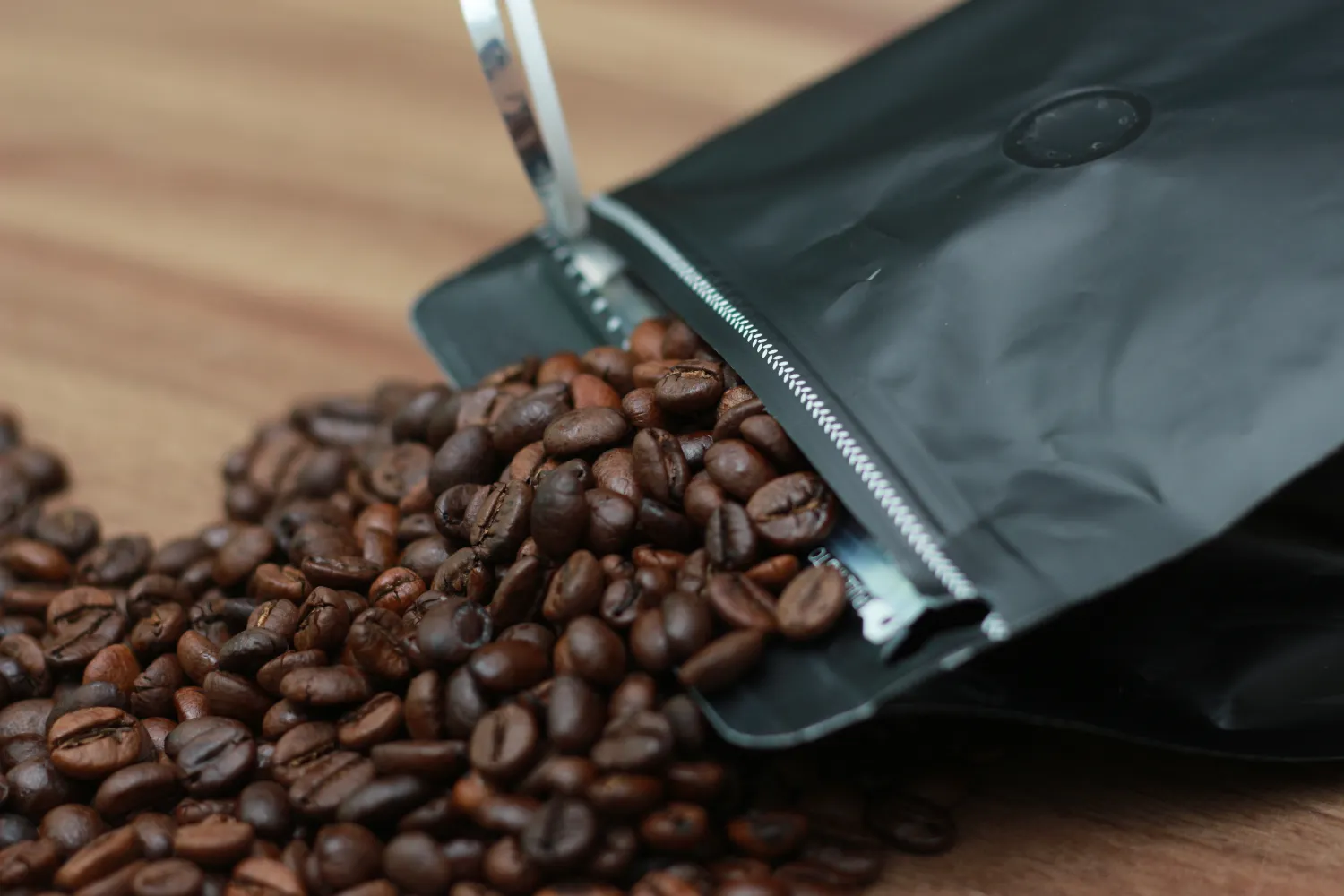
A valve coffee bag is a coffee pouch (often a stand-up pouch, flat bottom bag, or side gusset bag) that includes a one way degassing valve. The valve releases CO₂ while resisting oxygen backflow, helping keep aroma more stable, reducing oxidation speed, and lowering the risk of swollen or burst bags during storage and shipping.

I work with flexible packaging every day, and coffee is one of the few products that keeps “pushing” after you seal it. Roasted coffee continues releasing gas, and the bag must handle that pressure without sacrificing freshness. That is exactly why a valve for coffee bags exists — to manage gas while protecting the internal atmosphere.
Why Do Coffee Bags Need a Valve?
Freshly roasted coffee releases CO₂. If the bag cannot vent it, the bag can swell, deform on shelf, or even pop in transit. Then brands face returns, complaints, and inconsistent customer experience.For a stable freshness result, start with our
Coffee Packaging Solution
—barrier structure, one-way valve integration, and a reliable seal window designed for real production lines and route stress.
A one way degassing valve solves a simple but critical problem: it lets CO₂ out and helps keep oxygen from coming back in. That balance is what makes a coffee package valve a standard choice for many roasted coffee SKUs.
Coffee Degassing Is a Real Packaging Force
When I discuss coffee bags with valve with brands, I start with one question: “How soon after roasting do you pack?” The earlier you pack, the more CO₂ the bag must release. Without a valve, internal pressure has nowhere to go. I often see three outcomes: the bag looks bloated, seals get stressed, or the bag loses its shape and shelf presence.
A Valve Helps, but It Must Work With Barrier and Seals
A valve is not there to “make coffee smell better.” It is there to manage gas while limiting oxygen entry. If the film barrier is weak or the seals are inconsistent, the coffee still oxidizes fast. I treat a valve as one part of a complete system: degassing + oxygen barrier + sealing reliability.
| Situation |
Without Valve |
With Valve (when done right) |
| Early packing after roast |
Swelling risk rises |
CO₂ release is controlled |
| Shipping pressure changes |
Seal stress increases |
Bag stays more stable |
| Flavor stability |
Oxygen exposure increases |
Oxidation is reduced |
What Is a Valve Coffee Bag?
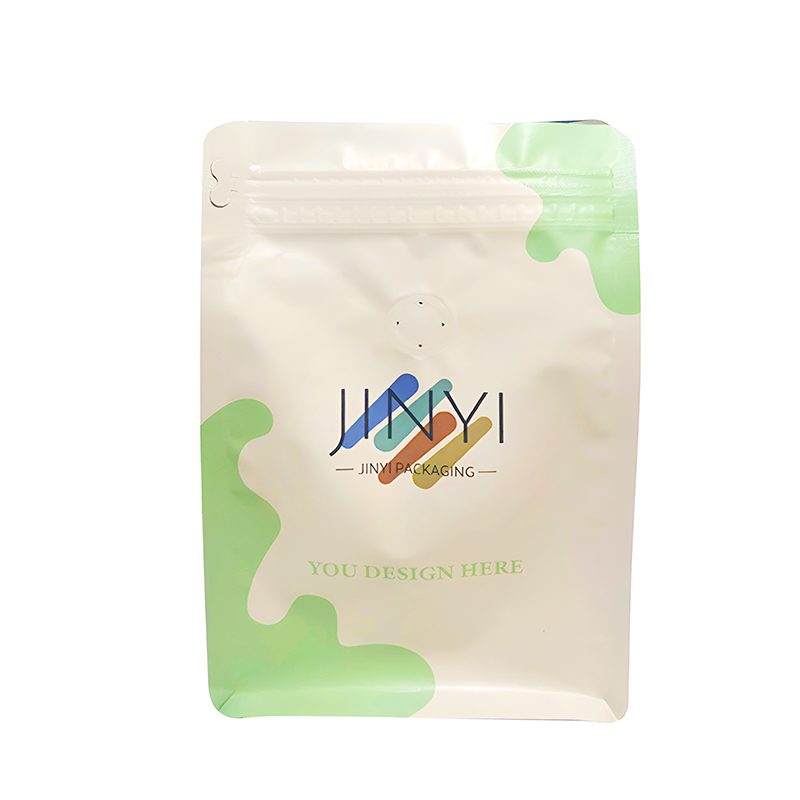
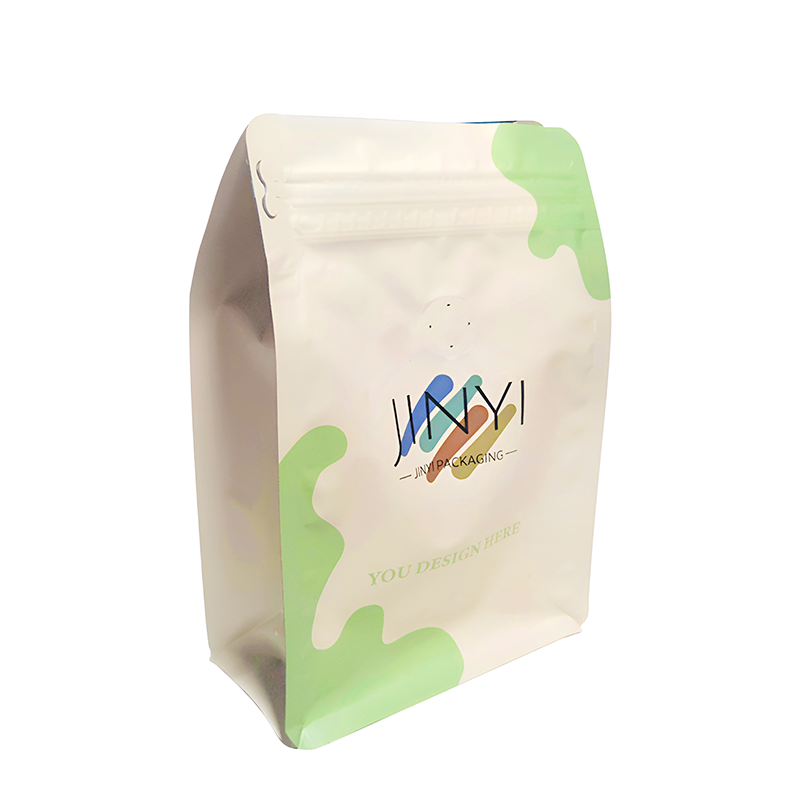
A valve coffee bag is a flexible pouch that includes a one way degassing valve, usually placed near the top panel. The bag format can be a stand-up pouch coffee bag with valve, a flat bottom bag, or a side gusset bag. The valve feature follows the same logic across formats: allow CO₂ out, resist oxygen in.
Key Components That Matter in Real Production
In my workflow, I break the valve system into practical parts: the valve body, the internal membrane or mechanism that opens under pressure, and the adhesive layer that bonds it to the film. If any of these are inconsistent, the valve can leak, fail to vent, or behave unpredictably.
Bag Format Still Changes Performance and User Experience
Many brands pick a format for shelf impact first, then add a valve. That is normal, but format affects real-world performance. Flat bottom bags often stand better and look premium. Stand-up pouches are versatile across SKUs. Side gusset bags can pack efficiently for some channels.
| Bag type |
Why brands choose it |
Valve pairing note |
| Stand-up pouch |
Versatile and common |
Valve placement is straightforward |
| Flat bottom bag |
Premium shelf look |
Keep valve away from folds and corners |
| Side gusset bag |
Efficient packing shape |
Ensure the valve sits on a flat panel |
How Do One-Way Valves Work?
A one way degassing valve opens when internal CO₂ pressure rises. It releases gas outward, then closes again. The key is that it resists backflow, so outside air does not freely enter.If you’re choosing a bag format for valve coffee, our
Stand-Up Pouches
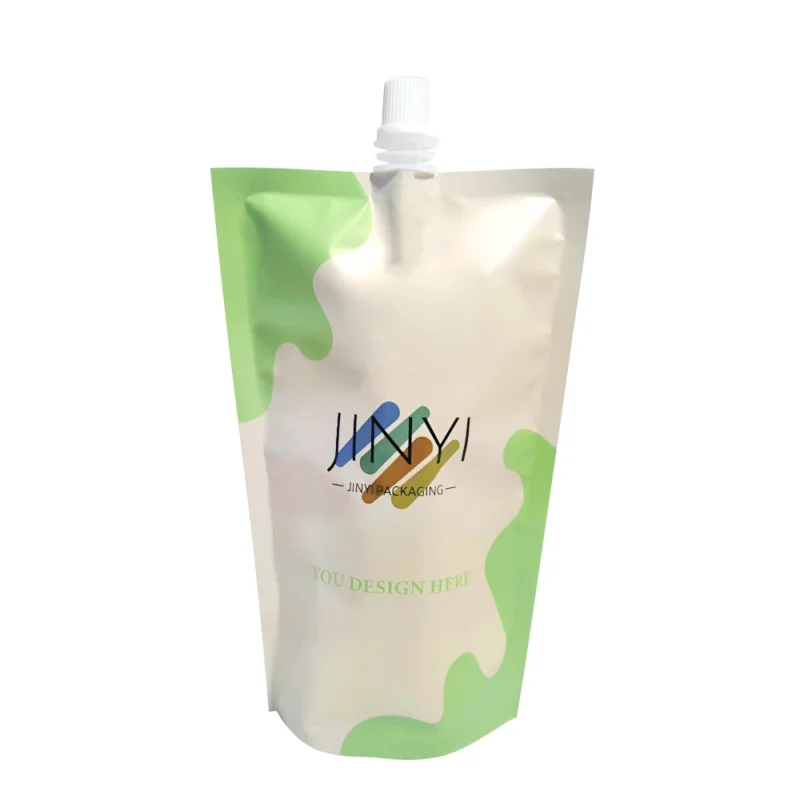
can be configured with the right laminate and valve placement to reduce bloating risk and micro-leaks during shipping.
This matters because oxygen accelerates oxidation, and oxidation is a major reason coffee loses aroma and tastes dull. If CO₂ can vent without oxygen replacing it, the coffee stays closer to its intended flavor longer.
CO₂ Release Is Visible, Oxygen Control Is the Goal
Many people focus on the “puffy bag” problem. I do too, because it creates complaints. But the deeper goal is freshness. Oxygen is the enemy of stable aroma. A working coffee package valve supports freshness by reducing oxygen exposure during storage.
A Common Retail Detail: Smelling Through the Valve
Some customers press the bag and smell coffee through the valve. That can be a nice retail moment. But from a packaging standpoint, I still prioritize predictable closure and batch consistency. A valve should vent when needed and seal when not needed.
Valve Sticker vs. Vented Valve Sticker (What People Mean)
In search, you may see terms like valve sticker or venting valve sticker. Most people use these phrases to describe the degassing valve patch bonded onto the pouch film — essentially the “valve unit” attached to the bag. In real production, what matters is not the nickname, but whether the valve vents consistently and bonds cleanly on a flat area of the pouch (especially on stand-up pouches & bags used for coffee).
| What the valve does |
Why it helps coffee |
What to watch |
| Releases internal CO₂ |
Reduces swelling stress |
Valve must open reliably |
| Resists oxygen backflow |
Slows oxidation |
Film barrier and seals must match |
| Supports shelf stability |
Better appearance in store |
Placement must avoid wrinkles |
Are All Coffee Valves the Same?
No. Valves differ in opening pressure, stability, and consistency. Two valves can look similar but perform differently in real shipments. That is why I do not treat “valve included” as the final answer. I treat it as the start of validation.
Sensitivity and Opening Pressure Change the Outcome
If a valve opens too easily, the internal atmosphere can change faster than you expect. If it opens too late, the bag can still swell and stress seals. The right setting depends on roast level, pack timing, and whether you use nitrogen flush.
Batch Consistency Is the Hidden Performance Factor
Brands often test one sample and assume future production will match. In reality, the most painful issues come from inconsistency. A small change in bonding, film surface, or valve supply can create leak risks or unstable venting. In coffee, stability beats marketing claims.
Product Differences Change Valve Needs
Whole bean coffee often benefits more from coffee bags with valve because degassing can be stronger, especially soon after roasting. Ground coffee may behave differently depending on process and shelf-life target. Nitrogen flushing also changes what “good” looks like.
What Makes a Good Valve Coffee Bag?
A good valve bag is not only a valve. It is a combination of barrier film, reliable seals, correct valve placement, and basic testing that matches the channel. If any one part is weak, the brand pays for it through quality complaints or flavor inconsistency.
Barrier Film and Valve Must Work as One System
I look at oxygen barrier, moisture barrier, and light protection as a set. The valve is a controlled release point, not an excuse to reduce barrier performance. If the bag allows oxygen in through weak film or poor seals, the valve cannot protect freshness.
Seal Strength and Leak Risk Matter More Than People Expect
In shipping, small seal issues become big problems. Pressure changes, stacking loads, and handling stress weak areas. That is why I care about seal strength, seal cleanliness, and the interaction between valve bonding and seal zones.

Valve Placement Is a Practical Engineering Choice
I prefer placing the valve on a flat area near the top panel. If the valve sits on a wrinkle, fold, or heavy crease, bonding quality can suffer. I also avoid placing it too close to zipper tracks or top seals, because that can complicate production stability.
Why Should Coffee Brands Use Valve Bags?
Valve bags protect product experience and brand trust. When coffee arrives bloated, flat, or stale, customers do not blame packaging. They blame the brand. A valve bag supports better shelf stability, safer shipping, and a fresher first opening moment.
If you’re choosing a flexible format for roasted coffee, stand-up pouches & bags are one of the most common choices to pair with a one-way valve — because valve placement is straightforward and the pouch structure is easy to scale across SKUs.
Conclusion
A valve coffee bag protects coffee by safely releasing CO₂ while resisting oxygen entry, but it only works well when barrier film, seals, placement, and batch consistency are treated as one complete system.
Get a Coffee Bag Spec Recommendation
FAQ
1) Do all coffee products need a valve bag?
No. Many roasted coffee SKUs benefit from valves, especially whole bean and early post-roast packing, but the best choice depends on your process and shelf-life target.
2) Can a valve replace high-barrier film?
No. The valve manages gas. Barrier film and strong seals protect against oxygen, moisture, and light.
3) Where should the valve be placed on a coffee bag?
I prefer a flat panel area near the top, away from folds, wrinkles, zipper tracks, and sealing zones.
4) Is a “valve bag” always fresh-proof?
No. A valve can look correct but still perform poorly if bonding, seals, or batch consistency are unstable.
5) What should I validate before scaling production?
I validate leak risk, seal strength, valve consistency, and storage performance under realistic shipping and shelf conditions.