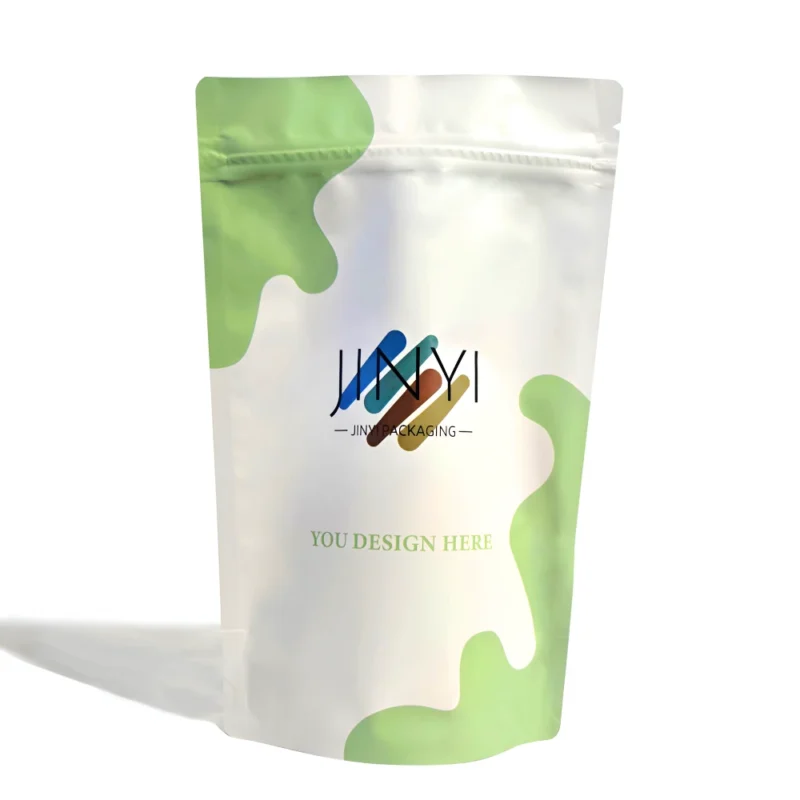
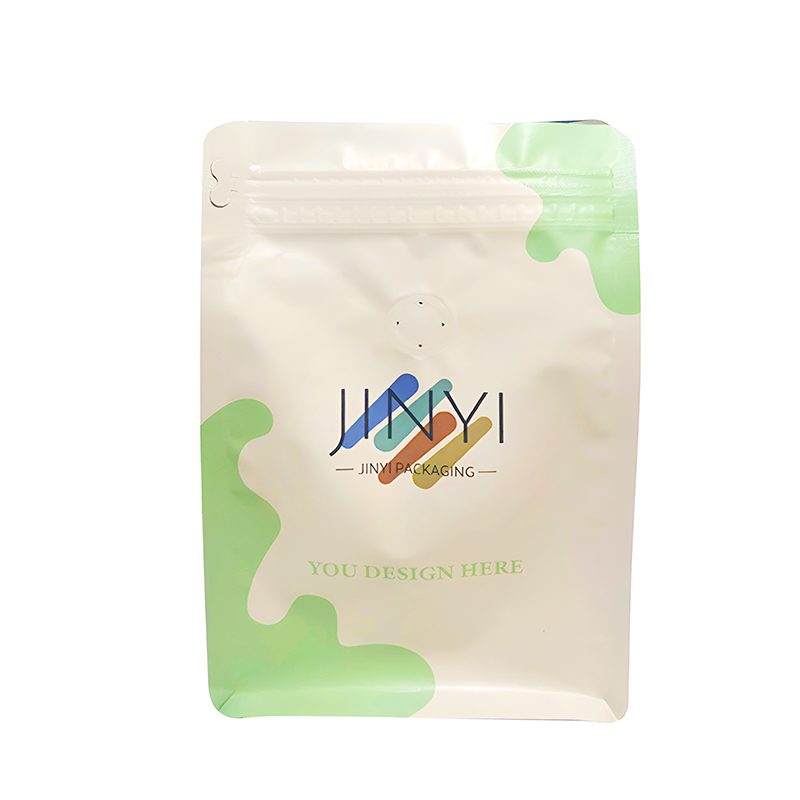
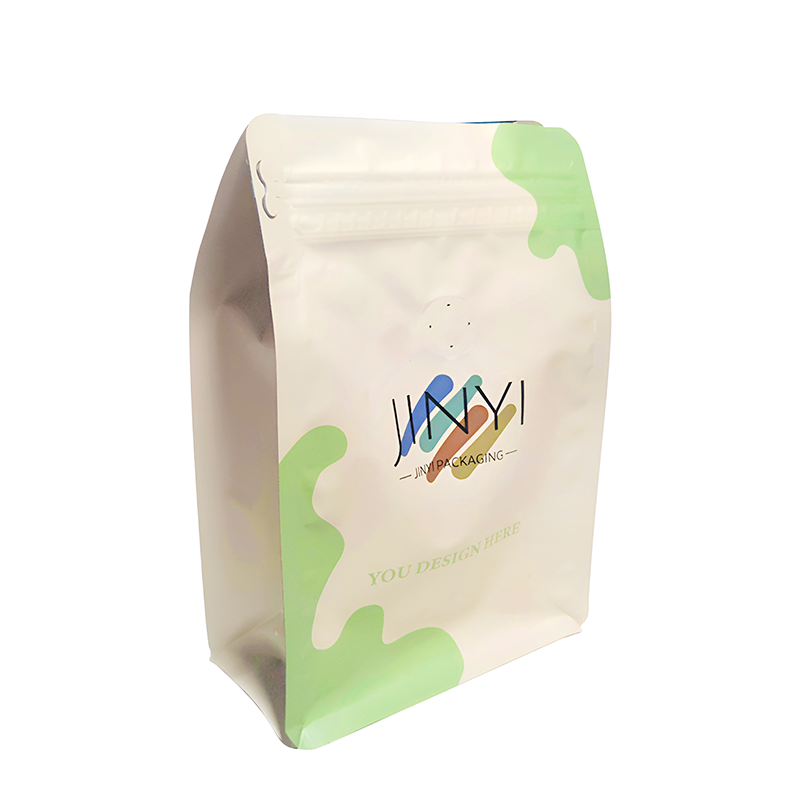
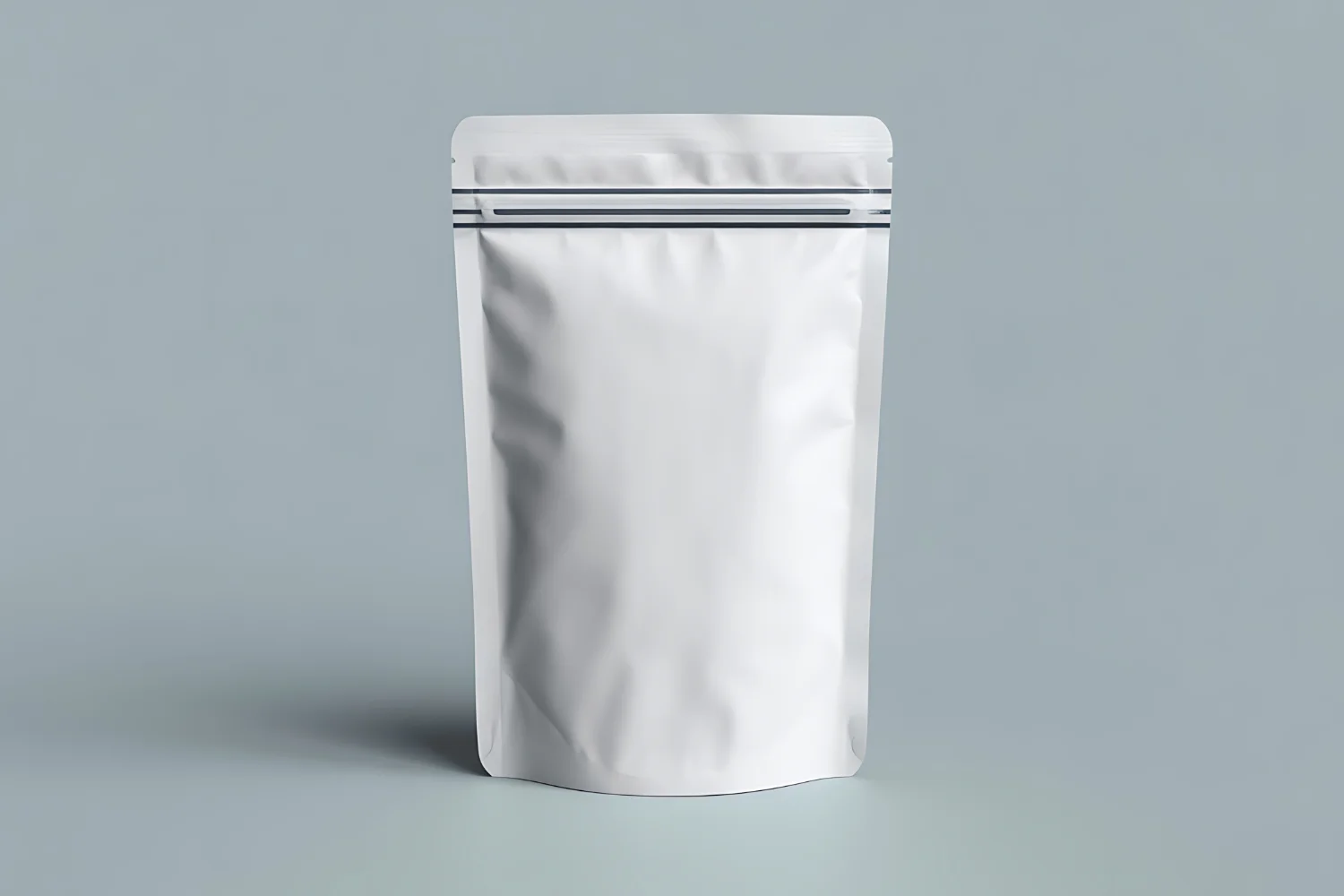
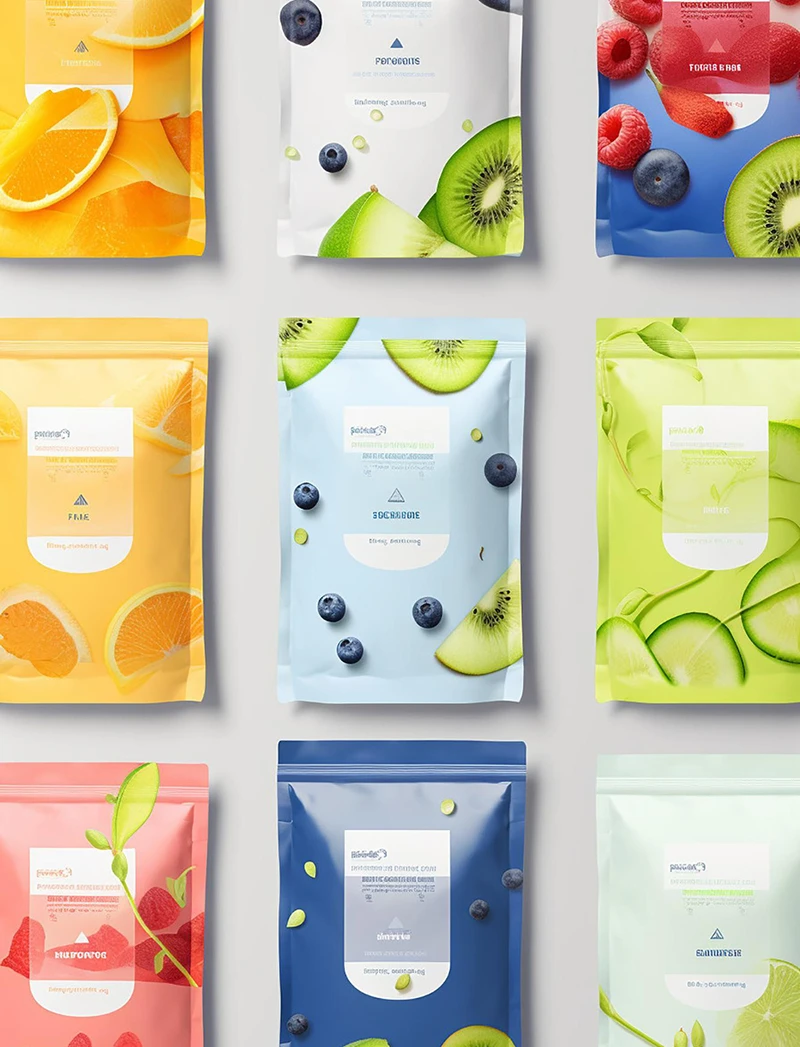
Many pouches have a zipper. Many of them still open badly, seal badly, or feel wrong in real use.
I do not choose zipper position by habit. I choose it by fill level, headspace, product behavior, sealing stability, and how the pouch is really opened and reused.

When I review zipper position, I do not treat it as decoration placement. I treat it as part of the pouch’s working logic. The zipper affects first opening, reclose comfort, top seal space, fill behavior, and long-term use. If the position is wrong, the pouch can feel awkward even when the bag looks normal in a sample. That is why I never place it by habit alone.
If you are still placing the zipper by visual proportion alone, I would fix the working logic before you lock the wrong sample.
Why Do Buyers So Often Treat Zipper Position as a Small Detail?
Many buyers see the zipper and think the job is done. I usually see the real problems start after that.
Zipper position is not a small detail. It changes how the pouch opens, seals, looks, and survives repeated use.
Why I never leave this decision to the end
I understand why buyers push this question later. The zipper looks like a fixed accessory, so the exact position feels minor. I do not see it that way. If the zipper sits too close to the top seal, the seal area becomes tighter and less forgiving. If it sits too low, the pouch can waste headspace and look unbalanced. If the top opening zone becomes too short, the first tear can feel cramped and awkward. In real manufacturing, this detail often determines whether the pouch feels clean and easy or annoying from the first use. From a production standpoint, this matters because zipper position also changes the usable top area during sealing and affects how stable the pouch mouth behaves. I do not place the zipper by what looks normal. I place it by how the full top section has to work.
| If buyers ignore this |
What usually goes wrong |
| Zipper too close to top |
Tighter seal zone and poor first opening |
| Zipper too low |
Wasted headspace and awkward pouch proportion |
| Placed by habit |
User logic and production logic stop matching |
What Do I Check First Before I Decide the Zipper Position?
I do not start with a distance from the top. I start with how the whole top area has to work.
I first check filling, top seal space, opening path, headspace, and reuse logic before I place the zipper.
Why headspace changes the answer so fast
Headspace is not just empty space to me. It is a working zone. This top area has to support heat sealing, first opening, grip space, zipper function, and sometimes a small buffer above the filled product. That is why zipper position and headspace are tied together. If the headspace is too short, the consumer has less room to tear and grip, and the top seal area can become less comfortable to run. If the headspace is too tall, the pouch can look wasteful and the top section can feel too long before the user reaches the zipper. From our daily packaging work, we see that buyers often focus on the zipper itself and forget that the whole top section must work as one system. I do not ask where the zipper should sit until I know how much real functional space the top area needs.
| What I check first |
Why it matters |
| Fill level |
It decides usable top space |
| Top seal zone |
It needs room to stay stable |
| Opening path |
It shapes first-use comfort |
| Reuse frequency |
It changes grip and reach needs |
If your stand-up pouch still feels undecided on top seal space or opening path, I would solve that before fixing the zipper location.
How Do Product Type and Fill Behavior Change My Zipper Answer?
The bag shape may stay the same. The product behavior can still change the zipper answer a lot.
I do not place the zipper the same way across all stand-up pouches. Product behavior changes the answer.
Why powder, crumbs, and bulky pieces create different zipper logic
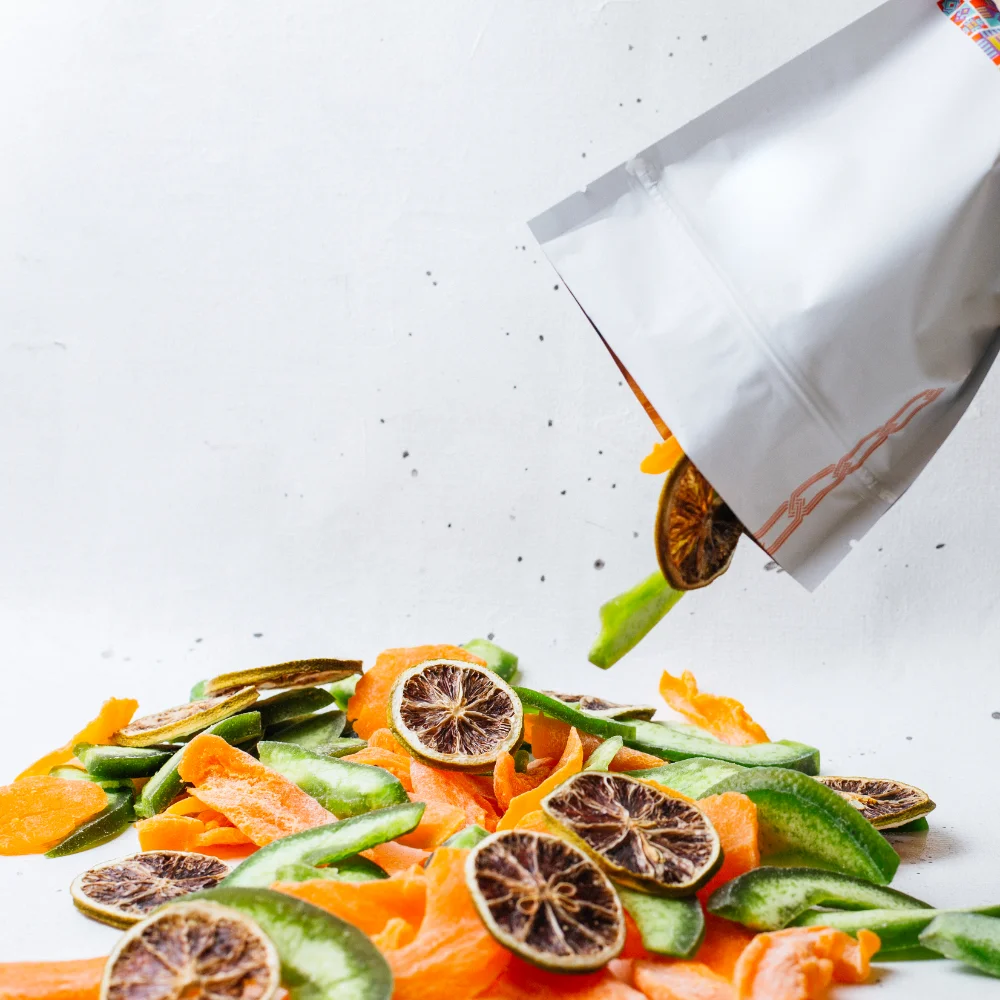
A stand-up pouch for powder does not behave like a pouch for nuts, cookies, freeze-dried pieces, or pet treats. Powder and crumb products need extra care because contamination near the zipper can quickly ruin the reclose experience. If I place the zipper too low, the product can reach that zone more easily during filling or use, and then the zipper starts feeling dirty, weak, or hard to close. Chunky products create a different issue. They may need more hand access and a better reach path after the pouch is opened. Some high-frequency use products also need a more comfortable hand entry area, which can push the zipper logic differently. In real manufacturing, this detail often determines whether the pouch keeps working after the first few uses or becomes frustrating very quickly. For dusty or crumbly products, zipper position is partly a contamination-control decision, not just a layout decision.
| Product behavior |
What I watch in zipper placement |
| Powder or fine crumbs |
Contamination risk near zipper line |
| Granules or small pieces |
Clean reclose zone and reach comfort |
| Bulky snack pieces |
Hand entry and grab space |
Why Do First Opening, Sealing, and Production Fit Change My Final Zipper Position?
Many buyers think zipper is mostly about reclose use. I usually judge first opening and factory reality first.
A zipper is not only a reclose feature. It must support a clean first-opening path and stable production at the same time.

Why I do not lock the zipper until both user and factory agree
I care about reclose use, but I do not start there. I first check whether the pouch can open cleanly the first time. If the zipper sits too high, the tear path can feel cramped. If it sits too low, the tear-off strip can become too long and less direct. Then I add factory reality. I check whether the zipper position compresses the heat-seal area, reduces filling stability, or makes the pouch mouth harder to control in production. From a production standpoint, this matters because a zipper position that looks fine on one sample can still create tighter tolerances and more unstable behavior on a real line. In real manufacturing, this detail often determines whether the pouch stays consistent in volume production or becomes one more source of trouble. I do not lock zipper position until it works in both user experience and factory reality.
| Final check |
What I want to avoid |
| First opening comfort |
Awkward tear path |
| Top seal stability |
Compressed seal zone |
| Filling and mouth behavior |
Unstable production fit |
| Reuse logic |
Poor grip and weak repeat use |
If your pouch still feels fine only in the sample but not in real opening or sealing logic, I would recheck the zipper position before production.
Conclusion
The right zipper position is not the standard-looking one. It is the one that matches the real product, real fill behavior, real opening path, and real production condition. Contact me to fix it before sampling goes in the wrong direction.
Talk to JINYI About the Right Stand-Up Pouch Zipper Position
About Us
JINYI — From Film to Finished—Done Right.
I work with a team at JINYI that focuses on Custom Flexible Packaging. We bring more than 15 years of production experience to food, snack, pet food, and consumer goods packaging.
Our factory runs multiple gravure printing lines and HP digital printing systems. That lets us support both stable large-volume production and flexible smaller runs with better control over structure and print quality.
I believe good packaging is not only about appearance. It should work reliably in transport, on shelf, and in real consumer use with less wasted communication and better structure fit.
FAQ
Is there a standard zipper position for all stand-up pouches?
No. I change it based on headspace, fill level, product behavior, and opening logic.
Why does headspace matter so much for zipper placement?
Because the top area must support heat sealing, first opening, grip space, and zipper function together.
Do powder products need a different zipper position?
Often yes. Powder and crumb products can contaminate the zipper zone more easily, so placement needs more care.
Is zipper position mainly about reclose use?
No. I also judge first opening, top seal comfort, and factory stability before I lock the position.
Can two similar stand-up pouches still need different zipper positions?
Yes. Product type, fill behavior, pack size, contamination risk, and production conditions can all change the answer.