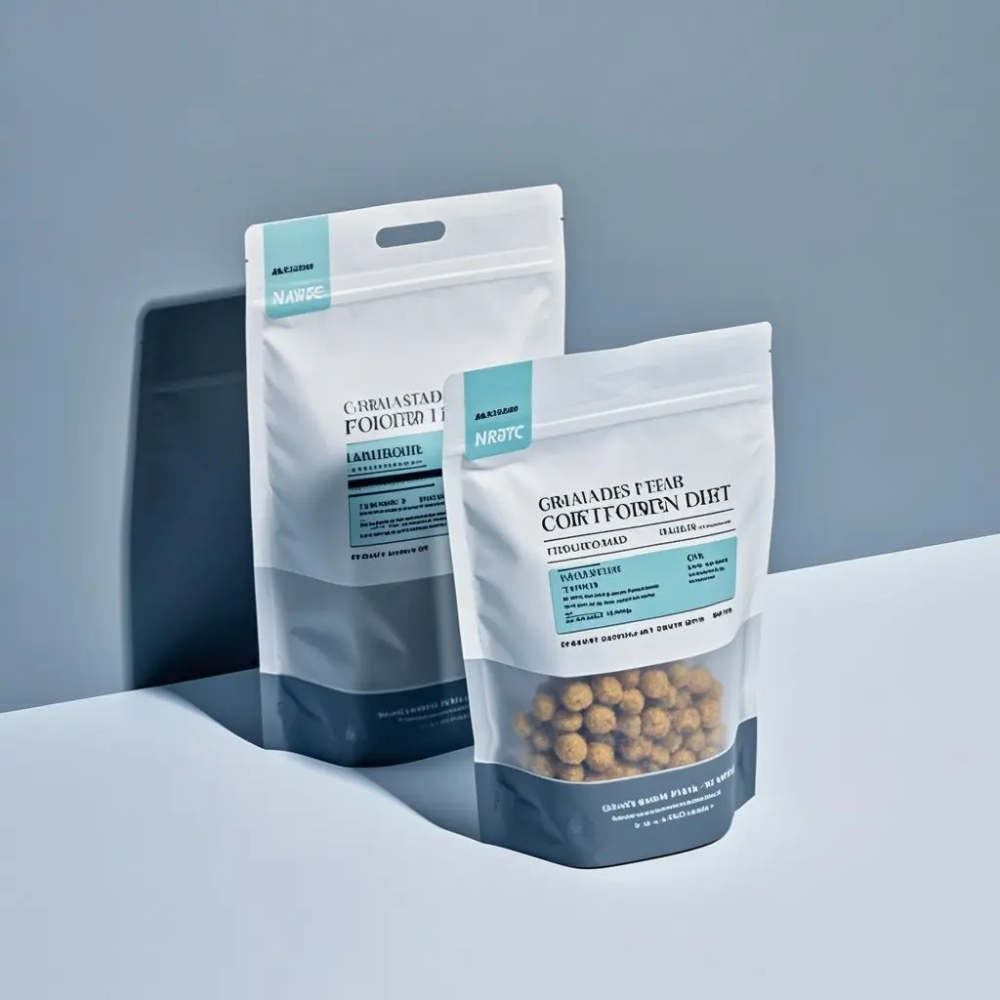
Many buyers add more features to feel safer. Then cost, production, and real use start pushing back.
I judge pouch features by one rule: a feature matters only when it solves a real problem in protection, use, production, or display. If it does not, it is usually just extra complexity.
See custom pouches built around real feature value, not feature overload.

I do not treat zipper, valve, spout, window, and hang hole as equal upgrades. I treat them as tools. Each one should earn its place in the pouch.
Why Do Many Buyers Overvalue Pouch Features at the Sample Stage?
A sample with more features looks stronger fast. That first impression can be misleading.
I see buyers overvalue features at the sample stage because visible upgrades feel like better packaging, even when the real project does not need them.
My engineering view
When buyers first hold a sample, they often react to completeness, not necessity. A zipper, window, hang hole, spout, or valve can make the pouch feel richer and more retail-ready. But I do not ask whether the sample looks stronger. I ask whether the feature improves the real product path. From a production standpoint, this matters because every added feature changes cost, tooling, process sensitivity, or yield. A sample can hide those trade-offs. That is why I never judge feature value only on the sample table.
| Sample reaction |
Real risk |
| Looks more complete |
May add cost and complexity |
| Feels premium |
May add little real value |
What Makes a Pouch Feature Actually Matter in Real Use?
A feature only matters when it finishes a real job.
I count a pouch feature as useful only when it clearly improves protection, use, production fit, or merchandising.
My engineering view
I do not start with popularity. I start with the problem. A zipper helps repeated opening. A spout helps controlled dispensing. A valve helps products that release gas. A window helps visibility. A hang hole helps hanging display. If a feature does not improve at least one practical task, I usually reject it. From our daily packaging work, we see that features become expensive noise when they are not tied to a clear need. Useful features solve specific friction. Weak features only decorate the idea of the pouch.
| Feature value test |
My question |
| Protection |
Does it protect product result? |
| Use |
Does it reduce consumer effort? |
How Should Buyers Judge Whether a Zipper Is Truly Worth Adding?
A zipper is easy to add on paper. It is not always easy to justify in real use.
I add a zipper when the product is used more than once and the user needs better reclose behavior between uses.
My engineering view
I see the zipper as a repeat-use feature, not a default upgrade. If the pouch holds snacks, powders, pet food, or other products used over time, the zipper often adds real value. If the pouch is single-use, low-price, or very small, the zipper may only add cost and process steps. In real manufacturing, this detail often changes mouth structure, bag-making flow, and sealing logic. I do not ask whether a zipper looks more professional. I ask whether it actually makes the product easier to live with.
| Use pattern |
My zipper view |
| Repeated use |
Usually worth adding |
| Single use |
Often unnecessary |
When Does a Valve Matter More Than Buyers Expect?
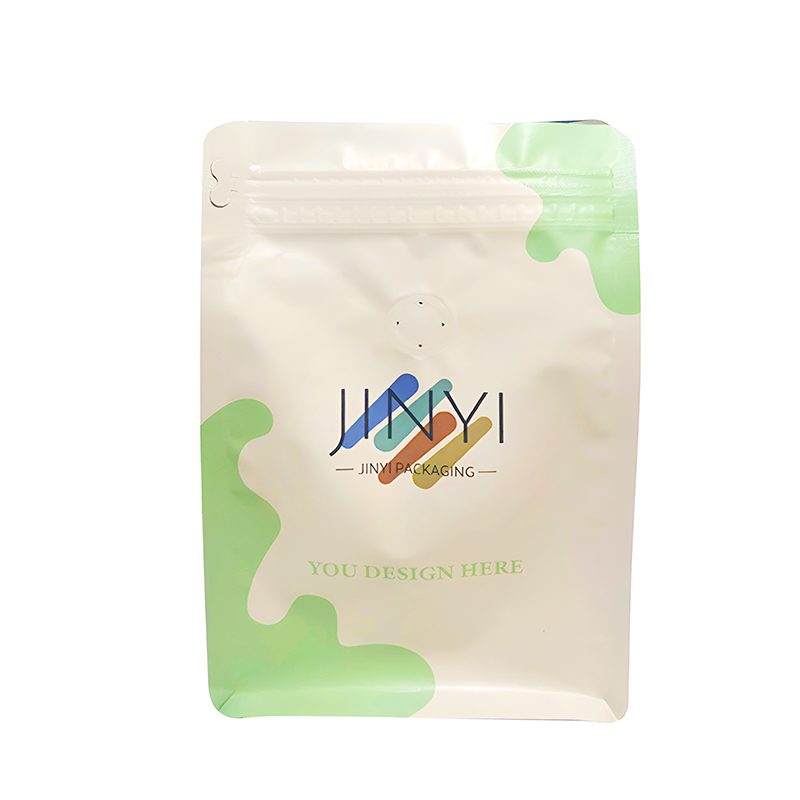
A valve looks iconic on coffee packaging, but its job is narrower than many buyers think.
I use a valve when the product releases gas and still needs outside air blocked as much as possible. Without that need, the valve is often just symbolic.
My engineering view
The valve is not a general premium accessory. It is a gas-management feature. Freshly roasted coffee beans are the clearest case. If the product continues to release gas, the pouch may swell or behave badly without a valve. If the product does not need that function, the valve may only copy a category look. From a production standpoint, this matters because the valve adds component cost, application steps, and alignment control. I only choose it when the product truly earns it.
| Product behavior |
Valve value |
| Gas release exists |
Strong functional value |
| No gas release |
Often not needed |
Why Is a Spout More Than Just a Better Pouring Option?
A spout changes more than the exit point. It changes the whole handling style.
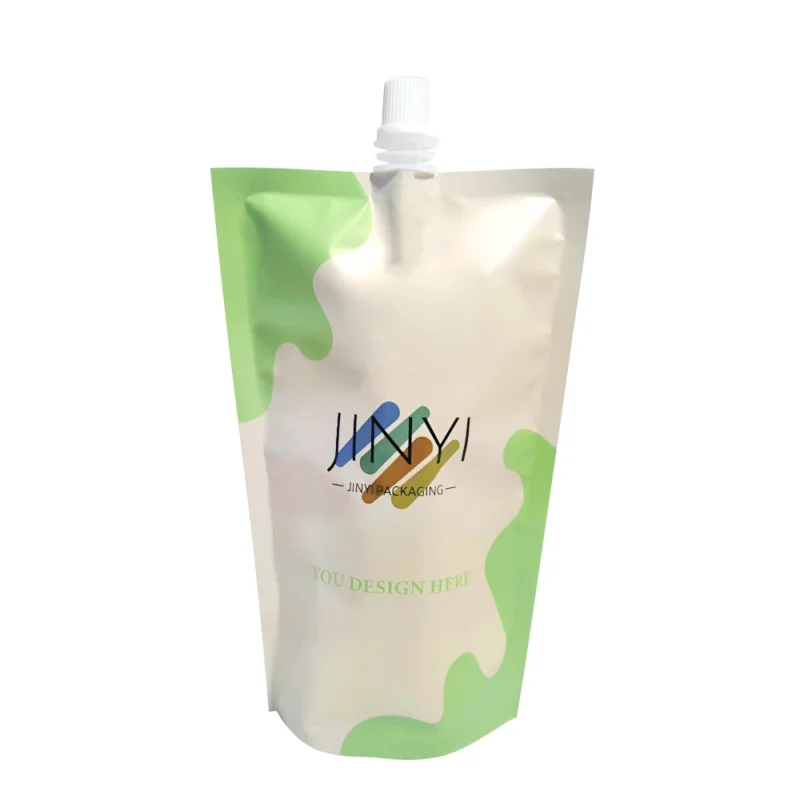
I see the spout as a structure feature that improves control, hygiene, and repeat use for liquids and semi-liquids—not just pouring comfort.
My engineering view
A spout matters because it changes how the user handles the product. It can improve dosing, reduce mess, and make repeat use feel cleaner. That makes it valuable for sauces, concentrates, purees, supplement liquids, and pet treats. But it also changes structure, filling style, transport stress points, and cost. From our daily packaging work, we see that a spout is rarely a small add-on. It reshapes the product experience. I choose it when that change is worth the extra structure and process burden.
| Spout gain |
Spout cost |
| Better control and hygiene |
More structure and filling complexity |
| Cleaner repeat use |
Higher component cost |
Does a Window Help Sales—or Hurt Protection?
A window can build trust fast, but it can also weaken the protection strategy.
I use a window when product visibility adds selling value and the protection logic can still stay safe.
My engineering view
A window can help consumers trust what they are buying. It can also improve shelf appeal when the product itself looks attractive. But I never treat it as a free marketing move. If the product fears light, oxygen, or moisture strongly, I review the window very carefully. In real manufacturing, this detail often becomes a structure decision, not only a design decision. I only keep the window when sales value and protection logic can live together without conflict.
| Window benefit |
Window risk |
| Product visibility |
Protection may weaken |
| Shelf trust |
Barrier logic may tighten |
When Does a Hang Hole Improve Merchandising—and When Is It Just Extra Cost?
A hang hole is useful only when the channel truly uses it.
I add a hang hole when the product will really be sold on hanging display. Without that channel need, it usually adds little value.
My engineering view
I treat the hang hole as a merchandising feature, not a universal one. If the product is meant for peg display in convenience retail, small accessories, or hanging sections, it can matter. If the pouch will stand on shelf or stay in a carton display, the hang hole may only consume space and complicate the top structure. From a production standpoint, this matters because it changes the top area and can affect layout efficiency. I choose it only when the sales path clearly supports it.
| Channel logic |
Hang hole value |
| Peg display |
Useful |
| Standing display |
Often unnecessary |
How Do Features Affect Filling, Sealing, and Production Stability?
Features are not just visual choices. They change how the pouch gets made.
I review every feature through production difficulty, sealing path, and yield sensitivity, because each added function can create a new control point.
My engineering view
A zipper changes mouth structure. A spout changes filling and stress points. A valve adds placement control. A window changes structural continuity. A hang hole affects the top zone. From a production standpoint, this matters because a feature is never just a visual add-on. It changes how the pouch is formed, filled, and checked. I only keep a feature when its real value is stronger than the extra production burden it creates.
| Feature |
Production effect |
| Zipper |
Changes seal path |
| Spout |
Changes filling method |
How Do These Features Change Shelf Display and Consumer Perception?
Features do not only change function. They also change what the consumer thinks the product is.
I judge features by the message they send on shelf, because each one quietly changes product positioning and first impression.
My engineering view
A zipper suggests repeat use. A window suggests product trust. A spout suggests control and cleanliness. A valve suggests category expertise. A hang hole suggests a certain retail path. I do not leave all of that meaning to design alone, because structure itself sends signals. From our daily packaging work, we see that buyers often underestimate how fast consumers read packaging roles. A feature matters when it supports the right role, not just when it adds one more visible element.
| Feature |
Common perception |
| Window |
More visible, more trusted |
| Spout |
More controlled, more hygienic |
Which Feature Should Come First When Buyers Cannot Add Everything?
Most projects cannot afford every useful feature at the same time.
I rank features by the first key problem they solve, because feature choice is a priority decision, not a stacking exercise.
My engineering view
If the product needs reclose value, the zipper moves up. If it needs gas release, the valve moves up. If use depends on controlled dispensing, the spout rises. If visibility drives selling, the window may matter more. If the channel is peg display, the hang hole earns its place. I do not sort features by how impressive they look. I sort them by which one protects the most important scene first. That keeps the pouch disciplined.
| Key need |
Feature that rises first |
| Repeat use |
Zipper |
| Controlled pour |
Spout |
Are the Best Pouch Features the Most Visible Ones—or the Most Useful Ones?
A pouch can look busy and still solve very little.
I believe the best pouch features are the ones that quietly improve real packaging performance, not the ones that only make the pouch look more advanced.
My engineering view
This is the point I come back to most often. A useful feature reduces friction, protects product result, improves production fit, or strengthens the right retail behavior. A weak feature only adds visual activity. I do not build pouches to look busy. I build them to work better across filling, shipping, display, and use. That is why the best feature is usually the most justified one, not the most visible one.
| Feature type |
Long-term value |
| Visible only |
Often weak |
| Useful in real life |
Usually strong |
About Us
JINYI — From Film to Finished—Done Right. I believe good packaging is not only about appearance. It should work reliably in transport, on shelf, and in the consumer’s hands. I focus on custom flexible packaging with 15+ years of production experience. Our factory runs multiple gravure printing lines and HP digital printing systems, so I can support both stable large-volume production and flexible custom projects with clearer lead times and steadier quality.
FAQ
Should every pouch have a zipper?
No. I add a zipper when repeated opening and storage bring clear value in real use.
Is a valve useful outside coffee?
Only when the product truly releases gas and needs that function. Otherwise it is often just a visual copy.
Does a window always help sales?
No. It can help trust and visibility, but I also check whether it weakens the protection logic.
I choose it when controlled dispensing, cleaner handling, and repeat use are important to the product experience.
What is the best way to choose between features?
I rank them by the first real problem they solve, then I keep only the ones that still justify their production and cost impact.