Bad coffee reviews often start with packaging, not roasting: flat aroma, clumps, or a bag that “looks fine” but tastes old. That hurts repeat orders fast.
Whole beans and ground coffee need different barrier priorities. Beans need controlled degassing and aroma protection. Grounds need tighter oxygen + moisture control and stronger defense against micro-leaks and seal contamination.
See pouch options I use when coffee needs better aroma hold and stable seals.

I never start by asking “Which bag looks premium?” I start by asking “Are you selling beans or grounds, and what failure will destroy trust first?” The product form changes how fast coffee oxidizes, how it reacts to humidity, and where leaks quietly begin.
Why Does Coffee Change So Much When It Goes From Bean to Ground?
Many brands treat beans and grounds like the same product with different grind settings. That is a mistake.
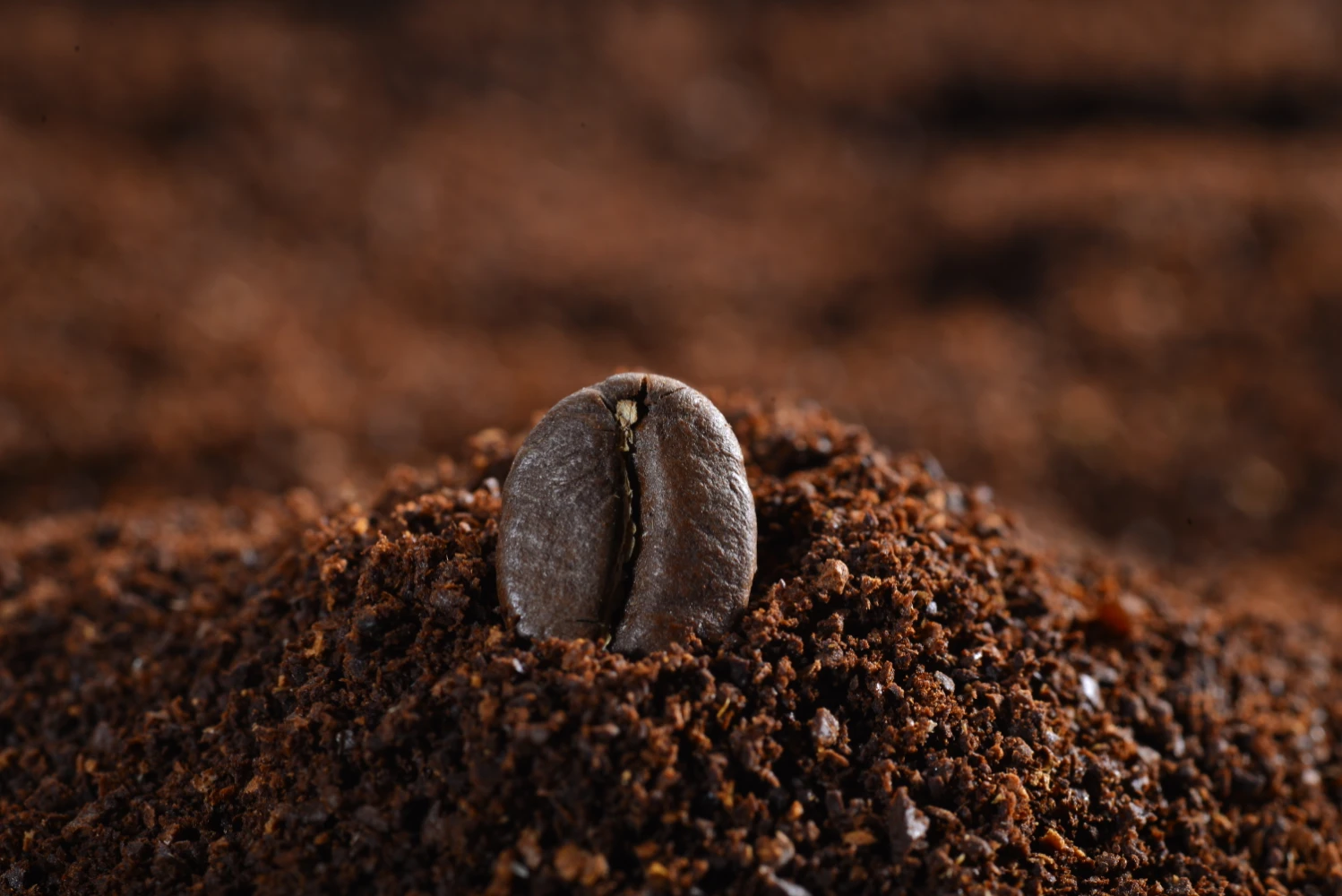
When you grind coffee, you increase surface area and exposure. Oxygen gets more contact. Aroma escapes faster. Moisture absorbs faster. Small defects become big sensory damage.

I treat whole bean packaging like a “gas + aroma management” system. Beans release CO₂ after roasting, so the package must handle pressure without turning into a leak. Ground coffee is different. It behaves like a sponge and a scent diffuser at the same time. It pulls in humidity, it loses aromatics quickly, and it goes stale quietly.
What changes, practically, when you switch from beans to grounds?
| Factor |
Whole Beans |
Ground Coffee |
What I prioritize |
| Oxygen sensitivity |
High |
Very high |
Lower OTR + leak resistance |
| Moisture pickup |
Medium |
High (clumping risk) |
Lower WVTR + tight seals |
| Degassing pressure |
Common |
Lower, but not zero |
Valve logic (beans) vs seal control (grounds) |
| Seal contamination risk |
Medium (oils) |
High (fine dust) |
Seal window + hot tack + clean seal zone |
This is why I do not reuse one “coffee bag spec” across both products. The fastest way to waste money is to overbuild the wrong target and still lose flavor on shelf.
Barrier Targets: Aroma, Oxygen, Moisture, and Light—Which Matters More?
If you try to “fix everything,” you often fix nothing. Coffee needs a clear priority.
Beans usually lose trust when aroma drops or the bag swells and leaks. Grounds lose trust when they go flat, absorb humidity, and clump. That is usually oxygen + moisture + micro-leak.
I set barrier targets like a checklist, not a buzzword. I define what the coffee fears most first: oxidation, aroma loss, humidity pickup, or light damage. Then I pick the structure that matches the shelf life goal and your channel reality. A strong structure name does not protect coffee if seals and features create oxygen entry points. A modest structure can perform well if the seal system is stable and the leak paths are controlled.
My simple priority map
| Goal |
Beans |
Grounds |
My warning |
| Aroma hold |
High |
High |
Micro-leaks destroy aroma faster than “thin film” |
| Oxygen barrier (OTR) |
High |
Very high |
Valve/zipper zones can become oxygen entry points |
| Moisture barrier (WVTR) |
Medium |
High |
Ground coffee clumps before many brands notice |
| Light protection |
Medium |
Medium |
Light damage shows up as “stale” or “off” faster in some roasts |
My rule is simple: I would rather lock seals and leak paths first than “upgrade” structure names. If oxygen enters slowly every day, no barrier spec on paper saves the cup.
Degassing and Features: When Valves Help, and When “Premium” Backfires?
A valve can protect beans, but it can also become your highest-risk component.
Whole beans often need degassing control, but the decision is not automatic. It depends on roast level, pack timing, headspace, and shipping pressure.
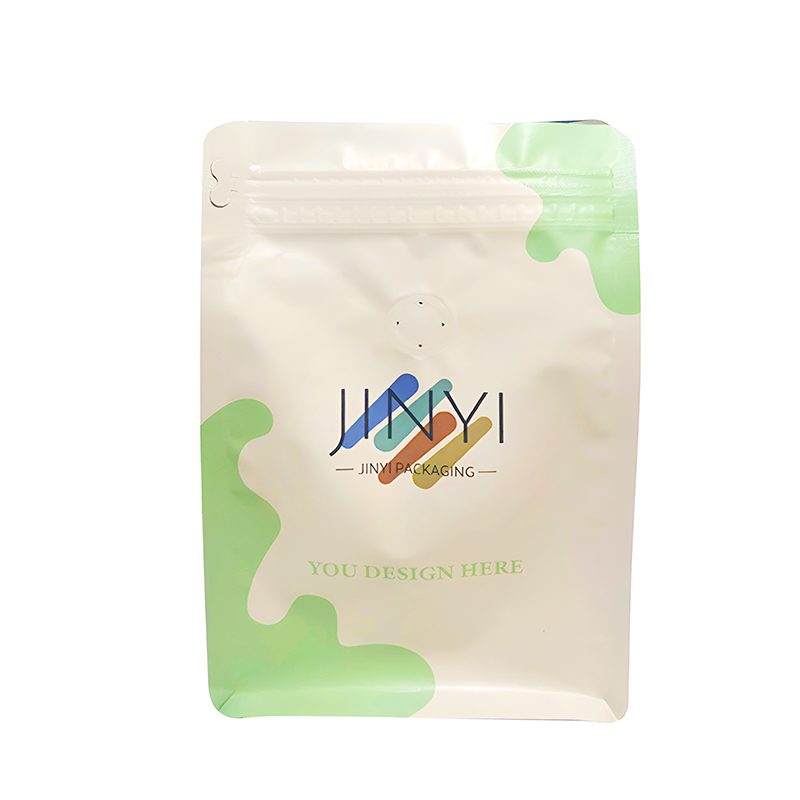
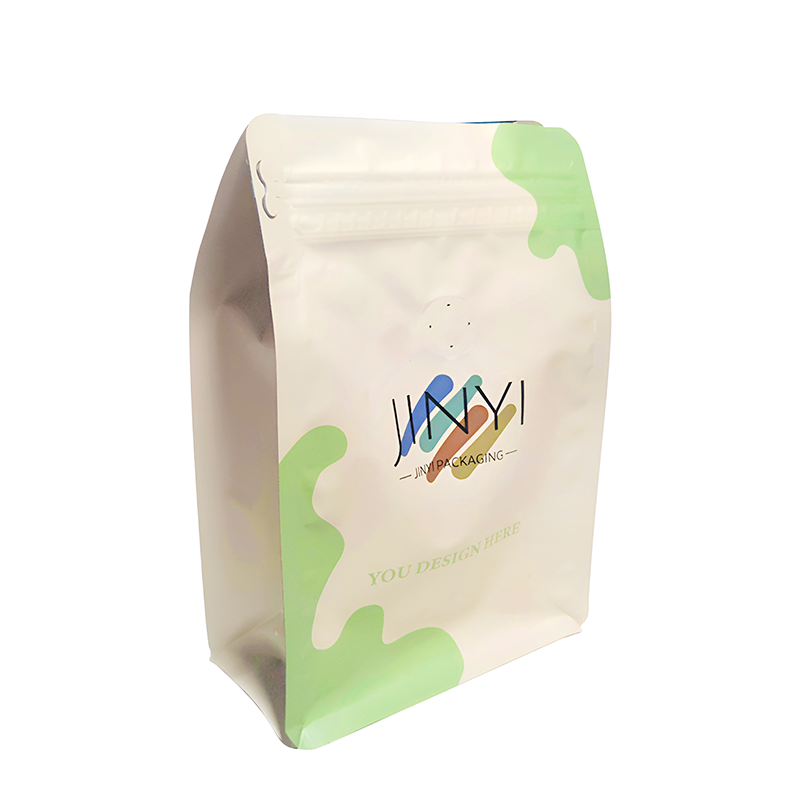
I treat a valve as an engineering part. It must be placed correctly, bonded correctly, and validated under compression and temperature swings. If the valve bond is weak, the bag “looks fine” until week 3 or week 4, then oxygen starts entering and aroma drifts. Zippers are similar. They improve user experience, but coffee dust and coffee oils can create false closures. Tin ties feel “simple,” but they rarely protect aroma like a real sealed system.
Feature risk vs reward
| Feature |
Why it helps |
How it fails |
What I require |
| One-way valve |
Controls CO₂ for beans |
Bond leaks, placement stress |
Compression + vibration + odor hold comparison |
| Zipper |
Repeat-use convenience |
Dust/oil causes “fake seal” |
Open/close cycles + squeeze test after shipping simulation |
| Tin tie |
Low complexity |
Inconsistent seal quality |
Only for short shelf life or secondary overwrap logic |
If you want a coffee pouch with features that are validated for real shipping stress, start here.
Seal System First: Why Ground Coffee “Fails Quietly” With Micro-Leaks?
Ground coffee does not always “leak visibly.” It leaks performance first.
Micro-leaks and seal contamination let oxygen and moisture creep in. The bag can look perfect and still taste flat, stale, or clumpy.
This is why I focus on the seal system before I debate film names. Ground coffee creates fine dust. That dust lands on seal areas during filling. Then the seal looks closed, but it is weak. Under compression, vibration, or temperature cycling, that weak seal becomes a slow oxygen path. I also watch hot tack. At higher packing speeds, the seal may be “made” but not “held” yet. If the bag is handled while hot tack is low, the seal can distort and create invisible leak channels.
What I lock down to prevent “quiet failure”
| Seal control point |
Why it matters |
My practical action |
| Seal window |
Stable seals at real speeds |
Confirm temp/pressure/dwell range with margin |
| Seal land width |
Wider land = more contamination tolerance |
Do not design “pretty thin” seals for dusty products |
| Hot tack |
Prevents early handling damage |
Validate with fast pull + pack-out handling simulation |
| Clean seal zone |
Dust is the silent killer |
Adjust fill timing, dust control, and seal-zone protection |
If you sell ground coffee online, I assume compression and vibration are real. I build for that reality. A bag that survives the route is the bag that protects flavor.
Bag Structure and Channel Fit: What I Choose, Then How I Validate?
“Ships better vs sells better” is not a style debate. It is a channel decision.
Retail rewards visibility and facing. E-commerce rewards survival and clean arrival. Subscription boxes reward density and scuff control.
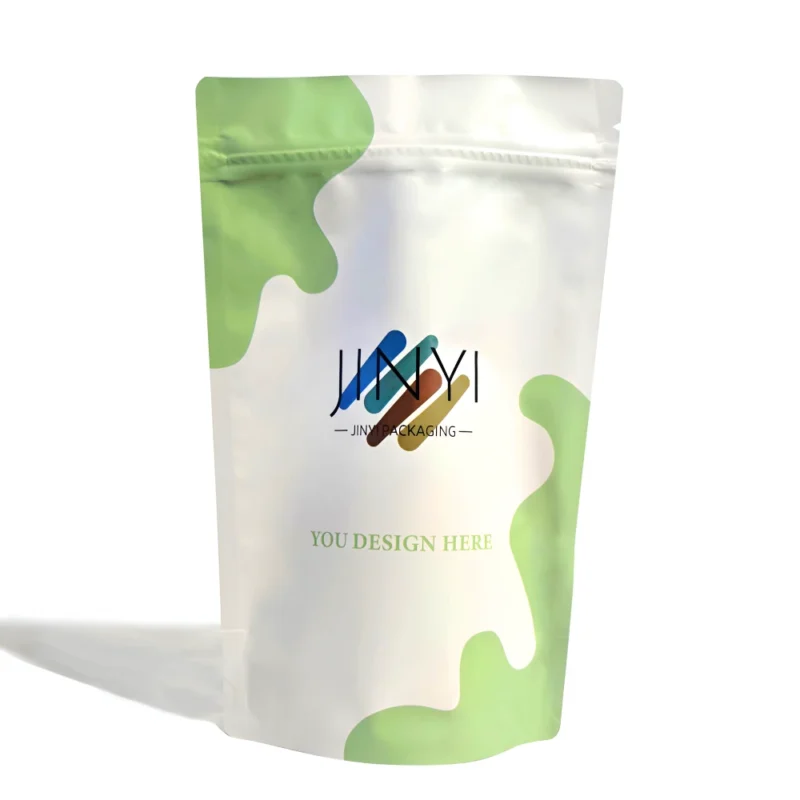
I choose structure after I understand how you sell. Flat bottom can give strong shelf presence and a stable “boxy” look, but it adds more fold geometry to manage. Side gusset can stack like bricks and stay consistent in display boxes, but it needs careful seam and crease control. Stand-up pouches are flexible and common, but they create stress zones at corners and feature areas.
My validation set (simple, fast, predictive)
| Test |
What it reveals |
Pass focus |
| Compression + hold |
Corner stress, seal creep |
No leaks, no shape collapse that ruins shelf look |
| Vibration simulation |
Seal fatigue, valve/zipper weakness |
No micro-leak signals, no feature failures |
| Odor/aroma hold comparison |
Real aroma retention |
Noticeable aroma stability vs control pack |
| Side-lay / inverted leak check |
Hidden leak paths |
Zero seepage and stable seams |
After these tests, I shortlist 2–3 options: a baseline that is easy to scale, an upgrade that improves shelf impact or experience, and a premium only if your channel can monetize it.
Conclusion
Whole beans need degassing + aroma control. Ground coffee needs tighter oxygen/moisture defense and stronger seal stability. I pick bag structure by channel stress, then validate with real-route tests.
Talk to me about a coffee pouch that protects aroma and survives shipping
FAQ
Do whole beans always need a one-way valve?
No. Many do, but the decision depends on roast level, pack timing, headspace, and shipping pressure. I approve valves only after compression and vibration checks.
Why does ground coffee go stale faster even in “good” bags?
Ground coffee has more surface area, so oxygen exposure matters more. Micro-leaks and seal contamination can flatten aroma without visible damage.
Is foil always the best choice for coffee bags?
Not always. The best structure is the one that meets your barrier targets and still seals reliably at scale. A great material cannot fix a weak seal system.
Are zippers good for coffee?
They can be, but coffee dust and oils can cause false closures. I require open/close cycles and squeeze tests after shipping simulation.
What tests predict coffee packaging complaints best?
Compression, vibration, side-lay/inverted leak checks, and aroma-hold comparison usually reveal the real failure paths faster than lab numbers alone.
About Me
Brand: Jinyi
Slogan: From Film to Finished—Done Right.
Website: https://jinyipackage.com/
Our mission: JINYI is a packaging factory. I deliver reliable, usable, and scalable packaging systems so brands get stable quality, clear lead times, and structures that perform in real channels.
I position JINYI as a one-stop factory from film to finished. I focus on control and consistency. I manage sampling, production, and QC with standard steps so repeat orders stay stable. Packaging is not only a bag. It must list well, ship well, and work well for your customers.