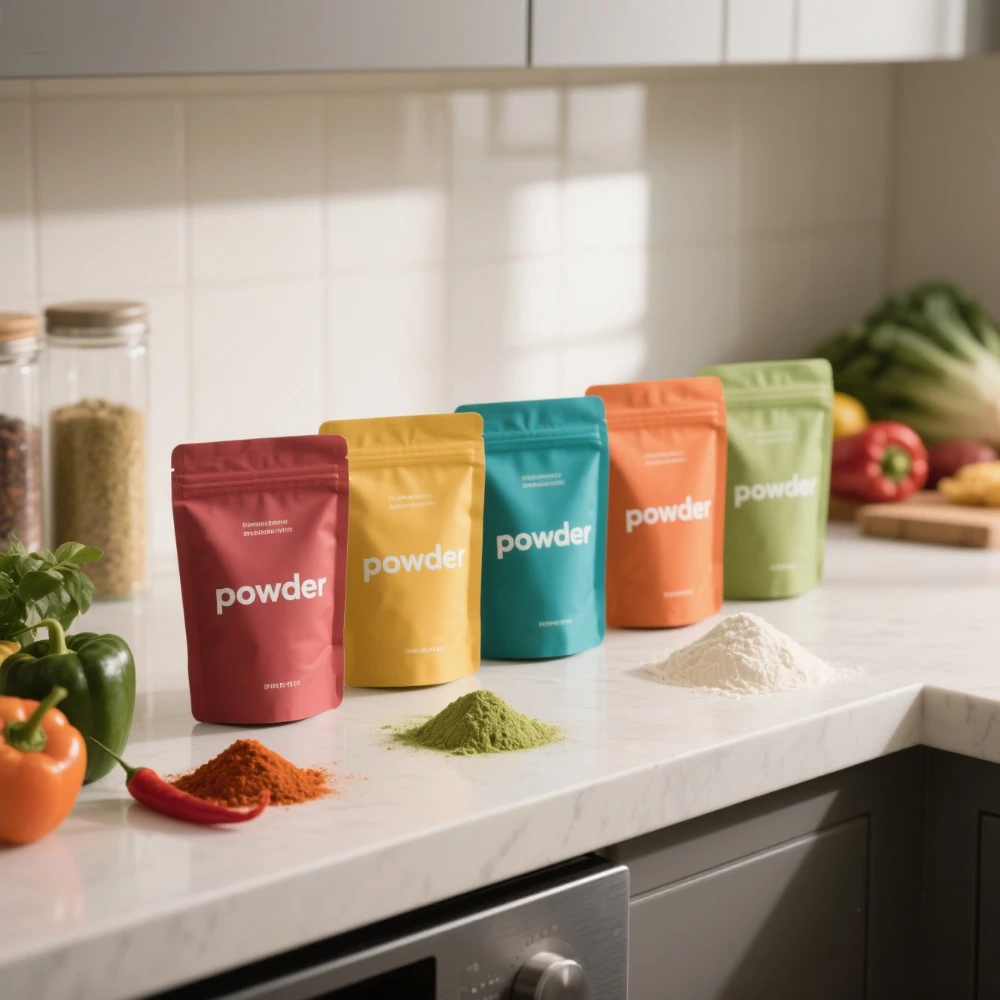
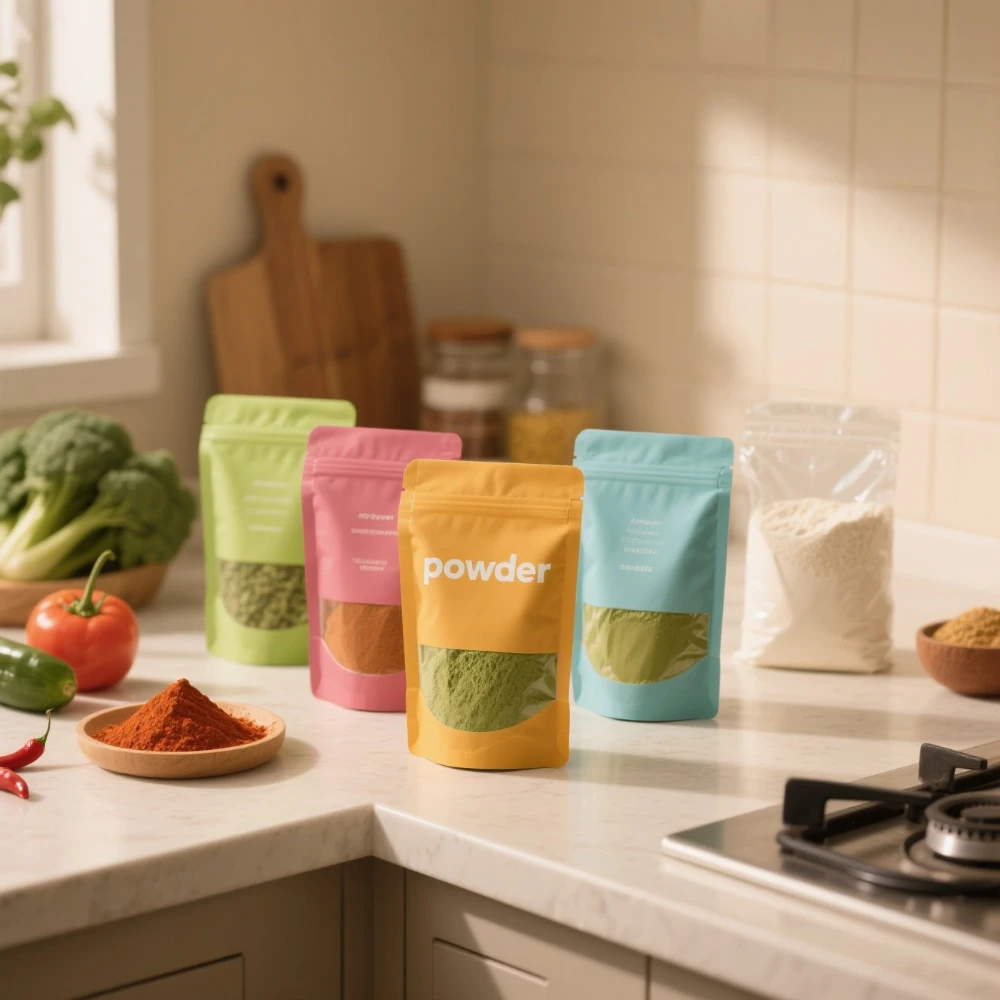
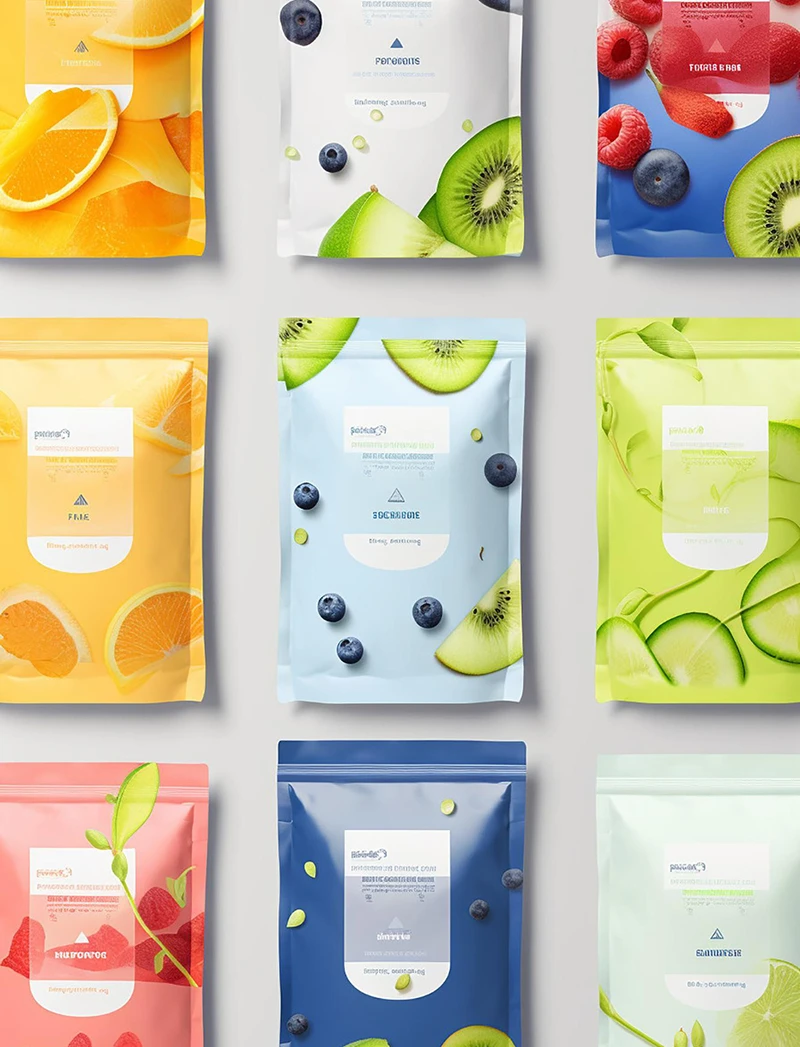
Many brands want packaging that sells well, ships well, and stays practical. Most formats solve one problem but create another.
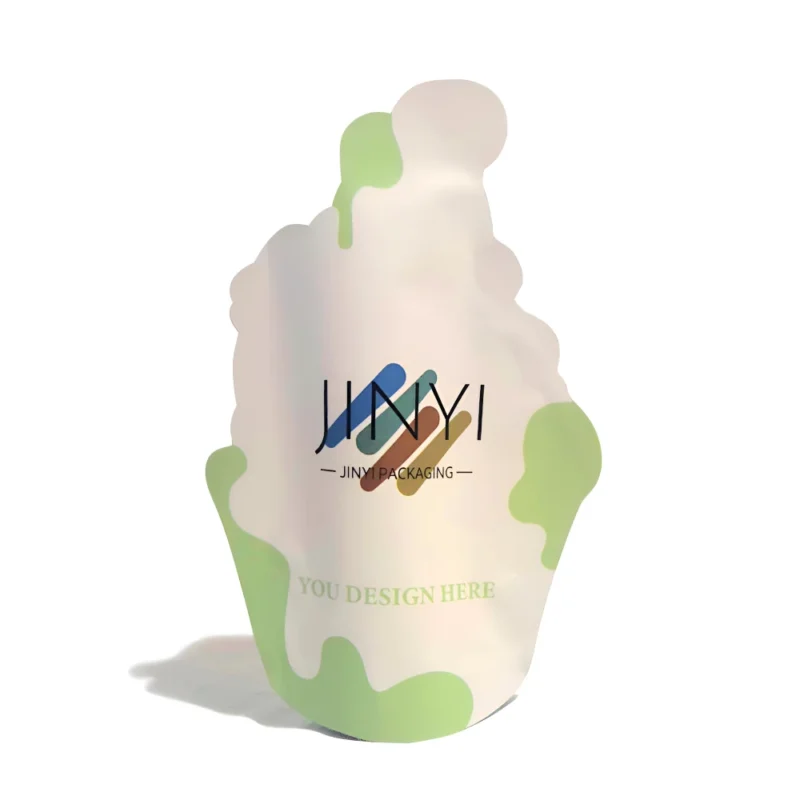
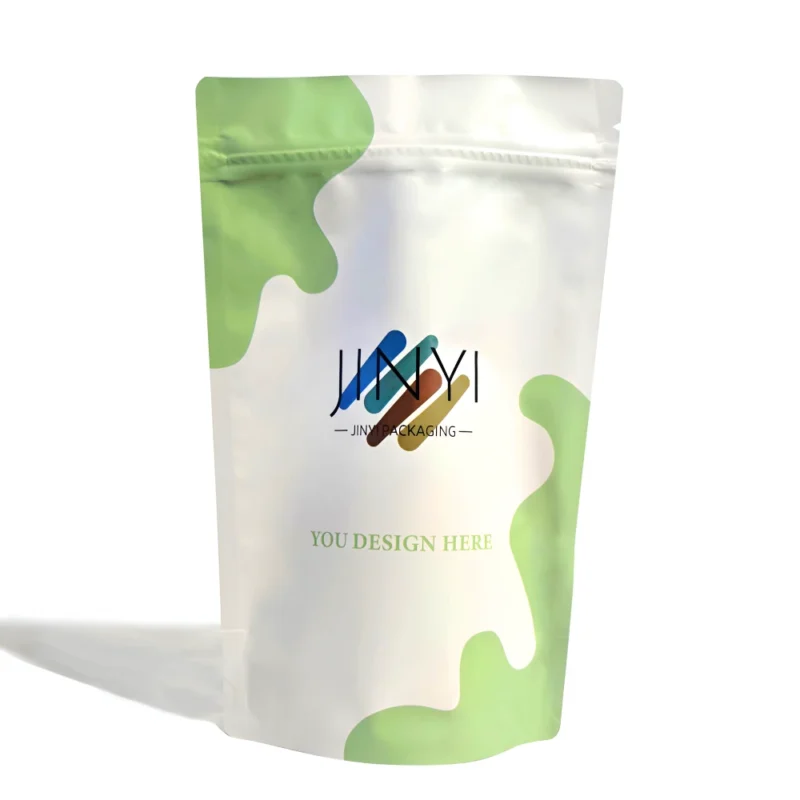
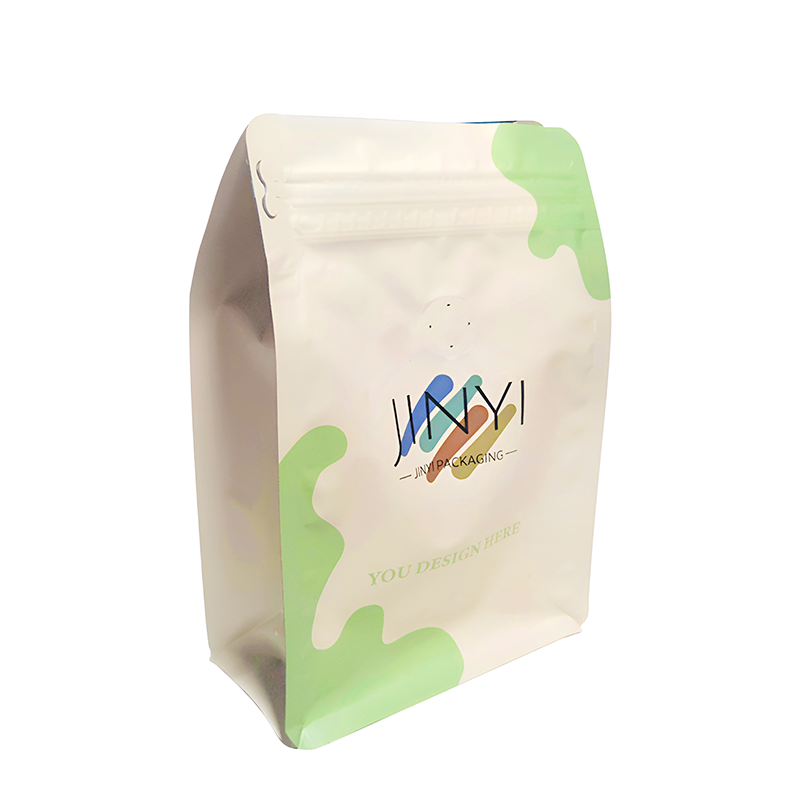
Stand up pouches stay popular because they balance shelf presence, packing efficiency, filling flexibility, consumer convenience, and engineering adjustability better than many other formats.

I do not see this format as a trend. I see it as a packaging system that keeps giving brands a workable middle ground from production to retail.
Why Do Stand Up Pouches Balance Shelf Impact and Packaging Efficiency So Well?
Many packs look strong on shelf but waste space. Others save freight but disappear in retail.
Stand up pouches work because they give brands a visible front panel and a lighter, space-saving format at the same time.
My engineering view
I do not judge this format by popularity first. I judge it by how often it solves two opposing needs at once. A brand wants a pack that stands, shows graphics clearly, and still moves through storage and shipping without the burden of a rigid container. Stand up pouches often win because they reduce empty-pack volume while keeping a usable display face. From a production standpoint, this matters because the format supports better cube efficiency before filling and better product-to-package efficiency after filling. That is why it repeats across snacks, coffee, supplements, and pet treats. It is not only a design choice. It is an operations choice. The pack stays visible in retail, but it does not punish freight, warehousing, or carton loading the way many bulkier formats do.
| Business need |
Why the pouch fits |
| Shelf visibility |
Front panel stays readable |
| Packaging efficiency |
Lower empty-pack volume |
Evidence: PMMI 2026; Flexible Packaging Association.
Why Does the Bottom Gusset Make Such a Big Difference in Real Packaging Performance?
A pouch can stand in theory but still fail in store. That is where many buyers get misled.
The bottom gusset controls how the pouch opens, carries weight, and stands after filling, so it directly affects stability and appearance.
My engineering view
Many people think the key feature is simply “stand up.” I look deeper at what makes that standing position repeatable. The bottom gusset shapes the base, the center of gravity, and the way the side panels present after filling. In real manufacturing, this detail often determines whether the pouch looks premium or unstable. If the pouch width, gusset depth, product density, and material stiffness do not match, the pack may lean forward, twist, or balloon in a way that hurts shelf impact. I see the stand up pouch as a three-dimensional structure, not just film with a folded base. Good graphics cannot fix poor structural balance. A clean artwork file can still end in a weak retail result if the gusset geometry is wrong for the fill weight and the real product flow.
| Structural factor |
Retail effect |
| Gusset proportion |
Standing stability |
| Material stiffness |
Panel flatness |
Evidence: ASTM F2029-16(2021); ASTM F88/F88M-23.
Why Are Stand Up Pouches More Adaptable Across Product Types and Filling Needs?
Many formats work for one product style only. That creates changeover cost and packaging complexity.
Stand up pouches stay popular because one base format can be adjusted for powders, snacks, liquids, refill packs, and many closure options.
My engineering view
From our daily packaging work, we see that flexibility in application often matters more than novelty. A stand up pouch can take a zipper, a spout, a tear notch, a hang hole, rounded corners, a window, or a higher barrier structure without losing its core layout. That helps brands build several SKUs from one packaging logic. It also helps factories control tooling, specification management, and artwork adaptation more efficiently. I do not see that as a small advantage. It reduces friction across development, purchasing, and replenishment. A format becomes mainstream when it can stretch across categories without forcing brands to rebuild the full system each time. That is exactly what stand up pouches do. They keep enough structure to feel consistent, while still allowing useful variation for different filling needs and product behaviors.
| Need |
Adaptation |
| Product variety |
Zipper, spout, window, notch |
| SKU expansion |
Shared format logic |
Evidence: PMMI 2026; ASTM F2029-16(2021).
Why Do Brands Often Choose Stand Up Pouches as a Better Cost-to-Performance Solution?
Low price alone does not protect margin. Poor format decisions create hidden cost later.
Brands often choose stand up pouches because they give a practical mix of presentation, reclose features, freight efficiency, and scalable production.
My engineering view
I never treat packaging cost as unit price alone. I look at the full result: shelf impact, pack-out behavior, freight, storage, opening, and complaint risk. A rigid format may look stronger, but it usually asks for more space and higher shipping cost. A plain flat pouch may save on structure, but it may lose display quality and repeat-use value. Stand up pouches often sit in a better middle zone. That is why buyers keep returning to them. The format is rarely the absolute cheapest, but it is often one of the least troublesome ways to get decent visual impact and practical use together. If a brand wants a pouch that sells well without overbuilding cost, this is usually the first format I review. That pattern is not accidental. It comes from the total cost of ownership, not only the price per piece.
| Cost view |
Real outcome |
| Piece price only |
Misses hidden operating cost |
| Total use value |
More balanced decision |
Evidence: PMMI 2026; Flexible Packaging Association.
Why Does Consumer Convenience Help Stand Up Pouches Stay Popular?
Good structure still fails if daily use feels awkward. Consumers decide that very fast.
Stand up pouches stay popular because they are easier to hold, store, reopen, and pour in many everyday situations.
My engineering view
I often say that packaging wins or loses at the moment of use, not only on the production line. A stand up pouch usually fits daily behavior better than many older soft pack styles. It can sit upright in the kitchen, travel more easily, and often reclose after opening. That lowers what I call packaging action cost. The consumer does not need to understand laminate structure or seal design to feel whether a pack is annoying. They notice the number of movements, the mess risk, and the storage convenience. In real use, these details shape repeat purchase more than many teams expect. That is one reason the format stays relevant across food, coffee, nutrition, and pet products. It is not the most dramatic package, but it is often one of the easiest to live with once the product enters daily life.
| User action |
Why it matters |
| Open and reclose |
Lower use friction |
| Store upright |
Better daily handling |
Evidence: PMMI 2026; Flexible Packaging Association.
Why Are Stand Up Pouches Easier to Optimize for Barrier, Shipping, and Real-World Risk?
Popularity means little if the pack cannot be tuned for real product risk and transport stress.
Stand up pouches remain useful because engineers can adjust structure, seal design, and testing plan for different barrier and shipping demands.
My engineering view
I never assume a popular pouch is automatically the right pouch. I care about how much it can be optimized. This format gives engineers room to change film structure, sealant layer, thickness, and feature design based on oxygen, moisture, light, or distribution risk. From a production standpoint, this matters because one family of packs can still cover basic and higher-performance programs with controlled adjustments. In real manufacturing, this detail often determines whether a pack survives transport, pressure changes, and repeat handling. Seal strength, heat sealability, leak testing, burst behavior, and barrier measurement all matter here. A pouch becomes a strong default choice when it can be engineered upward without abandoning the whole format. That is why stand up pouches stay commercially relevant. They are not rigid templates. They are flexible engineering platforms.
| Risk area |
What engineers tune |
| Barrier need |
Material structure and thickness |
| Shipping risk |
Seal, size ratio, test plan |
Evidence: ASTM F1249-20; ASTM F1927-20; ASTM D3078-02(2021)e1; ASTM F2054/F2054M-13(2024).
Are Stand Up Pouches Popular Because They Are Truly the Best—or Because They Are the Most Balanced?
Teams often chase the “best” format and forget that business usually rewards balance first.
Stand up pouches are popular less because they are perfect and more because they stay dependable across design, production, logistics, and use.
My engineering view
I do not describe stand up pouches as the best in every situation. I describe them as one of the most balanced. Some products need more rigidity. Some lines need a different feeding style. Some premium displays need a different structure entirely. But most brands are not shopping for a format that wins one category and fails three others. They want something that works well enough across graphics, cost, transport, filling, and use. That is where this format keeps proving itself. It offers enough display value, enough feature flexibility, enough protection potential, and enough operational efficiency to stay safe as a commercial choice. In practice, balance often beats technical extremity. A packaging format becomes common when it keeps solving real business problems with fewer surprises. That is why I see stand up pouches as a default option so often.
| Question |
Better lens |
| Is it the best? |
Not always |
| Is it balanced? |
Very often, yes |
Evidence: PMMI 2026; ASTM F88/F88M-23.
About Us
JINYI — From Film to Finished—Done Right. We build custom flexible packaging with 15+ years of experience. We run gravure lines and HP digital printing to support both volume production and flexible custom work. I focus on packaging as a working solution, not decoration, so structure, print, shipping, shelf effect, and real use all need to match.
FAQ
Are stand up pouches always better than flat pouches?
No. I choose based on display needs, fill style, shipping logic, and cost target.
Do stand up pouches work for liquids?
Yes, but I usually review fitment, seal design, drop risk, and product viscosity first.
What matters most in stand up pouch performance?
I usually check structure, bottom gusset proportion, seal behavior, and real transport risk together.
Can a stand up pouch have high barrier performance?
Yes. I can adjust material structure and test plan based on oxygen, moisture, and shelf-life needs.
Why do some stand up pouches look unstable after filling?
The common causes are poor gusset proportion, wrong material stiffness, or mismatch between pouch size and product behavior.