
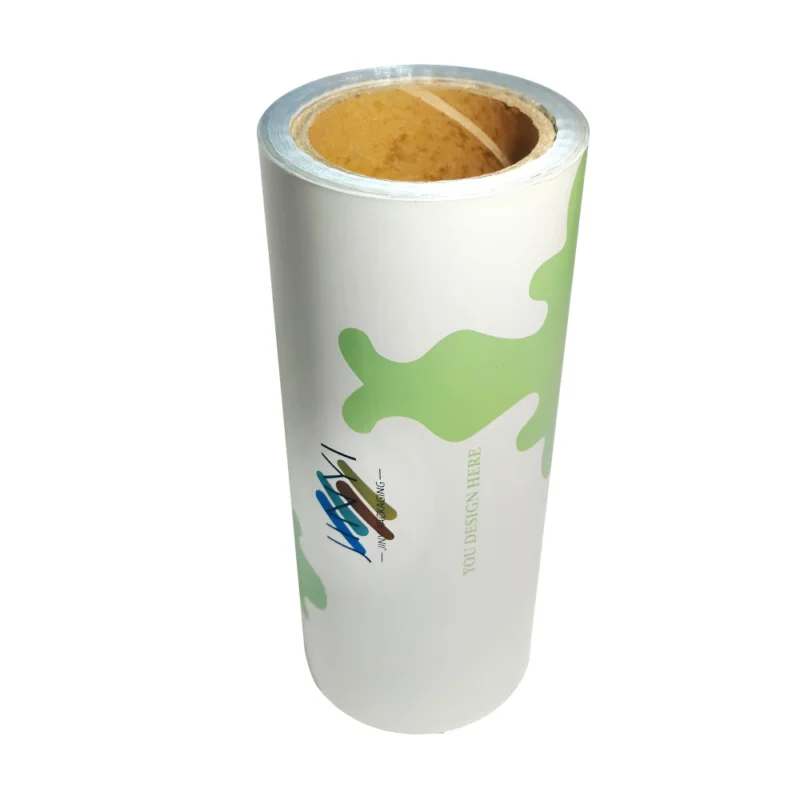
Why Buyers Overspec Foil: When VMPET or EVOH Is Actually Enough

Materials as Decision — Barrier Layer Series

Why Buyers Overspec Foil: When VMPET or EVOH Is Actually Enough

Most buyers I talk to default to foil before they even map out what their product actually needs. That default costs more than they expect — and sometimes creates the failure it was meant to prevent.

VMPET and EVOH are enough for most packaging projects. The real question is not which material is stronger. It is whether your product actually faces the risk that foil is designed to handle. In most cases, it does not.

Not sure where your product falls? Browse our flexible packaging structures →

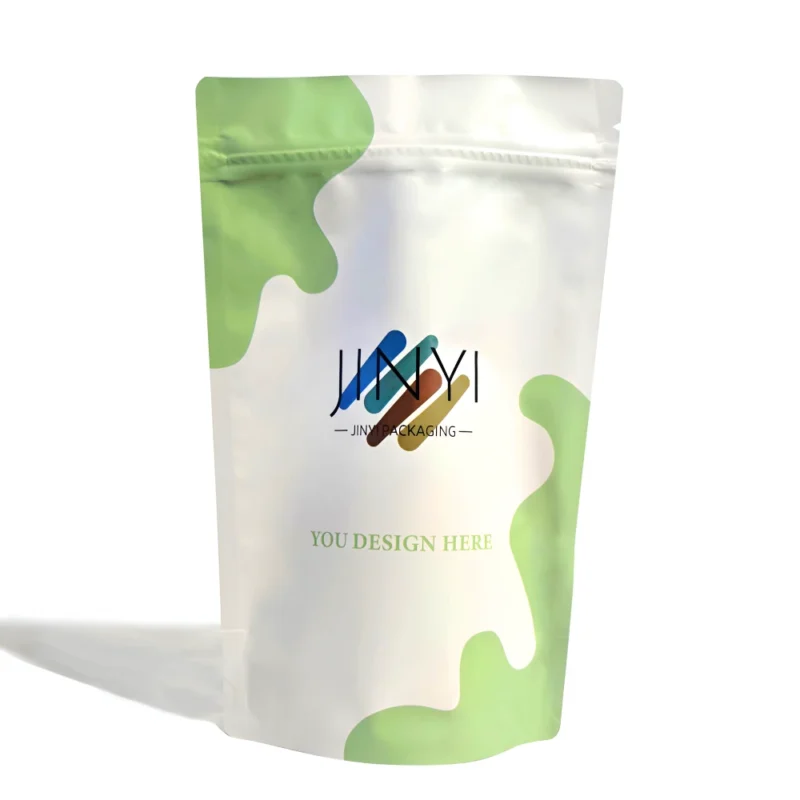
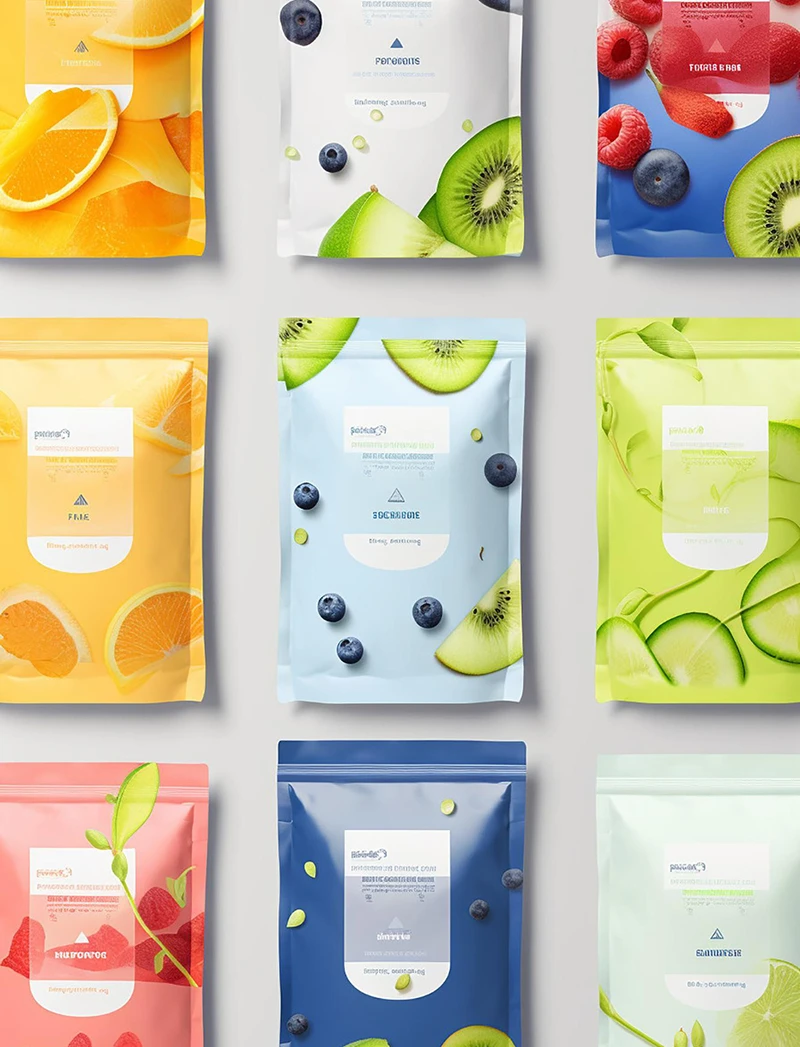
stand up pouch packaging materials 6

Let me walk you through how I actually think about this. The structure is not the starting point. The failure mode is.

What Do Buyers Usually Think Foil Does?

Buyers treat foil like an insurance policy. It feels safer. The factory says it costs more. The buyer worries about risk and says yes anyway — without checking what the risk actually is.

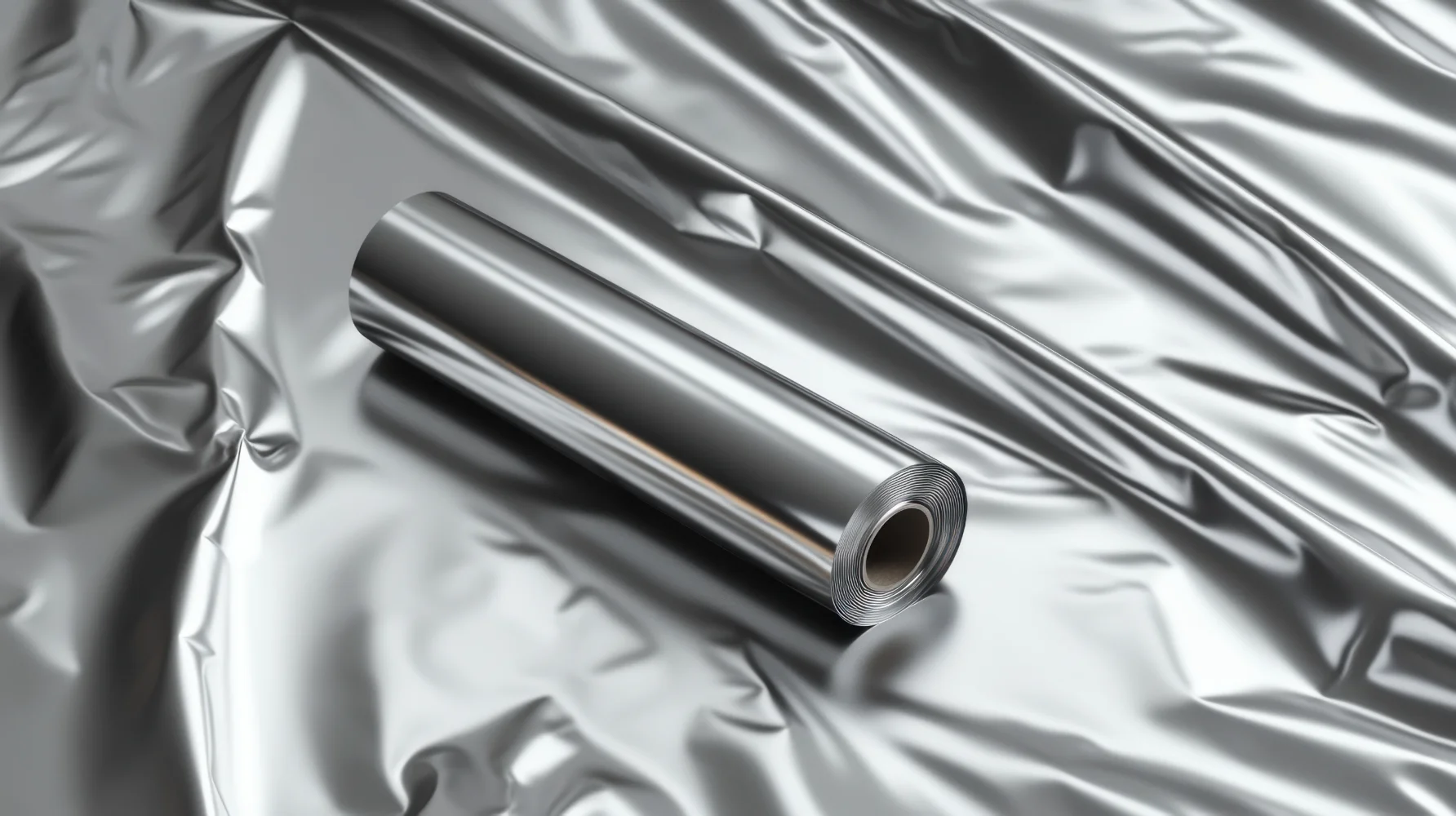
Foil does one specific thing: it physically blocks light and gas transmission — mainly O₂ and water vapor — through the film. That is it. It does not fix weak seals. It does not improve filling consistency. It does not add meaningful structural strength.

Why This Misunderstanding Is Expensive

I have reviewed specs where buyers chose foil on products with a 3-month shelf life, standard storage conditions, and moderate O₂ sensitivity. In those cases, foil added cost without adding measurable protection. The product does not live long enough in difficult enough conditions for foil’s barrier advantage to matter.

The real issue is this: foil becomes the default when buyers have not identified their actual failure mode. They do not ask “what will cause this product to degrade before the customer opens it?” They ask “which material feels safest?”

Buyer Assumption Engineering Reality
Foil = maximum protection Foil = maximum barrier to light and gas only
More layers = better result More layers = more cost and more seal complexity
Foil prevents all spoilage Spoilage depends on seals, filling, and storage — not just barrier

If you do not know your product’s real failure mechanism, choosing foil is not a decision. It is a way to avoid making one.

When Is Foil Actually the Right Call?

I am not arguing against foil. I use it when the project calls for it. The problem is that most projects do not call for it — they just default to it.

Foil is the right structure when your product has extreme light sensitivity, requires ultra-low moisture vapor transmission, needs a shelf life beyond 18 months, or will be exposed to conditions that would degrade VMPET’s metallized layer.

Scenarios Where I Recommend Foil Without Hesitation

From our daily packaging work, we see that certain product types consistently require foil — not as a preference, but as a functional requirement. Highly oxidation-sensitive powders, certain pharmaceutical and nutraceutical formats, products that must survive high-temperature or high-humidity supply chains, and anything with a shelf life target above 18 to 24 months. In these situations, VMPET’s metallized layer cannot maintain barrier integrity long enough or consistently enough.

Product Condition Why Foil Is Necessary
High-fat or oxidation-sensitive powders Require near-zero O₂ and moisture transmission
Pharmaceutical or nutraceutical products Strict stability and regulatory requirements
Extreme heat or humidity in supply chain VMPET layer degrades faster under these conditions
Shelf life beyond 18–24 months Only foil provides long-term barrier consistency

In these cases, VMPET and EVOH are not enough. Foil is the only rational option — not because it is more premium, but because it is the only structure that actually covers the risk.

Where Is VMPET Enough — and Where Does It Break?

VMPET looks like foil. In the right conditions, it performs close to foil. But it is not foil — and that difference shows up in production.

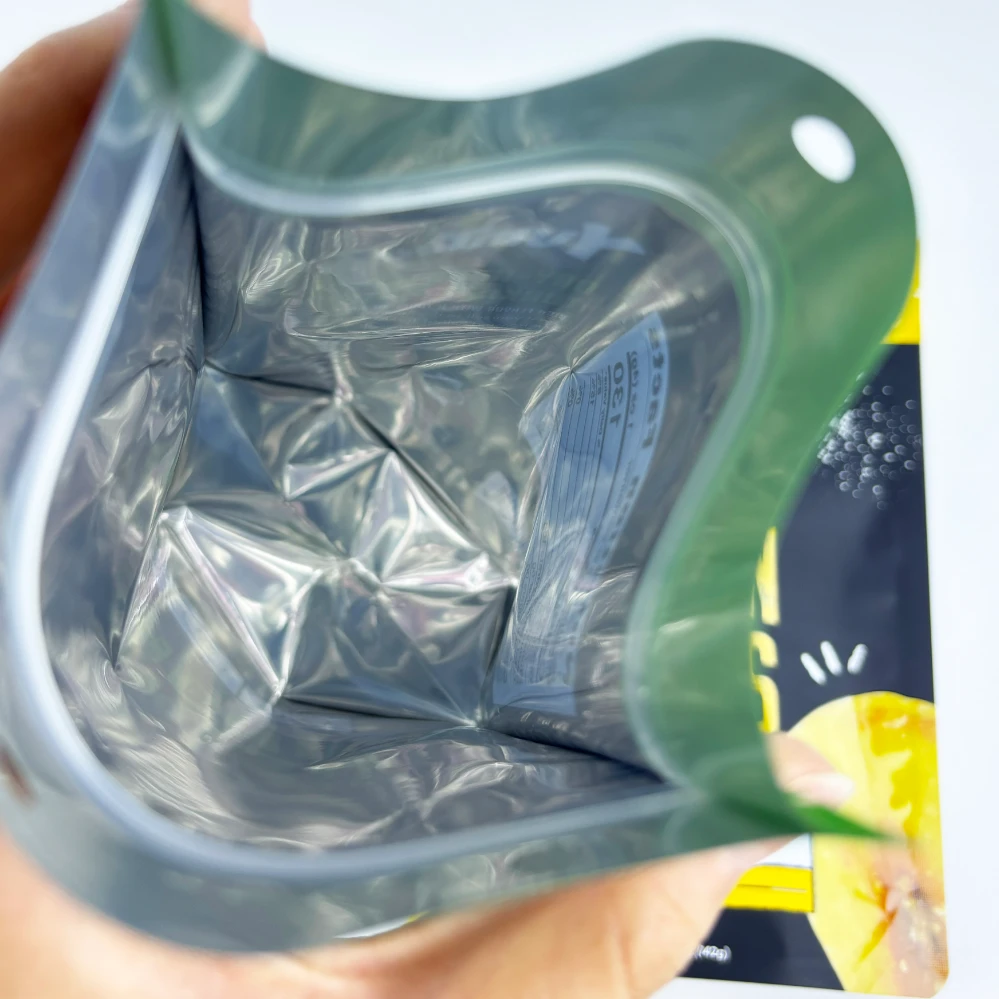
VMPET uses a thin vacuum-deposited aluminum layer on PET film. It provides good light blocking and moderate gas barrier at lower cost. It works reliably for most snack, coffee, and dry food applications with standard shelf lives and controlled storage conditions.

Where the Metallized Layer Fails

From a production standpoint, this matters because the metallized layer on VMPET is fragile. When the pouch is folded, creased repeatedly, or handled roughly in transit, that layer can crack. Once it cracks, barrier performance drops quickly — faster than most buyers expect, and usually not in a way you can see until the product has already been packed and shipped.

VMPET is also not suited for retort or high-temperature applications. Heat degrades the metallized layer and compromises barrier performance before the product reaches the shelf.

VMPET Works Well VMPET Breaks Down
Snacks, coffee, dry goods Retort or high-temperature processing
6–12 month shelf life Products needing 18+ months of stable barrier
Stand-up pouches with limited flex Flat sachets with heavy repeated folding
Moderate O₂ and moisture sensitivity Extreme low-moisture transmission requirements

VMPET is capable within its limits. The job is knowing where those limits are before the product goes to production — not after.

Where Does EVOH Make More Sense Than Either?

Buyers often treat EVOH as a premium upgrade over VMPET. That framing is wrong. They do not compete — they solve different failure modes entirely.

EVOH is an oxygen barrier. It does not block light. It does not handle moisture on its own. Its job is to stop O₂ transmission in products where oxidation is the primary threat — and where transparency is required.

When EVOH Is the Right Tool

In real manufacturing, this detail often determines the entire laminate structure. If your product is O₂-sensitive and needs to be transparent — certain sauces, processed meats, or liquid-based food products — EVOH gives you a clear package with real oxygen protection. Foil would solve the O₂ problem but eliminate transparency. VMPET provides opacity and some barrier, but not enough O₂ protection for genuinely sensitive products.

The point buyers miss most about EVOH: it absorbs moisture. In high-humidity environments, its barrier performance drops significantly. This is why EVOH always needs proper supporting layers — usually PE on both sides — to protect it from moisture exposure during use and storage.

Primary Risk Best Barrier Match
O₂ sensitivity + needs transparency EVOH
Light + moderate gas barrier needed VMPET
Extreme barrier + long shelf life Foil

Choose EVOH when oxygen is the real threat — not light, not moisture alone. If your product does not primarily degrade through oxidation, EVOH may be solving the wrong problem.

Still working through your structure decision? See how we approach flexible packaging specs →

food packaging bags 1

What Actually Changes the Answer in Real Projects?

Two buyers. Same product category. Completely different structures. This comes up regularly — and the reason is always the same.

The structure is not decided by product type. It is decided by a combination of variables: shelf life target, sensitivity profile, storage and transport conditions, filling method, and packaging format. Changing one variable can change the entire answer.

The Variables I Look at First

I usually start with two questions. What is the shelf life target? And what will cause this product to fail before that date? From there I work through the full picture.

Variable Why It Changes the Structure
Shelf life length Short shelf life rarely justifies foil’s cost premium
Light / O₂ / moisture sensitivity Each requires a different barrier layer — not the same one
Storage and transport conditions Heat and humidity accelerate VMPET layer failure
Filling method (hot fill, cold fill, nitrogen flush) Affects residual O₂ and what the barrier actually needs to do
Package format (sachet vs stand-up pouch) High-flex formats stress metallized layers more than low-flex ones

The same coffee product packaged as a stand-up pouch and as a flat sachet may need different structures. The product category is the same. The conditions are not.

Why Does Overspeccing Foil Create Problems You Do Not Expect?

Most buyers assume overspeccing is harmless. It costs more, but it protects more. That logic sounds reasonable. In practice, it does not always hold.

Foil makes the laminate stiffer. A stiffer structure is harder to seal consistently. When the seal area is stressed on a rigid laminate, pinholes become more likely — which is exactly the failure mode foil was supposed to prevent.

The Hidden Costs of Choosing Too Much

From a production standpoint, this matters because foil laminates behave differently on the filling line. They require tighter sealing parameters. They are less forgiving on heat and pressure variation. If your production line is not configured for that, you will see seal failures — and those often do not appear until the product has already been packed.

Beyond the production floor, overspeccing foil reduces supply chain flexibility. Not every converter runs foil laminate at the same quality level. Switching factories becomes harder and more expensive. In some markets, sustainability requirements are also beginning to affect foil packaging sourcing decisions.

Industry Note

Foil laminates typically cannot enter standard flexible film recycling streams. As sustainability requirements grow in EU and North American markets, structure choice now carries compliance risk beyond just barrier performance. See how JINYI approaches barrier and recyclability tradeoffs →
Overspec Problem Real Impact
Higher material cost Added spend with no improvement in actual shelf performance
Stiffer structure → seal stress Higher pinhole risk at seal edges during production
Fold-crease degradation Barrier integrity lost at crease points in transit
Reduced supplier flexibility Not all converters run foil laminates at consistent quality

Overspeccing does not always make your packaging safer. Sometimes it introduces new failure modes that a simpler, better-matched structure would have avoided entirely.

Conclusion

Foil is not the safest default. It is the right answer to a specific set of risks — and the wrong answer when those risks are not present. VMPET and EVOH cover most real-world projects well, as long as you know which failure mode each one is actually addressing.

Before you decide on a structure, write down how your product will fail first. Once that is clear, the right barrier layer becomes obvious.

About Us

JINYI Packaging

From Film to Finished — Done Right.

JINYI is a custom flexible packaging manufacturer with 15+ years of production experience, serving food, snack, pet food, and consumer goods brands. Our factory runs both gravure printing lines and HP digital printing systems — which means we handle stable high-volume production and flexible short-run orders at the same time.
We believe good packaging is not about appearance alone. It is about a structure that performs reliably in real transport, on real shelves, and in real consumer use. If you want to work through your structure before you finalize a spec, we are here.
FAQ

Frequently Asked Questions

Is foil always better than VMPET for barrier performance?

Foil provides a higher absolute barrier, but “better” depends entirely on what your product needs. For most dry snacks and coffee with standard shelf lives, VMPET performs well enough. Foil’s advantage only matters when your product requires near-zero O₂ or moisture transmission over an extended shelf life.

Can EVOH replace foil for oxygen-sensitive products?

In many cases, yes. EVOH provides strong O₂ barrier performance and is the right fit when transparency is also required. It does not handle moisture independently, so in high-humidity environments it needs moisture-protective supporting layers like PE on both sides.

What makes VMPET fail in real production conditions?

The metallized layer on VMPET is thin and fragile. It can crack under repeated bending, high heat, or rough handling in transit. Once cracked, barrier performance drops quickly. This is why VMPET is not recommended for high-flex sachet formats, retort processing, or products stored in very hot or humid conditions.

Does a longer shelf life always mean foil is required?

Not automatically. Shelf life length is one variable, but the product’s actual sensitivity profile matters more. A 12-month shelf life product with moderate sensitivity may perform well with VMPET. A 6-month shelf life product with severe oxidation sensitivity may need foil. The sensitivity profile drives the structure decision — not the date alone.

Why does overspeccing foil sometimes reduce seal quality?

Foil makes the laminate stiffer. Stiffer structures are harder to seal consistently on production lines, especially at corners and edges. This increases the risk of pinholes or weak seals — which directly undermines the barrier performance you were trying to improve. In flexible packaging, the structure and the production process have to work together.