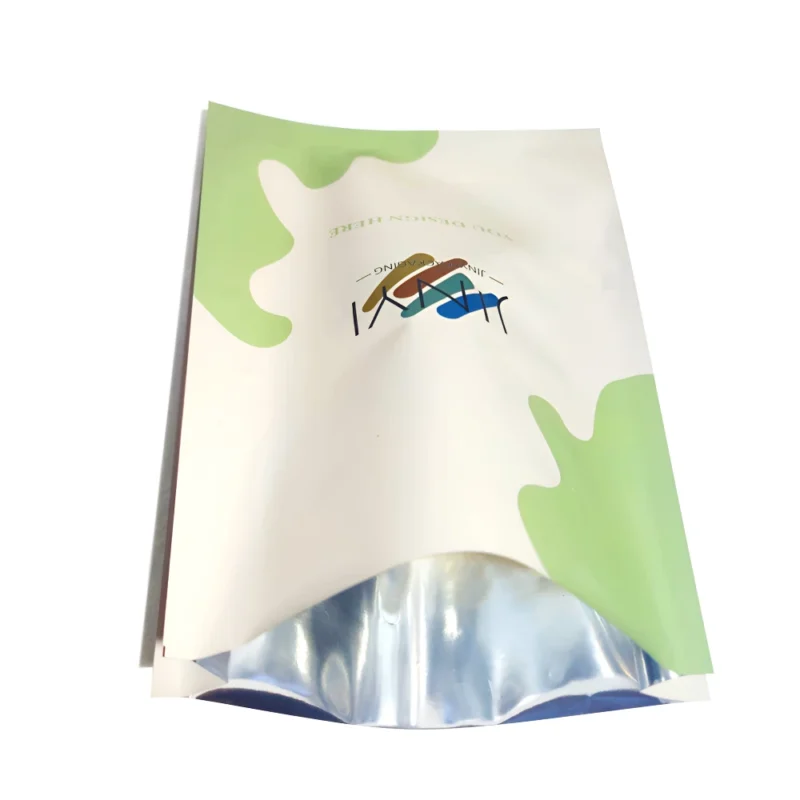
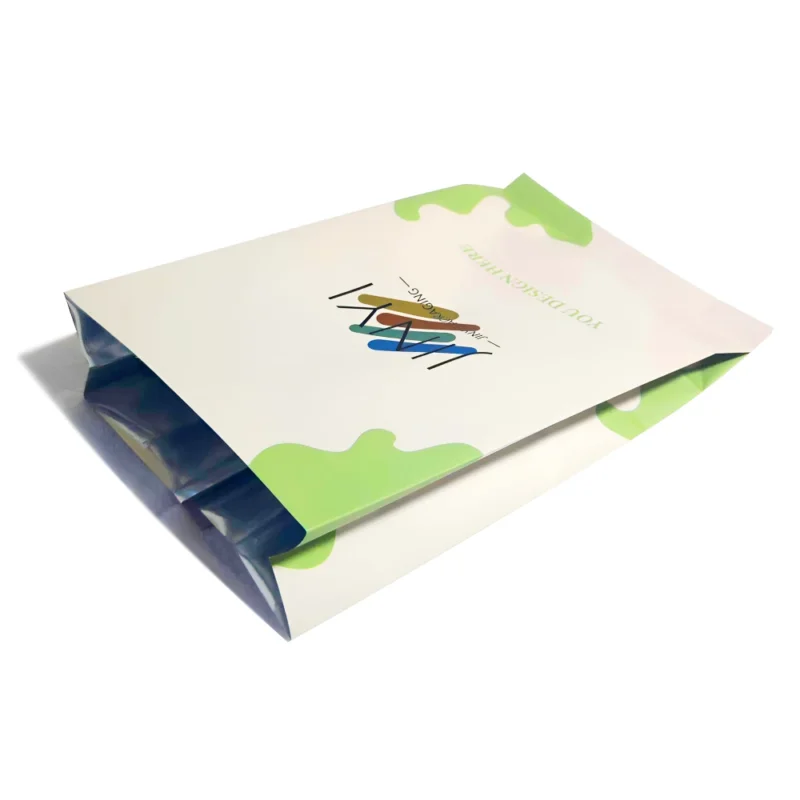
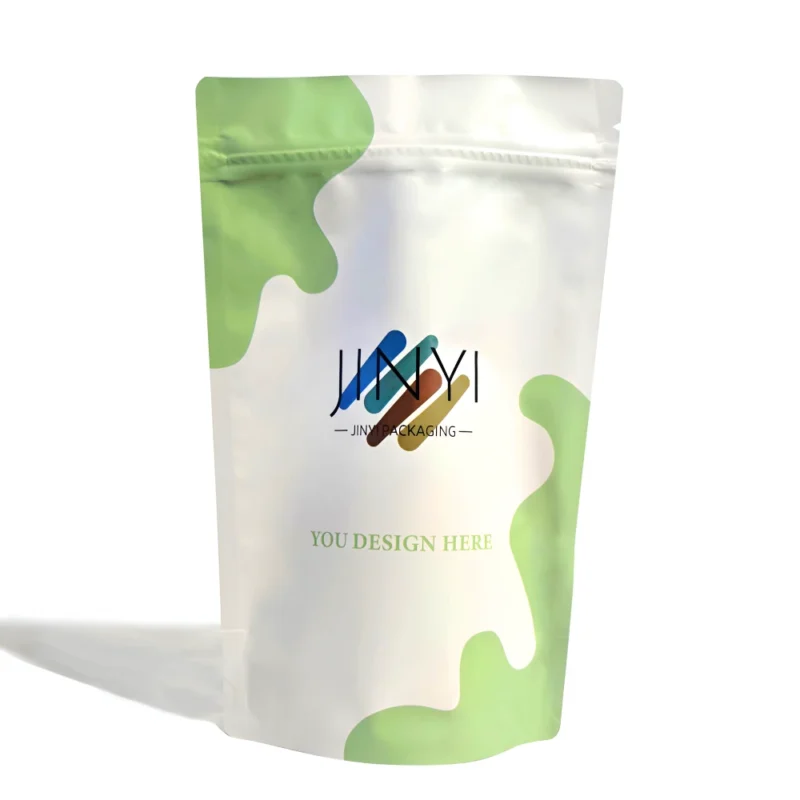
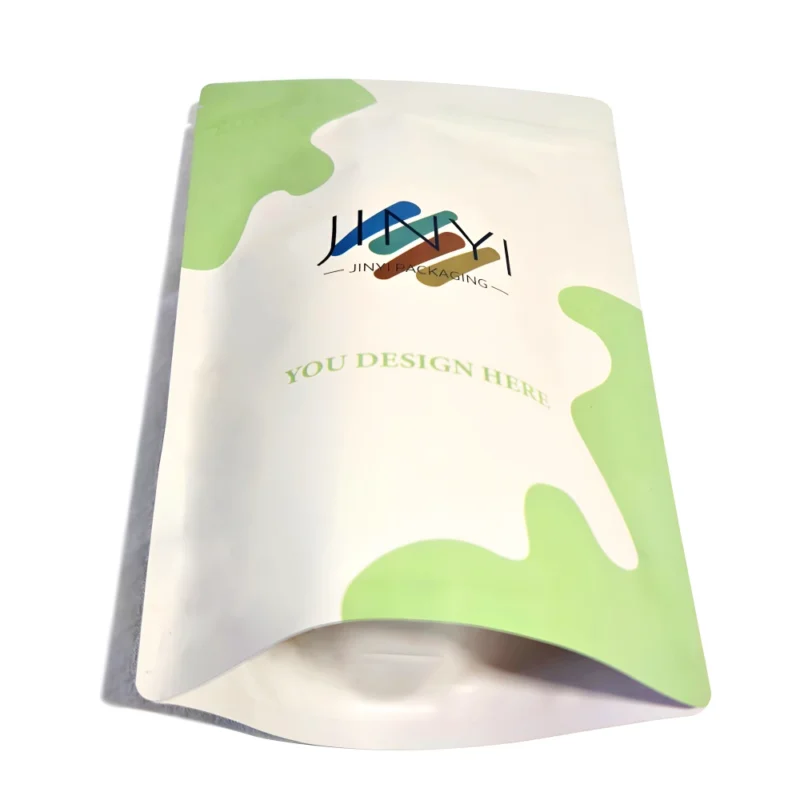
Problem: Your coffee tastes flat or your bag leaks. Agitation: Reviews drop and returns rise fast. Solution: Fix barrier targets, seal reliability, and route tests as one system.
A coffee bag fails when oxygen and aroma control do not match your shelf-life goal, and when seals, valves, and features create micro-leak paths. I prevent it by setting clear barrier targets, locking a stable seal window, and validating with real storage and shipping stress—not just lab checks.
coffee bag packaging
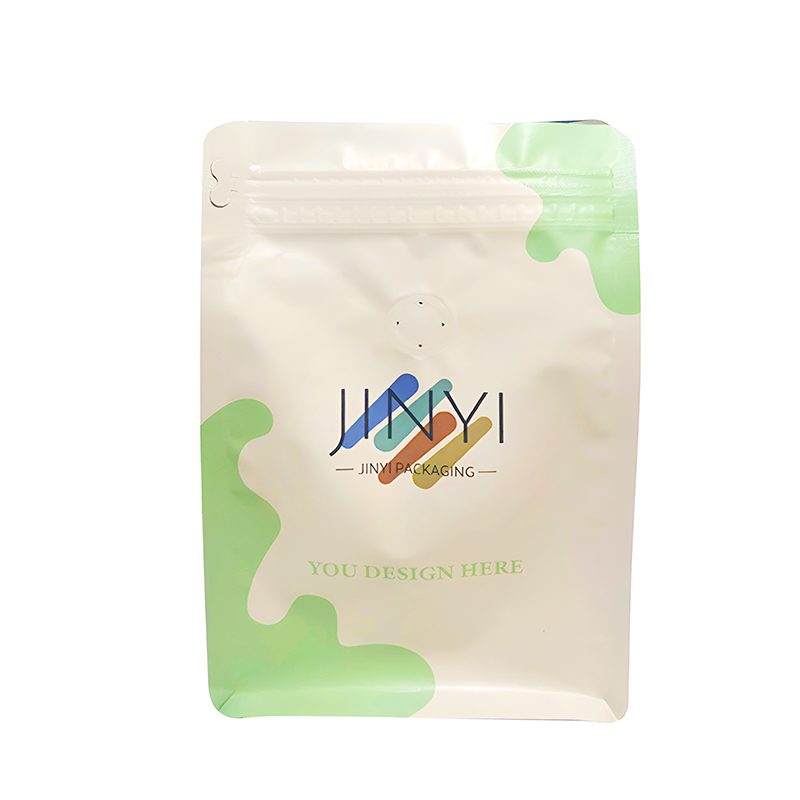
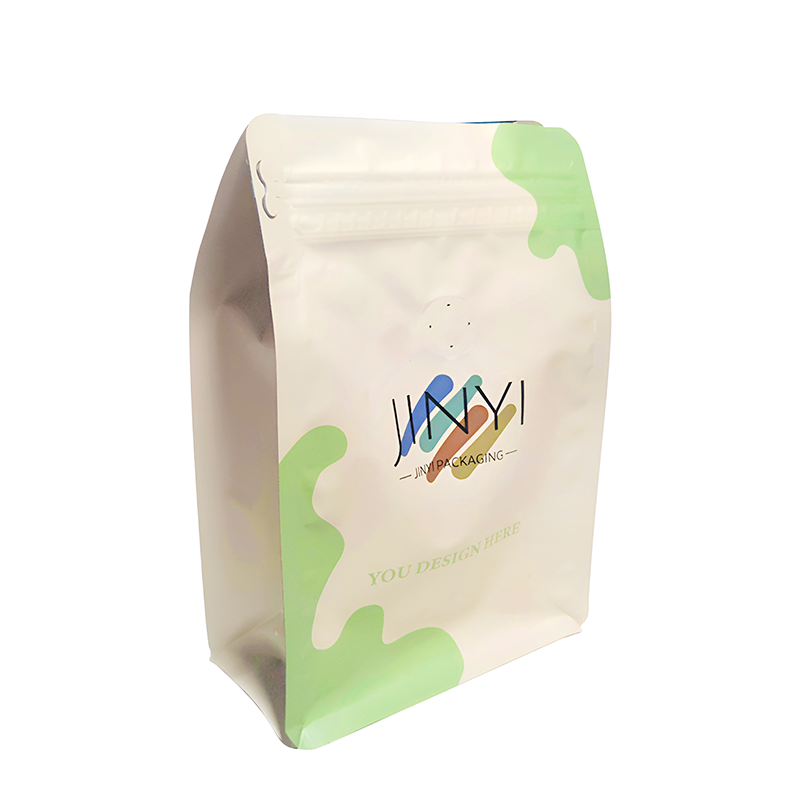
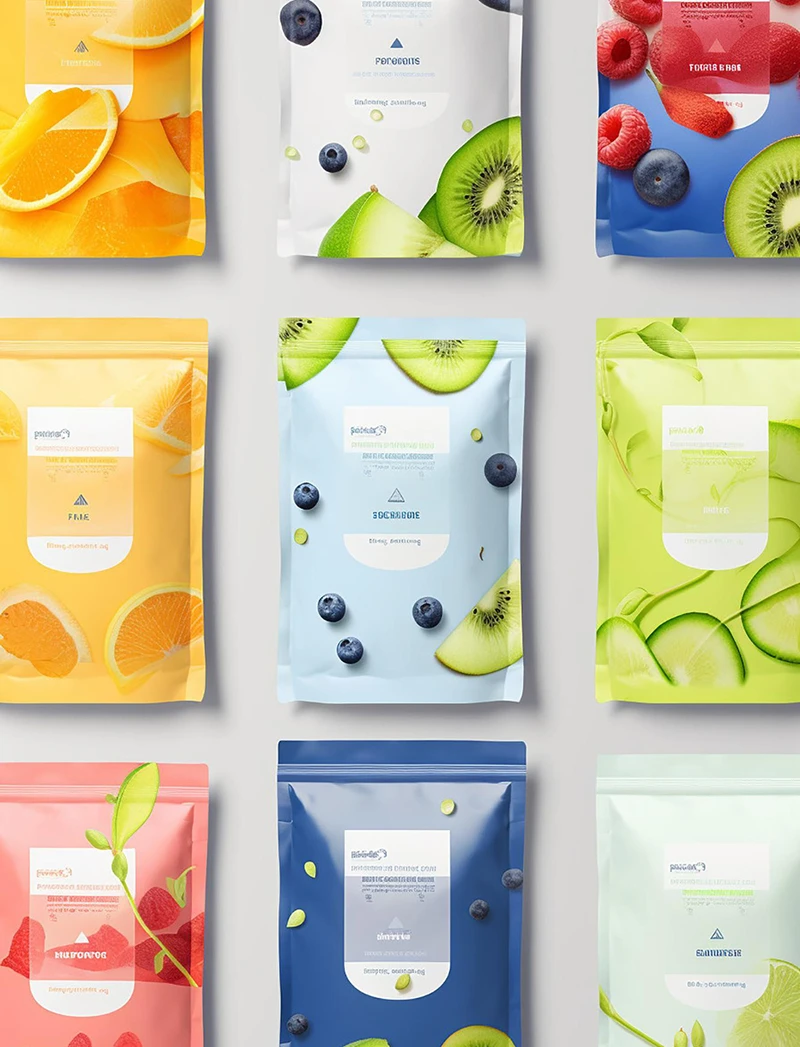
I do not treat coffee packaging as “choose a film and print a design.” I treat it as a performance system. I start with coffee type and shelf-life target. Then I match barrier, seals, valve, and features. Finally, I prove it on the route your customers actually use.
What does “coffee bag failure” really mean in U.S. & EU channels?
Problem: Teams only look for visible defects. Agitation: “Looks fine” still becomes week-4 staleness or odor complaints. Solution: Define failure by customer symptoms and map the leak path fast.
Coffee packaging failure is not one thing. It can be stale flavor, odor leaking out, fine coffee dust escaping, or a bag that “puffs” and then loses tightness. In U.S. and EU channels, small issues become expensive because returns are easy and reviews are public. A customer does not say “OTR is too high.” A customer says “this coffee tastes old” or “my cabinet smells like coffee” or “the bag leaked in shipping.” I diagnose by symptom first, then I map the likely path: top seal, zipper ends, gusset folds, valve patch, and notch zones. I also check timing. If complaints show up after weeks, barrier targets or micro-leaks are usually the root cause. If it happens on day one, it is often seal contamination, sealing setup, or handling damage. This simple framing stops people from chasing the wrong fix, like “make it thicker,” when the real issue is a seal window or a leak path near a fold.
My symptom-to-cause map
Customer Symptom
Most Likely Root Cause
Fast Check
First Fix I Try
Stale/flat aroma
Wrong barrier target or micro-leak
Odor hold + seal squeeze test
Set OTR target + stabilize seal window
Odor leaking out
Seal/zipper leak path
Leak test at top seal + zipper ends
Wider seal land + zipper compatibility
Powder or air leak
Contaminated seal or weak jaw setup
Peel/burst after compression
Clean seal zone + adjust dwell/pressure
Are you using the right barrier targets for coffee, not just the right material name?
Problem: People buy laminates by label. Agitation: “Same PET/PE” still fails at week 4. Solution: Start with shelf-life targets, then select structures that can hit them.
I never start with “PET/PE or foil?” I start with “how long must this coffee stay fresh in your channel?” Coffee is aroma-driven. Oxygen drives staling. Aroma molecules also escape through weak structures and leak paths. This is why material names can mislead. Two laminates can both be called PET/PE and still perform very differently because layer design, thickness, adhesive, and coatings change real barrier. I set targets first. I define the shelf-life goal, then I align barrier direction: oxygen control, aroma retention, and light control. Light matters because it accelerates quality loss and makes flavor fade faster. Then I check the channel reality. Retail adds constant touch and shelf lighting. E-commerce adds drops, compression, and flex stress that can create micro-cracks near folds. If a brand needs a clear window or premium matte finish, I do not guess. I validate because finishes can change scuffing, readability, and the “freshness impression” after shipping. Targets guide structure. Testing proves it. Names do not.
Barrier direction by coffee risk
Scenario
Main Risk
Barrier Direction
What I Watch
Whole bean, long shelf
Oxidation + aroma loss
High barrier structure
Folds/gussets for flex-crack
Ground coffee
Fast aroma loss
Stronger barrier + tighter seals
Seal integrity after compression
DTC shipping
Drop + crush stress
Barrier + crack resistance balance
Artwork safe zones near folds
Are valves helping freshness, or becoming a hidden leak risk?
Problem: Valves get treated as a premium badge. Agitation: Wrong spec or placement creates micro-leaks and odor complaints. Solution: Match valve choice to roast, headspace, and filling reality.
A one-way valve is a tool for degassing. It is not automatic freshness. If the coffee needs degassing and the bag has no valve, the bag can swell and stress seals. If the bag has a valve but the system is not matched, the valve can become the weak point. I look at roast level, fill temperature, headspace, and how the bag is handled after filling. I also look at where the valve is placed. A valve near a high-fold zone, or near a compression hotspot, increases failure risk. Common valve-related failures include micro-leaks, patch bond issues, and delamination around the valve area under heat or pressure. I do not accept “it should be fine.” I validate with targeted checks. I test odor retention and leak behavior around the valve zone after compression and after climate cycling. I also align the valve with packaging workflow. If your line speed is high or your bag is handled aggressively, a “good on paper” valve can fail in the field. A valve must fit the system, not the story.
Valve reality checks
Decision
Why It Matters
Failure Mode
My Fix
Valve spec
Controls degassing path
Micro-leak
Match valve to roast + headspace
Valve placement
Avoids stress zones
Cracking/delam
Move away from folds + crush zones
Patch process
Bond stability
Edge lift
Stabilize patch bonding parameters
Why do seals fail so often, and why do leaks start at the seal—not the film?
Problem: Bags leak even with “good film.” Agitation: One weak seal ruins the whole barrier system. Solution: Lock a stable seal window, engineer clean seal zones, and prove it under compression.
Most leaks start at seals because seals are the real closure. A high-barrier film means nothing if the seal has channels, brittle edges, or contamination. I look at the sealing window first: temperature, pressure, dwell time, and cooling. If the window is narrow, line variation creates weak seals. Then I look at seal contamination. Coffee fines and oils are common. If product falls into the seal zone, you can get micro-channels that leak odor and oxygen. I also check jaw design and seal land width. Narrow lands are risky in e-commerce because compression makes weak seals creep. My fixes are practical. I widen seal land when needed. I adjust the filling angle to reduce product in the seal area. I match zipper resin to the laminate and seal conditions. Then I validate. I do peel and burst checks after compression, not only right after sealing. If it survives compression and climate cycling, it survives real life. If it only survives “fresh off the line,” it will fail in the customer’s hands.
coffee bag packaging 2
Seal failures and the first corrections
Seal Failure
Typical Cause
What I Check
Fix I Apply First
Channel leak
Low energy or uneven pressure
Peel/burst mapping
Adjust dwell/pressure + jaw alignment
Greasy seal
Oil contamination
Seal-zone inspection
Clean zone + wider land
Zip pop-open
Resin mismatch
Reseal cycles
Compatible zipper + seal profile
How do shipping stress and “convenience features” create new failure paths?
Problem: Lab passes, field fails. Agitation: Drops and compression create flex cracks and open leak paths. Solution: Test by route and design features around stress zones.
E-commerce stress is harsher than most teams expect. The bag gets dropped, squeezed, and rubbed. Gussets and folds take repeated bending. This is where flex cracks and pinholes happen, especially near high-fold zones. A bag can look perfect on day one and still fail after shipping because small cracks become oxygen and odor paths. Convenience features can speed up failure. Zippers are useful, but the zipper ends are common weak points. Tear notches and laser scores improve opening, but they can propagate tears under compression. I do not reject features. I design them with the route. I keep critical text, QR codes, and barcodes away from high-distortion or high-fold zones. I run compression and drop tests with real packed coffee and the same headspace. Then I re-check seals, valve zones, and zipper leak paths. I also run reseal cycles because customers open and close the bag many times. A feature is only “premium” if it stays reliable after stress.
coffee bag packaging 3
Route-based validation that predicts complaints
Stress
What It Breaks
What I Observe
Countermeasure
Compression
Seal creep, zipper leaks
Leak after crush
Stronger seal land + better zipper match
Drop/vibration
Fold cracks, notch tears
Pinhole near gusset
Structure balance + move notch zones
Abrasion
Print scuff, shelf appearance
Wear map on corners
Topcoat choice + artwork safe zones
Conclusion
I fix coffee bag failures as a system: seal integrity first, then barrier targets, then route tests, and features last. Consistency wins reviews in U.S. and EU markets.
FAQ
Why does coffee taste stale even if the bag looks fine?
Most cases come from wrong barrier targets or micro-leaks at seals, zippers, folds, or the valve zone.
Does a one-way valve guarantee freshness?
No. A valve manages degassing, but freshness still depends on oxygen control and seal integrity.
What is the most common cause of coffee bag leaks?
Weak or contaminated heat seals. I stabilize the seal window and seal-zone cleanliness before changing films.
Are foil or metallized structures necessary for coffee?
They are often the safer choice for aroma-sensitive coffee and longer shelf-life goals, especially with harsh shipping routes.
What should I validate before mass production?
Seal integrity after compression, targeted leak tests (top seal/zipper/valve), and route-based drop + climate cycling.
About Jinyi
Jinyi — From Film to Finished—Done Right. I build flexible packaging systems that brands can scale with confidence. I focus on stable specs, repeatable production, and real-world validation so you get fewer surprises, fewer returns, and stronger repeat orders.