If your coffee tastes great in week 1 but “flat” in week 4, you are not losing flavor by accident—you are losing it through a predictable packaging failure path.
Week-4 “flatness” is usually caused by micro-leaks or seal drift, not bad OTR numbers alone. I always prove seal integrity under route stress first, then I optimize barrier (OTR) once I know oxygen is not taking a shortcut.
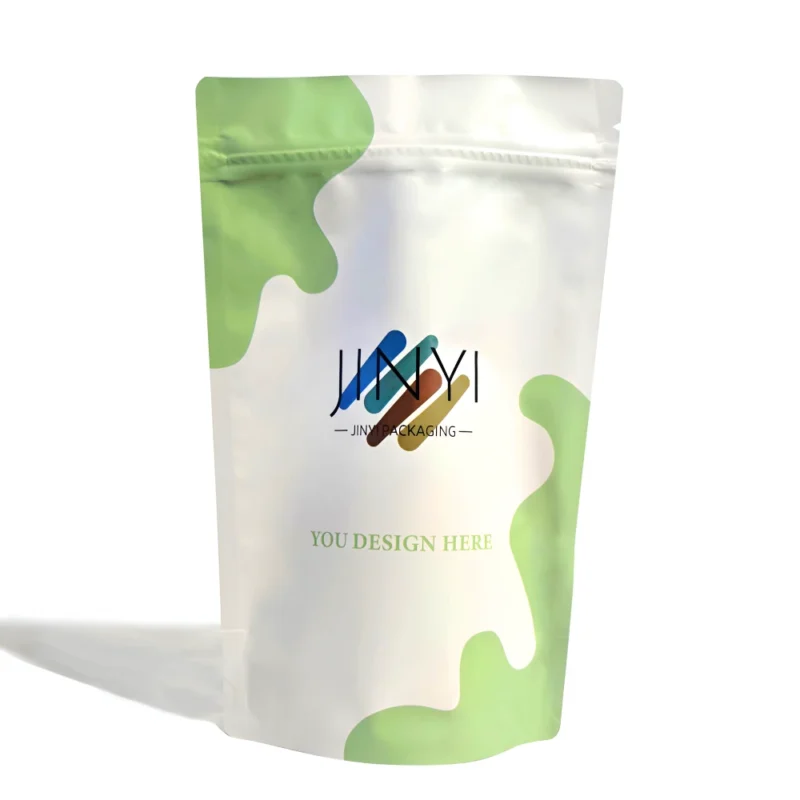
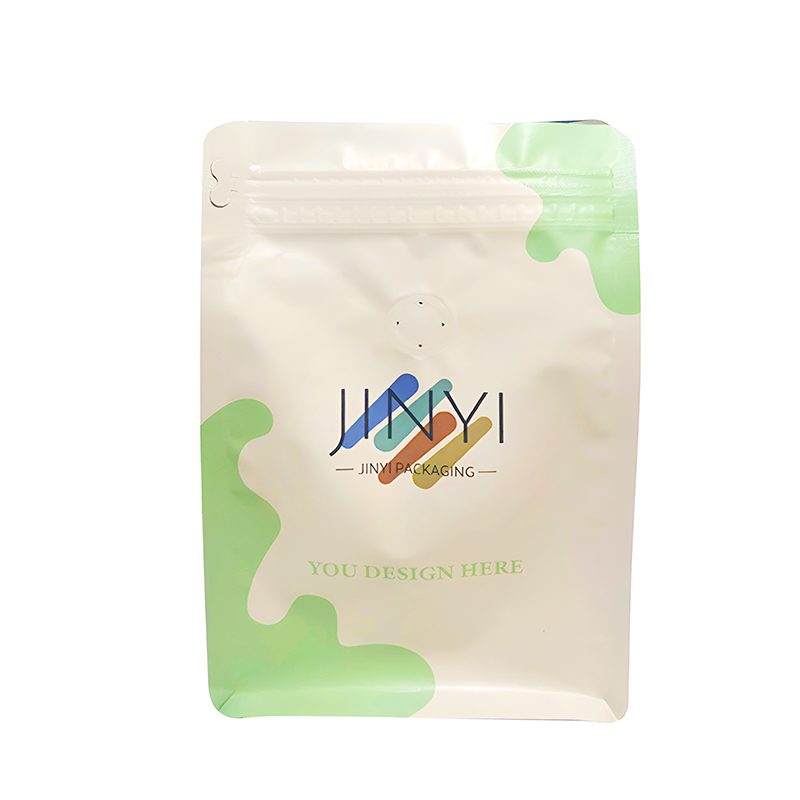
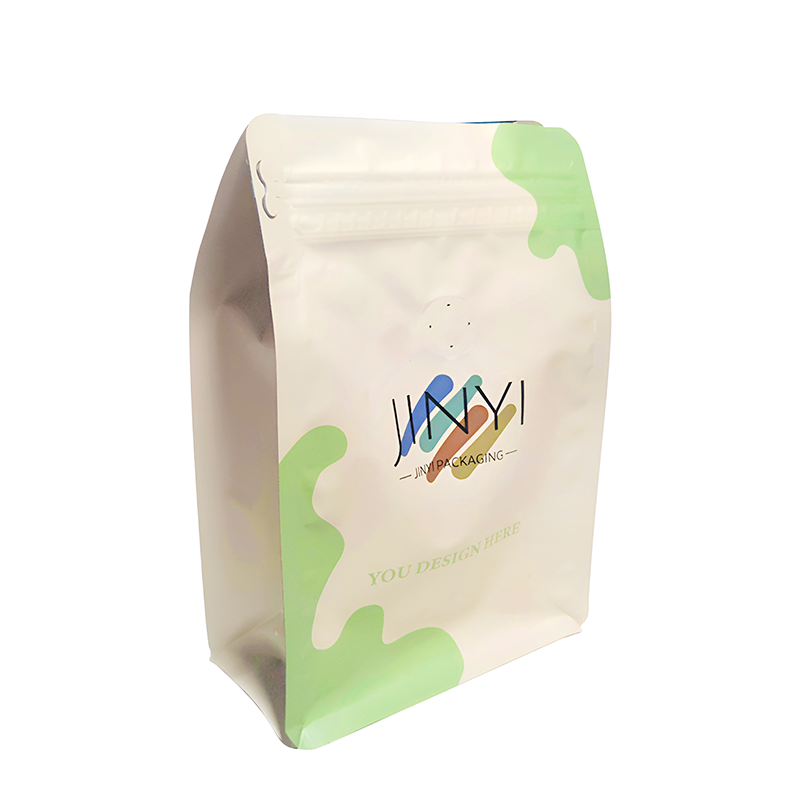
Start with the pouch system that is built for seal control, not just barrier claims.

I do not treat “flat” as a mystery. I treat it as a timeline problem. If I can name the failure pattern, I can choose the right tests and stop the week-4 drop before it hits customers.
What does “flat in week 4” actually mean for coffee, and why does timing matter?
When customers say “flat,” they usually mean less aroma, dull acidity, weaker finish, or early cardboard notes. If I do not define it, I cannot fix it.
Week-4 timing tells me the likely path. Day-7 drop often points to roast and handling. Week-4 drop often points to oxygen exposure building slowly through micro-leaks, seal drift, or valve/feature issues.

How I translate “flat” into measurable outcomes
| Complaint language |
What I measure |
Where I look first |
| Aroma is weaker |
Odor intensity trend across time |
Seal edges + valve bond zone |
| Cardboard / papery notes |
Oxidation indicators over storage |
Micro-leak paths + headspace control |
| Finish drops fast |
Week-to-week cupping consistency |
Seal window drift in production |
From a production standpoint, this matters because a “taste complaint” becomes a testable failure mode. If I cannot measure it, I cannot stop it at scale.
Micro-leaks vs OTR: why does a tiny channel beat good barrier numbers every time?
I always start with an uncomfortable truth: a great OTR spec means nothing if the package is not truly sealed.
A micro-channel is a shortcut. Oxygen does not need to diffuse through film. It can flow through a leak path. That is why a pouch can “look sealed” and still lose aroma by week 4.
Why I prove seal integrity before debating barrier
| Question |
If the answer is “No” |
What I do next |
| Does the seal stay closed after stress? |
OTR is not the priority yet |
Lock seal window + hot tack + cooling |
| Is the leak path location repeatable? |
It is a system drift problem |
Fix tolerances + seal land consistency |
| Is barrier still limiting after seals pass? |
Then barrier matters |
Optimize OTR targets without overbuild |
In real manufacturing, this detail often determines whether you fix week-4 flatness in one iteration or burn three rounds chasing “better film” while the leak path stays alive.
How do CO₂, oils, and fines quietly create leak paths and speed up staling?
I treat coffee as a moving system. It does not sit still inside the bag. It changes the stress on seals and interfaces over time.
CO₂ degassing changes internal pressure. Oils can migrate and reduce interface stability. Fines behave like contamination and can lodge in seal areas. All of this can happen while the pouch still looks perfect.
The hidden ways coffee turns into a packaging stressor
| Coffee behavior |
Packaging risk |
What I control |
| CO₂ degassing |
Pressure cycles + seal edge loading |
Seal window margin + cooling |
| Oil migration |
Interface contamination + seal drift |
Seal land width + cleanliness rules |
| Fines and dust |
Micro-channels that “feel closed” |
Fill control + top-zone design |
From our daily packaging work, we see that “good film” cannot save a contaminated or marginal seal. Coffee behavior decides where my risk begins.
How do I lock the seal system: seal window, hot tack margin, seal land width, and cooling?
I lock the seal system before I debate material names. A stable seal window is not just “it seals today.” It is “it seals even when production drifts.”
Hot tack margin matters because pouches get handled hot. Cooling matters because early stacking and compression can freeze defects into the seal line.
My seal-system control map
| Control item |
What fails when it drifts |
How I verify |
| Seal window (temp/pressure/time) |
Weak edges + intermittent micro-leaks |
Window mapping + drift tracking by shift |
| Hot tack margin |
Micro-channels from early handling |
Hot-state peel + early compression check |
| Seal land width consistency |
Corner leaks + uneven engagement |
Seal land measurement + visual micro-channel check |
| Cooling / dwell before stacking |
Seal deformation + edge whitening |
Cooling time rules + stack-load validation |
I do not want “sealed.” I want “repeatably sealed.” That is how I stop week-4 failures from coming back as soon as you scale.
When do valves, zippers, tear notches, and windows create new risks?
Every “premium feature” is a new failure path. A valve adds a bond zone and a hole. A zipper can narrow your seal margin. A tear notch can start a crack. A window changes stiffness and rub behavior.
I only add features after the base seal system is stable and validated under stress. If I do it in the wrong order, I create week-4 problems that look like “staling” but are actually “feature drift.”
How I decide if a feature is worth the risk
| Feature |
Common failure path |
My rule |
| Degassing valve |
Bond drift + leak around valve |
Validate bond after stress, not just day-1 |
| Zipper |
Narrowed top-zone seal margin |
Protect seal land and keep geometry stable |
| Tear notch |
Crack initiation point |
Control notch depth and stress zone placement |
| Window |
Stiffness mismatch + scuff dust |
Check rubbing and dust impact on seals |
If you want premium features, I first stabilize the seal system so premium does not become week-4 flatness.
How do headspace and pack-out “train” slow leaks over weeks?
I do not ignore headspace. Too much headspace increases movement and abrasion. Movement creates corner rub and panel scuff that can grow into micro-leaks over time.
I also treat the carton as a failure amplifier. A tight case can pinch seals under stacking load. A loose case can create rubbing under vibration. If the case fit is wrong, week-4 drop becomes predictable.
Pack-out rules that reduce week-4 drift
| Pack-out variable |
What it causes |
What I set |
| Headspace too large |
Product momentum + corner rub |
Headspace target range by fill weight |
| Loose carton fit |
Rubbing + scuff dust + seal wear |
Corner protection and rub-point control |
| Tight carton pinch |
Seal edge loading under stack |
Pinch clearance rules and stacking limits |
From a production standpoint, this matters because you cannot “film-spec” your way out of a bad pack-out. I write pack-out rules into the spec so the result is repeatable.
Why does route stress make week-4 drop predictable: compression, vibration, and thermal cycling?
I assume the route will train failures. Compression loads seal edges. Vibration creates micro-slip and abrasion. Thermal cycling changes stiffness and interface stability. If the pouch is marginal, it will not fail on day 1. It will drift into failure by week 4.
I do not test packaging like a lab trophy. I test it like delivery will treat it.
Route stress timeline and what it “teaches” the pouch
| Stress |
Slow damage mechanism |
Week-4 outcome |
| Compression |
Seal edge fatigue + corner loading |
Micro-leak trend grows |
| Vibration |
Rubbing + dust + micro-slip |
Aroma loss accelerates |
| Thermal cycling |
Stiffness drift + interface breathing |
Seal drift becomes noticeable |
In real manufacturing, this detail often determines whether you ship stable coffee or keep chasing “freshness problems” that are actually mechanical drift problems.
What do I test first to separate leak problems from barrier (OTR) problems?
I do not start with a datasheet. I start with stress-first validation. My test unit is a system: bag + coffee + case. My sequence is also stress-first: compression/vibration/thermal swings first, then leak trend checks, then appearance checks.
If the pouch stays sealed under stress, then I care about barrier numbers. If it does not, OTR is a distraction.

My stress-first checklist
| Step |
What I do |
What I record |
| 1 |
Compression + stacking load on packed cartons |
Seal edge drift, corner stress marks |
| 2 |
Vibration simulation with real pack-out |
Rub points, dust generation, leak trend |
| 3 |
Thermal cycling exposure |
Stiffness drift, valve bond drift |
| 4 |
Leak trend checks (not just pass/fail) |
Repeatable leak locations and frequency |
| 5 |
Only then: barrier targeting (OTR) optimization |
Flavor retention trend vs cost impact |
I want slow failures to show up early and repeatably, because that is how I stop week-4 flatness before it reaches customers.
What 2–3 spec packages do I shortlist fast, and what can still fail?
I deliver options with clear risk statements. I do not hide the failure modes. I write what can still fail and how I control it.
Baseline / Upgrade / Premium packages
| Package |
What it targets first |
Most likely remaining failure |
| Baseline |
Seal margin stability and common micro-leaks |
Pack-out rub points still training wear |
| Upgrade |
Tighter process tolerance + abrasion control |
Feature drift if valve/zipper is added late |
| Premium |
Locked validation + QC gates + change control |
Uncontrolled changes resetting the system |
From our daily packaging work, we see that scale only works when validation and QC gates are locked. That is why my Premium option focuses on control, not just materials.
Conclusion
Week-4 “flat coffee” is usually seal drift or micro-leaks, not just OTR. If you want stable flavor, I can help you validate the whole pouch system and lock the seal window before you scale.
Get a Coffee Pouch Spec & Test Checklist
FAQ
- Is a lower OTR always better for coffee?
Not always. If micro-leaks exist, OTR does not matter. I prove seal integrity first, then set barrier targets that match shelf life and cost.
- How do I know if week-4 flatness is leak-driven or barrier-driven?
I run stress-first validation with real pack-out, then check leak trends and repeatable leak locations before I adjust film barrier.
- Can a valve cause week-4 flavor loss?
Yes. The valve bond zone can drift under stress and temperature cycling. I test valve bond drift after stress, not just day-1 samples.
- Does headspace really matter for aroma loss?
Yes. Too much headspace increases internal movement and abrasion, which can train corner wear and micro-channels over time.
- What is the fastest way to reduce week-4 complaints?
Lock seal window + hot tack margin, then control pack-out rub points. These two changes often reduce week-4 failures faster than switching to “better barrier.”