Sticky bags feel like a “bad batch.” The real culprit is usually humidity plus a packaging moisture leak path that quietly breaks texture before anyone notices.
Sticky candy bags happen when moisture enters faster than the product can tolerate. Humidity pushes water into the pack through film (WVTR) or, faster, through seal leaks. Once the candy absorbs enough water, texture shifts toward tacky, clumped, or “sticks-to-film,” even if the bag still looks sealed.

As a flexible packaging manufacturer, we focus on controlling moisture entry and sealing repeatability, because those two levers decide whether texture stays stable across storage, shipping, and retail handling.
See how we build moisture-control packaging systems for food products →
Why does humidity flip candy texture so fast, even when the product is “fine”?
Humidity does not “add a little risk.” It can change the candy’s state and make tackiness feel sudden and random.
Humidity-driven stickiness often has a threshold. Once the candy surface absorbs enough moisture, the texture shifts from dry or firm to tacky, clumpy, or film-sticking. This shift happens faster in products with a larger amorphous fraction or a surface that readily absorbs water.
Candy texture is a state problem, not only a packaging problem. Many confections rely on a glassy structure for stability. When moisture increases, the glass transition temperature (Tg) effectively drops, and the surface becomes more mobile and sticky. That is why “the same candy” can feel stable in a dry warehouse and fail quickly in a humid backroom.
| What changes |
What buyers notice |
What it usually means |
| Higher RH exposure |
Sticky surface, cling to film |
Moisture uptake crosses a texture threshold |
| Humidity swings |
“Some lots are fine, some fail” |
Channel variance overwhelms texture tolerance |
| Warm + humid storage |
Clumps and blockiness |
Faster mobility and faster moisture-driven drift |
Evidence (Source + Year): Hartel, von Elbe & Hofberger, Confectionery Science and Technology, 2010 (phase/state concepts and texture sensitivity to moisture).
How can WVTR decide shelf stability, and why is it a “moisture budget”?
WVTR is not a material preference. WVTR is the speed limit for moisture entering the pack through the film over time.
WVTR works like a moisture budget. A given candy can tolerate only a limited moisture gain before texture shifts. When the target shelf period gets longer, or the storage humidity gets higher, the budget gets tighter. Film area also matters. Larger bags, wider gussets, and higher surface area increase total moisture transmission even when the WVTR number stays the same.
WVTR alone does not guarantee success. WVTR describes diffusion through intact film. Real packs also include seals, folds, corners, and fit-up features. If the pack has a leak path at the seal, moisture entry can jump from “slow diffusion” to “fast short-circuit.” That is why a “high barrier film” can still produce sticky complaints if the seal system is not robust under real process variance.
| Shelf goal |
Typical humidity exposure |
Packaging emphasis |
| Short (fast turnover) |
Low to moderate RH |
Seal consistency + basic moisture barrier |
| Medium |
Mixed RH |
Lower WVTR + leak screening at seals |
| Long (retail + storage) |
Moderate to high RH |
Low WVTR system + strict seal window control |
Evidence (Source + Year): ASTM F1249 (water vapor transmission rate measurement method; widely used WVTR test standard).
Why do seal leaks beat barrier film, and how do “invisible” leaks create sticky zones?
Many sticky complaints are not a film failure. They are a seal variance failure that creates a moisture entry shortcut.
Candy bags often fail through leak paths that do not look dramatic. Common causes include dust or sugar fines in the seal area, temperature drift, pressure or dwell-time variation, seal bar wear, wrinkles at fin seals, corner channels, and pinholes. The result is often local moisture entry near the seal line or corner first. That local moisture creates a sticky zone, and the sticky zone grows with time.
This is why buyers should not jump straight to “thicker film.” A thicker film can reduce WVTR, but it does not fix a narrow or unstable seal window. A better approach is to map complaints to leak patterns and prove seal robustness with repeatable tests. If the seals are stable, then film upgrades become meaningful rather than cosmetic.
| Complaint pattern |
Most likely cause |
Fastest verification |
| Sticky near top seal/corners |
Seal channel / corner wrinkle leak |
Bubble emission leak test focused on seals |
| Whole bag turns sticky |
WVTR too high or RH too high |
RH storage + moisture gain tracking |
| Random by lot |
Process drift (seal window too narrow) |
Seal strength distribution across samples |
Evidence (Source + Year): ASTM F88/F88M (seal strength for flexible barrier materials); ASTM F2096 (bubble emission method for gross leaks).
Where does moisture enter the channel, and why do brands misread the root cause?
Many brands blame the bag. Many sticky events are actually a channel humidity spike that the pack system was not built to absorb.
Moisture exposure often peaks late in the channel. It can happen in a rainy-season warehouse, at an open loading dock, inside a humid sea-freight container, during temperature swings that create condensation, or on a retail shelf near cold air discharge and warm lighting. These exposures are intermittent, which makes complaints feel unpredictable. A bag that performs in a controlled factory can fail in a backroom where humidity sits high for hours.
A practical way to reduce misreads is to build a simple “Humidity Heat Map.” The goal is not perfect data. The goal is identifying the top two or three points where humidity enters the system. Once those points are known, the packaging decision becomes clearer: a lower WVTR film may help, but a more robust seal window may help more. In many real cases, the fastest win is moving inventory away from condensation zones and tightening sealing process control.
| Channel point |
Typical risk |
Simple action |
| Receiving / loading dock |
Humidity spikes |
Limit open exposure time |
| Warehouse corners / near walls |
Condensation zones |
Keep pallets off walls and floors |
| Retail shelf |
Warm light + AC swings |
Relocate away from vents/lights |
If your channel has humidity spikes, build a moisture-control plan with packaging + sealing proof →
Evidence (Source + Year): Hartel, von Elbe & Hofberger, Confectionery Science and Technology, 2010 (moisture-driven state changes explain sudden texture drift).

Which formats turn humidity risk into complaints faster: flow wrap, fin seals, or resealable pouches?
Format changes how many seal lines exist, how seals behave at speed, and what happens after opening.
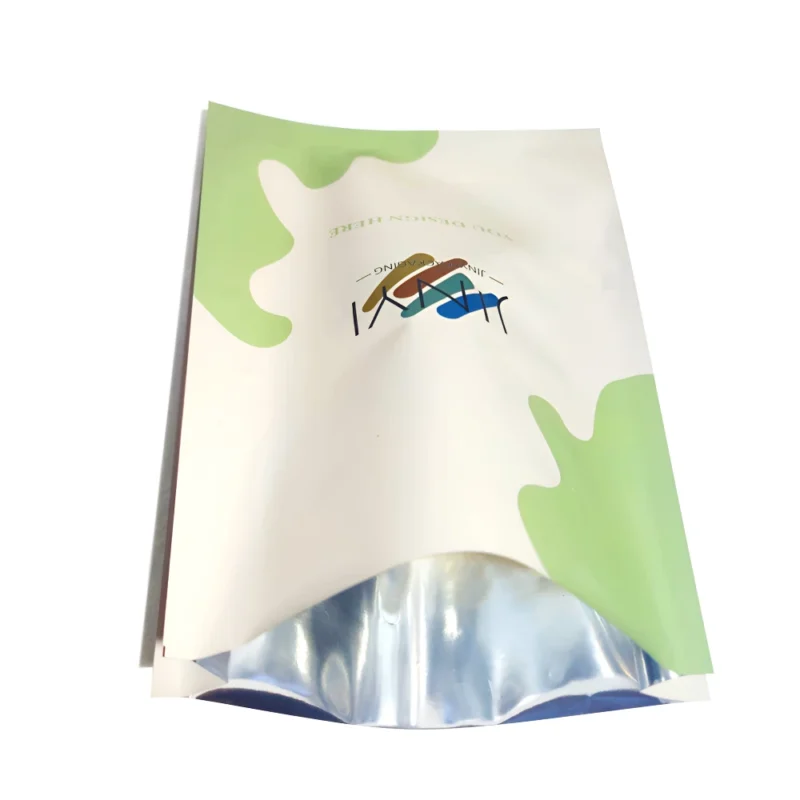
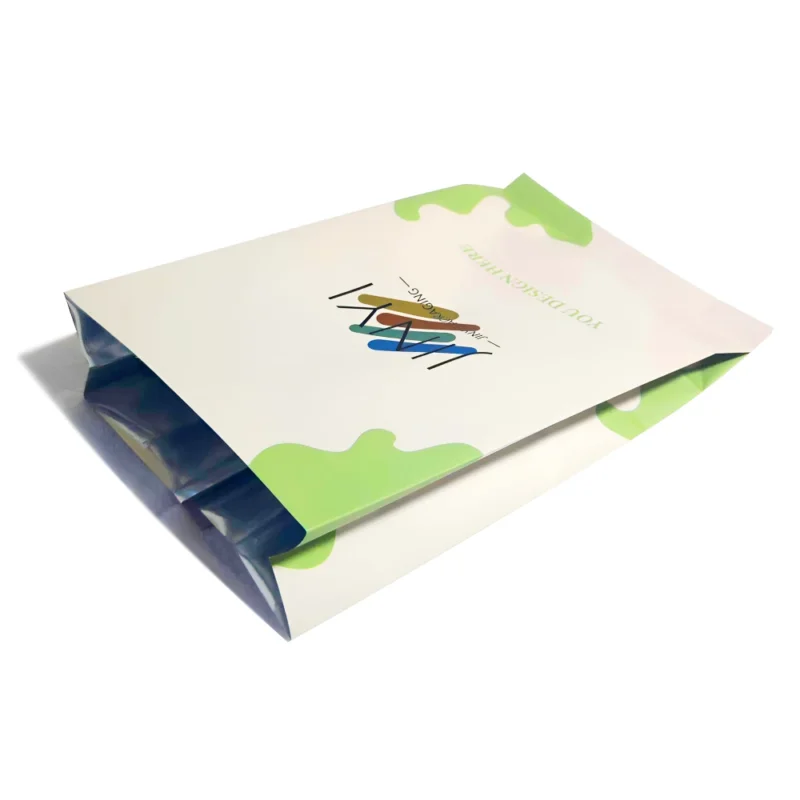
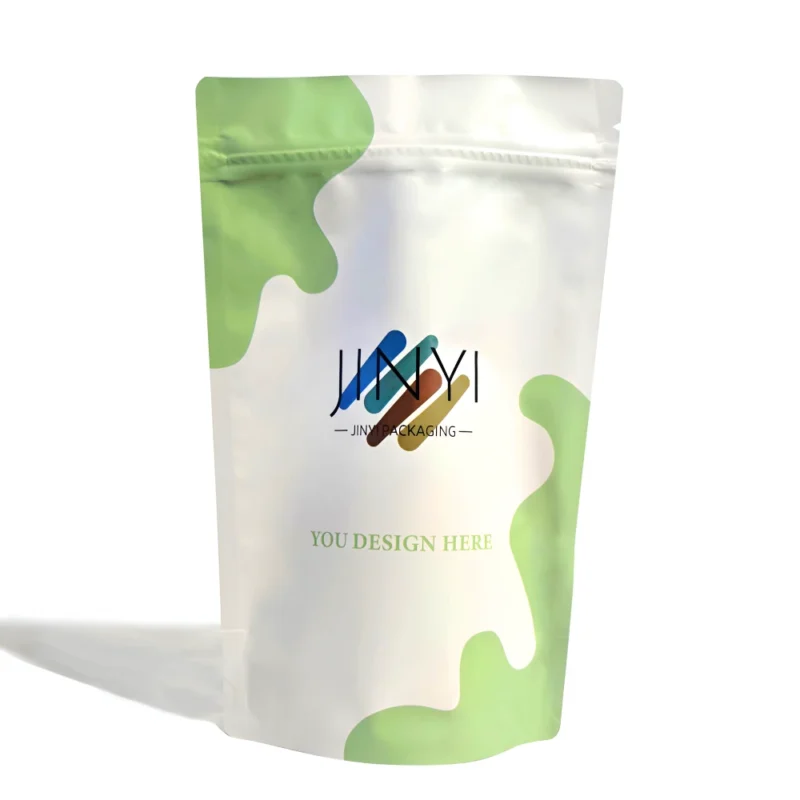
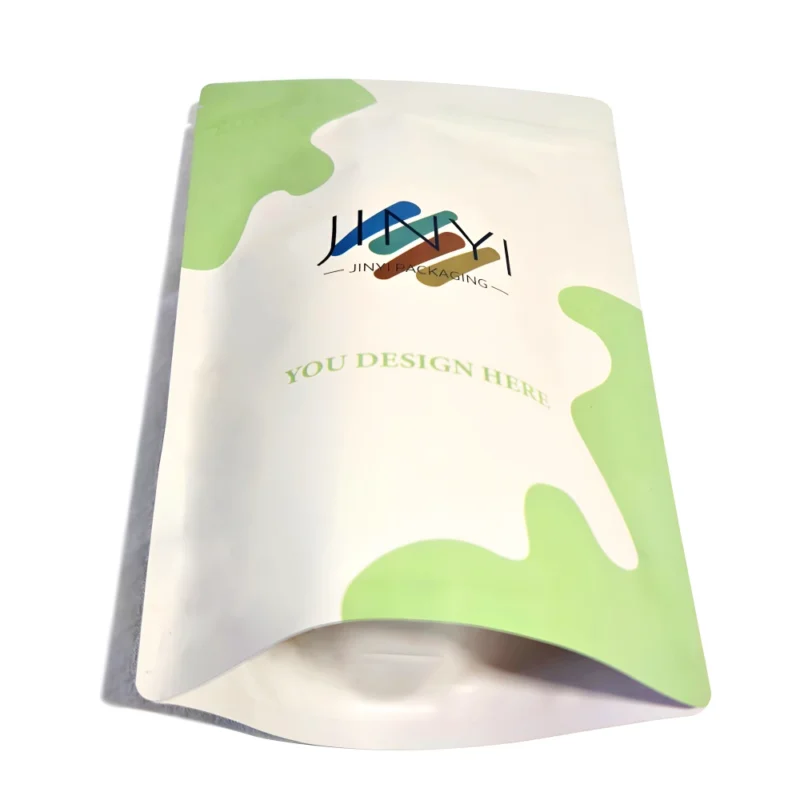
Flow wrap (HFFS) is efficient, but it introduces multiple seal geometries. More seal length and more corners increase the probability of a leak path if process control is not tight. Fin seals and end seals can also trap product dust, which matters for candy. Resealable pouches solve multi-serve convenience, but after opening, the zipper becomes the dominant interface. Candy fines and sugar dust can prevent full closure, so after-opening humidity becomes the main driver of stickiness even if the factory top seal was perfect.
Single-serve packs can reduce “after-opening” failure, but they raise packaging ratio and add more seal lines across total units. This is why the best format is the one that matches how the product is used. A multi-serve gummy pouch needs a reseal plan. A single-serve hard candy needs a seal reliability plan at speed. The format choice should always include a verification plan, not only a material claim.
| Format |
Dominant moisture risk |
Main verification focus |
| Flow wrap (HFFS) |
Seal geometry variance |
Leak screening + seal consistency |
| Resealable pouch |
After-opening closure reality |
Open-close cycles + contamination scenario |
| Single-serve |
Higher total seal length |
Process robustness at speed |
Evidence (Source + Year): ASTM F2096 (gross leak screening supports seal-variance troubleshooting); ASTM F88/F88M (seal strength distribution supports consistency checks).
What is the minimum validation plan that predicts “sticky” complaints instead of guessing?
Sticky complaints are predictable when the validation plan matches the real failure path: moisture entry plus sealing variance.
A buyer-ready validation plan does not need to be complicated. It needs to be repeatable and tied to complaint patterns. The minimum set should prove three things. First, seals hold across normal process variance, so seal strength should be measured as a distribution, not one number. Second, leak paths are screened and localized, with attention on corners, wrinkles, and long seal runs. Third, product texture drift is checked under realistic humidity and temperature conditions that match the channel.
For resealable systems, after-opening behavior must be included. A zipper that closes perfectly in a clean lab can fail when sugar dust contaminates the track. A simple open-close cycle plan (0/5/10/20 cycles) with a realistic contamination scenario can reveal whether the closure becomes the dominant moisture pathway. If the closure is the dominant pathway, film upgrades will not solve the complaint.
| Validation block |
What it proves |
Outcome to record |
| Seal strength distribution |
Process repeatability |
Pass rate + variability |
| Leak screening (seal-focused) |
Leak path presence |
Leak location map |
| RH/temperature storage |
Texture drift risk |
Clump rate + stick-to-film area |
| Open-close cycles (if zipper) |
Reseal reality |
Texture drift vs cycle count |
Evidence (Source + Year): ASTM F88/F88M (seal strength); ASTM F2096 (bubble emission gross leak detection).
Conclusion
Sticky candy bags are usually a moisture-entry problem. The winning fix is a verified moisture budget (WVTR) plus verified seals, matched to the real humidity points in your channel.
Talk to us about a moisture-control packaging spec →
FAQ
Is a thicker bag always better for preventing stickiness?
No. A thicker film can reduce WVTR, but seal leaks can bypass film barrier and create fast moisture entry.
How can a bag “look sealed” but still cause sticky candy?
Micro-leaks at corners, wrinkles, or contaminated seal zones can allow moisture entry without obvious air leakage.
What complaint pattern suggests a seal leak instead of WVTR?
Stickiness that starts near the top seal or corners first often points to a seal channel or corner leak path.
Do resealable zippers protect candy after opening?
Not automatically. Sugar dust and misalignment can prevent full closure, so after-opening moisture entry can dominate.
What is the fastest “proof” test set a buyer can request?
Seal strength distribution (ASTM F88/F88M) plus seal-focused leak screening (ASTM F2096), then RH storage with texture scoring.
About Us
Brand: Jinyi
Slogan: From Film to Finished—Done Right.
Website: https://jinyipackage.com/
Our Mission:
JINYI is a source manufacturer specializing in custom flexible packaging. Our goal is to deliver reliable, practical packaging solutions that reduce communication costs, improve quality consistency, and align structure and print with real product needs.
About JINYI:
JINYI is a source manufacturer specializing in custom flexible packaging solutions, with over 15 years of production experience serving food, snack, pet food, and daily consumer brands.
We operate a standardized manufacturing facility equipped with multiple gravure printing lines as well as advanced HP digital printing systems, allowing us to support both stable large-volume orders and flexible short runs with consistent quality.
From material selection to finished pouches, we focus on process control, repeatability, and real-world performance. Our goal is to help brands reduce communication costs, achieve predictable quality, and ensure packaging performs reliably on shelf, in transit, and at end use.