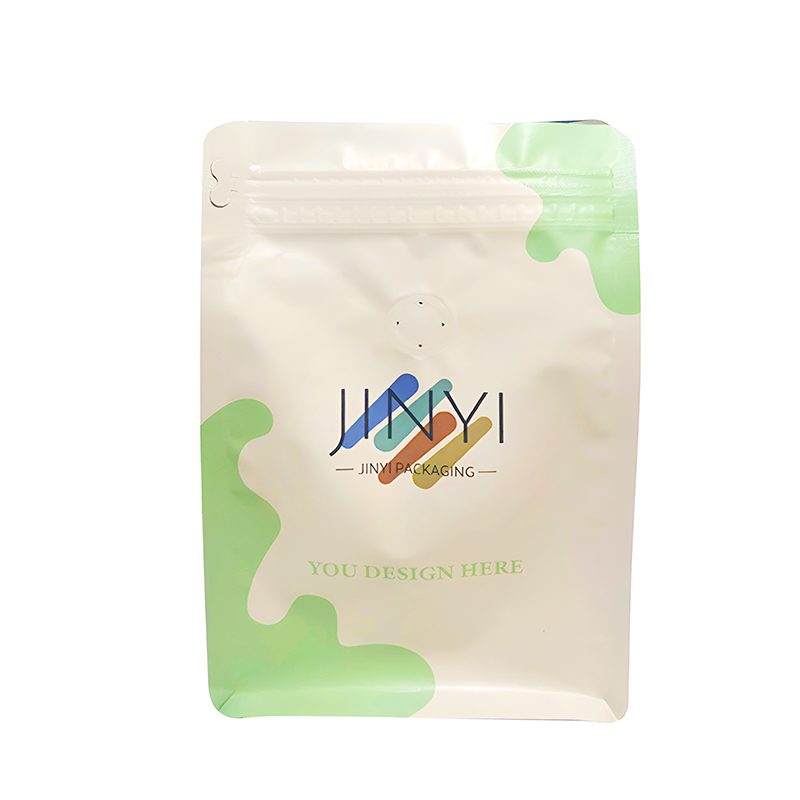
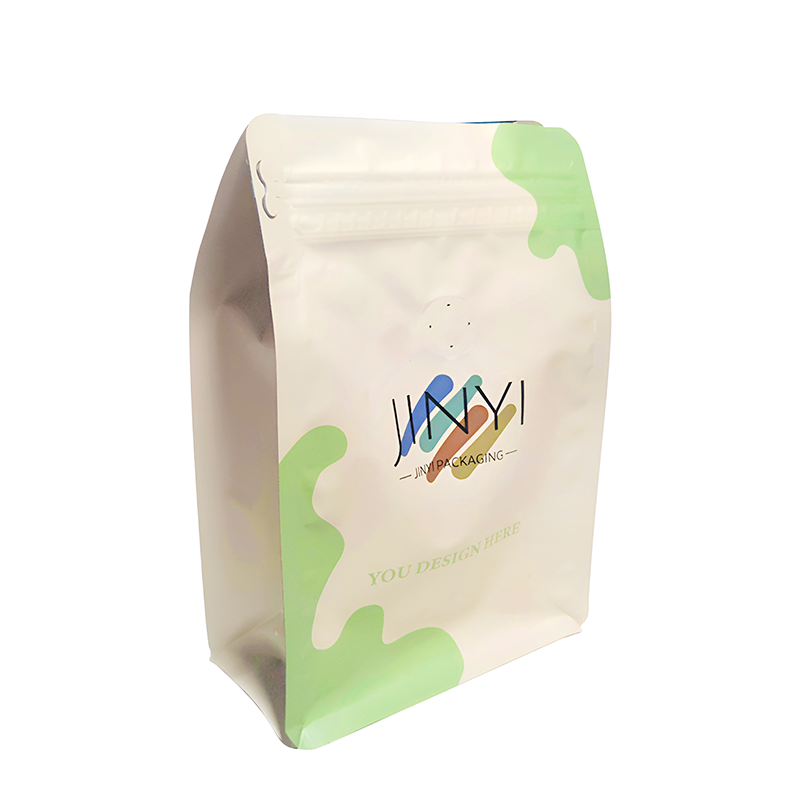
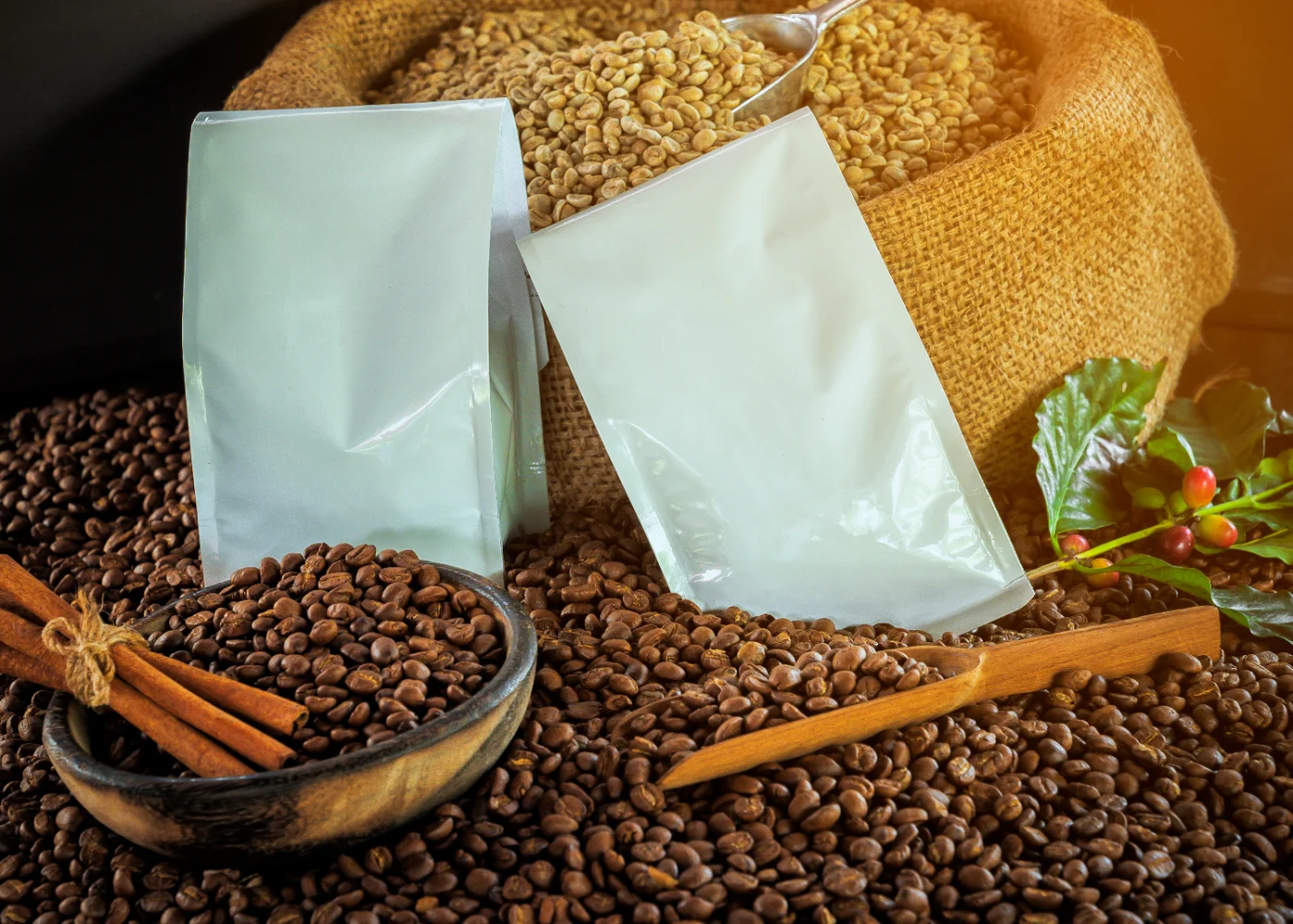
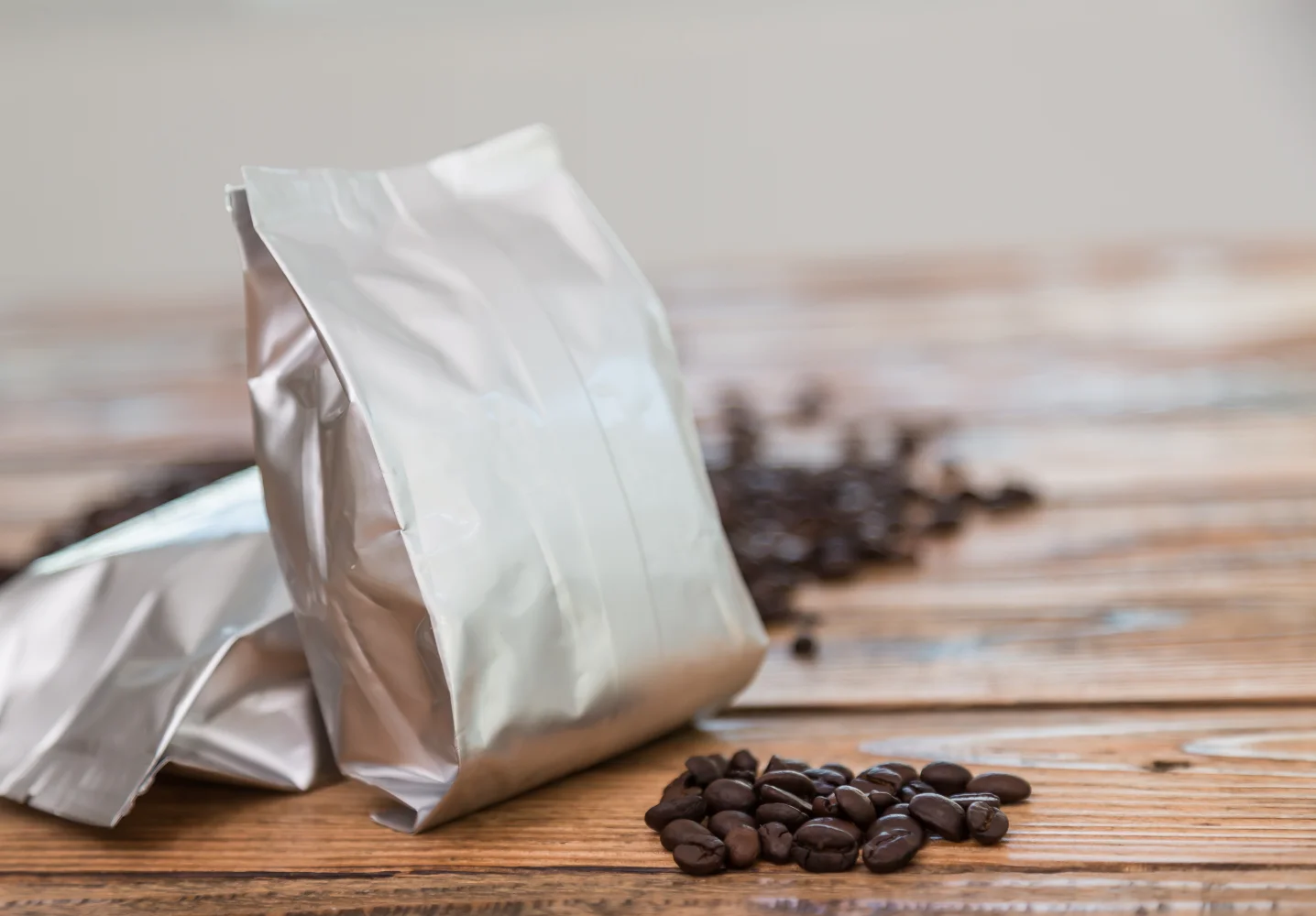
Many coffee bags look almost the same. Many wrong barrier decisions start from that visual shortcut.
I do not judge coffee pouch barrier by how similar the bags look. I judge it by what the coffee is losing first, how the pack is used, and what the structure must protect in real circulation.

When I review a coffee pouch project, I do not start with “high barrier” as a default answer. I start with the first value-loss point. Some coffee loses aroma first. Some loses flavor through oxygen exposure. Some needs space and logic for degassing. Some is safe when sealed, but drops fast after opening. That is why I do not copy one coffee pouch structure into another project just because both bags look premium, both have a valve, or both stand well on shelf.
If you are still comparing coffee pouches by appearance alone, I would solve the barrier logic before you lock the wrong sample.
Why Do Buyers So Often Assume Similar Coffee Pouches Should Use Similar Barrier Specs?
The pouch shape looks familiar. That makes many buyers trust visual similarity too much.
I do not treat “looks like a coffee bag” as a structure answer. I treat it as a visual clue that may hide very different packaging jobs.
Why this shortcut fails in real projects
I see this all the time. A buyer sees two stand-up coffee pouches with valves and assumes the barrier logic should be close. I do not work that way. One coffee may be fresh roasted beans with active degassing. Another may be ground coffee that loses aroma faster after opening. One project may move fast through local sales. Another may sit in export transit and on shelf much longer. Those are not small differences. They change what the pouch must protect first. From a production standpoint, this matters because I am not protecting a bag style. I am protecting coffee value through a real chain. If I ignore that, I can overspend on one project and underprotect another. So I never let coffee pouch appearance decide the final barrier direction by itself.
| What looks similar |
What may be very different |
| Stand-up pouch with valve |
Degassing pressure and shelf-life target |
| Premium coffee look |
Bean or ground coffee behavior |
| Similar size pouch |
Repeat-use stress and route pressure |
Evidence: I never treat visual similarity as proof that two coffee pouches deserve the same barrier structure.
What Do I Check First Before I Talk About Coffee Barrier Level?
I do not ask for a barrier level first. I ask what the coffee is losing first.
I first check whether the coffee is losing aroma, flavor through oxygen, pressure through degassing, or value after opening. Then I judge the barrier structure.

Why I start with value loss, not material names
When someone asks me whether a coffee pouch needs a higher barrier, I slow the discussion down first. I want to know what the coffee is actually losing first. If aroma is the main selling value, I care more about oxygen control and aroma retention. If the product is fresh roasted beans, I also need to think about how degassing changes pouch behavior and valve logic. If the product is ground coffee, I become more careful about opened-pack exposure because that value can drop fast in real use. In real manufacturing, this detail often determines whether I build the pouch around the true freshness problem or around a vague idea of safety. I do not like “high barrier” as a loose phrase. I like clear risk logic. Once I know what value is leaving first, the structure answer becomes much more honest.
If you are choosing between bean and ground coffee packaging, I would solve the loss path first instead of jumping straight to a barrier claim.
Why Do Whole Bean, Ground Coffee, and Degassing Logic Change the Structure So Much?
Coffee is too broad a label. Bean, ground, and fresh degassing coffee do not ask the pouch to do the same job.
I do not treat whole bean and ground coffee as one barrier question. I also do not treat a valve as an automatic answer. Degassing logic can change the structure as much as barrier itself.
Why bean, ground, and valve logic must stay in the same conversation
Whole bean coffee and ground coffee do not lose value the same way. Ground coffee usually exposes more surface and can drop faster once the pouch is opened. Whole bean coffee often brings a different issue first, especially when it is freshly roasted: gas release. That is why I do not see a valve as a decorative coffee detail. I see it as part of pressure management. But I still do not call it a full answer by itself. A valve only handles one part of the job. The pouch still needs the right barrier direction, enough structure stability, and a good balance between protection and handling. From our daily packaging work, we see that buyers often stop at “bean bags need a valve” and forget that valve logic must still match shelf life, roast freshness, and the rest of the laminate behavior. I keep bean, ground, and degassing in the same decision because separating them usually weakens the final structure.
| Coffee case |
What I worry about first |
| Whole bean coffee |
Degassing plus freshness protection |
| Ground coffee |
Faster aroma and flavor loss after opening |
| Valve-equipped pouch |
Pressure path, not full barrier answer |
Evidence: I judge coffee bean structure as both a barrier problem and a degassing-management problem, not one or the other.
How Do Shelf Life, Route, Pack Size, and Production Fit Change My Final Barrier Recommendation?
A pouch can look right in a sample and still be wrong for the full route, full shelf life, and full use cycle.
I do not lock a coffee pouch barrier until it matches route stress, channel speed, pack size, repeat use, and factory stability at the same time.
Why my final answer changes after I add circulation and production reality
I never stop at the coffee itself. I also ask how long the product must hold, whether it is local or export, whether it moves fast online or sits longer on retail shelf, and whether the pouch becomes a repeat-use format after opening. A small, quick-turn coffee pack does not face the same job as a larger pouch that stays open for days or weeks. Once pack size grows, repeated opening, air entry, and top-area contamination start changing the barrier task. I also care about filling, sealing, and valve-area stability. If the structure sounds stronger but becomes harder to seal, harder to form, or more unstable on line, then the project is not stronger in real life. In real manufacturing, this detail often determines whether the pouch only looks professional or actually performs through the full chain. I only trust a final coffee structure when it protects freshness, fits the route, survives repeat use, and still runs cleanly in production.
| Pressure point |
Why it changes my answer |
| Long shelf life or export route |
Needs more barrier margin |
| Large pack and repeat use |
Raises opened-pack exposure |
| Filling and seal stability |
Turns theory into real pouch performance |
Evidence: I do not finalize a coffee pouch until freshness protection, route pressure, repeat use, and production fit all support the same structure answer.
Conclusion
The right coffee barrier spec is not the highest one. It is the one that matches the real coffee product, real shelf life, real route, real use, and real production condition. Contact me if you want help locking the right structure.
Talk to JINYI About the Right Coffee Pouch Structure
About Us
JINYI — From Film to Finished—Done Right.
I work with a team at JINYI that focuses on Custom Flexible Packaging. We bring more than 15 years of production experience to coffee, food, snack, pet food, and other consumer product packaging.
Our factory runs gravure printing lines and HP digital printing systems, so we support both stable large-volume production and flexible smaller runs with better process control.
We believe good packaging is not only about appearance. It should work reliably in transport, on shelf, and in real consumer use with less guesswork and better structure fit.
FAQ
Do similar coffee pouches usually need the same barrier?
No. I decide that by coffee type, value-loss path, route, pack size, and use pattern, not by appearance alone.
What do you check first in a coffee pouch project?
I check what the coffee is losing first, then I judge the barrier structure around that problem.
Does a valve solve the whole barrier problem for coffee beans?
No. A valve handles pressure logic. The pouch still needs the right barrier and structure balance.
Why does pack size change the barrier answer?
Because larger packs often face more repeat opening and longer opened-pack exposure after first use.
Why do you care about production fit in a barrier decision?
Because a strong barrier idea still fails if the pouch cannot fill, seal, and run reliably in real production.