A lotion pouch can pass your factory check, then leak in transit and arrive sticky, smelly, or half-empty. That failure hurts refunds, reviews, and repacks.
I prevent “after shipping” pouch failures by doing three things: I define the failure mode, I lock a stable seal window for viscous liquids, and I validate compatibility and route stress using the real system (pouch + formula + case fit) before mass production.
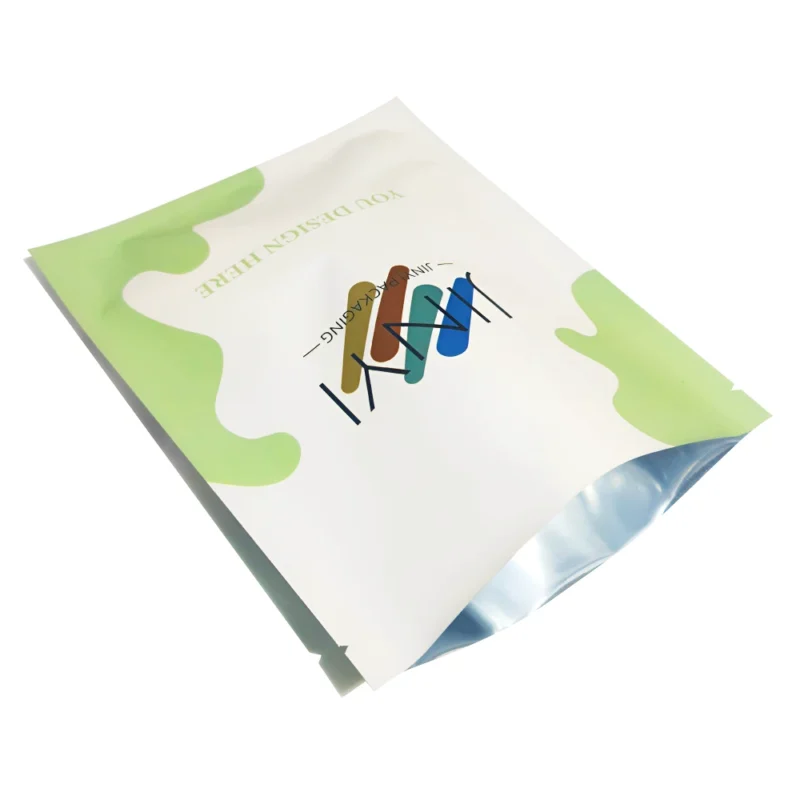
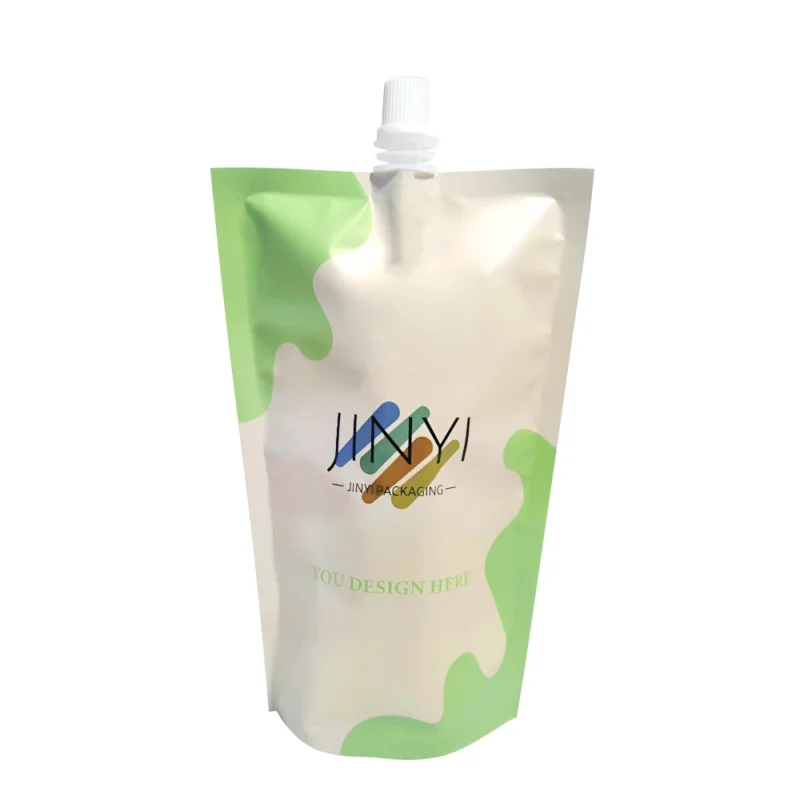
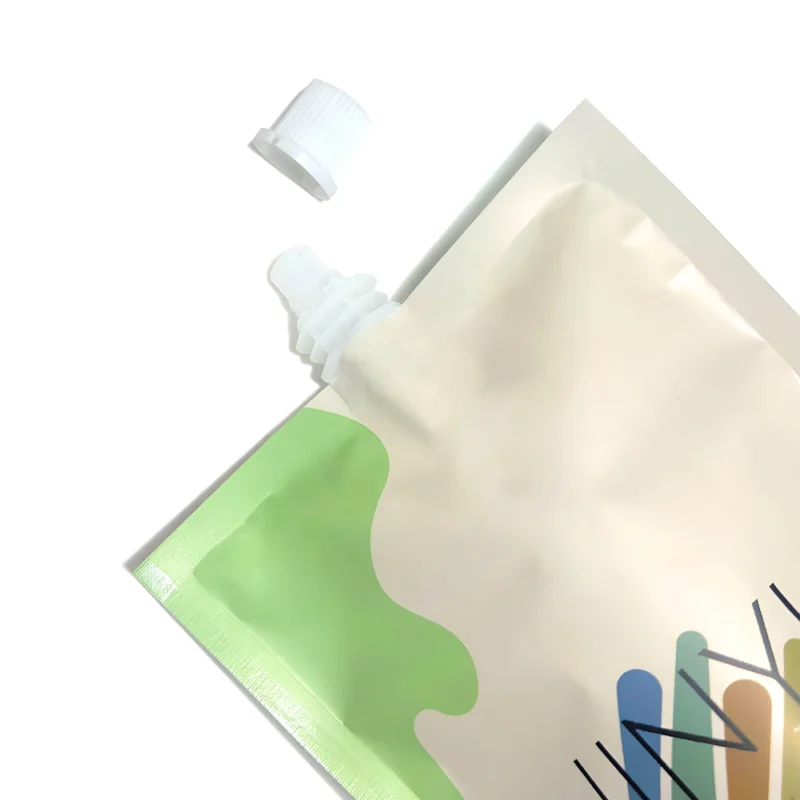
See pouch formats I use when liquid risk is high

I do not blame “bad material” first. I treat this as a controllable system: formula behavior, seal system repeatability, and route stress that grows small weaknesses into visible leaks.
What do “after shipping” failures look like for lotion and serum pouches?
Many teams call every issue “a leak.” That choice hides the real cause and delays the fix.
I split failures into patterns: slow seep, sudden leak, bulging, seal whitening, edge wrinkling, corner weeping, and sticky odor complaints. Each pattern points to a different path, so each needs a different control and test.
How I translate complaints into measurable failure modes
| Market symptom |
What it often means |
What I check first |
| Sticky pouch on arrival |
Slow seep or seal creep under load |
Stress-first leak trend + seal interface look |
| Wet corner or edge |
Micro-channel near fold/corner |
Corner seal land consistency + pack-out pinch points |
| Seal turns white or brittle |
Stress cracking or chemical softening then fatigue |
Compatibility soak + thermal cycling |
| Pouch looks wrinkled at seals |
Uneven pressure/cooling or seal window drift |
Seal window mapping + cooling step control |
Why my first step is always failure definition
From a production standpoint, this matters because I cannot control what I cannot name. If I label everything “leak,” I will overbuild film, miss the real trigger, and still get claims. I prefer a simple rule: I write the failure in one sentence, I link it to one likely path, and I choose one test that can expose it quickly. That approach keeps the fix practical, repeatable, and scalable.
How do formulas attack seals through surfactants, solvents, pH, and oils?
A pouch can be “strong” and still fail if the formula undermines the seal interface over time.
I ask about formula aggressiveness before I talk about size: surfactants can creep, solvents and fragrance can soften layers, extreme pH can speed stress cracking, and oils can migrate into seal interfaces. That behavior decides my risk path.
Four common formula-driven attack paths
| Formula factor |
What it tends to do |
Failure it can create |
| Surfactants |
Lower interfacial stability, promote “creep” |
Slow seep, edge weeping |
| Solvents / fragrance |
Soften or swell inner layers |
Seal weakness, distortion |
| Extreme pH |
Accelerate stress cracking under load |
Brittle seal, whitening, cracks |
| Oil phase |
Migrate and contaminate seal interface |
Micro-channels, delayed leaks |
How I use this in spec decisions
In real manufacturing, this detail often determines whether you get stable quality or random claims. If the formula can creep or migrate, I do not rely on “stronger sealing” as a slogan. I make sure my seal system is stable, and I require compatibility checks that reflect time and stress. I also pay attention to where contamination can form during filling, because oils and surfactants can turn a clean seal into a weak seal later.
Why do compression, vibration, and thermal cycling trigger delayed leaks?
Shipping is not one impact. Shipping is repeated stress. That repetition grows small defects into obvious failures.
I treat delayed leaks as stress accumulation: compression pushes viscous liquid into seals, vibration creates micro-slip and abrasion, and thermal cycling makes interfaces “breathe.” I test after stress, not before stress.
Route stress, mapped to what it does at seals
| Stress mode |
What it does |
What I watch |
| Compression |
Forces liquid load into edges and corners |
Seal creep, corner weeping |
| Vibration |
Micro-rubbing at folds and contact points |
Pinholes, scuff zones, edge fatigue |
| Thermal cycling |
Expansion/contraction opens weak paths |
Micro-channels become real leaks |
Why I always use stress-first logic
From our daily packaging work, we see that many pouches pass calm checks and still fail in the field. I do not trust day-1 results alone. I apply stress, then I check. That sequence exposes micro-leaks, seal creep, and corner weaknesses faster. It also protects OEE, because it reduces “mystery” failures that trigger line rework and customer returns.
How do I set a stable seal window for viscous liquids?
Viscous liquids punish weak sealing. A narrow seal window will collapse under normal line variation.
I lock a stable seal window by controlling temperature, pressure, and dwell time as one system, then I confirm hot tack and cooling so seals survive early handling and compression.
The seal system controls I lock first
| Control |
Why it matters |
What it prevents |
| Seal window |
Survives speed drift without falling out of spec |
Random leak spikes |
| Hot tack |
Holds while the seal is still hot |
Early compression damage |
| Cooling / compression time |
Sets the interface before handling |
Hidden micro-channels |
What I aim for on a real production line
In real manufacturing, this detail often determines whether “good sealing” stays good all day. I do not chase the strongest seal in one moment. I chase repeatability across a shift. I keep the process inside a stable window, then I standardize cooling and early handling timing. That is how I avoid seals that look fine but drift after shipping.
What compatibility checks do I run to avoid seal creep, swelling, and stress cracking?
Compatibility is not a claim. Compatibility is behavior over time under stress.
I test the real formula against the real pouch structure to catch three risks: interface contamination (migration/creep), material softening or swelling, and stress cracking under combined load and temperature swings.
The three-part compatibility screen I use
| Risk type |
What I run |
What I look for |
| Interface contamination |
Contact exposure + seal inspection |
Edge weeping, seal drift |
| Softening / swelling |
Soak + dimensional observation |
Seal deformation, tacky interface |
| Stress cracking |
Soak + thermal cycling + compression |
Whitening, brittle cracks, corner failure |
Why I combine chemistry with stress
From a production standpoint, this matters because many materials look stable until stress is applied. A formula can soften an interface slowly. Then compression and cycling turn that softness into a leak. I prefer a simple rule: I do not approve a liquid pouch without at least one compatibility check that includes time and stress. That is the fastest path to fewer claims.
How does case fit turn a small leak into a big complaint?
Many failures are born inside the carton. Case fit can pinch seals or increase rubbing. Both make bad outcomes look “random.”
I treat case fit and pack-out as part of the pouch spec. A tight case can squeeze seal edges into micro-channels. A loose case can increase movement and abrasion. Both can turn a small seep into a big claim.
Case-fit failure patterns I see most
| Pack-out condition |
What happens |
Typical complaint |
| Too tight |
Edge pinch under compression |
Corner weeping, wet seals |
| Too loose |
Movement and rubbing under vibration |
Scuff, pinholes, slow leaks |
| Sharp contact points |
Local stress concentration |
Cracks, whitening, sudden leaks |
How I make pack-out controllable
In real manufacturing, this detail often determines whether your returns spike. I mark contact points. I set a simple pack pattern. I avoid pinch zones at corners and edges. I also require a stress-first carton test, because the carton is where seal damage often starts. I would rather adjust pack-out than keep “upgrading” materials blindly.
What stress-first validation tests do I run on the real system (pouch + formula + case)?
I do not validate an empty pouch and call it done. I validate the system that ships.
I run stress-first tests on pouch + formula + case, then I check leak trend, seal appearance drift, and label/print damage. This setup exposes delayed failures before mass production.

My practical validation checklist
| Step |
What I do |
What I record |
| 1) Compression |
Simulate stacking load with packed cartons |
Edge creep, corner wetting |
| 2) Vibration |
Simulate transport vibration with real pack-out |
Rub zones, pinholes, scuff-driven damage |
| 3) Thermal cycling |
Cycle temperatures that match the route |
Seal drift, whitening, crack growth |
| 4) Post-stress checks |
Inspect and compare to baseline |
Leak trend, seal interface changes |
Why this sequence protects OEE
From our daily packaging work, we see that unstable validation creates unstable production. Stress-first testing gives me a clear answer: which knob controls the failure. Then I can lock that knob and keep output stable. That reduces stop-and-rework cycles and keeps scale-up calmer.
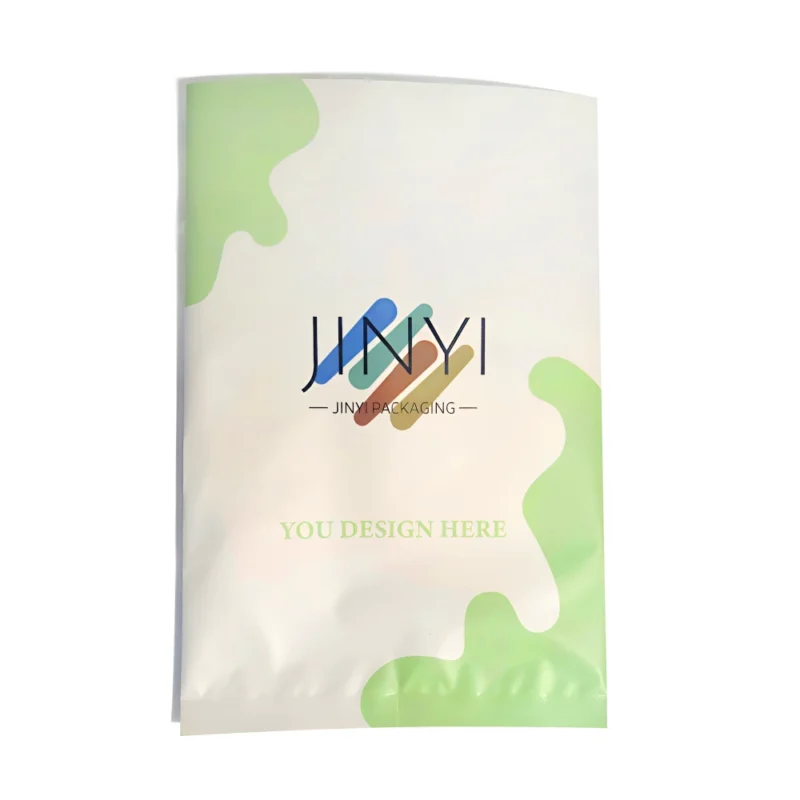
If you want a liquid-ready flat pouch baseline, start here
How do I shortlist Baseline, Upgrade, and Premium specs (and what can still fail)?
I keep the shortlist small. I give options that match the formula risk and route stress. Each option includes a failure risk, a test, and a control plan.
I deliver 2–3 specs by locking seal system repeatability first, then adding compatibility and pack-out controls as needed. I also state what can still fail, so nobody is surprised later.
Baseline
| Most likely failure |
Test I use |
Control point |
| Slow seep from seal window drift |
Stress-first leak trend check |
Seal window + cooling timing |
Upgrade
| Most likely failure |
Test I use |
Control point |
| Seal creep from surfactants or oils |
Soak + compression + cycling |
Compatibility gate + seal interface discipline |
Premium
| Most likely failure |
Test I use |
Control point |
| Stress cracking under harsh routes |
System test with strict pack-out rules |
Pack-out + stability checks per batch |
What I always say out loud
In real manufacturing, this detail often determines trust. “Sealed today” does not always mean “sealed after shipping.” I keep controls simple, repeatable, and visible to operators. I also keep the pack-out rules written, because cartons can create failures even when seals are correct.
Conclusion
I stop post-shipping failures by locking seal window repeatability, proving compatibility under stress, and validating the full system before mass production. Let me help you spec it right.
Talk to JINYI About a Liquid Pouch That Ships Safely
FAQ
1) Why do lotion and serum pouches leak only after shipping?
Shipping adds repeated compression, vibration, and thermal cycling. Those stresses grow small weaknesses and can trigger seal creep, micro-channels, or stress cracking.
2) Which formula factors most often cause seal problems?
Surfactants can creep, solvents and fragrance can soften layers, extreme pH can accelerate cracking, and oils can migrate into seal interfaces.
3) What is a “seal window,” and why does it matter for viscous liquids?
Seal window is the safe range of temperature, pressure, and time that stays sealed under normal line variation. Viscous liquids push load into seals, so stability matters more.
4) What is the fastest validation plan before I scale production?
I run stress-first tests on the real system: pouch + formula + case. Then I check leak trend, seal appearance drift, and pack-out rub or pinch points.
5) Can carton design really cause leaks?
Yes. Tight cartons can pinch seal edges under stacking load. Loose cartons can increase movement and abrasion. I treat pack-out rules as part of the spec.
About Me
Brand: Jinyi
Tagline: From Film to Finished—Done Right.
Website: https://jinyipackage.com/
Our Mission:
JINYI is a source manufacturer specializing in flexible packaging. I deliver packaging plans that are reliable, usable, and scalable. I help brands reduce communication costs, get predictable quality, clear lead times, and structures/print outcomes that match the real product and channel.
About me:
JINYI is a source manufacturer specializing in custom flexible packaging solutions, with over 15 years of production experience serving food, snack, pet food, and daily consumer brands.
We operate a standardized manufacturing facility equipped with multiple gravure printing lines as well as advanced HP digital printing systems, allowing us to support both stable large-volume orders and flexible short runs with consistent quality.
From material selection to finished pouches, we focus on process control, repeatability, and real-world performance. Our goal is to help brands reduce communication costs, achieve predictable quality, and ensure packaging performs reliably on shelf, in transit, and at end use.