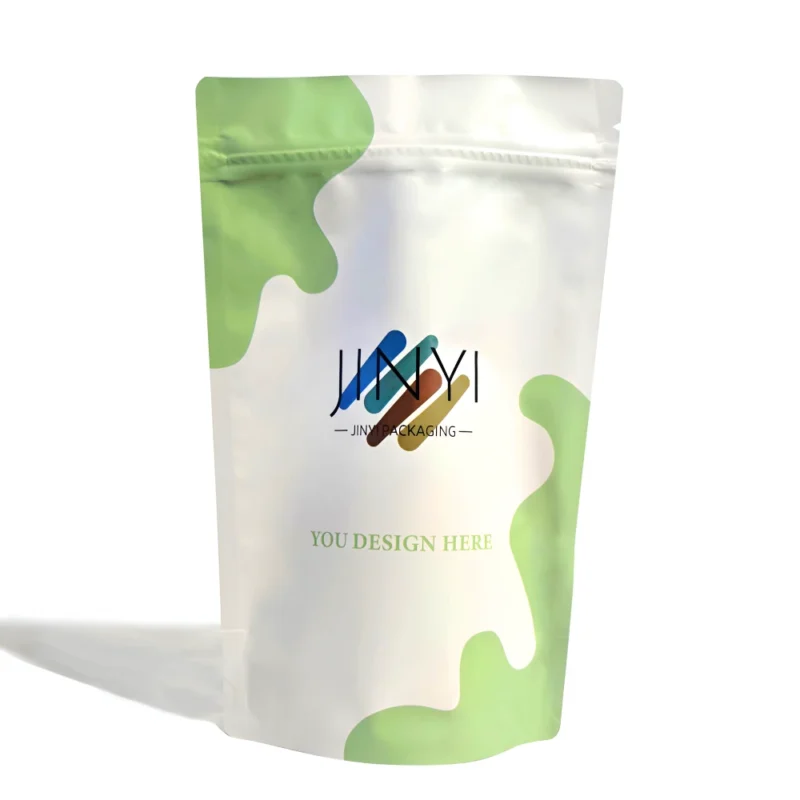
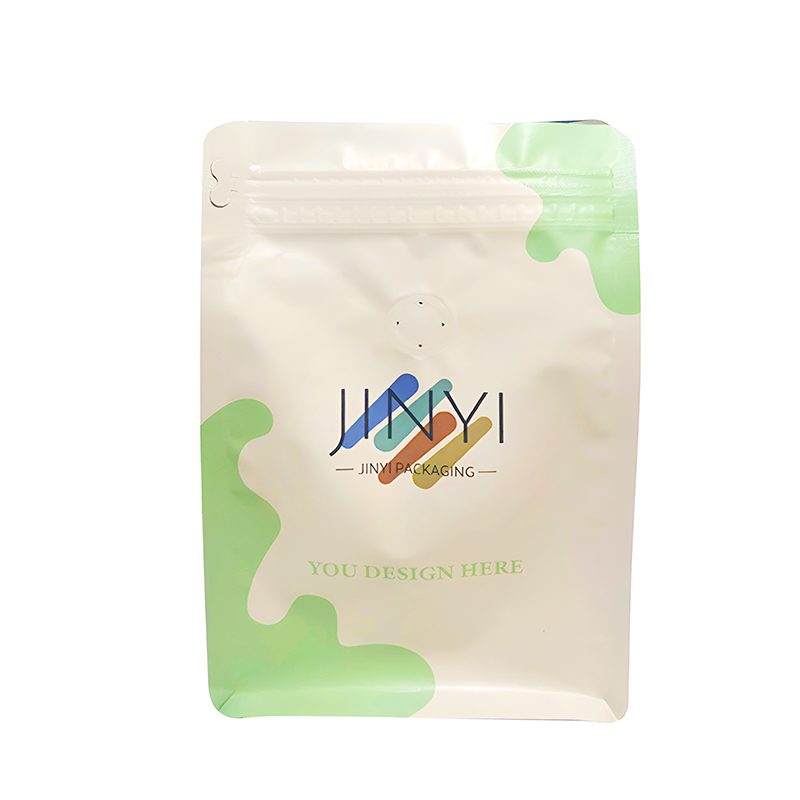
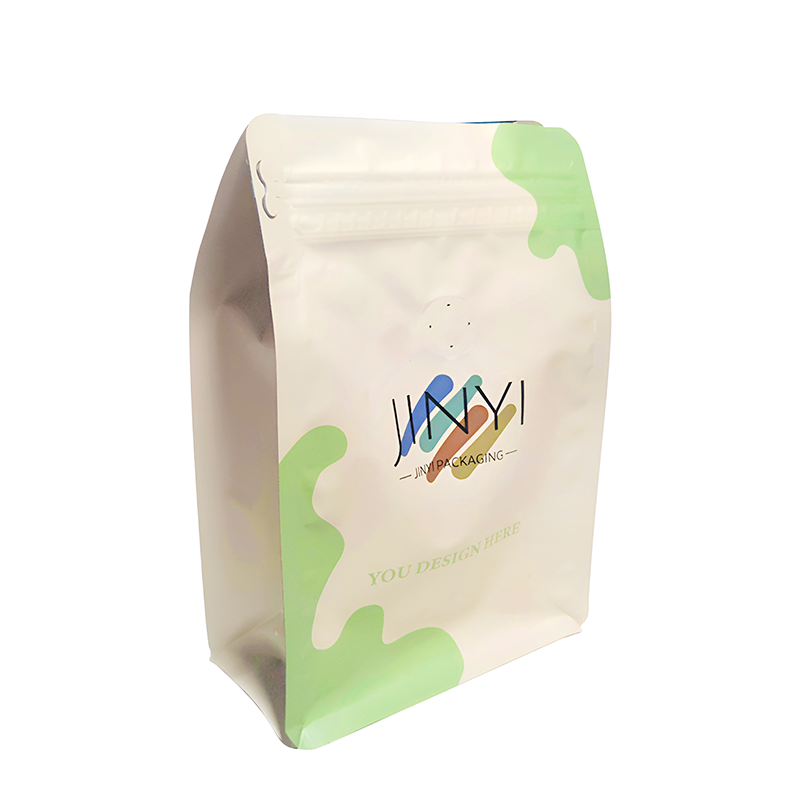
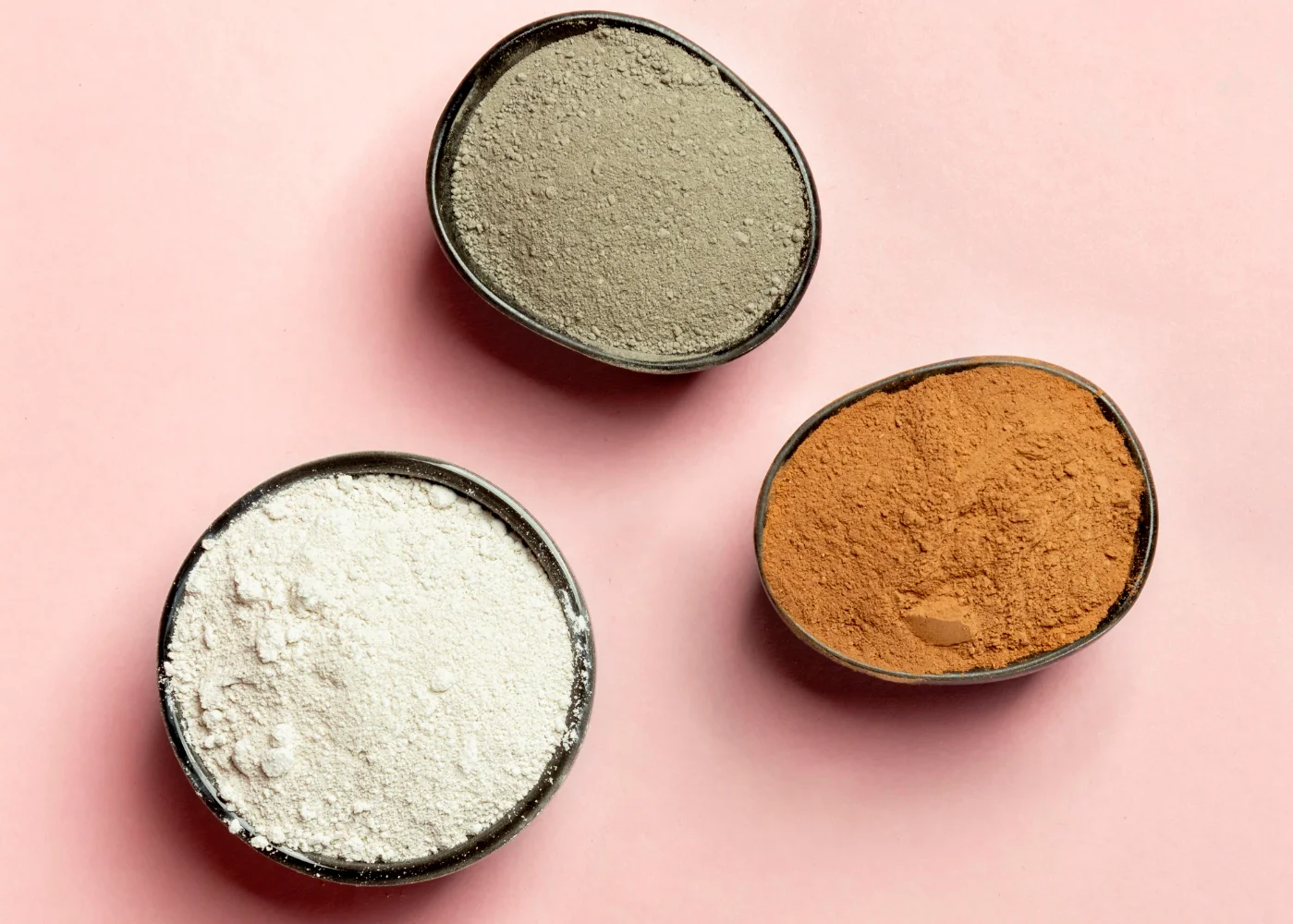
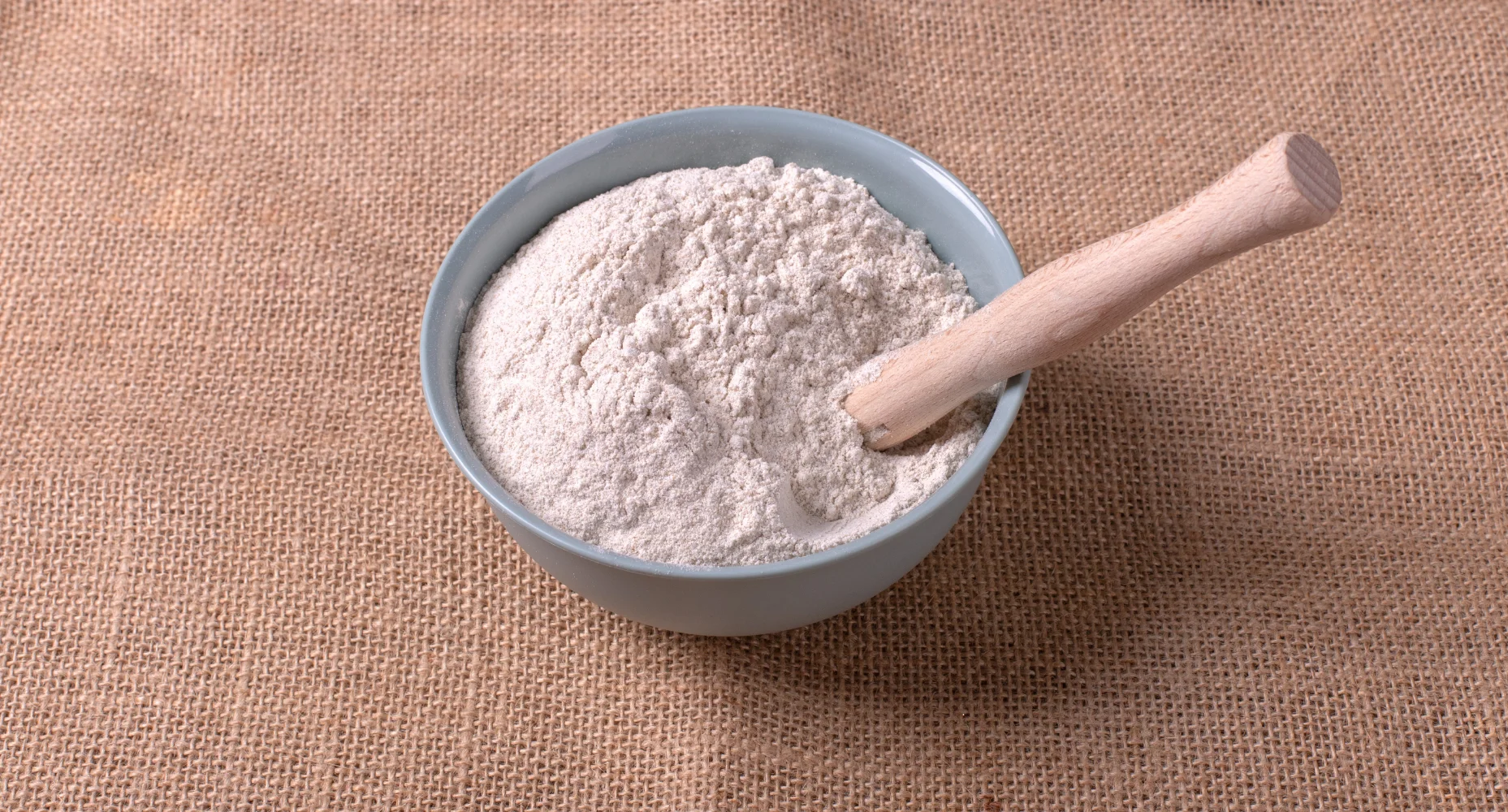
Many powder packs look similar. Many barrier mistakes start right there.
I do not decide barrier specs by powder labels alone. I decide them by what the powder fears, how fast it loses value, and what the pack must survive in real use.

When I review a powder project, I do not begin with foil, metallized film, or a generic “high barrier” answer. I begin with the first real failure point. Some powders fear moisture first. Some lose aroma first. Some are stable in a sealed pouch but become difficult after repeated opening. Some are not very sensitive by themselves, but a long route or slow shelf turn changes the whole structure answer. That is why I do not copy one powder pouch structure into another project just because both products look dry and fine in samples.
If you are still guessing how much barrier your powder pouch really needs, I would solve that before sampling locks the wrong structure in place.
Why Do Buyers So Often Assume Similar Powder Products Should Use Similar Barrier Specs?
The form looks similar. The risk usually does not.
I do not use “powder” as a barrier shortcut. I separate moisture risk, aroma loss, oxygen sensitivity, and real use before I call two projects similar.
Why this assumption fails so easily
I see this mistake all the time. A buyer looks at two products and says both are powder, so both should use a similar high-barrier pouch or a similar multi-layer structure. I do not work that way. Powder is only a physical form. It is not a risk answer. One powder may cake as soon as it picks up moisture. Another may stay free-flowing but lose aroma value. Another may be fine in a sealed pack but weak after repeated opening. Some powders are sold on freshness and sensory quality. Some are sold on price and speed. From a production standpoint, this matters because I am not protecting a category name. I am protecting the point where the product first loses value in the market. If I ignore that difference, I can easily overbuild one project and underprotect another. Similar appearance does not create the same barrier task. That is the first thing I try to correct.
| Powder case |
What I ask first |
| Moisture-sensitive |
Will it cake fast? |
| Aroma-led |
Will it go flat early? |
| Large repeat-use pack |
What happens after opening? |
Evidence / Engineering Check: I never let product form decide the structure before I define the real loss path.
What Do I Check First Before I Talk About Barrier Level?
“High barrier” sounds safe. It still starts in the wrong place for many projects.
I first ask how the powder fails. I want to know whether it first absorbs moisture, loses aroma, oxidizes, clumps, or just loses flow and value.

Why I start with first failure
When someone asks me whether a powder needs a higher barrier structure, I slow the discussion down first. I do not want a material answer before I have a failure answer. If the powder mainly fears moisture, then I care most about water vapor control and what happens after first opening. If the product sells on aroma, then oxygen control and aroma retention become more important. If the formula contains sensitive components, I may care more about oxygen and light than a buyer expects. In real manufacturing, this detail often determines whether I build the structure around the actual product risk or around a vague feeling of safety. That is a big difference. A stronger laminate is not automatically a smarter laminate. If the first failure point is misunderstood, then the whole barrier discussion becomes weak. I lock the structure only after I understand what the pouch is really defending first.
| First loss sign |
My barrier focus |
| Caking |
Moisture side |
| Flat aroma |
Aroma retention |
| Early quality fade |
Oxygen and light |
How Do Shelf Life, Route, and Selling Conditions Change My Barrier Answer?
The product is only half the answer. The route often finishes it.
I do not judge barrier in isolation. Shelf life target, shipping route, storage stress, and selling speed can push the same powder into a very different structure.
Why the same powder can need more structure
A powder that moves through a short local chain does not face the same packaging job as one that crosses a humid route, waits in warehouses, and sits on shelf for a long time. I always check that difference before I decide whether a lighter or stronger barrier answer makes sense. A two-month project and a twelve-month project do not ask the same thing from the pouch. A fast-turn channel and a slow-turn channel do not create the same safety window either. From our daily packaging work, we see that buyers often focus on the powder itself and forget how much time and environment can enlarge a moderate risk. I do not like to build a structure around best-case conditions if the real selling path is much harder. At the same time, I do not stack layers just to feel safe if the route is short and the inventory turns quickly. I want barrier to match the real commercial path, not an imagined one.
| Condition |
What it changes |
| Long shelf life |
Needs more barrier margin |
| Humid export route |
Raises moisture pressure |
| Slow retail turn |
Extends real exposure time |
Evidence / Engineering Check: I review shelf life, route, humidity exposure, and turnover speed before I treat any powder structure as “enough.”
If your powder pouch is crossing a longer route or sitting longer on shelf, I would not lock the same barrier spec you used on a short local project.
Why Does Pack Size and Repeated Use Change the Barrier Spec More Than Buyers Expect?
Many buyers judge the sealed pouch. I also judge the opened one.
Pack size changes barrier logic because repeated opening adds new air, moisture, handling, and contamination risk after the first tear.
Why opened-pack life changes the job
This is one of the biggest gaps I see in barrier decisions. A small single-use pouch and a large repeat-use pouch may hold the same powder, but they do not ask the same thing from packaging. In a single-use format, most of the protection work happens before opening. In a larger pouch, the barrier job keeps going after the consumer opens it. That means air comes in again, humidity comes in again, and powder may collect near the seal area again and again. Some users close carefully. Many do not. Some use a scoop. Some leave the pouch open too long. In real manufacturing, this detail often determines whether a moderate barrier is enough or whether the use pattern itself is pushing the structure higher. I never review pack size as only a filling volume issue. I review it as a barrier behavior issue too. That is why I do not give the same answer to a small sachet and a big pouch just because the formula is the same.
| Format |
My extra concern |
| Single-use pouch |
Unopened shelf life |
| Medium repeat-use pouch |
Secondary exposure |
| Large family pack |
Long opened-pack life |
Evidence / Engineering Check: I treat pack size and repeat use as barrier variables, not only as size variables.
Why Do I Care About Filling, Seal Stability, and Production Fit Before I Freeze the Structure?
A stronger barrier on paper can still become a weak answer on the line.
I do not approve a higher-barrier structure until it fills well, seals well, and runs with repeatable stability in production.
Why production fit stays inside my barrier decision
Many people stop the discussion at protection performance. I do not. I also ask whether the chosen structure can survive real manufacturing without creating new problems. A higher-barrier laminate can be stiffer. It can narrow the sealing window. It can make the bag mouth less cooperative during filling. It can also create a less natural pouch shape or a dirtier seal area when fine powder moves upward. From a production standpoint, this matters because theoretical barrier performance only becomes real if the pouch seals consistently and runs smoothly at scale. If the line keeps fighting the structure, then the “better” material is not actually a better project answer. I do not want to solve one risk by creating three new ones in sealing, filling, or repeatability. That is why I keep barrier, seal stability, and production fit in the same decision. A structure is only good when it protects the product and still behaves like a reliable production structure.
| Production issue |
Why I care |
| Narrow seal window |
Weak repeatability |
| Powder near seal area |
Real leak risk |
| Stiff pouch behavior |
Harder filling and shaping |
Evidence / Engineering Check: I do not freeze barrier until the structure proves it can seal, fill, and repeat cleanly in real production.
Conclusion
The best barrier spec is not the highest one. It is the one that matches the real powder risk, real route, real use, and real production condition. Contact me if you want help locking the right pouch structure.
Talk to JINYI About the Right Powder Pouch Structure
About Us
JINYI — From Film to Finished—Done Right.
At JINYI, I work on Custom Flexible Packaging with a team that has more than 15 years of production experience. We run gravure lines and HP digital printing, and I always judge packaging by how it performs in transport, on shelf, and in real consumer use.
To me, packaging is not only about appearance. It is a working solution that must match the product, the route, and the real selling condition.
FAQ
Do similar powder products usually need the same barrier pouch?
No. I decide that by real risk, not by product form alone.
What do you check first in a powder barrier decision?
I check what the powder fears first and how it loses value first.
Does larger pack size change barrier needs?
Yes. Repeated opening often changes the real packaging duty.
Why do you care about production fit in a barrier discussion?
Because barrier only matters if the pouch can still fill and seal reliably at scale.