Many buyers copy structures from similar snacks. Then the real problems show up later.
I do not choose ready-to-eat snack packaging by category label first. I choose it by failure risk, filling and sealing conditions, route pressure, shelf-life risk, and consumer use. That is why similar snacks still need different structures.

If you are comparing snack pouches by category first, I would define the real packaging job before you lock the film or bag format.
In my daily packaging work, the first mistake usually happens too early. Buyers see similar products on the same shelf, then assume the same structure should work. I never start there. I start with what the snack is most likely to lose first.
Why Do Buyers So Often Assume Similar Ready-to-Eat Snacks Should Use Similar Packaging Structures?
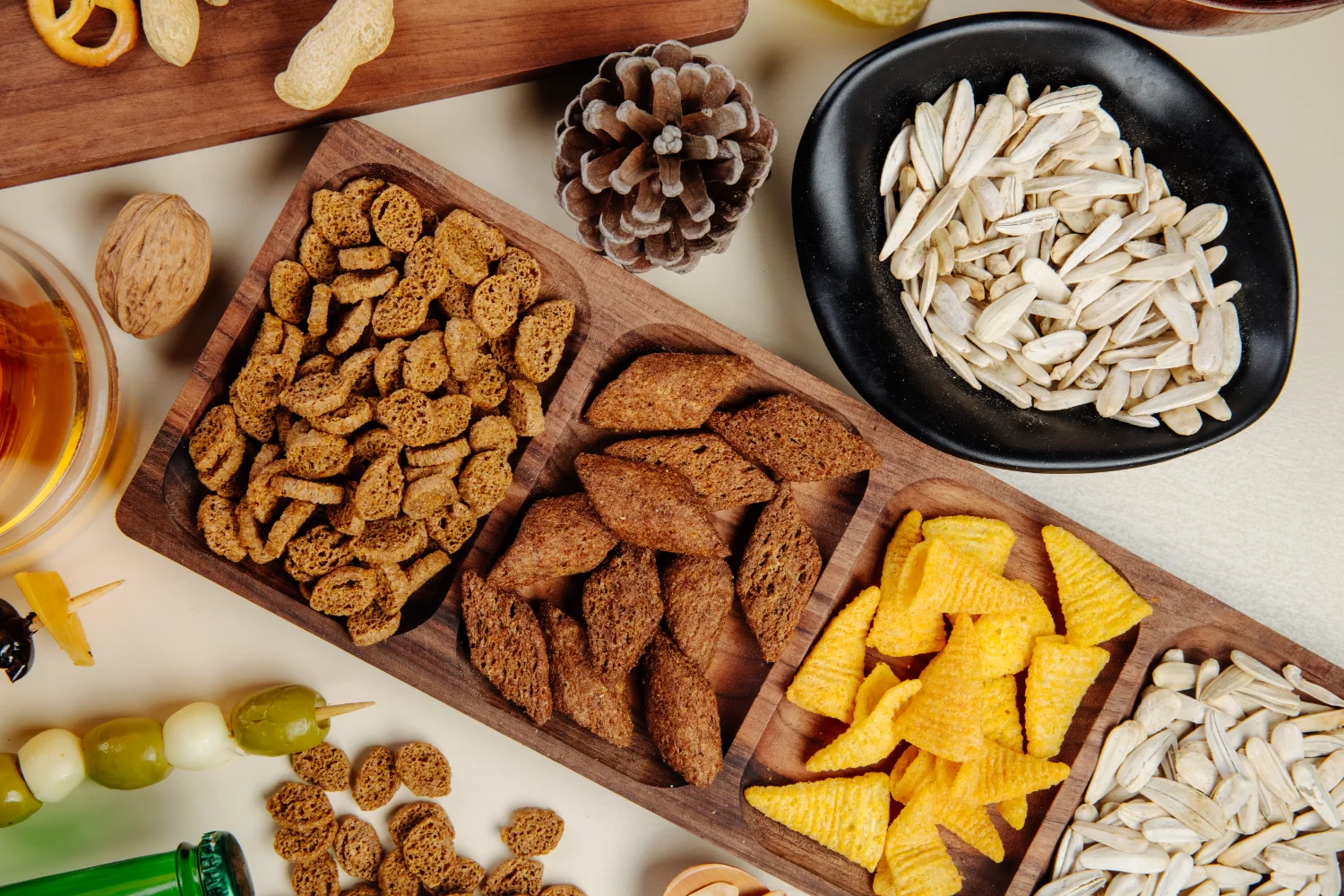
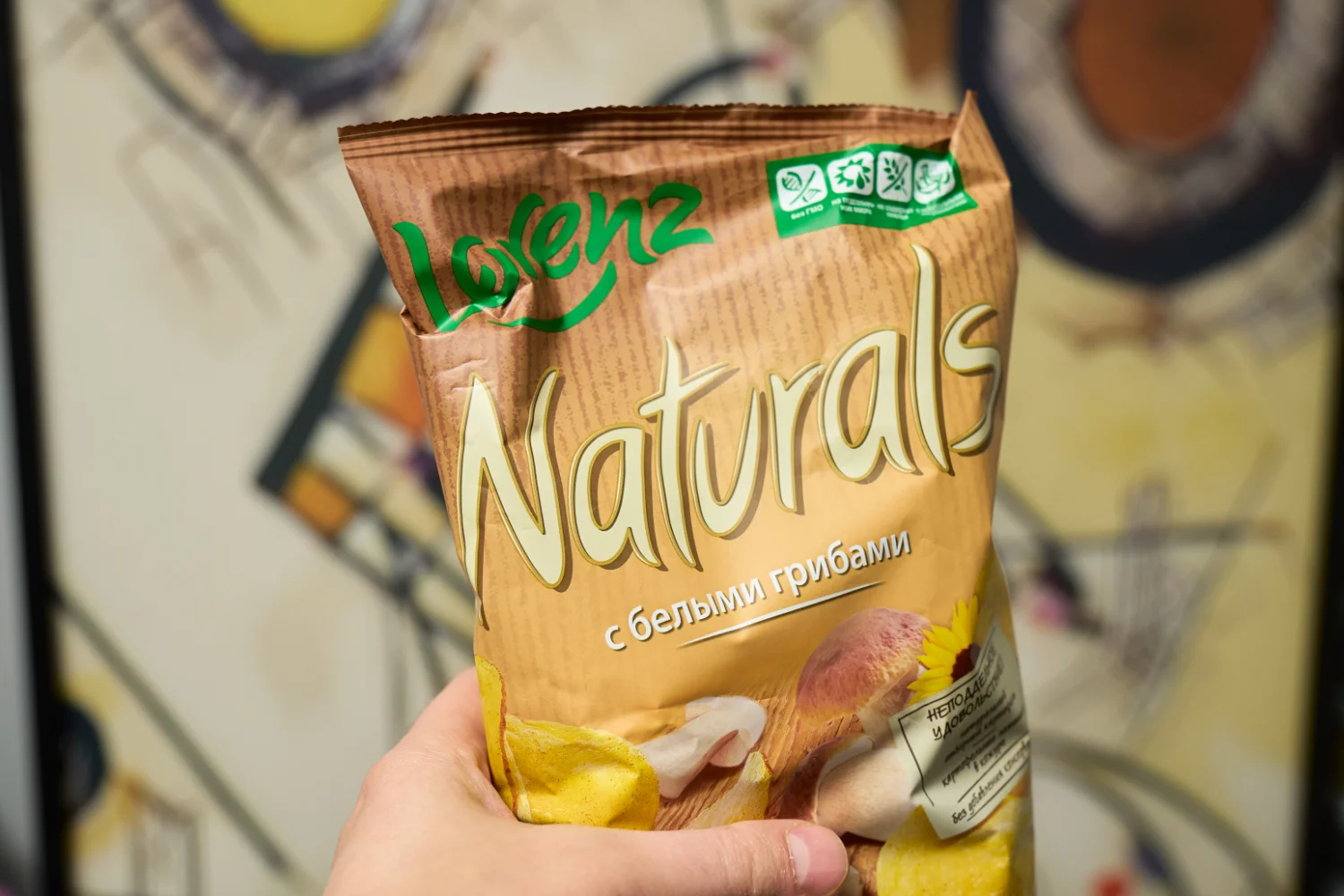
The shelf makes many snacks look similar. That does not make their packaging risks similar.
I do not treat snack category as a structure answer. I treat it as sales language that still needs engineering judgment behind it.
Why I do not start with shelf labels
When buyers tell me two products are both chips, both nut mixes, or both jerky snacks, I know only one thing: they may look close in the market. I still do not know whether they fail in the same way. One snack may lose crispness first. Another may oxidize first. Another may break too easily in transit. Another may look fine until the bag is opened, then become hard to reclose or store. That is why I do not trust similarity at the category level. Shelf category is useful for selling. It is not enough for structure selection. From a production standpoint, this matters because many packaging mistakes begin when buyers borrow the logic of a nearby product without checking the real risk path. I never use “a similar brand does this” as my final answer. I use real product behavior, real route stress, and real use conditions.
| What buyers assume |
What I check instead |
| Same shelf group |
Same failure path? |
| Same pack style |
Same packaging job? |
What Do I Look At First Before I Compare Snack Packaging Structures?
I do not start with film names. I start with what can fail first.
Before I compare structures, I define the first likely failure and the real job of the pack. Otherwise, the discussion stays shallow.
How I define the real job first
I usually ask three simple questions. First, what does the product fear most? It may be moisture pickup, loss of crispness, oxidation, crush damage, oil flavor fade, or poor storage after opening. Second, what is the main job of the pack? Is it crispness protection, oxygen control, moisture control, crush resistance, shelf appeal, or repeat-use convenience? Third, what is the product really like physically? I check fragility, oil level, seasoning dust, product shape, and headspace need. These details sound basic, but they change the structure answer fast. In real manufacturing, this detail often determines whether the bag only looks reasonable in a meeting or actually works after filling and shipping. I do not let material names lead the conversation. I let failure risk lead it, because that is where the true structure logic begins.
| My first check |
Why it matters |
| First likely failure |
It sets structure priority |
| Physical product behavior |
It changes line fit and protection need |
How Can Small Product Differences Change the Right Structure Completely?
Small differences often look minor in product meetings. They are not minor in structure selection.
In real production, small product differences often change the structure more than the snack category name does.
Why these details move the answer fast
I see this all the time. Two snacks can both be ready to eat, yet one is much more fragile, one is oilier, and one carries far more seasoning dust. That already changes the answer. Fragile products may need more crush control or better headspace logic. Higher-oil products may need stronger oxygen logic because flavor fade becomes more commercial than moisture risk. Heavy seasoning powder may make sealing harder and also make inside cleanliness more important after opening. Pack size changes the answer too. A one-time snack unit does not need the same opening or reclose logic as a family share pouch. Shelf cycle changes it again. A fast-turn local item can tolerate a different balance from an export or e-commerce product sitting longer in storage. From our daily packaging work, we see that the wrong structure often comes from ignoring these “small” variables until the line or the shelf exposes them.
| Small difference |
Structure impact |
| More fragile snack |
More crush control |
| More oil or seasoning dust |
More oxygen and sealing attention |
Why Do Filling, Sealing, and Shelf-Life Risks Change the Packaging Answer So Much?
Many buyers judge the final pack. I also judge the process that creates it.
A snack structure that looks fine in a sample can still fail quickly once filling speed, seal contamination, and real shelf-life pressure enter the picture.
Why line reality changes the answer
Filling changes tolerance more than many buyers expect. Manual filling and automatic filling do not place the same demands on bag opening, top space, or drop impact. A fragile chip product may need a different format from a dense nut mix even when the shelf price is similar. Sealing risk is also easy to underestimate. Seasoning powder, oil, and crumbs can interfere with clean seals. Some structures look acceptable in development but become unstable at production speed because the seal window is narrower than buyers realized. Then shelf-life risk adds another layer. Some snacks lose crispness first. Some lose aroma first. Some show oxidative flavor drift first. Some reach the consumer already crushed, so quality feels lower before tasting even begins. From a production standpoint, this matters because packaging performance is not just a material property. It is a combined result of line fit, seal consistency, and real product decline over time.
| Process risk |
What it changes |
| Seal contamination |
Real seal stability |
| Shelf-life pressure |
Real product perception over time |
If your snack pouch works in samples but struggles in sealing, shipping, or freshness, I would review line fit and first failure risk before I change the material blindly.
How Do Retail Path, Consumer Use, and Price Position Push Similar Snacks into Different Structures?
Market conditions change the structure even when the snack itself still looks similar.
Two similar ready-to-eat snacks can need different structures because they live in different market conditions, not because one is wrong.
Why the market keeps moving the answer
Retail path matters first. A hanging convenience-store snack, a flat-laid supermarket share bag, and an e-commerce shipper do not ask for the same pack behavior. Consumer use matters next. A single-serve snack can live without reclose, while a family-size pouch may need a zipper and a cleaner opening zone. The way people store the pack at home also changes the answer. Price position matters too. A value snack may need stricter cost discipline. A more premium snack may justify stronger display logic or a better reclose experience. In real manufacturing, this detail often determines whether a structure remains commercially sensible after quoting, shipping, and retail placement are all considered together. I never separate structure from route, user pattern, and price logic, because that is exactly where many “similar” snack projects stop being similar.
| Market variable |
Why structure changes |
| Retail path |
Display and route stress change |
| Use and price position |
Convenience and cost logic change |
What Buyers Usually Miss First—and How I Make the Final Structure Decision?
Buyers usually miss the real packaging job before they miss the material name.
To me, the first mistake is treating snack packaging structure as a category decision. It is a risk, route, and use decision.
My final decision path
I keep the final decision simple. First, I define the real job of the pack. Is it moisture control, oxygen control, crush protection, display, or repeat-use convenience? Second, I identify the first likely failure. I want to know what will go wrong first under real conditions, not under sample conditions. Third, I remove structures that fight that job, even if they look common in the category. Fourth, I balance performance, convenience, and cost. That means I weigh barrier, crush protection, opening experience, shelf presentation, line stability, and target price together. From our daily packaging work, we see that the best answer is rarely the one copied most often. It is the one that fits the real snack, the real route, and the real user pattern with the least structural waste and the fewest avoidable compromises.
| Step |
What I do |
| 1–2 |
Define job and first likely failure |
| 3–4 |
Remove bad-fit options and balance |
Conclusion
Similar ready-to-eat snacks do not need similar packaging by default. They need structures that match real risk, real route conditions, and real use patterns. Contact us to discuss the right pouch.
Talk to JINYI About the Right Snack Pouch Structure
About Us
At JINYI, I work with a team focused on custom flexible packaging. Our slogan is From Film to Finished—Done Right. We believe good packaging is not only about appearance. It should work reliably in transport, on shelf, and in the consumer’s hand. JINYI focuses on custom flexible packaging with more than 15 years of production experience. Our factory runs multiple gravure lines and HP digital printing systems, so I can support stable volume production and flexible custom work. Website: https://jinyipackage.com/
FAQ
Can two similar snack products really need different structures?
Yes. Small differences in fragility, oil level, seasoning dust, route, and use pattern can change the right answer quickly.
Why do I start with failure risk instead of film names?
Because the material discussion stays shallow if I do not know what the snack is most likely to lose first.
Why do filling and sealing matter so much in snack packaging?
Because product dust, oil, crumbs, and speed can change real seal performance faster than many buyers expect.
When do similar snacks need different opening systems?
They need different opening systems when pack size, repeat use, storage logic, and consumer handling start to differ.