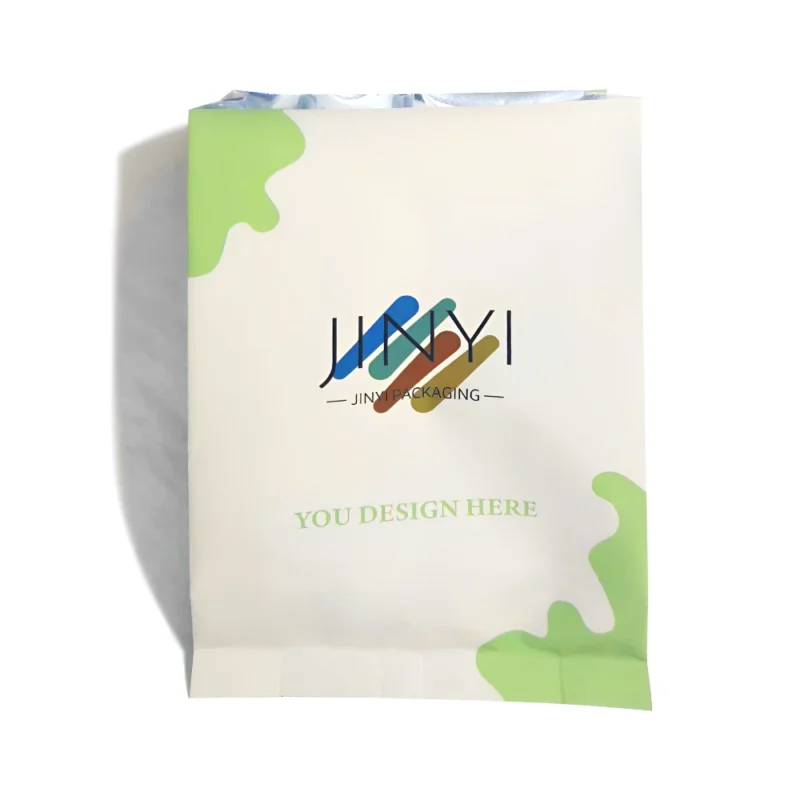
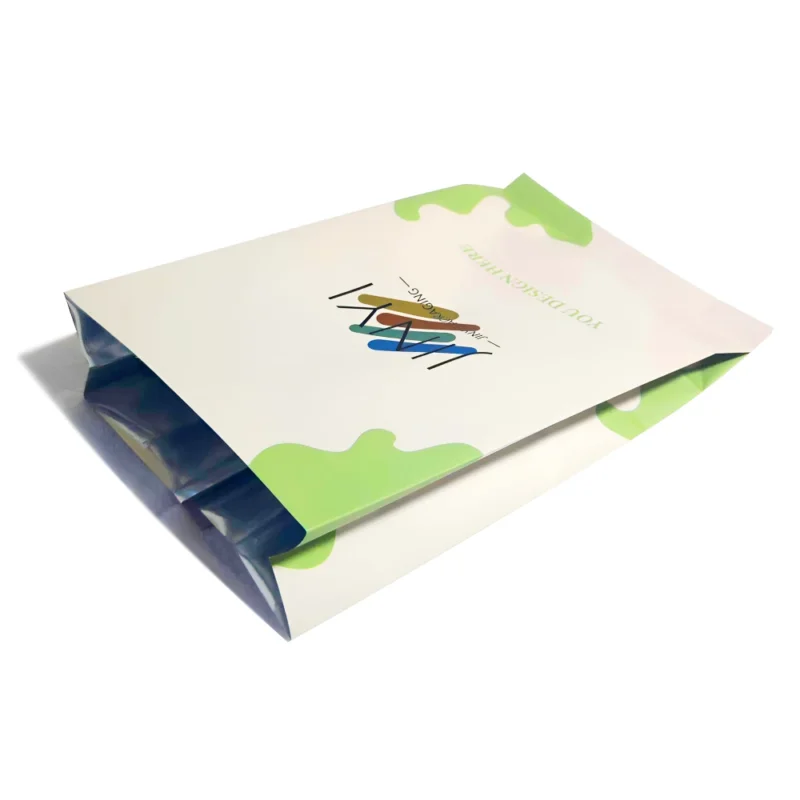
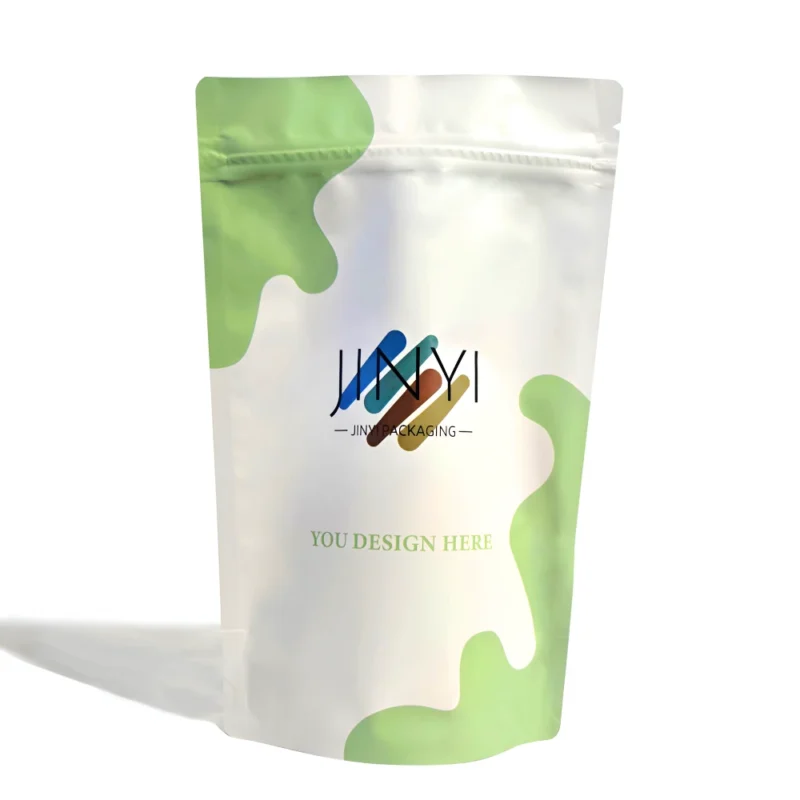
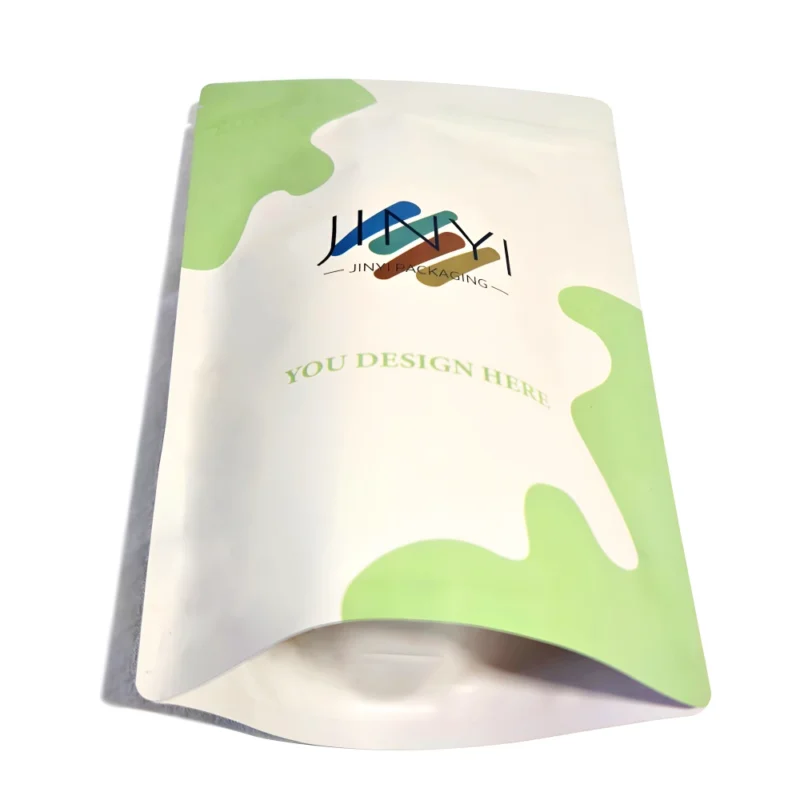
Many slim tea packs look refined on shelf. Then daily use starts, and the friction shows up fast.
Some slim tea packages feel wrong because premium appearance does not guarantee smooth daily use. I judge the structure by portion control, opening logic, storage behavior, and how naturally it fits the user’s routine.

If your slim tea pack looks premium but still feels awkward after opening, I would define the real daily-use rhythm before I change the artwork or material.
In my daily packaging work, I do not treat slim tea like a one-time retail object. I treat it like a repeated-use product that must stay easy, clean, and believable over time.
Why Do Buyers So Often Mistake Premium Appearance for Better Daily-Use Packaging?
Many buyers trust the first visual signal too much. That is where the wrong judgment often begins.
I do not treat matte finish, elegant printing, thicker feel, or a more complete outer system as proof of better daily use.
Why I do not judge the pack by the first three seconds
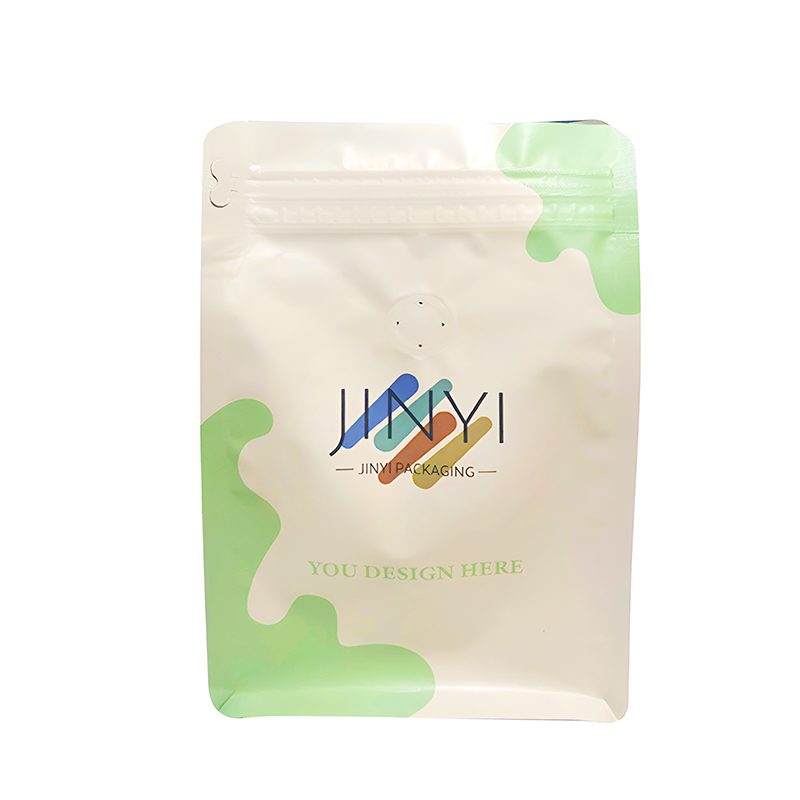
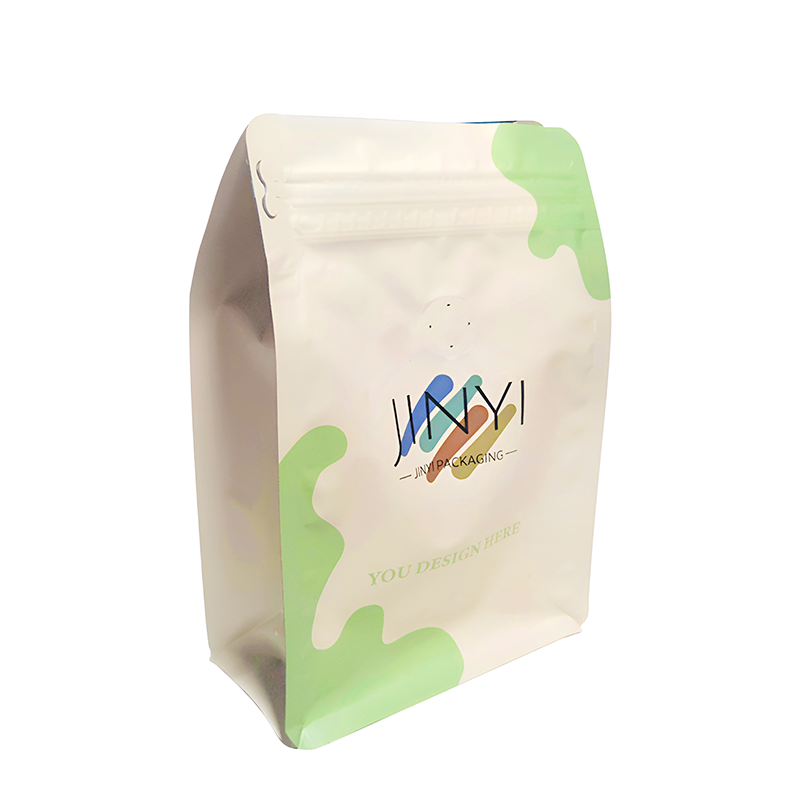
A slim tea pack can look calm, expensive, and well-finished, yet still feel wrong once the customer starts using it every day. I see this often because premium appearance is easy to approve in a meeting, while daily-use friction only appears after real repetition. A soft-touch surface, a clean color palette, and a thicker pouch body can all support brand tone. They do not automatically make opening easier, portions clearer, or storage cleaner after the first use. Slim tea is usually a repeat product. The buyer may open it every morning, every evening, or several times a week. That means the structure has to support routine, not just shelf impression. From a production standpoint, this matters because a pack that wins the first glance but loses the daily rhythm will slowly reduce trust in the product. I never start with premium image. I start with daily-use logic.
| Looks premium |
Still needs proof in daily use |
| Matte, thick, refined |
Opening, dosing, storage, repeat use |
What Does a Slim Tea Package Actually Need to Do Well in Daily Use?
I do not ask whether the package looks complete first. I ask whether it behaves well every day.
For me, slim tea packaging is not just about holding the product. It is about supporting repeated, low-friction daily use.
What I expect the structure to support
I usually expect five things from a slim tea package. First, it must stay easy to use every day. Slim tea is often a routine product, not a one-time trial. Second, it must support clear portion use. The customer should understand how much to take without extra guesswork or mess. Third, it must protect aroma and freshness well enough, because many slim tea products rely on clean herbal or fruity cues to feel effective and trustworthy. Fourth, it must stay practical after the first opening. A pack that feels good only before opening is incomplete to me. Fifth, it must fit the real user path. Some people use it at home. Some take it to work. Some carry it in bags. In real manufacturing, this detail often determines whether the structure becomes part of the routine or part of the daily friction.
| Real job |
Why I care |
| Clear daily use |
It keeps the routine easy |
| Post-opening practicality |
It keeps trust over time |
Why Can a Premium-Looking Slim Tea Package Still Feel Wrong After Opening?
This is where the contrast becomes obvious. The bag still looks good, but the user starts to feel resistance.
A premium-looking slim tea package can still feel wrong because shelf appeal and daily-use logic are solving two different problems.
Where I usually see the mismatch
I usually see four kinds of mismatch. The first is awkward opening. The tear path feels rough, the zipper sits too low, or the hand movement feels less natural than it looked in design review. The second is messy portion use. Tea bags, loose blends, or powders may become harder to take cleanly once the pouch opens wider than needed or the top zone catches product. The third is weak storage after opening. Aroma fades faster, the top area loses neatness, or the pouch no longer closes in a way that feels trustworthy. The fourth is wrong repeat-use logic. The customer returns to the product every day, but the pack behaves more like a display object than a daily-use tool. From our daily packaging work, we see that this problem is common in slim tea because buyers approve the first impression and forget to test the repeated rhythm of use.
| Looks right on shelf |
Feels wrong after opening |
| Refined outer impression |
Awkward opening, messy dosing, weak reuse |
If your slim tea package feels right only before opening, I would review portion logic and storage behavior before I add more premium-looking details.
How Do Portion Control, Opening Logic, and Storage Behavior Matter More Than Surface Finish?
Many buyers spend more attention on finish effects than on the habits that decide daily satisfaction.
For slim tea, daily-use performance is usually decided by portion logic, opening behavior, and storage logic long before surface finish starts to matter.
What I rank ahead of visual polish
I usually rank portion control first. A single-use tea bag, a sachet, and a larger repeat-use pouch create completely different habits. Then I rank opening logic. I care about the first opening, but I care even more about the fifth, tenth, and twentieth opening. That is where slim tea packaging often succeeds or fails. Then I rank storage behavior. Can the user put it back naturally? Does the pouch stay neat enough? Does aroma hold well enough after repeated access? Then I look at user friction. Does the product spill? Does measuring feel annoying? Does the routine feel heavier than it should? From a production standpoint, this matters because premium surface expression cannot rescue a package that makes the daily ritual slower, dirtier, or less reliable. I still respect finish. I just refuse to rank it ahead of behavior.
| I rank first |
I rank later |
| Portion, opening, storage |
Matte, metallic, tactile finish |
Why Do Some Premium Features Improve Image but Hurt Daily Use?
I am not against premium design. I am against premium design that makes routine use less natural.
Some premium features improve shelf image, but they do not improve daily-use logic and can even weaken it.
Where I stay careful
I stay careful when visual completeness starts to override daily behavior. A pack may look more complete because the outer system is heavier, but that can make daily handling more awkward. A large transparent window may make the product look cleaner at first, yet weaken post-opening storage logic. A thicker bag body may feel more premium, but it may also become less flexible in the hand when the user opens and closes it every day. A more complex pack may raise the first impression while adding more friction to each repeated use. In real manufacturing, this detail often determines whether the design supports the routine or fights it. I am not against premium features. I use them when they reinforce the right product behavior. I reject them when they mainly improve the photo, the shelf moment, or the first touch while making repeated daily use feel less natural than it should.
| Improves image |
Can hurt daily use when… |
| Heavier, more complete look |
Handling becomes slower or less natural |
| Big display window |
Storage and freshness logic get weaker |
What I Check Before I Lock the Final Structure for a Slim Tea Package?
This is where I narrow the answer. I do not lock the structure by asking what looks most premium.
Before I lock a slim tea package, I ask which structure feels most natural after the customer starts using it every day.
My final decision path
I usually work in four steps. First, I define the real use rhythm. I ask whether the product is used once a day, twice a day, one serving at a time, or through repeated opening over weeks. Second, I identify where the user will feel friction first. That may be opening, dosing, storage, aroma fade, or messy reuse. Third, I remove structures that look premium but fight that rhythm. I do not keep a format just because it looks refined in a sample if it feels awkward in daily life. Fourth, I balance protection, convenience, presentation, and cost. I want aroma protection, use simplicity, structural clarity, acceptable cost, and a visual level that still fits the brand. From our daily packaging work, we see that the right slim tea structure is the one that supports the user’s routine with the least friction over time, not the one that only wins the first glance.
| Step |
What I check |
| 1–2 |
Use rhythm and first friction point |
| 3–4 |
Remove bad-fit options and balance the system |
Conclusion
A slim tea package does not feel right because it looks premium. It feels right because the structure supports the product’s real daily-use rhythm with the least friction. Contact us.
Talk to JINYI About the Right Slim Tea Packaging Structure
About Us
At JINYI, I work with a team focused on custom flexible packaging. Our slogan is From Film to Finished—Done Right. We believe good packaging is more than appearance. It should work reliably in transport, on shelf, and in the consumer’s hand. JINYI provides custom flexible packaging with more than 15 years of production experience. Our factory runs gravure lines and HP digital printing systems, so I can support both stable volume production and flexible custom work. Website: https://jinyipackage.com/
FAQ
Why can a slim tea package look premium but still feel wrong?
Because premium appearance can solve shelf image while daily-use logic stays weak.
What matters most in daily-use slim tea packaging?
I usually care most about portion clarity, opening ease, storage behavior, and low daily friction.
Do premium features always improve the package?
No. They help only when they support the product’s real routine instead of fighting it.
What do I check first before locking the structure?
I check the real use rhythm and the first point where the user is likely to feel friction.