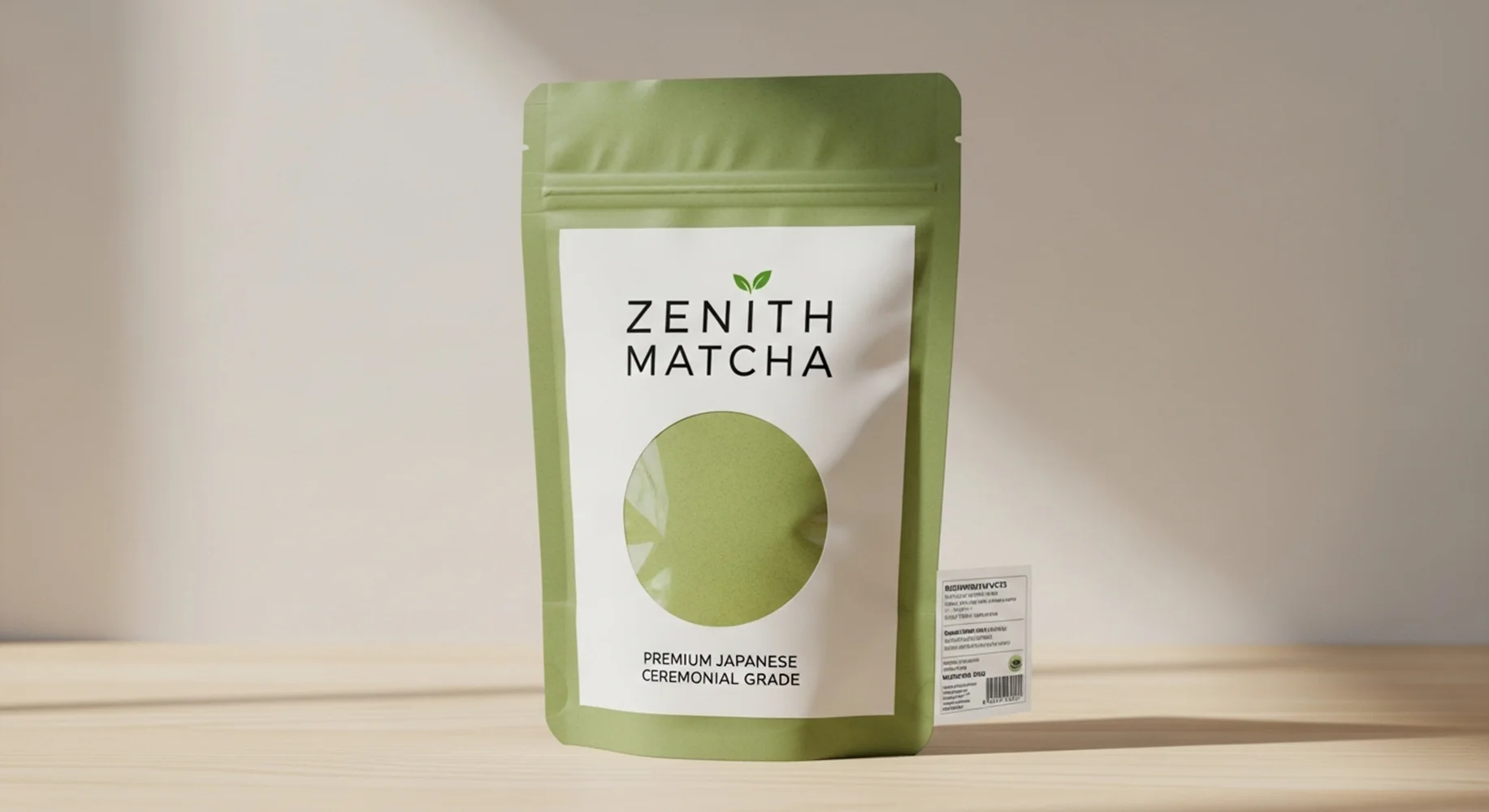
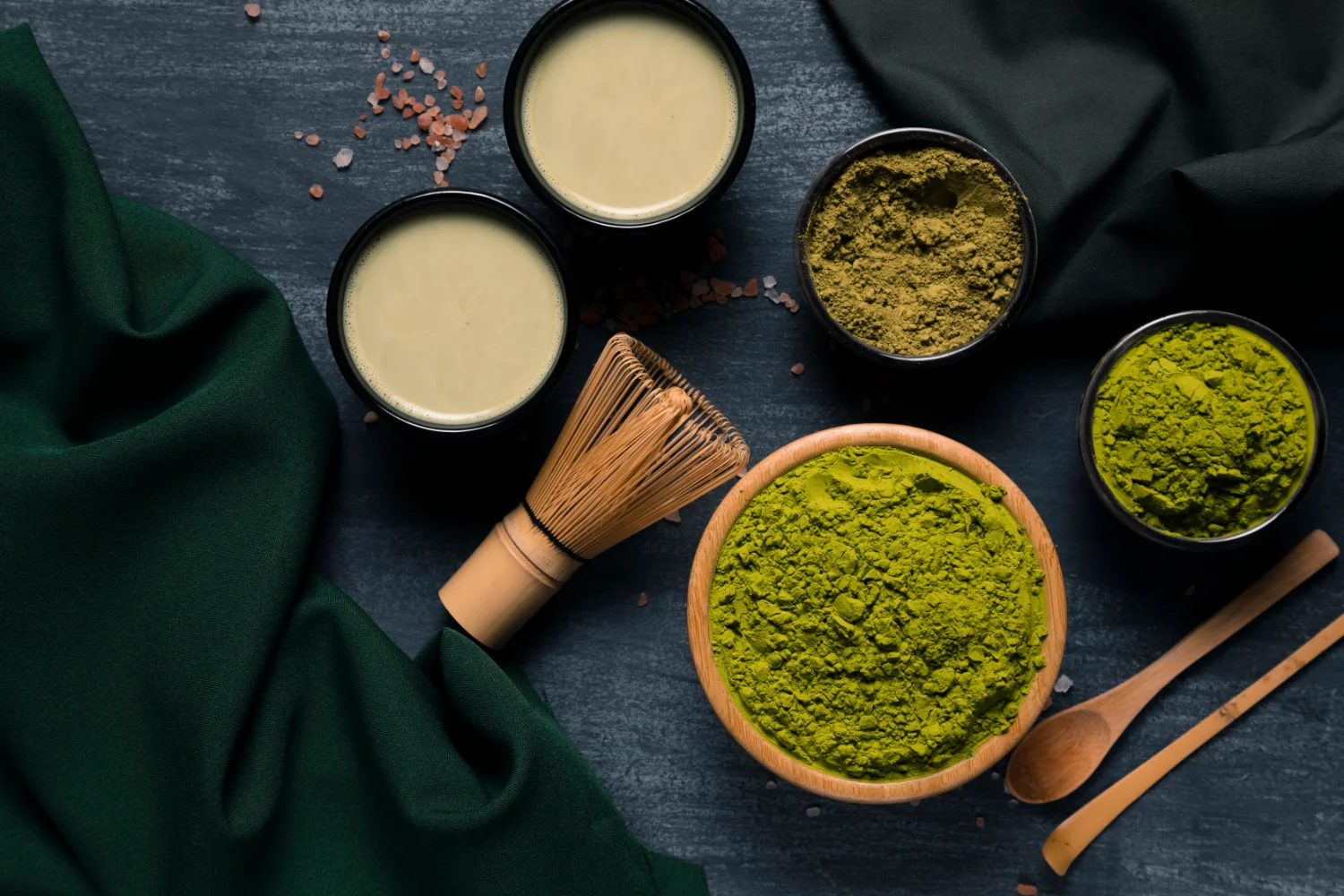
Many buyers know matcha needs protection. Fewer buyers understand where the value really starts to slip.
Matcha powder is packaging-sensitive because light, aroma loss, moisture, and fine powder behavior can reduce product value before the pack looks obviously wrong. I usually check those real risks first, then I choose the structure.

If your matcha pouch still feels hard to define, I usually start by mapping the first real risk before I compare films or formats.
In my daily packaging work, I do not treat matcha sensitivity as a vague excuse to over-pack. I first ask what the powder actually fears, where the risk shows up first, and how the customer will use the pack after opening. That is the point where structure logic starts to become real.
Why Do So Many Buyers Underestimate How Packaging-Sensitive Matcha Powder Really Is?
Many buyers know matcha needs protection. They still underestimate how easily its value can fade without a dramatic failure.
I do not judge matcha packaging by whether the powder stays “usable.” I judge it by whether the pouch keeps the product in the condition the buyer expected.
Why I do not treat matcha like an ordinary powder
Many buyers reduce matcha to a simple powder logic. They think moisture control is enough, or they assume a pack that looks sealed will probably do the job. I do not read matcha that way. In my view, the packaging sensitivity of matcha is not only about spoilage. It is also about whether the product still feels fresh, vivid, clean, and premium when the customer opens it. Color matters in this category. Aroma matters. Powder flow and first-use feel matter too. A pouch can avoid a visible complaint and still underperform if the product feels dull, less green, or less fresh than it should. From a production standpoint, this matters because many packaging problems in matcha are not sudden failures. They are slow value losses. I care about that slow decline because that is often where the real commercial damage begins.
| What buyers often think |
What I actually watch |
| It is just powder |
Color, aroma, and user feel can decline early |
| If it looks sealed, it is fine |
Seal quality and long-term performance are different questions |
| No complaint means no issue |
Quality perception may already be slipping |
What Is Matcha Powder Actually Sensitive To First?
If I do not define the real sensitivity first, the structure decision becomes vague very quickly.
When I evaluate matcha packaging, I do not start with film names. I start with the product’s actual sensitivity map.
How I map the real risk
To me, matcha sensitivity is not one thing. It is a combination of light risk, aroma loss risk, moisture risk, and fine powder behavior. I usually look at light first because appearance carries a lot of value in this category. A greener, fresher-looking powder supports confidence before the customer even tastes it. Then I look at aroma, because a slow drop in smell often weakens the premium feeling of the product. Moisture comes next because clumping, dull flow, and a heavier feel can show up before buyers expect. Then I look at powder behavior itself. Matcha is fine. It can hang near the seal area, dirty the opening zone, and make repeated use messier than the customer wants. From our daily packaging work, we see that structure discussions get stronger when I define these risks one by one instead of hiding them under the general label of “sensitive product.”
| Sensitivity point |
Why I care |
| Light |
It affects color and freshness impression |
| Aroma |
It affects premium feel and product identity |
| Moisture and powder behavior |
They affect clumping, sealing, and repeat-use experience |
Why Do Light, Aroma Loss, and Moisture Matter More Than Many Buyers Think?
Many buyers treat these risks as secondary. I usually see them as early value-loss points.
What hurts matcha packaging performance is often not one dramatic failure. It is a slow loss of freshness, appearance, and user confidence.
Why I treat these risks as commercial risks, not only technical risks
Light is not only a lab variable to me. In real retail, once the powder looks less vivid or less green, the customer already feels a difference. Aroma loss works the same way. A weaker smell may not make the product unusable, but it can make the product feel older, flatter, or less premium. That matters a lot in matcha because this category often sells on freshness, ceremony, and subtle quality cues. Moisture is also easy to underestimate. The product may not look obviously wet, yet the flow can feel worse, the scoop can feel less clean, and the mixing experience can become less satisfying. In real manufacturing, this detail often determines whether the customer feels the pack protected the product well enough after opening. I do not wait for dramatic damage to call the structure wrong. I watch for these slower signs, because they usually tell me whether the packaging is truly protecting value.
| Risk |
What it can quietly change |
| Light |
Color impression and freshness confidence |
| Aroma loss |
Premium feel and flavor expectation |
| Moisture pickup |
Flow, scoop feel, and use cleanliness |
If your matcha pouch still feels “good enough” on paper, I would also check whether light, aroma, or moisture are already hurting the product before obvious failure appears.
How Do Filling, Sealing, and Powder Behavior Change the Packaging Answer?
Many buyers talk about barrier first. I often need to talk about sealing reality first.
A matcha pack can look technically strong on paper and still perform poorly if powder behavior and sealing conditions were not considered early enough.
Why the fine powder changes the real answer
Matcha is fine, and that changes packaging logic more than many buyers expect. Fine powder can hang near the seal area, which raises contamination risk and makes clean sealing harder to achieve consistently. That means I do not look only at theoretical barrier. I also look at whether the structure can be filled and sealed well on the real line. Filling method matters here. Hand fill, semi-auto, and full-auto lines do not ask the same thing from bag opening, bag stability, or sealing tolerance. Then I look at repeated use. If the pouch will be opened many times in a kitchen or café setting, I care about zipper placement, opening comfort, and whether the top area stays reasonably clean after scooping. From a production standpoint, this matters because a structure that works only in a sample run is not a stable structure. I want sealing logic and user logic to work together, not fight each other.
| Production factor |
Why it changes the answer |
| Fine powder near seal area |
It affects seal cleanliness and reliability |
| Filling method |
It changes bag tolerance and line fit |
| Repeat-use design |
It changes opening cleanliness and reclose value |
Why Can Similar Matcha Products Still Need Different Structures?
Many buyers see similar powder and expect similar structure. I usually need more context before I agree.
Similar matcha products can still need different structures because the real packaging job changes with product role, route, and use pattern.

Why I do not force one answer across all matcha projects
I may be looking at two matcha products with similar weight, and I still may not choose the same structure. One may be ceremonial grade and sold on freshness, appearance, and premium ritual. Another may be daily-use retail matcha with a faster sales cycle. Another may be ingredient-grade powder for café use, where pack size and repeat handling change the priorities again. Sales path matters too. E-commerce, export, shelf display, and gift presentation do not ask for the same answer. Use frequency matters as well. A small one-time unit does not need the same opening logic as a larger family-use pouch. In real manufacturing, this detail often determines whether the structure stays commercially sensible. I do not choose by category label alone. I choose by what the pack must protect, how long it must protect it, and how the customer will actually live with it after purchase.
| Variable |
How it can change the structure |
| Product positioning |
Premium and daily-use packs need different priorities |
| Pack size and use frequency |
Opening and reclose logic may change |
| Sales path |
Display, route stress, and storage demands may shift |
What I Usually Check Before I Lock the Final Matcha Packaging Structure?
I do not lock the film first. I lock the packaging logic first.
Before I lock a matcha structure, I ask which structure protects the real product value under real conditions, not which material sounds safest.
My normal decision path
I usually work through this in four steps. First, I define what the pack must protect first. That may be color, aroma, moisture stability, repeat-use cleanliness, or shelf presentation. Second, I identify the first likely failure. I want to know whether the earliest problem is visual dullness, aroma drop, minor clumping, seal contamination, or weak post-opening use. Third, I remove structures that fight the real job. Some films are not wrong in general. They are just wrong for this route, this use pattern, or this product promise. Fourth, I balance protection, presentation, production fit, and cost. From our daily packaging work, we see that the strongest-looking structure is not always the smartest one. I care more about whether the structure protects the product value in the real market, with the real line, and under the real behavior of the end user.
| Step |
What I check |
| 1 |
What the pack must protect first |
| 2 |
What is most likely to fail first |
| 3 |
Which structures fight the real job |
| 4 |
How to balance protection, production, and cost |
Conclusion
To me, matcha powder is packaging-sensitive because its value can decline before it visibly fails. Contact us if you want help locking the right structure faster.
Talk to JINYI About the Right Matcha Pouch Structure
About Us
At JINYI, I work with a team focused on custom flexible packaging. Our slogan is From Film to Finished—Done Right. We believe good packaging is not only about appearance. It should work reliably in real transport, on shelf, and in the consumer’s hand. JINYI focuses on custom flexible packaging with more than 15 years of production experience. Our factory runs multiple gravure lines and HP digital printing systems, so I can support stable volume production and flexible custom work. Website: https://jinyipackage.com/
FAQ
Why is matcha more packaging-sensitive than many buyers expect?
Because value can decline through color loss, aroma loss, moisture pickup, and poor powder behavior before the product looks obviously damaged.
Do I always need the highest-barrier structure for matcha?
No. I first define the actual risk path and then decide whether a heavier structure is truly justified.
Why does fine powder behavior matter so much?
Because it affects seal cleanliness, opening mess, and how well the pack works in repeated daily use.
Can similar matcha products still need different packaging structures?
Yes. Product role, sales path, pack size, and use pattern can all change the right answer.
What do I check first before locking the structure?
I check what the pack must protect first and where the first likely failure will appear.