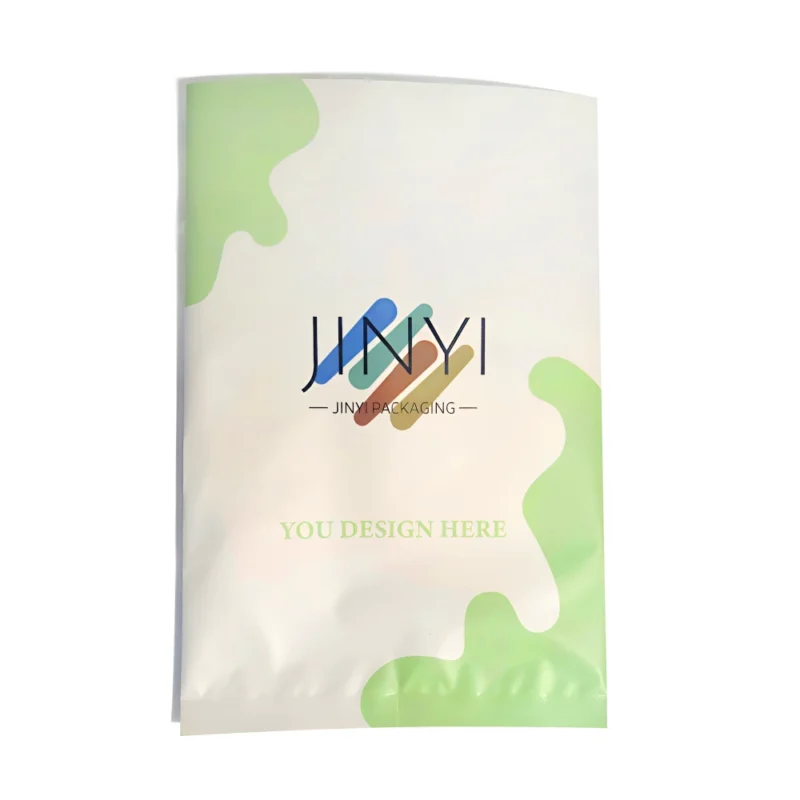
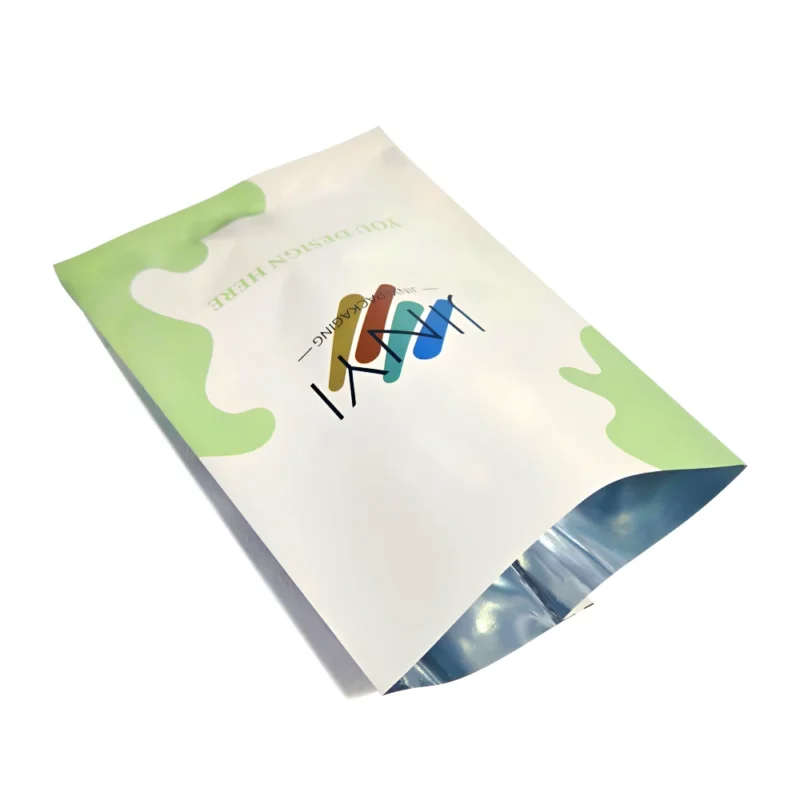
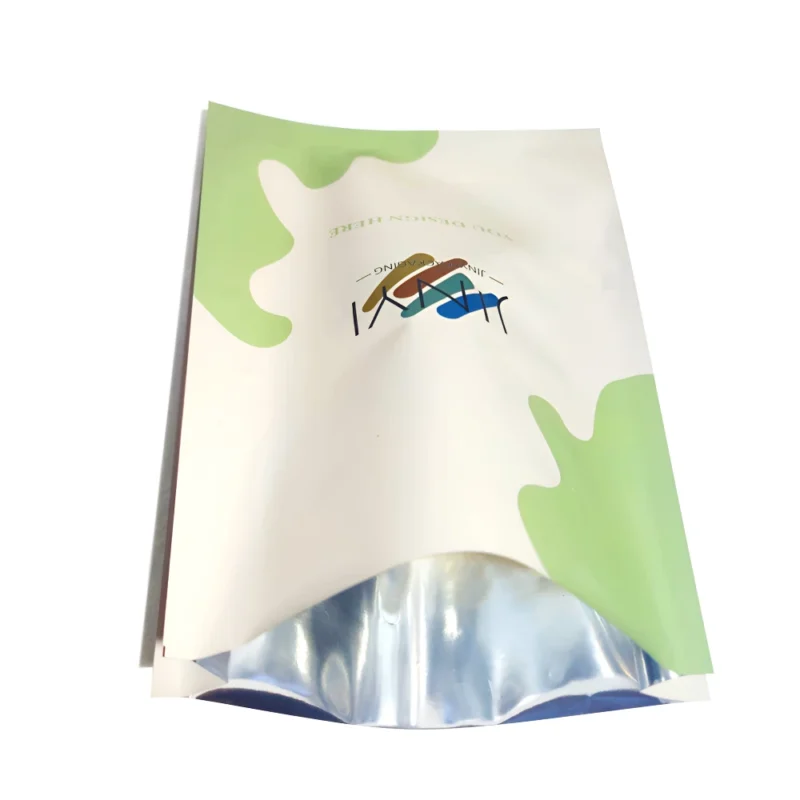
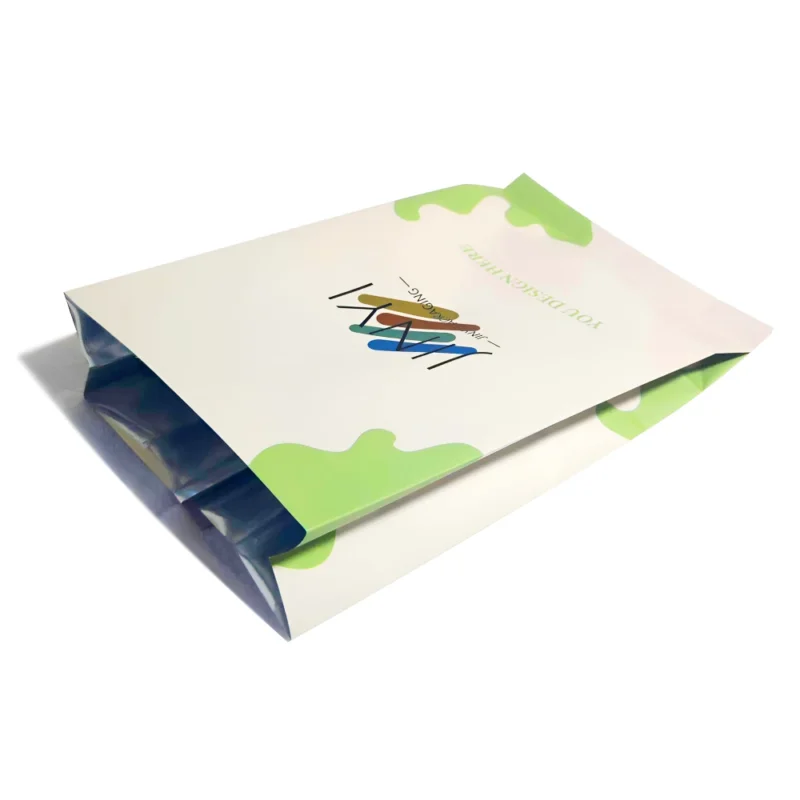
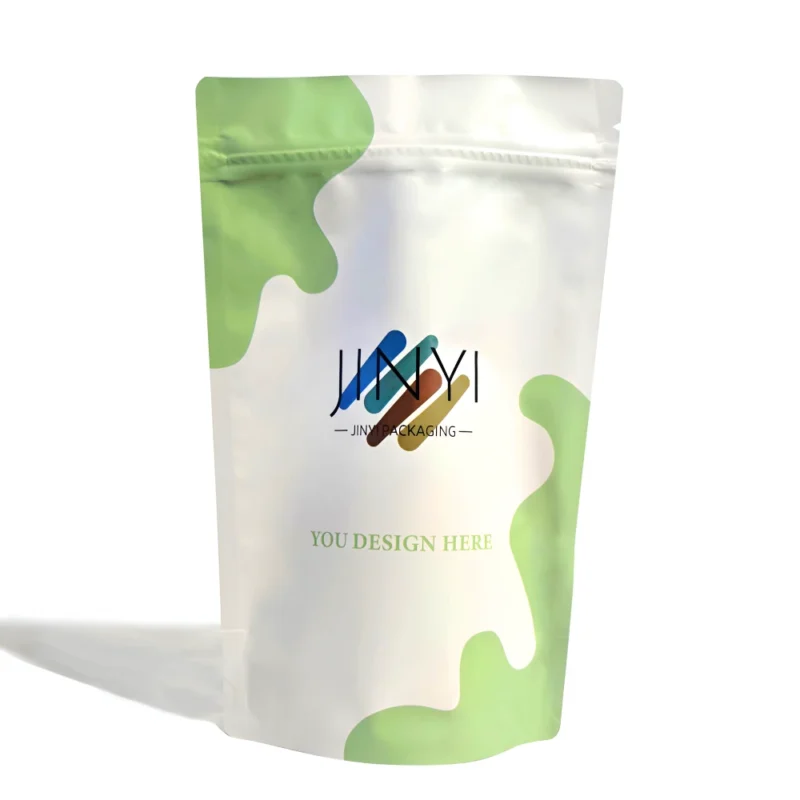
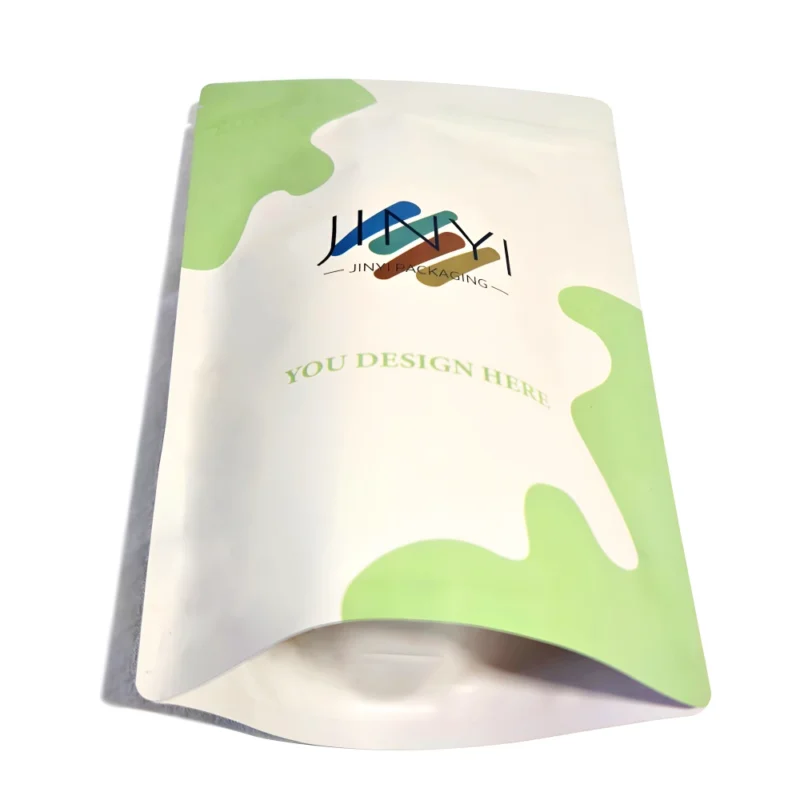
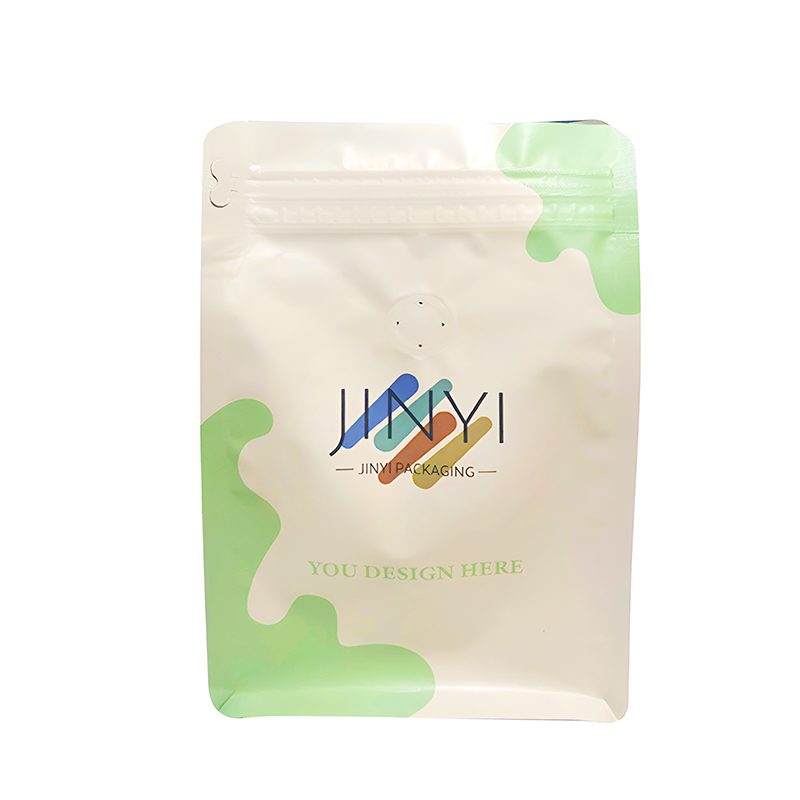
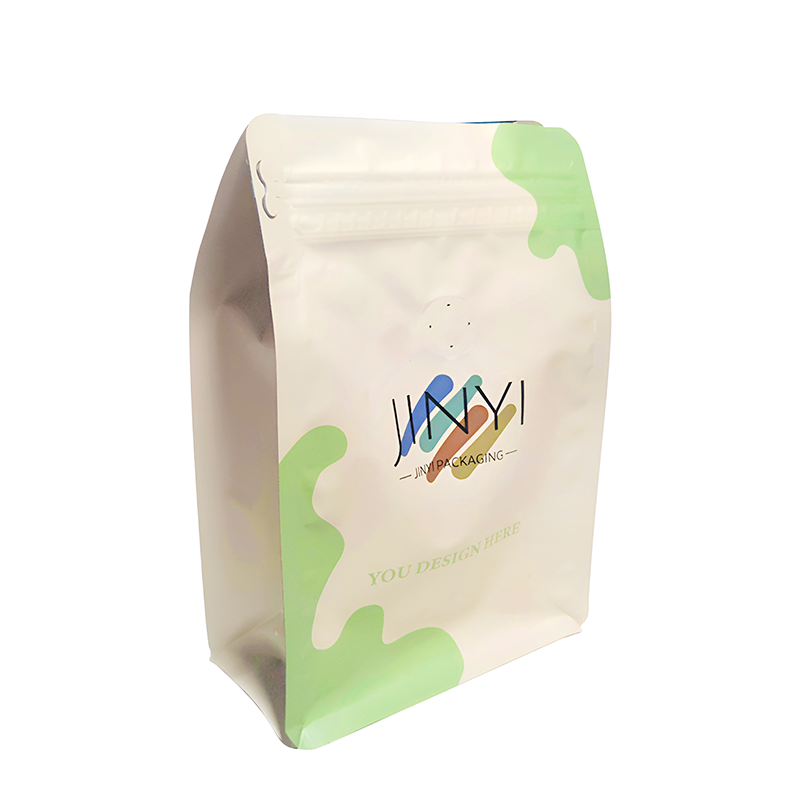
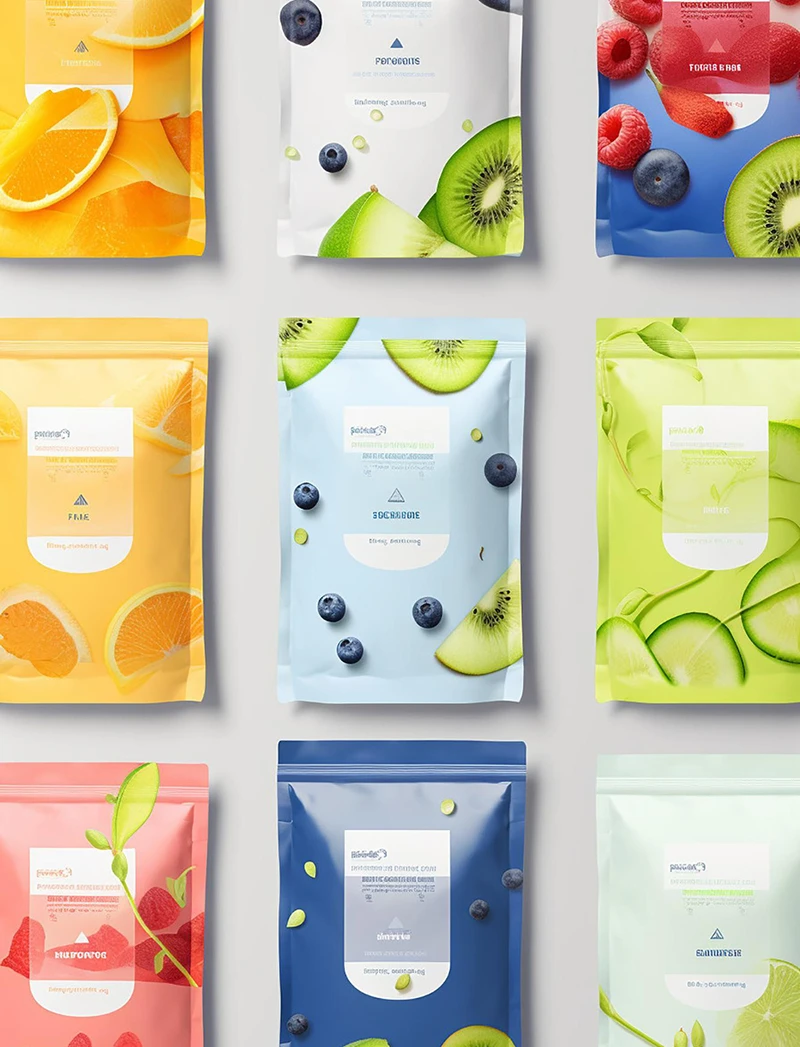
If your quad seal pouch leans, slumps, or looks “soft,” the shelf does not forgive it. You lose facing, you lose trust, and the bag looks cheaper than it is.
Quad seal pouches look more upright because their corner columns support the panels, but that only works when stiffness, fill geometry, headspace, and case-fit all cooperate.
See our Quad Seal Pouch specs & structure options
I do not treat “upright” as a design claim. I treat it as a physics outcome. If I cannot keep the bag upright after shipping, then the Day-1 product photo is meaningless.
Quick Definitions: What Makes a Quad Seal Different From Stand-Up and Side Gusset?
A quad seal can look “box-like,” but only when the structure is doing real work. If you assume it will stand better by default, you can still end up with a leaning bag.
A quad seal pouch behaves like a soft box because the four corner seals act like columns, while stand-up pouches rely more on a bottom gusset platform and panel tension.
In real manufacturing, this detail often determines whether a pouch looks premium or looks tired. I break it down like this:
What changes in load paths?
| Format |
What holds the shape |
Typical “upright” failure |
| Quad seal |
Corner columns + panel stiffness |
Corner distortion, panel bulge, leaning |
| Stand-up |
Bottom gusset platform + top seal tension |
Bottom corner stress, slumping, crease fatigue |
| Side gusset |
Brick stack support + side folds |
Fold whitening, top slump, inconsistent facing |
So when a quad seal “wins,” it is not because it has more seals. It wins because the corners support the panels in a more stable way—if the rest of the system does not sabotage it.
Stiffness vs Toughness: Why “Stands Upright” Starts With Panel Behavior?
Many people chase “thicker film” to get a stiffer look. That can backfire fast when shipping adds fold stress and abrasion. A bag can look stiff and still fail in corners.
Stiffness helps the bag stand upright; toughness keeps it from cracking, pinholing, or tearing when the corners and folds get abused.
From a production standpoint, this matters because the “upright look” is mostly panel control. I look at three behaviors:
How I evaluate panel behavior
| Panel behavior |
What it looks like on shelf |
What usually causes it |
| Panel buckling |
Wavy, tired front face |
Low stiffness, over-headspace, case squeeze |
| Panel bulge |
“Balloon” face, distorted graphics |
Compression + fill geometry pushing outward |
| Corner fatigue |
Leaning + corner whitening or micro-cracks |
High fold stress, low toughness, abrasion |
I do not treat stiffness as “always more.” I treat it as “enough stiffness to hold shape, enough toughness to survive route stress.” If I cannot get both, I would rather reduce shape ambition than create a fragile premium look.
Fill Geometry: How Product Shape, Density, and Flow Decide Your “Box-Like” Look?
Two quad seal pouches can be identical, and still look totally different on shelf, just because the product loads the bag differently. This is where most “why is it leaning?” questions actually start.
Fill geometry decides where the pressure goes: powders flow and settle, pellets grind corners under vibration, and blocks create local pressure points that push panels outward.
From our daily packaging work, we see the same pattern: people design a pouch for the brand photo, not for the internal load behavior. I map it like this:
How the product “pushes” the pouch
| Product type |
How it loads the pouch |
What it breaks first |
| Fine powder |
Settles + re-flows, pushes lower panels |
Leaning, top slack, seal contamination risk |
| Sharp pellets |
“Sandpaper” effect under vibration |
Corner abrasion, micro-holes, whitening |
| Dense granules |
High static load + strong compression transfer |
Panel bulge, distorted front face |
| Blocks / pieces |
Point loads that “poke” panels |
Local bulge, corner stress, puncture |
If you want a box-like look, you must design for how the fill behaves after vibration and compression—not just at the moment of filling.
Headspace Control: The Hidden Lever Behind Leaning, Slumping, and Panel Wrinkles?
Headspace looks harmless. It is not. Too much air gives the product room to move, and movement is how shape gets destroyed. I see headspace cause more “upright failures” than film selection.
When headspace is too large, internal movement increases, panels lose tension, and the bag slumps or bulges more under compression and vibration.
In real manufacturing, this detail often determines whether you get consistent shelf-facing or random leaning across the same batch. I control headspace with a simple decision table:
My headspace rules (so upright does not backfire)
| What I see |
What it causes |
What I change first |
| Leaning + slack top |
Weak front face, poor facing |
Increase fill height or reduce pouch height |
| Bulge after shipping |
Graphics distortion, “cheap” look |
Adjust width/depth ratio + case fit |
| Wrinkles near corners |
Stress lines, whitening risk |
Improve corner support + reduce movement |
I do not “leave more air for safety.” I manage headspace like a stability lever. If you want upright, you must control internal movement like you control seal integrity.
Gusset & Corner Mechanics: The 3 Places Quad Seals Lose Their “Upright” Advantage?
Quad seals look upright until the corners lose their column behavior. Once the corners distort, the panels stop behaving like supported faces, and the pouch becomes a soft bag again.
The three upright killers are corner distortion, bottom gusset fold stress, and side seal mis-registration that shifts load unevenly.
From a production standpoint, I treat corners like “load-bearing structures.” I check these three areas before I promise an upright look:
The three failure zones I audit
| Zone |
What fails |
What it looks like |
| Corner columns |
Distortion under compression |
Leaning, twisting, uneven stance |
| Bottom folds |
Fold fatigue + stress whitening |
Soft base, slump over time |
| Side seal alignment |
Uneven load path |
One side stands, the other collapses |
If any of these zones are unstable, “upright” becomes fragile. I would rather adjust geometry and case fit than force the film to do a job it cannot survive in transit.
Shelf-Facing Tricks That Don’t Backfire: Width/Depth Ratio, Fill Height, and Front Panel Tension?
Some shelf tricks work on Day 1 and fail on Day 14. I do not use tricks that only survive a photoshoot. I use tricks that survive route stress.
The safest shelf-facing upgrades are geometry-driven: adjust width/depth ratio, raise fill height to keep panel tension, and avoid “too tall for the footprint” designs.
Request a Quad Seal geometry recommendation for your fill type
In real manufacturing, this detail often determines whether your display looks consistent across 100 units. Here is how I choose “upright” without creating new failure points:
My non-backfiring shelf-facing checklist
| Lever |
What it improves |
How it can backfire |
| Width/Depth ratio |
Stability + box-like stance |
Too wide can bulge under compression |
| Fill height |
Front panel tension |
Overfill can stress seals and corners |
| Front panel tension |
Clean facing + premium look |
Too tight can crease and whiten folds |
I only call it a “trick” if it survives shipping. If it needs a perfect shelf and perfect handling, it is not a trick—it is a liability.
Printing, Finish, Pack-Out & Validation: How I Keep “Upright” After Shipping?
If the pouch arrives scuffed, whitened, or distorted, it does not matter that it was upright. The customer reads that as cheap. And most of that damage happens inside the carton.
To keep an upright premium look, I control abrasion and case-fit, then I validate with compression + vibration + drop + time to catch slow distortion and corner leaks.
From our daily packaging work, we see that “upright failure” is often a pack-out failure. I use this practical validation grid:
My upright validation grid
| Risk |
What I test |
Pass criteria (simple) |
| Panel distortion |
Compression + time hold |
Front face stays flat, graphics not warped |
| Corner fatigue |
Vibration + abrasion contact points |
No whitening spikes, no micro-crack signs |
| Leaning/slump |
Case-fit + orientation trials |
Stable stance after unboxing + 24h rest |
| Slow leaks (if heavy fill) |
Compression + vibration + drop |
No seep marks, no corner stress leaks |
My practical framework is always the same: I shortlist 2–3 specs (baseline/upgrade/premium), and I attach the “most likely failure + how we prove it will not happen.” That is how I keep “upright” real, not just marketing.
Conclusion
Quad seal pouches look upright when corners support panels, fill geometry stays stable, headspace is controlled, and pack-out protects shape. If it cannot survive shipping, it is not upright.
Get a Quad Seal spec shortlist for your product
FAQ
- Do quad seal pouches always stand better than stand-up pouches?
Not always. They stand better when corner columns, panel stiffness, and headspace are tuned to your fill and your pack-out.
- What is the fastest way to improve “upright” appearance?
Control headspace and adjust width/depth ratio before you jump to thicker films.
- Why do quad seals look upright in photos but arrive slumped?
Case-fit and vibration allow internal movement, which kills panel tension and distorts corners over time.
- Does higher stiffness increase shipping risk?
It can. Too much stiffness without toughness can increase fold fatigue, whitening, and corner cracking under abrasion.
- What tests best predict upright performance after shipping?
Compression + vibration + drop, plus a time hold to expose slow distortion and corner fatigue.