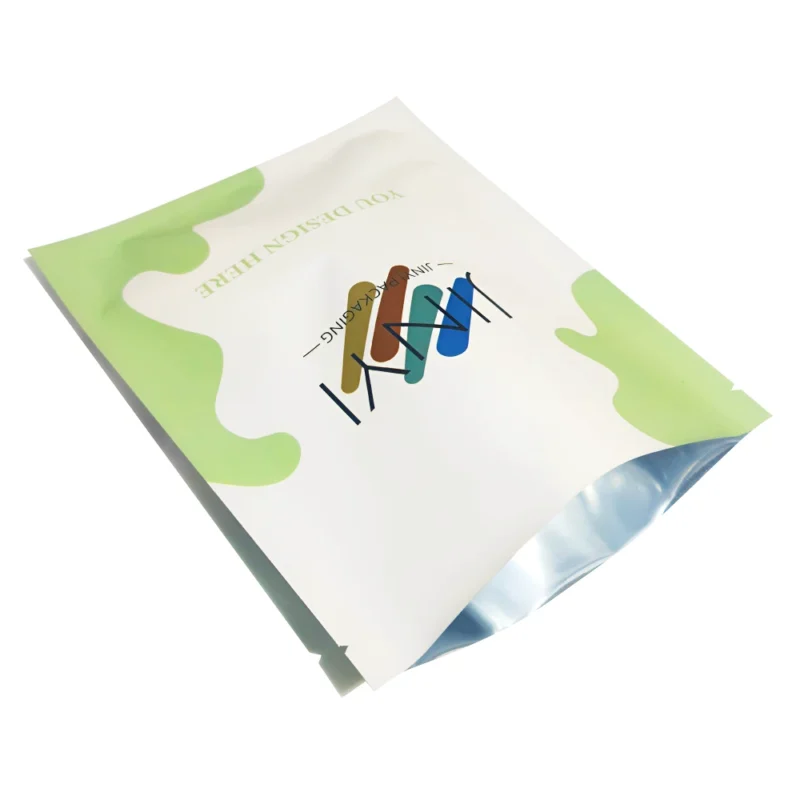
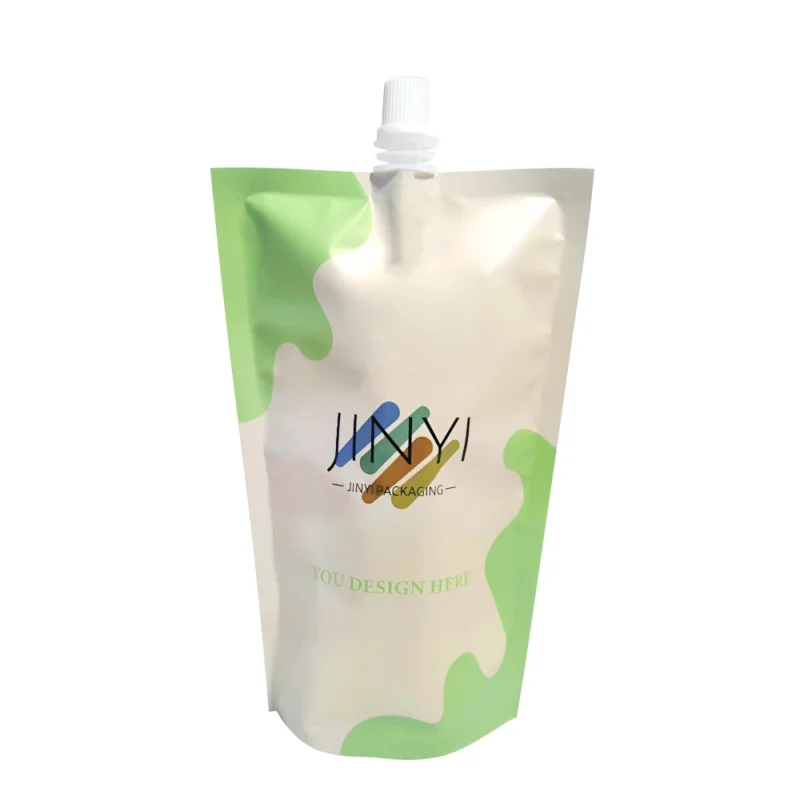
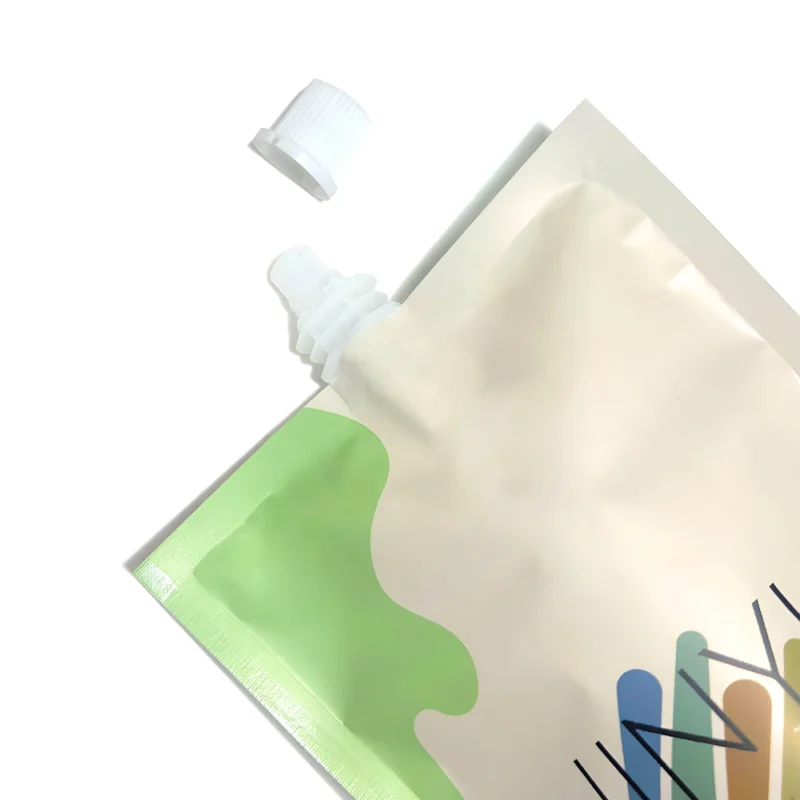
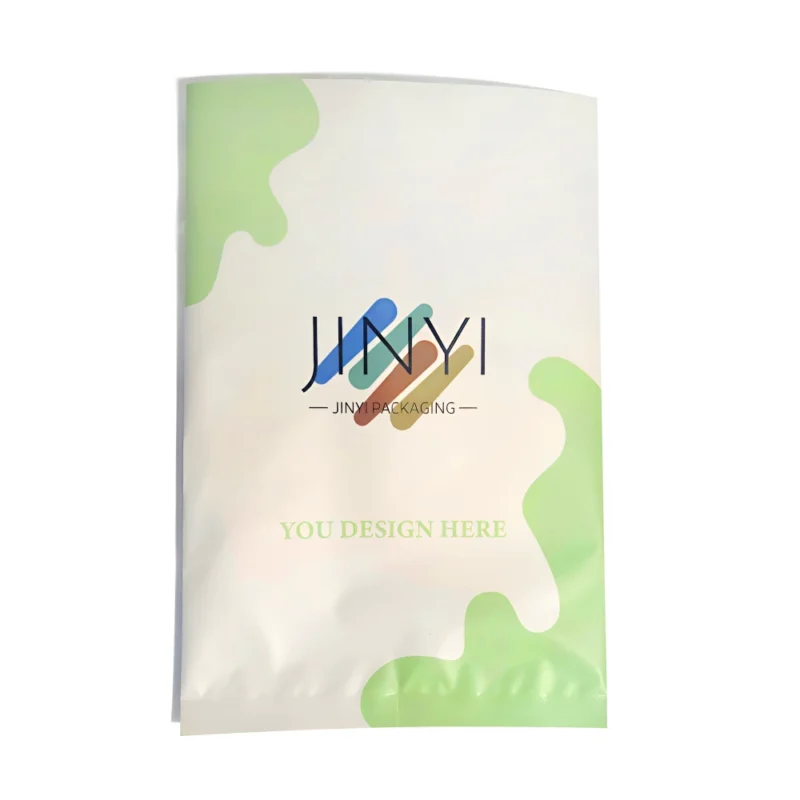
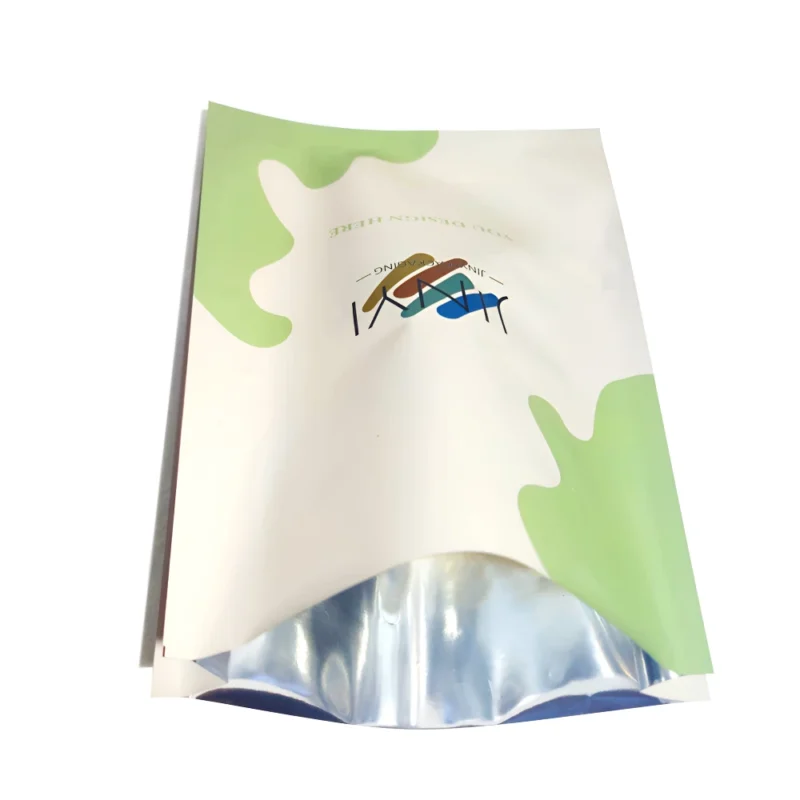
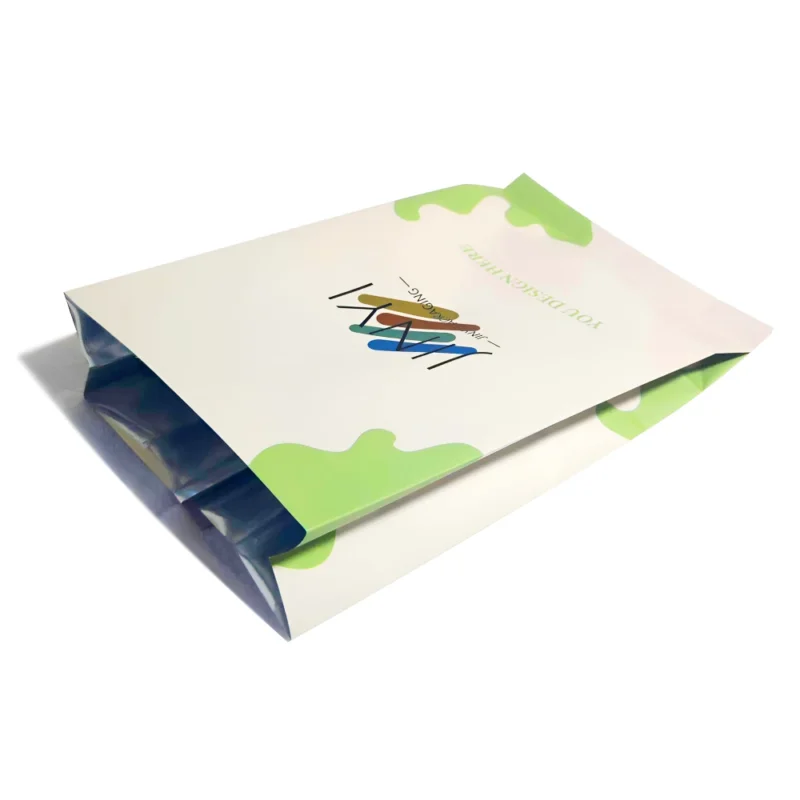
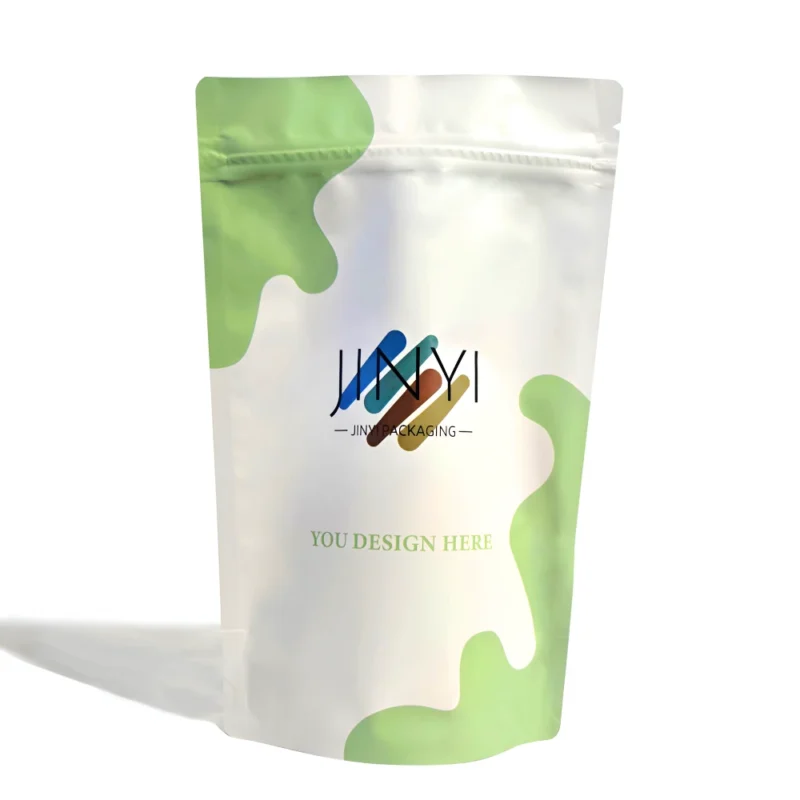
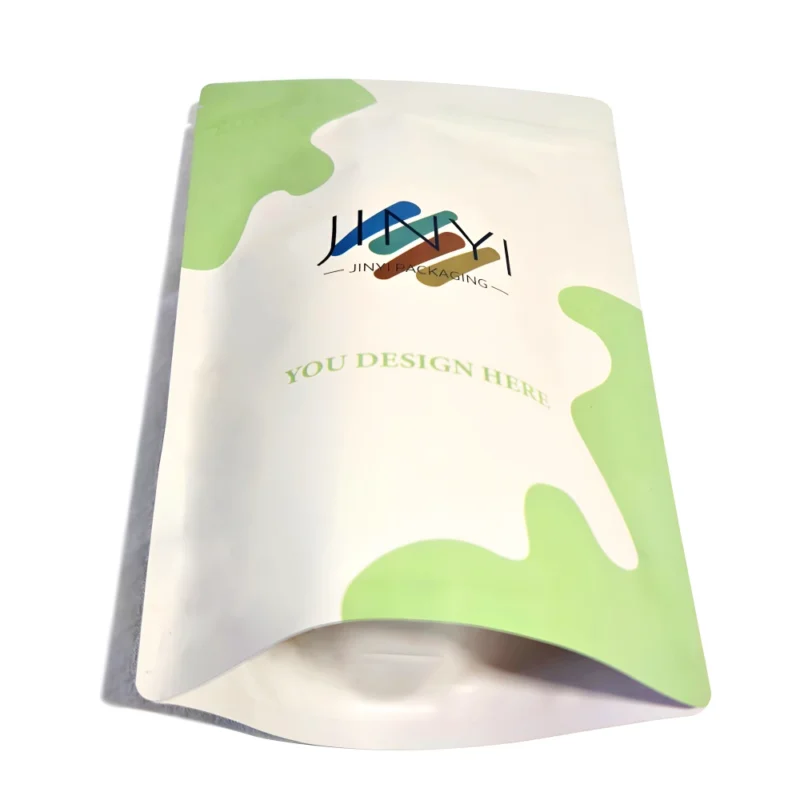
Powder pouches fail fast when a “small” closure issue turns into dust leaks, sticky zippers, or a messy first open. Those complaints become refunds and bad reviews in the U.S. and EU.
The best closure is the one that matches your powder behavior, opening routine, and channel stress—then locks in a stable seal system. I choose zip, tear notch, or spout by mapping the leak path first, and I validate it with humidity and compression tests before scaling.
If your powder pouch is leaking, clumping, or creating mess in delivery, I can help you shortlist a safer stand-up pouch structure.

In my experience, fine powders amplify every weak point. I do not start with “features.” I start with where powder escapes, how moisture gets in, and what your customers do with the pack in the real world.
Where does powder mess really come from in real use?
Powders do not “leak” the way liquids do. Powders escape through micro-gaps, and shipping vibration can pump dust out over time. That is why a pouch can look perfect on day one and still fail later.
Powder mess usually comes from three places: the top seal edges, the feature zone (zipper ends or notch tips), and fold/gusset stress points. I also see “wet hands + humid kitchens” create the worst combination: powders stick near the opening, then contaminate the seal area, then the reseal fails.

In-depth: I treat “mess” as a system problem, not a user problem. I first ask what the powder fears most: moisture ingress, oxygen, or consumer frustration from dust clouds. Matcha and instant coffee powders are aroma-sensitive and hate moisture spikes. Seasoning powders often bring oil and fine dust that contaminates seal zones. Protein powders often face compression in delivery and repeated opening over weeks. Then I map the likely leak path: top seal edge micro-leaks, zipper end gaps, notch crack starters, or gusset flex cracks. I also check headspace because puffing during transport can stress the top area and push dust into the closure zone. Finally, I align barrier targets: for most powders, WVTR and seal integrity matter more than OTR. If the seal window is unstable or the seal area is dusty, even a “high barrier” film will fail. That is why I lock sealing parameters and contamination control before I debate film names.
What I check first (fast triage)
| Symptom |
Most likely path |
First fix to try |
| Dust outside pouch after shipping |
Top seal micro-leak / zipper ends |
Wider seal land + protect zipper ends + compression test |
| Clumping after opening cycles |
Moisture ingress + reseal weakness |
WVTR target + reseal cycle test after humidity |
| Mess at first open |
Notch tear drift / dust cloud |
Controlled tear design + opening instruction + reinforcement |
When does a zipper help, and when does it fail?
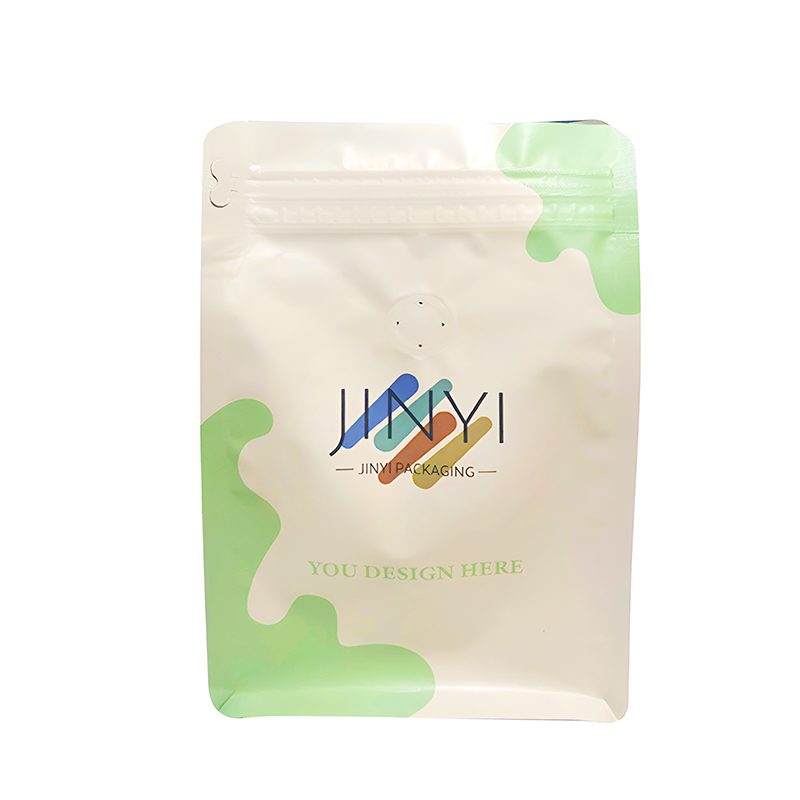
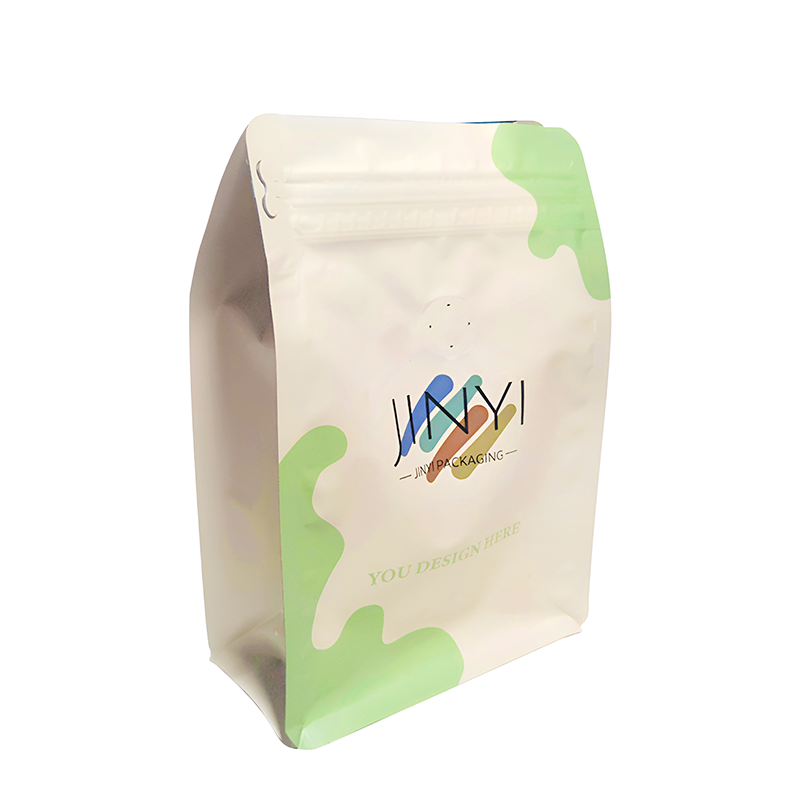
Zippers are great for multi-serve powders, but they also create the easiest leak path when powder contaminates the top area. I treat zippers as a reseal system that must survive humidity and compression.
If your product is opened daily, a zipper can reduce mess and improve repeat use. If your line throws dust into the seal zone, the zipper becomes the problem. I care less about “how smooth it feels” on day one and more about how it behaves after 20 opens, a humid day, and a delivery squeeze.
In-depth: I use zippers when the customer needs reliable reclose, but I design around zipper failure modes. The biggest one is contamination: fine dust sits in the zipper track or near the top seal, so the pouch “closes” but does not seal. The second is weak end seals: zipper ends and transitions become micro-gaps under compression. The third is geometry: zipper position and seal land width decide how stable the top area stays after filling and settling. I also connect zipper choice to line reality. If fill dust is high, I add dust control and seal-zone cleaning steps, or I change the fill angle and settling time. I validate with a reseal cycle test after humidity cycling and a compression test that mimics delivery. This is also where I place my mid-article CTA because brands often need a structure that is easy to run and still stays clean: If your zipper pouch is failing after shipping or repeated use, this stand-up pouch option is a good starting point to spec a safer seal system.
Zipper design choices that change outcomes
| Decision |
What it impacts |
My default rule |
| Zipper position |
Dust contamination risk |
Keep enough “clean seal zone” above the zipper |
| Seal land width |
Micro-leaks under compression |
Wider top seal for powders than for snacks |
| End protection |
Zipper end gaps |
Reinforce ends or design transitions to reduce stress |
When should I choose a tear notch or laser score instead?
Tear notches are fast and simple, but they can destroy barrier control if the tear runs off-line. I only love them when the opening must be controlled, and the pack is not meant for long reseal life.
For single-serve sachets, trial packs, or “first open” moments, a notch or laser score can be the cleanest choice. For multi-serve fine powders, I am cautious, because a bad tear creates a messy pour edge and invites moisture ingress.
In-depth: I treat tear features as “controlled failure.” I want the pouch to open exactly where I intend, and I want the tear to stop where I intend. The most common failure is tear drift, especially on tapered layouts, thick laminations, or when the score is too aggressive. Then the notch becomes a crack starter, and shipping compression can burst that zone. I also see brands place barcodes, compliance text, or claims near the notch because it “looks tidy.” That is a high-risk mistake. I keep critical readability zones away from notch tips and fold stress zones. I also validate notch performance after vibration and drop tests, not only on a calm desk. If the pouch needs repeat use, I usually pair notch design with another controlled reseal approach, or I use a more stable top structure and a clear “open here” instruction to reduce chaos at first open.
Tear control rules I follow
| Risk |
What causes it |
How I reduce it |
| Tear runs wild |
Wrong score depth / film direction |
Directional tear design + calibrated score depth |
| Burst at notch in shipping |
Compression + crack starter |
Reinforcement zone + compression test |
| Moisture ingress after opening |
Jagged edge + poor closure |
Cleaner cut edge + pairing with a stable reclose strategy |
When is a spout worth the complexity?
A spout can deliver the cleanest consumer experience for fine powders, but it punishes weak process control. If torque, weld quality, or liner compatibility is off, the spout becomes your new leak point.
I recommend spouts when the powder must pour cleanly, when scooping is messy, or when your brand sells a premium “controlled dosing” experience. I do not recommend spouts when your line cannot control components and torque consistently.
In-depth: Spouts are a system: fit, weld, cap, liner, torque, and drop performance all matter. I start by matching spout size to powder flow. Fine, static powders can cling and create mess unless the opening and inner surfaces are designed for clean dispensing. Then I validate cap sealing and cross-thread resistance because consumer handling is rough. I also test spout weld areas because they are stress concentrators under drop and vibration. If the pouch will see delivery routes, I run compression and drop tests with realistic packing. I also connect spouts to barrier and WVTR goals because powders are moisture-led, and a weak component interface can erase the benefits of a strong film. I choose spouts when the value is clear, and I can prove reliability with torque tests, leak tests, and open-close cycles. If you want the clean-pour experience without gambling, I recommend you start from a proven pouch structure and then add the spout only after the seal system is stable.
Spout validation checklist
| Test |
What it proves |
Why it matters for powders |
| Torque + open-close cycles |
Cap stays sealed over time |
Prevents moisture ingress and leaks |
| Drop + vibration |
Weld and cap survive transport |
Stops “mystery leaks” in delivery |
| Humidity cycling |
System stays stable in real climates |
Reduces clumping and caking complaints |

Conclusion
I choose closures by leak paths and real tests. If the seal system is stable, the right feature stays clean, stays dry, and protects your reviews.
If you want a faster shortlist for your powder pouch, start here and I will map a baseline, upgrade, and premium structure around your channel risks.
FAQ
Is a zipper always better for fine powders?
No. A zipper helps repeat use, but it fails fast if dust contaminates the top area and the seal system is not stable.
When should I avoid tear notches for powders?
I avoid them for long-life multi-serve powders unless tear control is proven after drop, vibration, and humidity tests.
Do spouts prevent clumping and moisture damage?
A spout can reduce mess, but moisture control still depends on WVTR targets and leak-proof seals at every interface.
What is the most important test before mass production?
I prioritize humidity cycling plus compression, then I re-check reseal or cap integrity after those stresses.
What causes “mystery leaks” in powder pouches?
Micro-leaks at seal edges, zipper ends, notch tips, or spout interfaces usually show up only after shipping vibration and compression.