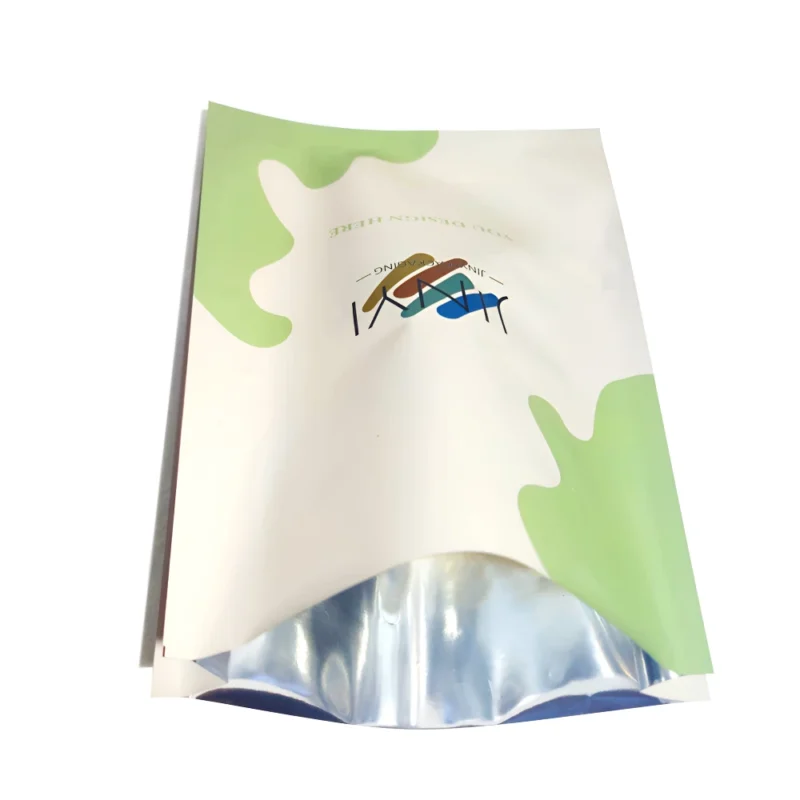
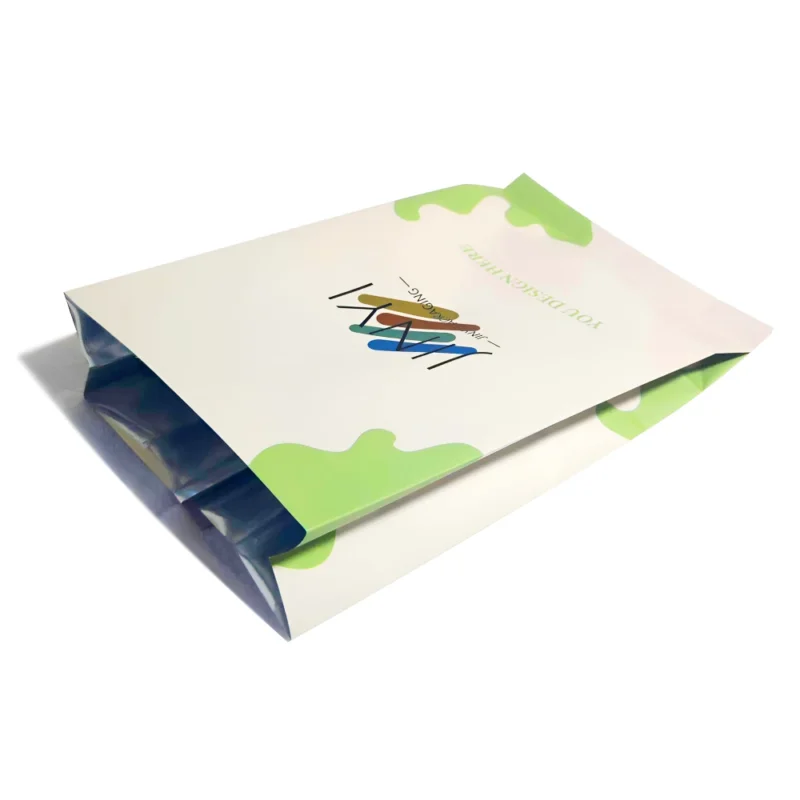
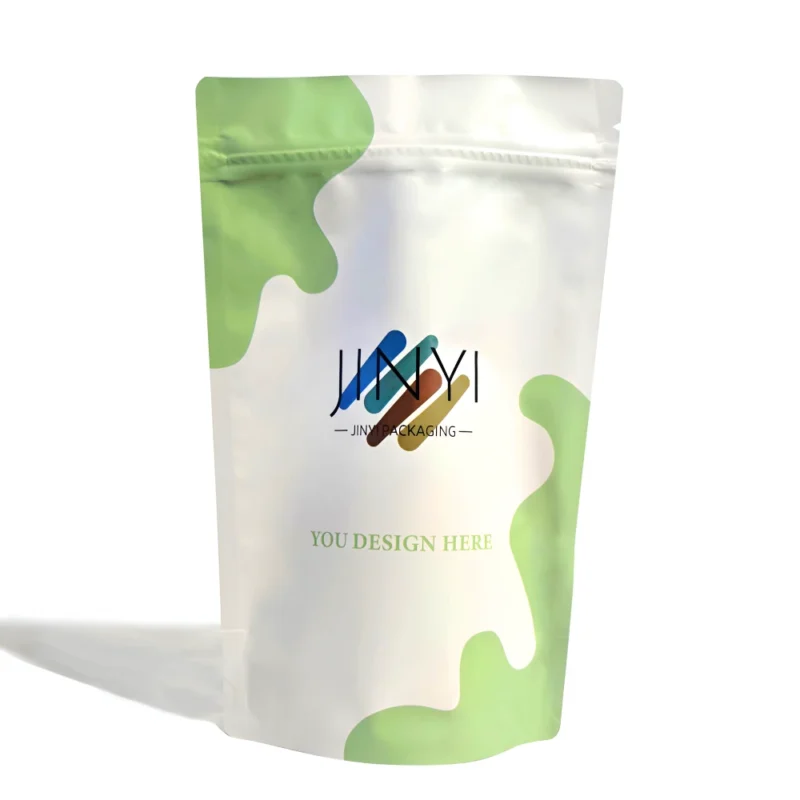
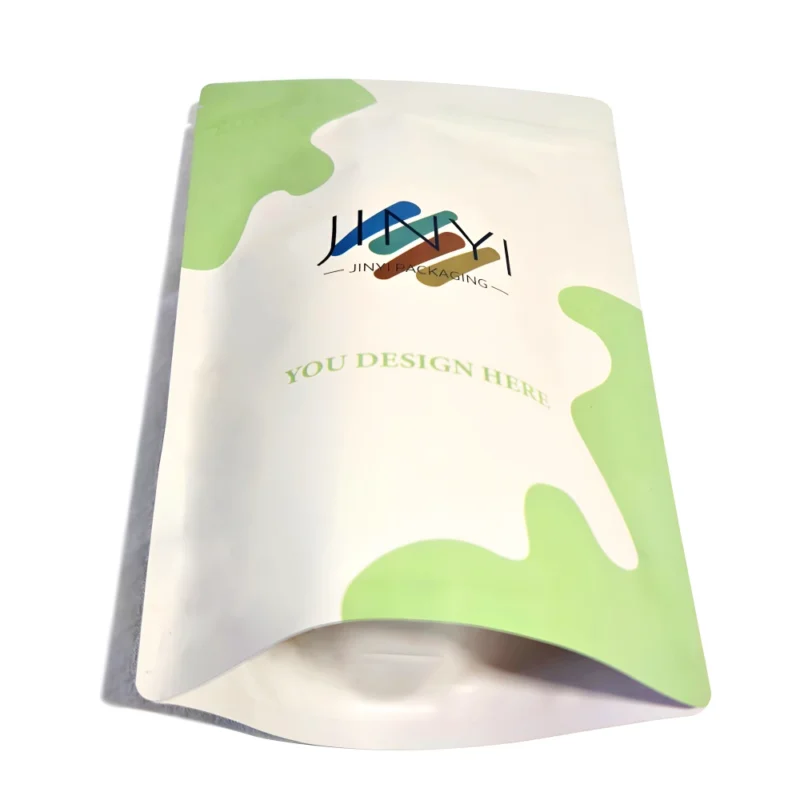
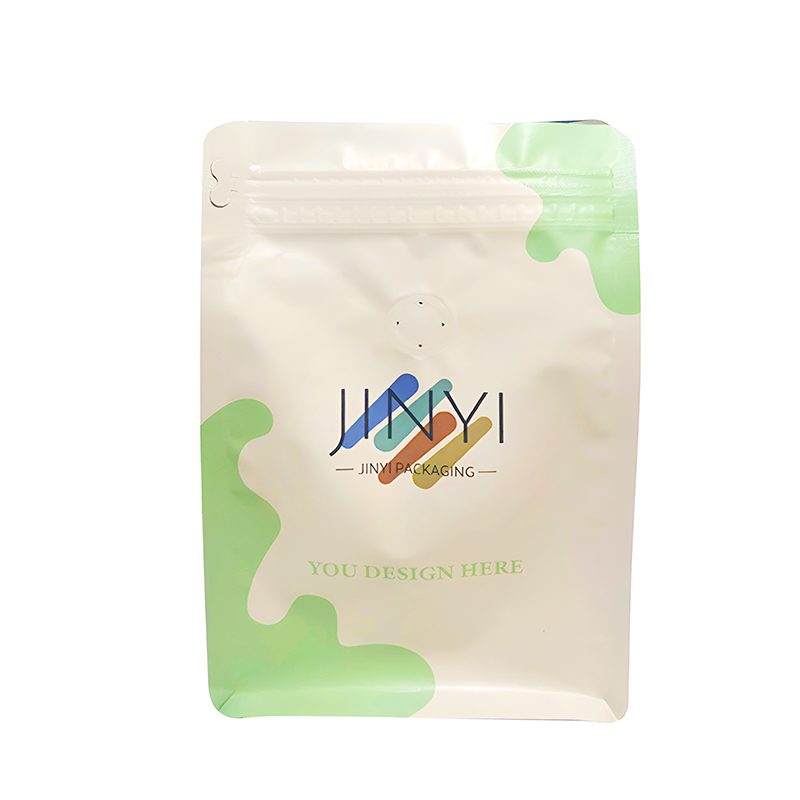
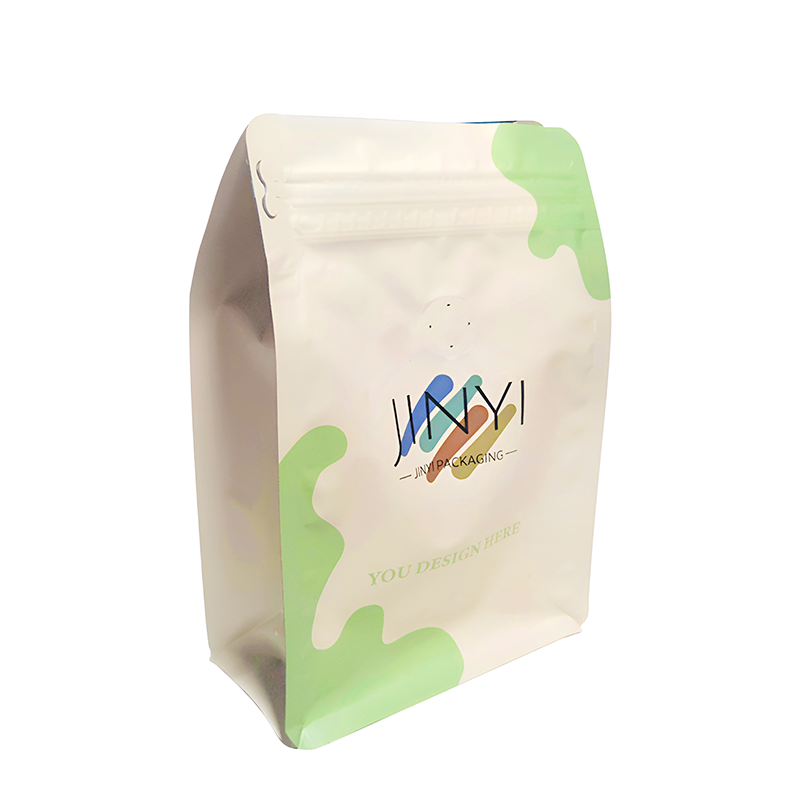
Fresh coffee can still taste flat fast. Buyers get blamed. Complaints feel random. Most failures start after the first tear, when reseal behavior turns into oxygen exposure.
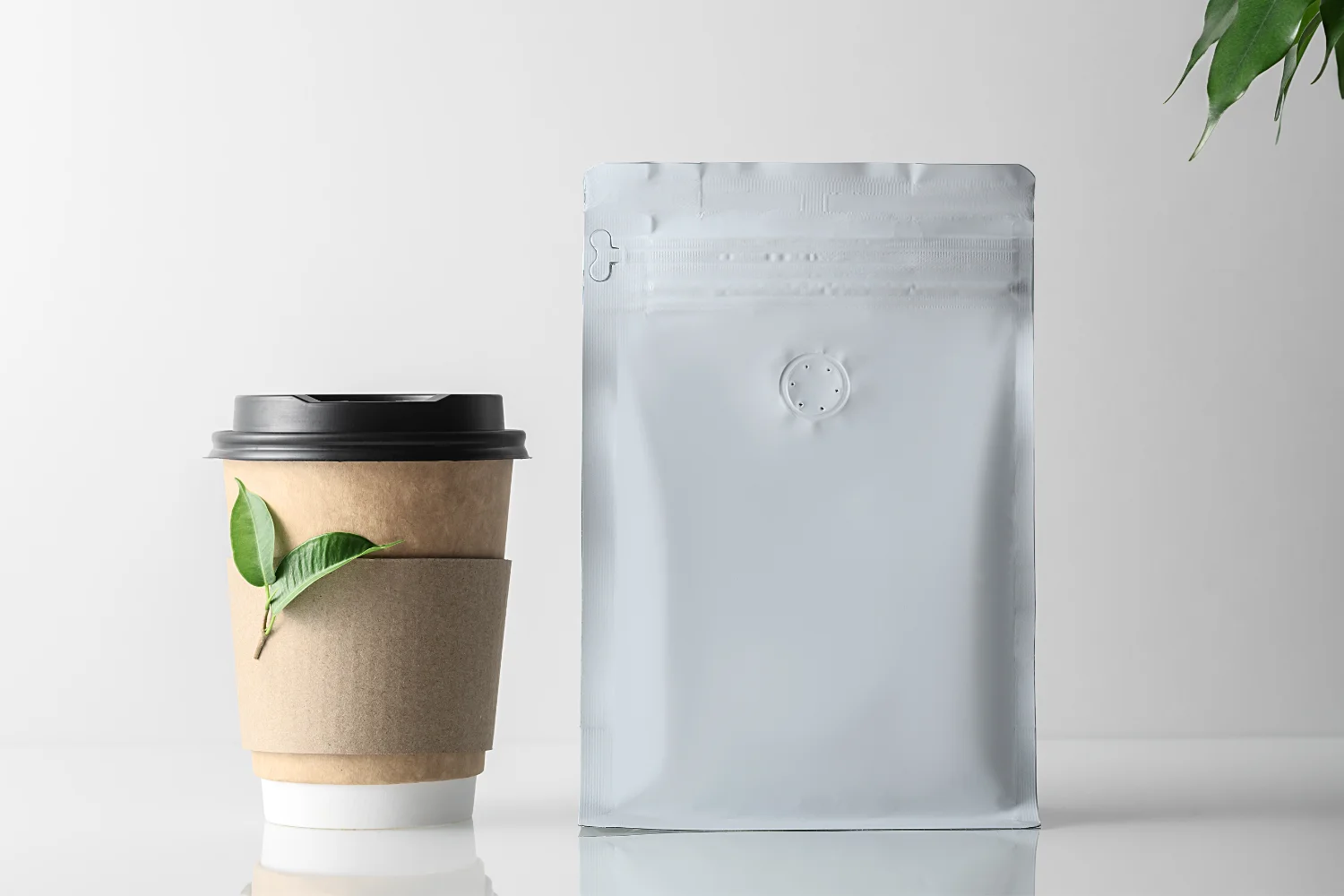
Once a bag is opened, a valve sticker mainly solves CO₂ pressure, while freshness risk shifts to oxygen ingress and small, invisible leaks. Buyers can reduce surprises by validating the valve zone and reseal performance across repeated open–close cycles, not just approving how the bag looks on day one.
Explore packaging methods that protect coffee aroma in real distribution

Valve sticker bags look simple. They are not. They add a valve zone, an adhesive perimeter, and a consumer-managed closure. This article explains where the system breaks, and how buyers can validate risk with a minimal, repeatable protocol.
Why do coffee bags with valve sticker “fail after opening” even when they look fine?
Buyers see “zip closed” and assume protection. That assumption breaks fast. Oxygen does not need a visible gap to enter, and coffee does not need obvious defects to taste stale.
After opening, freshness becomes a reseal problem more than a valve problem. The closure is not a factory heat seal. Small fines and misalignment create micro-gaps that change oxygen exposure across days.
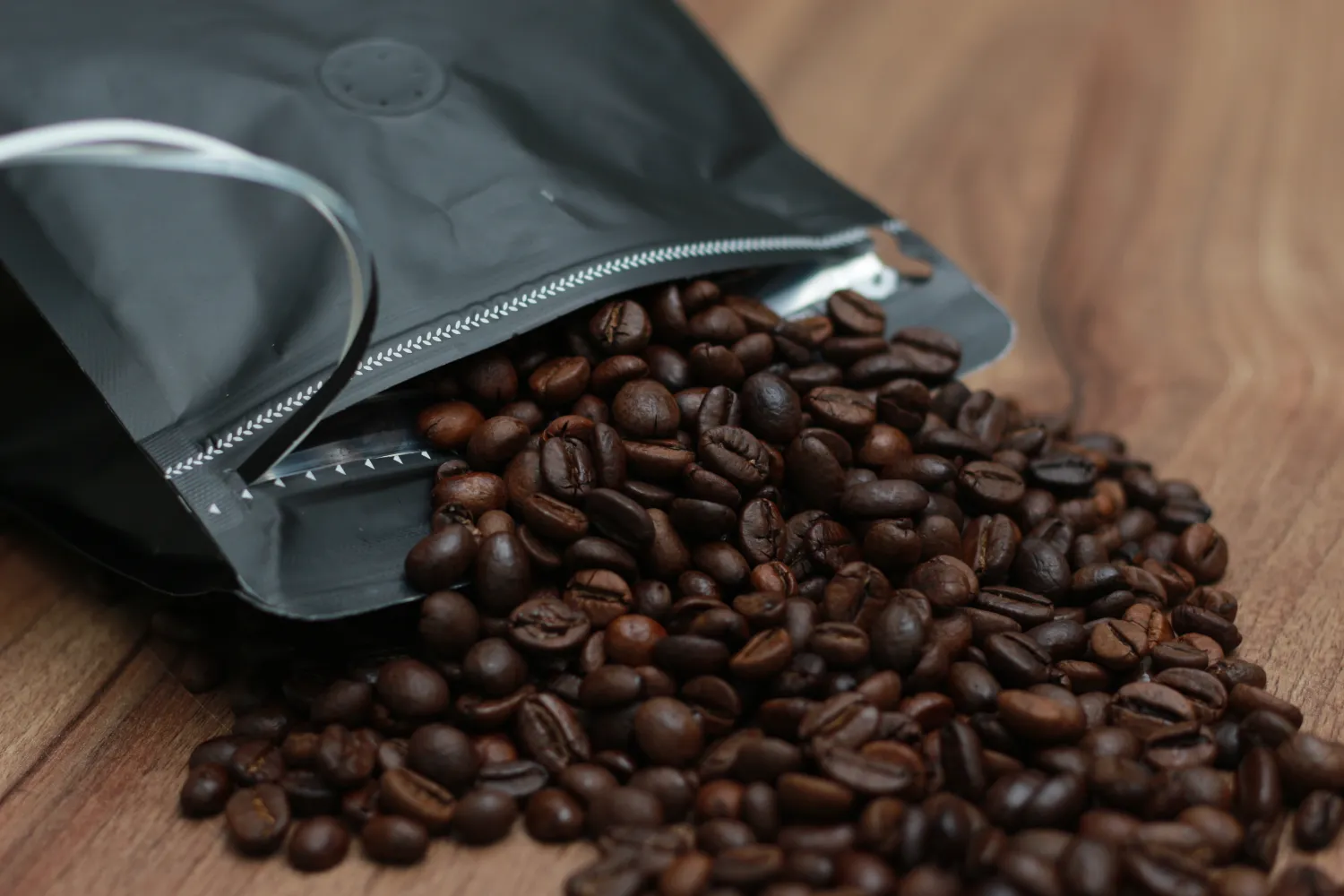
A valve sticker is designed to vent CO₂. It is not designed to guarantee a controlled atmosphere after repeated consumer opening. Once the bag is opened, the system changes in two ways. First, oxygen ingress becomes the dominant driver for aroma loss and oxidative staling during at-home use. Second, reseal performance becomes high-variance because real people do not close zippers the same way every time. Consumers also create contamination. Coffee fines sit in the zipper tracks. Light oil residue transfers to the seal area. A bag can look “sealed” and still leak in a way that matters for flavor.
Buyers can treat this as a timeline problem. Before opening, the risk is CO₂ pressure cycles and stress around the valve zone. After opening, the risk is repeated oxygen entry across open–close cycles. The reason complaints feel random is that consumer behavior creates variance. One household closes carefully. Another household closes partially, rolls the top, or squeezes the bag. Variance produces “good lot / bad lot” stories even when the real root cause is the open–close path.
Evidence (Source + Year): Anderson et al. measured CO₂ degassing kinetics in roasted coffee, which explains why internal pressure behavior changes over time and differs by product and storage conditions (Anderson et al., 2003). :contentReference[oaicite:0]{index=0}
Where do valve sticker bags leak in real life, and what do buyers usually notice first?
A valve sticker adds one more place to fail. Many bags pass basic checks and still disappoint later. The first signal is usually taste, not a visible defect.
The highest-risk area is the valve zone perimeter. It can create channel leaks, edge lift, and stress points that do not show up in “normal” seal checks.

Valve sticker systems introduce leak paths beyond the top closure. The valve zone perimeter can develop micro-channels if adhesive wet-out is incomplete, if the film surface is matte or varnished, or if application pressure and dwell time are inconsistent. The patch can also lift at the edge with aging and temperature cycling. Those failures can be visible, but many are not. A perimeter micro-leak can be small and still raise headspace oxygen enough to change aroma over days.
The closure is a separate leak path. A press-to-close zipper is convenient, but it is sensitive to contamination and misalignment. Buyers often see “works day one, fails later” because the first few cycles are clean and tight. Then fines build up and closure quality drifts. Finally, CO₂ pressure cycles can stress the valve zone early in distribution. That stress can amplify weak adhesive edges and create sporadic failures that appear batch-specific.
| What buyers see |
Most likely leak path |
Fast screening test |
What to confirm next |
| “Stale fast after opening” |
Zipper micro-gaps + oxygen ingress |
Open–close cycling + gross leak screening |
Headspace O₂ trend or proxy + closure contamination sensitivity |
| “Valve sticker edge lifts” |
Adhesive mismatch / poor wet-out |
Visual inspection after thermal cycling |
Peel / shear durability under aging conditions |
| “Bag balloons anyway” |
Valve blocked / vent behavior mismatch |
Pressure/volume tracking |
Valve placement + inspection + vent consistency |
| “Random lots go flat” |
Valve zone micro-channel leak |
Bubble emission leak test focused on valve zone |
Seal/adhesive process window validation |
Evidence (Source + Year): ASTM describes a widely used method for detecting gross leaks by internal pressurization in water (bubble emission), which is practical for quickly screening valve zones for leaks (ASTM F2096/F2096M-11, reapproved 2019).
How can buyers validate “reseal reality” after opening without over-testing?
Many teams validate the bag before opening and stop there. That is the wrong checkpoint. The main risk lives in the open–close timeline.
A minimal protocol can reveal leak probability and oxygen exposure drift. The goal is repeatability, not lab perfection.
A buyer-ready validation protocol can stay simple and still be meaningful. The protocol can test performance at 0, 5, 10, and 20 open–close cycles. It should include realistic contamination. Coffee fines should touch the zipper tracks. Light oil residue should be present if the product is oily or flavored. The protocol should include at least one temperature swing condition because adhesive edges and seals can drift with heat and cooling. The outputs should be clear pass/fail signals. A fast gross leak screen can show whether the valve zone or closure leaks. A seal strength check can show whether seals weaken after cycling. If headspace oxygen tracking is available, it can connect packaging behavior to freshness risk with a simple trend line.
| Step |
What to do |
What it proves |
Pass / fail signal |
| Cycle plan |
0 / 5 / 10 / 20 open–close cycles with fines present |
Reseal drift under realistic use |
Leak rate increases after cycles = risk |
| Gross leak screening |
Internal pressurization bubble emission focused on valve zone and zipper |
Fast detection of meaningful leaks |
Any repeatable bubbles from valve perimeter or zipper = fail |
| Seal strength check |
Seal strength measurement on representative seals |
Whether structure weakens under stress |
Strength drops below target window = fail |
| Aging / thermal cycling |
Short aging + temperature swings, then re-test |
Adhesive edge stability and seal robustness |
Edge lift, channels, or new leak points = fail |
Evidence (Source + Year): FDA’s recognized consensus standards listing references ASTM F88/F88M for seal strength testing of flexible barrier materials, which supports repeatable verification of seal integrity (ASTM F88/F88M-23).
Evidence (Source + Year): FDA’s recognized consensus standards listing references ASTM F2096/F2096M for bubble emission gross leak detection, which is suitable for fast leak screening in package validation (ASTM F2096/F2096M-11, reapproved 2019).
What should buyers request from suppliers, and how can packaging design reduce post-opening risk?
Marketing names are cheap. Evidence is not. Buyers need a short checklist that forces clarity on the valve zone, closure limits, and validation results.
The safest decision is “validated valve zone + validated reseal behavior.” A valve sticker is useful only when the total system is controlled.
Buyers can request six items that reduce surprises. The first item is the valve format and expected vent behavior in normal storage, even if it is described qualitatively. The second item is patch material and adhesive compatibility with the exact film surface. Matte coatings and varnishes can change adhesion behavior. The third item is the valve sticker application window, including pressure, time, and temperature targets. The fourth item is valve zone quality control, including how perimeter channels are detected. The fifth item is closure limitations, including what reseal type is used and what performance is realistic after repeated opening. The sixth item is a “minimum proof pack” that includes leak test results focused on the valve zone, seal strength verification, and at least one open–close cycling result.
As a flexible packaging manufacturer, we focus on exposure control and usability signals that buyers can verify. We do not treat a valve sticker as a freshness guarantee. We treat it as one component in a system that must pass realistic leak screening and open–close validation. We also recommend that brands communicate a short, clear “after opening” storage message where consumers will actually see it, because reseal behavior drives real-world variance.
See how a packaging system approach reduces oxygen exposure after opening
Evidence (Source + Year): Anderson et al. provide experimental characterization of CO₂ degassing in roasted coffee, supporting the idea that pressure behavior is time-dependent and should be mapped into validation plans (Anderson et al., 2003). :contentReference[oaicite:4]{index=4}
Conclusion
A valve sticker manages CO₂. Post-opening freshness is mostly reseal plus oxygen. Validate the valve zone and the open–close timeline to reduce “random” complaints—then contact JINYI for a buyer-ready proof plan.
Get a Coffee Packaging Validation Checklist
FAQ
- Do coffee bags with valve sticker keep coffee fresh after opening?
They can help with CO₂ venting, but freshness after opening depends more on reseal reliability and oxygen ingress than on the valve.
- Why does coffee taste stale even when the bag has a valve?
A valve does not block oxygen. If the barrier, seals, or reseal behavior allow oxygen entry, aroma loss and oxidative staling can still happen.
- What is the most common failure point in valve sticker bags?
The valve zone perimeter and the consumer reseal area are the highest-risk leak paths, especially after repeated open–close cycles.
- What is the fastest way to screen for leaks around a valve sticker?
A bubble emission gross leak test focused on the valve zone can quickly reveal meaningful leaks before deeper testing.
- Should buyers prioritize valve selection or film barrier first?
Buyers should map both risks: CO₂ pressure (valve function) and oxygen exposure (barrier + seal integrity + reseal behavior). Both matter, but post-opening complaints often track oxygen exposure.
About Jinyi
Brand: Jinyi
Slogan: From Film to Finished—Done Right.
Website: https://jinyipackage.com/
Our mission:
JINYI is a source manufacturer specializing in flexible packaging. We want to deliver reliable, usable, production-ready packaging systems that reduce communication cost, stabilize quality, clarify lead times, and perform in real distribution and end use.
Who we are:
JINYI is a source manufacturer specializing in custom flexible packaging solutions, with over 15 years of production experience serving food, snack, pet food, and daily consumer brands.
We operate a standardized manufacturing facility equipped with multiple gravure printing lines as well as advanced HP digital printing systems. This setup supports both stable large-volume orders and flexible short runs with consistent quality.
From material selection to finished pouches, we focus on process control, repeatability, and real-world performance. Our goal is to help brands reduce communication costs, achieve predictable quality, and ensure packaging performs reliably on shelf, in transit, and at end use.