Tea brands lose repeat buyers when flavor, origin, and grade feel like puzzles. When shoppers feel unsure, they default to “try once” and move on.
Premium tea earns repeat purchase when key signals are fast to read and easy to verify. This article shows a simple framework—flavor, origin, grade, plus one proof anchor—so shoppers repurchase with confidence, not confusion. See how packaging can support clear trust signals and stable shelf performance.

Tea is a premium category with a premium problem. It has too many variables and too little attention. If brands communicate like encyclopedias, buyers stop reading. If brands simplify without proof, buyers stop trusting. The goal is a middle path: short information that stays true in the cup, on the shelf, and after delivery.
Why is “premium tea” so easy to make confusing?
Tea offers many kinds of “premium,” but most shoppers do not have time to decode them. When meaning is unclear, price starts to look like a gamble.
In a low-attention market, the winning strategy is not more storytelling. The winning strategy is clearer signals that buyers can understand in seconds.
Complexity creates risk, and risk kills repeat purchase
Tea has more classification layers than coffee. A buyer may face tea type, processing style, origin, season or batch, aroma descriptors, grade terms, and certification claims. When brands do not organize these layers, buyers interpret complexity as uncertainty. Many shoppers then treat premium tea like a one-time experiment. Grade terms create special risk because buyers often assume grade means “better taste.” In practice, many grading systems describe leaf style, sorting, or appearance, not a direct taste guarantee. If brands do not explain this clearly, buyers feel misled after the first purchase. In addition, some markets have a gap between origin storytelling and sourcing reality. That gap weakens trust. Research on consumer attention suggests the value of attention depends on focus and intent, not only time spent. Research on price pressure also suggests that switching increases, while quality distrust still filters choices. This combination means premium tea must be readable fast and credible fast.
Evidence (Source + Year): McKinsey, The Attention Equation (2025). NIQ, consumer survey on price-driven switching and quality distrust (2024).
| Tea signal |
What buyers think it means |
What it often means |
| Grade terms |
“Higher grade tastes better” |
Leaf style or sorting; taste can vary |
| Origin story |
“This is definitely from there” |
Only true if proof is clear |
| Flavor notes |
“This will taste like that” |
Needs context: type, process, batch |
What signals do buyers use when they cannot verify tea quality before purchase?
Tea is hard to judge before brewing. Most buyers rely on external cues that reduce decision effort.
Research suggests origin labeling, traceability, certification, and packaging cues can shape perceived quality, willingness to pay, and purchase intention.
External cues work because they reduce decision costs
When quality is difficult to verify at the point of purchase, buyers lean on signals they can see and compare. These signals include origin labels, geographical indications, traceability claims, third-party certifications, packaging visibility, and brand familiarity. Research on tea consumers has reported measurable effects of origin and geographical labeling on perceived quality and purchase intention, with effects that can shift based on price levels and perceptions of traditional processing. Other research has used experimental auction methods to estimate willingness to pay for country-of-origin labeling in products that included oolong tea. Traceability certification has also been studied as a driver of attitudes and willingness to pay in tea markets. The practical takeaway is simple: premium tea brands should treat origin and verification as part of product design, not just marketing. If buyers can confirm one credible “proof anchor,” they feel safer. If buyers cannot confirm anything, they either discount the premium or switch after the first try.
Evidence (Source + Year): Research on region-of-origin and geographical labeling effects for tea consumers (c. 2021). Chern et al., experimental auction on country-of-origin labeling and WTP (2009/2010). Emerald journal article on certified traceable tea and WTP in China (year as published).
| Signal |
Buyer question it answers |
Best use |
| Origin label / GI |
“Is this really from there?” |
Short claim + proof anchor |
| Traceability |
“Can I verify this batch?” |
Batch code + lookup path |
| Certification |
“Is this claim real?” |
Specific standard, not vague words |
How can brands compress Flavor, Origin, and Grade into “3-second reading” plus one proof anchor?
Premium does not require more information. Premium requires better information order and fewer, clearer claims.
A simple structure reduces confusion: three fixed fields shoppers can scan, plus one verifiable anchor that makes the premium feel real.
One short template can improve repeat purchase
Brands can standardize communication across packaging and product pages. The same structure should appear on the front label, the back label, and the first screen of an online listing. The structure is “3-second reading” plus one proof anchor. First, tea type plus process. This means terms like “roasted oolong” or “first flush black,” not only poetic notes. Second, origin plus batch. This should include region and a simple batch marker such as season or harvest period. Third, grade with one sentence that prevents misunderstanding. For example: “Grade describes leaf style or sorting. It is not a direct guarantee of taste.” The proof anchor is a single verifiable element, such as a GI reference, a traceable batch code, a third-party certification, or a cooperative or garden batch record. Research on transparent packaging for tea beverages has reported higher purchase intention and highlighted trust mechanisms. Research on eco-friendly certification also suggests measurable willingness to pay, especially when trust is higher. These findings support a “less but clearer” approach.
Evidence (Source + Year): Yu et al., transparent packaging and trust effects in tea beverages (2025). Nam et al., eco-friendly certification and WTP for green tea (2021).
| 3-second field |
What to show |
What to avoid |
| Tea Type + Process |
Clear category + processing term |
Only poetic language |
| Origin + Batch |
Region + season/year/batch tag |
Long origin stories |
| Grade + One-line meaning |
Grade + what it means |
Grade without explanation |
| Proof anchor |
One verifiable element |
Many weak claims |
Where does “premium without confusion” break down, and how can brands fix it?
Most repeat-purchase failures come from predictable breakdowns. They are not random. They are structural.
Brands can reduce confusion by addressing four breakpoints: vague flavor notes, weak origin proof, unclear grade meaning, and premium value that cannot be verified.
Four breakpoints that turn “premium” into “try once”
Breakpoint one is flavor language. When tasting notes are detached from tea type, process, and batch, they become poetry instead of navigation. Buyers cannot map them to real outcomes, so they do not repurchase. Breakpoint two is origin proof. Buyers do not need a mountain story. Buyers need one credible proof anchor that confirms the claim. Darjeeling is a common GI case used to show how origin and reputation can be formally protected, which helps explain why proof matters. Breakpoint three is grade confusion. If grade terms are not explained, buyers assume they were tricked when taste does not match their assumption. A one-line standard explanation prevents this. Breakpoint four is value under pressure. When budgets tighten, buyers switch more easily. If the premium is not tied to verifiable differences, the premium feels like a “marketing tax.” Research on packaging design also suggests visual elements can directly influence purchase intention through brand experience, which is why clarity must be consistent across channels and formats.
Evidence (Source + Year): Datta, FAO seminar case study on Darjeeling tea and GI context (2010). IISD, Global Market Report: Tea prices and sustainability (2024). Liu et al., visual packaging elements and purchase intention (2025).
| Breakpoint |
What buyers feel |
Fix |
| Flavor notes too vague |
“I cannot predict this” |
Notes + intensity + tea/process context |
| Origin proof too weak |
“I do not believe it” |
One proof anchor (GI/traceability/cert) |
| Grade not explained |
“I got fooled” |
One-line grade meaning statement |
| Premium not justified |
“Not worth it” |
Link premium to verifiable differences |

How can packaging support premium tea trust without overstepping into tea expertise?
Packaging cannot teach taste in three seconds, but packaging can prevent misunderstanding and protect the experience people paid for.
Packaging works best as a trust interface: it carries the short proof signals and reduces avoidable damage from storage and transit.
Packaging as a “clarity + protection” interface
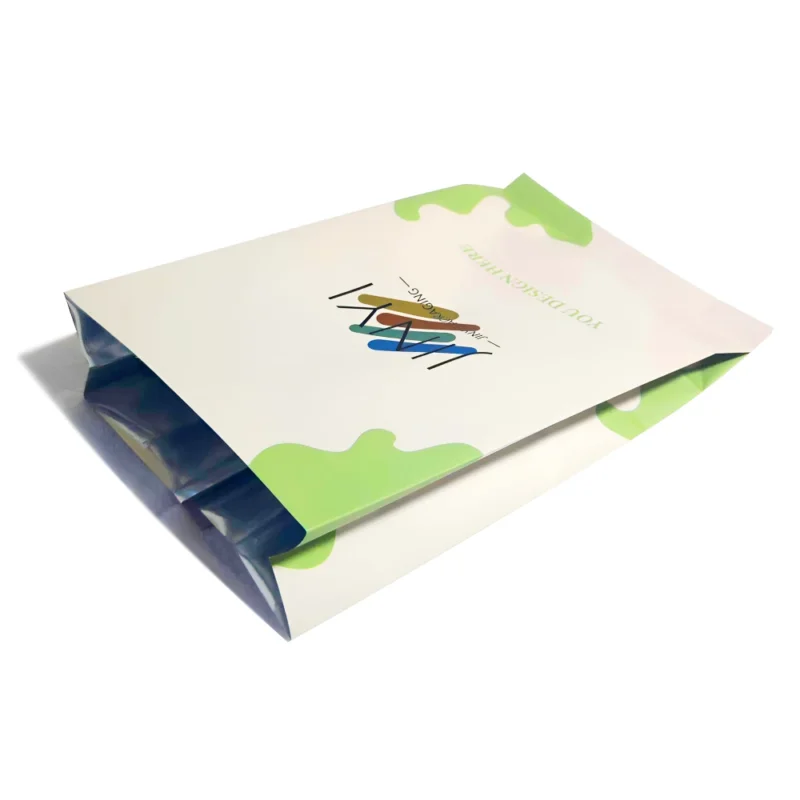
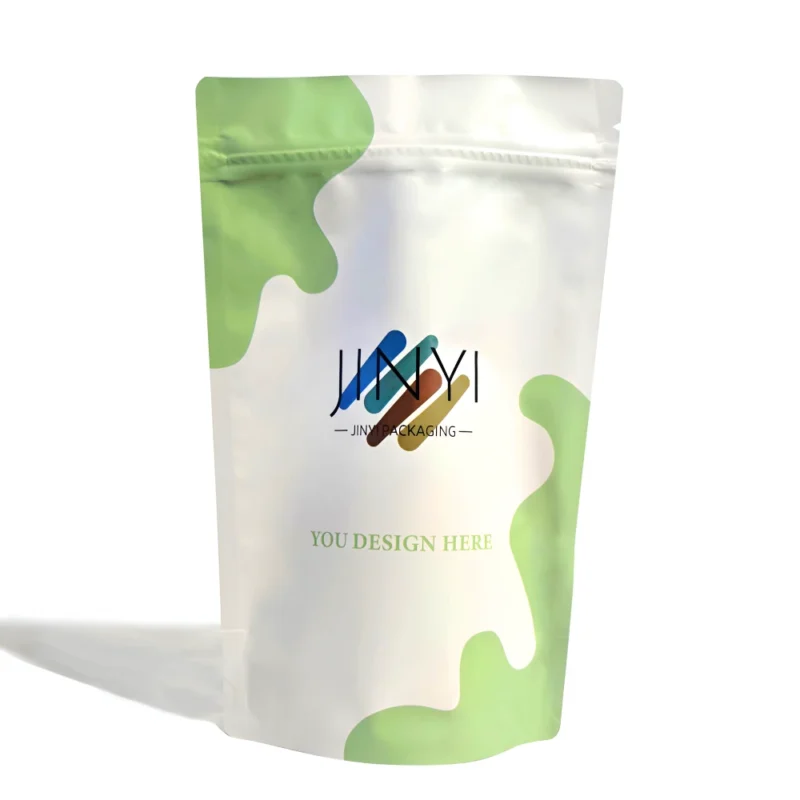
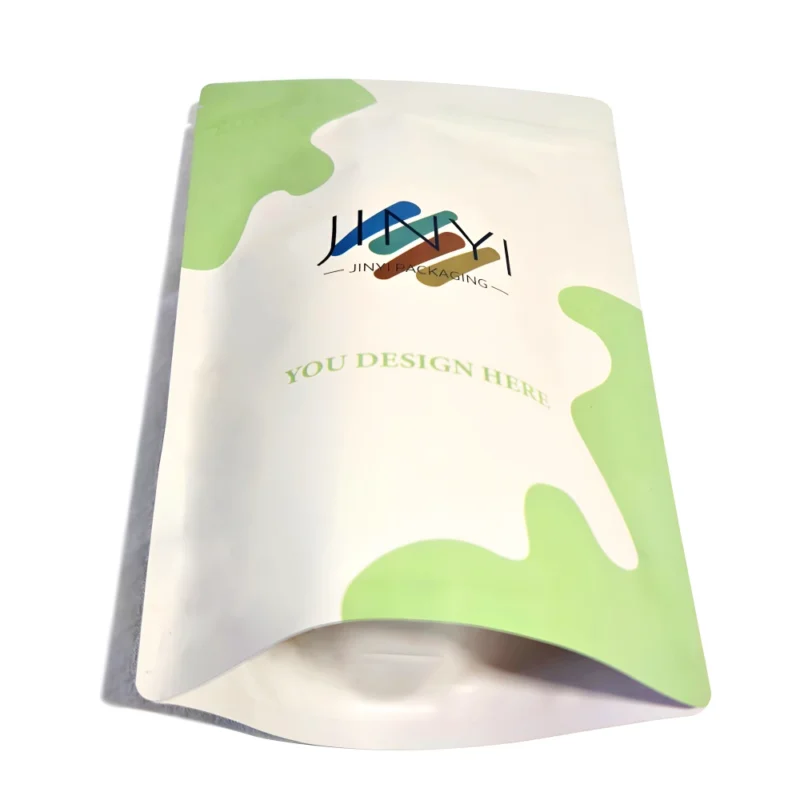
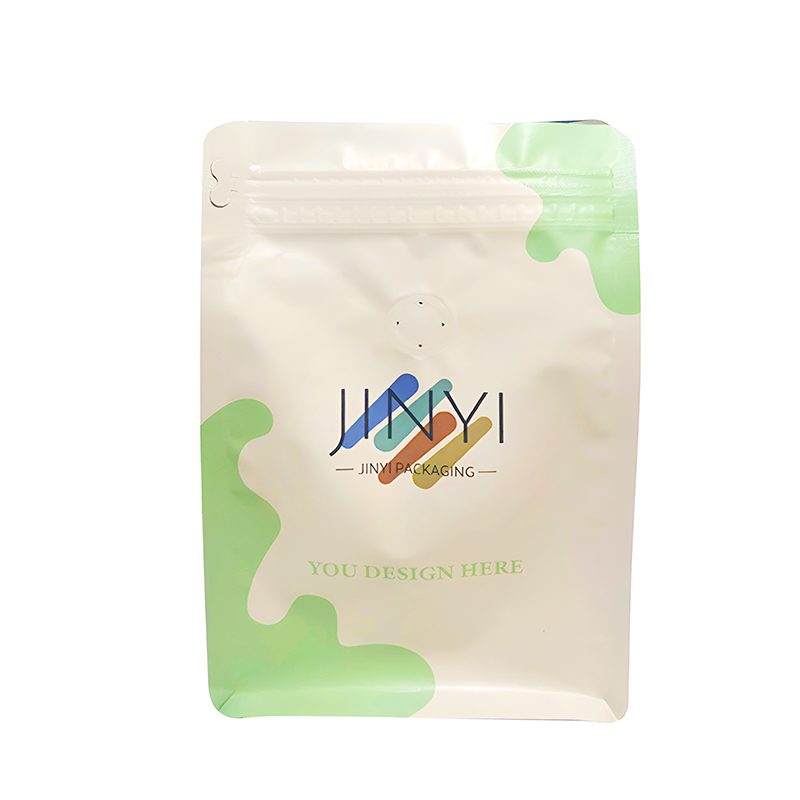
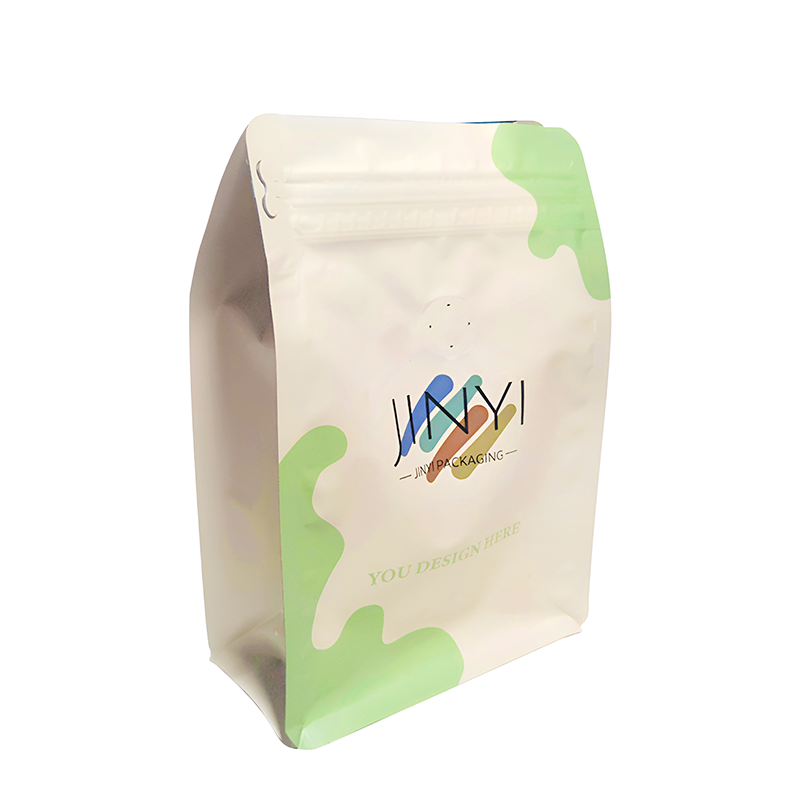
As a flexible packaging manufacturer, we do not judge tea grades or tell consumers what they should taste. We focus on two packaging-side jobs that support repeat purchase. The first job is information clarity. A short, standardized layout helps shoppers find flavor, origin, grade, and one proof anchor without hunting. A clear batch code also reduces support friction because it gives customer service and buyers one shared reference. The second job is experience protection. Tea is sensitive to its environment. If storage and transit conditions degrade aroma or freshness, buyers blame the brand, not the route. Packaging can reduce avoidable loss by supporting reliable sealing, stable handling, and a clean “open and reclose” experience where appropriate. Research on tea beverage packaging has linked transparent packaging to higher purchase intention and trust effects, which supports the broader idea that packaging choices shape perceived credibility and ease of decision. For teams building a tea line that must survive real channels, this food packaging solution overview shows how performance packaging can support consistent shelf and delivery outcomes.
Evidence (Source + Year): Yu et al., transparent packaging, trust, and purchase intention in tea beverages (2025). Liu et al., visual packaging elements and purchase intention (2025).
| Packaging job |
What it prevents |
What to implement |
| Clarity |
Misreading and confusion |
3-second fields + one proof anchor |
| Protection |
Experience degradation blamed on brand |
Stable sealing and handling outcomes |
| Serviceability |
Support friction and disputes |
Batch code that can be referenced |
Conclusion
Premium tea earns repeat purchase when signals are fast to read, easy to verify, and consistent across channels. Reduce confusion, add one proof anchor, and protect the experience.
Talk to JINYI about packaging that supports trust signals and stable delivery
FAQ
1) What does “premium” mean for tea buyers who do not read long descriptions?
Premium often means “low risk”: clear category, credible origin signal, and a product that performs consistently after delivery.
2) How should a tea brand explain grade without insulting the buyer?
A single neutral sentence works: “Grade describes leaf style or sorting. It is not a direct guarantee of taste.”
3) What is one proof anchor a brand can use without overwhelming the label?
A single anchor can be a traceable batch code, a GI reference, or one third-party certification. One strong anchor is better than many weak claims.
4) Why do buyers repurchase some teas but only try others once?
Repeat purchase grows when expectations match the cup and when the buyer can understand the product quickly the second time.
5) How can packaging support trust without turning into a sales pitch?
Packaging supports trust by making key signals readable and by reducing avoidable damage from handling, storage, and delivery.
My Role
About Us
Brand: Jinyi
Slogan: From Film to Finished—Done Right.
Website: https://jinyipackage.com/
Our Mission:
JINYI is a source manufacturer specializing in flexible packaging. We aim to deliver reliable, practical packaging so brands reduce communication costs, receive predictable quality, and get packaging that performs on shelf, in transit, and at end use.
About Us:
JINYI is a source manufacturer specializing in custom flexible packaging solutions, with over 15 years of production experience serving food, snack, pet food, and daily consumer brands.
We operate a standardized manufacturing facility equipped with multiple gravure printing lines as well as advanced HP digital printing systems, allowing us to support both stable large-volume orders and flexible short runs with consistent quality.
From material selection to finished pouches, we focus on process control, repeatability, and real-world performance. Our goal is to help brands reduce communication costs, achieve predictable quality, and ensure packaging performs reliably on shelf, in transit, and at end use.