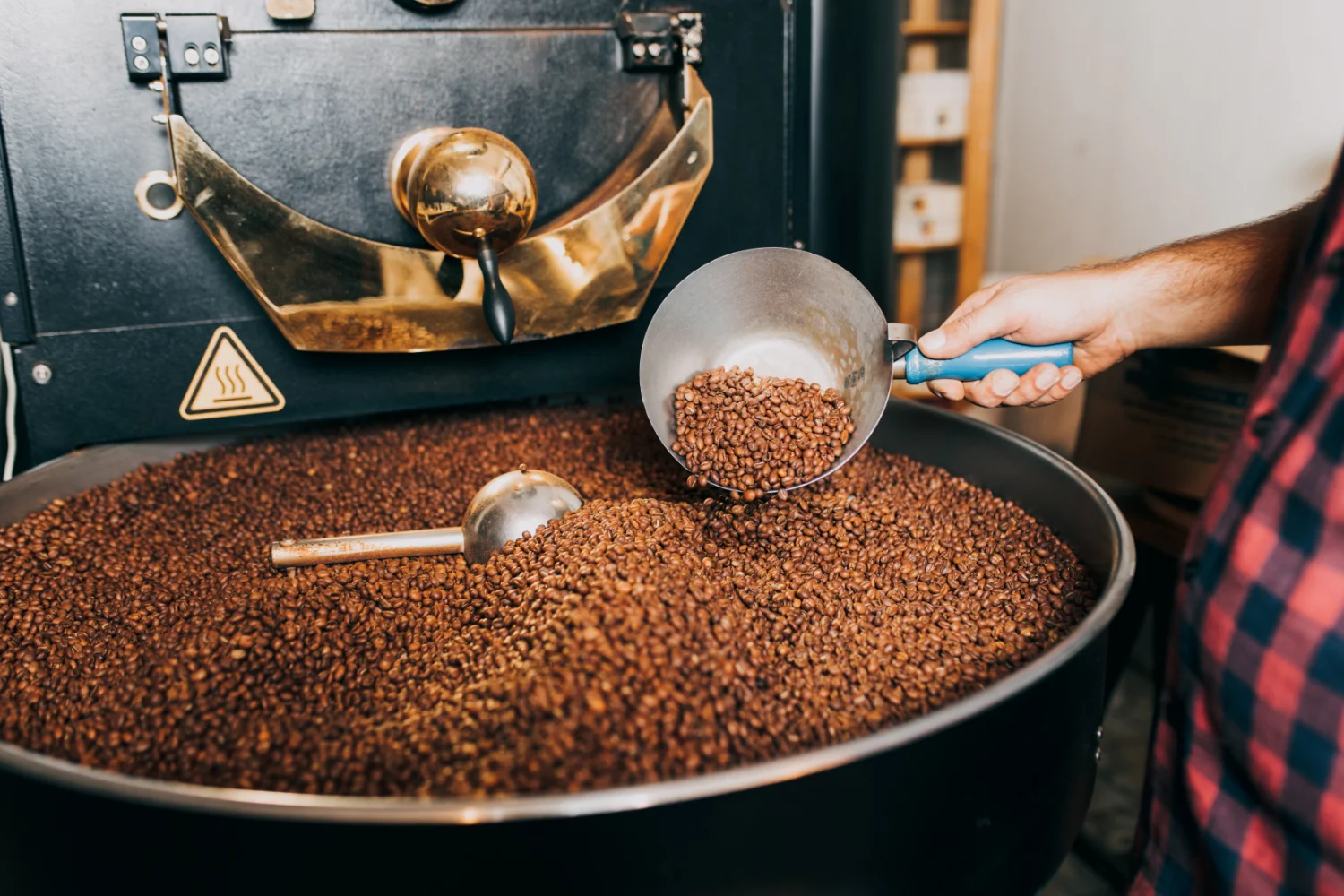
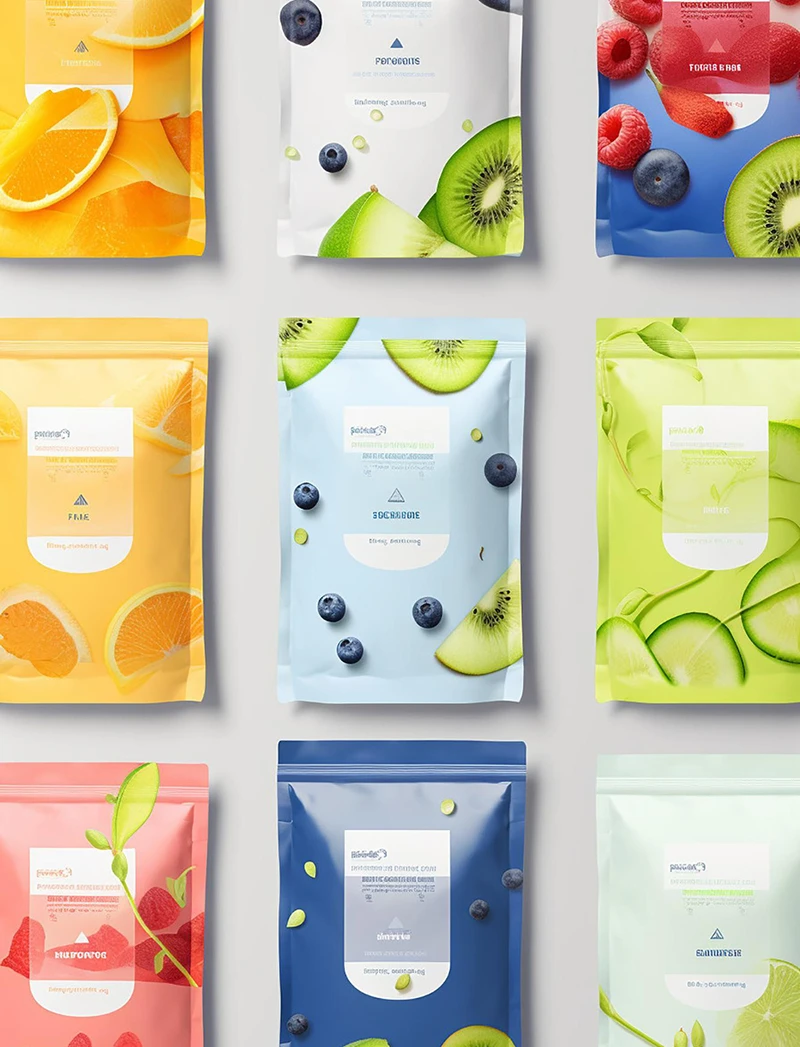
The problem is not your roast. The problem is the map. Origins shift, routes stretch, and the cup changes before you can explain it.
I see coffee taste changing because “origin” now includes year, logistics, and climate risk. If your brand keeps hearing “less aroma” or “more sour,” start by mapping the chain—and use a system that reduces freshness loss (see how I approach food packaging performance for real-world shipping).

In the past, I could explain flavor differences with a simple story: origin, variety, process, and roast. Today, that story is incomplete. The same label can taste different because the geography of coffee has become a moving target—on farms and on ships.
Is coffee “getting worse,” or are time and geography moving under our feet?
People blame the beans. I blame the coordinates. When timelines drift, taste drifts, and the customer thinks you failed.
My answer is simple: coffee flavor now behaves like a multi-variable equation—origin × year × route × arrival window—so stability requires managing the chain, not defending the roast.
What “new geography” looks like in practice
When I audit complaints, I rarely find one single cause. I usually find a stacked pattern: later arrivals, hotter storage, and more humidity exposure. That combination speeds aging and thins aroma. This is why two batches with the same origin note can land differently in the cup. On the production side, global volumes stay massive, but the stability inside those volumes is the real issue. For reference, the International Coffee Organization (ICO) estimated world coffee consumption rebounding to about 177 million 60-kg bags in 2023/24, which tells me demand pressure does not disappear when supply gets shaky. The solution is not heroic roasting. It is building a repeatable system that anticipates drift.
| What moved |
What customers taste |
What I check first |
| Arrival window |
“Not as fragrant” |
Roast-to-shelf days |
| Heat + humidity cycles |
“Flat, papery” |
Warehouse + last-mile conditions |
| Route changes |
“Inconsistent” |
Transit time variance |
How does origin volatility rewrite the “stable flavor formula” you think you have?
Brands expect repeatable notes. Nature does not sign that contract. The gap shows up as “quality drop” in reviews.
My answer: even with the same farm story, year-to-year shifts in rainfall and temperature widen the flavor range, so stability comes from sourcing strategy and blending discipline, not fixed recipes.
Why “same origin” is no longer the same output
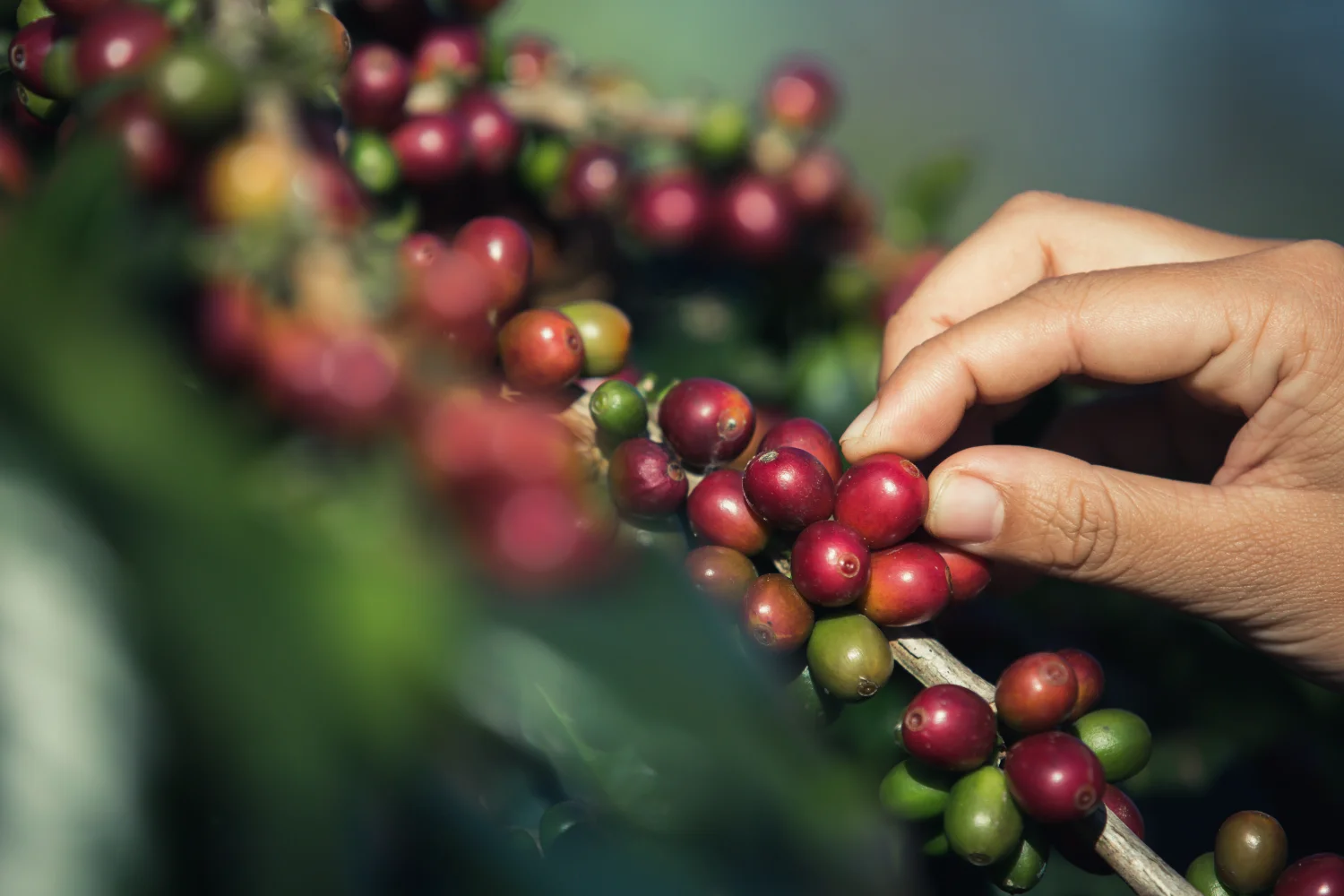
I treat origin like a probability range, not a guarantee. Small shifts in flowering timing, rainfall, and heat change cherry development. That changes density, moisture, and how sugars and acids show up after roasting. A stable brand experience now depends on how you absorb that variability: multi-origin options, pre-approved substitutes, and blend “tuning” rules. On the climate side, the research community has been warning about shrinking suitability for Arabica in many regions. For example, World Coffee Research summarizes findings that project major reductions in land suitable for Arabica by mid-century in some scenarios, and academic reviews report significant regional losses across producing countries. I do not use these numbers to scare customers. I use them to justify why consistency must be engineered, not wished into place.
| Volatility driver |
What it changes |
How I stabilize |
| Rain/heat shifts |
Acid/sweet balance |
Blend guardrails |
| Harvest timing drift |
Density & roast response |
Lot-level profiling |
| Quality spread widens |
Flavor “anchor” drifts |
Approved alternates |
Why do shipping delays change coffee’s “chemical time,” not just the delivery date?
Delays feel like logistics. In the cup, they feel like aging. Customers do not forgive “late.” They punish “less aroma.”
My answer: delay plus temperature and humidity cycling accelerates aroma loss and oxidation, so the coffee arrives older than the calendar says.
What delay really does to roasted coffee
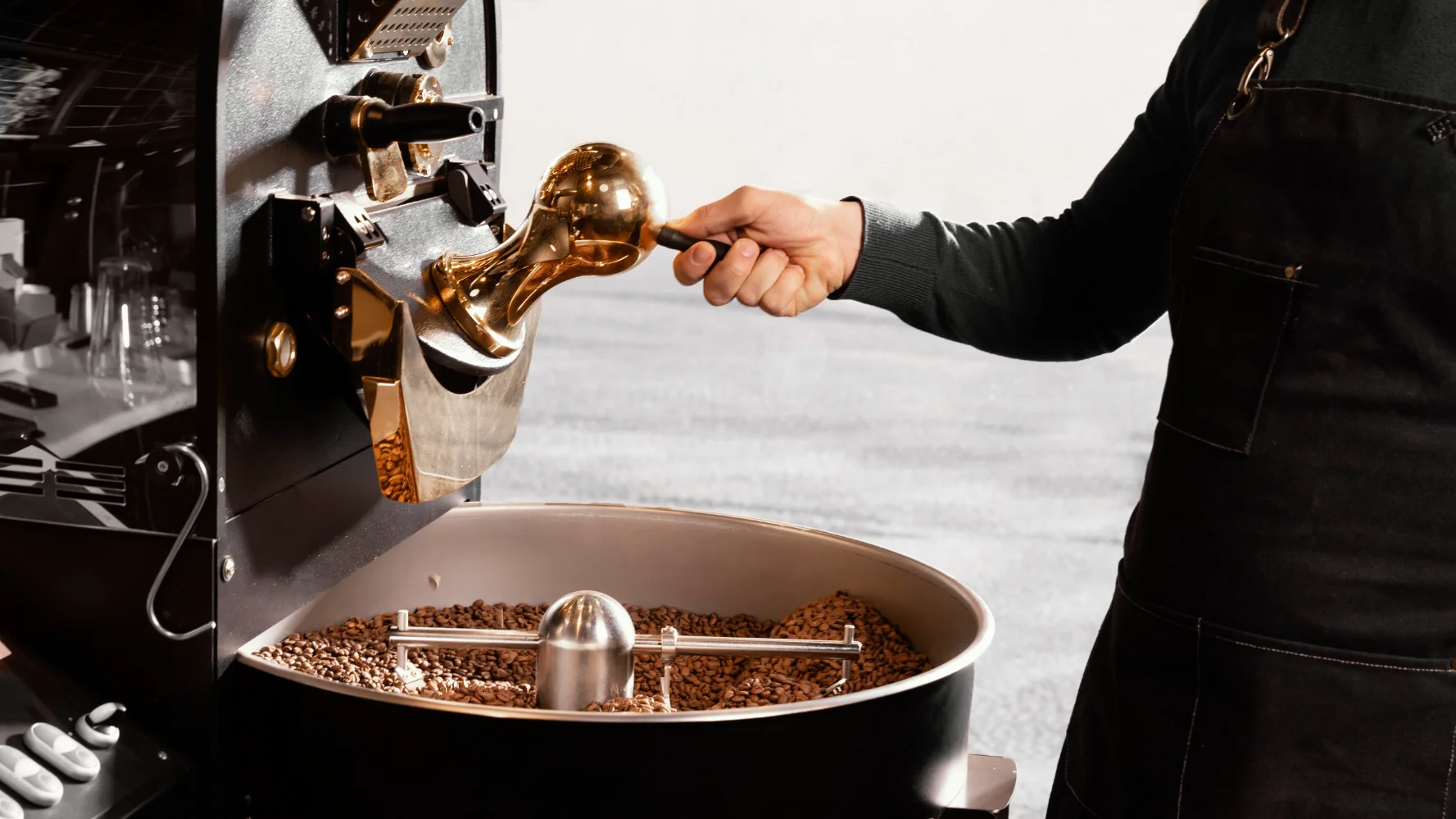
I focus on variance, not averages. A route that is “usually” 18 days but sometimes 35 days creates a taste problem, because the product is not living inside one predictable window. The key risk is not one hot afternoon. It is repeated heat swings plus moisture exposure. These conditions increase aroma loss and can increase the chance of off-notes. The Specialty Coffee Association has discussed how temperature affects freshness dynamics, including degassing behavior, which matters because faster degassing can mean faster loss of volatile compounds. On the shipping system side, UNCTAD’s Review of Maritime Transport described how port time and logistics constraints worsened delays in recent years, and it documented extreme freight-rate volatility peaking around early 2022. I do not need perfect data to act. I just need to assume variance is real and build around it.
| Delay pattern |
Typical complaint |
Operational fix |
| Long tail delays |
“Tastes dull” |
Shorter shelf allocation |
| Hot route weeks |
“Papery/woody” |
Route-risk SKU planning |
| Humidity exposure |
“Odd smell” |
Storage discipline |
How is climate risk pushing specialty coffee from “score logic” to “risk pricing logic”?
Brands chase top notes. Climate forces tradeoffs. If you ignore risk, your costs jump and your taste drifts anyway.
My answer: climate adds instability in yield, quality spread, and price swings, so “best” becomes “repeatable within a verified range.”

What changes in decision-making
I notice a quiet shift in buying behavior. More teams now pay for predictability, not just peak cupping scores. Climate-linked volatility can widen the gap between “great lots” and “acceptable lots,” and that forces brands to decide what they are truly selling: a seasonal discovery, or a consistent experience. IPCC regional assessments and multiple studies discuss impacts on suitability and yields in parts of the coffee belt. I do not treat those sources as a forecast for one farm. I treat them as a signal that variability will keep rising. That pushes risk into every layer: planning inventory, setting a flavor promise, and deciding when to lock contracts. In my view, the winners will communicate reality with confidence: they will explain seasonal differences as transparency, while still protecting the customer experience with guardrails.
| Old specialty habit |
New constraint |
New habit |
| Chase peak lots |
Quality spread widens |
Build a stable core blend |
| Fixed tasting notes |
Flavor anchors drift |
Define acceptable ranges |
| One-source confidence |
Origin shocks |
Multi-origin resilience |
Why are “more bitter, more sour, more thin” becoming global complaints?
Consumers do not know logistics. They know disappointment. They describe it as bitter, sour, or weak—and they stop trusting you.
My answer: customers track aroma intensity, sweetness, and clean finish, so aging, roast compensation, and brewing variance stack into the same three complaints.
How channels amplify different failures
When supply chains get messy, taste problems cluster. Retail stretches shelf time, so aroma thins first. E-commerce adds handling and compression risk, so you also see more “it arrived different” feedback because physical stress can affect perceived freshness and how people dose and brew. Foodservice adds another layer: the same coffee can taste “sharp” when it is brewed too hot or too fast, and operators may change recipes to compensate for drift. That is why one batch can generate mixed reviews across channels. I always separate “product aging” from “brewing noise,” then I decide what the brand should control first. This is also where I like setting a clear “best flavor window” by channel. If the channel cannot respect the window, the brand should change the plan, not argue with reviews.
| Channel |
What gets amplified |
What I standardize |
| Retail |
Long shelf time |
Stock rotation rules |
| E-commerce |
Transit stress + delay |
Route-aware SKU strategy |
| Foodservice |
Recipe drift |
Brew SOP + feedback loop |
How do strong brands respond without “hero roasting” or endless excuses?
Some teams try to save everything at the roaster. That is expensive and unstable. Systems beat heroics.
My answer: build resilience across sourcing, roasting margin, and channel rules—and connect it to performance packaging when routes are rough (see my framework for reducing freshness loss and shipping damage in food packaging).
The stability stack I trust
I use a three-layer approach. First, procurement: diversify origins, keep approved substitutes, and document lot tiers so “quality spread” does not surprise the sales team. Second, production: design roast curves with margin, not at the edge of development, because edge profiles break when green characteristics drift. Third, channels: define shelf rules and returns logic, because “best flavor window” is a business decision, not a romantic idea. This is where brands build a new story: we do not promise every bag tastes identical forever; we promise each batch stays inside a verified range and we tell you what that range is. That message feels honest, and it protects trust when nature and logistics refuse to cooperate.
| Layer |
Tool |
Outcome |
| Procurement |
Approved alternates |
Less flavor shock |
| Roasting |
Margin-based profiles |
More repeatability |
| Channels |
Window + rotation |
Fewer complaints |
What three “verifiable signals” keep flavor drift from becoming brand distrust?
Customers forgive variation. They do not forgive silence. If you cannot prove control, reviews will define you.
My answer: clearer batch info, channel-specific handling rules, and simple education that helps people tell “stale” from “different.”
Signals I look for before I call a brand “stable”
I do not start with prettier tasting notes. I start with proof. Signal one is batch clarity: arrival, roast date, storage guidance, and a realistic best-by window. Signal two is channel discipline: e-commerce and retail should not share the same assumptions, because their stress profiles differ. Signal three is education: teach customers what freshness loss tastes like, using plain language. This is not marketing fluff. It is complaint prevention. The SCA has published multiple discussions on freshness and how storage conditions impact flavor outcomes, and those ideas become powerful when translated into a brand’s own simple rules. In my experience, this approach reduces “you changed the coffee” accusations, because you give people a framework that matches what they taste.
| Signal |
What it includes |
What it prevents |
| Batch clarity |
Dates + storage |
Confusion reviews |
| Channel rules |
Rotation + handling |
Variance spikes |
| Education |
Fresh vs stale cues |
Trust erosion |
When uncertainty rises, what role should packaging play without becoming a sales pitch?
Brands over-talk materials and under-talk risk. Then logistics eats the aroma and everyone argues about “quality.”
My answer: I treat packaging as a risk buffer that reduces oxygen, moisture, odor pickup, and transit damage—so shipping variance shows up less in the cup.
Packaging as a buffer, not a headline
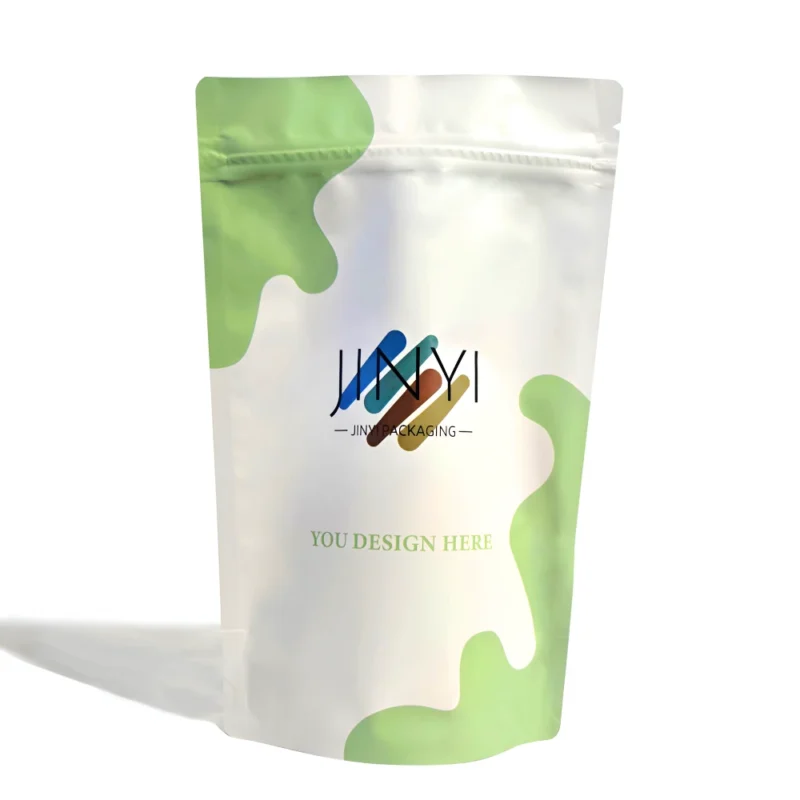
I do not position packaging as “premium.” I position it as protection against variance. When routes are longer and hotter, the goal is to reduce the pathways that flatten flavor: oxygen ingress, moisture exposure, and odor contamination, plus physical stress that changes how customers store and brew. In coffee, small design choices can matter, like reliable sealing systems, stable barriers, and one-way valves that release CO₂ while limiting oxygen entry. Even mainstream consumer education explains why valve bags exist: degassing needs an exit, but oxygen should not get an entrance. I keep this section short on purpose because Academy is not a materials encyclopedia. My point is practical: if your chain is volatile, packaging performance is not decoration. It is part of how you defend taste consistency at scale.
| Risk |
What I prioritize |
Why it matters |
| Oxygen |
Barrier + seal control |
Slower staling |
| Moisture/odors |
Odor resistance |
Cleaner finish |
| Transit stress |
Durability + structure |
Less damage variance |
Conclusion
Coffee tastes different because the chain is different. If you want repeatable flavor, manage volatility across origin, logistics, and protection—then let your system speak.
Talk to JINYI about reducing freshness loss in real routes
FAQ
1) Why does the same origin taste different month to month?
Because “origin” now includes year effects, shipping variance, and storage conditions. A stable cup needs guardrails, not just a fixed label.
2) Are shipping delays really noticeable in taste?
Yes, especially when delays come with heat and humidity cycling. Aroma loss and oxidation risks rise, and customers describe it as “flat” or “less fragrant.”
3) How should I communicate batch variation without sounding defensive?
Use verified signals: clear batch dates, realistic best flavor windows, and plain-language freshness education. Transparency builds trust faster than perfect notes.
4) What is the biggest mistake brands make during volatility?
They try to fix everything at the roaster. Systems across sourcing, channel rules, and protection reduce variance more reliably.
5) When should packaging changes be considered?
When route variance rises, shelf time stretches, or you see repeat complaints about “less aroma” and inconsistency. Packaging should buffer risk, not become the headline.
My Role
About Me
Brand: Jinyi
Slogan: From Film to Finished—Done Right.
Website: https://jinyipackage.com/
Our Mission:
JINYI is a source manufacturer specializing in flexible packaging. I want to deliver packaging solutions that feel reliable, usable, and practical, so brands spend less time explaining and more time scaling with stable quality, clear lead times, and structures that fit the product.
About Me:
JINYI is a source manufacturer specializing in custom flexible packaging solutions, with over 15 years of production experience serving food, snack, pet food, and daily consumer brands.
We operate a standardized manufacturing facility equipped with multiple gravure printing lines as well as advanced HP digital printing systems, allowing us to support both stable large-volume orders and flexible short runs with consistent quality.
From material selection to finished pouches, we focus on process control, repeatability, and real-world performance. Our goal is to help brands reduce communication costs, achieve predictable quality, and ensure packaging performs reliably on shelf, in transit, and at end use.
JINYI’s positioning is “one-stop factory from material to finished pouches.” I care more about control and consistency, so I manage sampling, production, and QC with standardized processes. For me, packaging is not only the bag. It must work in your channel, survive shipping, and stay easy at end use.