Pet owners want one fast answer: “Is this safe and right for my pet?” But labels often give three fast words that feel clear and act confusing.
The “label literacy crisis” happens when marketing-style terms replace clear definitions. In a low-attention aisle, shoppers use quick shortcuts, misread key claims, and then blame the brand when real-life feeding does not match the promise.
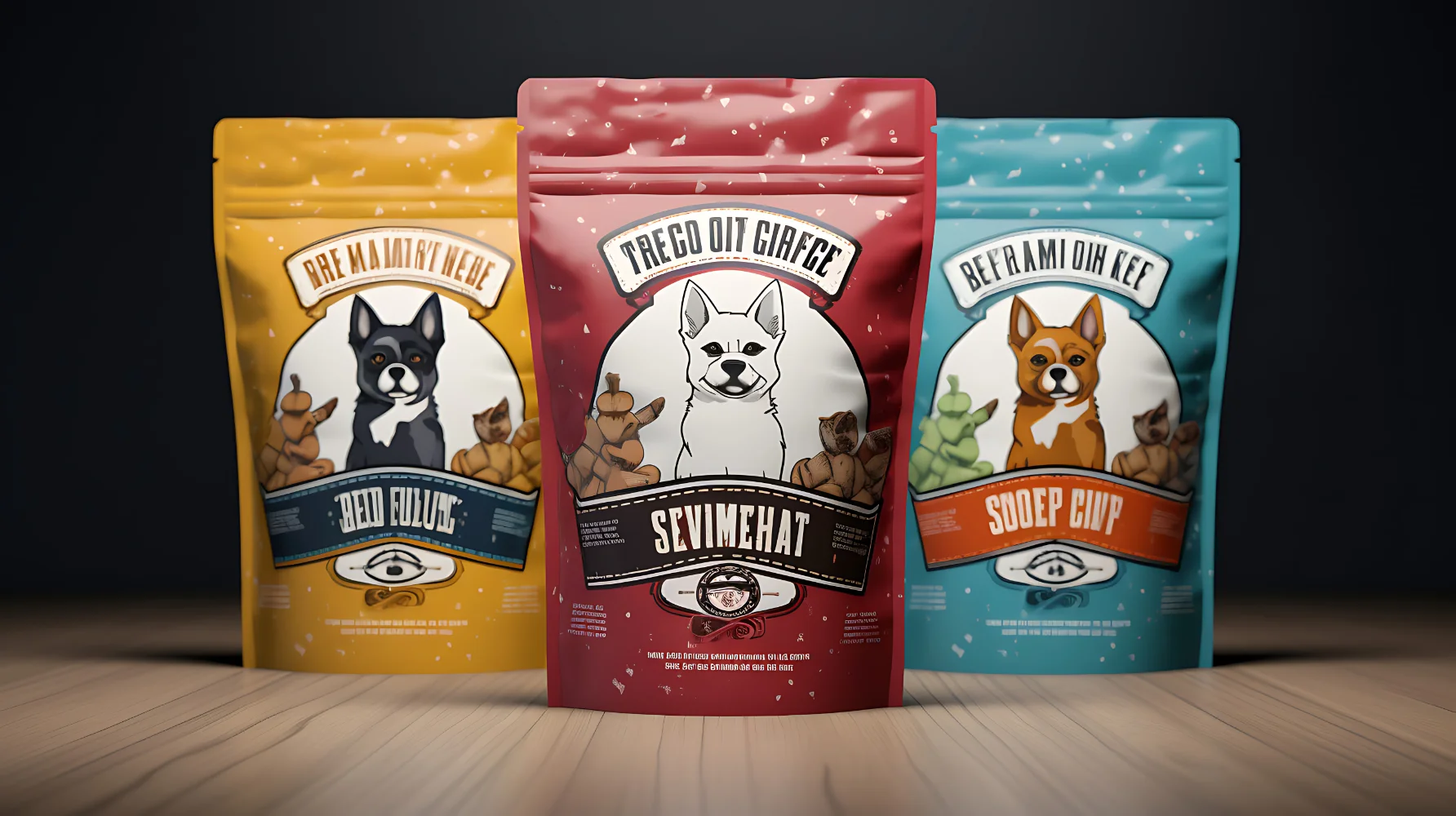
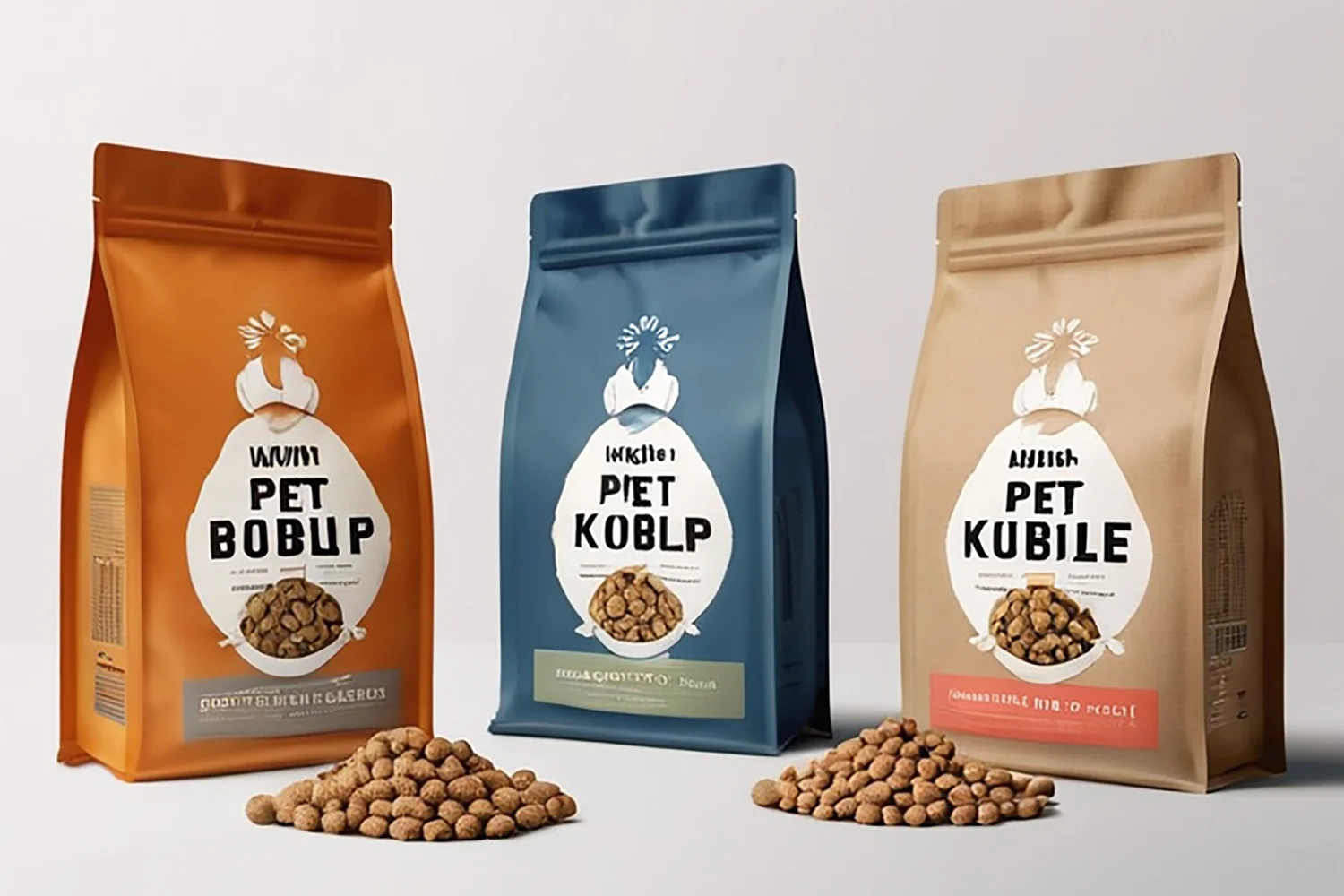
See how pet food packaging can carry clearer, verifiable label signals.

In practice, the crisis is not “consumers being lazy.” It is a systems problem: words travel faster than definitions. The gap between what a term legally means and what a shopper assumes becomes a repeat-purchase problem.
What is the “Label Literacy Crisis,” and why does it reduce repeat purchase?
Pet food labels compress complex nutrition and safety topics into short phrases. That compression is useful, but it becomes risky when the phrase feels like a guarantee and is read like a medical promise.
The crisis is a mismatch between language and mental models. Shoppers often treat claims as universal truths (“works for all dogs”) instead of conditional information (“applies to this life stage” or “describes a formula choice”). The result is predictable: misread term → wrong product choice → unstable feeding experience → “this brand can’t be trusted” → brand switching.
How the trust chain breaks
| What the shopper thinks |
What the label actually provides |
What fails in real life |
| A guarantee about health outcomes |
A regulated or semi-standardized claim |
Expectation vs. experience mismatch |
| A universal rule (“always better”) |
A conditional signal (life stage, formula, purpose) |
Wrong fit for the pet’s needs |
Evidence (Source + Year): FDA explains that animal food labels and claims are part of regulated “labeling” and must support safe and effective use (FDA, 2025). AVMA reports AAFCO adopted consumer-friendly labeling guidelines to improve clarity (AVMA, 2023).
Why are pet food terms misread more than in many other categories?
Pet food sits at a tough intersection: high emotion, low pre-purchase verification. Owners care deeply, but they cannot test nutritional adequacy or long-term tolerance in the store. That pushes decision-making toward quick cues.
At the same time, labels compete in a crowded field of similar-sounding claims: natural, holistic, functional, limited, grain-free. Under time pressure, shoppers use heuristics. They map a word to a simple story: “complete” means safest, “grain-free” means healthier, “limited” means hypoallergenic. Those stories are not always wrong, but they are often incomplete. The brand then pays the cost when the pet’s stool, coat, appetite, or energy does not match the assumed promise.
A practical test: can the term answer the shopper’s real questions?
| Shopper question |
What the label should show quickly |
| Is it safe to feed as a main diet? |
Nutritional adequacy statement + intended use |
| Is it right for my pet? |
Life stage + feeding directions + boundaries |
| Will it be stable over time? |
Clear storage/handling guidance + consistency cues |
Evidence (Source + Year): AAFCO notes that feeding directions for a complete and balanced food must specify amounts for the animal’s life stage (AAFCO, 2023).

Why is “Complete & Balanced” the most misunderstood phrase on the bag?
“Complete & balanced” sounds like a universal guarantee. Many shoppers read it as “good for every dog, always.” Others read it as “premium.” Both readings skip the key detail: it is a nutritional adequacy signal tied to intended use and life stage.
When the phrase appears in the nutritional adequacy statement, it signals the product is intended to be fed as the pet’s sole diet and should be nutritionally balanced. The life stage matters. “Adult maintenance” is not “growth and reproduction,” and “all life stages” is not automatically the best choice for every household. Misreading creates a repeat-purchase trap: the first buy feels safe, but the ongoing feeding result may not match the pet’s needs, so owners switch brands rather than adjust the interpretation.
Make life stage visible, not implied
| Life stage claim |
What it usually means |
Common shopper misread |
| All life stages |
Meets needs across stages |
“Best” for everyone |
| Adult maintenance |
Designed for adult upkeep |
“Not complete” |
| Growth & reproduction |
Higher needs for puppies/pregnancy |
“More nutrition = always better” |
Evidence (Source + Year): FDA states that if the adequacy statement includes “complete and balanced,” the product is intended as a pet’s sole diet and should be nutritionally balanced (FDA, 2020). AAFCO explains feeding directions must specify amounts for the animal’s life stage (AAFCO, 2023).
Why does “Grain-Free” become a default “healthy” shortcut, even when it should be conditional?
“Grain-free” is a formula choice, not a health passport. Yet it often becomes a moral label in the aisle: grain-free equals cleaner, safer, more natural. That shortcut forms because it is easy to remember, easy to share, and easy to market.
The problem is not that a grain-free diet can never be appropriate. The problem is that the claim is frequently read as universally beneficial. Public discussion has also linked some reported cases of non-hereditary canine dilated cardiomyopathy (DCM) with certain diets, including many labeled grain-free, which increased fear-based decision-making. Over time, the science and the communication both became complicated, and shoppers were left with a simple takeaway: “grain-free is risky” or “grain-free is superior.” Both extremes reduce label literacy. Brands then see unstable repeat behavior: trial spikes, loyalty drops, and returns or complaints rise when owners feel misled.
Replace value language with fit language
| What the claim invites |
What the brand should say instead |
| “Healthier for all dogs” |
“A formula option; consult your vet for sensitivities” |
| “Grains are bad fillers” |
“Ingredients should be evaluated by total formula and suitability” |
Evidence (Source + Year): FDA’s DCM investigation page notes it continues to gather information on a potential dietary link to non-hereditary DCM (FDA, updated page). FDA’s Q&A states reports have included both grain-free and grain-containing diets, and many reported diets had non-soy legumes/pulses high in ingredient lists (FDA, 2024). AVMA reports FDA planned to end routine public updates on the investigation until more meaningful science is available (AVMA, 2023).
Why does “Limited Ingredient” get treated like a medical guarantee?
“Limited ingredient” sounds clinical. Many owners read it as “hypoallergenic” or “safe for allergies.” In reality, it is a formulation strategy that reduces the number of variables, which can help owners and veterinarians narrow down sensitivities. That is not the same as diagnosing, treating, or preventing an allergy.
The misread happens because the phrase is short, the problem is emotional, and the buyer wants certainty. When the pet still itches, vomits, or has diarrhea, the owner often concludes the brand lied. This is where repeat purchase breaks down: the label made a promise in the shopper’s mind that the brand never explicitly made. A clearer system is to attach a standard boundary sentence next to the claim and keep it consistent across packaging and product pages. The claim can stay, but it needs guardrails so the shopper does not turn it into a medical narrative.
A one-sentence boundary that protects trust
| Claim |
Boundary sentence |
What it prevents |
| Limited Ingredient |
Designed to reduce variables, not to diagnose or treat allergies. |
“You promised it would fix my pet” |
Evidence (Source + Year): AAFCO provides consumer resources on reading labels and a labeling guide explaining how claims function and why clarity matters (AAFCO, 2023).
How can brands fix the crisis with “3-second reading + 1 proof anchor”?
Premium does not require more words. Premium requires better structure. A practical repair is to standardize the first three seconds of reading and then provide one proof anchor that can be checked.
In practice, “3-second reading” means a fixed order on the package front and the product page: intended species and life stage, what the claim means, and what it is not. The “proof anchor” should be one thing, not five. It can be a clear nutritional adequacy statement for complete diets, a batch/lot code that customer service can confirm, or a standardized nutrition facts format when available. This approach reduces misreads because it aligns the shopper’s mental model with the claim’s real scope. It also supports repeat purchase because the second buy becomes easier than the first. The shopper does not need to relearn the brand’s language.
A simple template brands can reuse everywhere
| 3-second block |
What to show |
Example |
| Intended use |
Life stage + purpose |
Adult maintenance / large breed |
| Claim meaning |
One-line definition |
“Grain-free is a formula choice” |
| What it is NOT |
One-line boundary |
“Not a treatment claim” |
| Proof anchor |
One checkable signal |
Adequacy statement or batch/lot code |
Evidence (Source + Year): AAFCO’s Pet Food Label Modernization aims to make labeling more transparent and easier to understand (AAFCO PFLM, 2015–ongoing; updates approved 2023). AVMA reports AAFCO’s consumer-friendly guidelines include standardized nutrition info, clearer ingredients, and handling/storage instructions (AVMA, 2023).
What role can packaging play without pretending to be a nutrition authority?
As a flexible packaging manufacturer, we do not judge nutrition claims. We focus on whether the label system can be read, trusted, and delivered intact from warehouse to bowl.
Packaging supports label literacy in two ways. First, it is an information surface. If the adequacy statement, life stage, and storage guidance are visually buried, shoppers will fill the gap with assumptions. Second, it is an experience stabilizer. If the bag scuffs, leaks odor, picks up moisture, or arrives damaged, owners often blame the recipe, not the logistics. That misattribution destroys trust faster than any paragraph of brand storytelling can repair. A “label clarity checklist” is a practical bridge: it turns abstract trust problems into checkable design and performance items, such as hierarchy of key statements, legibility in real lighting, and durability through shipping friction.
Explore a packaging checklist that supports clearer claims and more stable at-home experience.
Evidence (Source + Year): AAFCO’s modernization materials emphasize clearer presentation plus handling and storage instructions as part of label improvements (AAFCO PFLM, 2023 materials). AVMA reports these changes are designed to help owners understand what they are buying (AVMA, 2023).
Conclusion
Repeat purchase grows when claims become readable, bounded, and verifiable. Fixing label literacy is less about louder marketing and more about clearer structure and stable delivery.
Contact Jinyi to build clearer, more reliable pet food packaging
FAQ
Is “Complete & Balanced” always the best choice?
No. It signals nutritional adequacy for an intended life stage, but “best” depends on the pet’s needs and feeding context.
Does “Grain-Free” mean a food is healthier?
Not by default. It is a formula choice. Suitability should be discussed with a veterinarian, especially for specific sensitivities.
Does “Limited Ingredient” mean hypoallergenic?
No. It reduces variables, which can help troubleshooting, but it is not a diagnosis or treatment claim.
What is one “proof anchor” a brand can add without clutter?
A clear nutritional adequacy statement for complete diets, or a batch/lot code that customer service can verify, is often enough.
How can packaging reduce “recipe blame” when issues happen?
By keeping key information visible and protecting product experience from moisture, odor leakage, and shipping damage that consumers often misattribute to formula quality.