You ship “silky” and “fast-absorbing,” but shoppers feel sticky, shiny, or pilling in seconds—and they call the brand unreliable.
The texture gap happens when a marketing promise describes one ideal use case, but real-life factors (layering, dose, climate, packaging use, and skin differences) shift spread, friction, dry-down, and residue—so the same formula feels inconsistent.
See how packaging usability and barrier choices reduce “texture gap” risk

Consumers do not audit rheology charts. Consumers validate texture with one application. Brands can close the gap by turning vague feel-words into measurable sub-promises, clear boundaries, and repeatable delivery conditions.
Why is skincare so vulnerable to “instant-verifiable” texture trust?
You can explain active ingredients later, but texture is judged now. A shopper decides in 0–10 seconds whether a product drags, pills, or leaves shine. That speed makes “silky” a trust trigger, not a poetic descriptor. A brand usually writes claims as a best-case outcome. A consumer reads claims as a repeatable fact. The mismatch becomes stronger because “fast-absorbing” is often interpreted as “disappears,” while many systems actually change by film formation, solvent evaporation, and surface reorganization. A product can feel dry while still leaving residue, and a product can feel smooth at first while becoming tacky after the volatile phase leaves. This timing effect is why reviews often say “great at first, then sticky,” or “fine alone, pills under sunscreen.” A practical way to diagnose this gap is to map experience on a time axis: 0–10 seconds (spread and drag), 10–60 seconds (dry-down and tack), and 10 minutes (residue, shine, and layering stability). Each window has different drivers, so a single claim cannot cover them unless the brand defines the conditions.
Evidence (Source + Year): Sensory assessment methods and texture vocabularies in cosmetics are reviewed in Pensé-Lhéritier (International Journal of Cosmetic Science, 2015). Emollient sensory attributes can be linked to formulation variables in Parente et al. (Journal of Sensory Studies, 2008).
What does “silky / non-greasy / fast-absorbing” mean when it is testable?
Marketing words become reliable only after they are translated into testable sub-promises. “Silky” usually describes low perceived drag and a stable lubricating feel during spreading. “Non-greasy” usually describes low shine, low oil residue, and low heavy after-feel at rest. “Fast-absorbing” usually describes fast dry-down and a clean touch within a defined time, not a biological claim about absorption into tissue. A brand can reduce confusion by publishing a simple definition and a boundary sentence for each promise. The definition says what the product is expected to do. The boundary says when the claim may not hold, such as heavy dose, humid climate, or layering with a high-silicone primer. This translation also helps internal teams. R&D can design targets. QA can build a consistency plan. Customer support can explain normal variation without sounding defensive. A brand does not need to show lab data to consumers, but the brand should build claims on a repeatable measurement plan so the consumer experience stays aligned with the promise.
| Promise |
Consumers feel |
Mechanism |
What to measure |
| Silky |
Low drag, smooth spread |
Tribology + lubricating film formation |
Friction curve during rub, slip range, sensory drag score |
| Non-greasy |
Low shine, low heavy residue |
Oil phase distribution + evaporation/film + residue |
Tack/adhesion, gloss change, after-feel panel score |
| Fast-absorbing |
Quick dry-down, clean touch |
Volatile loss + film set + structural reorganization |
Dry-down time, touch transfer, time-based feel curve |
Evidence (Source + Year): Links between tactile friction and rheological behavior are discussed in Ciccone et al. (Journal of Rheology, 2022). Cosmetic sensorial assessment approaches are reviewed in Pensé-Lhéritier (International Journal of Cosmetic Science, 2015).
Where does texture “break” most often, and what signals show the cause?
Texture breaks usually follow repeatable patterns, and each pattern has a measurable signature. A common break is “smooth at first, then sticky or shiny,” which often happens when the volatile phase leaves and the remaining polymer or thickener raises tack, or when surface oils reorganize and raise gloss. Another break is pilling under layering. Pilling often appears when a film former or polymer network meets friction and incompatible layers, and the film rolls into particles instead of staying continuous. A third break is “dries fast but stings or feels tight,” which can happen when rapid volatilization concentrates actives or solvents on the surface, or when a user has a compromised barrier. A fourth break is batch-to-batch drift, where the same SKU feels different because droplet size distribution, viscosity window, or shear history changed. A fifth break is storage exposure, where oxygen and light shift odor, color, and after-feel, and the consumer interprets that drift as “the brand changed the formula.” These failure modes become easier to manage when a brand connects complaint words to mechanisms and then to a short verification plan.

Evidence (Source + Year): The EU common criteria require cosmetic claims to be supported by adequate and verifiable evidence and to avoid misleading presentation (Commission Regulation (EU) No 655/2013). The European Commission’s “Technical Document on Cosmetic Claims” (2017) explains practical expectations for substantiation and wording.
How can brands build a “Complaint-to-Cause Dictionary” that reduces repeat-purchase loss?
A complaint dictionary treats review language as diagnostic data. The brand lists the top phrases shoppers use and assigns each phrase a likely mechanism, one stress condition, and one or two measurements. For example, “greasy / shiny / heavy” often links to oil residue and surface reorganization, and the brand can verify it with after-feel scoring and gloss change after 10 minutes. “Sticky / tacky” often links to tack rise after dry-down, and the brand can verify it with tack/adhesion plus a time-based panel score. “Pilling” often links to film formation plus friction and incompatibility, and the brand can verify it by a layering compatibility test with common sunscreen or primer types and a standardized rub protocol. “Doesn’t absorb” often links to dry-down time and residue transfer, and the brand can verify it with a time-to-clean-touch metric and a simple touch-transfer test. This dictionary helps the brand do two things. The brand can fix real formulation or process issues faster. The brand can also explain boundaries clearly, so a consumer does not blame the brand for a misuse scenario that can be prevented with better guidance.
Evidence (Source + Year): Pensé-Lhéritier (International Journal of Cosmetic Science, 2015) summarizes structured approaches to cosmetic sensorial assessment that can support consistent vocabulary and rating protocols.
What “evidence stack” makes texture promises credible without overwhelming consumers?
An evidence stack is not a data dump. An evidence stack is a minimal structure that protects trust. The first layer is a definition sentence. The definition sentence states what “silky,” “non-greasy,” and “fast-absorbing” mean for this product in a measurable way, such as “clean touch within 60 seconds at a pea-sized dose.” The second layer is a boundary sentence. The boundary sentence states when the experience may shift, such as high humidity, heavy dose, or layering with a high-film sunscreen. The third layer is a proof anchor. The proof anchor is one repeatable internal test set that connects instrument checks and panel checks across the time windows. The fourth layer is a consistency plan. The consistency plan lists a few process control points that protect feel, such as viscosity window, droplet size distribution, and set time. This structure reduces the chance that a consumer experiences drift and interprets drift as dishonesty. It also aligns marketing, R&D, and QA so the claim language matches the product reality.
Evidence (Source + Year): ISO 22716:2007 provides guidance on Good Manufacturing Practices for cosmetics, supporting batch consistency and controlled production. Commission Regulation (EU) No 655/2013 sets common criteria for cosmetic claims, including evidence support and honesty.
How can packaging reduce the texture gap without claiming control over the formula?
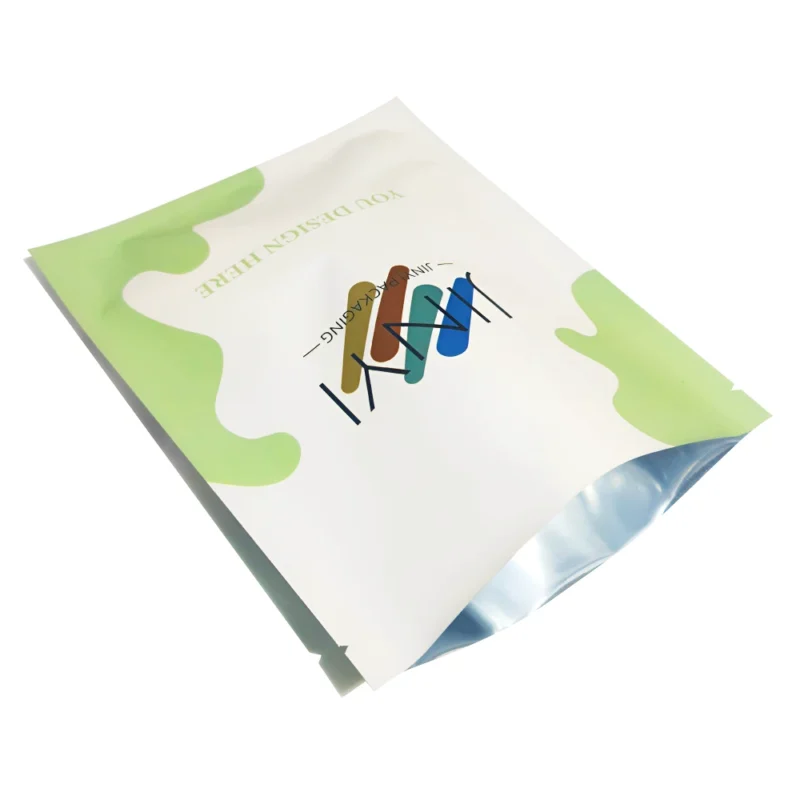
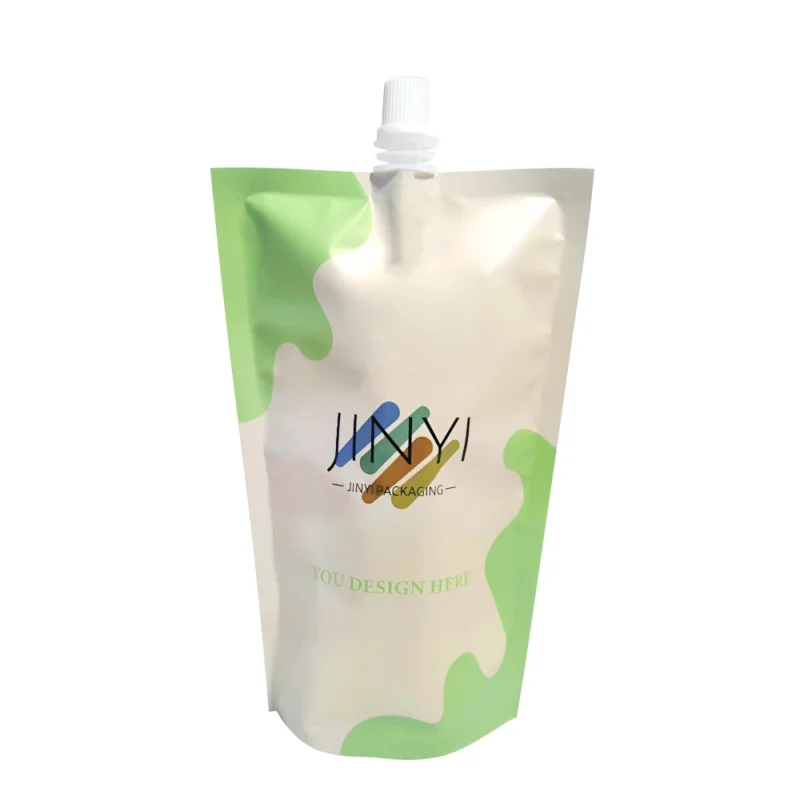
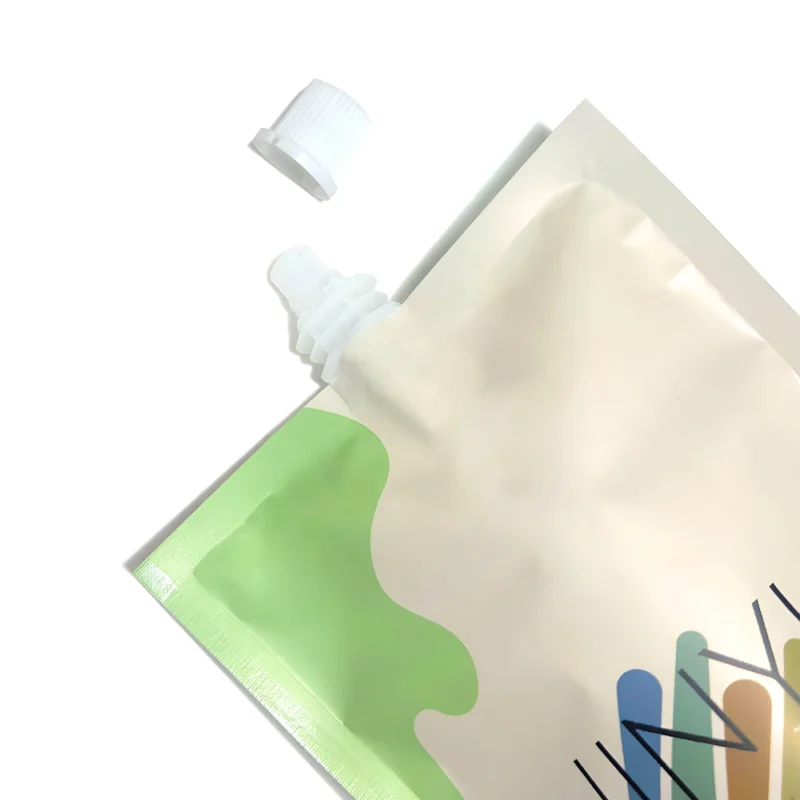
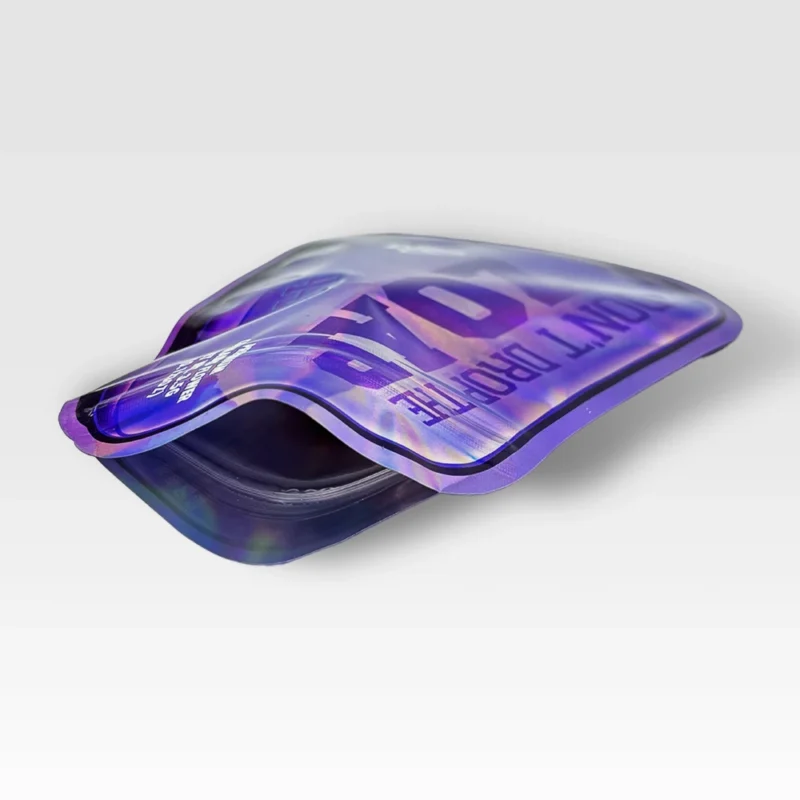
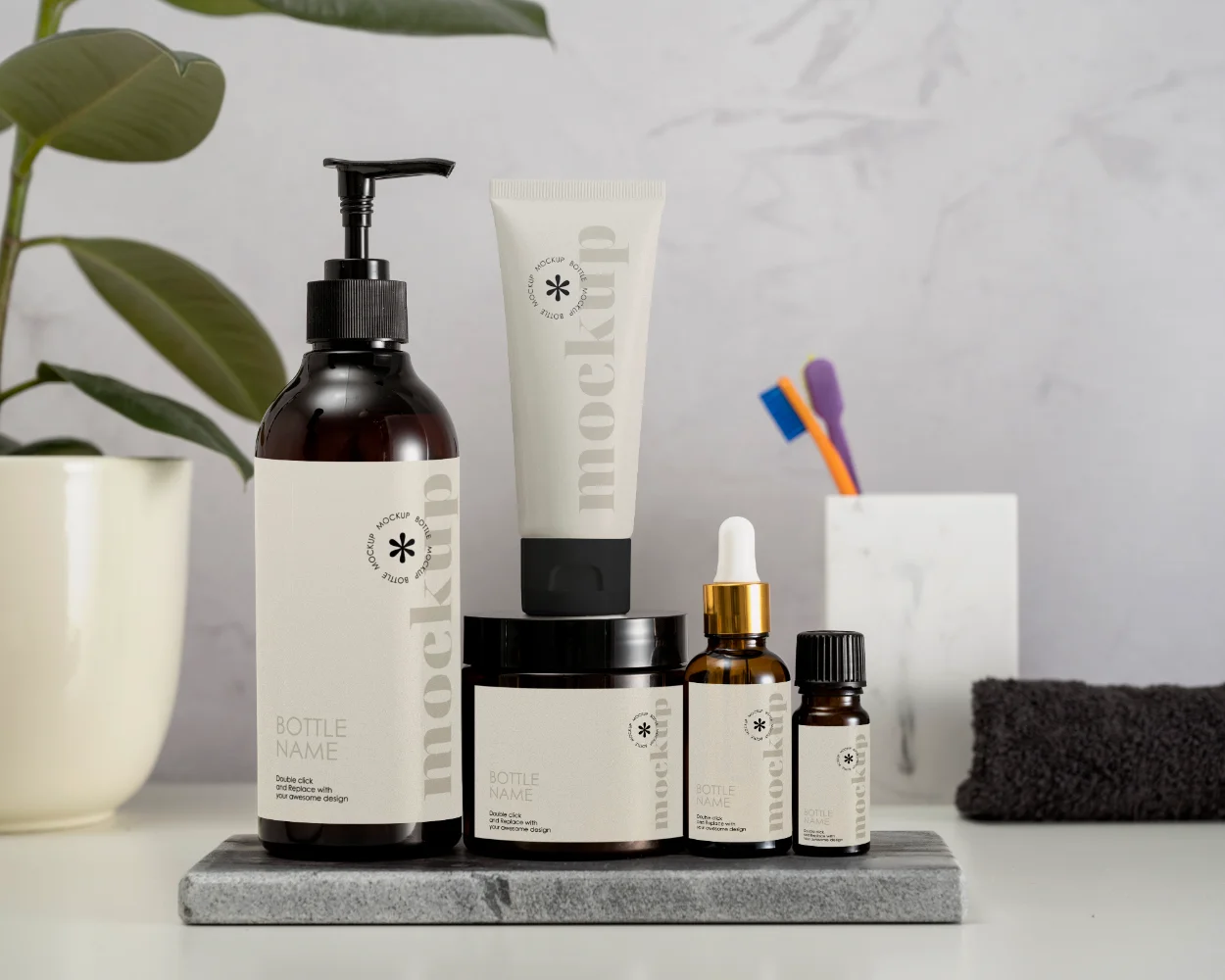
As a flexible packaging manufacturer, we focus on the parts of texture delivery that packaging can control and customers can verify. Packaging cannot change a formula’s rheology design, but packaging can change how the user doses, how often oxygen enters, and how stable the product remains after repeated use. A dispensing system changes repeatability. A pump can reduce air exposure and improve dose consistency compared with an open jar, while a dropper can create user-to-user variability if the dose is not guided. Packaging can also reduce light exposure for formulas that drift in color or odor under light. Packaging can support clarity by giving “use amount,” “layering note,” and “after-opening window” a consistent hierarchy so shoppers do not guess. The goal is not to promise that every user will feel the same result on every skin type. The goal is to reduce the probability that normal use and exposure turn into a brand-level trust complaint.

Explore packaging formats that reduce air/light exposure and improve repeatable dosing
Evidence (Source + Year): ISO/TR 18811:2018 provides guidance on stability testing of cosmetic products and includes stress conditions such as light exposure to evaluate quality drift. Commission Regulation (EU) No 655/2013 emphasizes that claim presentation must not mislead consumers and should reflect product performance under relevant conditions.
Conclusion: How do brands close the texture gap without overselling?
Brands close the texture gap when brands define texture claims, set clear boundaries, and deliver repeatable use conditions. If you want fewer “greasy, sticky, pilling” reviews, build a simple evidence stack and align it with packaging and instructions.
Talk to us about reducing texture drift in real-life use
FAQ
- Is “fast-absorbing” the same as “absorbs into skin”?
No. Consumers often mean “quick dry-down and clean touch,” which can come from evaporation and film set, not biological absorption.
- Why does a product feel silky at first but sticky later?
A volatile phase can leave and expose polymers or thickeners that raise tack, or oils can reorganize on the surface and increase shine.
- Why does pilling happen only when layering?
Layer incompatibility and friction can cause a film to roll and shed instead of staying continuous, especially with certain sunscreens or primers.
- How can a brand make texture claims safer?
Use definition sentences, boundary sentences, and one proof anchor test set across time windows (spread, dry-down, residue).
- Can packaging really change texture perception?
Packaging can reduce exposure drift and improve dose repeatability, which stabilizes user experience without changing the underlying formula.
About Us
Brand: Jinyi
Slogan: From Film to Finished—Done Right.
Website: https://jinyipackage.com/
Our Mission:
JINYI is a source manufacturer specializing in flexible packaging. We aim to deliver reliable, practical packaging solutions that reduce communication cost, improve quality repeatability, and support clearer lead times for brand owners.
Who We Are:
JINYI is a source manufacturer specializing in custom flexible packaging solutions, with over 15 years of production experience serving food, snack, pet food, and daily consumer brands.
We operate a standardized manufacturing facility equipped with multiple gravure printing lines as well as advanced HP digital printing systems, allowing us to support both stable large-volume orders and flexible short runs with consistent quality.
From material selection to finished pouches, we focus on process control, repeatability, and real-world performance. Our goal is to help brands reduce communication costs, achieve predictable quality, and ensure packaging performs reliably on shelf, in transit, and at end use.