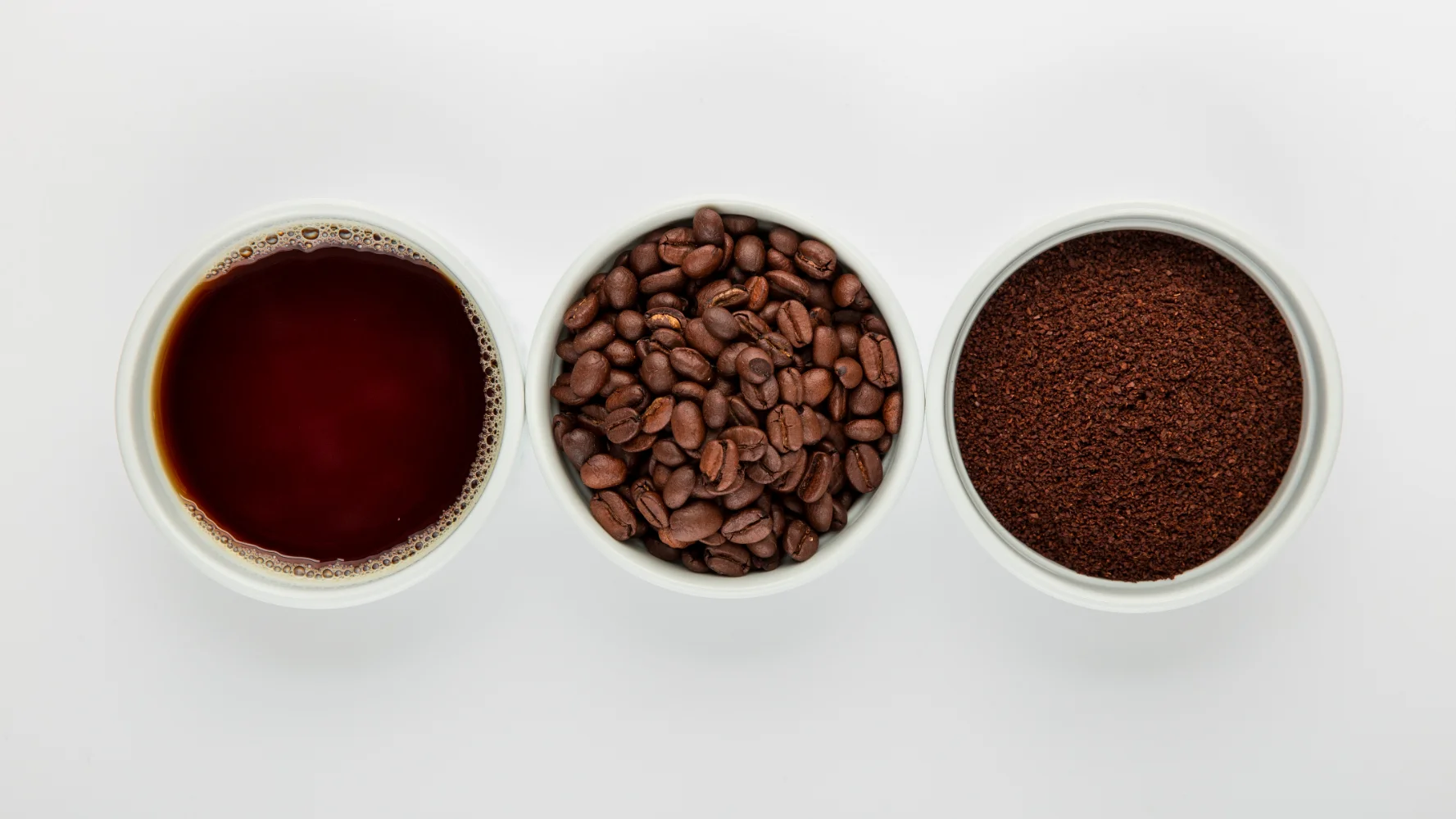
Coffee format looks simple. Coffee buying is not. Many buyers still treat whole bean, ground coffee, and pods like a status ladder instead of three different use designs.
Consumers should first compare freshness logic, grind control, convenience, packaging protection, and daily use. Whole bean, ground coffee, and pods solve different problems, so they should not be judged like one straight quality ranking.

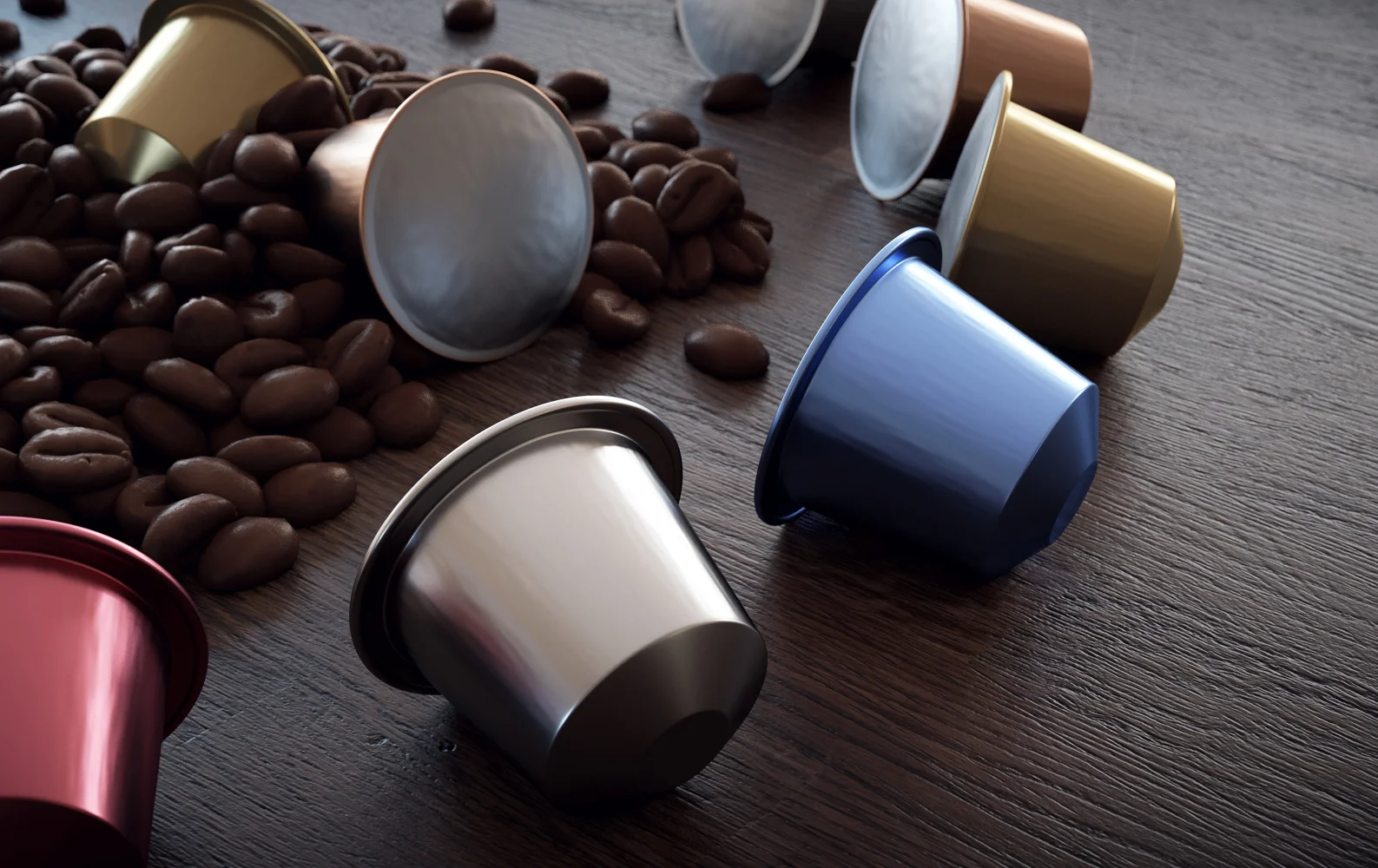
This matters because format often gets confused with seriousness. Whole bean can look more expert. Ground coffee can look like a shortcut. Pods can look like a convenience compromise. Yet those impressions miss the more useful question: what job is the format actually built to do? Whole bean usually keeps more freshness control in the buyer’s hands because grinding happens later. Ground coffee reduces effort and equipment requirements, but it also begins its exposed life earlier. Pods and capsules add another logic altogether. They often rely on portioned sealing and high-barrier packaging to protect pre-ground coffee while making daily use faster and more repeatable. So the better buying decision does not start with identity language. It starts with comparing freshness retention, grind control, packaging support, and real-life use.
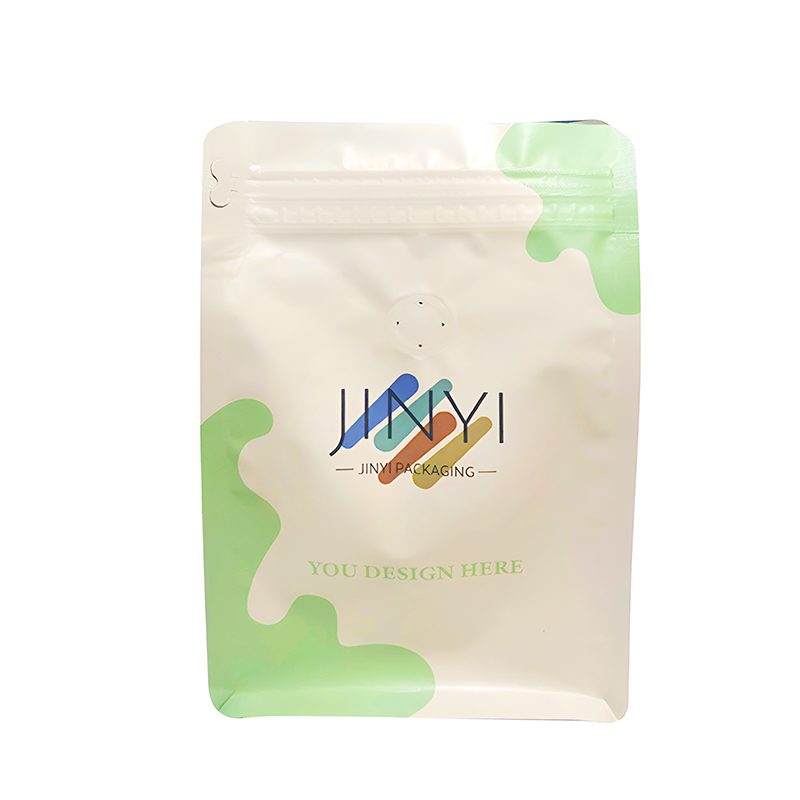
Build coffee packaging that makes freshness logic, usage fit, and format differences easier for buyers to understand at first glance.
Do Whole Bean, Ground Coffee, and Coffee Pods Mean the Same Kind of Coffee Experience?
These formats sit on the same shelf, but they are not solving the same problem. Buyers lose clarity when they read them as one professional ladder.
No. Whole bean usually sells control, ground coffee sells convenience, and pods sell portioned consistency. The better comparison is functional, not social.
Why format should be read as use design, not status design
Whole bean usually places more decision power later in the buyer’s hands. The buyer chooses when to grind, how fine to grind, and how that grind should match the brew method. That makes whole bean especially attractive to buyers who care about control and are willing to use it well. Ground coffee changes the logic. It removes one equipment step and makes preparation more direct. That is real value, not a mistake. But the coffee also enters a more exposed stage earlier because grinding increases surface area and changes how volatile compounds are released. Pods and capsules create a third logic. They are built around pre-measured use, sealed portions, and packaging-assisted protection. That makes them easier to use, cleaner to manage, and more consistent from serving to serving. The important point is simple: these formats do not represent one ranking line. They represent different trade-offs. Once buyers understand that, the comparison becomes more practical and less emotional.
| Format |
Main Selling Logic |
What Buyers Should Not Assume |
| Whole bean |
Control over grinding and timing |
That control automatically becomes a better cup for every buyer |
| Ground coffee |
Convenience and lower preparation friction |
That it must always be less thoughtful or less serious |
| Pods or capsules |
Portioned consistency and sealed single-use logic |
That convenience automatically means weak aroma or weak quality |
Evidence (Source + Year):
Yeretzian and Smrke, research on coffee freshness after package opening, 2022.
Basile et al., lipidic and volatile components of coffee pods and capsules, 2024.
What Can Each Format Really Tell Buyers About Freshness and Aroma?
Freshness is not one generic promise. Coffee format changes how aroma is protected, when exposure begins, and how much packaging has to work after the product leaves the factory.
Format changes how freshness is protected, not just how coffee is served. Whole bean usually holds aroma longer, ground coffee depends more heavily on packaging speed and quality, and pods protect pre-ground coffee through sealed single-use systems.
Why freshness protection begins changing before the first cup is brewed
Whole bean generally gives aroma a better chance to remain intact for longer because the bean structure stays unbroken until later. Once coffee is ground, the exposed surface area rises sharply, and volatile compounds can escape more readily. Research on coffee aroma release and grinding supports this basic logic well. Ground coffee is therefore not automatically poor, but it enters a more vulnerable freshness state sooner. That makes the buying window, storage conditions, and packaging barrier more important than many buyers expect. Pods and capsules use a different strategy. They accept the earlier grinding step, then try to protect that ground coffee through portioned sealing, strong barrier materials, and often inert-gas packaging. That does not make the coffee magically immune to time, but it does give the format a real protection logic of its own.
This is why buyers should stop asking which format sounds more “fresh” in the abstract. They should ask how freshness is being protected in that format. Whole bean protects by delaying grinding. Ground coffee needs stronger dependence on packaging and faster use. Pods protect by sealing small portions individually. The comparison becomes much clearer once freshness is read as a system rather than a slogan.
| Format |
Freshness Advantage |
Freshness Risk |
| Whole bean |
Grinding is delayed, so aroma loss starts later |
Freshness still falls quickly after opening if storage is poor |
| Ground coffee |
No grinder is needed and use is faster |
Aroma release and staling pressure begin earlier |
| Pods or capsules |
Single-use sealing can protect portioned ground coffee well |
Freshness depends heavily on packaging quality and storage conditions |
Evidence (Source + Year):
Yeretzian and Smrke, coffee freshness after package opening, 2022.
Basile et al., coffee pods and capsules, 2024.
Why Does Grind Control Matter More Than Many Buyers Expect?
Grinding is often treated like a small technical step. In real brewing, it changes extraction behavior, flavor balance, and how much control the buyer truly has.
Whole bean gives buyers more control, but control only matters when the buyer can actually use it well. Grind choice helps shape extraction, but not every buyer wants or needs that responsibility.
Why whole-bean value becomes real only when the buyer can use it
Whole bean’s strongest practical advantage is not prestige. It is grind control. Particle size affects how water moves through the coffee bed, how soluble material is extracted, and how sensory attributes emerge in the cup. Research and industry brewing work both support the idea that grind is one of the most consequential brewing variables. A buyer using pour-over, espresso, French press, or batch brew does not need the same grind behavior, and that is exactly where whole bean can become valuable. It allows the coffee to be adapted later rather than fixed earlier.
Still, this advantage should not be exaggerated into a universal victory. If a buyer does not own a grinder, does not want to dial in grind size, or does not have a stable brewing routine, the theoretical control of whole bean may never become a better practical result. In that case, a well-chosen ground coffee can outperform poorly handled whole bean at home simply because the user is more likely to prepare it consistently. That is why whole bean should be read as a control format, not as an automatic quality guarantee. Control is valuable, but only when the buyer has the equipment, skill, and interest to make use of it.
| Buyer Situation |
Why Whole Bean May Help |
Why It May Not Help Much |
| Buyer has a grinder and cares about brew method |
Grind can be adjusted for flavor and extraction control |
It still requires effort and consistency |
| Buyer wants easy daily routine |
Whole bean can still work if the routine is stable |
Extra steps may create friction and inconsistency |
| Buyer has no grinder |
The format may still feel premium on paper |
The control advantage is mostly theoretical |
Evidence (Source + Year):
SCA Brewing Fundamentals Research, 2025 project overview.
Williams et al., particle size and sensory experience in coffee, 2022.
Why Might Ground Coffee or Pods Be the Smarter Choice for Some Buyers?
Convenience is often treated like a quality concession. In many households and work settings, convenience is the main performance requirement, not a side issue.
For some buyers, convenience is not a compromise. It is the main performance goal. Ground coffee and pods can be smarter when speed, repeatability, low mess, or no grinder access matters most.
Why format fit can matter more than format prestige
Ground coffee’s value is straightforward. It removes the grinder barrier. That alone can make better coffee more accessible to buyers who would otherwise never grind beans at home. Pods and capsules go one step further. They combine pre-ground coffee with sealed portions and a simplified brewing workflow. For many buyers, that means less mess, fewer variables, faster cleanup, and more consistent daily output. Research on capsules helps explain why this convenience should not be dismissed too quickly. Studies note that capsules can protect coffee from oxidation or rancidity and may preserve volatile intensity rather than automatically damaging aroma. Research on pod and capsule packaging also emphasizes strong barrier materials, inert-gas sealing, and extended shelf life for portioned coffee systems.
That does not mean pods beat whole bean for every buyer. It means the wrong comparison is often being made. If the buyer’s real need is speed, repeatability, low equipment burden, and clean operation, then convenience is not a side benefit. It is the main performance goal. In that case, a format built for easier, more stable use may be the smarter choice, even if another format looks more serious in coffee culture language.
| Buyer Need |
Why Ground Coffee May Fit |
Why Pods May Fit |
| No grinder available |
Preparation becomes much more direct |
Single-use brewing becomes even simpler |
| Fast daily routine |
Less setup friction than whole bean |
Strong repeatability and low mess |
| Consistency over experimentation |
A stable grind can help routine brewing |
Portioned sealing makes repetition easier |
Evidence (Source + Year):
Basile et al., lipidic and volatile components of coffee pods and capsules, 2024.
Choose coffee packaging that supports the right format logic, whether the brand needs whole-bean freshness control, ground-coffee clarity, or portioned consistency for pod-style use.
What Can Format Not Prove on Its Own?
Format can feel like a shortcut for quality. It is not. Buyers can still overread the bag long before they have read the coffee.
Format tells buyers how coffee is prepared and protected, but it does not prove the whole quality story. Roast, origin, processing, packaging, and storage still matter heavily.
Why format should stay in its lane during coffee judgment
Whole bean cannot prove higher quality by itself. A weak roast, poor storage, or unsuitable brewing routine can still produce a disappointing cup. Ground coffee cannot prove low quality by itself either. If the roast is good, the packaging is strong, and the buyer uses it in a realistic time window, it can be a rational and satisfying choice. Pods also should not be treated as automatic evidence of low flavor. Research on capsule systems shows real packaging advantages in oxygen protection and volatile preservation. That does not mean pods erase every freshness challenge, but it does mean the old “pods equal bad flavor” shortcut is too simple.
All three formats therefore need help from other signals. Roast date or best-by logic still matters. Packaging barrier still matters. Storage temperature still matters. Origin, roast execution, and process still shape the underlying coffee. Format helps explain the route the coffee will take from bag to cup. It does not explain everything about the coffee itself. This is why consumers should stop reading format as a final status marker and start reading it as one useful layer inside a wider decision framework.
| Format Shortcut |
Why It Fails |
What Buyers Should Read Instead |
| “Whole bean means premium.” |
Whole bean still depends on roast, storage, and user ability |
Check roast quality, freshness cues, and actual equipment use |
| “Ground coffee means lower end.” |
Good packaging and fast use can still make it a strong practical choice |
Read packaging, freshness window, and daily use fit |
| “Pods mean weak aroma.” |
Capsule systems can preserve aroma better than many buyers assume |
Check packaging logic and cup goal rather than format prejudice |
Evidence (Source + Year):
Williams et al., coffee terroir and the role of grinding, 2022.
Foods, coffee pods packaging and volatile protection research, 2024.
What Should Consumers Compare First Before They Decide?
Buyers do not need a format argument. They need a reading order. The right order makes the shelf easier and the decision calmer.
Consumers should compare freshness priorities, equipment reality, convenience needs, and cup repeatability before comparing image. Format should be read as fit, not rank.
How to compare coffee formats in a more useful order
The most helpful comparison starts with the buyer rather than the format. Step one is to ask whether freshness control, convenience, or cup repeatability matters most. Step two is to ask whether the buyer has a grinder and actually wants grind control. Step three is to read whole bean, ground coffee, or pod as a format signal rather than a status signal. Step four is to check packaging and storage logic, especially when the coffee is already ground. Step five is to match the format to brew reality. Daily drip, office use, travel, low-effort home brewing, and espresso routines do not ask for the same format strengths.
This order works because it removes false prestige from the center of the decision. A buyer who wants maximum control and already owns a grinder may land on whole bean for good reasons. A buyer who wants direct daily brewing with less effort may land on ground coffee for equally good reasons. A buyer who wants fast, portioned, repeatable brewing with minimal mess may land on pods. None of those choices becomes intelligent or foolish just because coffee culture gives one format a higher identity status. The better question is simple: which format matches the buyer’s freshness priorities, equipment, and daily use most honestly?
| Step |
What Buyers Compare |
Why It Matters |
| 1 |
Freshness control vs convenience vs repeatability |
It defines the real buying goal before identity language gets in the way |
| 2 |
Grinder access and willingness to use it |
It decides whether whole-bean control is real or only theoretical |
| 3 |
Format as a functional signal |
It keeps whole bean, ground, and pods in the right decision role |
| 4 |
Packaging and storage logic |
It shows how protected the coffee really is in that format |
| 5 |
Actual brew reality |
It connects the format to the cup the buyer will really make |
Evidence (Source + Year):
Yeretzian and Smrke, coffee freshness after opening, 2022.
SCA Brewing Fundamentals Research, 2025 project overview.
About Us
Jinyi — From Film to Finished—Done Right.
https://jinyipackage.com/
Our Mission
We believe good packaging is not only surface design. It is a solution that can perform reliably in real conditions. JINYI aims to provide reliable, practical, and production-ready flexible packaging solutions so brands can reduce communication cost while gaining steadier quality, clearer lead times, and structures that fit real products and real sales channels.
About Us
JINYI specializes in Custom Flexible Packaging and brings more than 15 years of production experience to coffee, food, snack, pet food, and other consumer categories. The factory is equipped with multiple gravure printing lines and HP digital printing systems, supporting both stable large-volume production and flexible short-run projects.
As a flexible packaging manufacturer, we focus on material choice, barrier balance, filling compatibility, transport reliability, shelf display, and the way packaging performs during real consumer use. For coffee projects, that means helping brands present whole bean, ground coffee, or pod formats with clearer freshness logic, clearer date communication, and structures that fit how the coffee will actually be stored, opened, and brewed.
FAQ
Is whole bean always better than ground coffee?
No. Whole bean usually offers more control, but that advantage only matters when the buyer has a grinder and wants to use that control well.
Do coffee pods always have worse aroma than other formats?
Not always. Pods and capsules often rely on strong barrier packaging and sealed portions, which can protect pre-ground coffee better than many buyers expect.
Why does ground coffee lose freshness faster?
Grinding increases exposed surface area, which makes volatile compounds easier to release and makes the coffee more dependent on packaging and fast use.
What should buyers compare first before choosing a format?
They should compare freshness priorities, equipment reality, convenience needs, and how repeatable they want the daily cup to be.
Can convenience still be a smart coffee choice?
Yes. For many buyers, convenience is the main performance goal, especially when speed, low mess, and consistency matter more than grind experimentation.